











Gplace
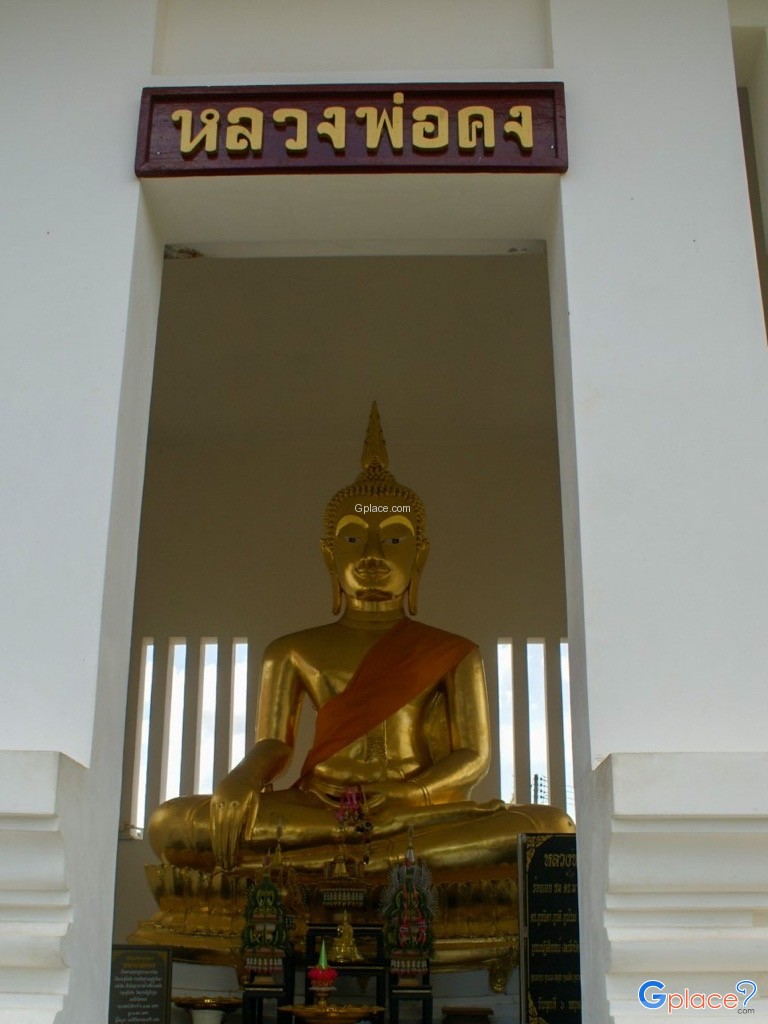
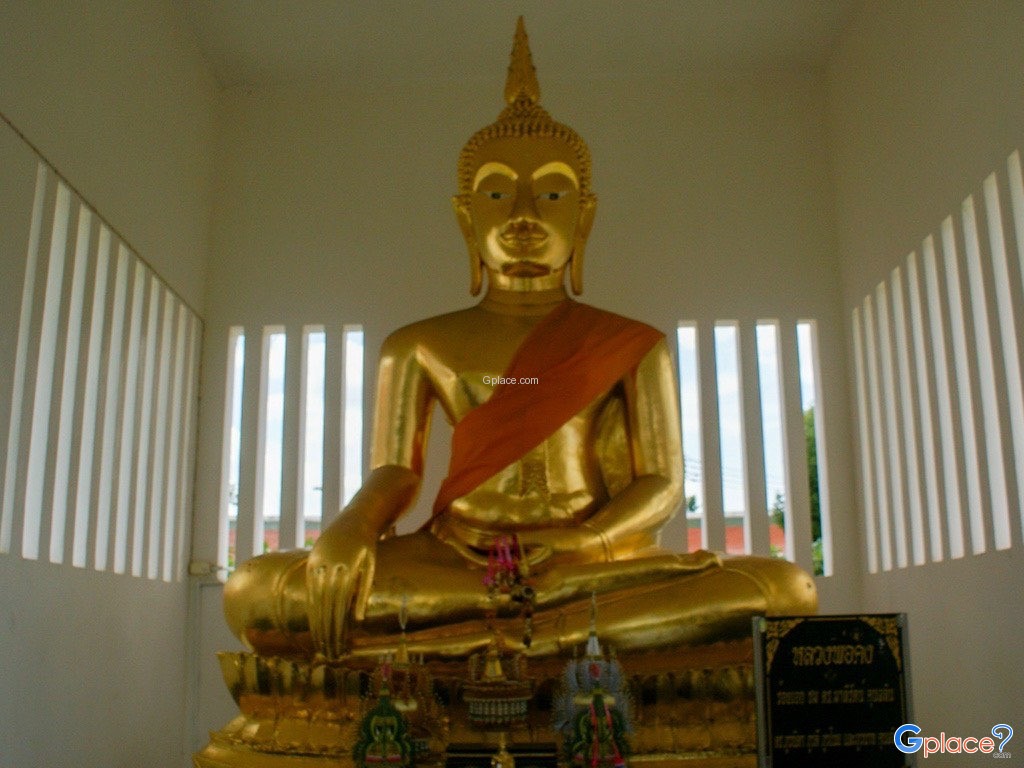
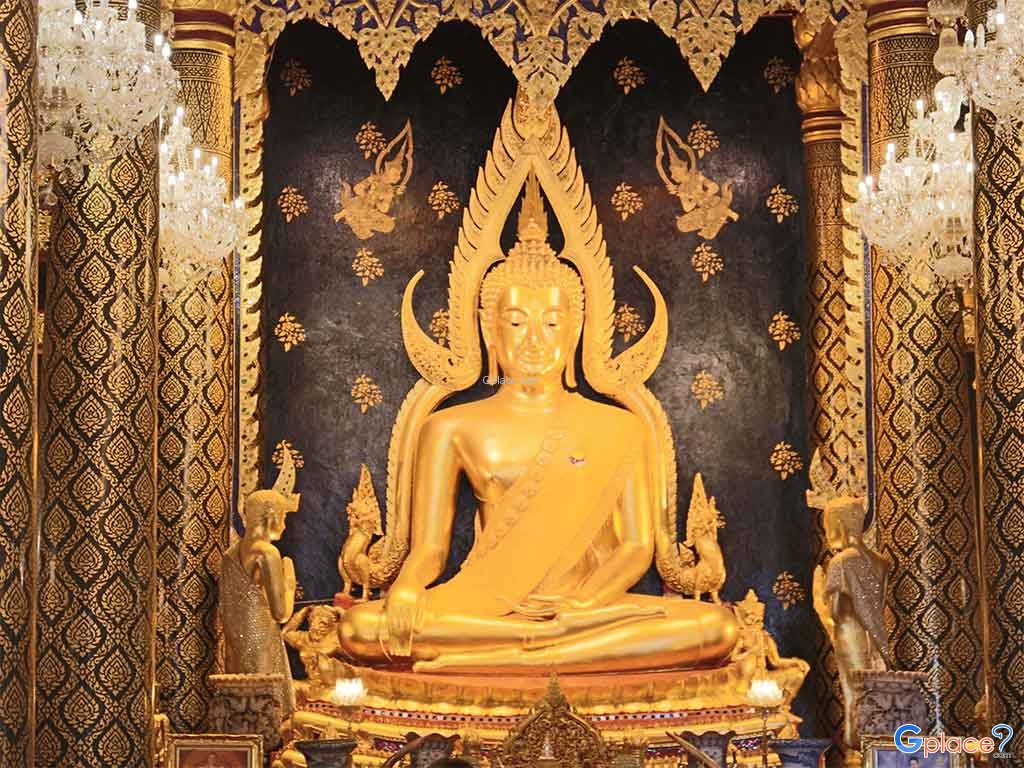
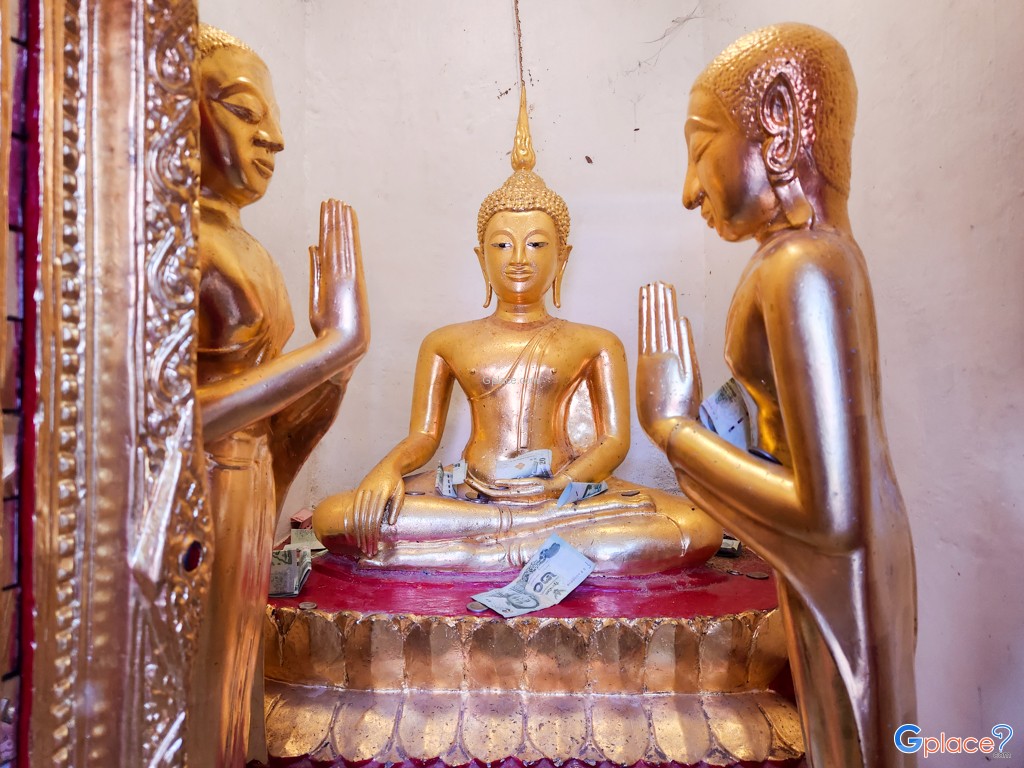
Phra Phuttha Chinnasri

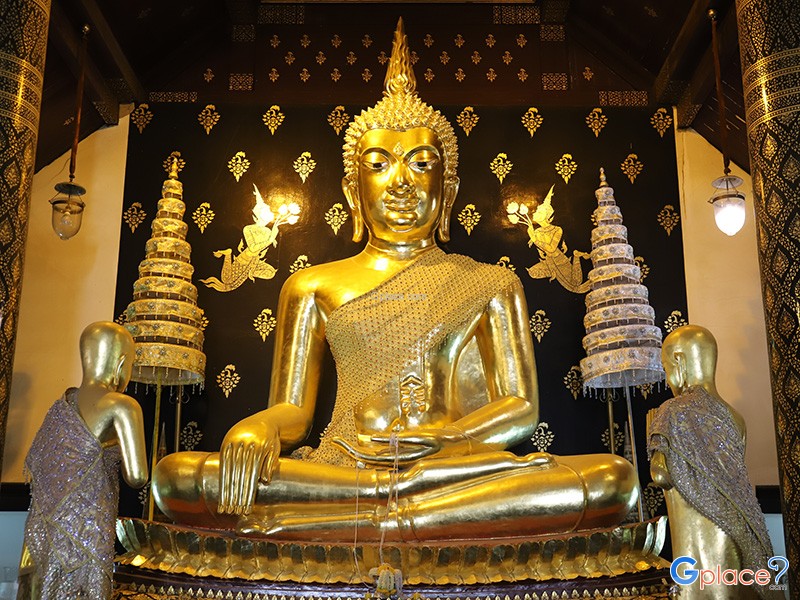
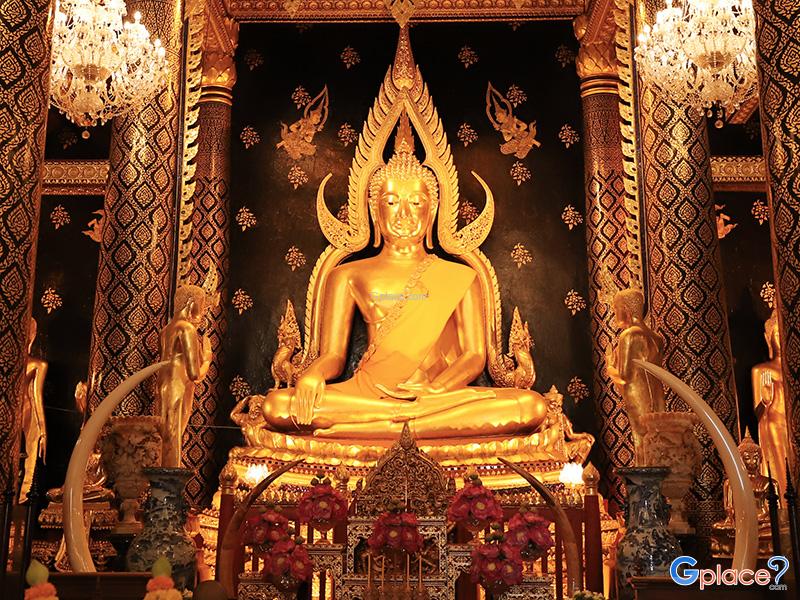
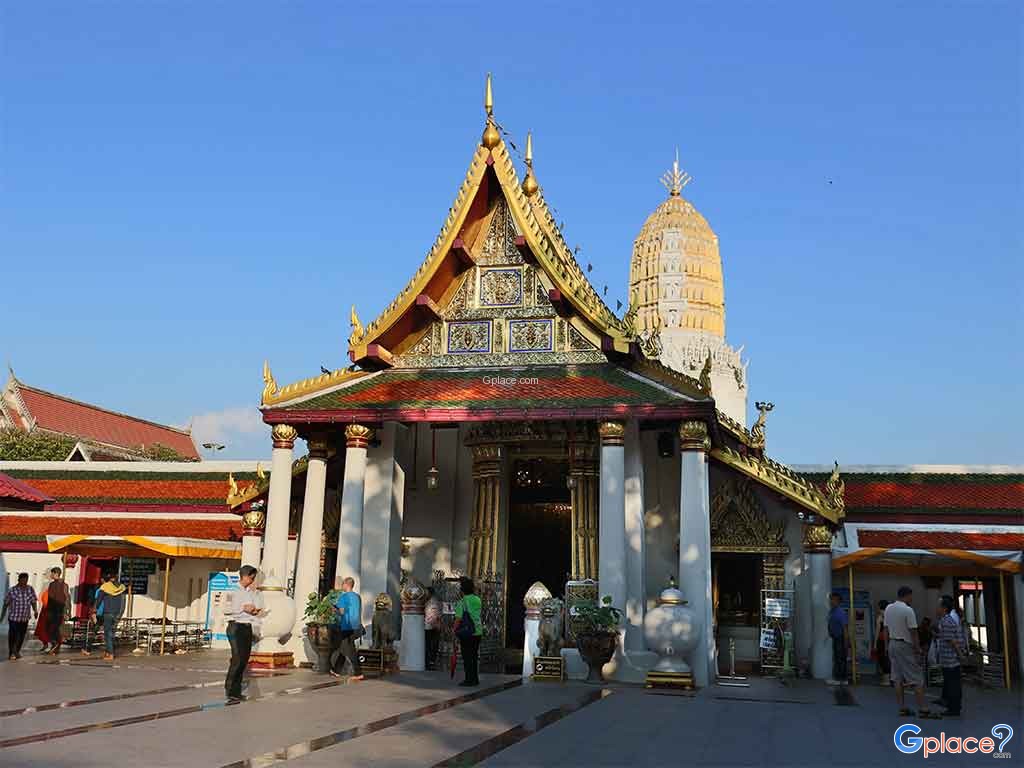
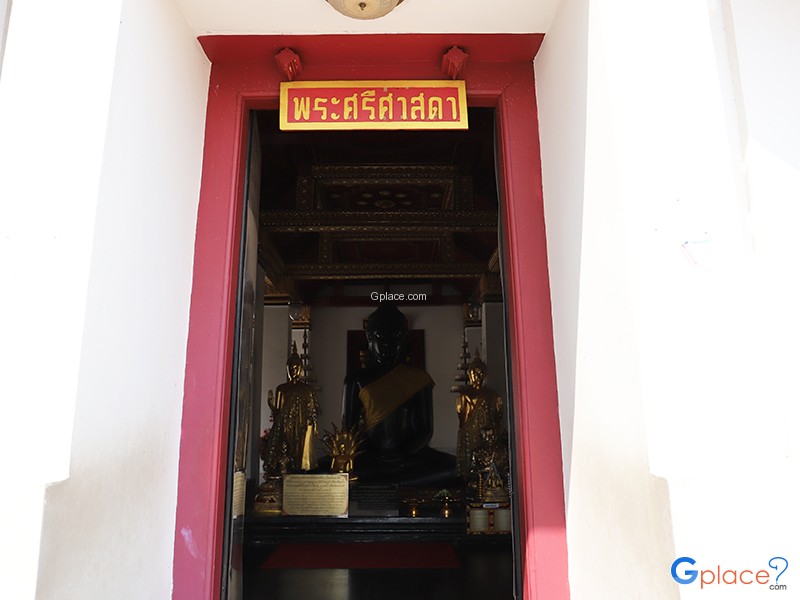
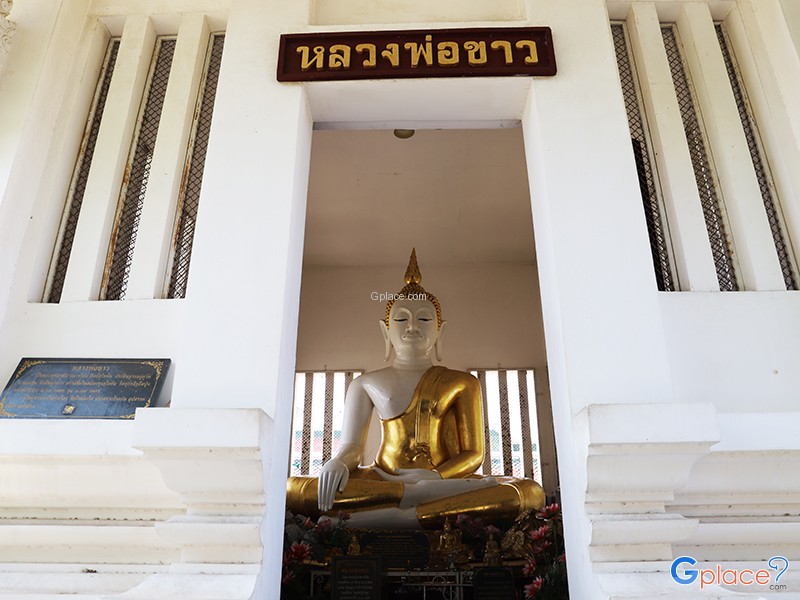
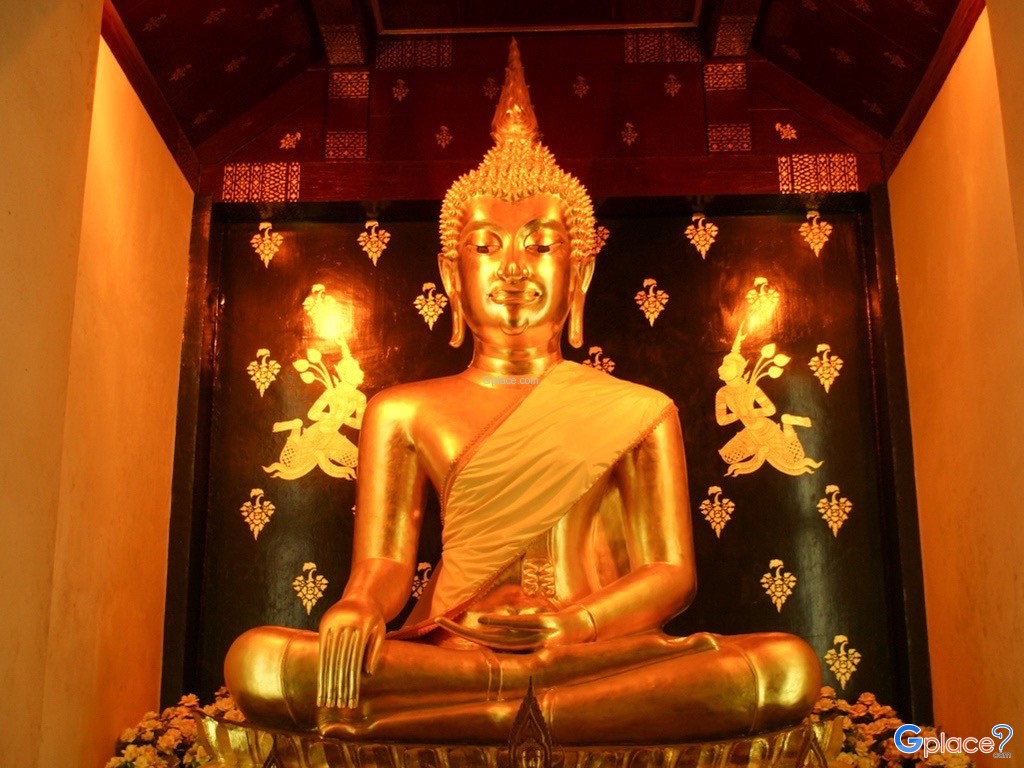
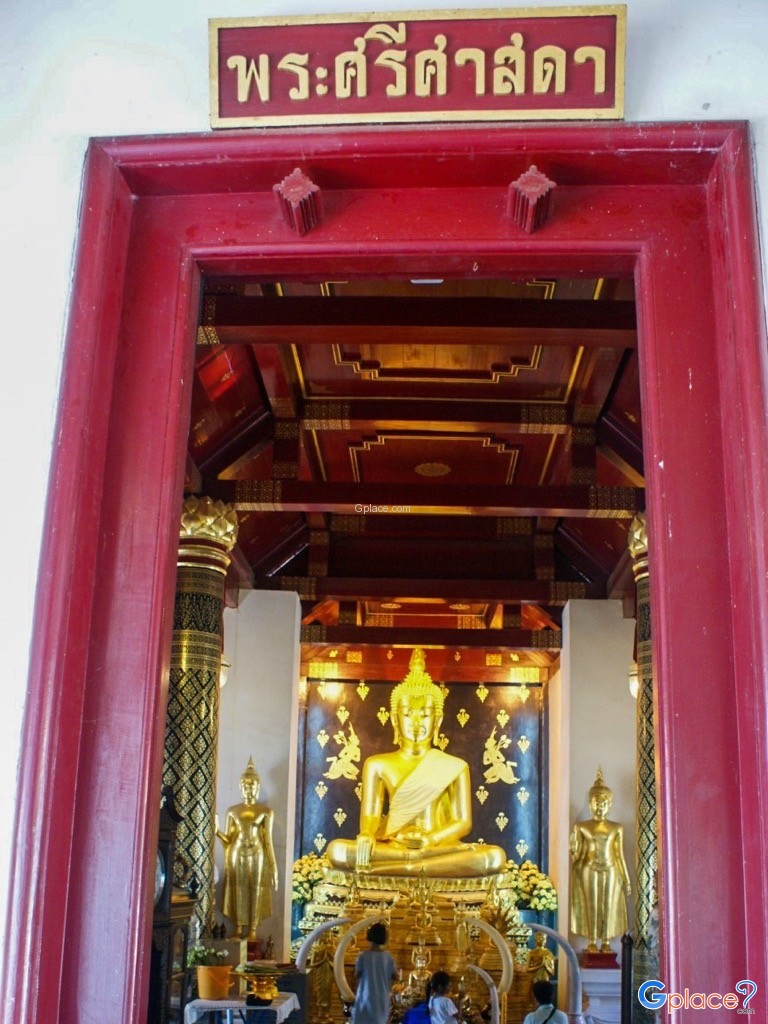
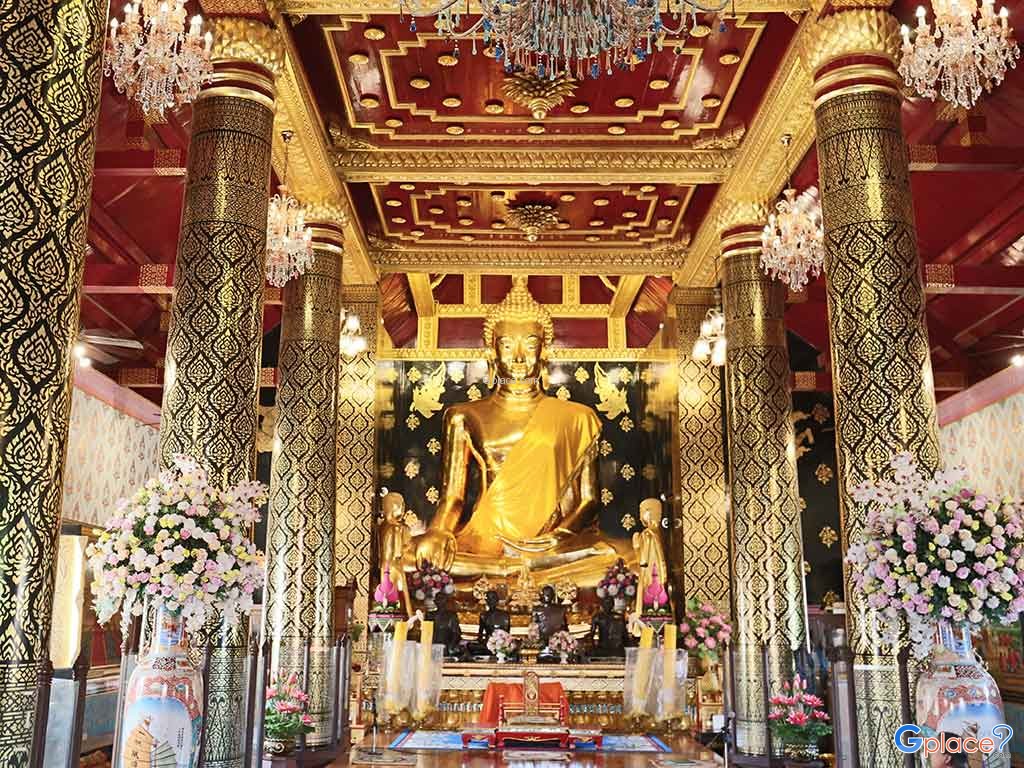
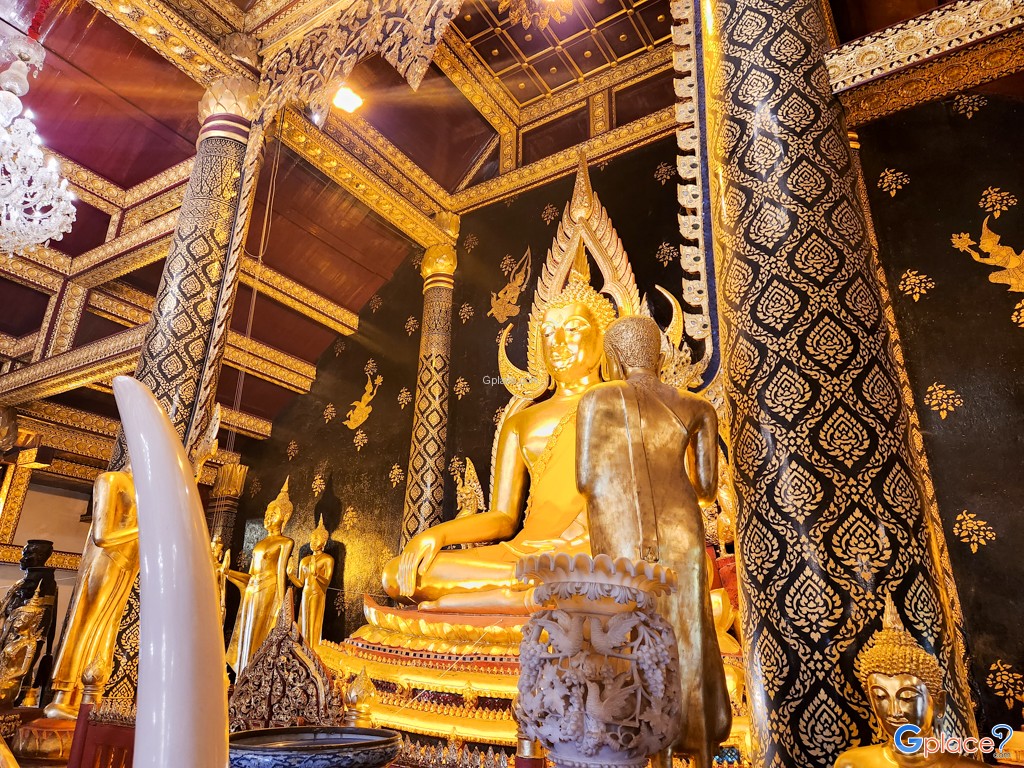
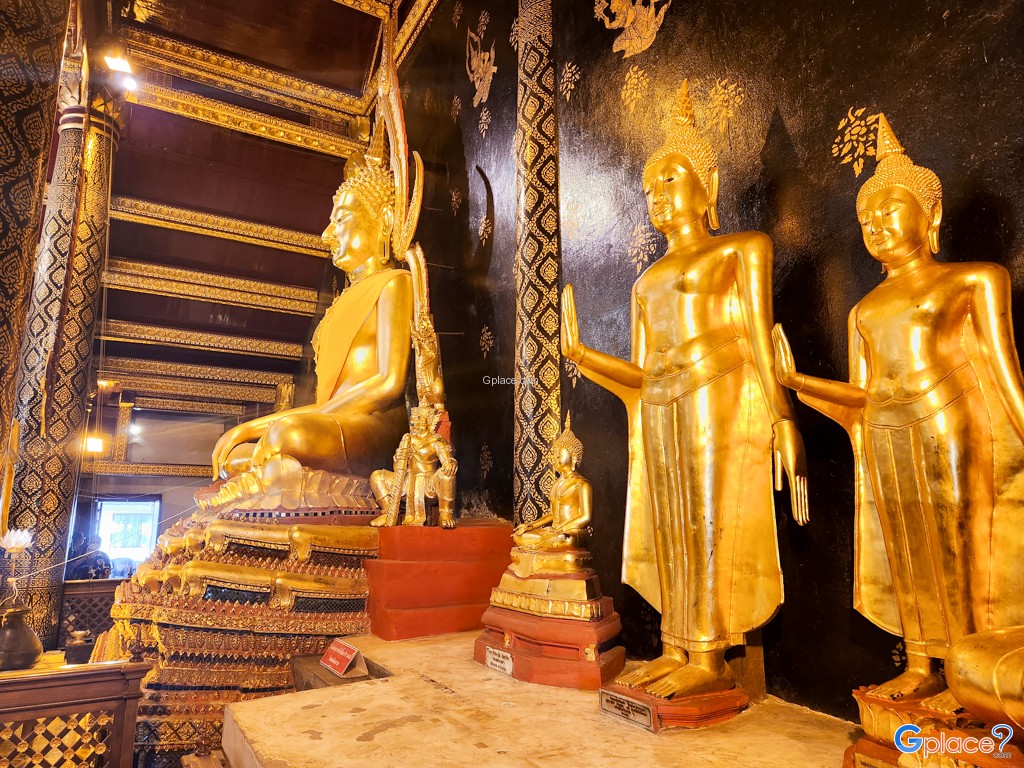
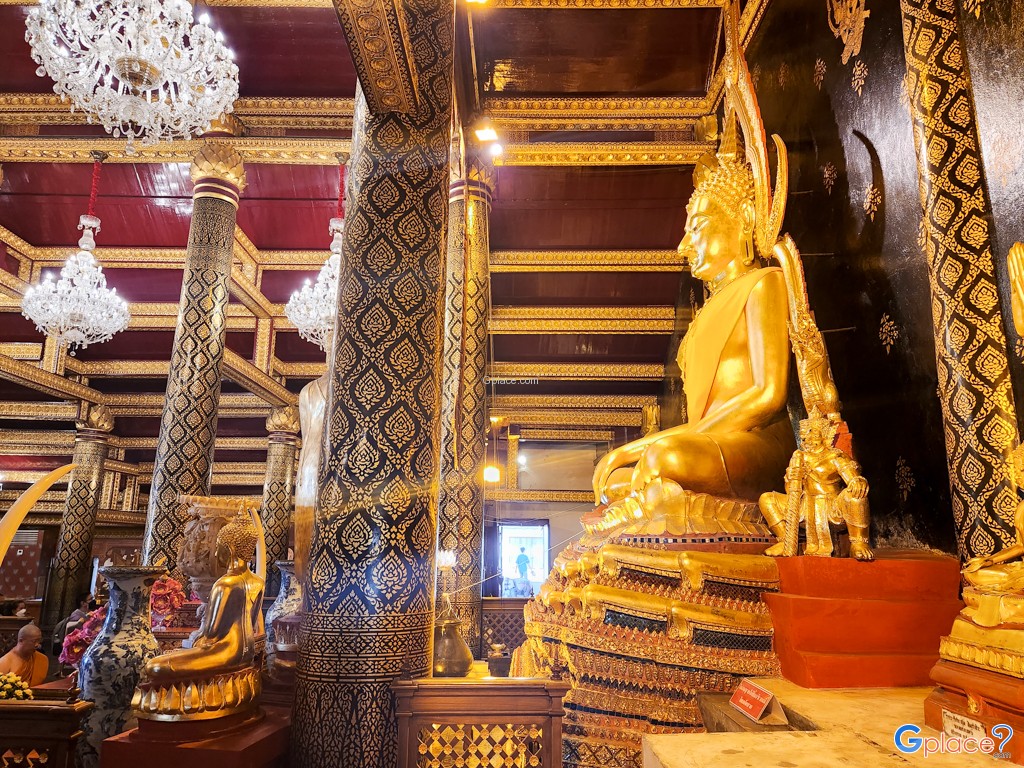
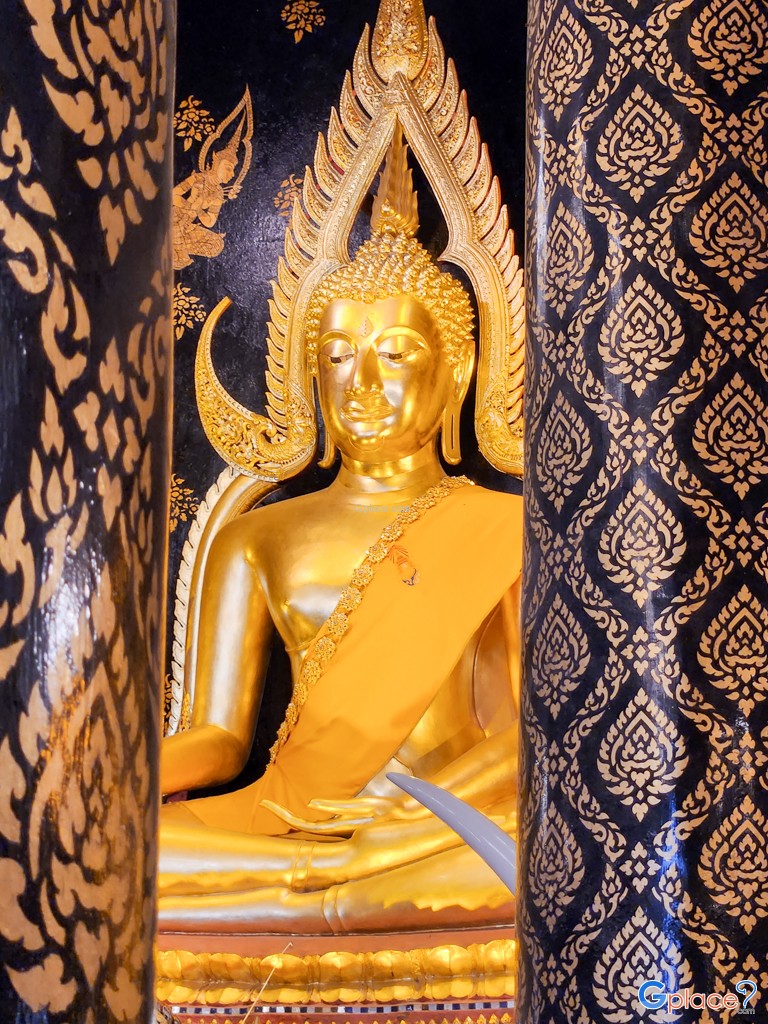
The original Phra Phuttha Chinnasri was cast in 1357 during the Sukhothai period by King Maha Thammaracha I (Li Thai). It was created alongside Phra Phuttha Chinnarat and Phra Si Satsada to serve as the presiding Buddha in the North Vihara of Wat Phra Si Rattana Mahathat (Wat Yai).
Relocation to Bangkok In 1829, during the reign of King Rama III, the original statue was relocated to Wat Bowonniwet Vihara in Bangkok by Prince Maha Sakdipolsep. The move was prompted by the dilapidated state of the original Vihara in Phitsanulok at the time and the desire to protect this sacred national treasure.
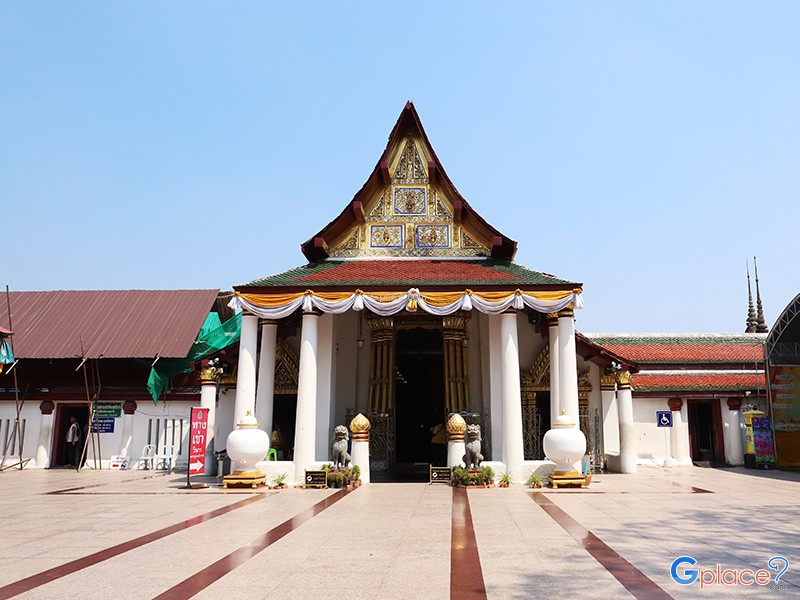
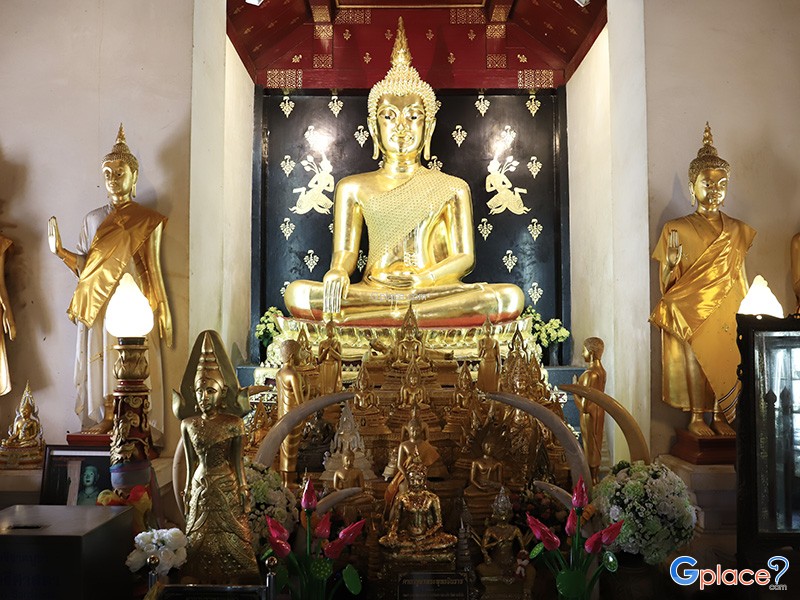
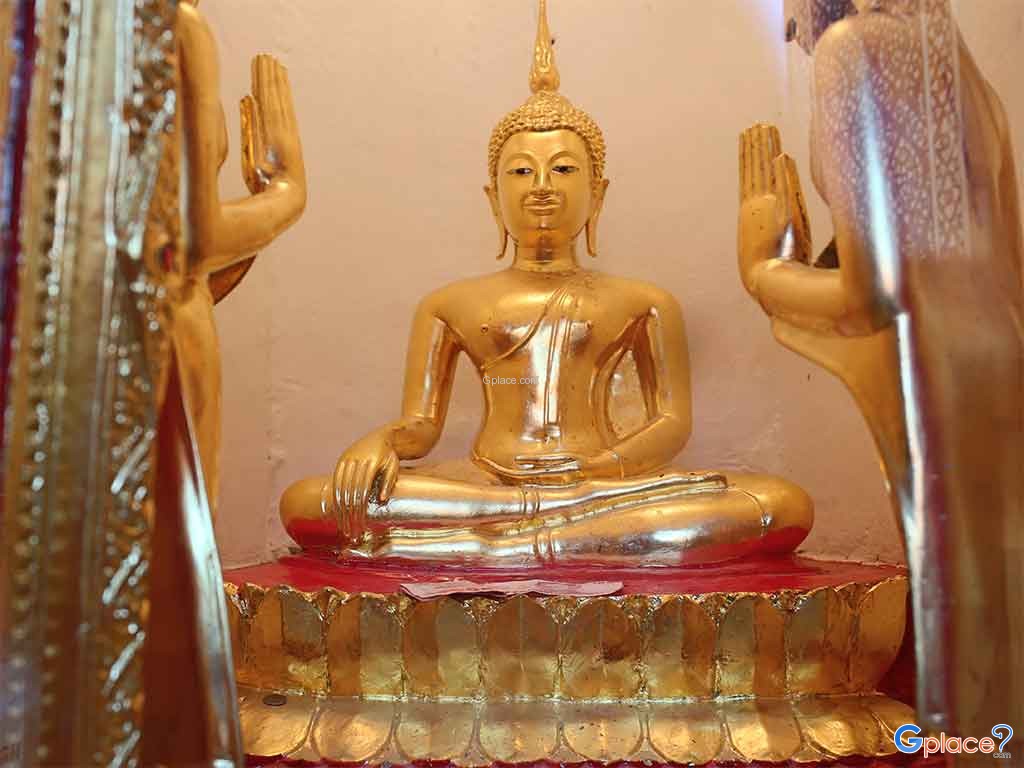
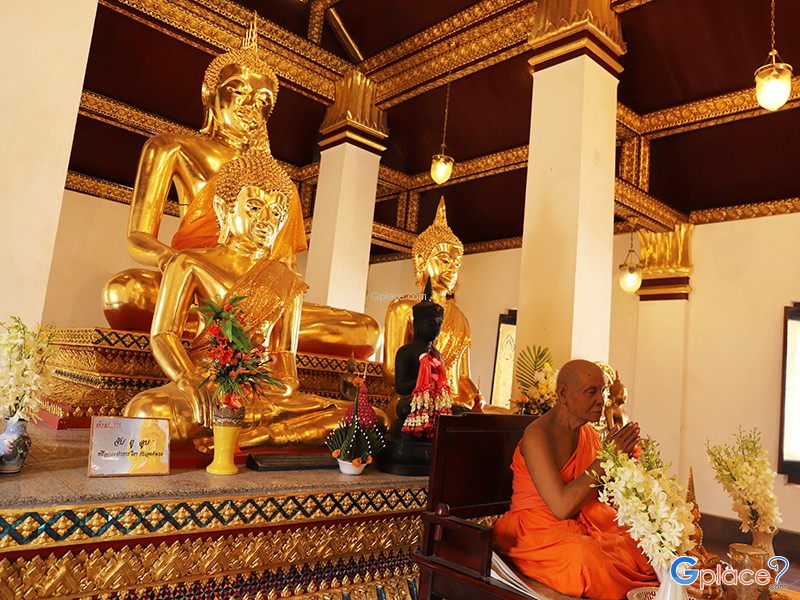
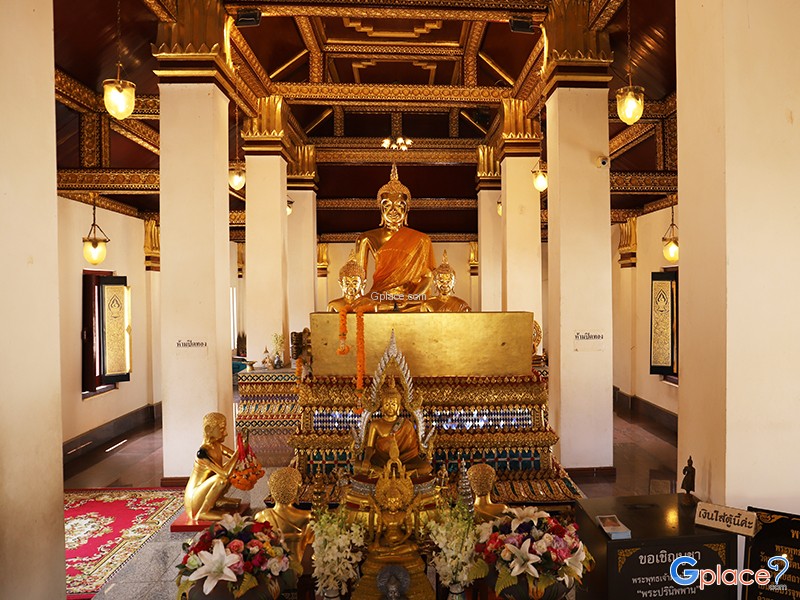
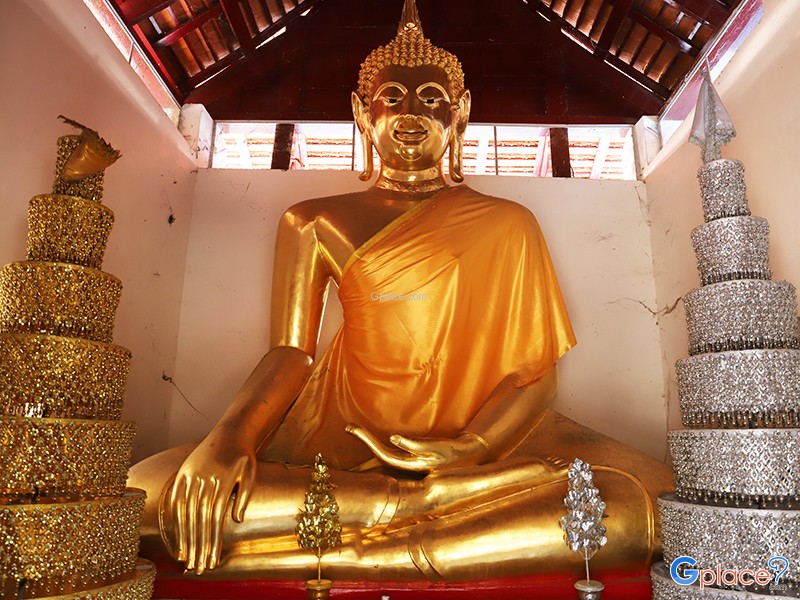
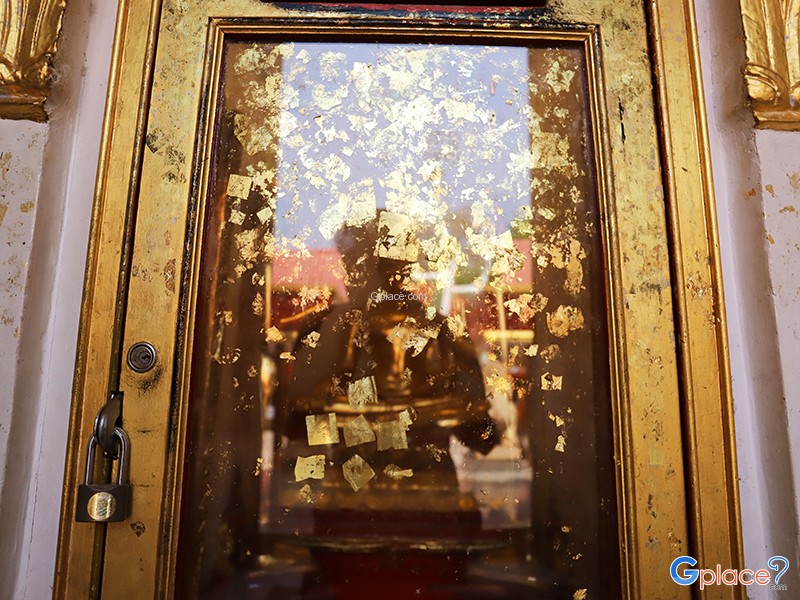
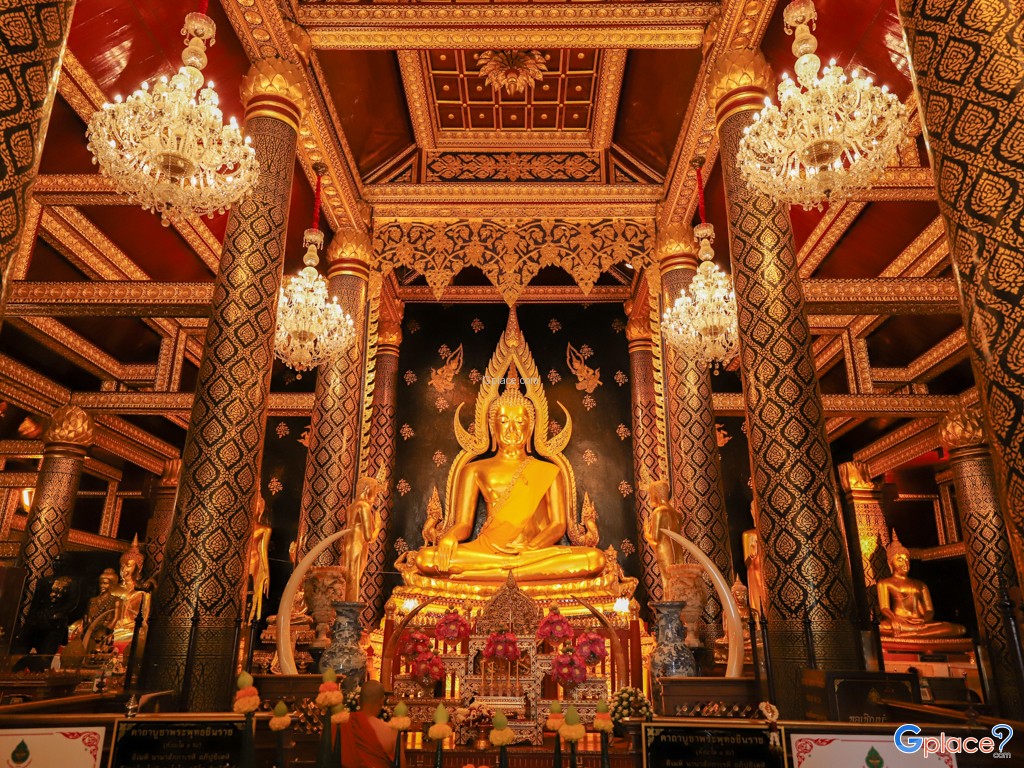
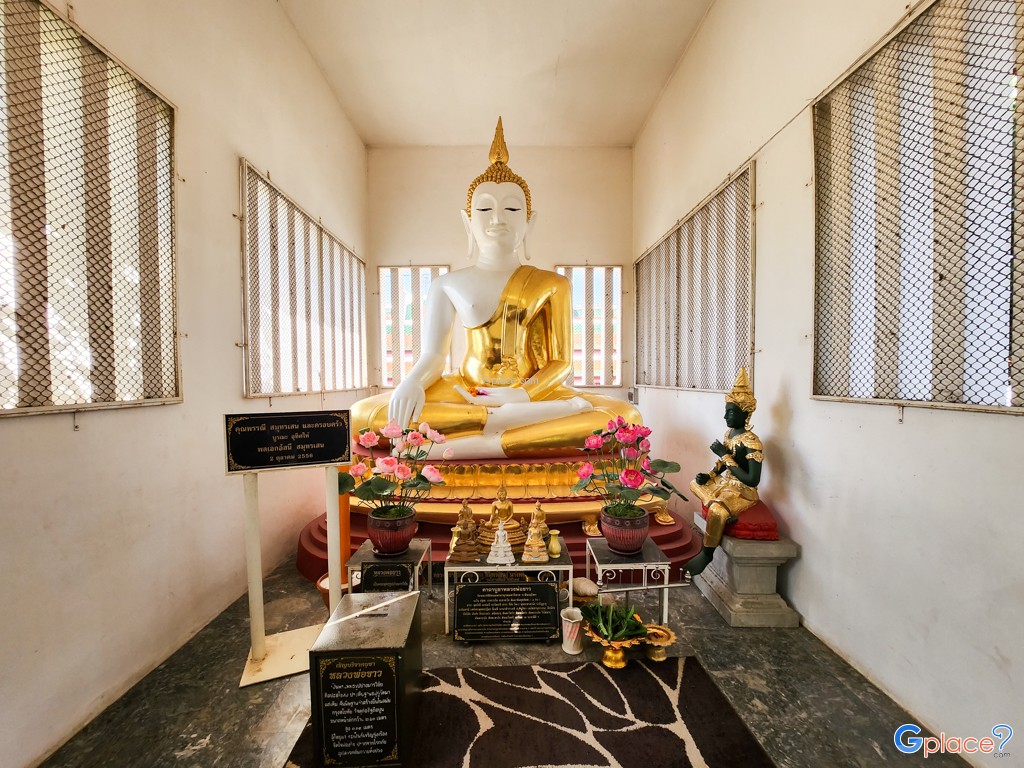
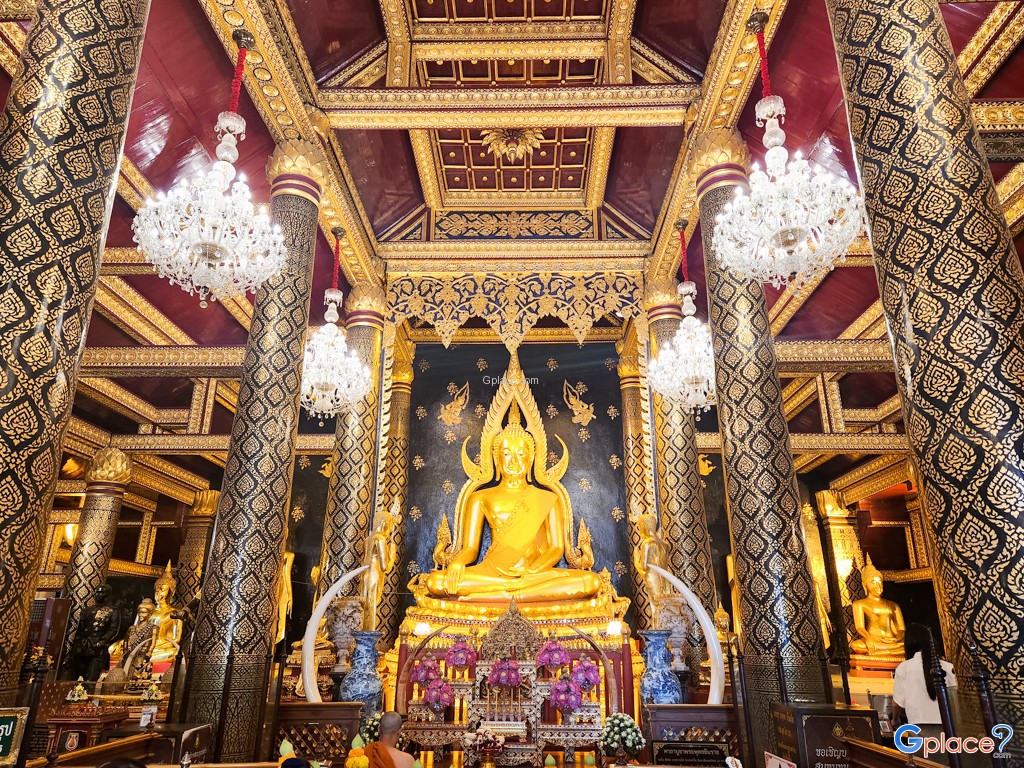
The Current Replica To honor the temple's original spiritual layout, a highly accurate replica was later cast and enshrined in the North Vihara. This replica maintains the exact proportions and exquisite features of the original, allowing local devotees and visitors to worship the image in its historical home.
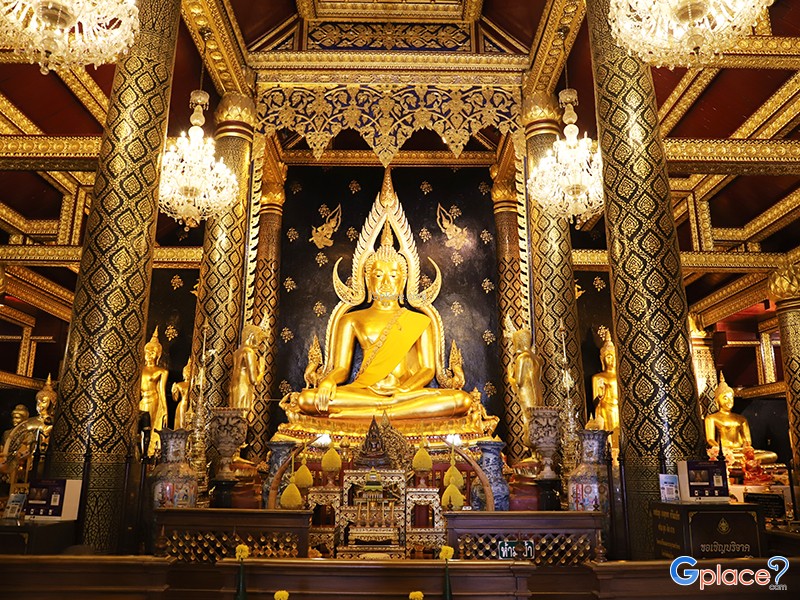
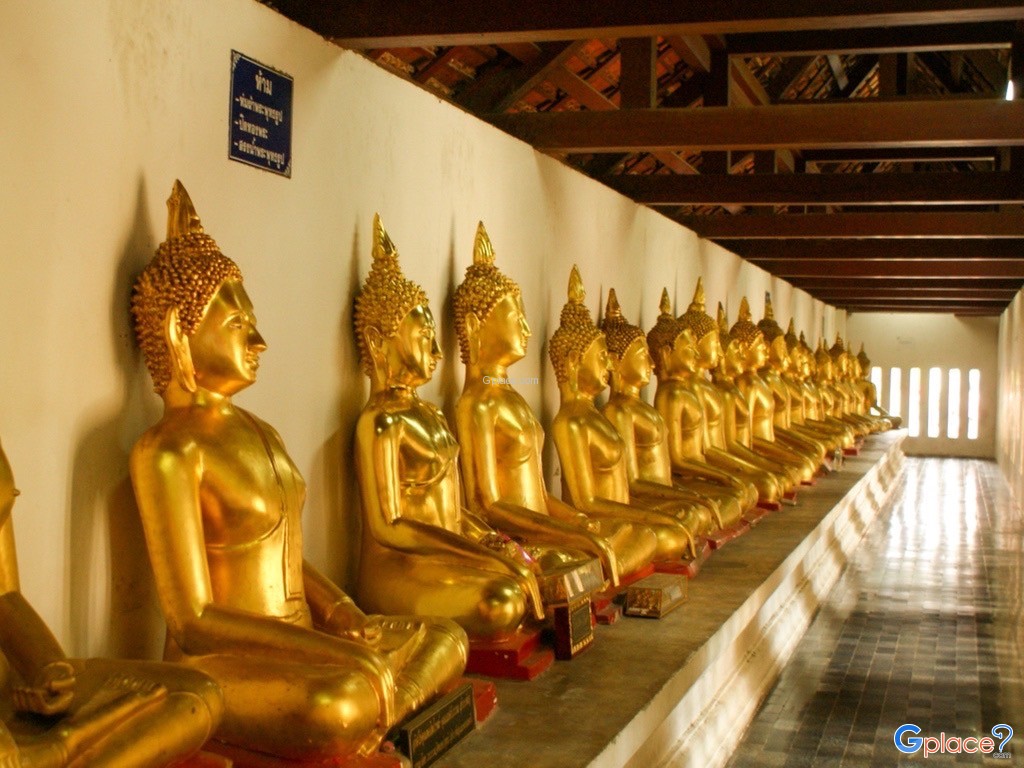
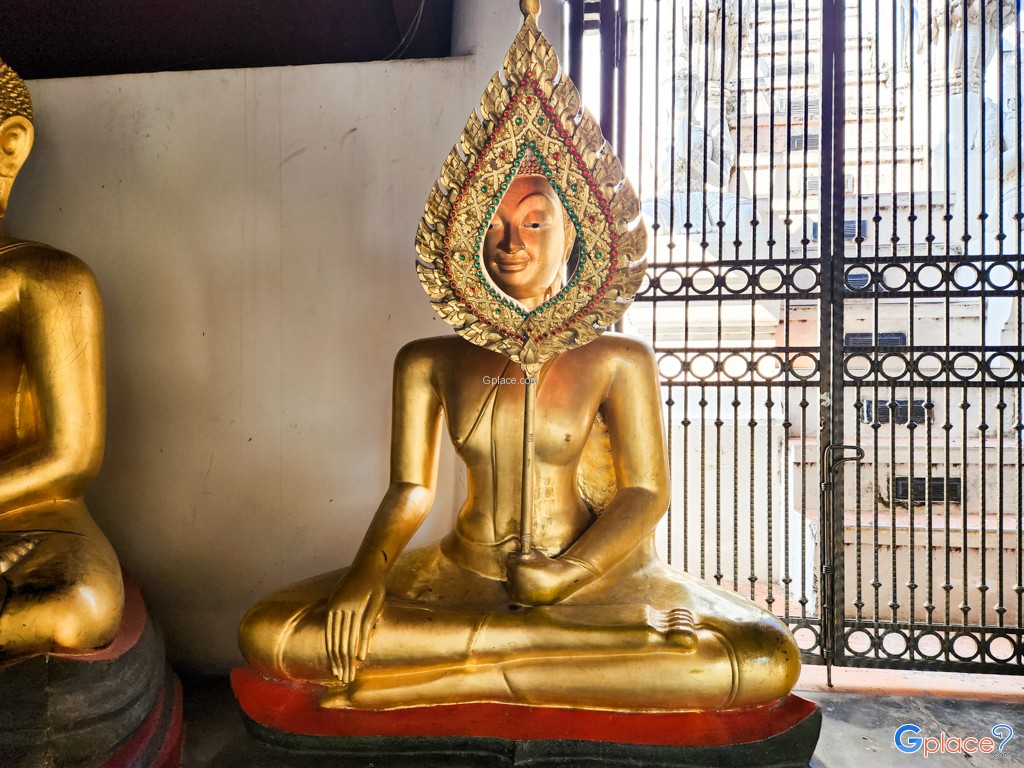
Artistic Features The statue is a masterpiece of Sukhothai art in the subduing Mara posture. It is characterized by an oval face, a flame-like halo (Rasmi), and the four equal fingers, a distinctive trait of the Chinnarat family of Buddha images, symbolizing the Great Man's characteristics.