 Attractions
  Hotel
Hotel  Restaurant
  Shopping
  Abroad






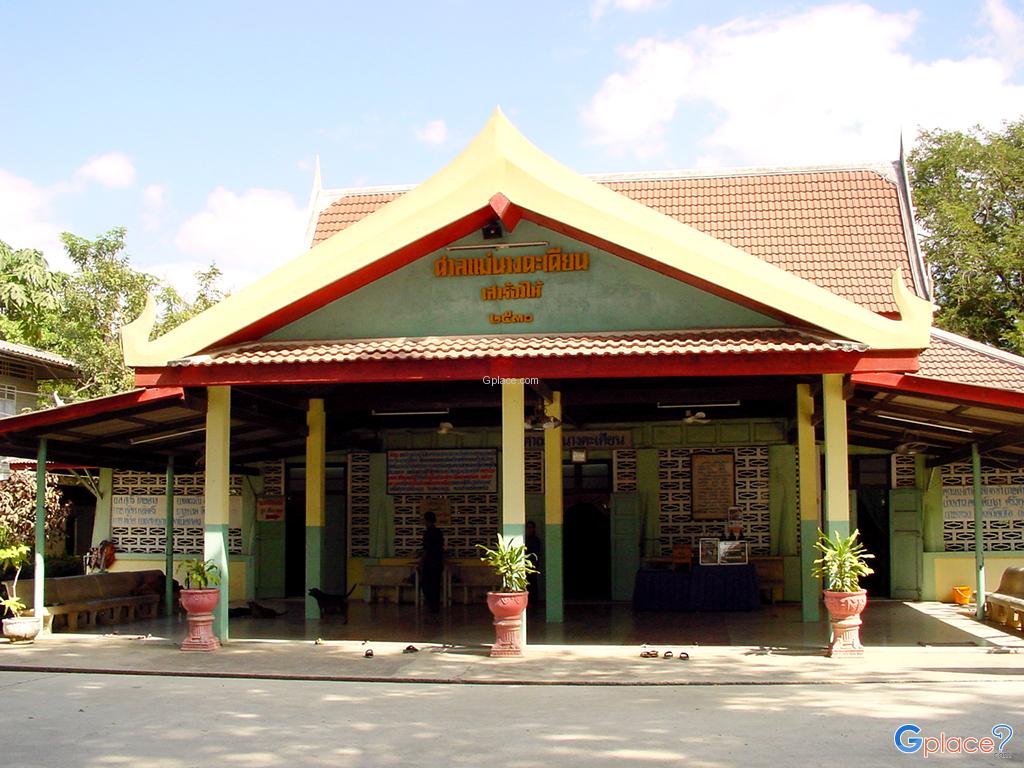
“Witness the mystical legend of the "Weeping Pillar" or the Great Mother Takian Pillar enshrined in a riverside pavilion—the very source of the district's name, "Sao Hai."”
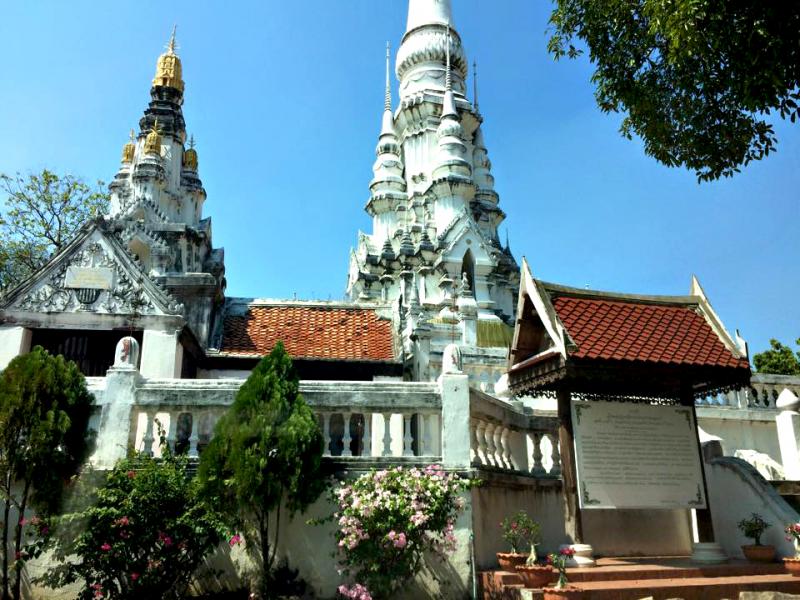
Sung Temple is an ancient temple of great significance to the local history of Saraburi Province. It is believed to have been established during the late Ayutthaya period and later underwent major restoration during the reign of King Rama III of the Rattanakosin era, carried out by Thai Yuan communities who migrated from northern Thailand and settled in the Sao Hai area. The temple has long served as a spiritual center and a historical testament to the Thai Yuan settlement along the Pa Sak River basin.
The name “Wat Sung,” meaning “High Temple,” is thought to derive from its elevated location on higher ground compared to the surrounding area. This strategic placement helped protect the temple from seasonal flooding of the Pa Sak River, which flows directly in front of the temple. The site reflects the traditional wisdom of early communities in selecting safe and suitable locations for religious and communal purposes.
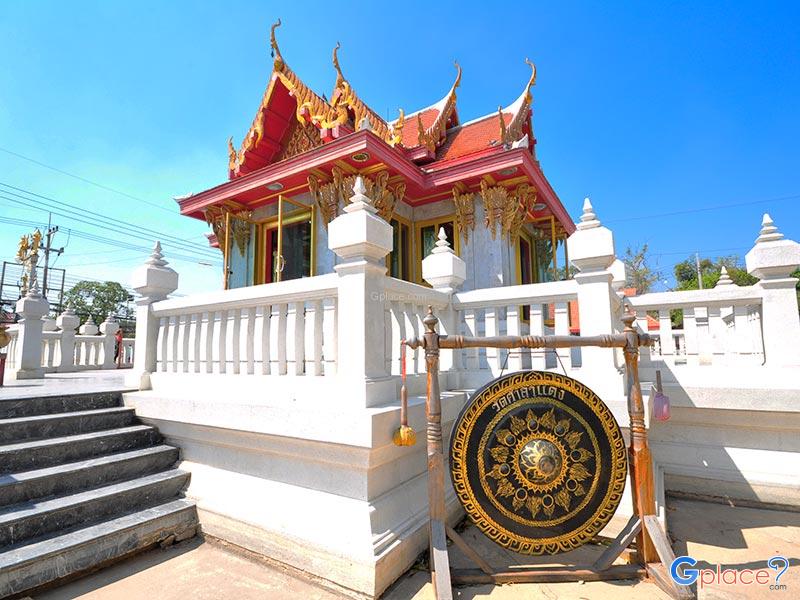
The most iconic attraction of Sung Temple is the Takian Thong Sacred Pillar, locally known as the “Crying Pillar.” The pillar is enshrined within a large traditional Thai-style pavilion. According to local legend, this takian wood pillar was once selected to serve as the main pillar for the construction of a royal palace in Bangkok. However, it arrived too late for the ceremony and was set afloat back along the Pa Sak River. During its journey, it was said to emit mournful sounds resembling crying, which could be heard by villagers along the riverbanks. When the pillar finally reached this area, it was brought ashore and enshrined at the temple. This legend later gave rise to the name “Sao Hai District,” literally meaning “Crying Pillar.”
Within the temple grounds stands an old ordination hall that exemplifies architectural styles of the early Rattanakosin period. The structure features slightly inward-sloping walls, a characteristic design preference of the era. Inside enshrines a Buddha image in the Subduing Mara posture, conveying serenity, compassion, and spiritual calm. The surrounding atmosphere of the temple is peaceful and shaded, enhanced by its riverside setting along the Pa Sak River, where cool breezes create an ideal environment for contemplation and historical exploration.
For spiritual visitors and those intrigued by folklore, paying respects and making wishes at the Takian Thong Pillar is considered a must. The pillar is widely believed to possess sacred powers associated with fortune, career success, and prosperity. In addition, Wat Sung continues to host cultural activities and traditional ceremonies of the Thai Yuan community, allowing visitors to experience both religious devotion and the enduring beauty of local traditions.
Sung Temple is thus a place where history, legend, and faith converge. Visitors are invited to experience the tranquil riverside setting of the Pa Sak River and to explore a living legend that has been passed down for over a century.
How to Get There
Private Car:
- From Saraburi city center, take Highway 3041 toward Sao Hai District. The temple is located within the Sao Hai subdistrict municipality, near the district office, with clear directional signs.
Public Transport:
- Take a local minibus (Saraburi–Sao Hai) from the Saraburi Bus Terminal; it stops directly in front of the temple as it is located on the main road.
GPS Location:
- Search for "Wat Sung, Sao Hai" for accurate digital navigation.
Travel Tips
Worship:
- The Mother Takian pillar is in a separate pavilion from the main hall. It is recommended to prepare incense and flowers for prayers, and please maintain a respectful demeanor.
Photography:
- The riverside area behind the temple provides beautiful shots of the Pasak River, especially during the golden hour when sunlight reflects off the water.
Nearby Activities:
- Combine this visit with the Ban Ton Tan Ancient Floating Market (open Sundays) or a visit to Wat Chanthaburi, which is located nearby.
Dress Code:
- Please dress modestly, covering shoulders and knees, when entering the Ubosot and the sacred pillar pavilion.
Admission Fee
-
Free entry (Donations welcome)
Opening Hours
-
Open daily: 08:00 – 17:00
Sung Temple

 Share
Share
 Moo 2, Sao Hai, Sao Hai, Saraburi 18160, Thailand
Map
Moo 2, Sao Hai, Sao Hai, Saraburi 18160, Thailand
Map
 Open now : 8.00 - 17.00
Mon8.00 - 17.00
Tue8.00 - 17.00
Wed8.00 - 17.00
Thu8.00 - 17.00
Fri8.00 - 17.00
Sat8.00 - 17.00
Sun8.00 - 17.00



 2519
2519