 Attractions
  Hotel
Hotel  Restaurant
  Shopping
  Abroad






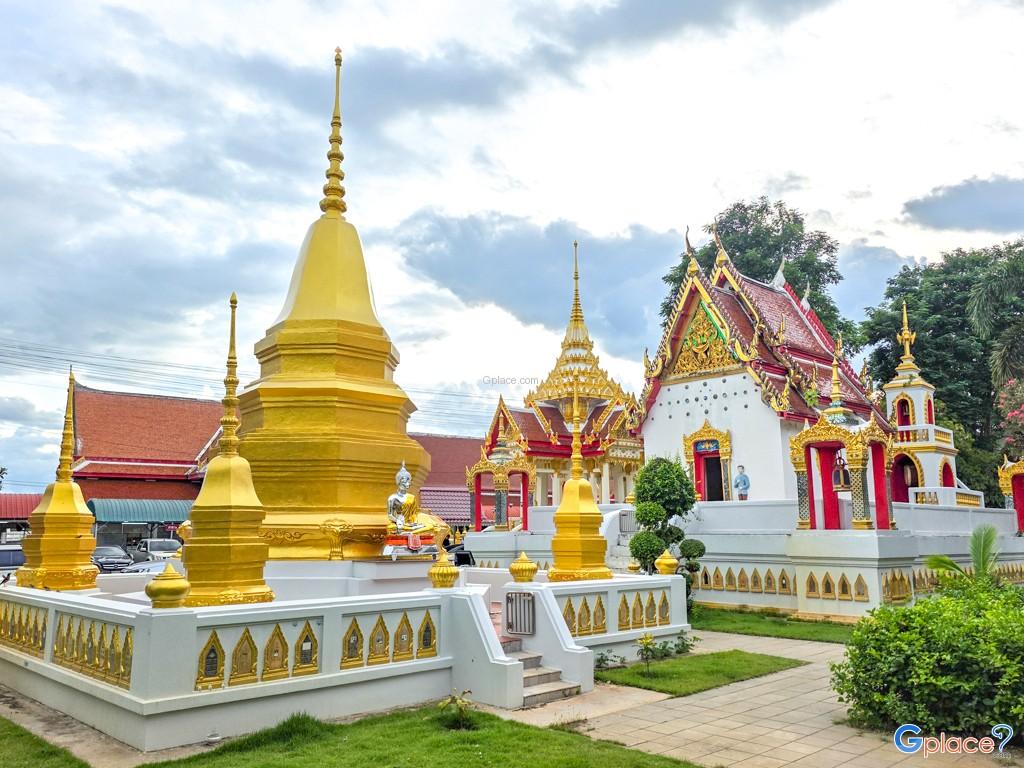
“The shrine building features an elegant Thai-style four-gabled pavilion architecture. Inside stands the city pillar, carved from wood with a rounded top, accompanied by stone and teak inscriptions marking the city’s founding. Its location near the ancient city gate, facing the meeting point of the two rivers, symbolizes the city’s strength and prosperity.”
The present City Pillar Shrine of Kanchanaburi was rebuilt to replace the deteriorated original shrine during the tenure of Phraya Prasitsongkram (Ramphakdi Sriwiset), the second governor of Kanchanaburi, in 1960 (B.E. 2503). The shrine’s distinctive architecture features a Thai-style four-gabled pavilion, representing balance and auspiciousness. Inside stands the city pillar, a carved wooden post with a smooth, rounded top, believed to enshrine the guardian spirit of the city.
Of great historical importance, the shrine houses a teak inscription that records the date of the city’s founding, along with references to the nearby remnants of the old city wall. The site is therefore not only a place of worship but also a historical landmark reflecting the origins and development of Kanchanaburi.
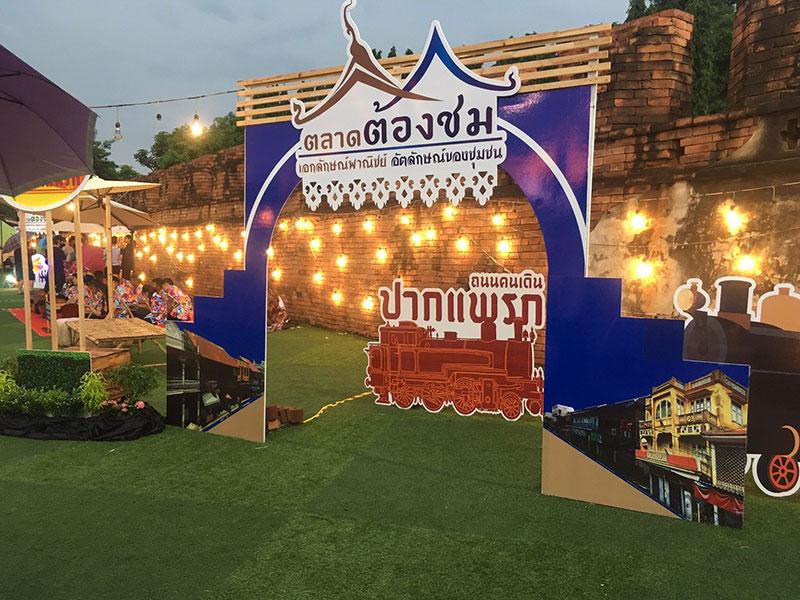
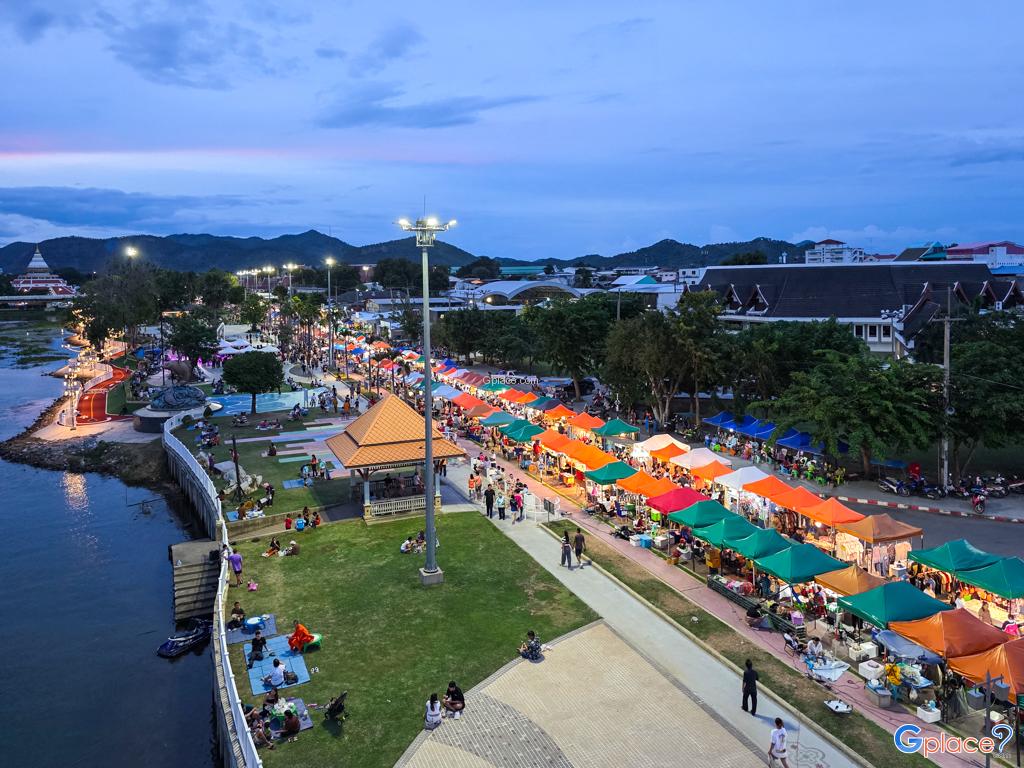
Surrounding the shrine are several significant cultural and historical attractions, including the Kanchanaburi City Gate, the King Rama III Monument, the Song Kwae Skywalk, and the Pak Phraek Old Community — the oldest district in the city, known for its traditional architecture and charming atmosphere.
How to Get There
-
By Car: Drive into Kanchanaburi city center and follow the main city road. The shrine is located near the police station intersection, with convenient parking available nearby.
-
By Bus: The shrine is about a 5-minute walk from the Kanchanaburi Bus Terminal or can be reached by local taxi or motorcycle taxi.
Travel Tips
-
It is customary to visit the shrine to pray for success, good fortune, and prosperity before major life events such as weddings, ordinations, or business openings.
-
The Kanchanaburi Municipality organizes an annual worship ceremony on the 6th waxing moon day of the 6th lunar month (around May).
-
Locals show respect when passing the shrine by honking their car horns — a long-standing local tradition.
-
Take time to explore nearby historical landmarks, including the old city gate, the Pak Phraek community, and the Song Kwae Skywalk.
Admission
- Free of charge.
Opening Hours
- Open daily from 05:00 AM to 08:00 PM.
City Pillar Shrine of Kanchanaburi

 Share
Share
 Pak Phraek Subdistrict, Mueang Kanchanaburi District, Kanchanaburi 71000
Map
Pak Phraek Subdistrict, Mueang Kanchanaburi District, Kanchanaburi 71000
Map
 Closed today
Mon5.00 - 20.00
Tue5.00 - 20.00
Wed5.00 - 20.00
Thu5.00 - 20.00
Fri5.00 - 20.00
Sat5.00 - 20.00
Sun5.00 - 20.00



 512
512