 Attractions
  Hotel
Hotel  Restaurant
  Shopping
  Abroad





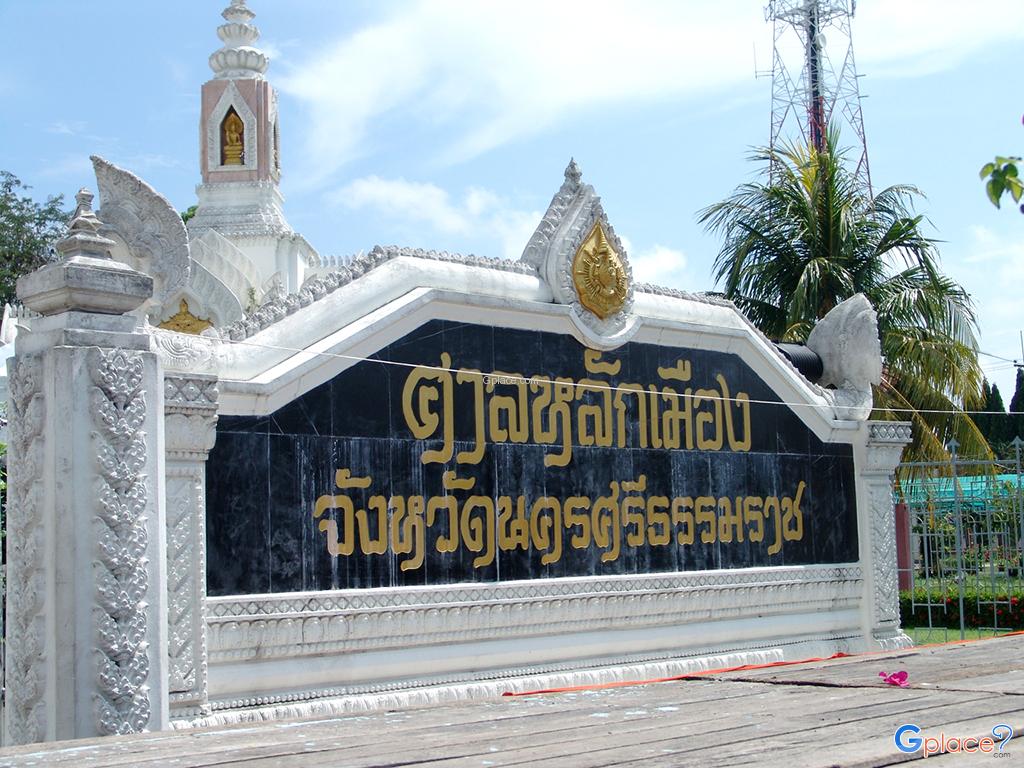


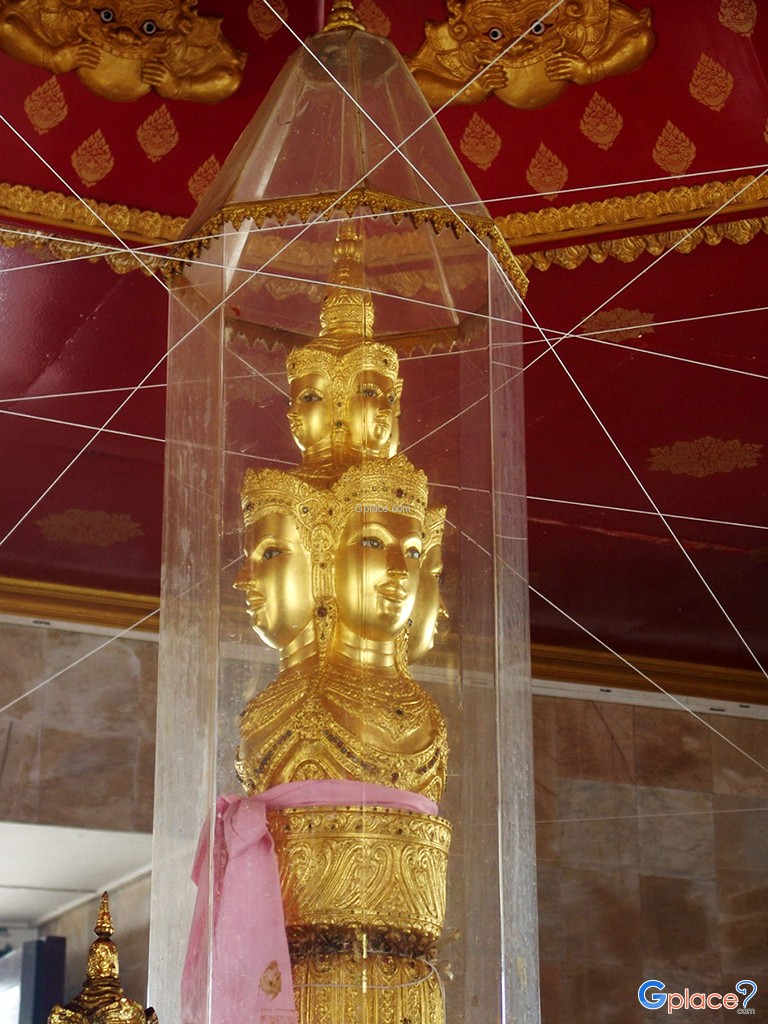
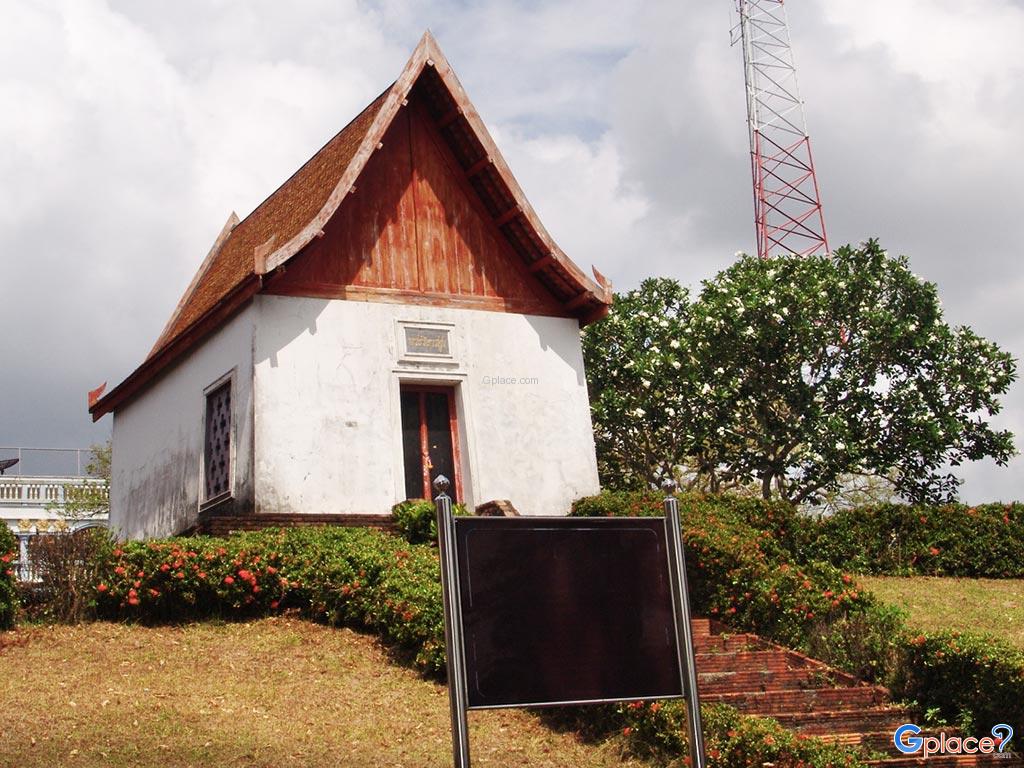
“Elegant Srivijaya-style white architecture, the graceful Hemaraj-inspired building form, and Jatukham Rammathep (four-faced deity) enshrined atop the city pillar.”
The Nakhon Si Thammarat City Pillar Shrine was constructed in 1987 (B.E. 2530) and is regarded as one of the most sacred landmarks of the city. The shrine was graciously consecrated when His Majesty King Bhumibol Adulyadej the Great performed the ceremonial anointing of the city pillar’s finial at Chitralada Royal Villa, bestowing auspicious blessings upon the city and its people.
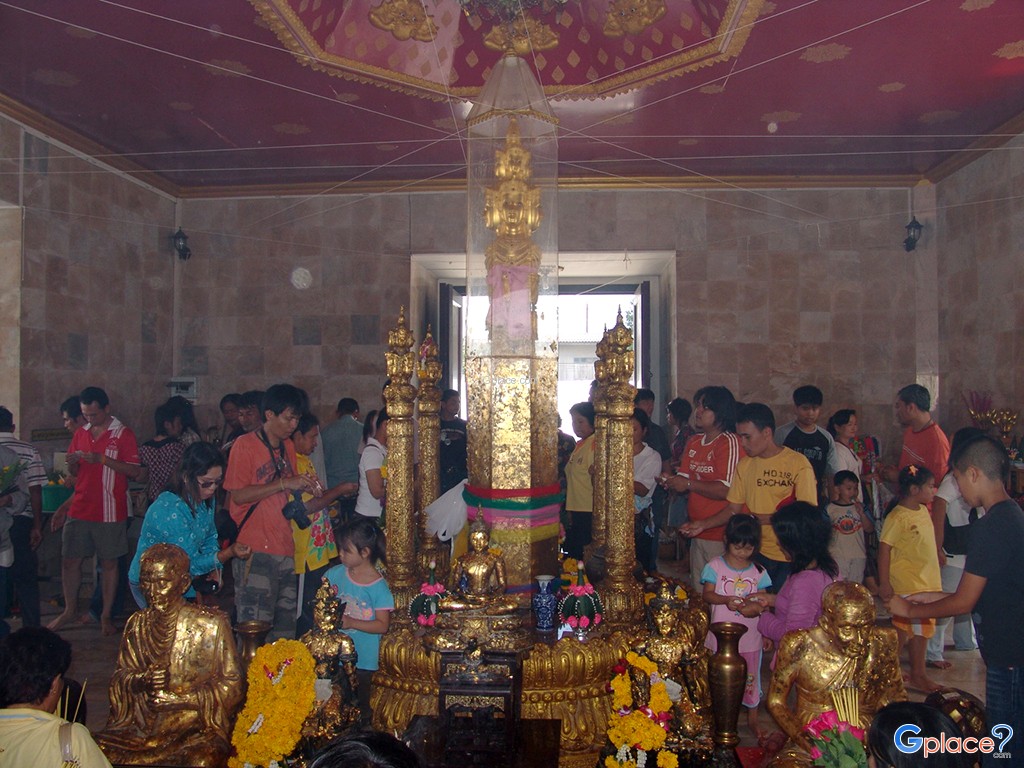
The city pillar is carved from golden teak wood, sourced from Yot Luang Mountain in the Nakhon Si Thammarat mountain range. Standing 2.94 meters tall, the pillar is intricately carved according to Brahmanical beliefs blended with Mahayana Buddhist symbolism. At its pinnacle is enshrined Jatukham Rammathep, the ancient guardian deity of the city, depicted with four faces symbolizing protection in all cardinal directions.
The architectural design of the shrine draws inspiration from Srivijaya art, reflecting Nakhon Si Thammarat’s historical significance as a major maritime hub and cultural center of the southern peninsula. The pristine white structure, adorned with delicate motifs, conveys serenity, sacredness, and deep spiritual power. The shrine is also believed to be the dwelling place of Phra Suea Mueang and Phra Song Mueang, guardian spirits who protect the city and ensure peace and prosperity.
Today, the Nakhon Si Thammarat City Pillar Shrine is not only a cultural landmark but also the spiritual center of the city. Locals and visitors from across the country come to pay respects, seek blessings for prosperity, career success, stability in life, and overall well-being. The atmosphere within the shrine is calm, solemn, and deeply reverent, echoing the long and rich history of Nakhon Si Thammarat.
How to Get There
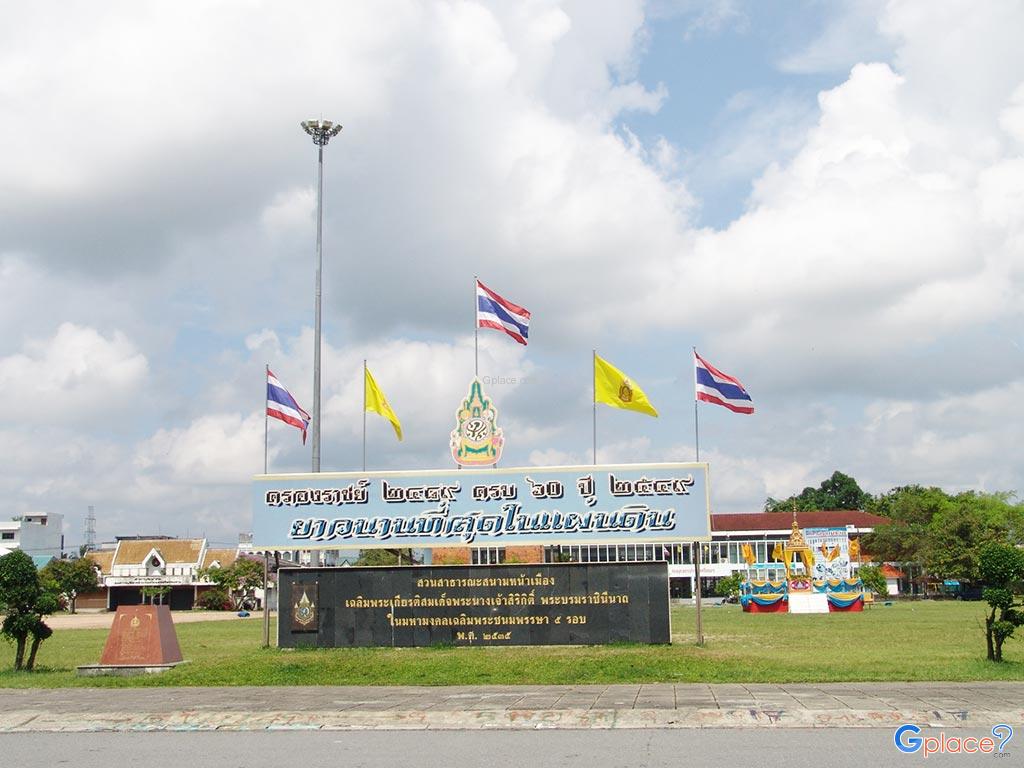
- By Private Car: Travel along Ratchadamnoen Road, the main road running through the city center. The shrine is located next to Sanam Na Mueang (City Square) and offers convenient parking nearby.
- By Public Transport: Take a local songthaew on the Sanam Kila – Hua Thanon route (blue songthaew), which runs along Ratchadamnoen Road. You can get off directly in front of the shrine.
Travel Tips
- As this is a sacred religious site, visitors should dress modestly (avoid sleeveless tops and shorts above the knee).
- The front area of the shrine is a popular photo spot, especially on clear days when the white architecture contrasts beautifully with the blue sky.
- Early morning or late afternoon visits are recommended for cooler weather and the most flattering natural light.
Admission Fee:
- Free of charge
Opening Hours:
- Open daily from 07:30 AM. – 07:00 PM.
Nakhon Si Thammarat City Pillar Shrine

 Share
Share
 Ratchadamnoen Road, Khlang Subdistrict, Mueang Nakhon Si Thammarat District, Nakhon Si Thammarat 80000
Map
Ratchadamnoen Road, Khlang Subdistrict, Mueang Nakhon Si Thammarat District, Nakhon Si Thammarat 80000
Map
 Open now : 7.30 - 19.00
Mon7.30 - 19.00
Tue7.30 - 19.00
Wed7.30 - 19.00
Thu7.30 - 19.00
Fri7.30 - 19.00
Sat7.30 - 19.00
Sun7.30 - 19.00



 932
932