 Attractions
  Hotel
Hotel  Restaurant
  Shopping
  Abroad





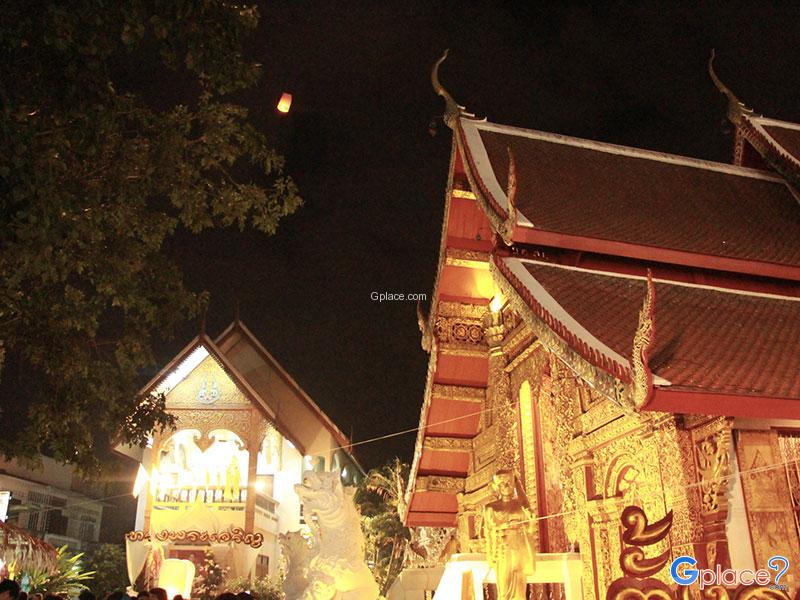

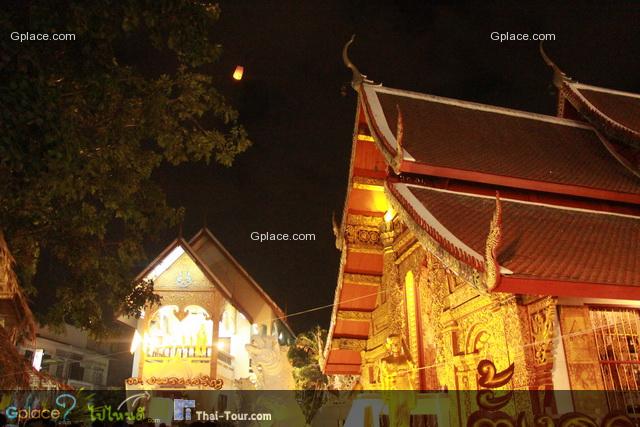
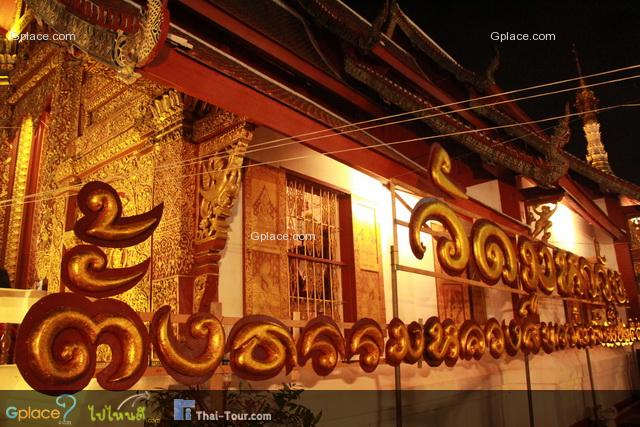
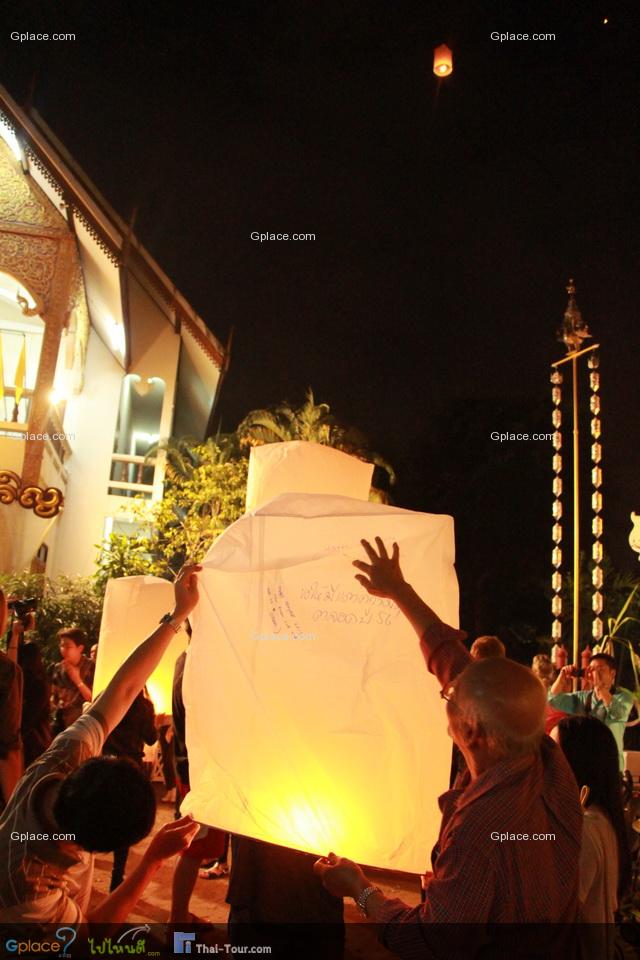
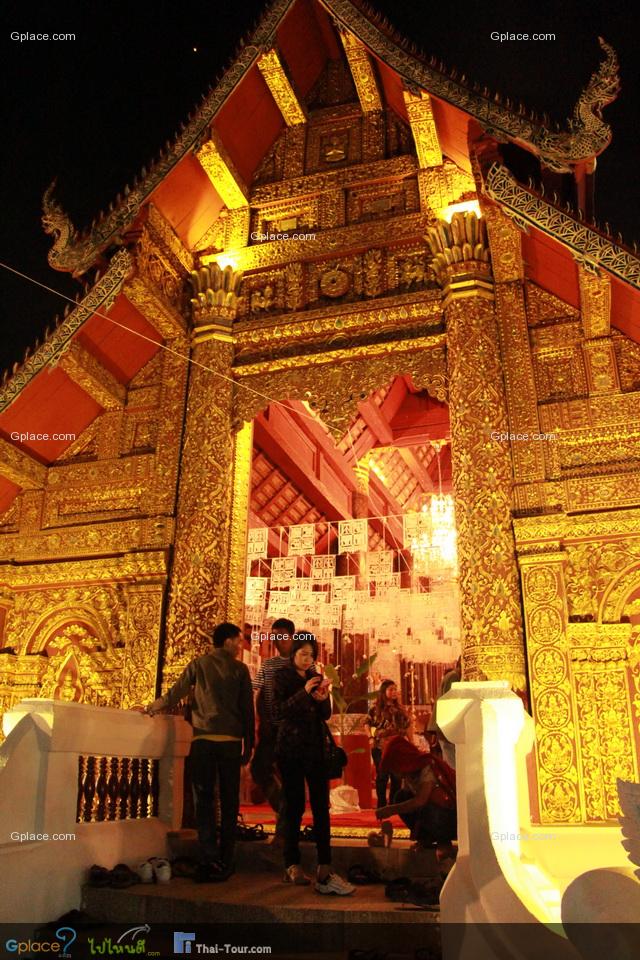
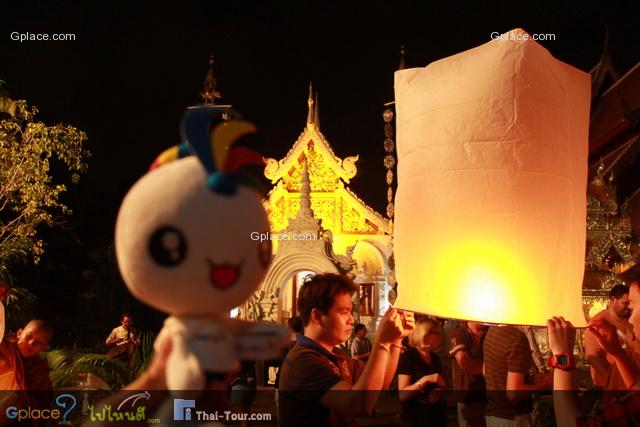
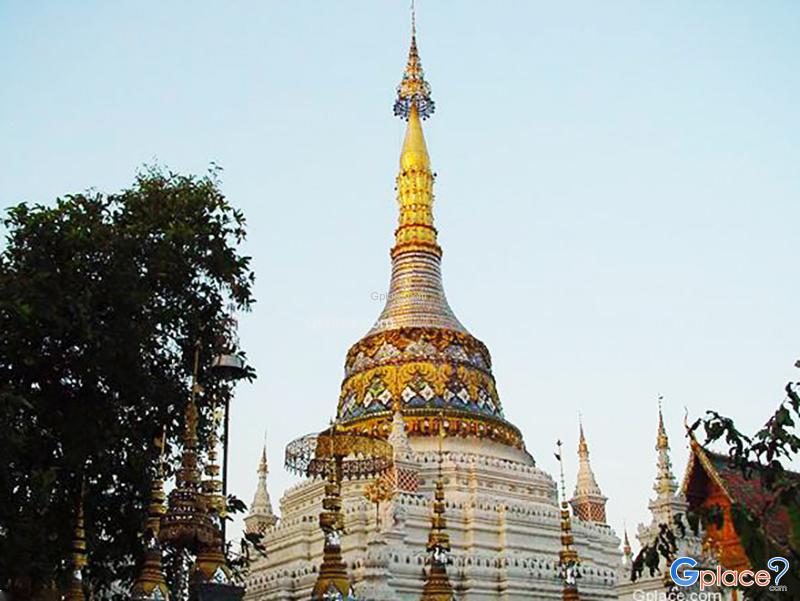
“White Burmese pagoda surrounded by twin lion guardians, Lanna teak wooden viharn, sacred Luang Pho To Buddha, and a scripture hall combining Burmese and Western art styles”
Wat Mahawan (Wat Mahawan) was built around B.E. 2128 (1585 CE) during the period when Chiang Mai was under Burmese influence, and it is considered one of the important temples in the Tha Phae area that clearly reflects the historical blending of Lanna, Burmese, and Shan cultures. In the past, this area was once a suburban zone outside the old city walls and served as a trade route and settlement of Burmese and Shan communities, resulting in a fusion of art, faith, and culture in the same area.
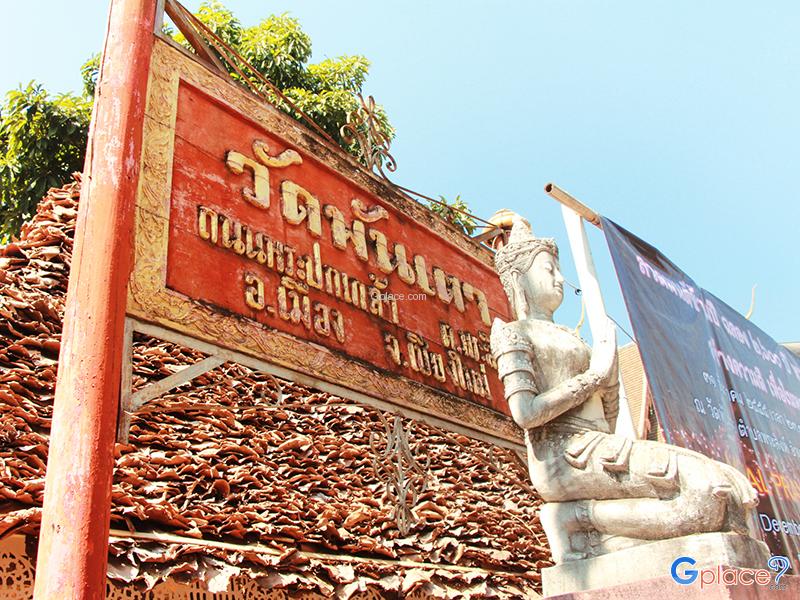
The architectural highlight of Wat Mahawan (Wat Mahawan) is the white Burmese-style bell-shaped pagoda located at the center of the temple, surrounded by a stepped base and highly refined stucco decorations. These details include celestial beings, guardian giants, and mythical Himmapan animals, reflecting Burmese Buddhist artistic beliefs combined seamlessly with Lanna structural proportions. There are also large lion statues acting as guardians at the entrance, adding sacredness to the area.
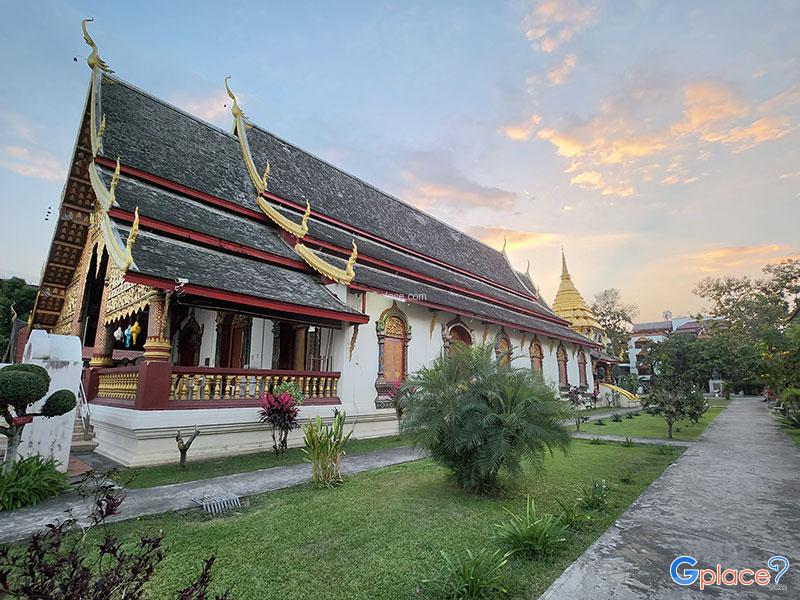
Inside the temple grounds is an authentic Lanna teak wooden viharn, built entirely from wood with traditional layered roofing and intricately carved floral gable decorations. The interior atmosphere is calm, solemn, and deeply spiritual, housing the revered “Luang Pho To” Buddha image in the Maravijaya posture, which has long been the spiritual center of the Tha Phae community.
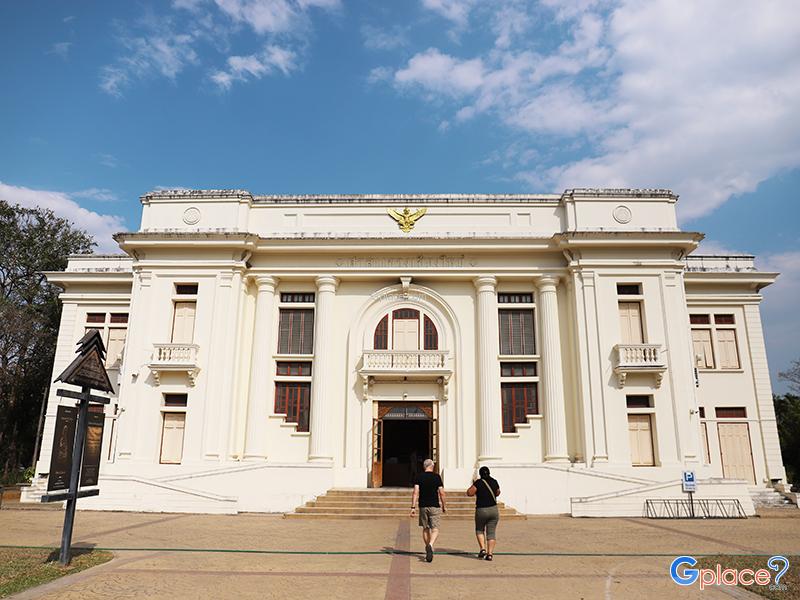
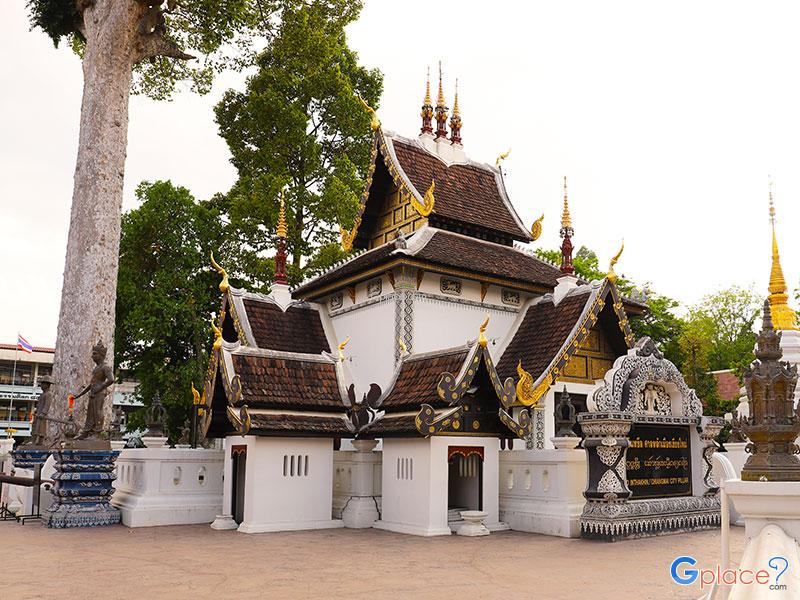
Another important structure is the scripture hall (Ho Trai), which reflects a mixture of Burmese and Western colonial architectural influences. Its semi-wood and semi-concrete structure, along with wooden lattice carvings around windows and balconies, adds architectural depth and uniqueness to the temple.
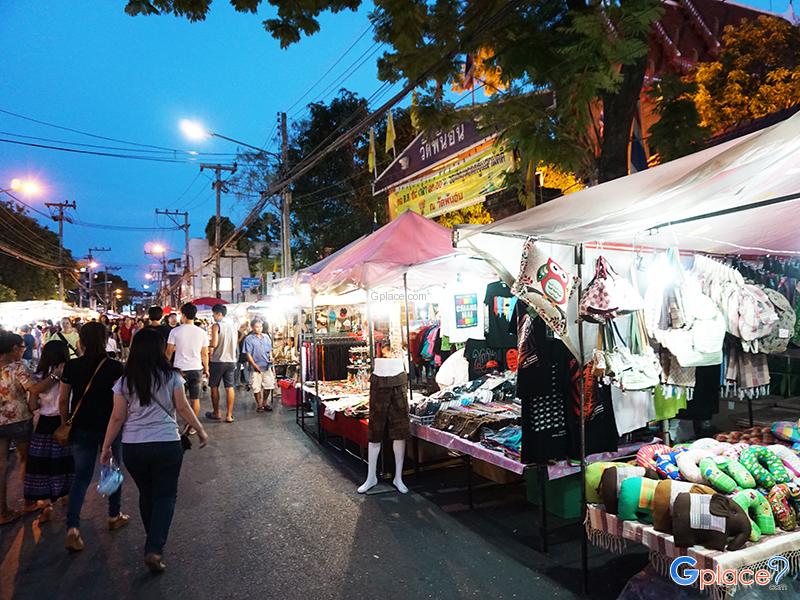
Today, Wat Mahawan (Wat Mahawan) remains a living temple, with resident monks and continuous religious activities. It is also located near Tha Phae Gate and Tha Phae Walking Street, making it both a sacred site and a peaceful resting point amid the lively old city area of Chiang Mai.
The temple environment is uniquely peaceful despite being in a busy tourist zone. Visitors can clearly experience the contrast between sacred temple space and urban vibrancy. The best photo spot is the side courtyard of the viharn, where the contrast between the white Burmese pagoda and the Lanna wooden viharn can be clearly seen. The best lighting conditions are during morning and late afternoon, when natural light enhances architectural details and depth.
Wat Mahawan is therefore not only a historical and architectural site but also a place of faith and learning, and one of the key destinations for travelers seeking to experience the deeper and more peaceful charm of Chiang Mai’s old city beyond typical tourist attractions.
How to Get There
- Private car / motorcycle: Drive along Tha Phae Road and turn directly into the temple. Parking is limited inside and nearby areas.
- Public transport (red songthaew): Take a red songthaew that passes along Tha Phae Road and get off directly in front of Wat Mahawan, as the temple is located right on the main road and is clearly visible.
Travel Tips
- Best photo spot: Side courtyard of the viharn, showing the white pagoda contrasting with the Lanna teak wood structure
- Additional spots: Temple gate with large lion guardians, and the rear side of the pagoda
- Best time to visit: Morning and evening, fewer crowds and beautiful lighting
- Connected route: Easily walk to Tha Phae Walking Street (Sunday Market)
- Etiquette: Dress modestly, avoid loud noise, and respect sacred areas
Admission Fee:
- Free (No admission fee for both Thai and foreign nationals)
Opening Hours:
- Open for visits and worship daily from 6:00 AM to 6:00 PM.
Wat Mahawan

 Share
Share
 No. 53 Tha Phae Road, Chang Khlan, Mueang Chiang Mai, Chiang Mai 50100
Map
No. 53 Tha Phae Road, Chang Khlan, Mueang Chiang Mai, Chiang Mai 50100
Map
 Closed today
Mon6.00 - 18.00
Tue6.00 - 18.00
Wed6.00 - 18.00
Thu6.00 - 18.00
Fri6.00 - 18.00
Sat6.00 - 18.00
Sun6.00 - 18.00

 https://thai-tour.com/thai-tour/north/chiangmai/data/pic_watmahawan.html

 3842
3842