 Attractions
  Hotel
Hotel  Restaurant
  Shopping
  Abroad






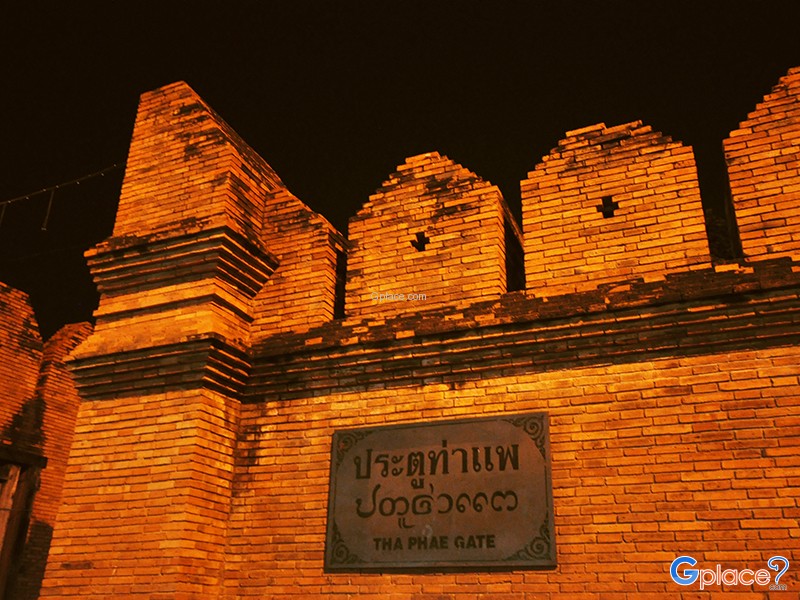
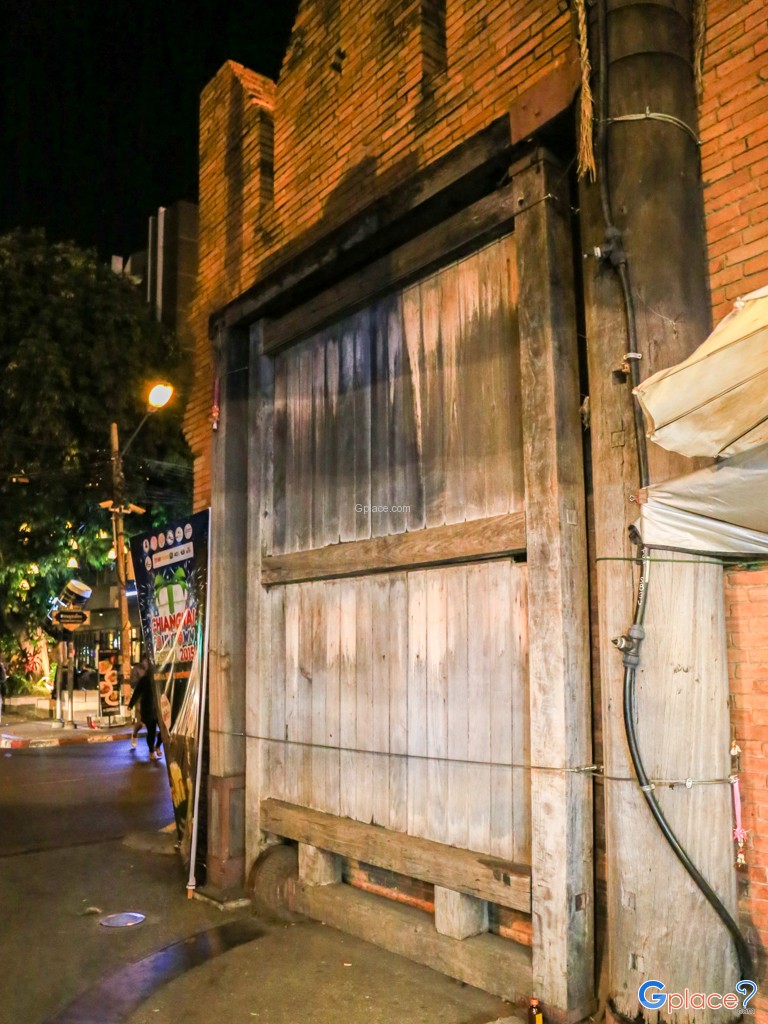
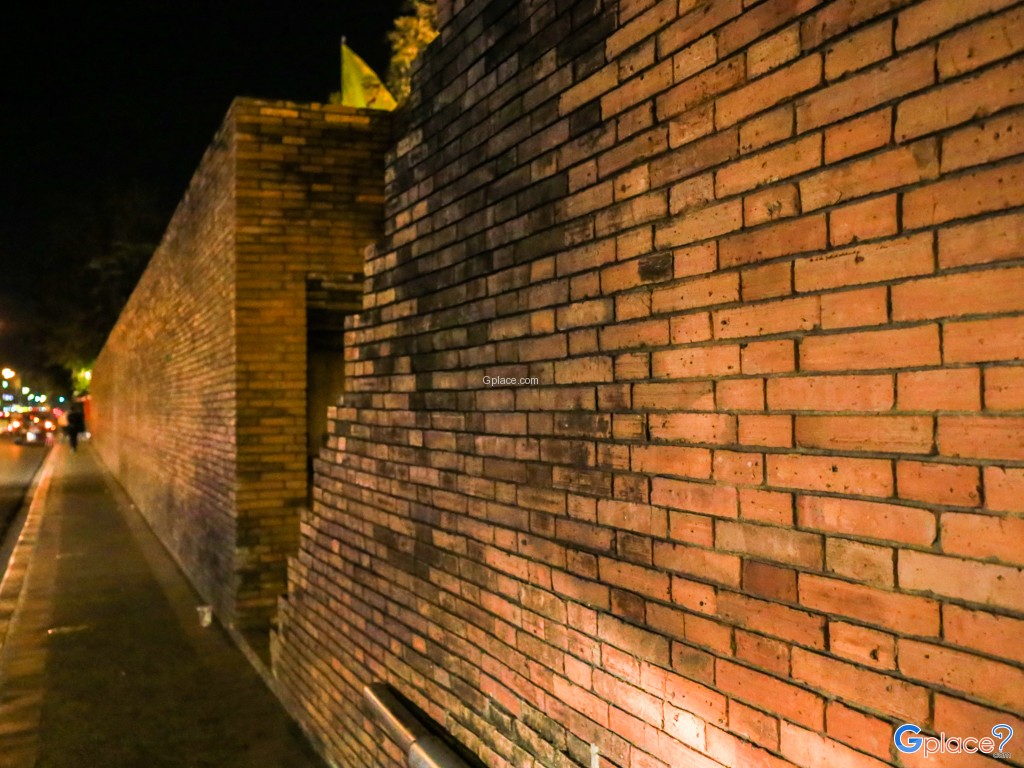

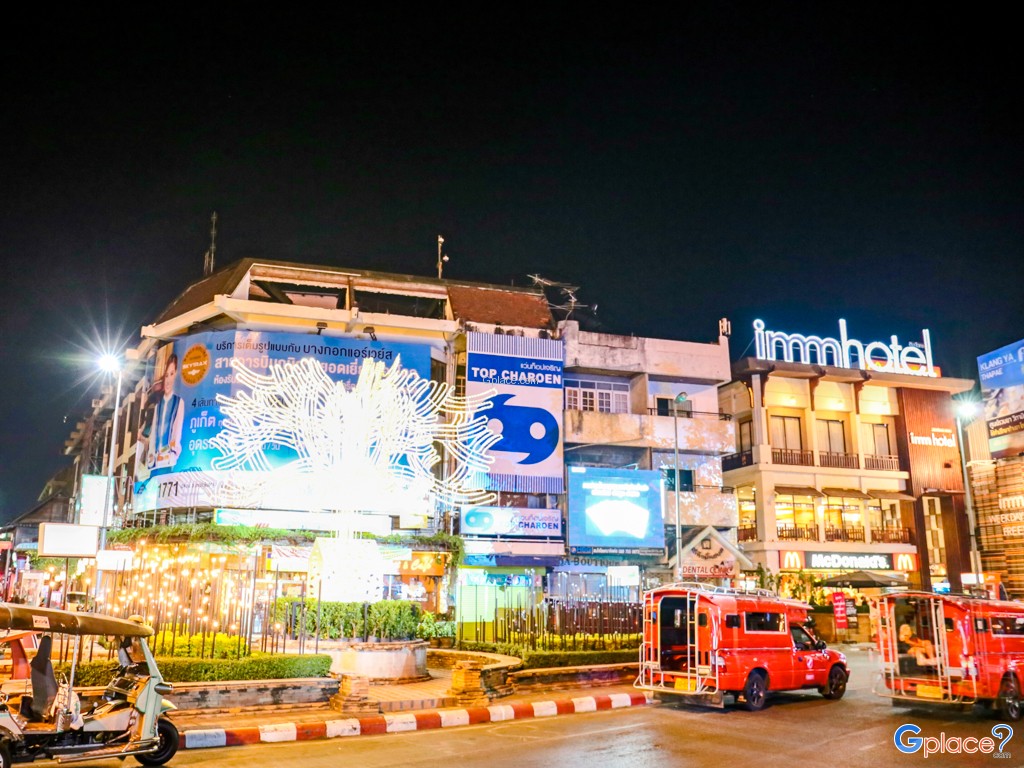
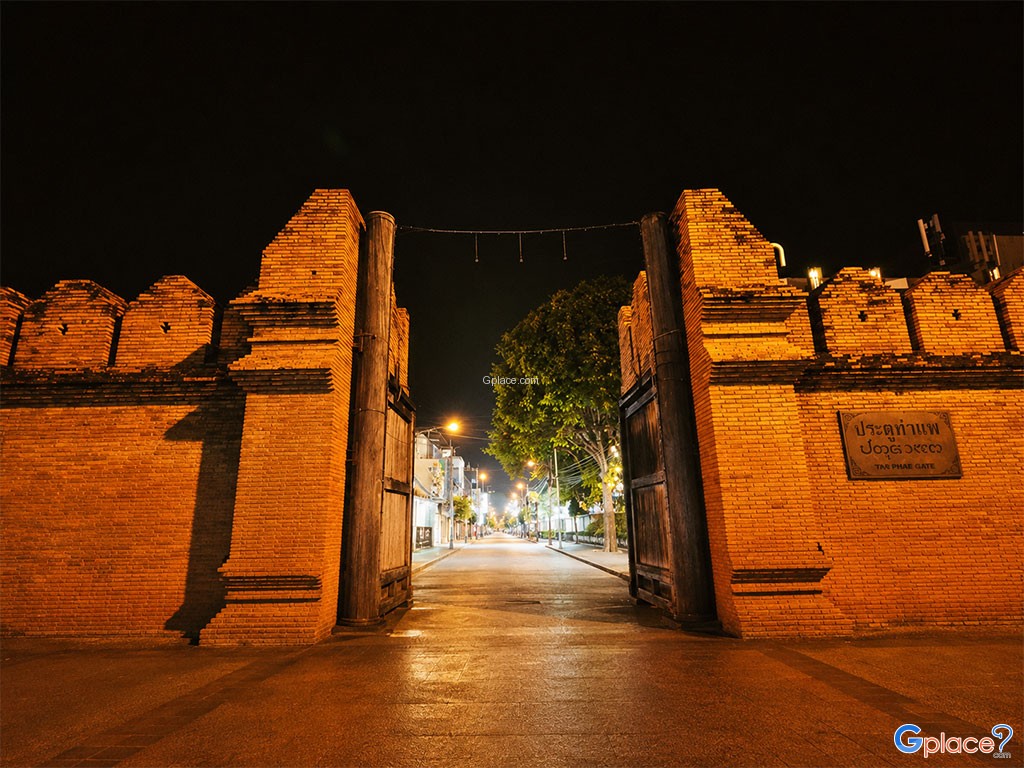
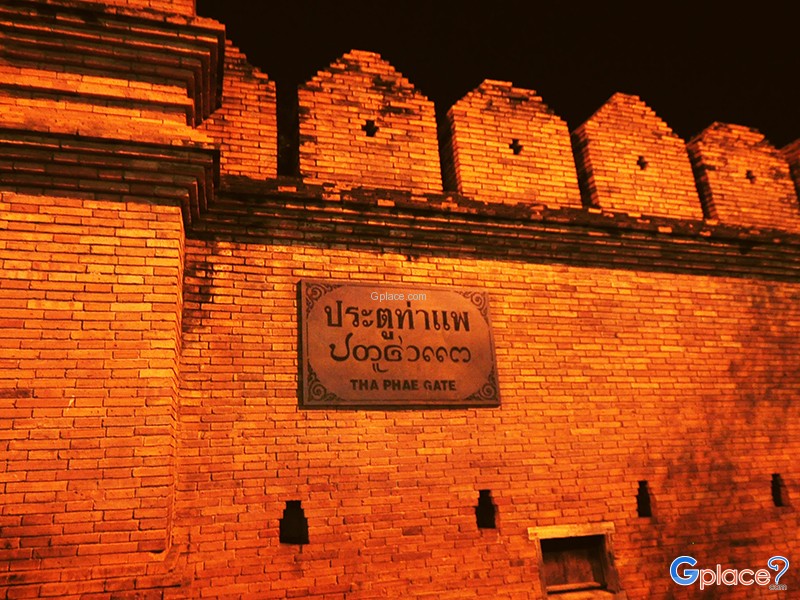
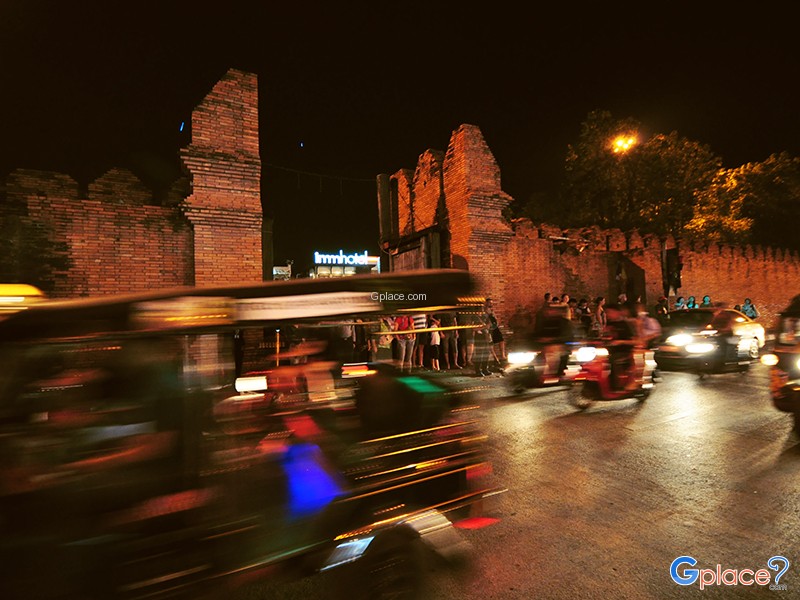
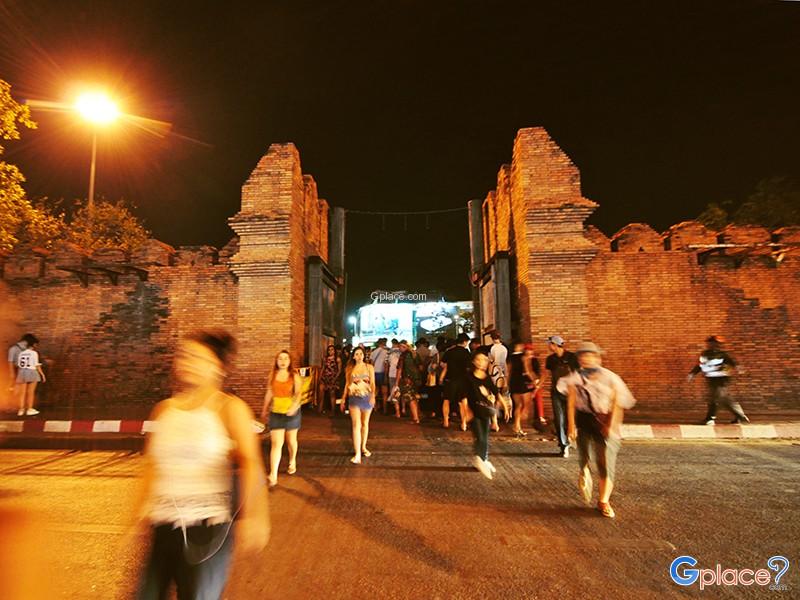
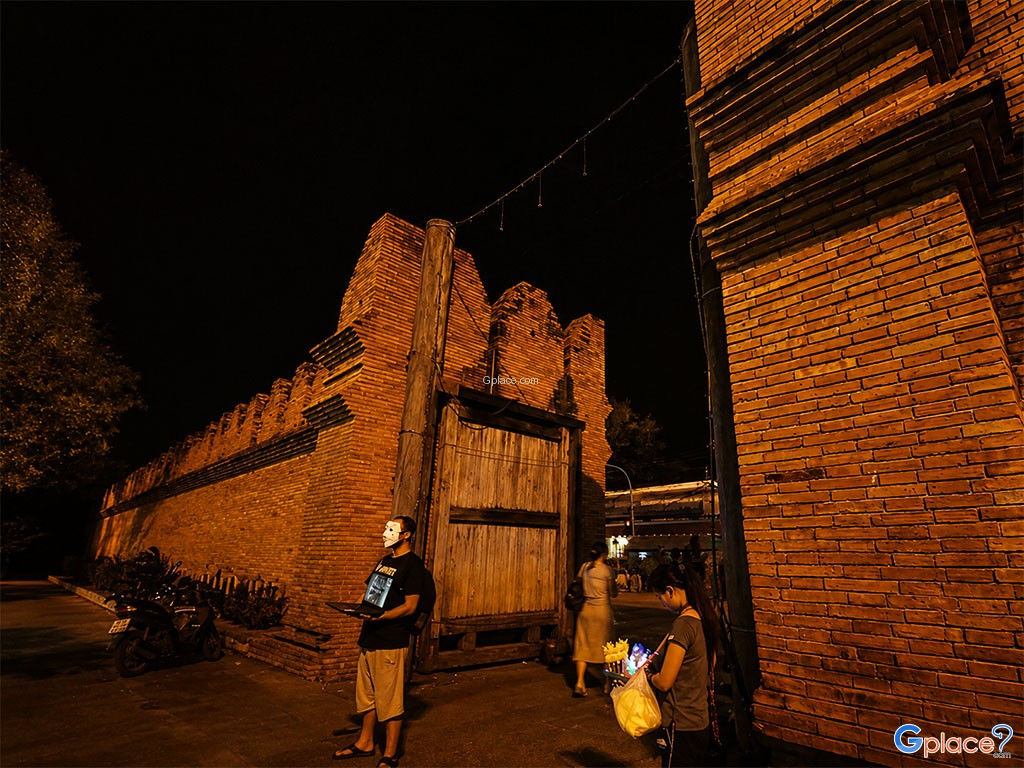
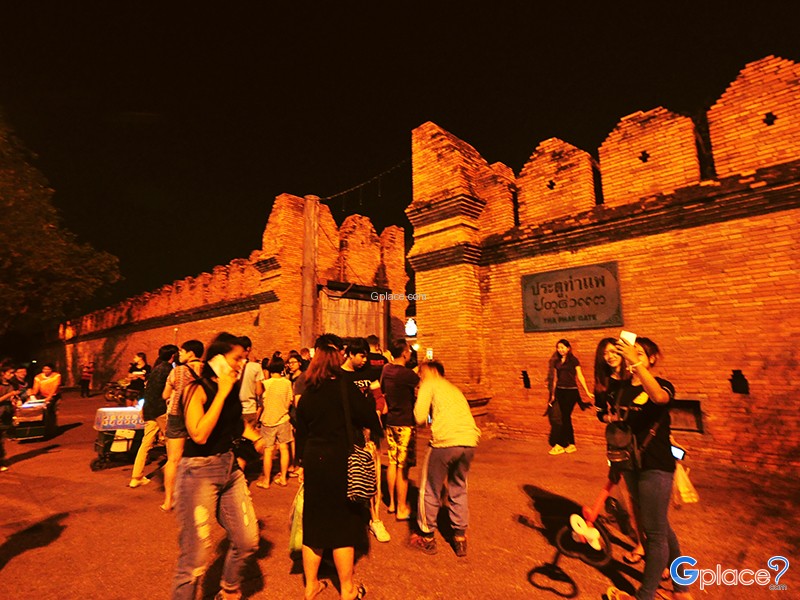
“An ancient city gate with a spacious activity plaza, featuring iconic red brick walls that are a popular photo spot and a central hub for Chiang Mai’s major traditional festivals.”
Tha Phae Gate originally known as Pratu Chiang Rueak. The name Tha Phae (meaning 'Raft Pier') originates from the area's historical role as a primary cargo landing and distribution point from the Ping River. It is one of the five inner city gates of the Walled City of Chiang Mai
History and Restoration :
- Established along with the founding of Chiang Mai by King Mangrai in 1296. In the past, this gate was a vital economic strategic point, serving as the primary route connecting the city to the Ping River area, which was the pier for cargo transportation and a commercial hub for Chinese and foreign merchants. However, over time, the original walls crumbled. In 1985, the Chiang Mai Municipality, in collaboration with the Fine Arts Department, restored Tha Phae Gate based on historical evidence and old photographs from the reign of King Rama V. The orange brick walls seen today are a perfect blend of ancient foundations and architectural design that replicates the original form, serving as a historical monument for future generations.
Popular Photo Spots:
- Currently, Tha Phae Gate has become a symbol of visiting Chiang Mai that tourists from all over the world must check in. The most unique photo spot is along the stretch of red brick walls, with the highlight being "photos of pigeons fluttering in the air" as tourists pose while walking through the gate—an angle that reflects the freedom and vitality of the old city. Additionally, the morning and evening sunlight helps enhance the vibrant colors of the bricks and provides a special softness, making it ideal for portrait and architectural photography. The spacious plaza in front of the gate is also frequently used for cultural performances and festive decorations, such as the Yi Peng Festival or Songkran, providing diverse and ever-changing photography perspectives throughout the seasons.
Tha Phae Walking Street:
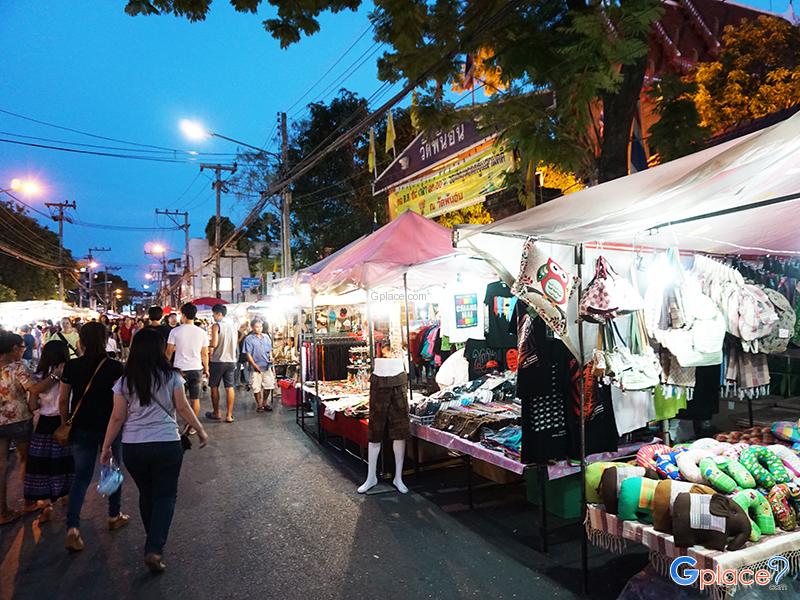
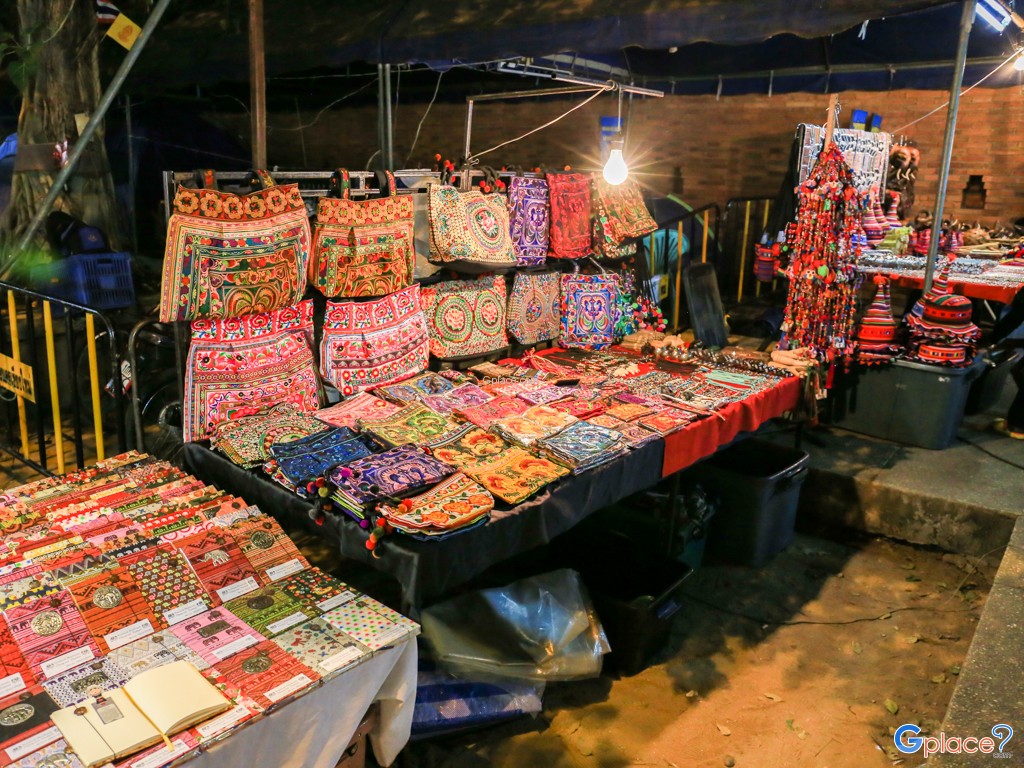
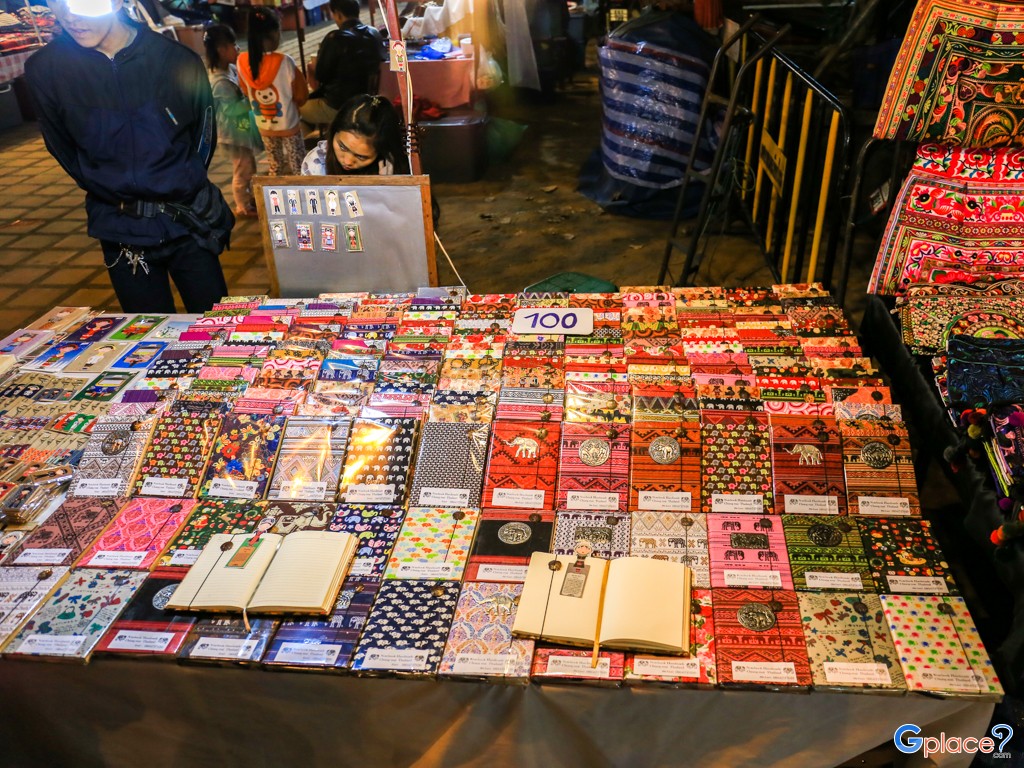
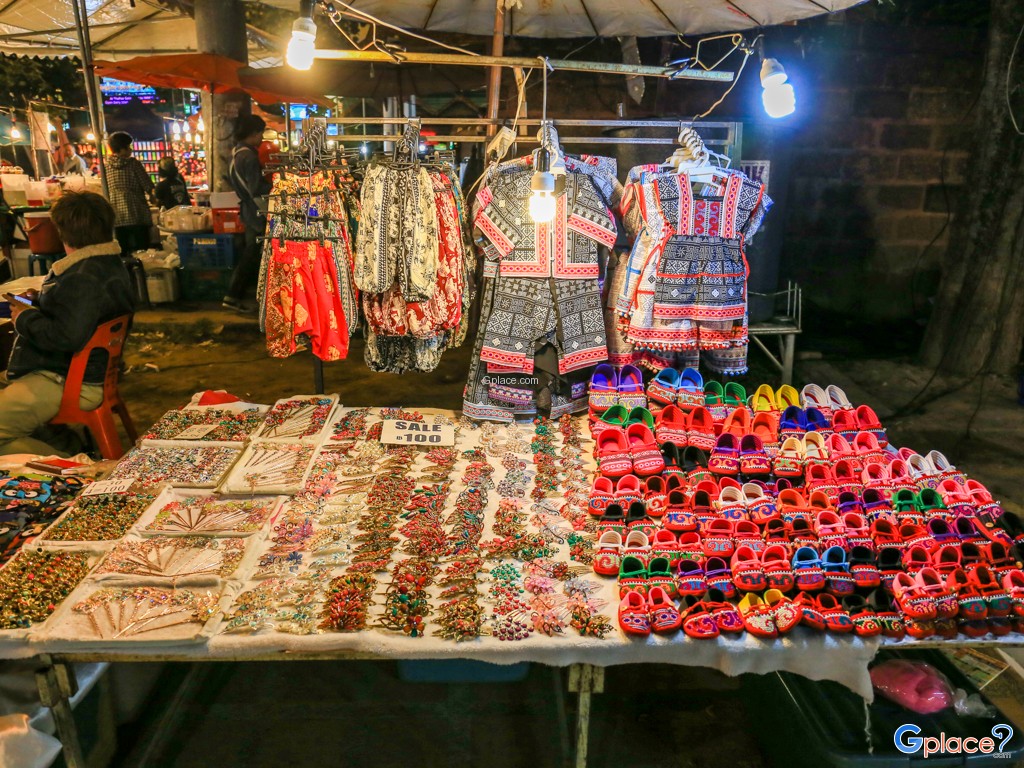
- Every Sunday evening, the area around Tha Phae Gate transforms into the starting point of the "Tha Phae Walking Street," which is the largest and most famous outdoor market in Northern Thailand. The market route begins at Tha Phae Gate and stretches along Ratchadamnoen Road to the front of Wat Phra Singh Woramahawihan. This market is a hub for exquisite handicrafts, handmade goods, and Lanna folk art, as well as local food and delicious beverages available along both sides of the street. Beyond the lively commerce, the Tha Phae Walking Street provides a space for street performers and local artists to showcase their talents, creating a fun and friendly atmosphere. Exploring this market is not just about shopping but about truly immersing oneself in the contemporary culture of Chiang Mai.
Tha Phae Gate does not only serve as a passageway to the old city but also acts as a reception hall welcoming visitors with a historical story spanning over seven hundred years. The elegant restoration, combined with modern cultural activities and the community economy through the walking street, makes Tha Phae Gate a vital heart that seamlessly connects a glorious past with the present-day Chiang Mai.
How to Get There
-
Private Car: You can drive to the eastern side of the Chiang Mai city moat (Kotchasarn Road). Private parking areas are available in the surrounding area.
-
Public Transport: Red Songthaews (Red Trucks) can be hailed to drop you off at Tha Phae Gate from any point in Chiang Mai city, with prices starting at 30 THB
Travel Tips
-
Best Time for Photos: To get beautiful photos without large crowds, it is recommended to visit between 07:00 AM – 09:00 AM. The morning sunlight provides the best colors and the weather is not too hot.
-
Walking Street: Held only on Sundays from 05:00 PM – 10:30 PM. It is recommended to wear comfortable walking shoes and allow at least 2-3 hours to fully explore.
-
Code of Conduct: Tha Phae Gate is an important historical site. Please do not write on, climb, or damage the brick walls. We also ask for your cooperation in not disturbing the pigeons too aggressively.
Admission Fee:
- Free
Opening Hours:
- Open 24 hours
Tha Phae Gate

 Share
Share
 Tha Phae Road, Chang Khlan, Mueang Chiang Mai, Chiang Mai 50200
Map
Tha Phae Road, Chang Khlan, Mueang Chiang Mai, Chiang Mai 50200
Map
 Open now



 3128
3128