 Attractions
  Hotel
Hotel  Restaurant
  Shopping
  Abroad






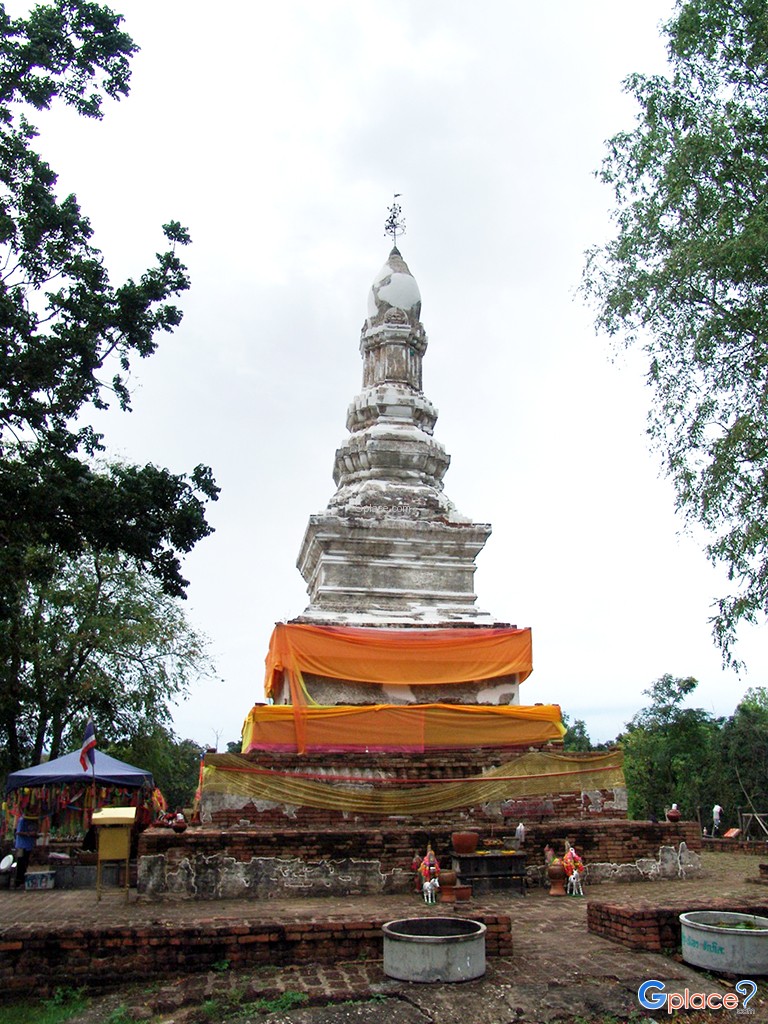
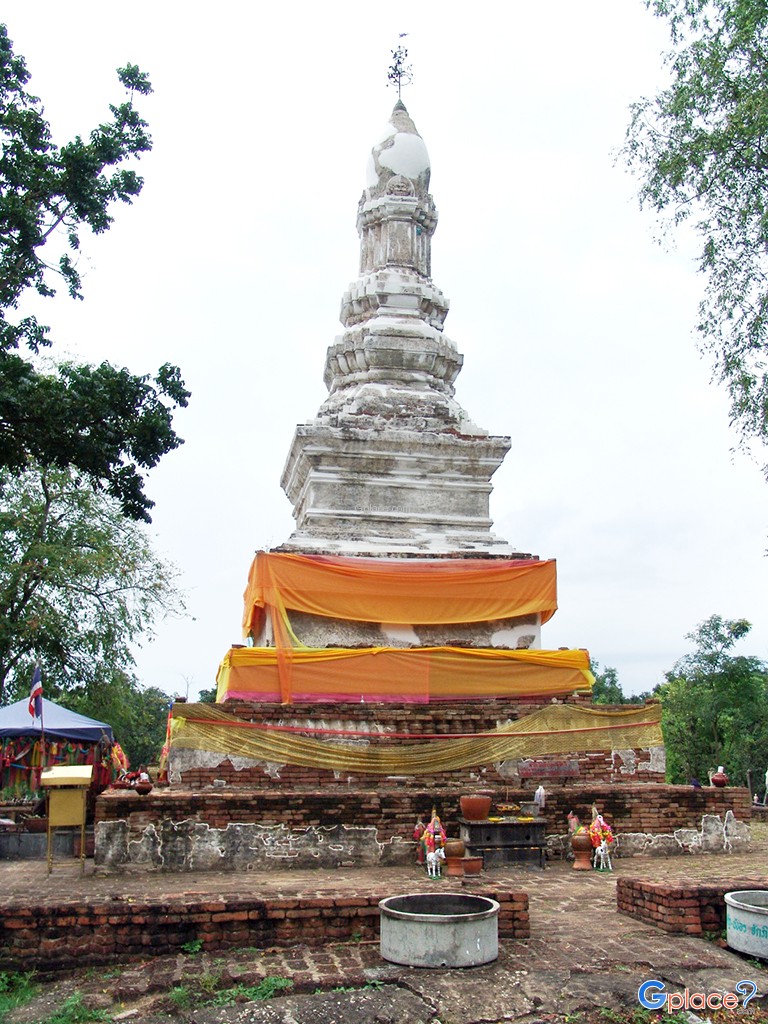
“A rare Sukhothai-style lotus-bud pagoda believed to stand on the actual site of King Ramkhamhaeng’s historic elephant duel, offering panoramic views of the Ping River from an elevated viewpoint.”
Chedi Yutthahatti, commonly known among locals as the “Elephant Duel Pagoda,” is also referred to as the Pagoda Commemorating King Ramkhamhaeng the Great. It is an important historical monument situated on Doi Chang in Ko Taphao Subdistrict, Ban Tak District. Doi Chang is a small hill located slightly north of Phra Borommathat Hill, with the pagoda positioned approximately 200 meters from Wat Phra Borommathat Ban Tak.
The pagoda dates back more than 700 years to the Sukhothai period and is closely associated with an important event recorded in Inscription No. 1. According to the inscription, when King Ramkhamhaeng was only 19 years old, he rode a war elephant into battle against Khun Sam Chon, the ruler of Chot City, who had invaded Tak. The young prince’s bravery led to a decisive victory, forcing the enemy to retreat and securing the kingdom.
Based on this historic event, scholars believe that Chedi Yutthahatti was constructed to commemorate the elephant duel and to honor King Ramkhamhaeng’s courage and military achievement. However, it remains unclear whether the pagoda was commissioned by King Ramkhamhaeng himself or built during a later reign, as no definitive evidence has survived.
Architecture:
The pagoda is a fine example of authentic Sukhothai architecture, built of brick and mortar. Its base measures approximately 12 meters in width_, supporting a square, multi-tiered structure with chamfered corners that rises to about 16 meters in height_. Above the main body, the structure continues upward to a lotus-bud–shaped spire (Phum Khao Bin), crowned with a finial. The base of the spire is decorated with stucco reliefs depicting lion faces, with the northern side remaining the most well-preserved. Although the pagoda has undergone restoration over time, its original form and proportions have been carefully maintained.
His Royal Highness Prince Damrong Rajanubhab mentioned this pagoda in his work Description of a Journey along the Ping River, noting that it is a genuine Sukhothai-style chedi comparable to those found at Si Satchanalai and Sukhothai Historical Parks, and praising the quality of its preservation despite later repairs.
Things to See:
Today, the site includes a pavilion housing a statue of King Ramkhamhaeng the Great, allowing visitors to pay their respects. Due to its elevated position on Doi Chang, the pagoda also serves as a scenic viewpoint offering sweeping views of the Ping River and the surrounding Ban Tak area, creating a peaceful atmosphere rich in historical significance.
How to Get There
By Private Car:
- Take Highway No. 1107 toward Ban Tak District, following the same route as Wat Phra Borommathat Ban Tak. After passing the temple, continue for approximately 1–2 kilometers and turn onto Rural Road No. 4128 leading up Doi Chang. The road is fully paved and accessible to all types of vehicles.
Travel Tips
-
Suggested Route: Visit Wat Phra Borommathat Ban Tak first, then continue to Chedi Yutthahatti, as both sites are located very close to each other. This makes an ideal “historical pilgrimage” route that can be completed within 2–3 hours.
-
Best Time to Visit: Early morning or late afternoon before sunset offers cooler temperatures and beautiful natural light.
-
Photography: The terrace overlooking the Ping River provides a serene and picturesque spot for photography.
Admission Fee:
- Free admission (no entrance fee)
Opening Hours:
- Open daily: 06:00 AM – 06:00 PM
Chedi Yutthahatti

 Share
Share
 Doi Chang, Ko Taphao, Ban Tak, Tak 63120
Map
Doi Chang, Ko Taphao, Ban Tak, Tak 63120
Map
 Open now

 https://www.thai-tour.com/thai-tour/north/tak/data/place/pic_chadeyoothahatthee.html

 6189
6189