 Attractions
  Hotel
Hotel  Restaurant
  Shopping
  Abroad





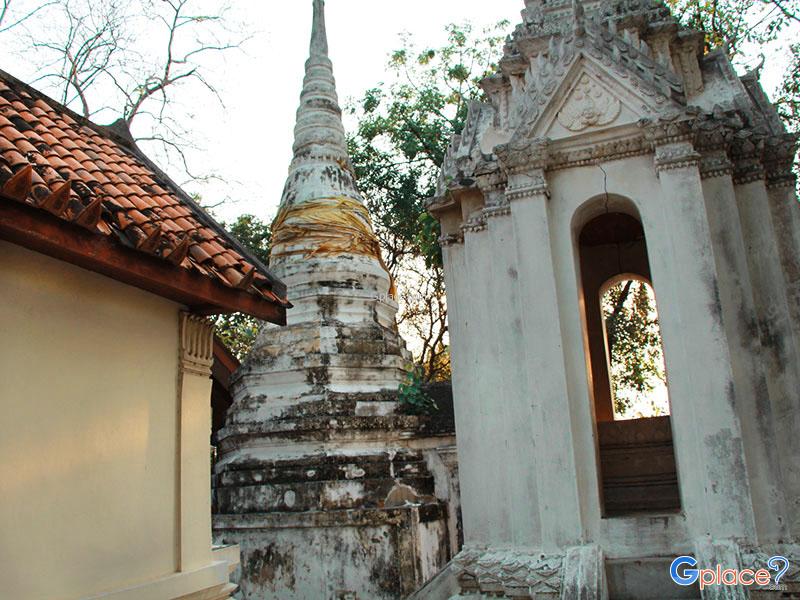

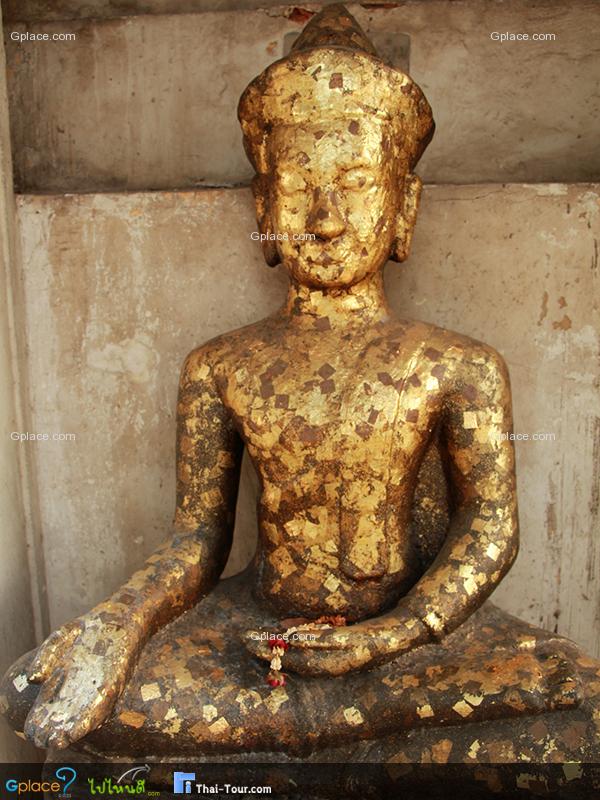
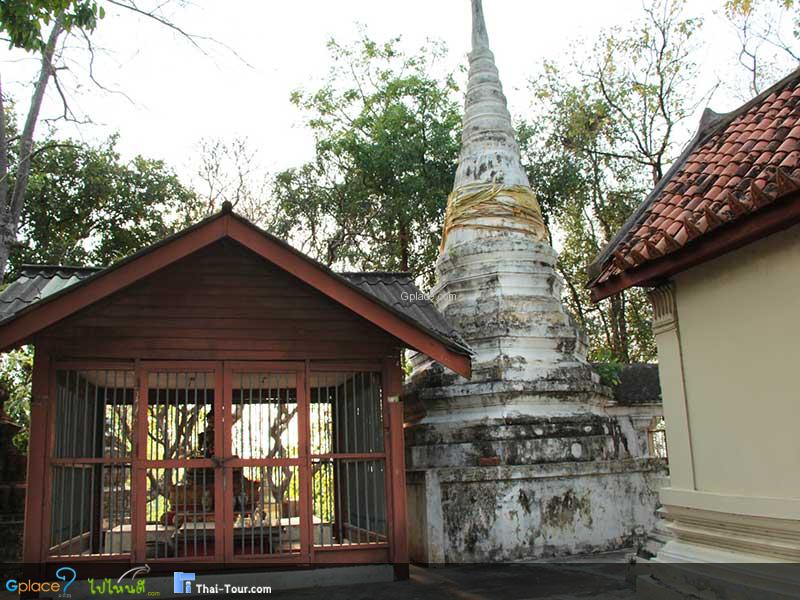

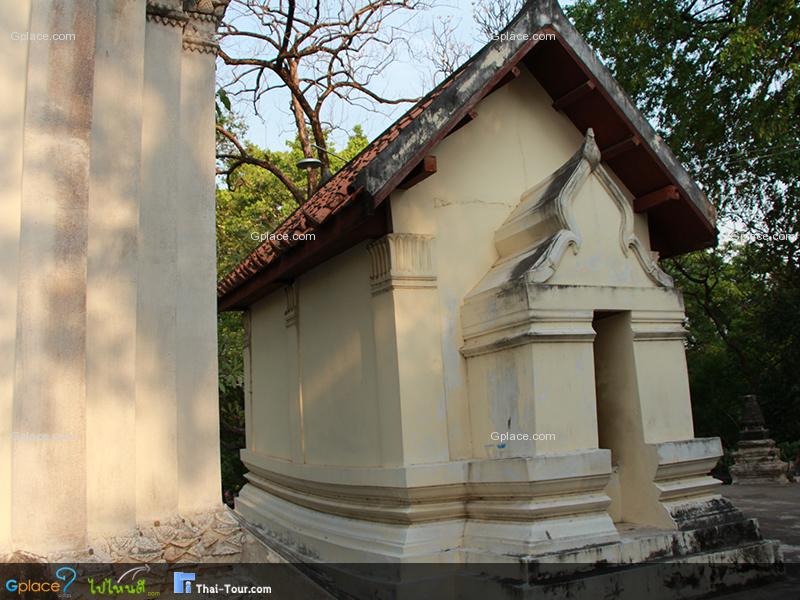
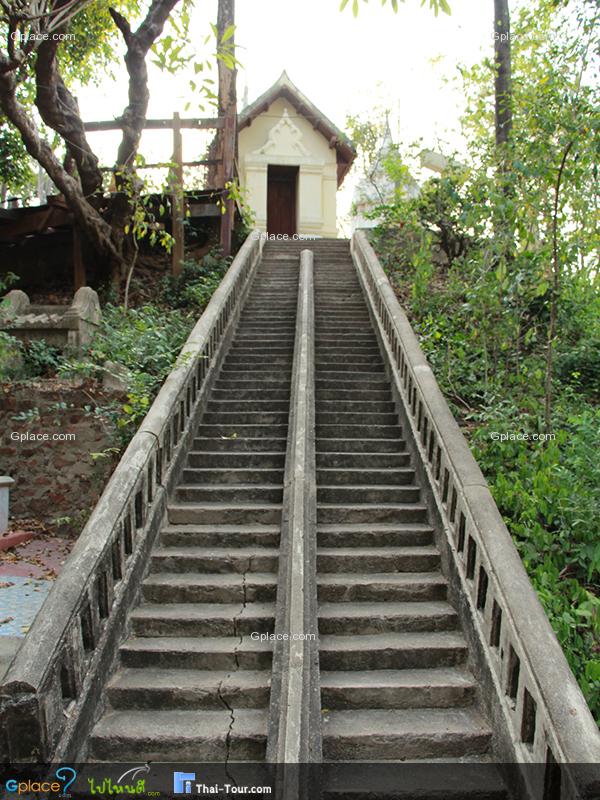
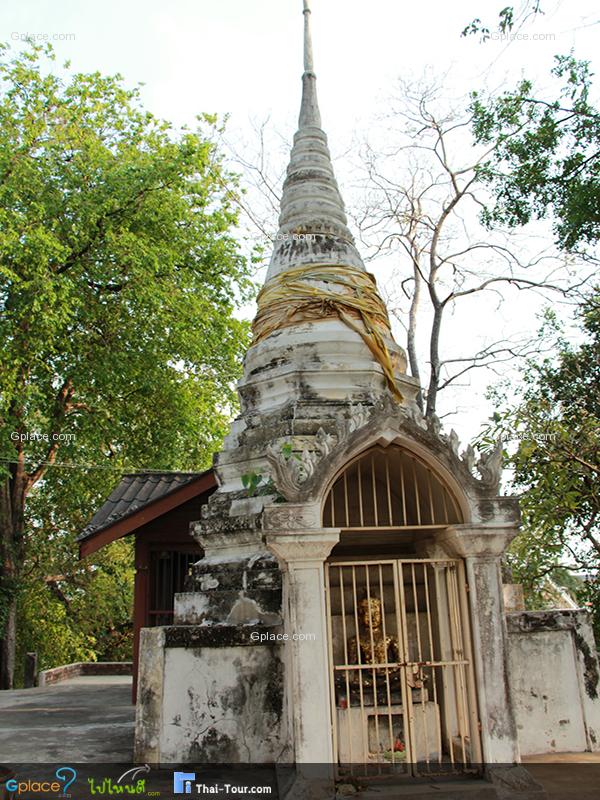
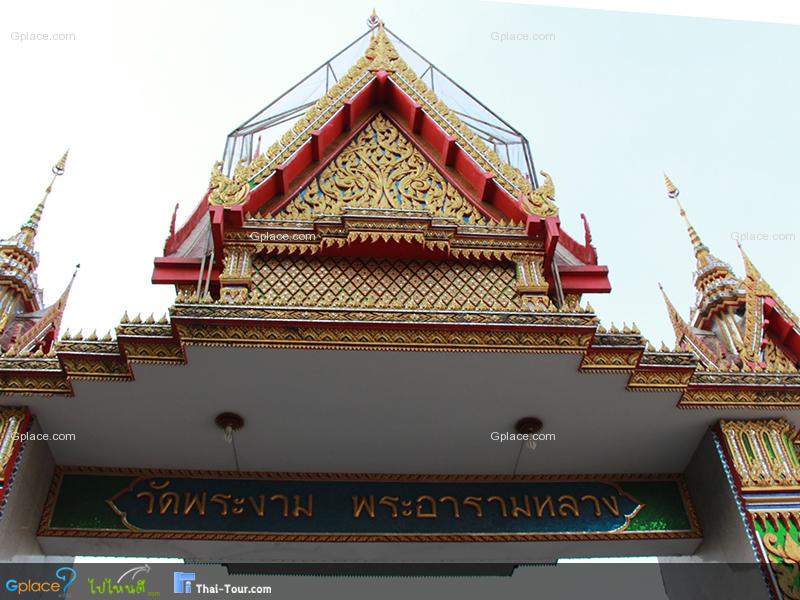
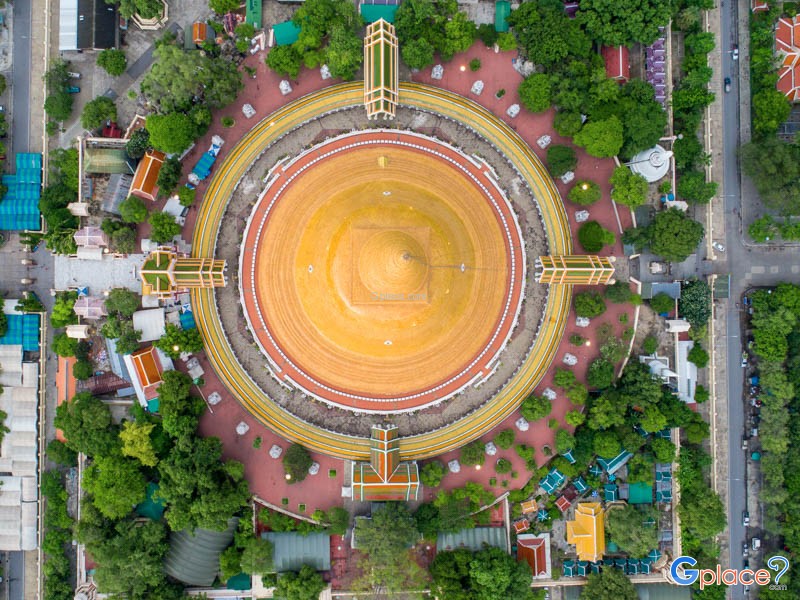
“Wat Phra Ngam mound is the site where the remains of a large stupa from the Dvaravati period were discovered.”
How to Get There
- By car: From Bangkok, take Phetkasem Road (Highway 4) heading to Nakhon Pathom. The site is located near Nakhon Pathom Railway Station.
- By train: Get off at Nakhon Pathom Railway Station, then take a taxi or walk about 1 km to the site.
Travel Tips
- It is recommended to visit the National Museum at Phra Pathom Chedi alongside the site to better understand the archaeological artifacts from this area.
- Wear comfortable walking shoes, as the terrain is an uneven earthen mound.
- Dress modestly, as the site is located within a temple and religious area.
- Visit in the morning or late afternoon for cooler weather and better lighting for photography.
- Study basic historical information beforehand to gain a better understanding of its archaeological significance.
Admission Fee:
- Free of charge for both Thai and foreign visitors.
Opening Hours:
- Open daily from 08:00 AM to 05:00 PM.
Wat Phra Ngam Archaeological Site

 Share
Share
 Nakhon Pathom, Mueang Nakhon Pathom, Nakhon Pathom,73000
Map
Nakhon Pathom, Mueang Nakhon Pathom, Nakhon Pathom,73000
Map
List 0 review
|
art & culture,attractions,Temple,place,temple
 Open now : 8.00 - 17.00
Mon8.00 - 17.00
Tue8.00 - 17.00
Wed8.00 - 17.00
Thu8.00 - 17.00
Fri8.00 - 17.00
Sat8.00 - 17.00
Sun8.00 - 17.00



 52
52