 Attractions
  Hotel
Hotel  Restaurant
  Shopping
  Abroad






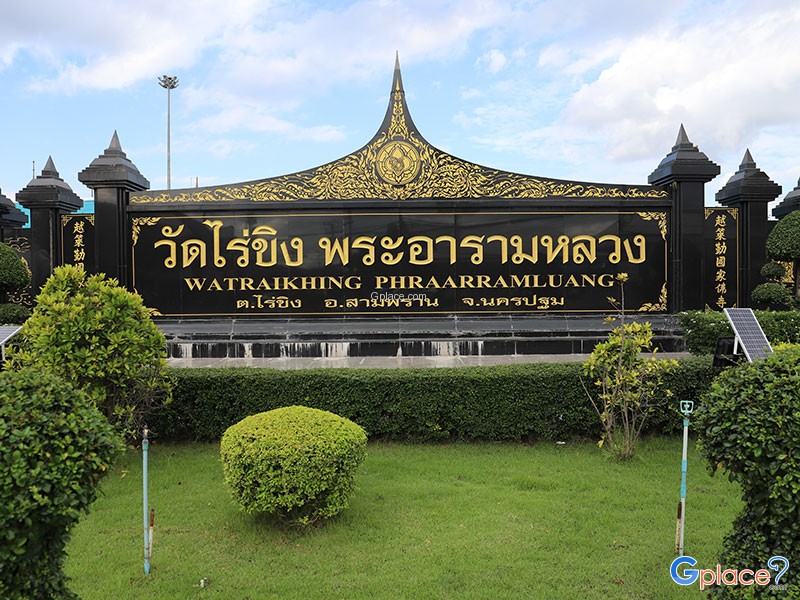
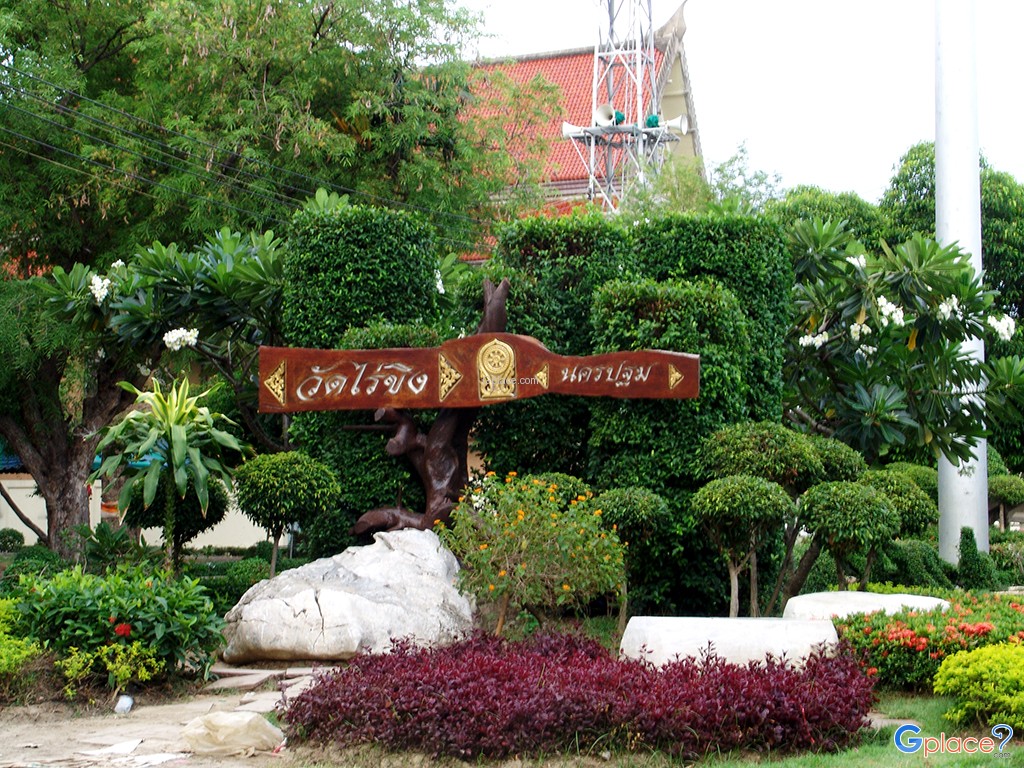
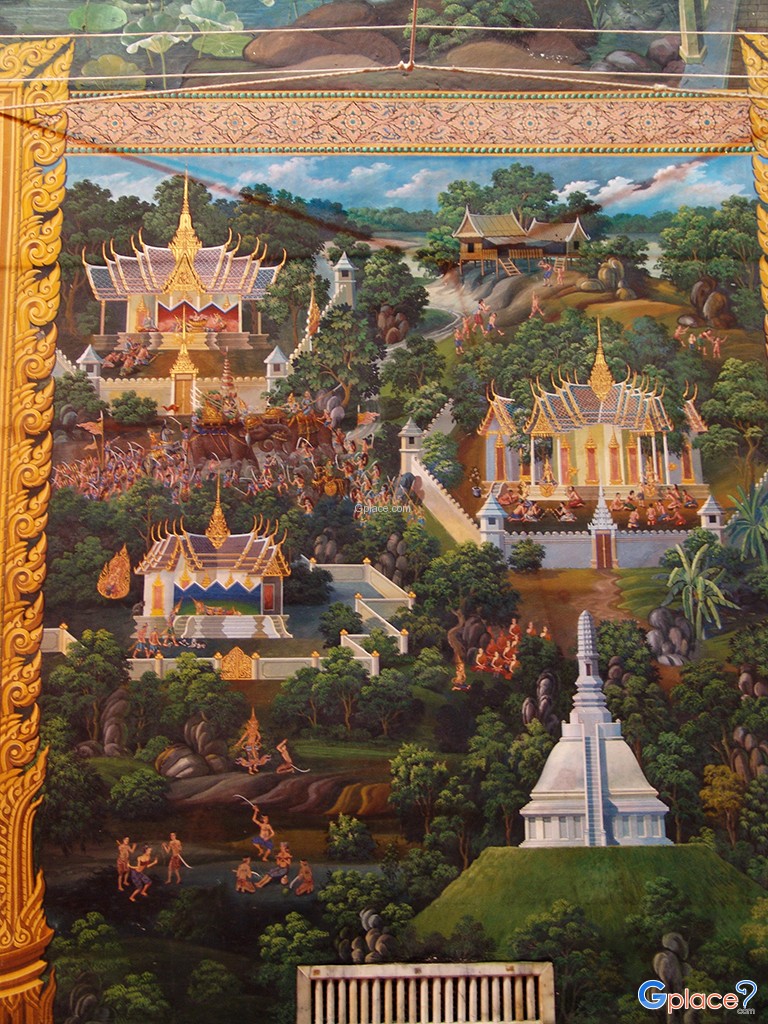
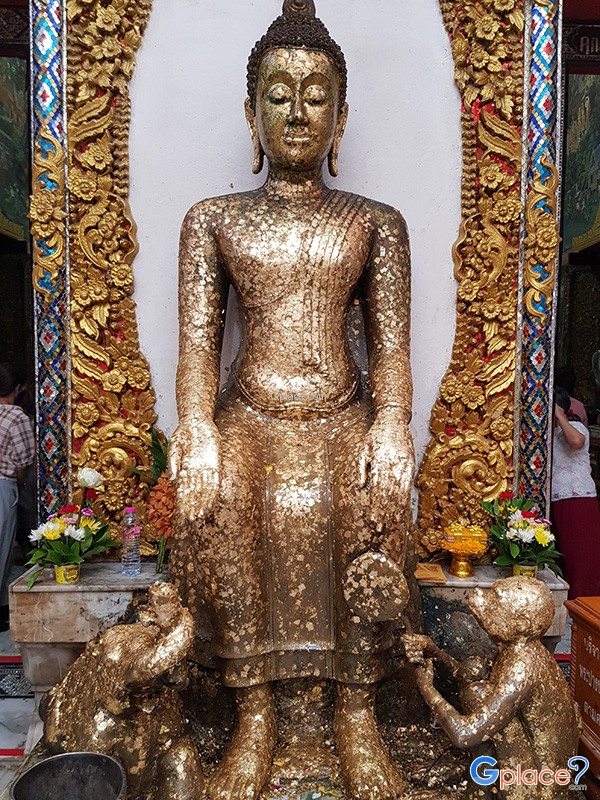
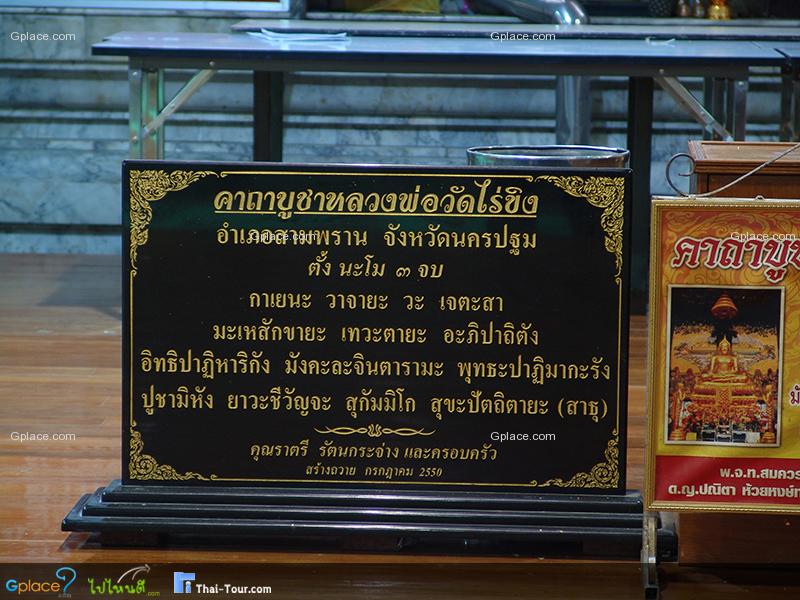
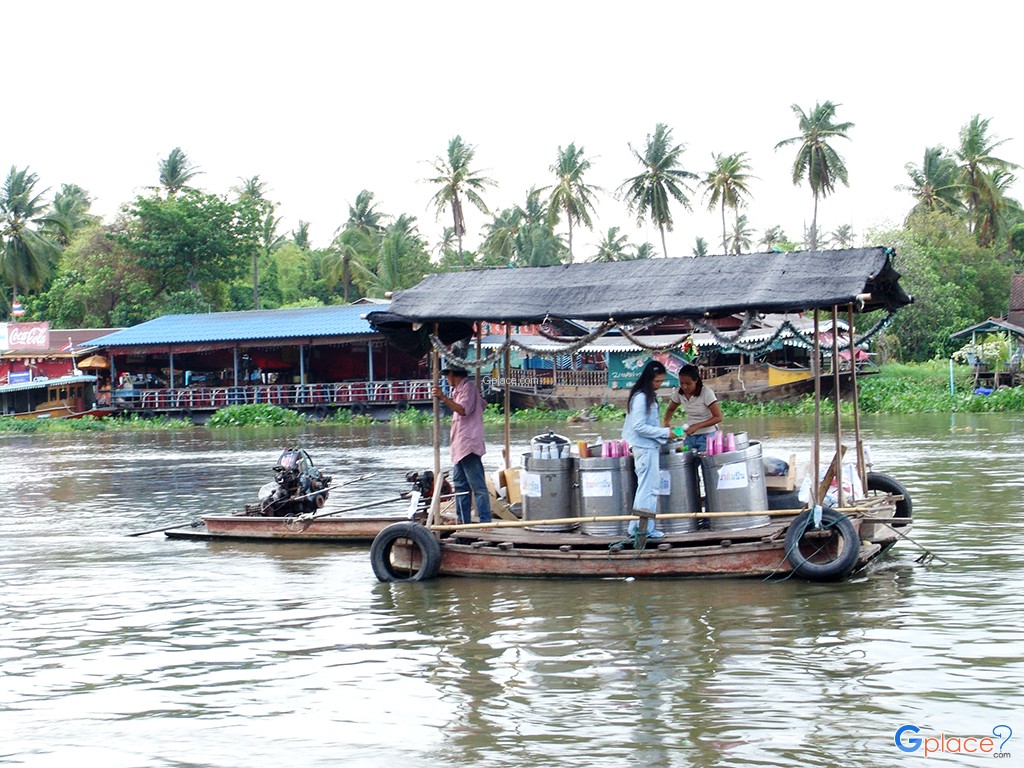

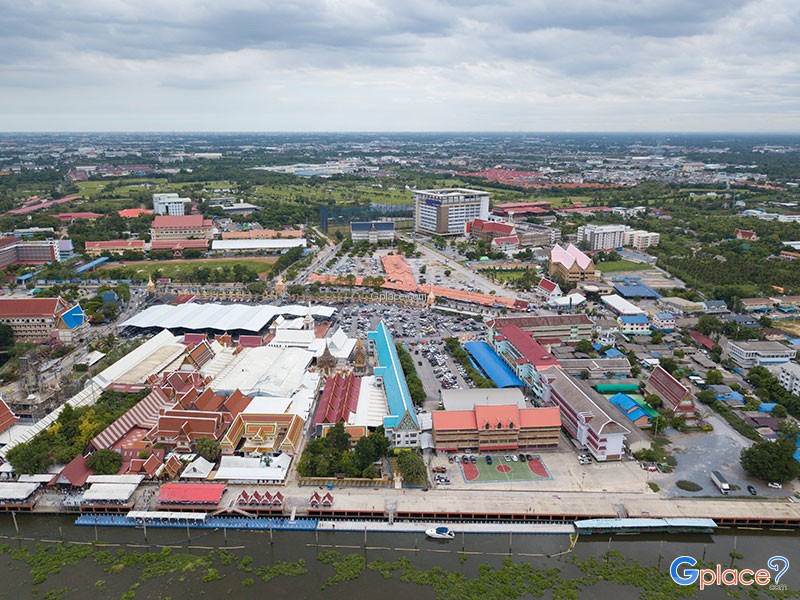
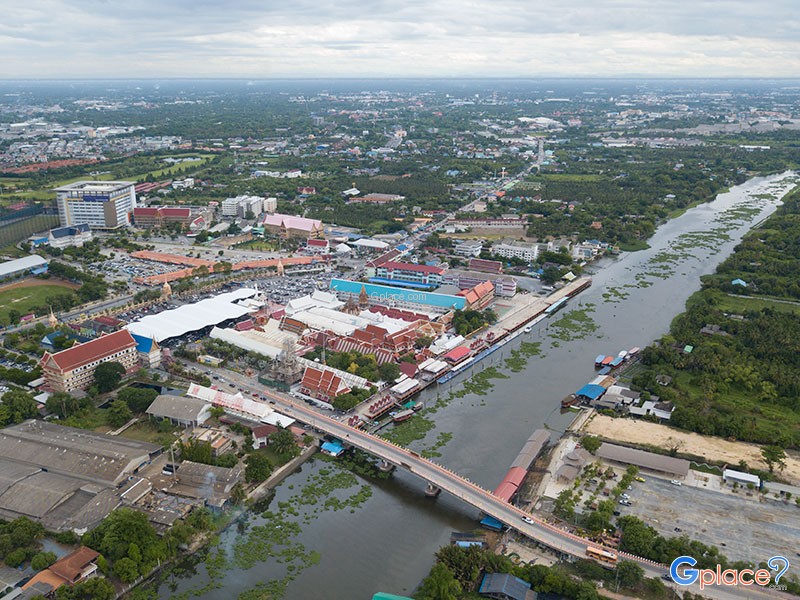
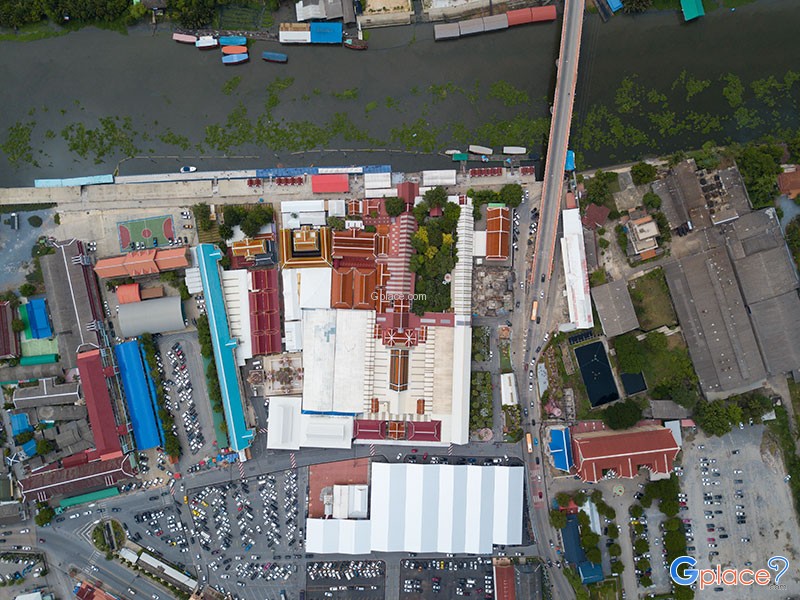
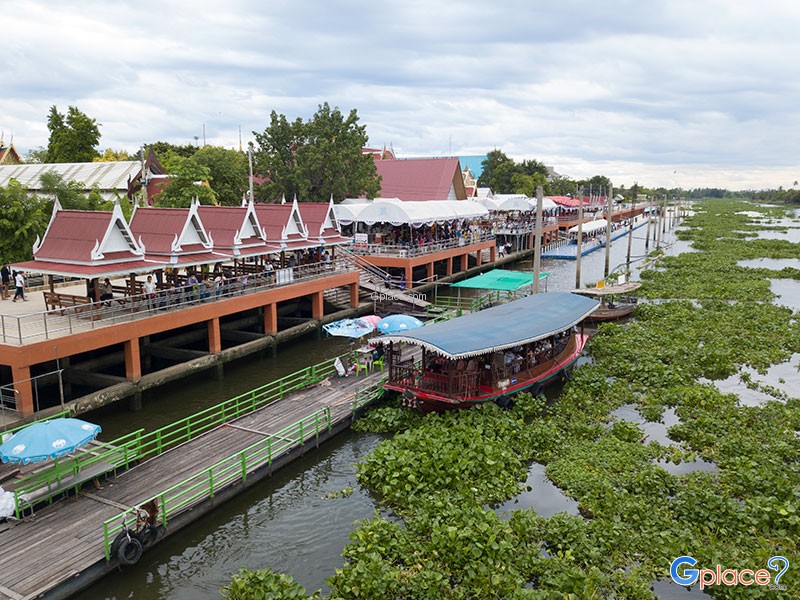
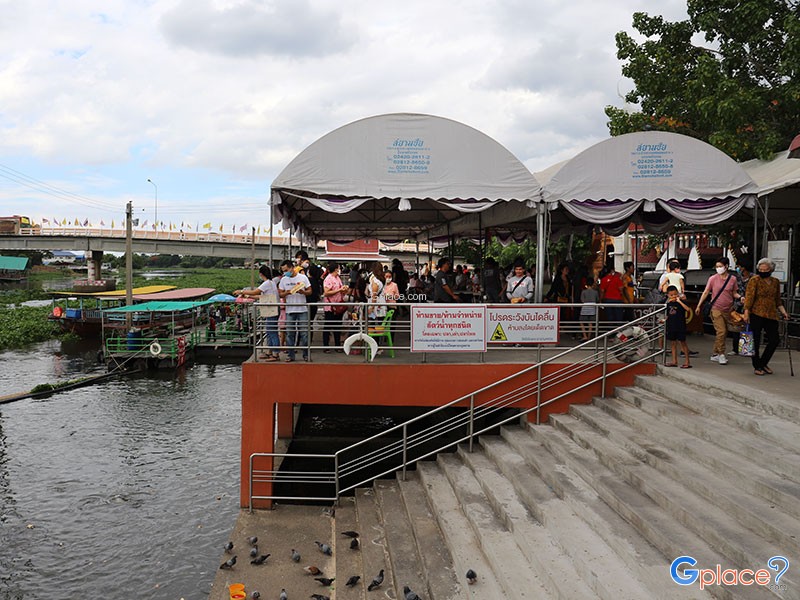
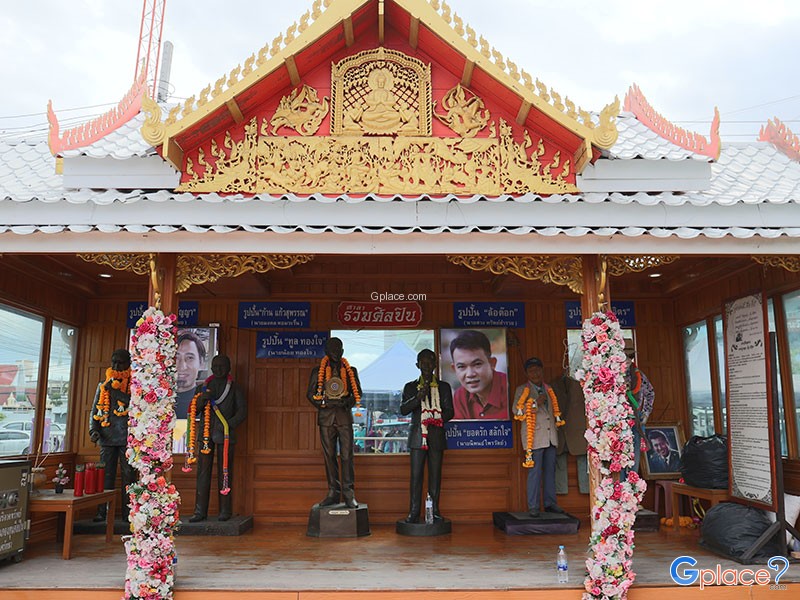
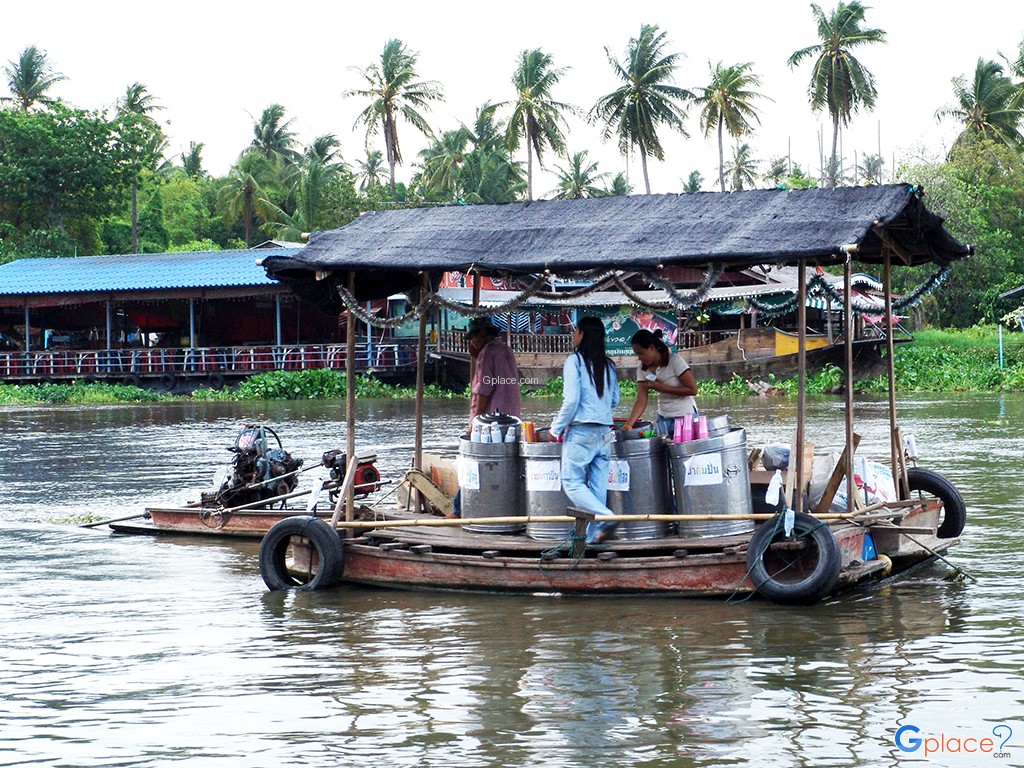
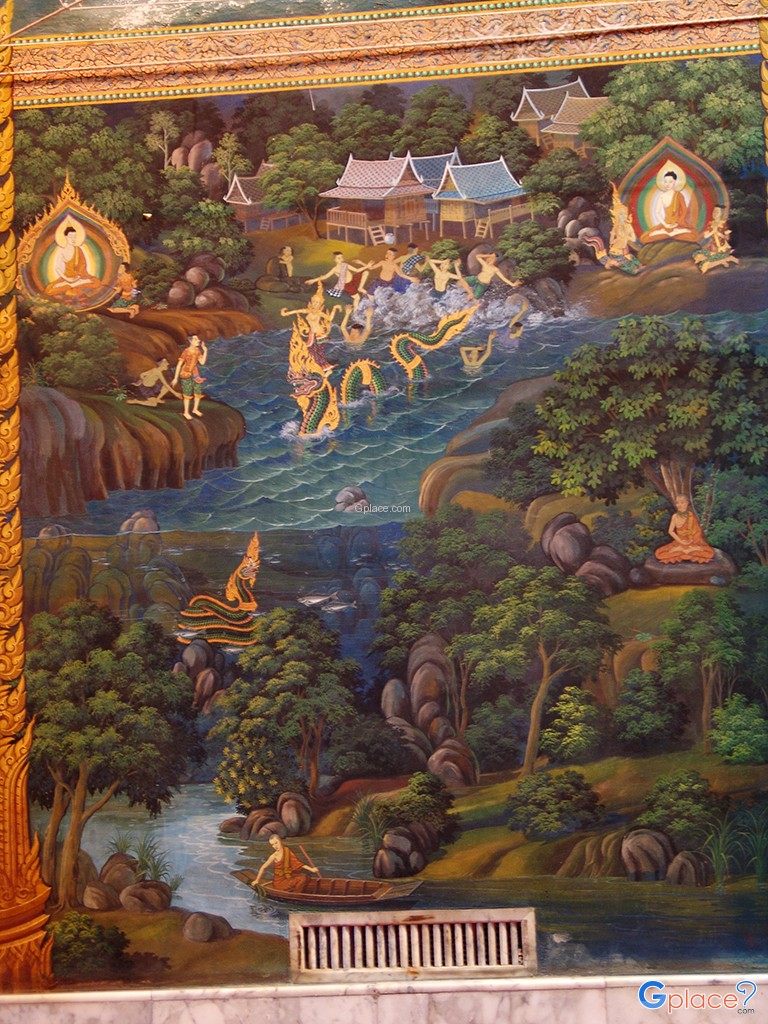
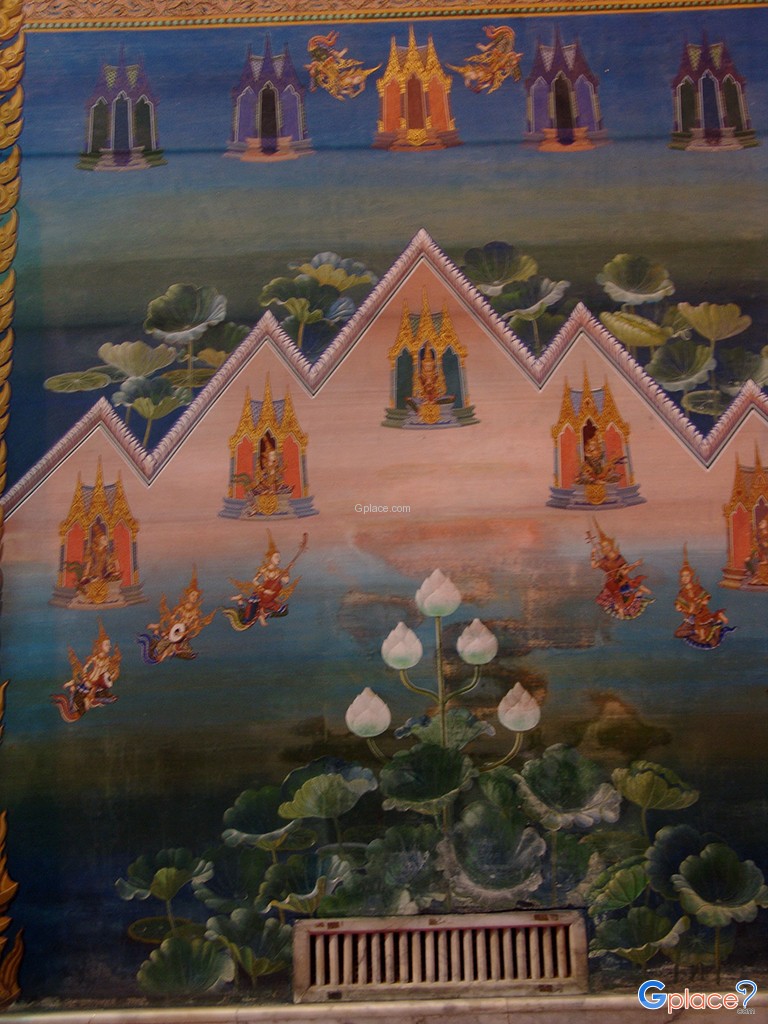
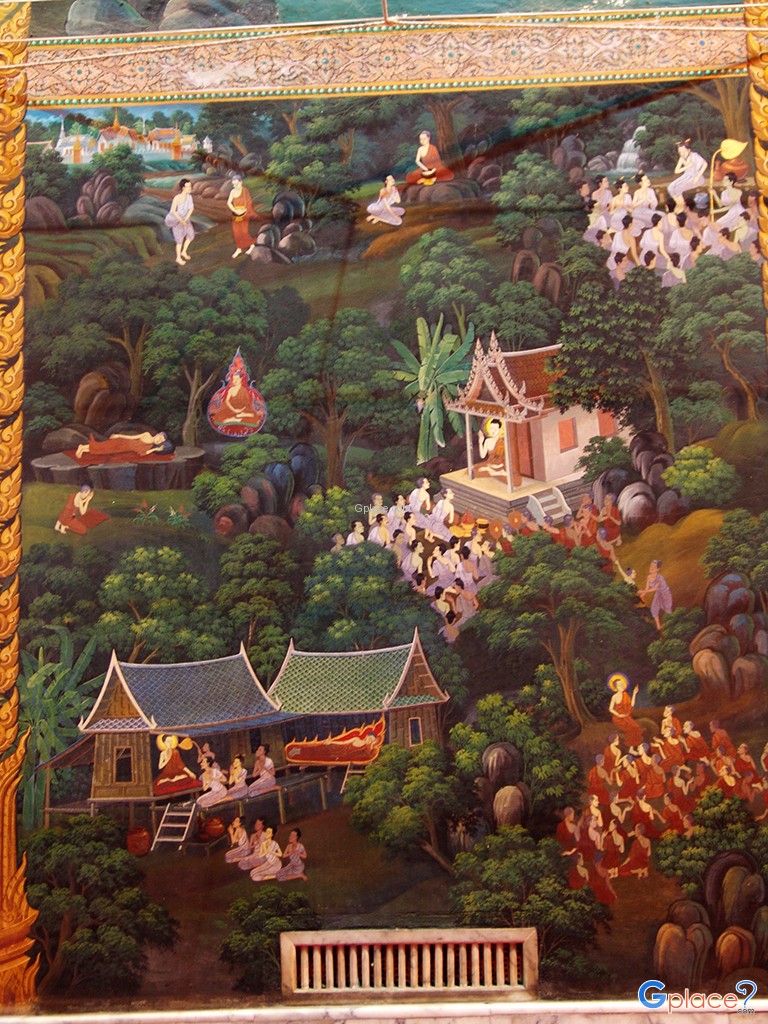
“Enshrine the sacred Luang Pho Wat Rai Khing by Tha Chin River. Admire exquisite murals, beautiful architecture, and peaceful riverside views perfect for making merit.”
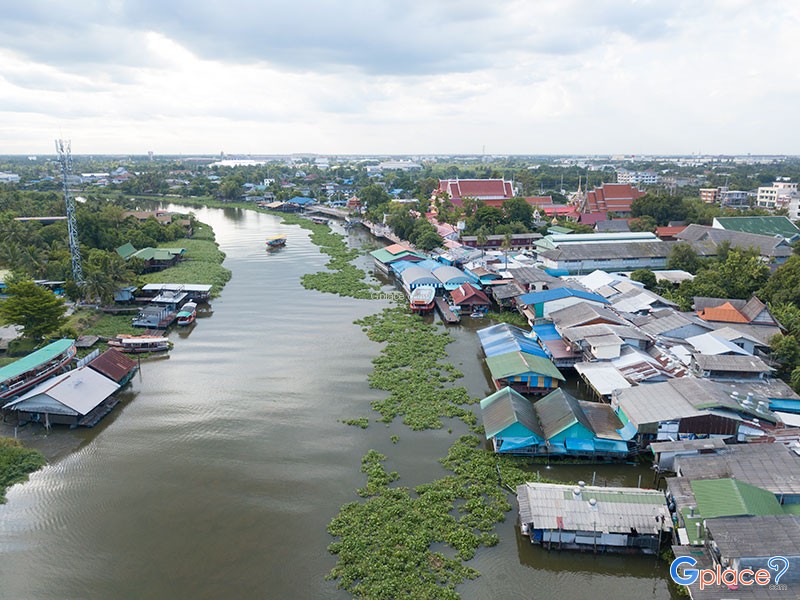
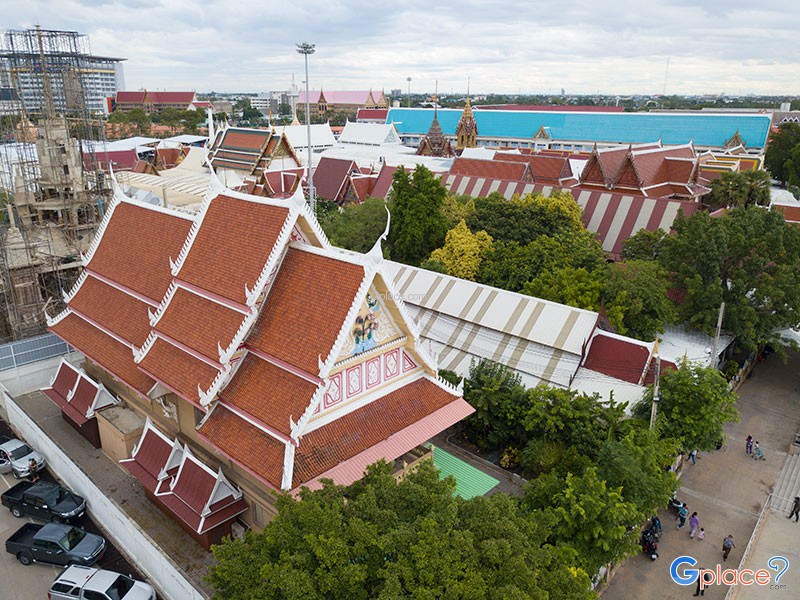
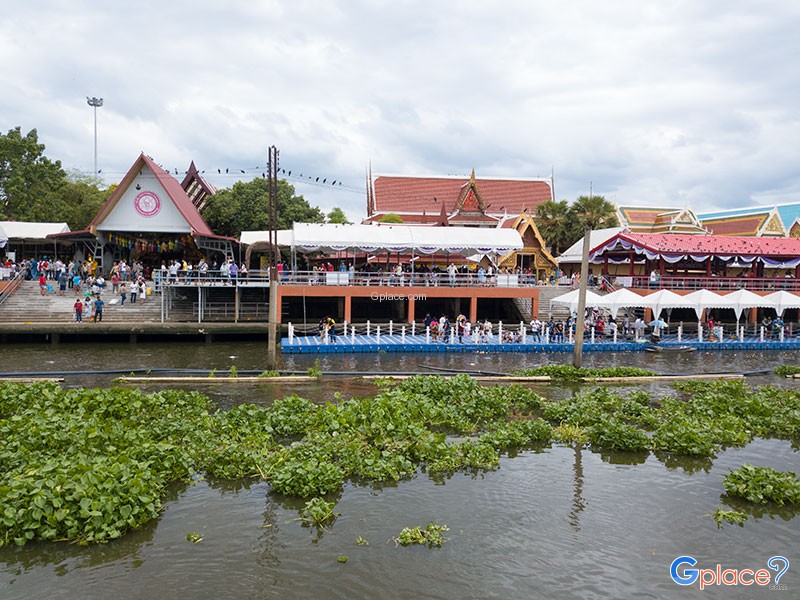
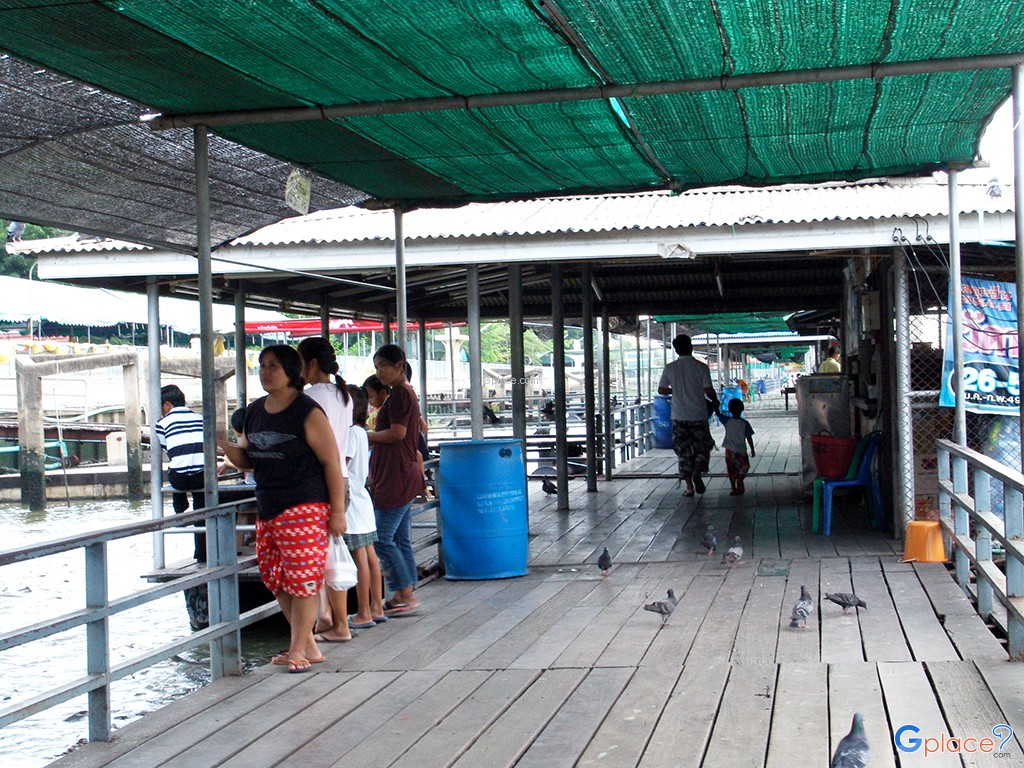
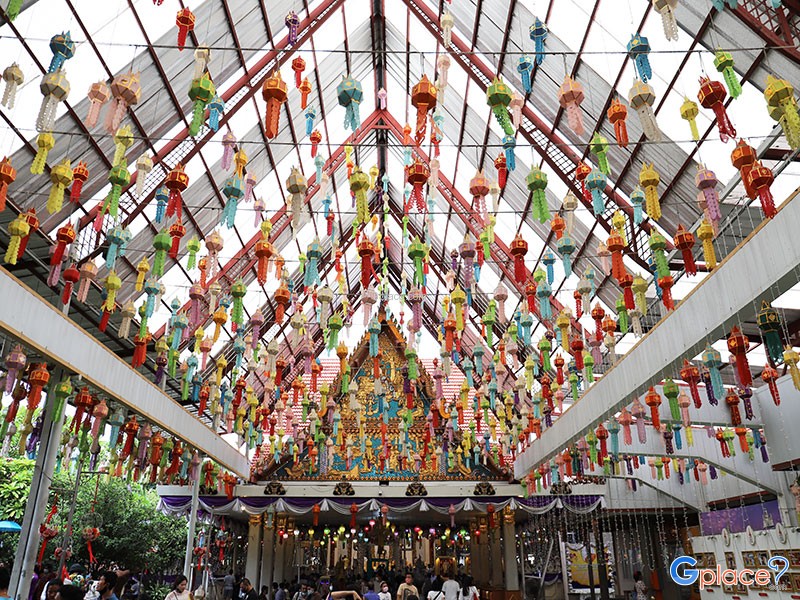
Wat Rai Khing is one of the most famous royal temples in Nakhon Pathom province. Located on the banks of the Tha Chin River (or Nakhon Chai Si River) in Sam Phran district, it has long been a center of faith for Buddhists from Nakhon Pathom, Bangkok, and surrounding provinces. The temple boasts a serene atmosphere, surrounded by the river and the old riverside community, allowing visitors to experience both spiritual peace and the traditional way of life of the Tha Chin River basin community. The temple grounds are spacious, encompassing the main chapel, a vihara, a sermon hall, a riverside area, and a sanctuary by the river, a popular spot for feeding fish. It is also a temple that attracts visitors for merit-making throughout the year, especially during holidays and important Buddhist festivals.
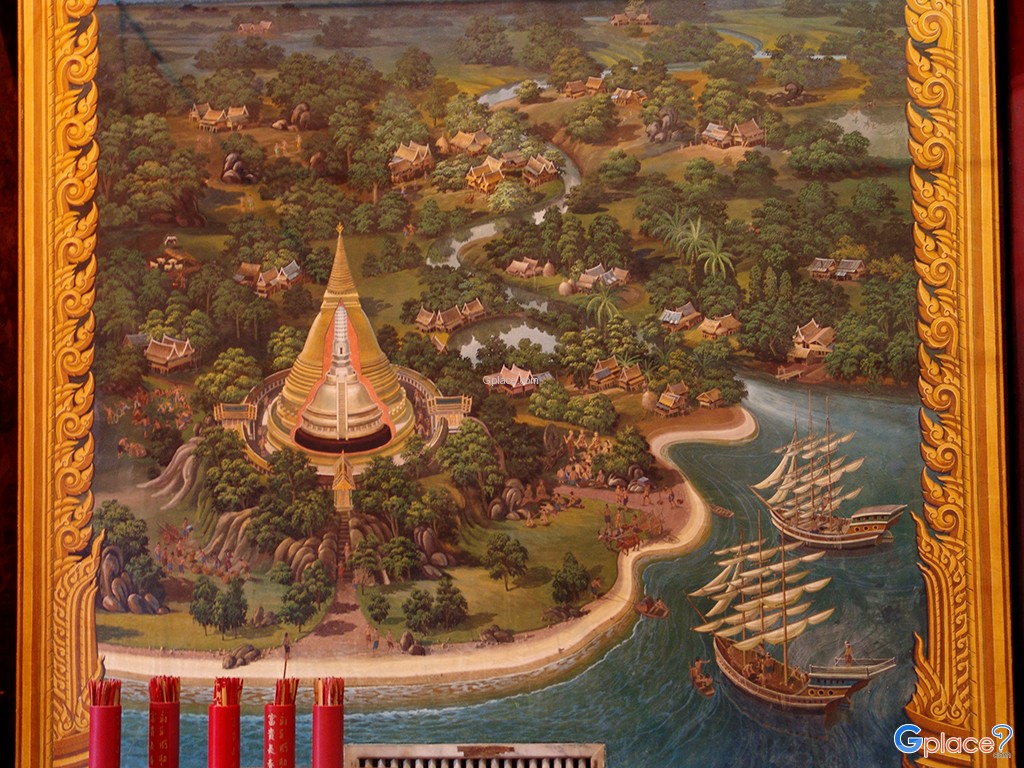
The history of Wat Rai Khing is intertwined with the agricultural community along the Tha Chin River. In the past, the area was known for its extensive ginger cultivation, hence the name "Rai Khing" (ginger farm). According to local historical records, the temple was begun during the early Rattanakosin period and continuously developed into an important temple in the area. Later, it was elevated to the status of a royal temple. Its original name was "Wat Mongkol Jindaram," but locals continued to affectionately call it "Wat Rai Khing," a name widely used today. The temple remains closely connected to the way of life of the people living along the Tha Chin River since ancient times. In the past, waterways were the primary routes for travel and trade. People from many areas frequented the temple to make merit and rest their boats at the temple's pier.
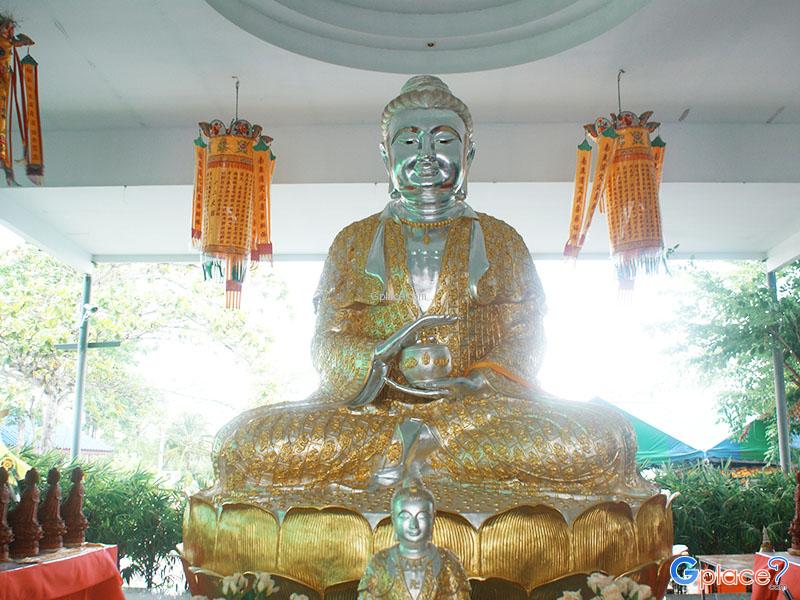
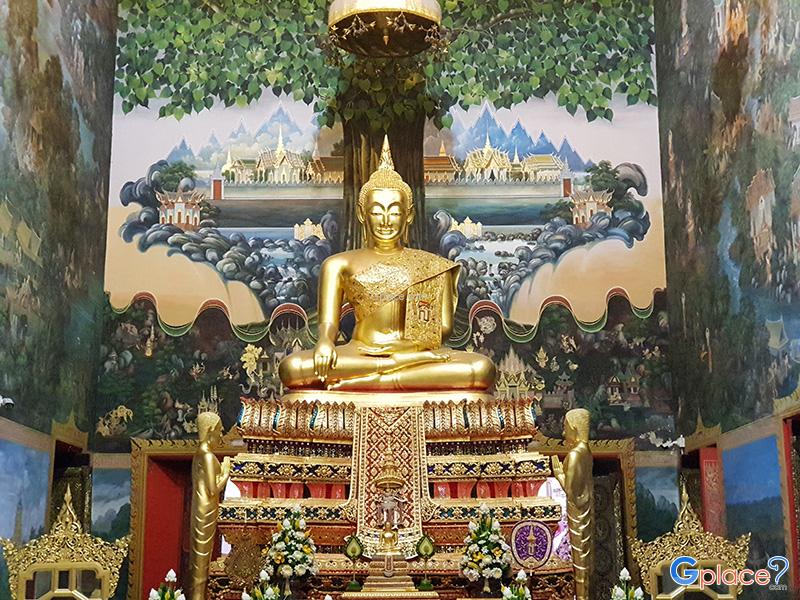
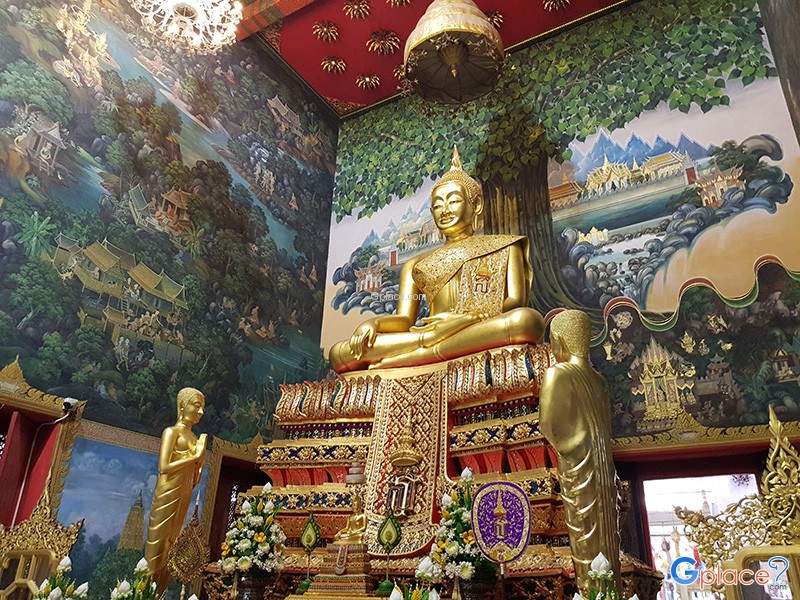
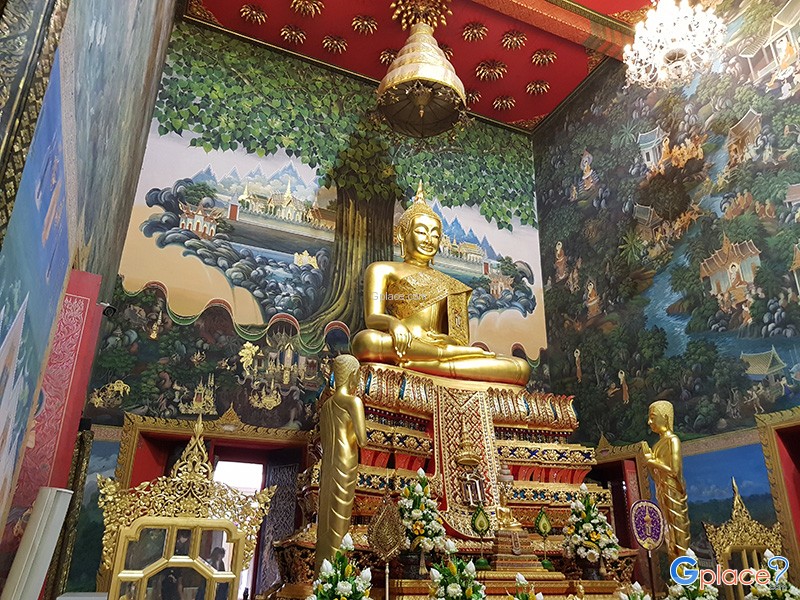
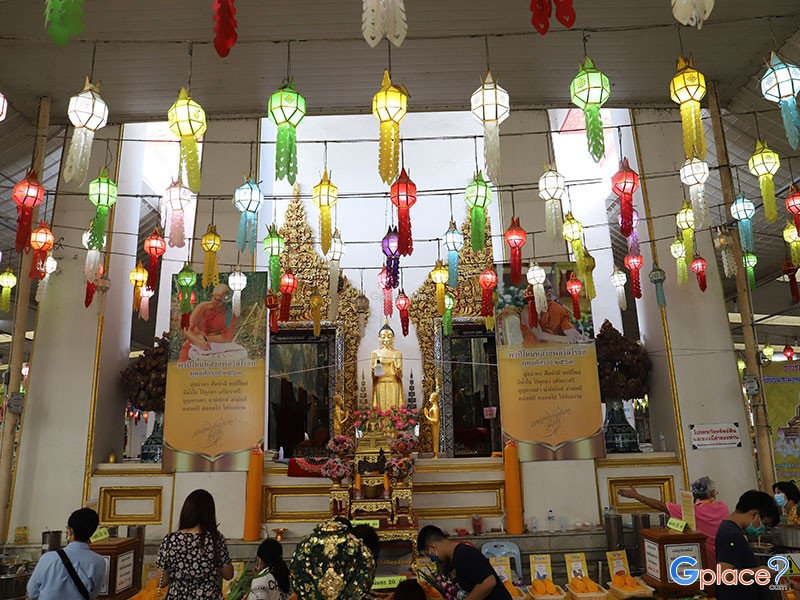
The most important sacred object at the temple is "Luang Pho Wat Rai Khing," a Chiang Saen-style Buddha statue in the Maravijaya posture. This statue is renowned for its beauty and is highly revered by people throughout the country. According to local legend, the statue floated down the river before being enshrined at this temple. Originally, it was located at Wat Sala Pun in Ayutthaya province before being moved to Wat Rai Khing, leading to widespread devotion. Many people visit to pray for good fortune, health, career success, and blessings. Especially during the Songkran festival, a grand ceremony to apply gold leaf to Luang Pho Wat Rai Khing is held, attracting large numbers of locals and tourists every year.
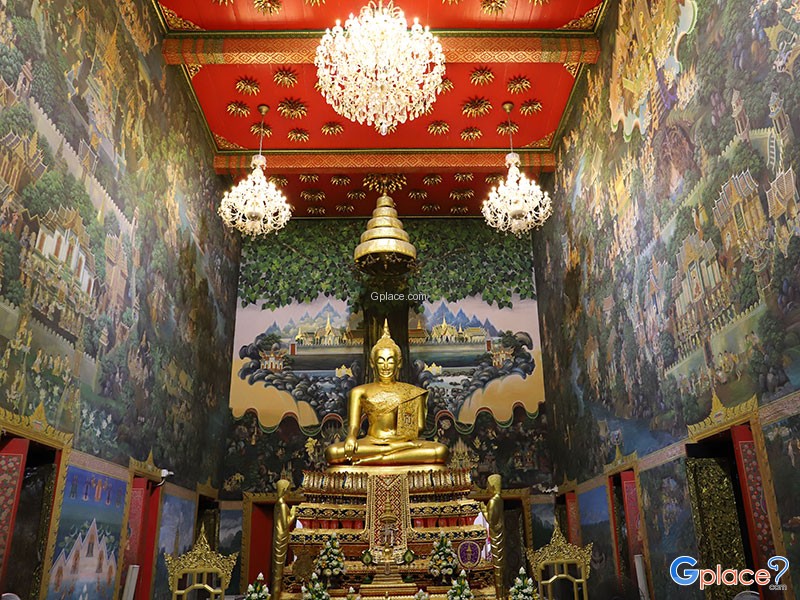
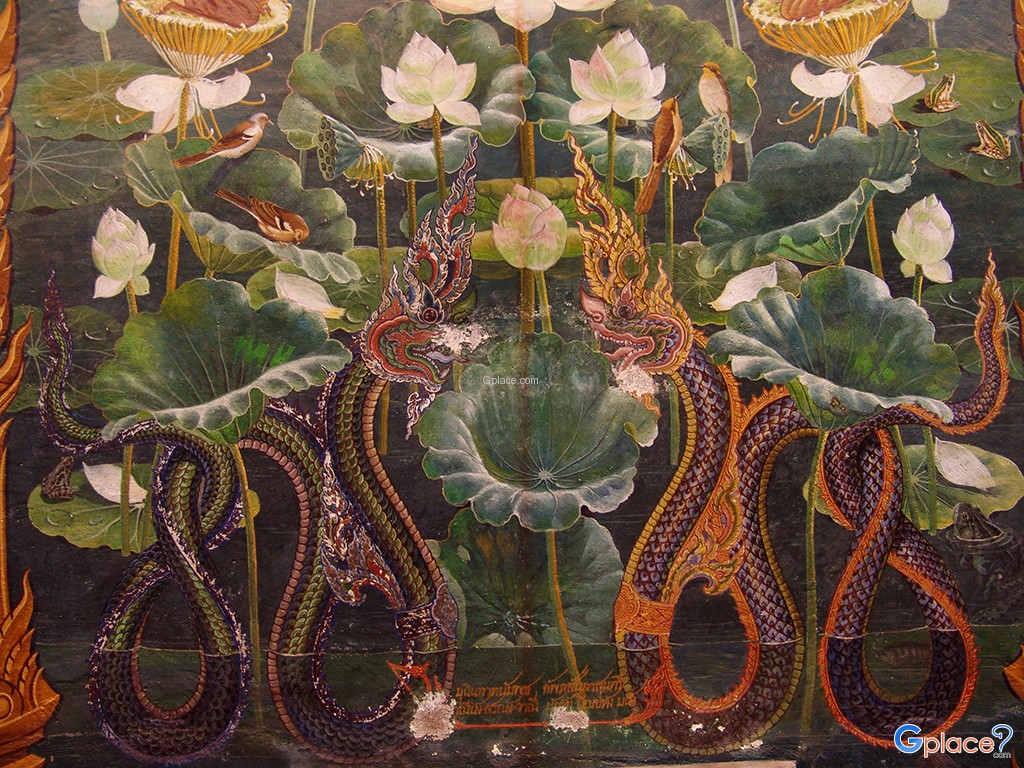
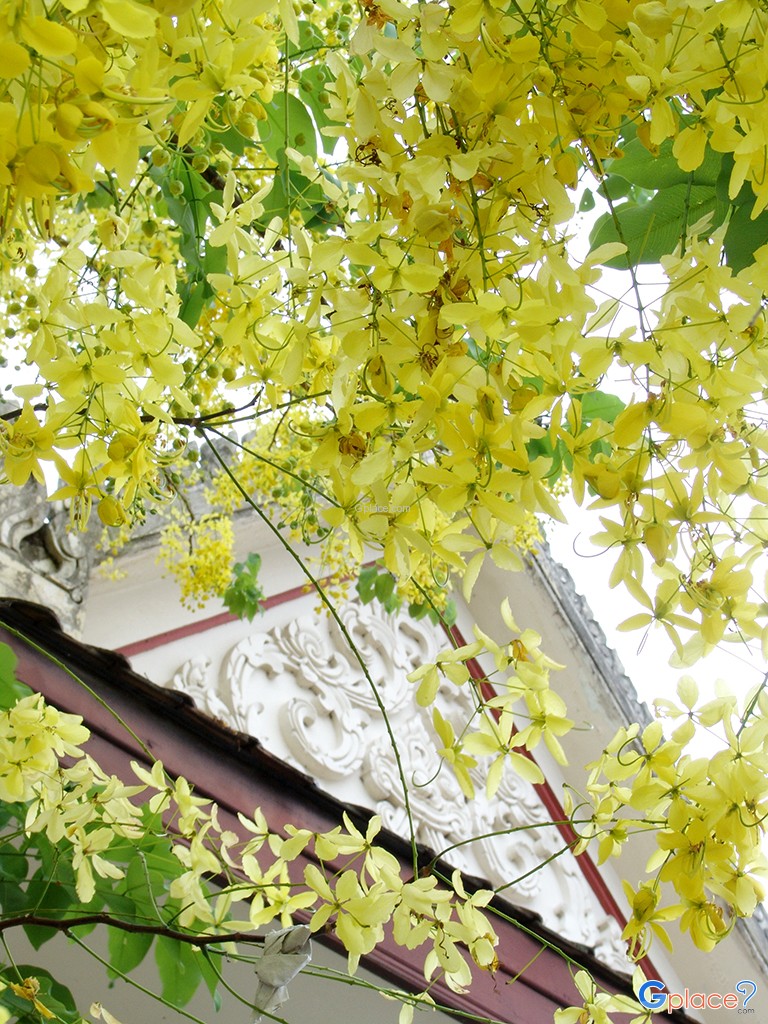
The temple's architecture reflects a blend of traditional Thai art and later restoration. The main chapel houses the principal Buddha statue and is adorned with meticulously crafted murals depicting Buddhist stories. Within the temple grounds, there are also a vihara (chapel), a riverside pavilion, and a museum housing artifacts, antiques, books, and collectibles donated by villagers for future generations to study. Furthermore, the riverside area is a large sanctuary, home to a large number of freshwater fish. Tourists can purchase fish food to make merit and relax while enjoying the riverside atmosphere throughout the day. In front of the temple, there are also shops, restaurants, and a community market selling local food, Thai desserts, and famous souvenirs from Nakhon Pathom province.
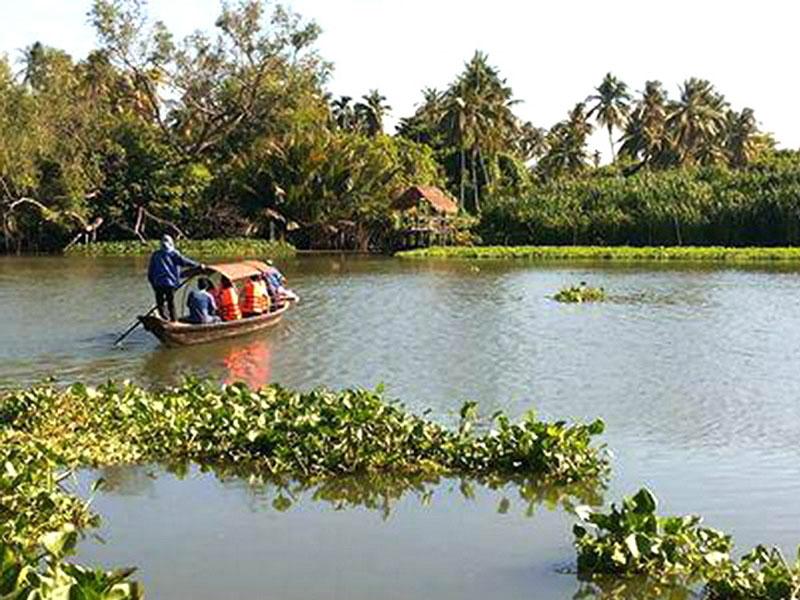
Another significant charm of Wat Rai Khing is its connection to the nearby riverside communities, especially Don Wai Market, which is not far from the temple. Tourists can take a boat trip along the Tha Chin River to observe the lifestyle of the villagers, old traditional houses, fruit orchards, and the traditional riverside community up close. This makes a visit to Wat Rai Khing more than just a journey to worship; it's also an opportunity to experience the culture, lifestyle, and history of the central Thai river basin community that still retains its charm to this day. Due to its proximity to Bangkok, Wat Rai Khing is a popular destination for day trips, whether for those seeking spiritual experiences, families, or tourists seeking relaxation in a tranquil riverside atmosphere.
How to Get There
-
By Car: From Bangkok, take Phet Kasem Road (Highway 4), passing Phutthamonthon Sai 4 and 5 into Sam Phran. Look for clear signage to the temple.
-
By Public Transport: Take Bus No. 84 (orange AC bus) from BTS Bang Wa directly to the temple entrance, or take a shuttle boat from the nearby Don Wai Market.
Travel Tips
- Visit early in the morning for cooler weather and fewer crowds.
- Public holidays and weekends are usually very crowded.
- Dress modestly as the site is a royal Buddhist temple.
- Bring small cash or coins for donations and fish feeding.
Admission Fees:
- Free admission.
Opening Hours:
- Daily 08:00 – 18:00
Wat Rai Khing

 Share
Share
 T.Rai Khing, A.Sam Phran, Nakhon Pathom, 73110
Map
T.Rai Khing, A.Sam Phran, Nakhon Pathom, 73110
Map
 Open now : 8.00 - 18.00
Mon8.00 - 18.00
Tue8.00 - 18.00
Wed8.00 - 18.00
Thu8.00 - 18.00
Fri8.00 - 18.00
Sat8.00 - 18.00
Sun8.00 - 18.00

 https://www.thai-tour.com/thai-tour/central/nakornprathom/data/place/pic_wat-raiking.htm

 4097
4097