 Attractions
  Hotel
Hotel  Restaurant
  Shopping
  Abroad





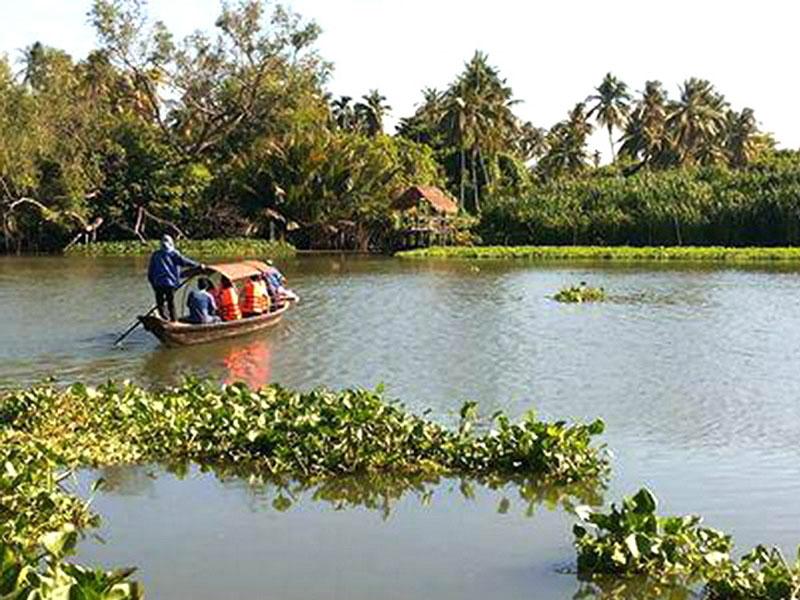

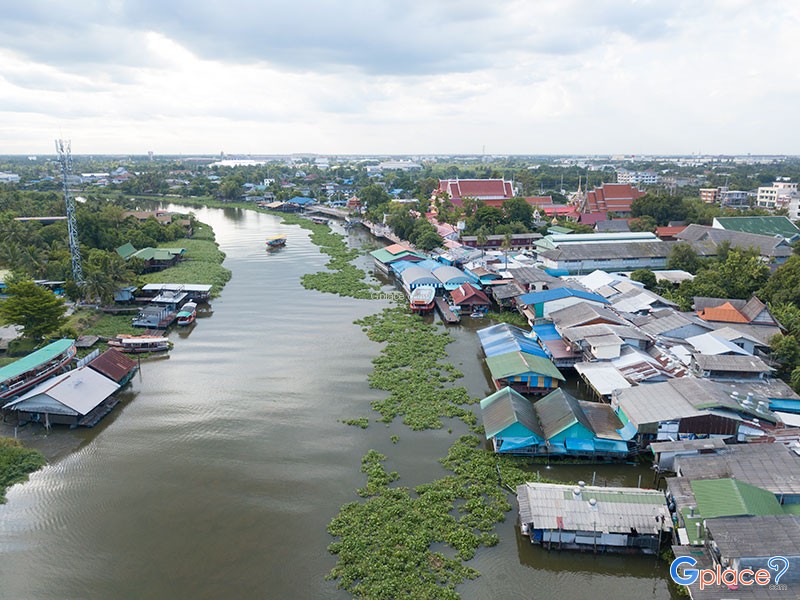
“Patom Village, a learning center for organic farming and craft workshops; “Sookjai Market,” featuring organic products from real farmers; and a lush, riverside garden atmosphere, making it ideal for family relaxation.”
How to Get There
- By car: From Bangkok, take Phetkasem Road (Highway No. 4) heading toward Nakhon Pathom. Suan Sampran is located around kilometer 32 on the left-hand side.
- By public transport: Take a van or bus from Bangkok to Nakhon Pathom city center, then continue by local transport or taxi to Sam Phran District.
Travel Tips
- Visit on Saturday–Sunday to fully experience Sookjai Market.
- Bring reusable bags to reduce plastic waste in line with the eco-friendly concept.
- Plan at least half a day to a full day to explore all zones.
- Some workshops require advance booking.
- Wear comfortable clothing suitable for walking and outdoor activities.
Admission fee:
- General admission is free of charge.
- (Some activities and workshops may have additional fees, such as boat trips and activities in Patom Village.)
Opening hours:
- Open daily from 09:00 AM – 05:00 PM.
- (Operating hours may vary depending on each zone within the area.)
Suan Sampran

 Share
Share
 Yai Cha, Sam Phran, Nakhon Pathom 73110
Map
Yai Cha, Sam Phran, Nakhon Pathom 73110
Map
List 0 review
|
family,romantic,attractions,garden,Show
 Open now : 9.00 - 17.00
Mon9.00 - 17.00
Tue9.00 - 17.00
Wed9.00 - 17.00
Thu9.00 - 17.00
Fri9.00 - 17.00
Sat9.00 - 17.00
Sun9.00 - 17.00

 https://www.thai-tour.com/thai-tour/central/nakornprathom/data/place/sam-pran-place.html

 4908
4908