 Attractions
  Hotel
Hotel  Restaurant
  Shopping
  Abroad






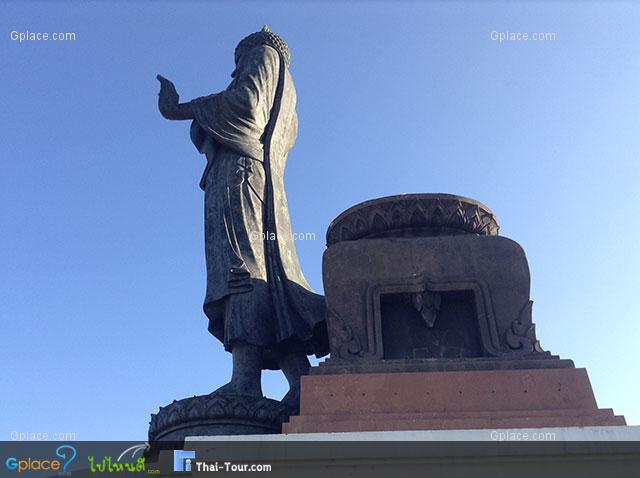
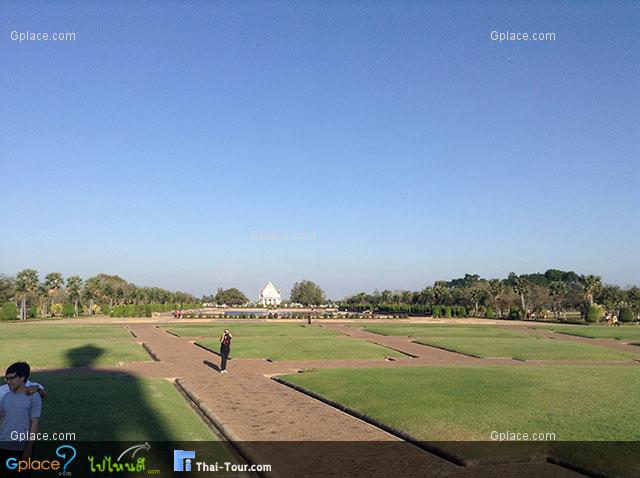
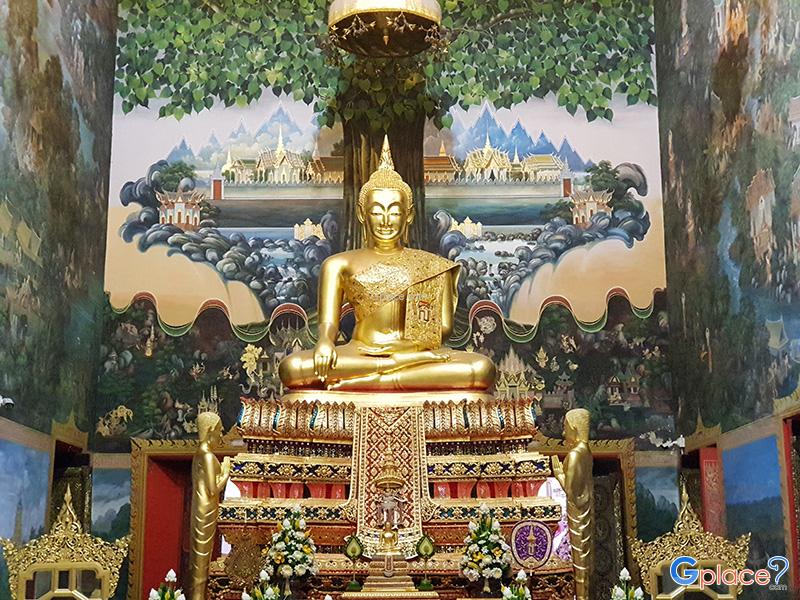
“The Phutthamonthon Vihara is a single-storey building constructed in a traditional Thai architectural style based on the vihara of Wat Ratchathiwat. Its walls are designed with a double-layer structure, allowing the doors and windows to slide into the inner wall. The interior floor is paved with marble tiles”
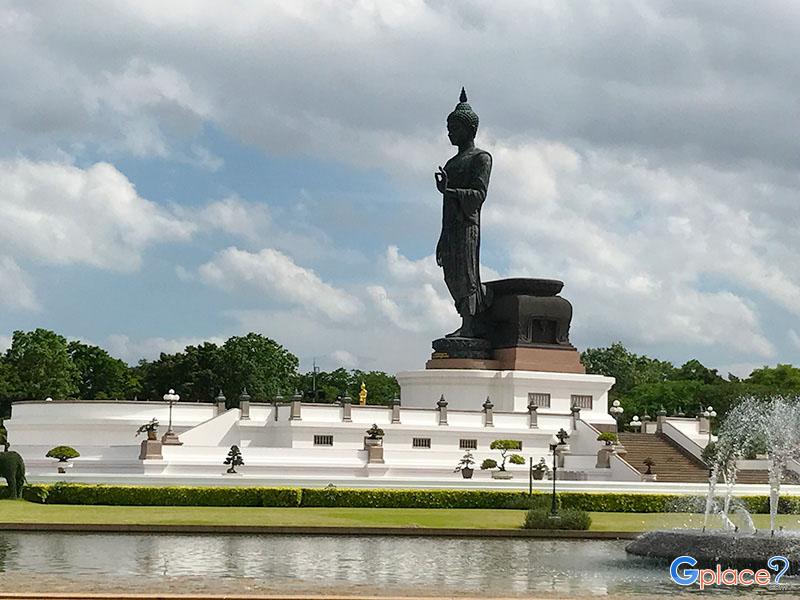
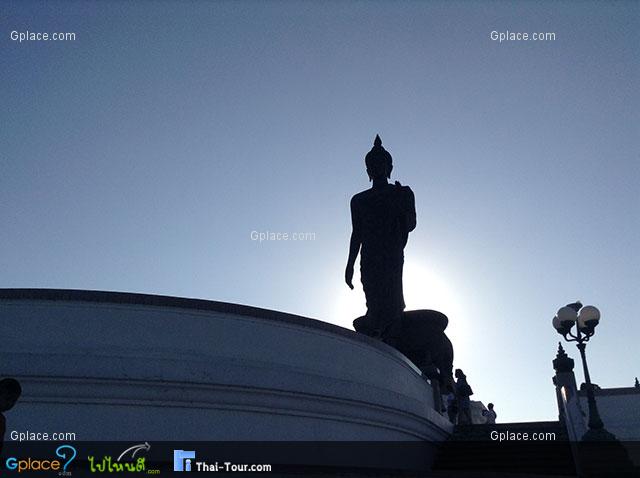
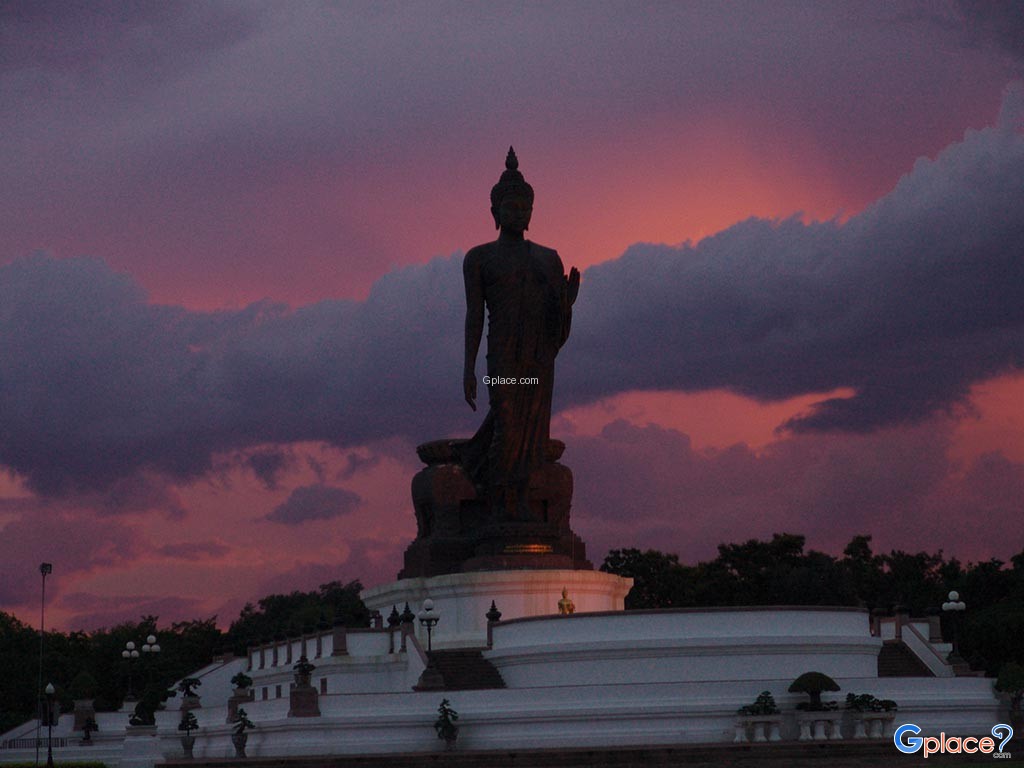
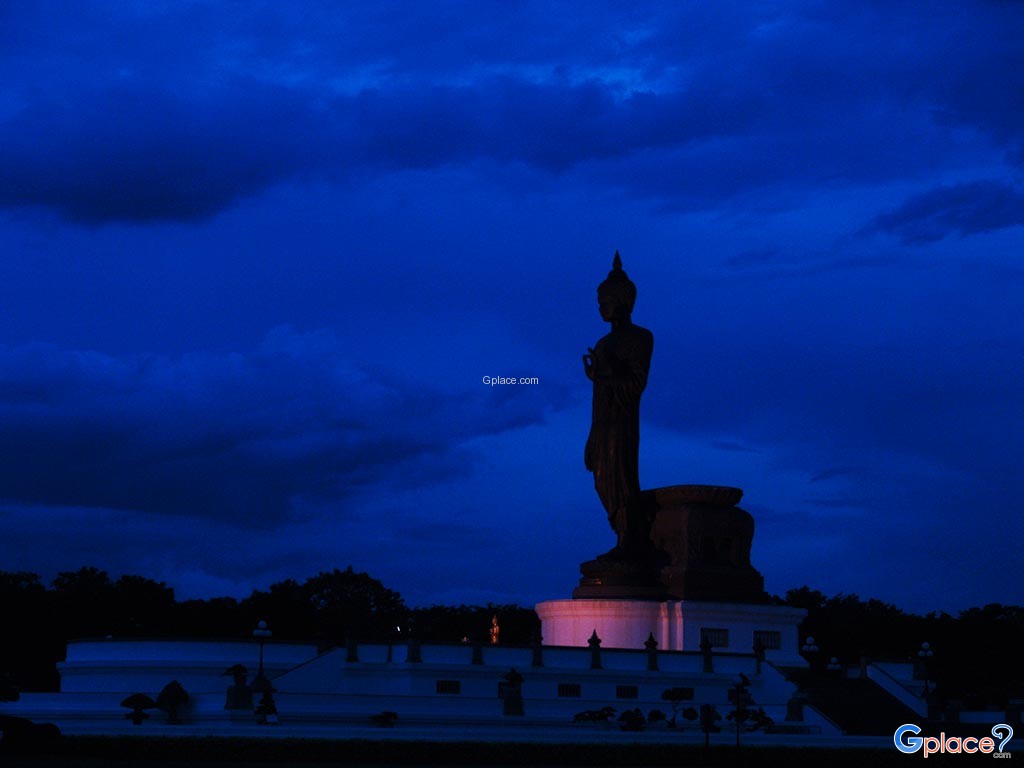
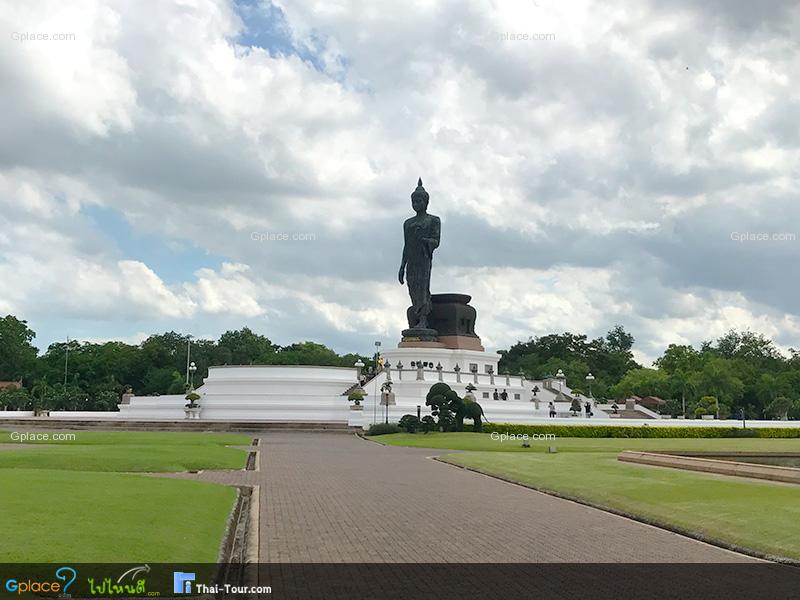
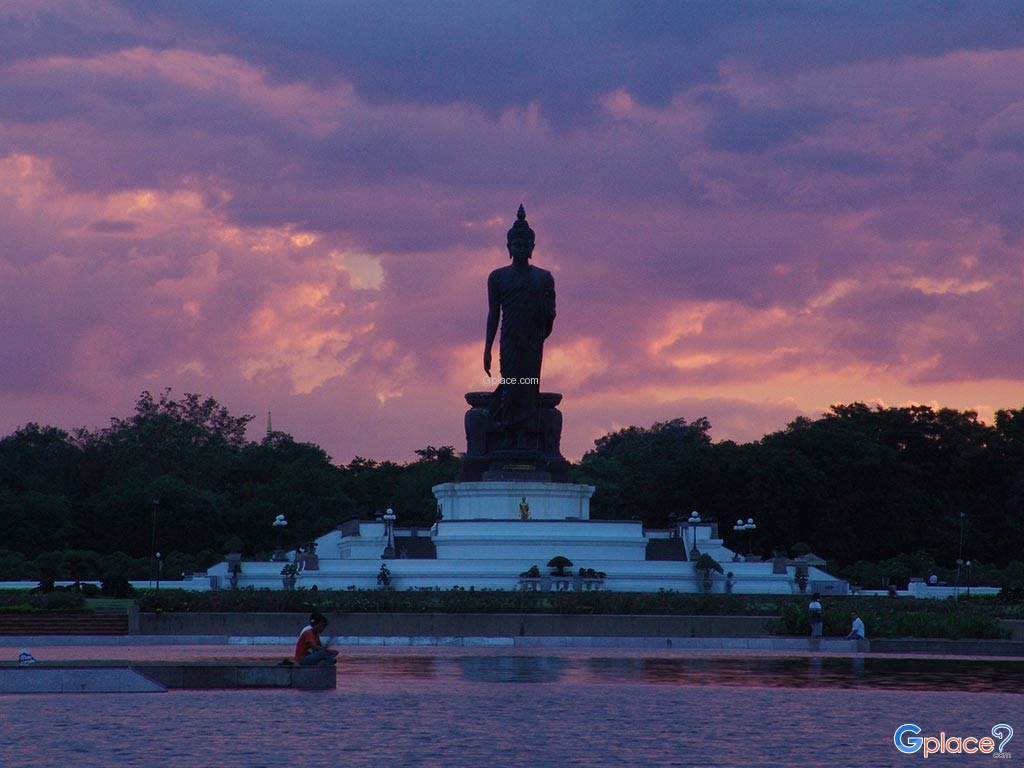
Phutthamonthon is an important Buddhist site located in Phutthamonthon District, Nakhon Pathom Province, Thailand. It covers an area of 2,500 rai and was established to commemorate the 2,500th anniversary of Buddhism in 1957 (B.E. 2500). The site features the walking Buddha statue known as Phra Si Sakaya Thotsaphon Yann Phutthamonthon Suthat, designed by Professor Silpa Bhirasri. The statue was completed and officially consecrated in 1982 (B.E. 2525) during the celebration of the 200th anniversary of Bangkok.
Today, Phutthamonthon serves not only as a center for Buddhist ceremonies and cultural activities but also as a large public park open for recreation. The idea for its construction was initiated in 1952 by Field Marshal Plaek Phibunsongkhram, then Prime Minister of Thailand, as a sacred monument to commemorate the 2,500th year of Buddhism, which fell on Visakha Bucha Day in 1957.
The project officially began in 1957 under the Ministry of Interior. However, progress was slow due to budget limitations. In 1978, the government under Prime Minister General Kriangsak Chamanan revived the project and assigned it to the Ministry of Education through the Department of Religious Affairs, supported by both government funding and public donations. The project was also placed under royal patronage, which significantly accelerated its development.
By 1982, in time for the Bangkok bicentennial celebration, construction was completed during the government of Prime Minister Prem Tinsulanonda. The principal Buddha image, Phra Si Sakaya Thotsaphon Yann Phutthamonthon Suthat, was completed and later consecrated in a ceremony presided over by Her Royal Highness Princess Maha Chakri Sirindhorn on December 21, 1982. Since then, additional structures such as the marble Tripitaka Hall and the assembly hall have been continuously developed within the site.
How to Get There
Travel Tips
Admission Fee:
- Free of charge (no admission fee)
Opening Hours:
- Open daily from 05:00 AM – 07:00 PM
Phutthamonthon

 Share
Share
 Sala Ya, Phutthamonthon , Nakhon Pathom 73170
Map
Sala Ya, Phutthamonthon , Nakhon Pathom 73170
Map
 Closed today
Mon5.00 - 19.00
Tue5.00 - 19.00
Wed5.00 - 19.00
Thu5.00 - 19.00
Fri5.00 - 19.00
Sat5.00 - 19.00
Sun5.00 - 19.00

 https://www.thai-tour.com/thai-tour/central/nakornprathom/data/place/pic_buddha-monthon.htm

 4723
4723