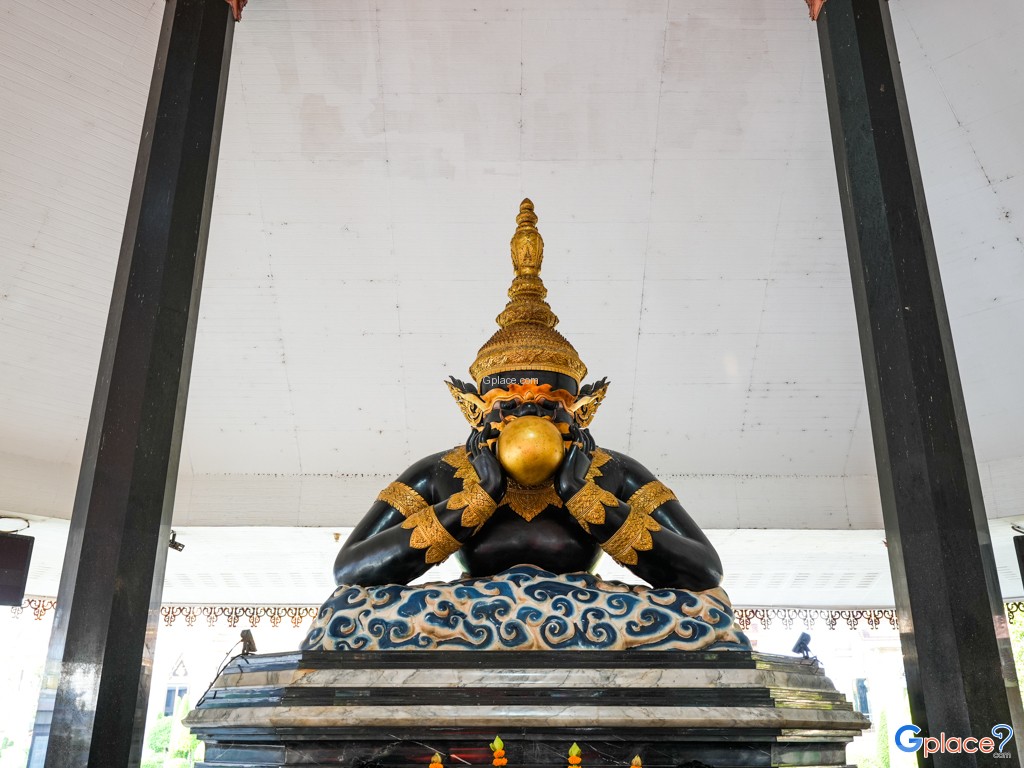
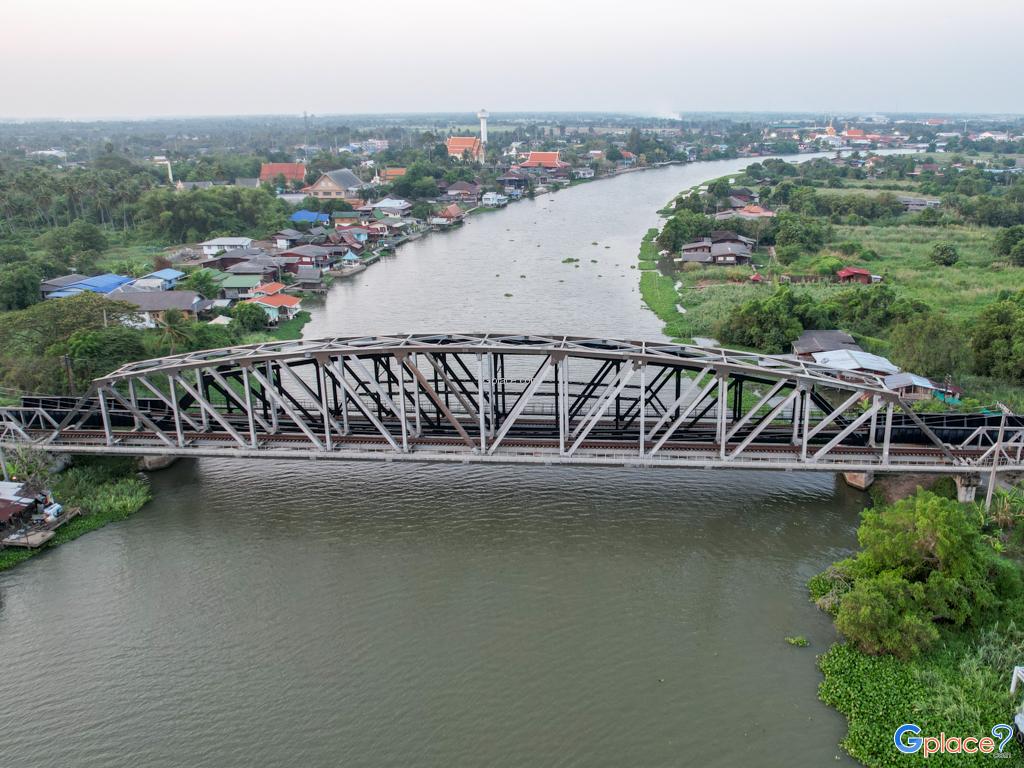
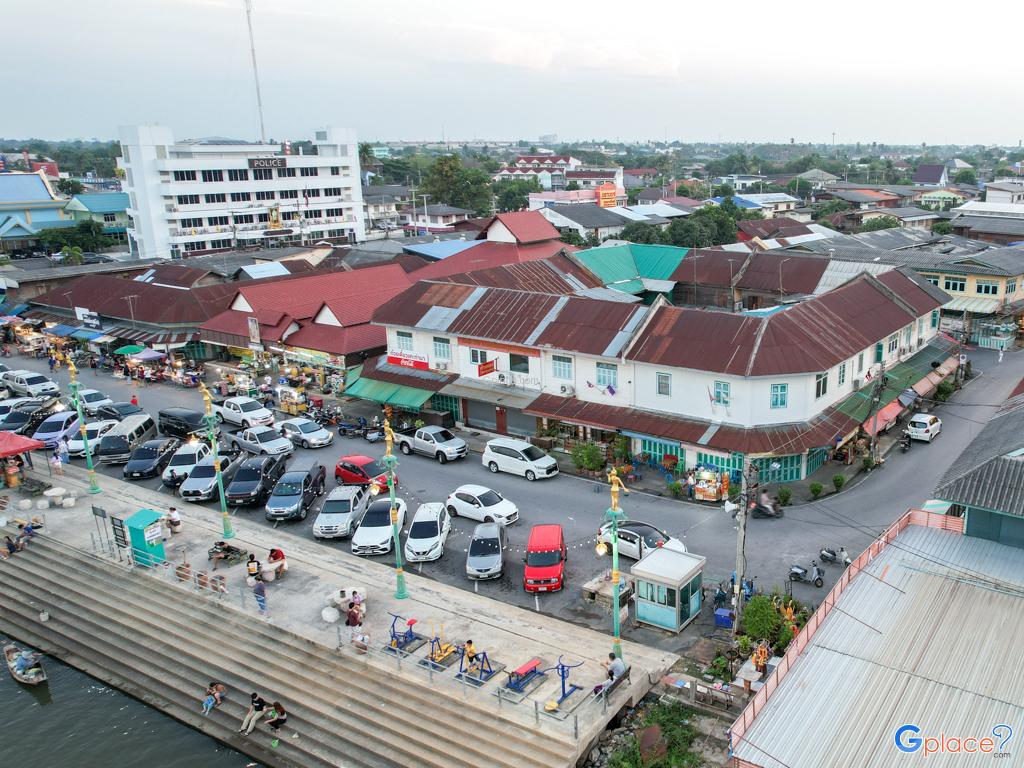
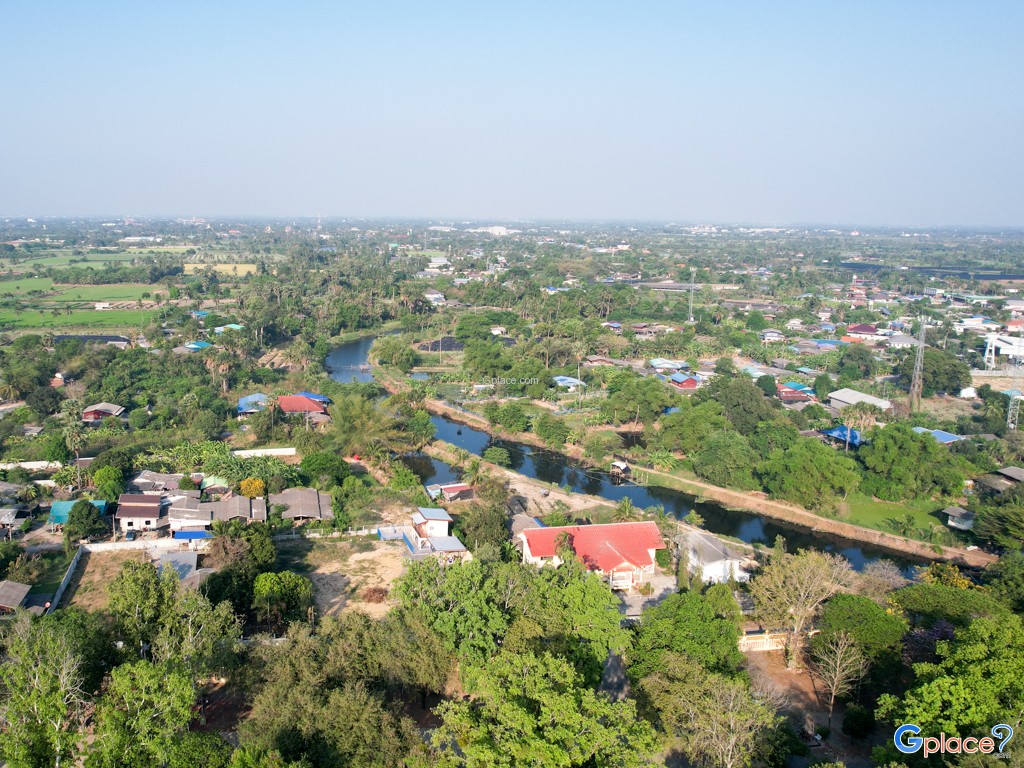
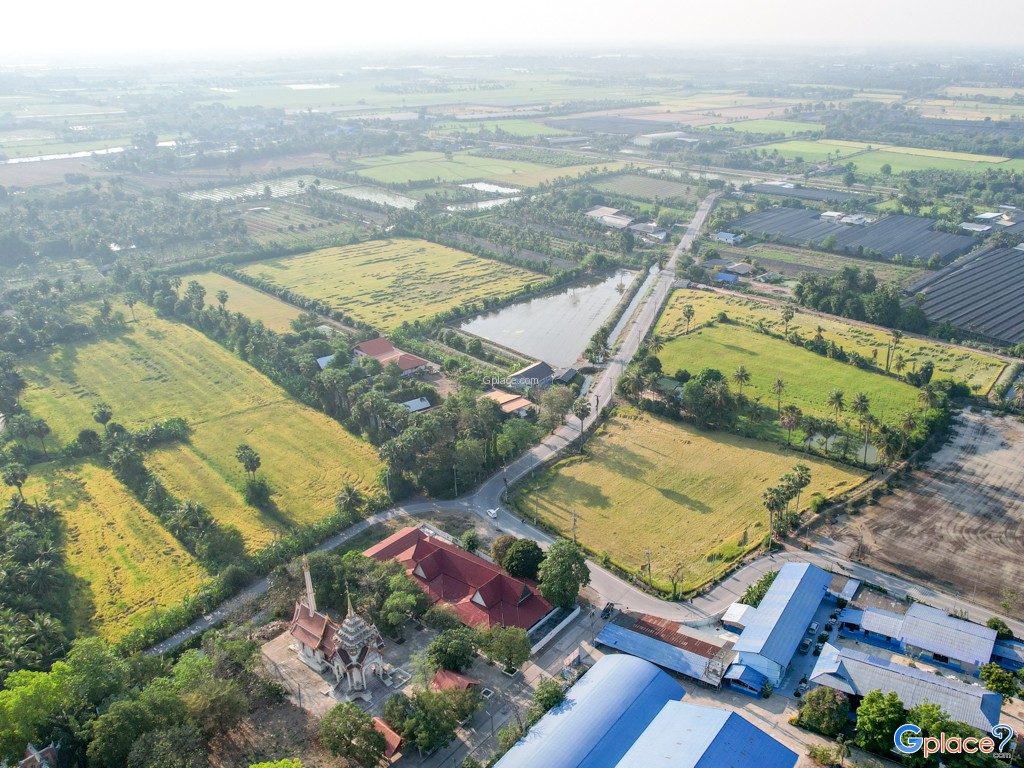
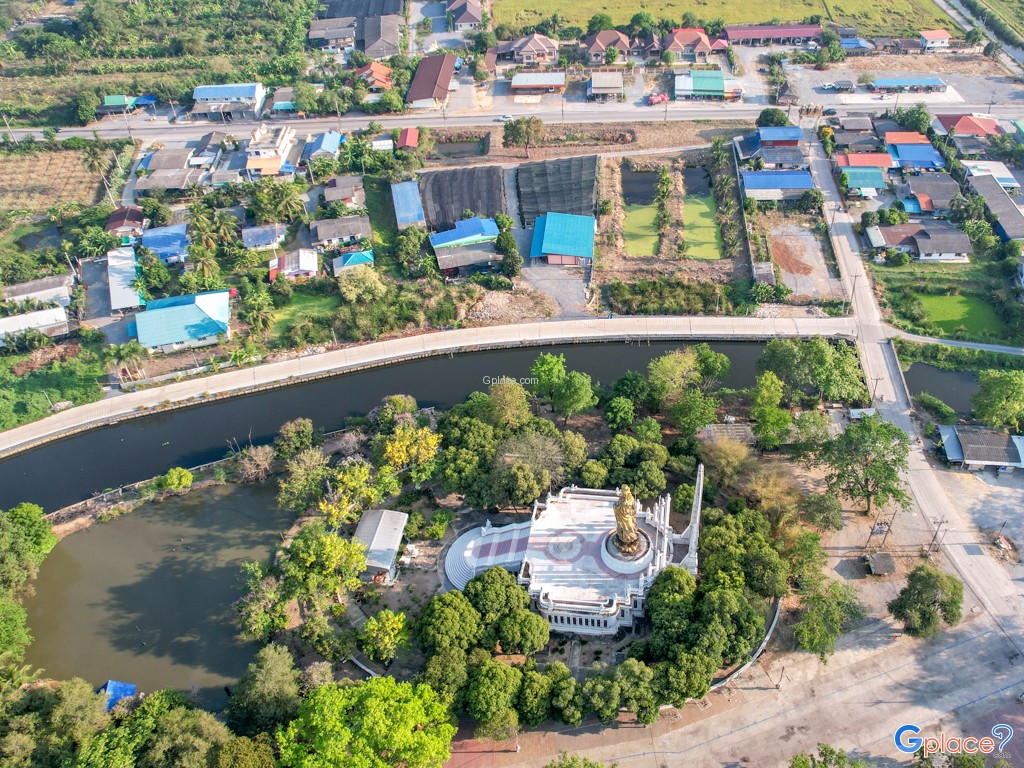
Wat Sri Maha Pho is located in Tambon Sri Maha Pho, Nakhon Chai Si District, Nakhon Pathom Province. It is an ancient temple situated in the Tha Chin River basin, an area that has long been home to dense historic communities dating back to earlier periods of Thai settlement. The temple holds importance both as a spiritual center for local people and as part of long-standing folk narratives that have been passed down through generations. It is widely believed to have been established in the late Ayutthaya period, a time when riverside communities expanded and temples increasingly served as central institutions of village life. According to local oral traditions, the origin of the temple is linked to the story of a “floating Bodhi tree” that drifted downstream along the Bang Phra canal. Attached to the tree was a reclining Buddha image. When villagers encountered this unusual event, they believed it to be a sacred sign. They then retrieved the objects from the water and enshrined them by establishing a temple at the site. This legend became the foundation of the temple’s identity and remains a key part of local faith and cultural memory up to the present day.
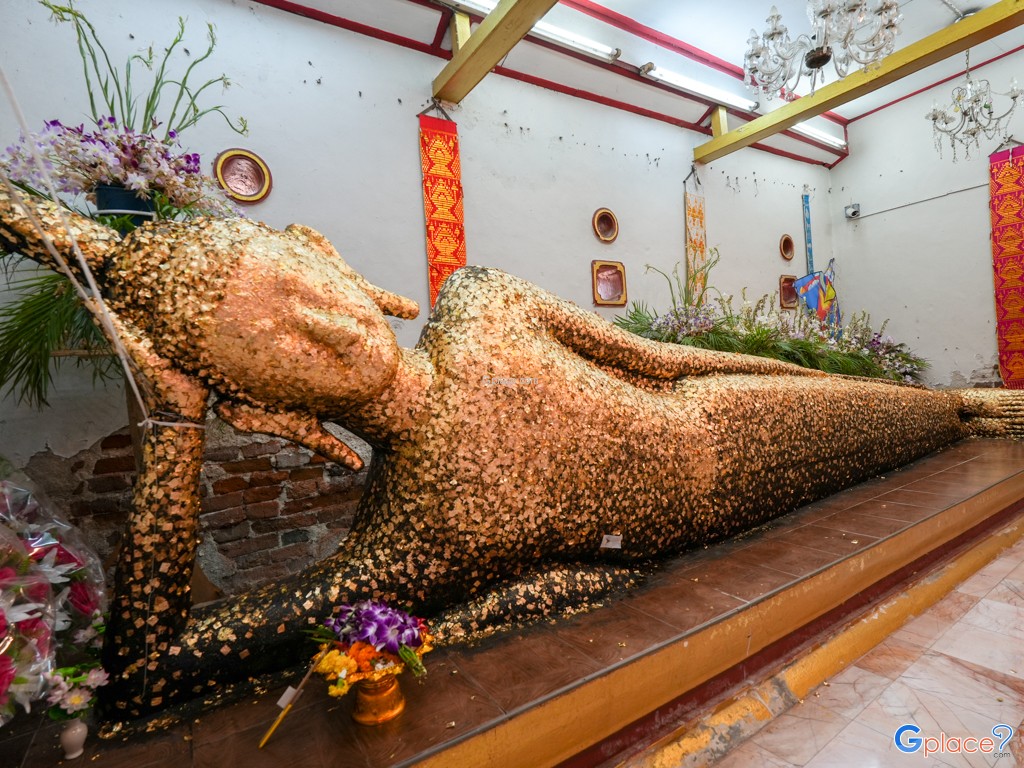
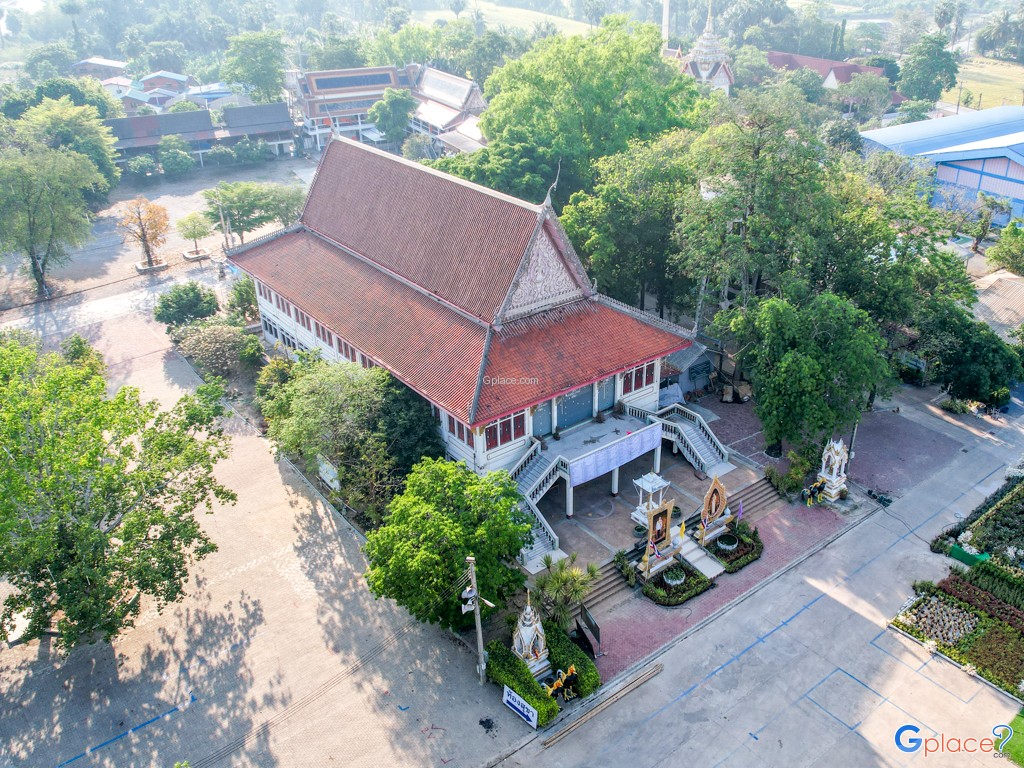
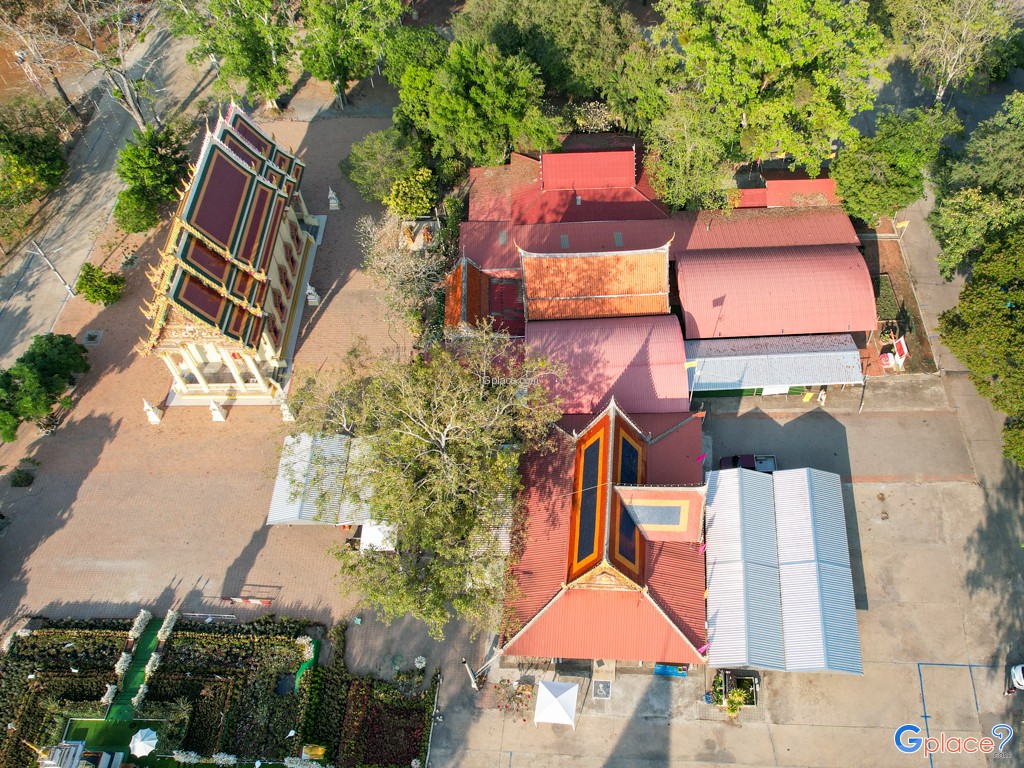
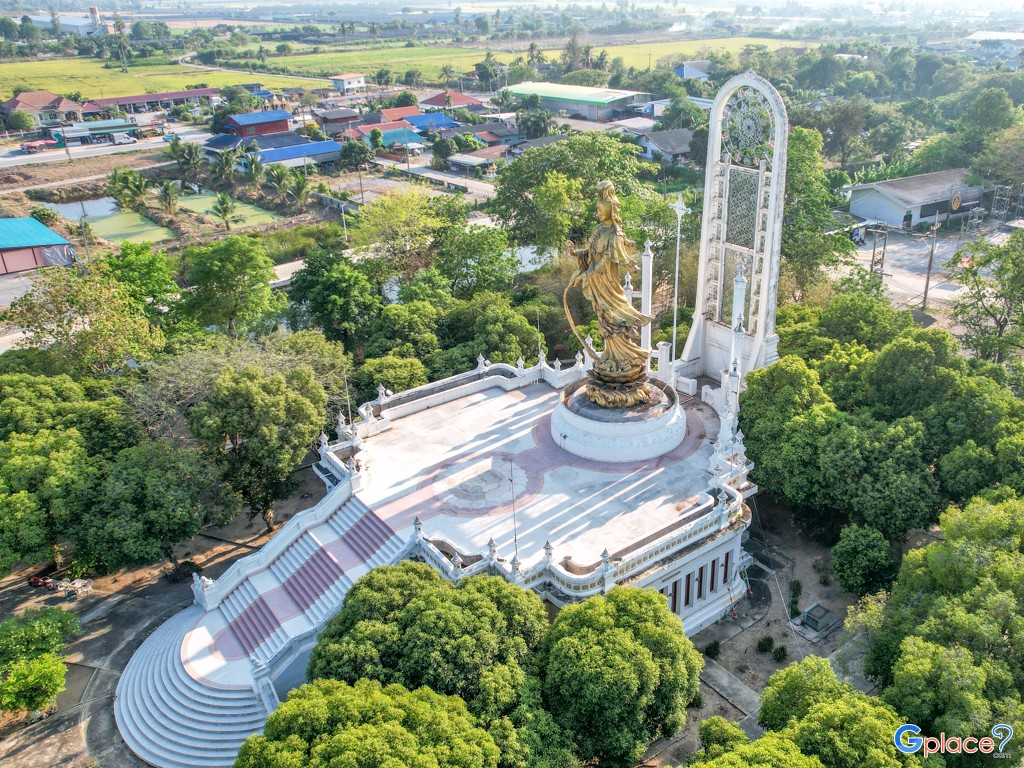
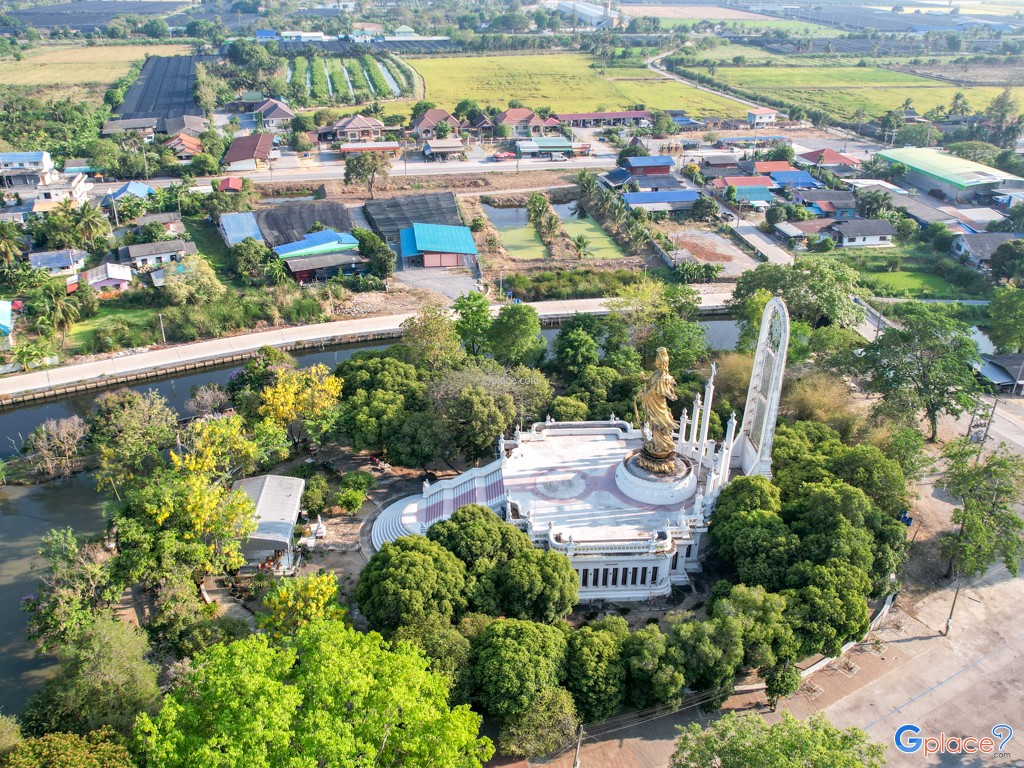
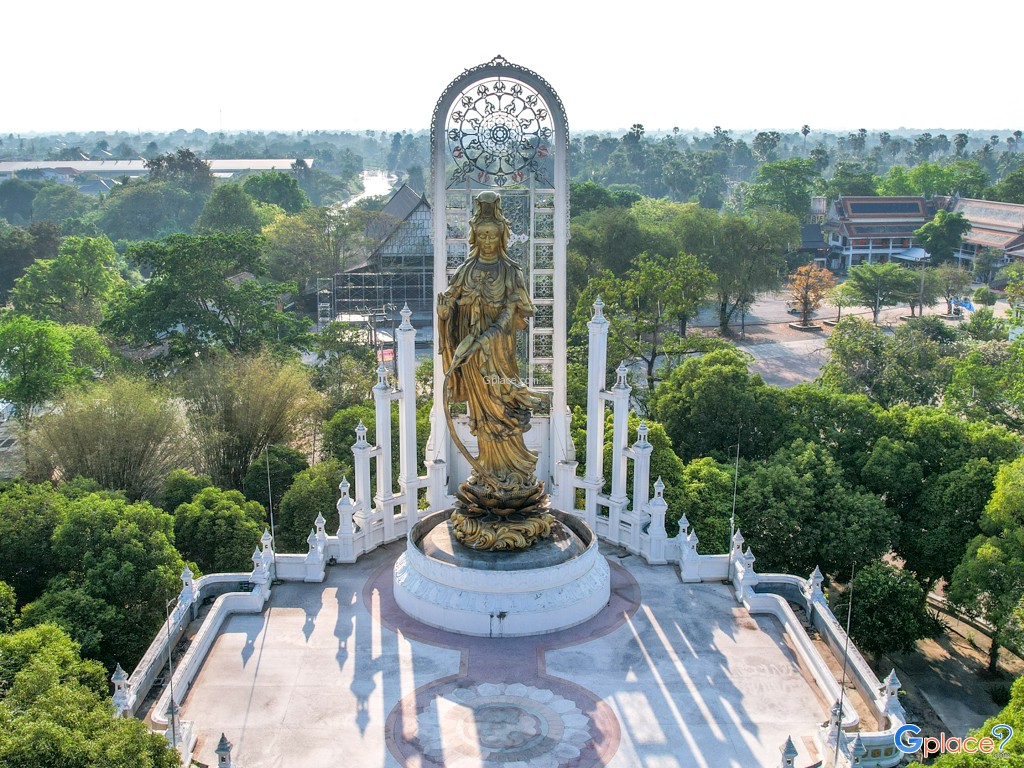
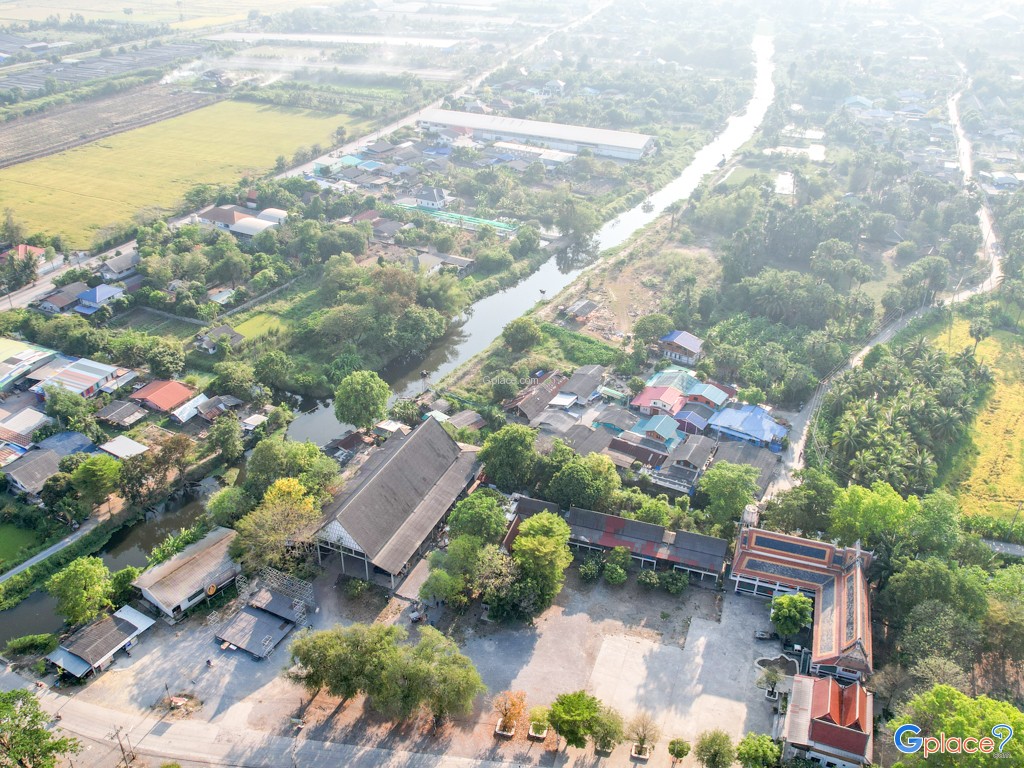
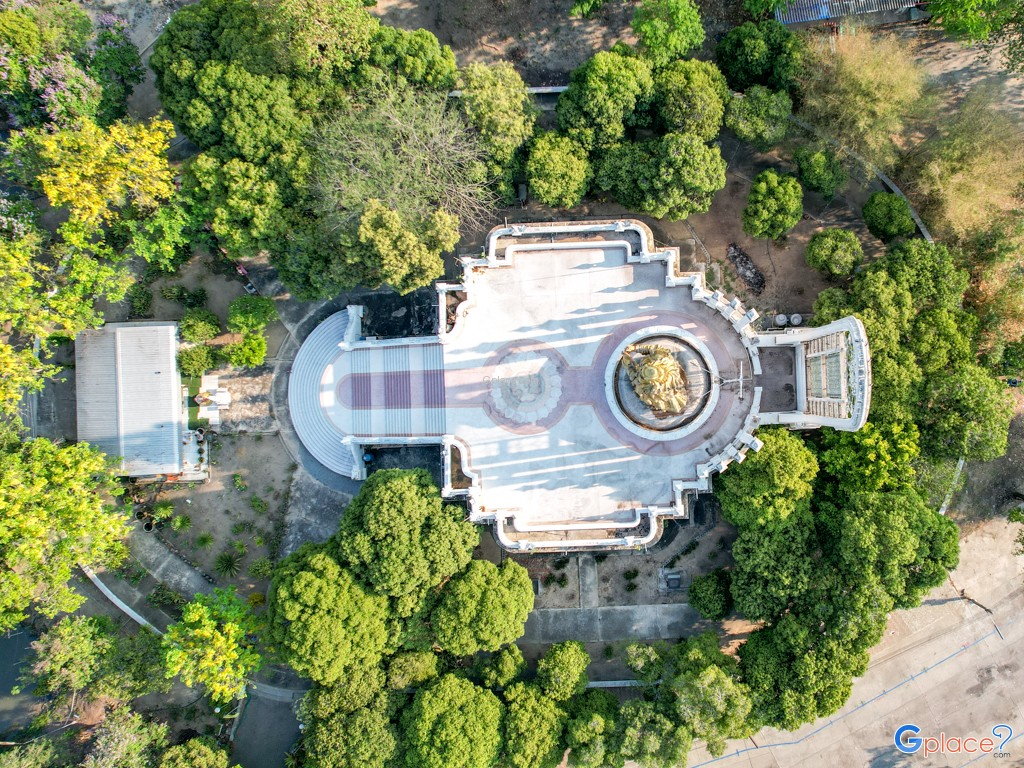
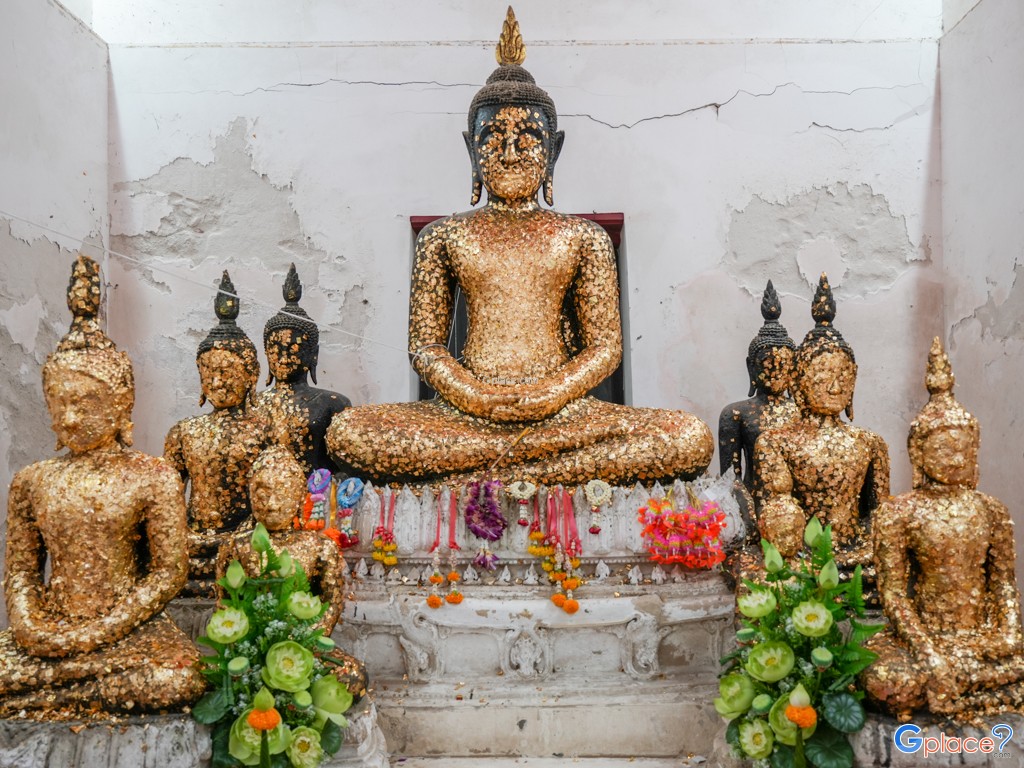
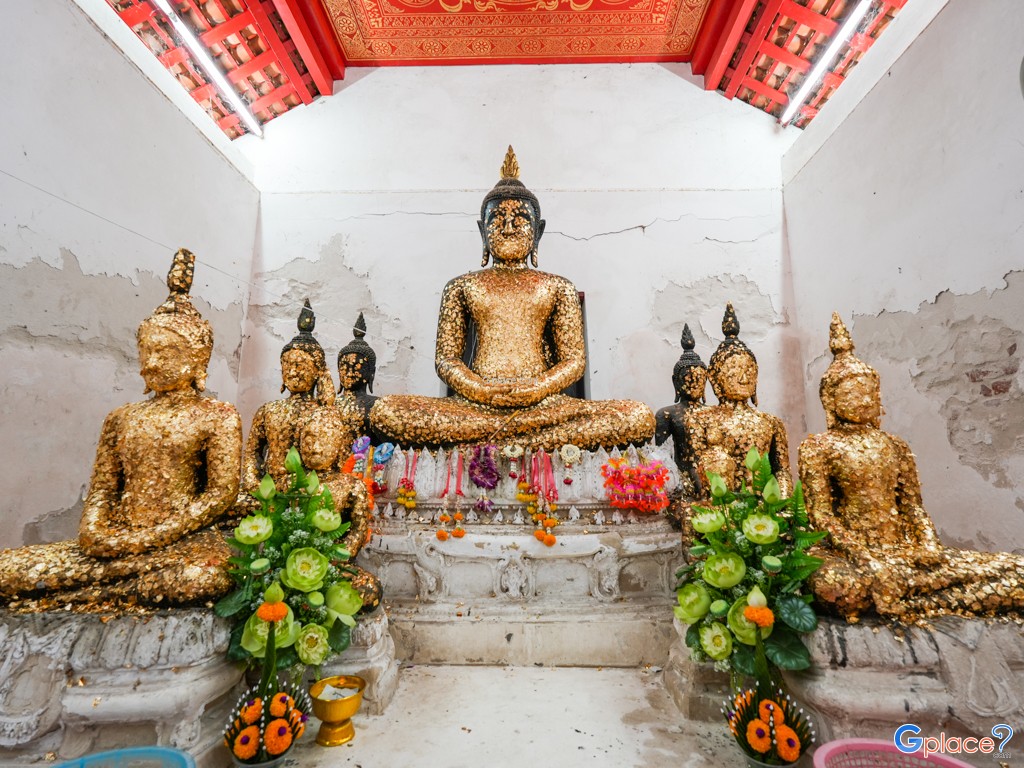
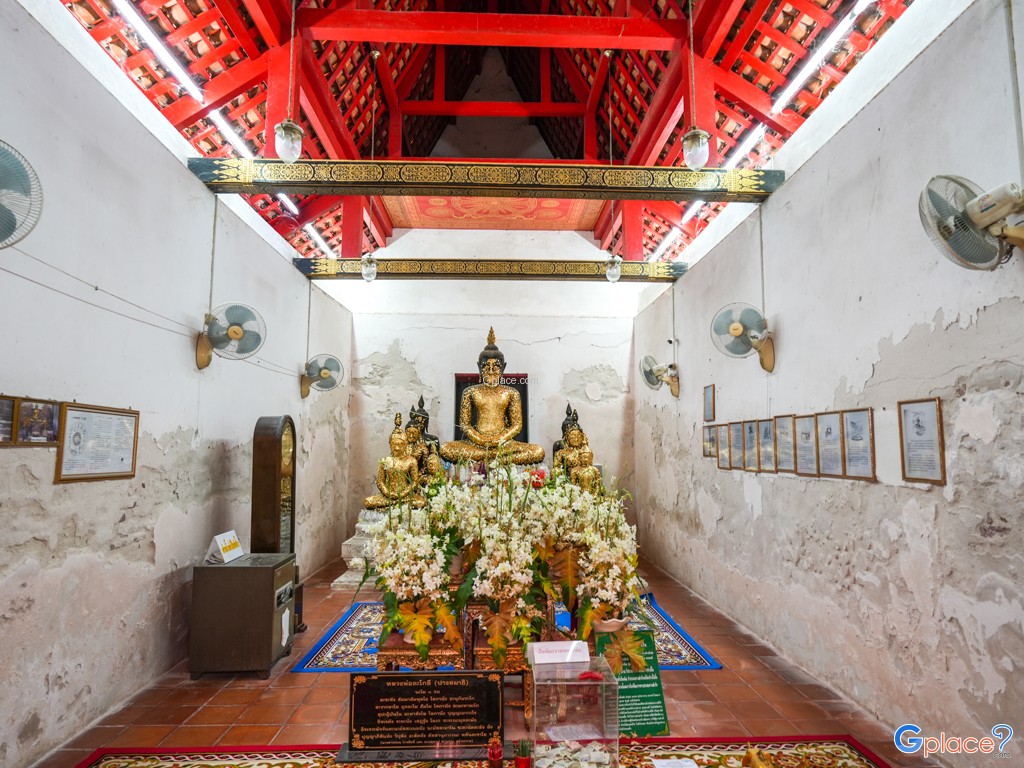
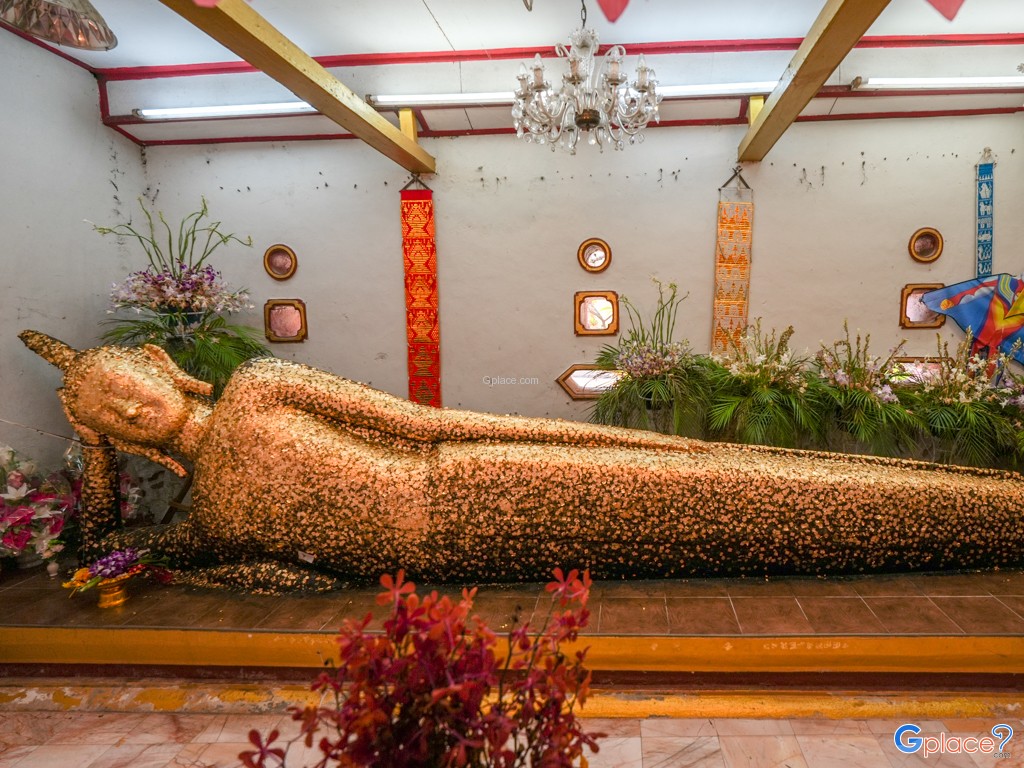
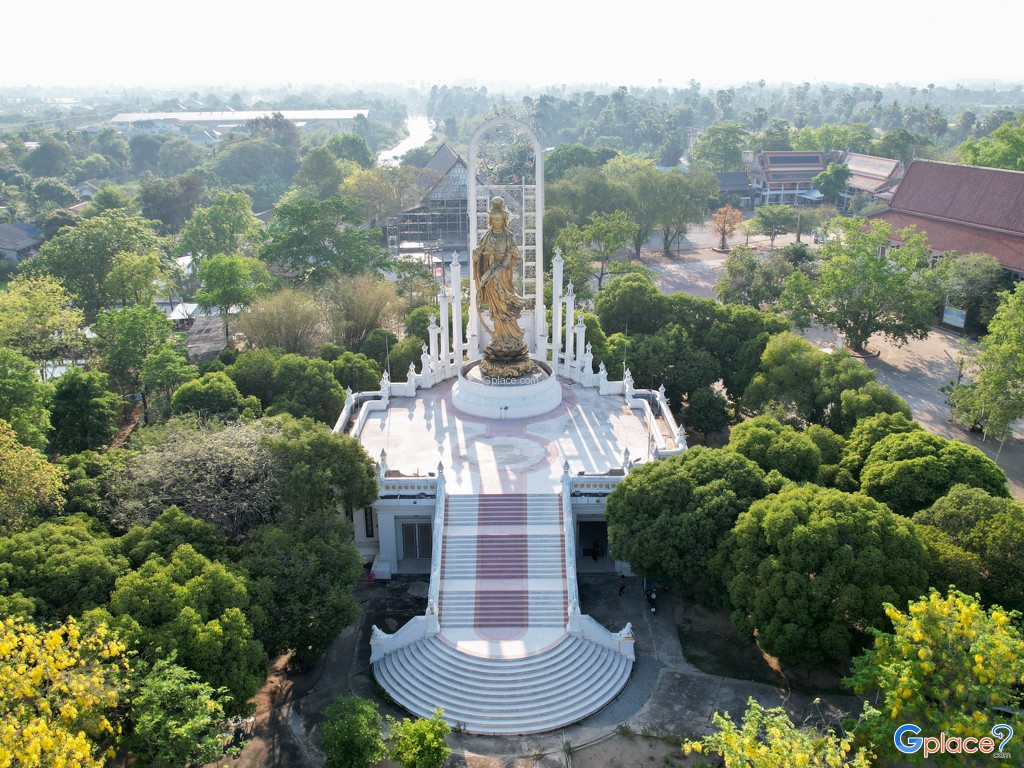
Inside the temple is an important Buddha image known by locals as “Luang Pho Daeng.” It is a reclining Buddha statue distinguished by its reddish sandstone material, giving it a unique appearance compared to other Buddha images in the region. The local community highly venerates this statue and believes it possesses sacred powers, particularly in protection from danger, ensuring safety, and bringing good fortune. Over time, it has become a spiritual focal point for people in Nakhon Chai Si and surrounding areas.In terms of architecture, Wat Sri Maha Pho consists of several significant structures, including a viharn housing Luang Pho Daeng, a large reclining Buddha structure built to enclose the original image, and a large statue of Guan Yin that reflects the influence of Chinese belief systems within the Thai-Chinese riverside communities. The temple also contains an older viharn that preserves traditional local architectural styles, demonstrating a blend of cultural and artistic heritage.
Today, Wat Sri Maha Pho continues to function as a community temple that plays an important role in local daily life. Religious activities such as merit-making, almsgiving, traditional festivals, and community rituals are regularly held. Although it is not a major tourist landmark, the temple maintains a peaceful and simple atmosphere, preserving its authentic local character. It therefore stands as a meaningful cultural site that reflects regional history, folk legend, and the spiritual beliefs of central Thai river communities.

 Attractions
  Hotel
Hotel  Restaurant
  Shopping
  Abroad







 Share
Share
 Sri Maha Pho, Nakhon Chai Si, Nakhon Pathom 73120
Map
Sri Maha Pho, Nakhon Chai Si, Nakhon Pathom 73120
Map
 Open now : 8.00 - 17.00



 2777
2777