 Attractions
  Hotel
Hotel  Restaurant
  Shopping
  Abroad





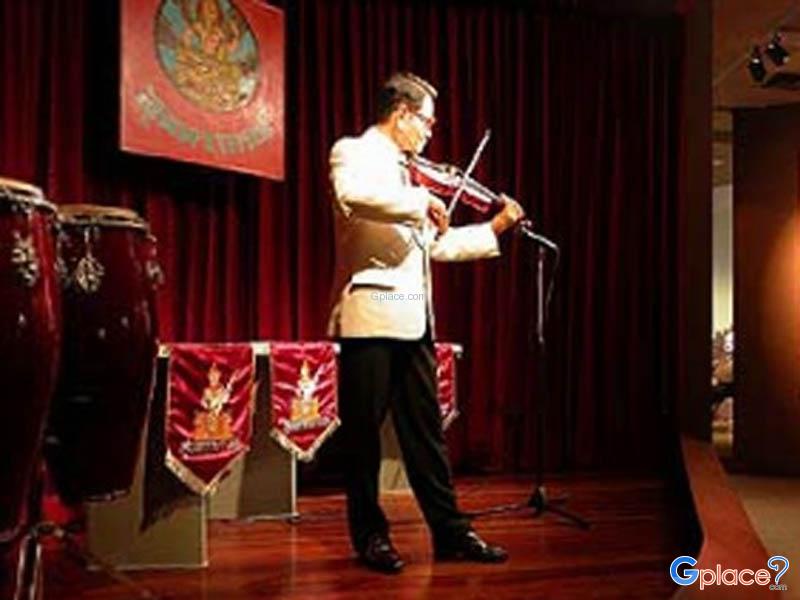

“The Thai Human Imagery Museum is a museum that displays wax figures cast from fiberglass, and it is the first of its kind in Thailand.”
How to Get There
- By car: Take Borommaratchachonnani Road (Pinklao–Nakhon Chai Si) heading toward Nakhon Pathom. The museum is on the right at Km. 31. You need to make a U-turn near the Nakhon Chai Si River bridge.
- By public transport: Take a minivan or bus from Bangkok Southern Bus Terminal (Sai Tai Mai) on the Bangkok–Nakhon Pathom or Bangkok–Ratchaburi routes, then get off directly in front of the museum.
Travel Tips
Admission Fee:
- Thai visitors: Adults 80 THB / Children (under 130 cm) 40 THB
- Foreign visitors: Adults 300 THB / Children 150 THB
Opening Hours:
- Monday–Friday: 09:00 – 17:30
- Saturday–Sunday & Public Holidays: 08:30 – 18:00
Thai Human Imagery Museum

 Share
Share
 Nakhon Chai Si , Nakhon Pathom 73120
Map
Nakhon Chai Si , Nakhon Pathom 73120
Map
List 0 review
|
art & culture,attractions,museum
 Open now : 9.00 - 17.30
Mon9.00 - 17.30
Tue9.00 - 17.30
Wed9.00 - 17.30
Thu9.00 - 17.30
Fri9.00 - 17.30
Sat8.30 - 18.00
Sun8.30 - 18.00



 5459
5459