 Attractions
  Hotel
Hotel  Restaurant
  Shopping
  Abroad





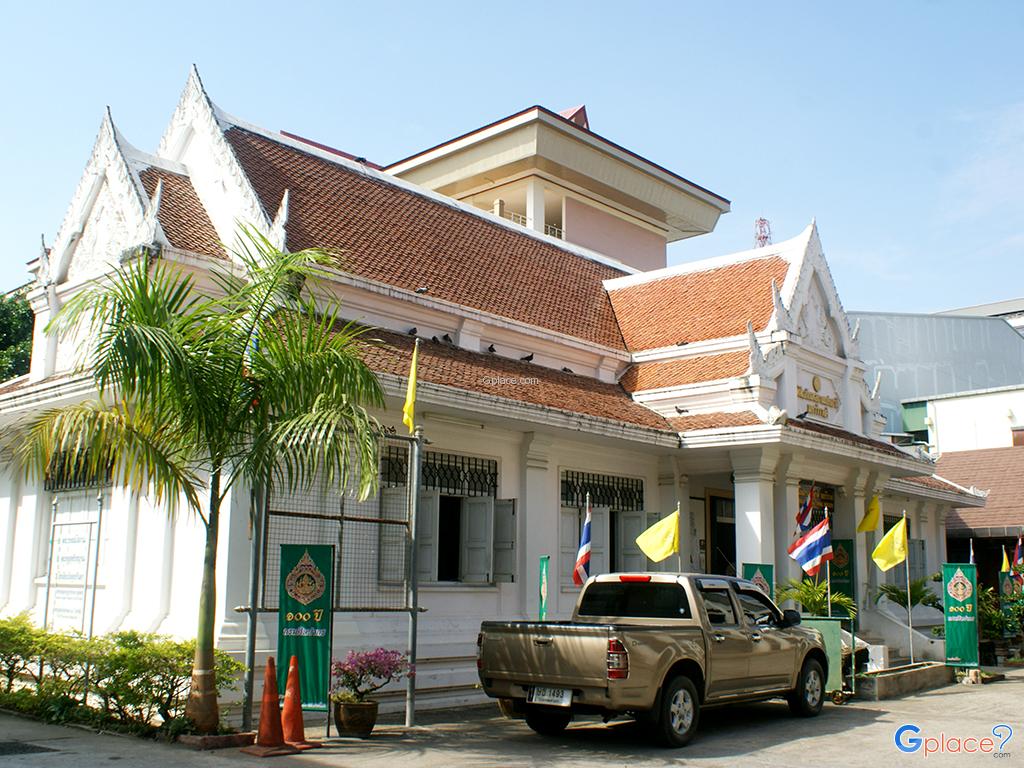

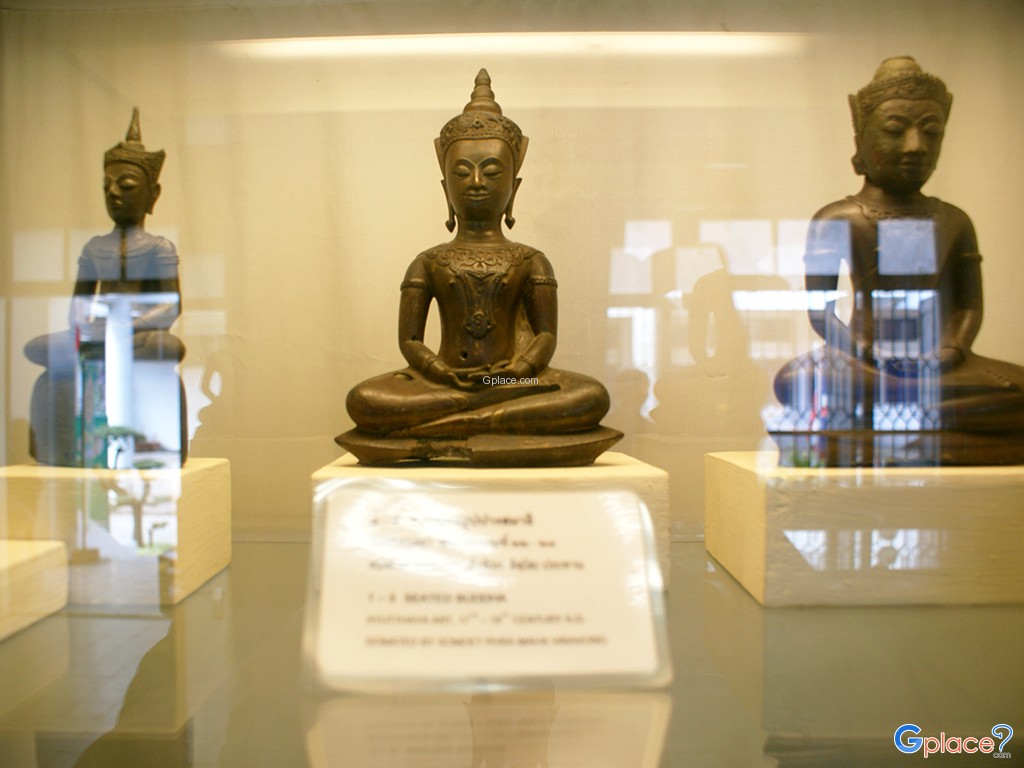
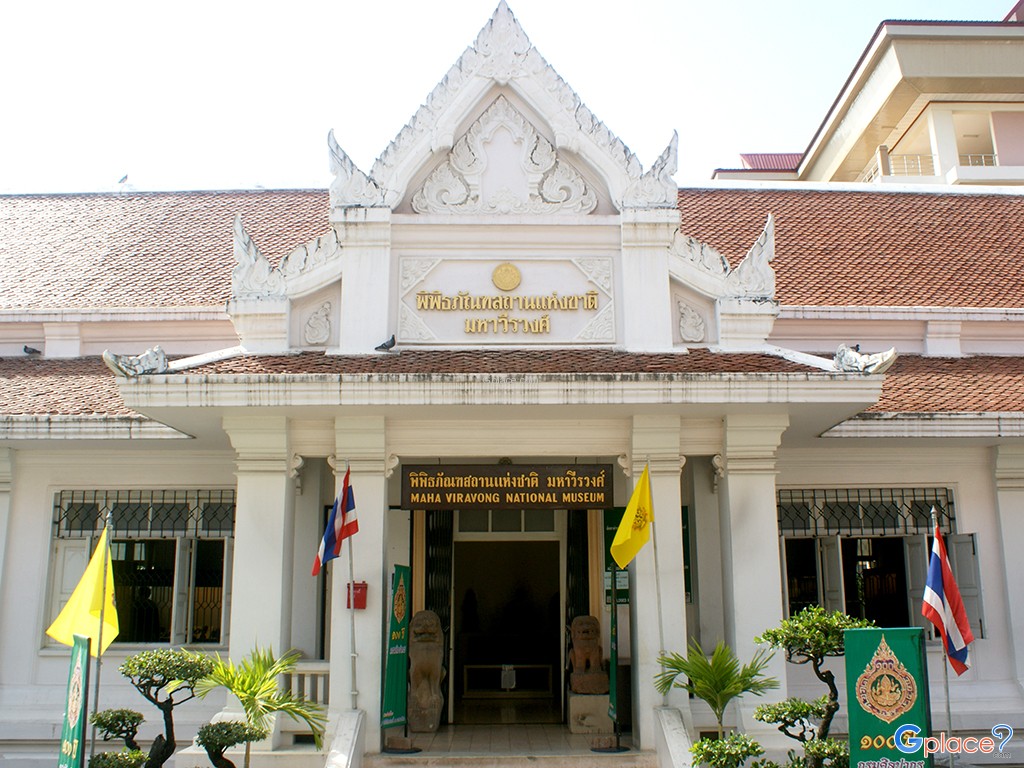
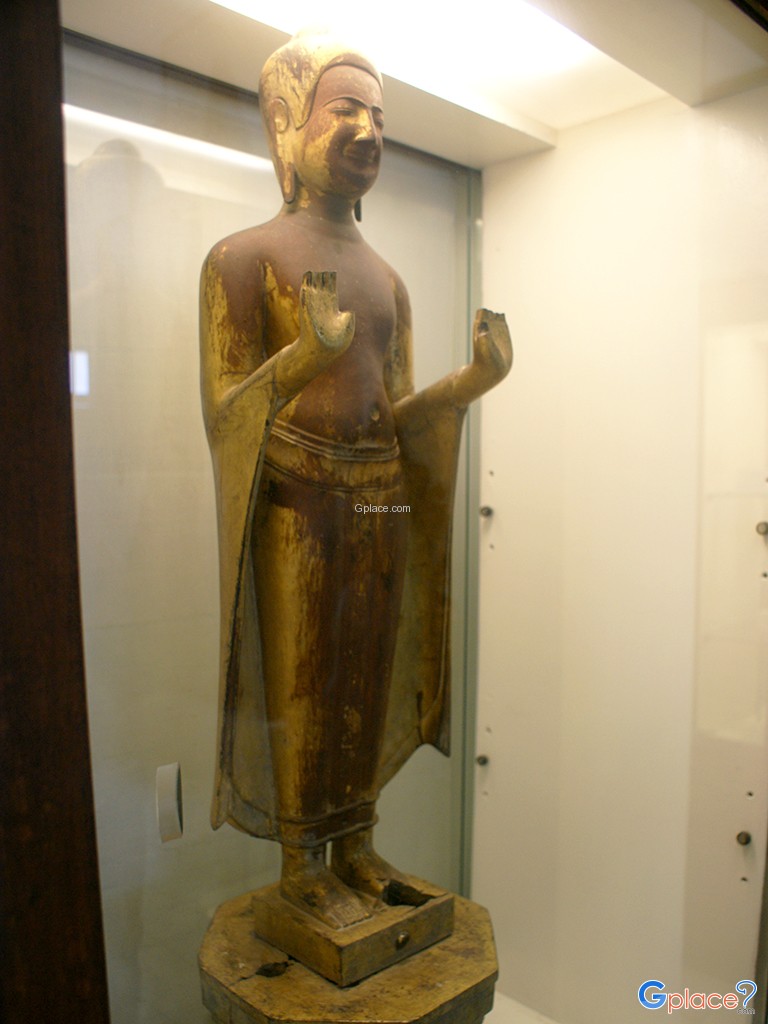
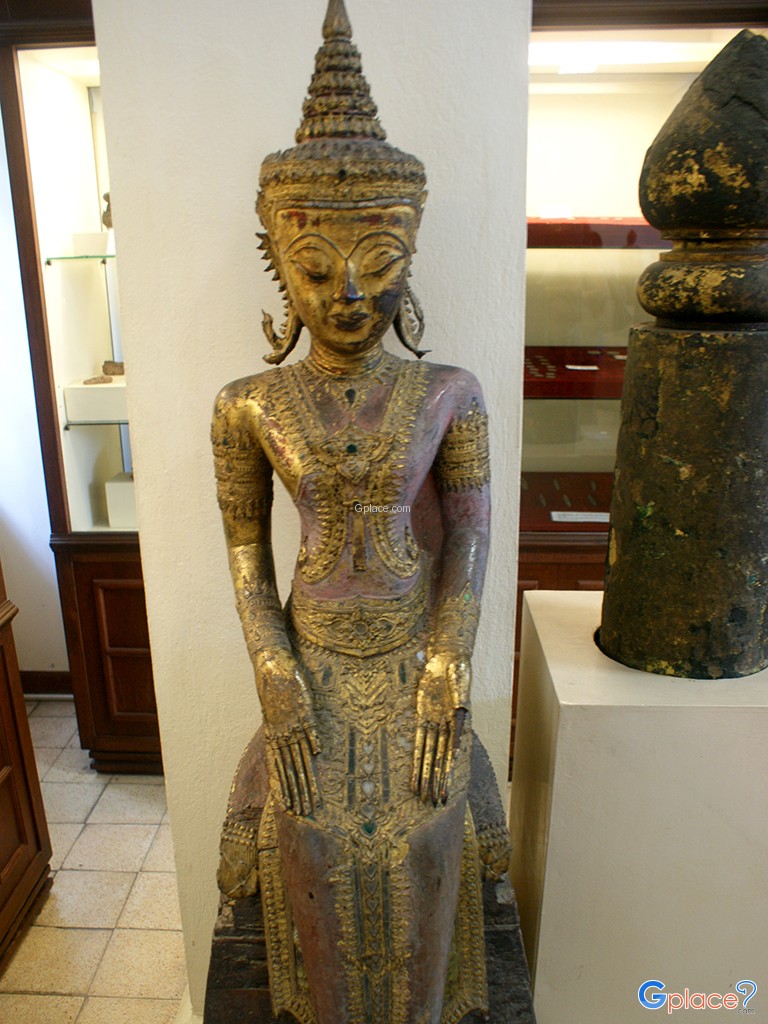
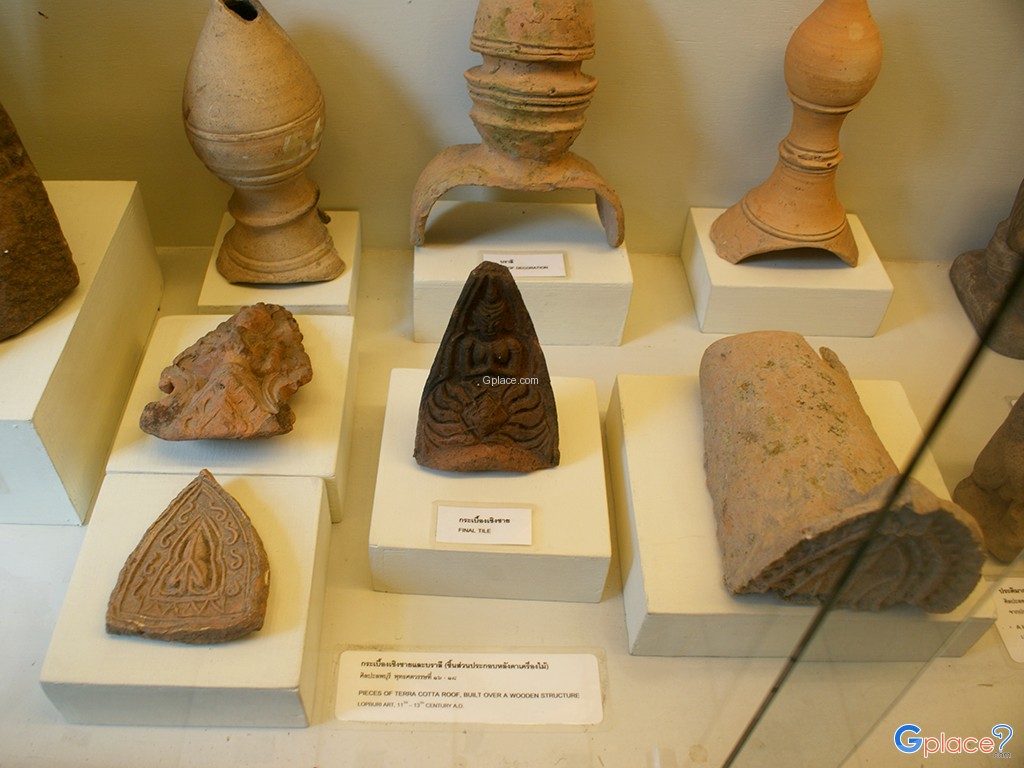
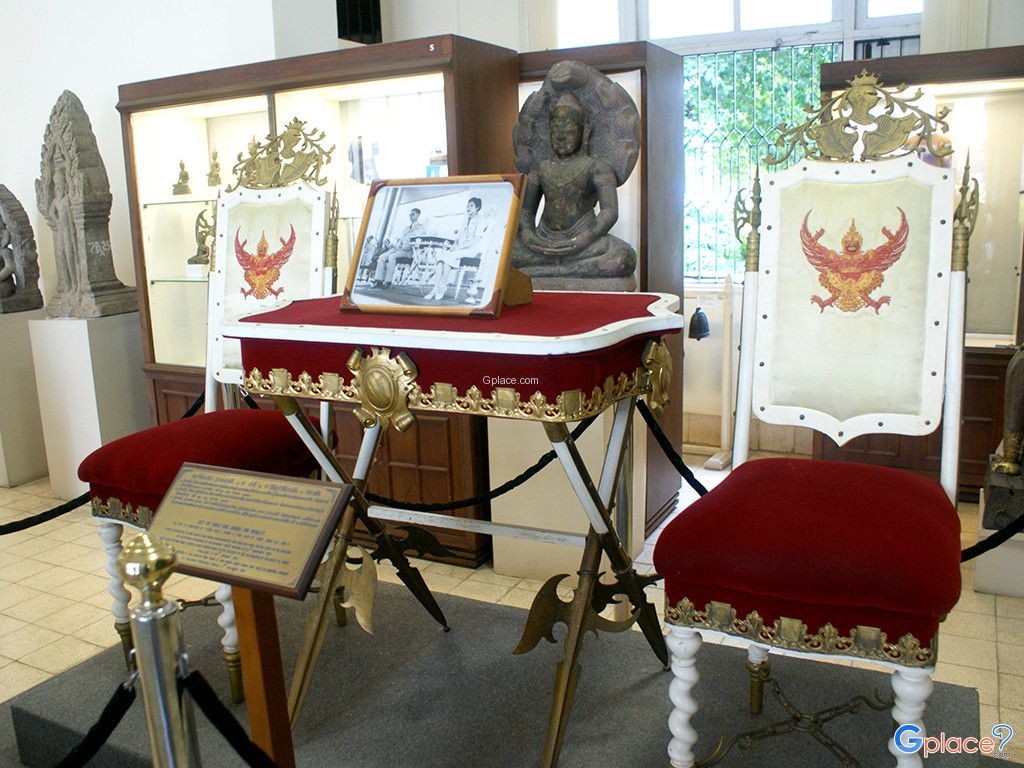
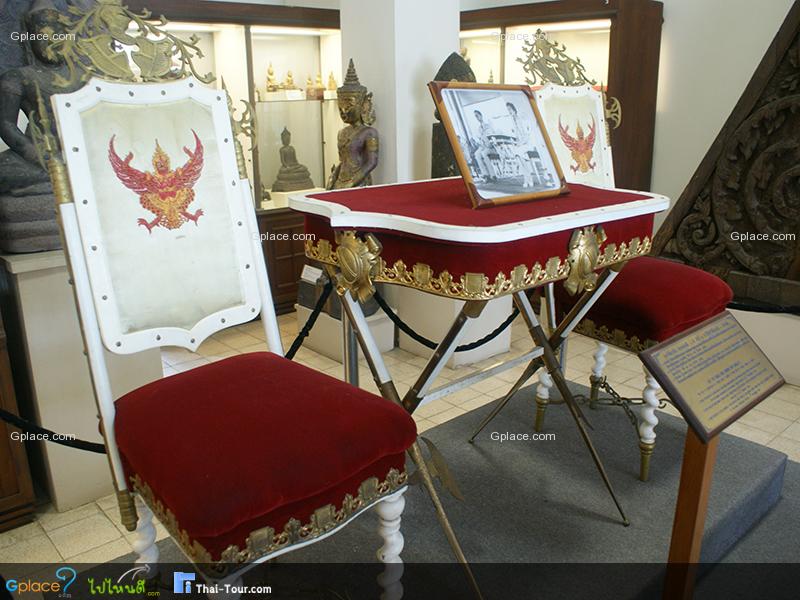
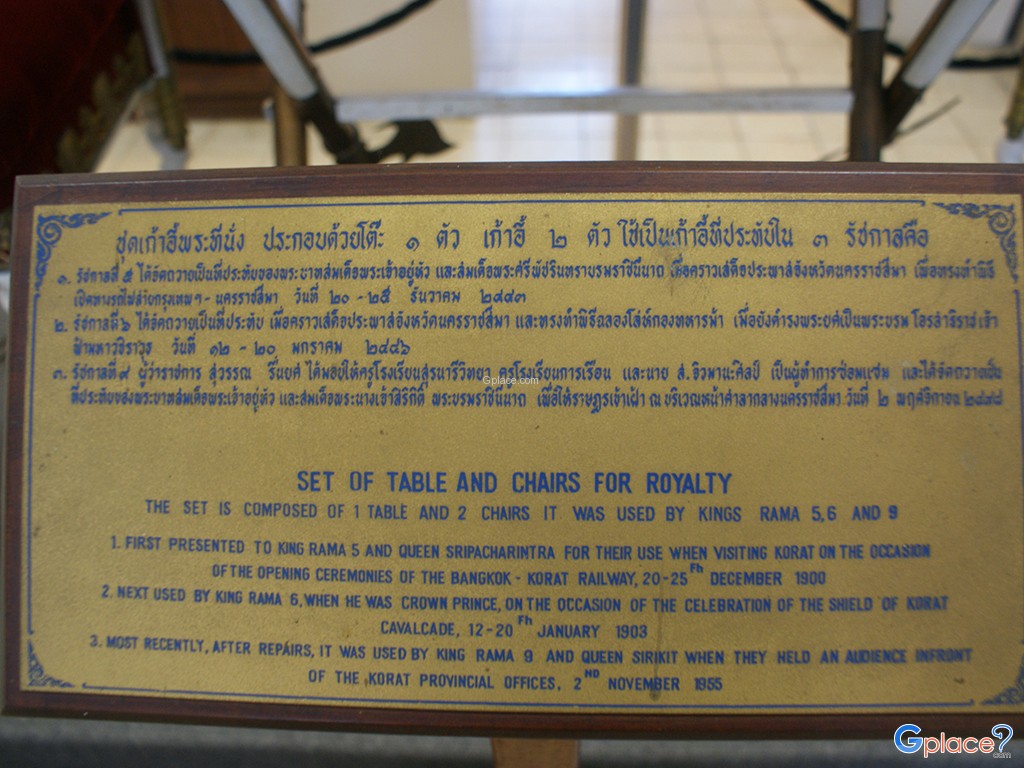
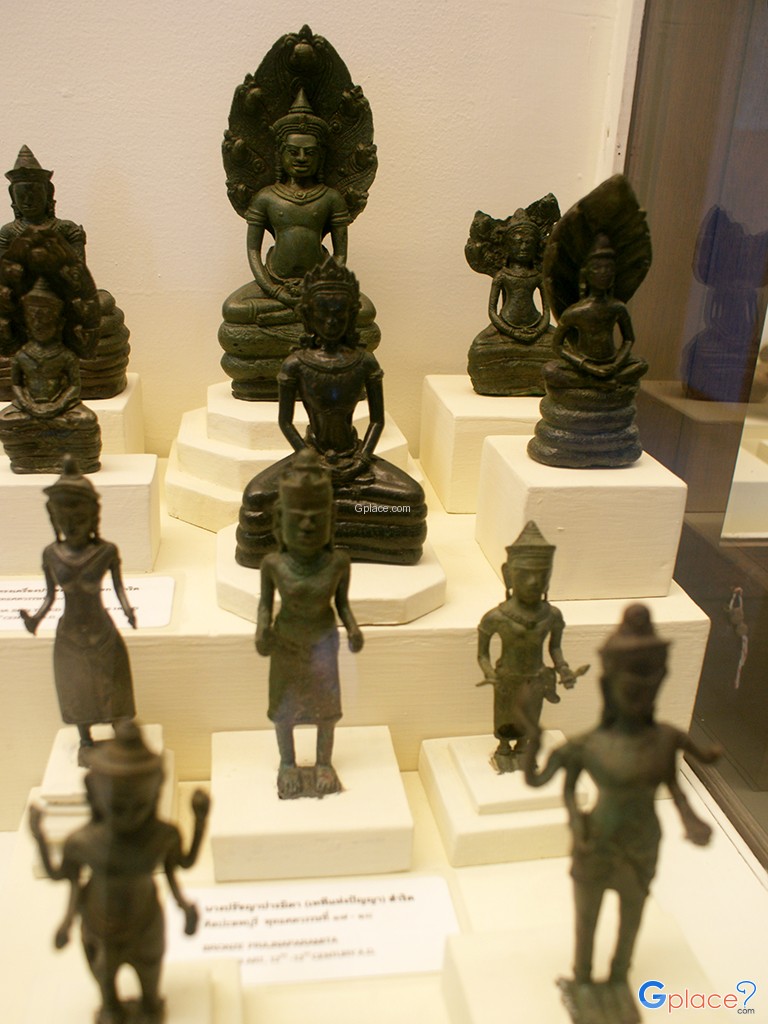
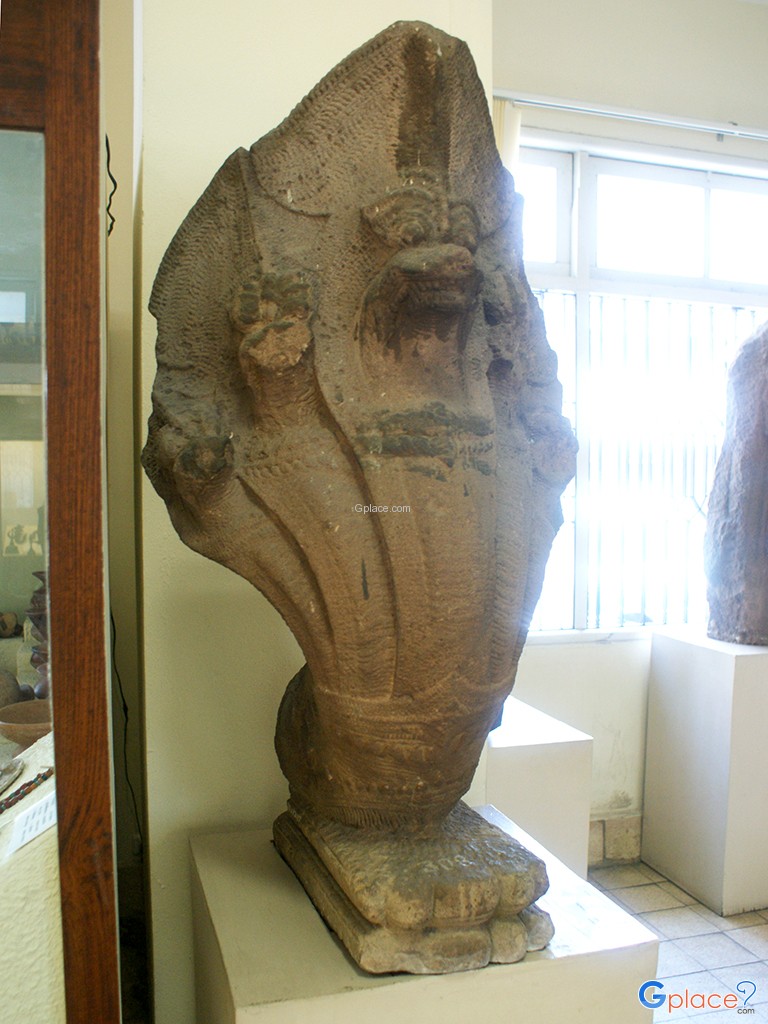
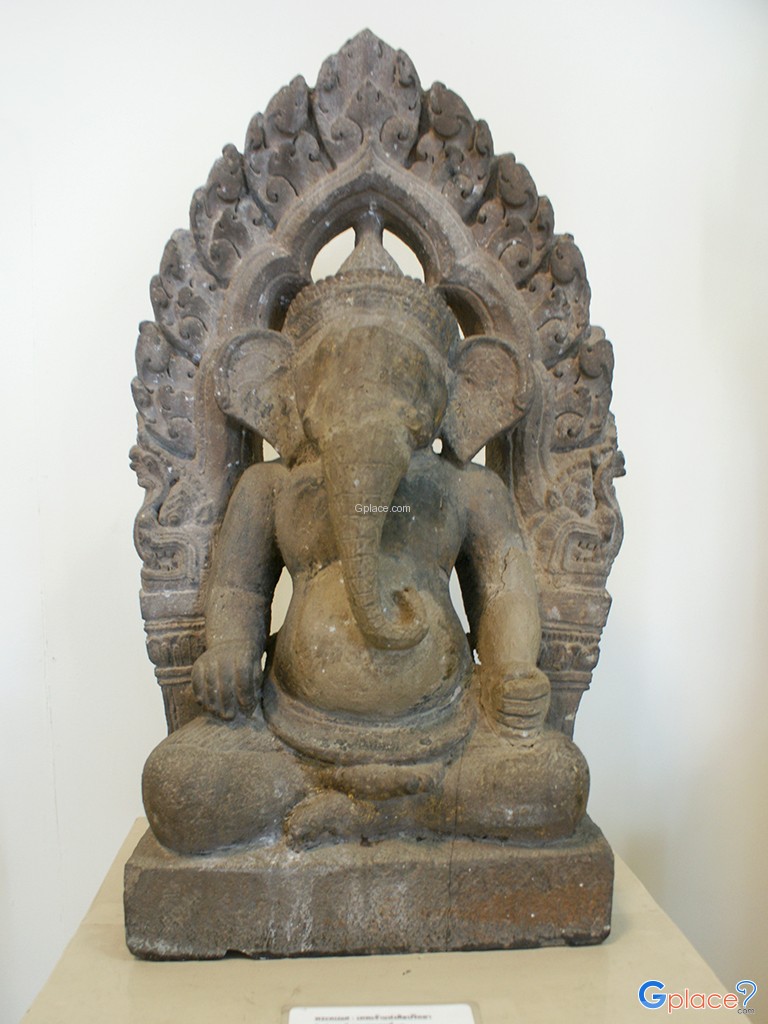
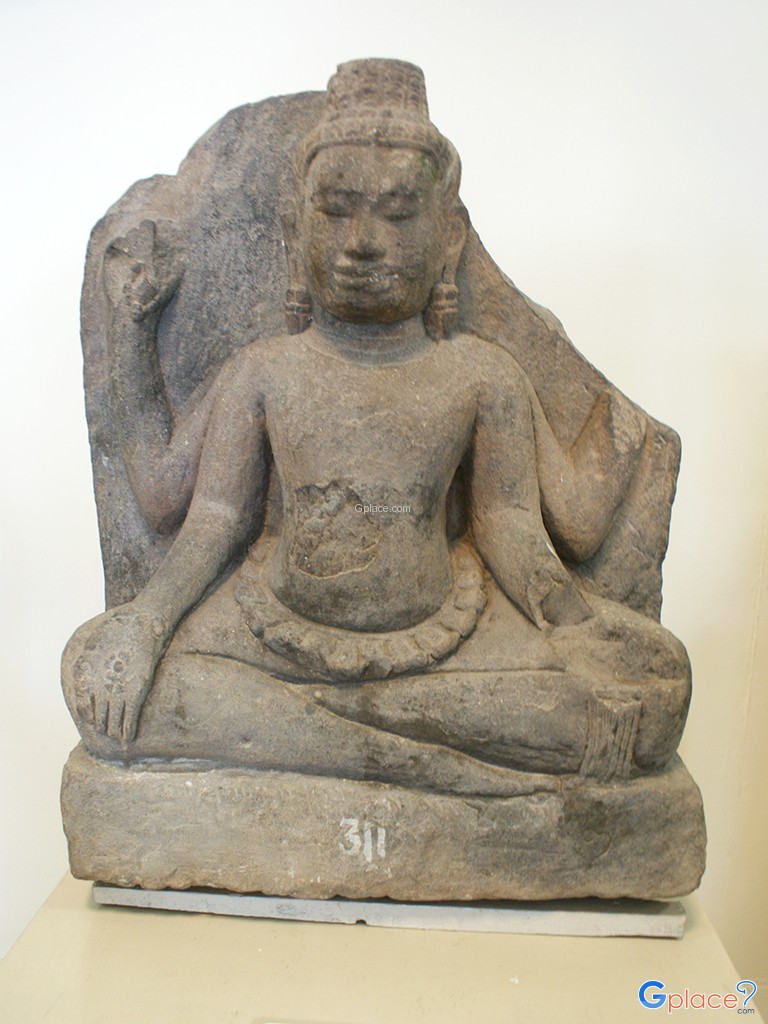
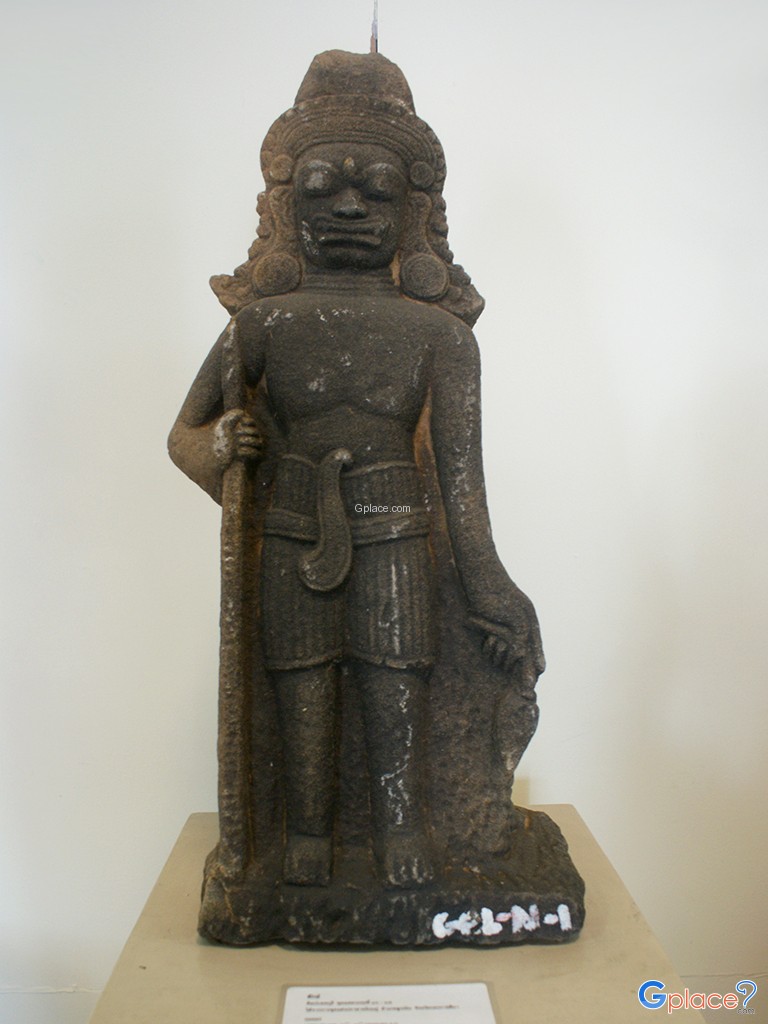
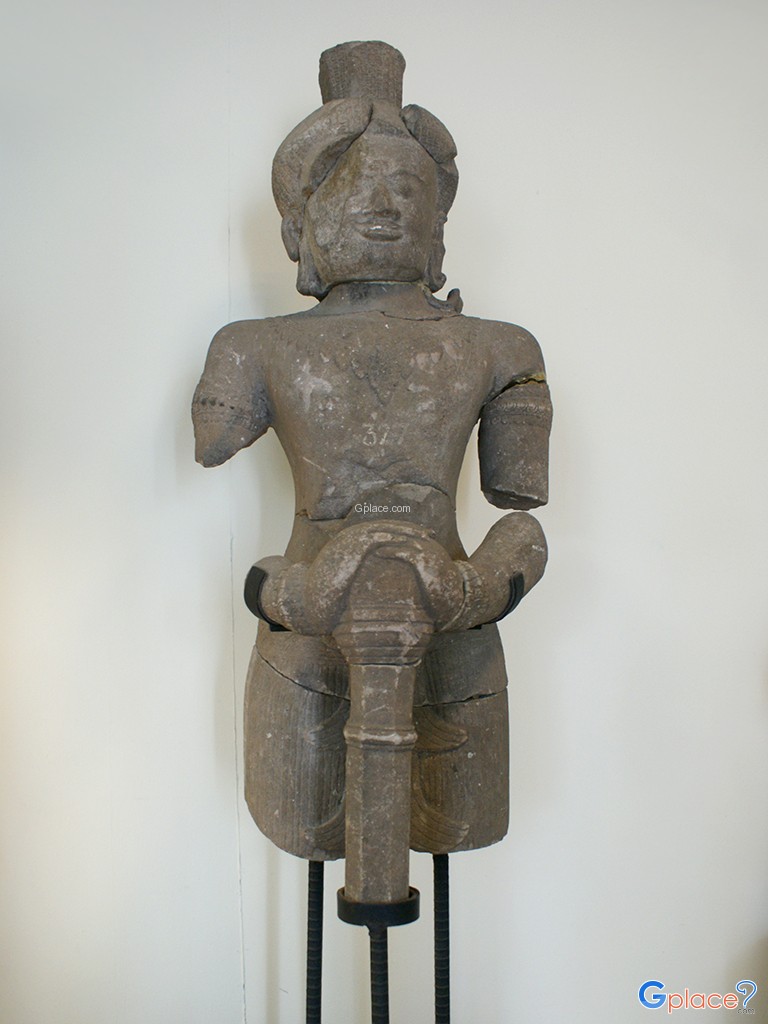
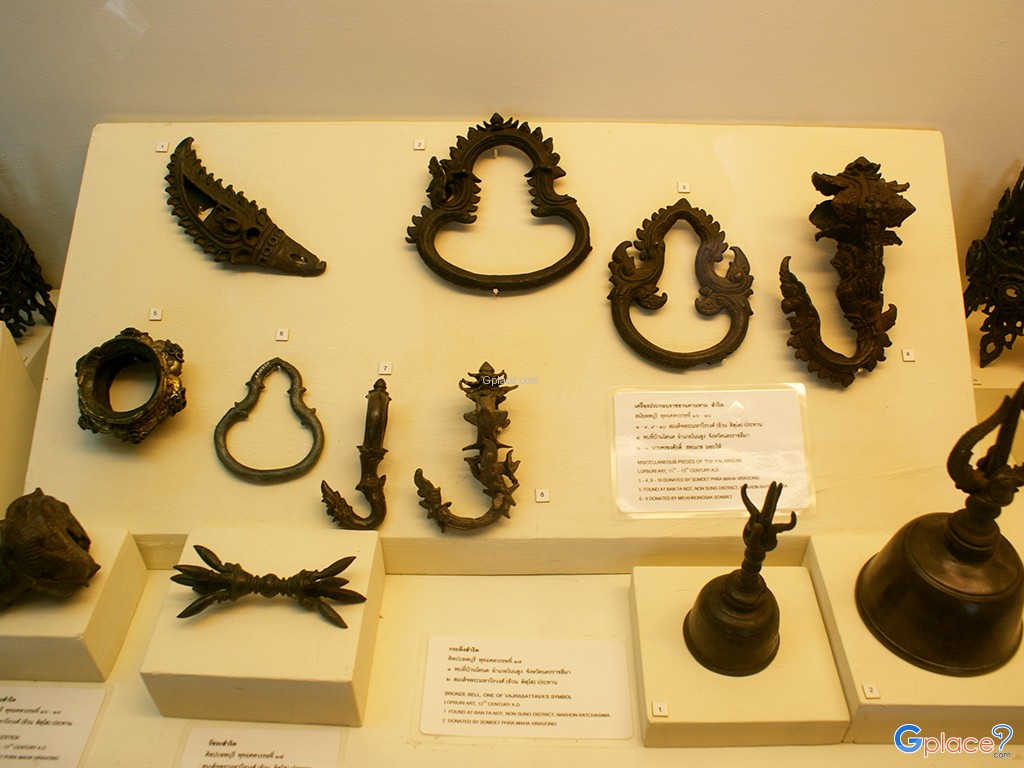
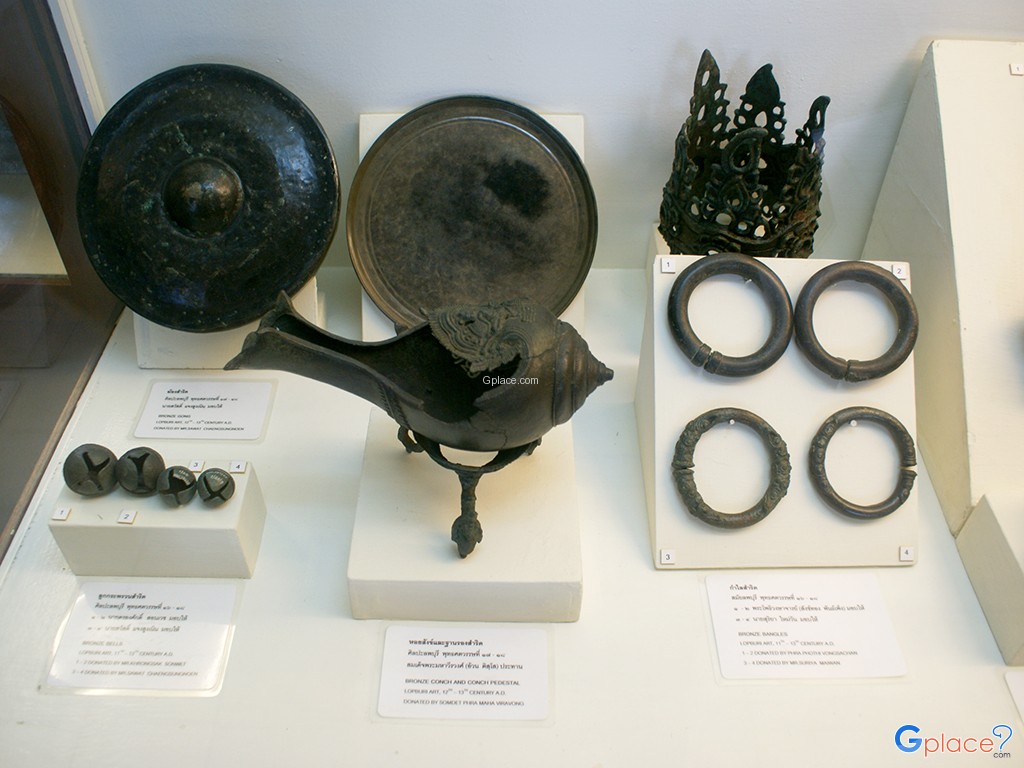
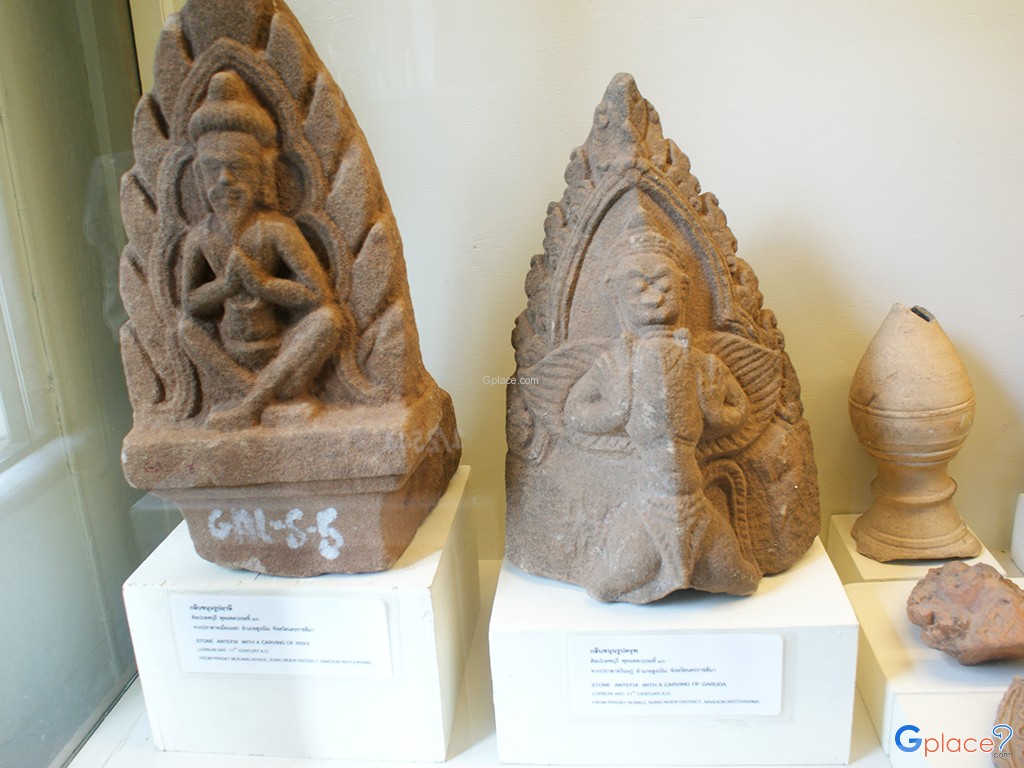
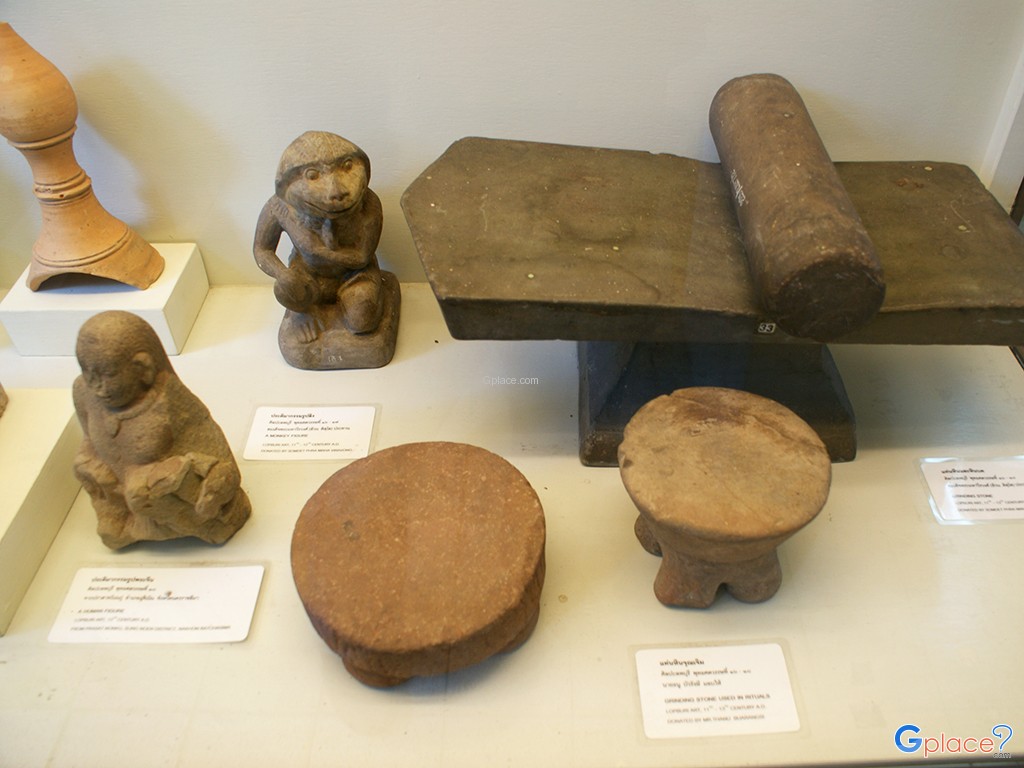
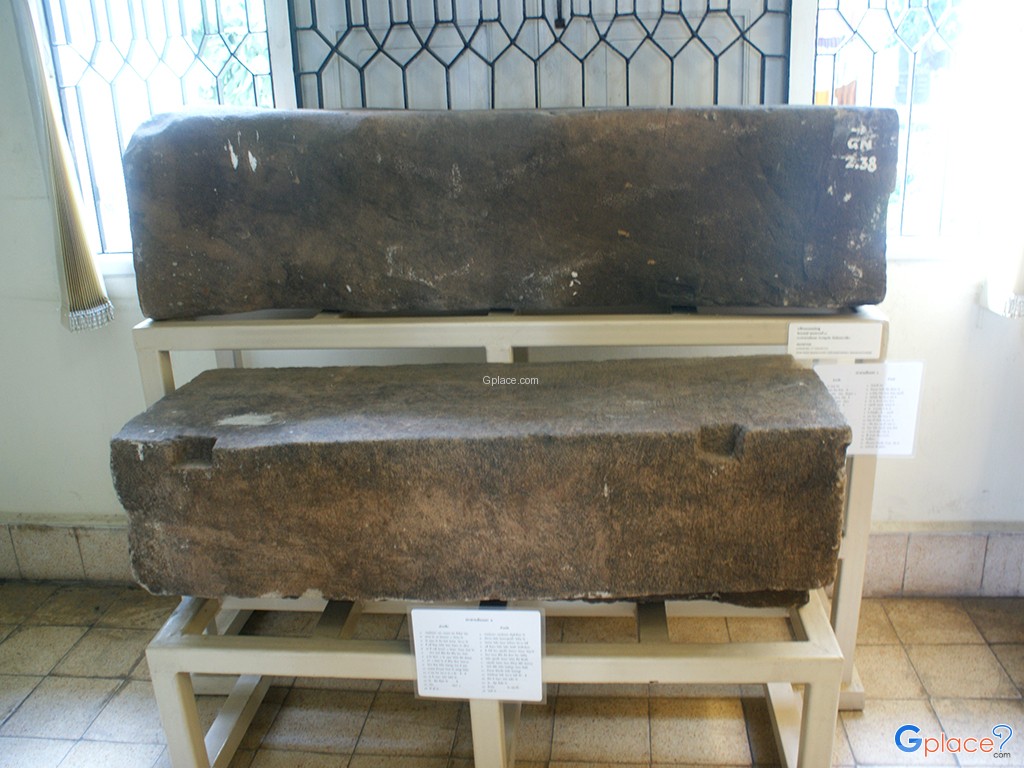
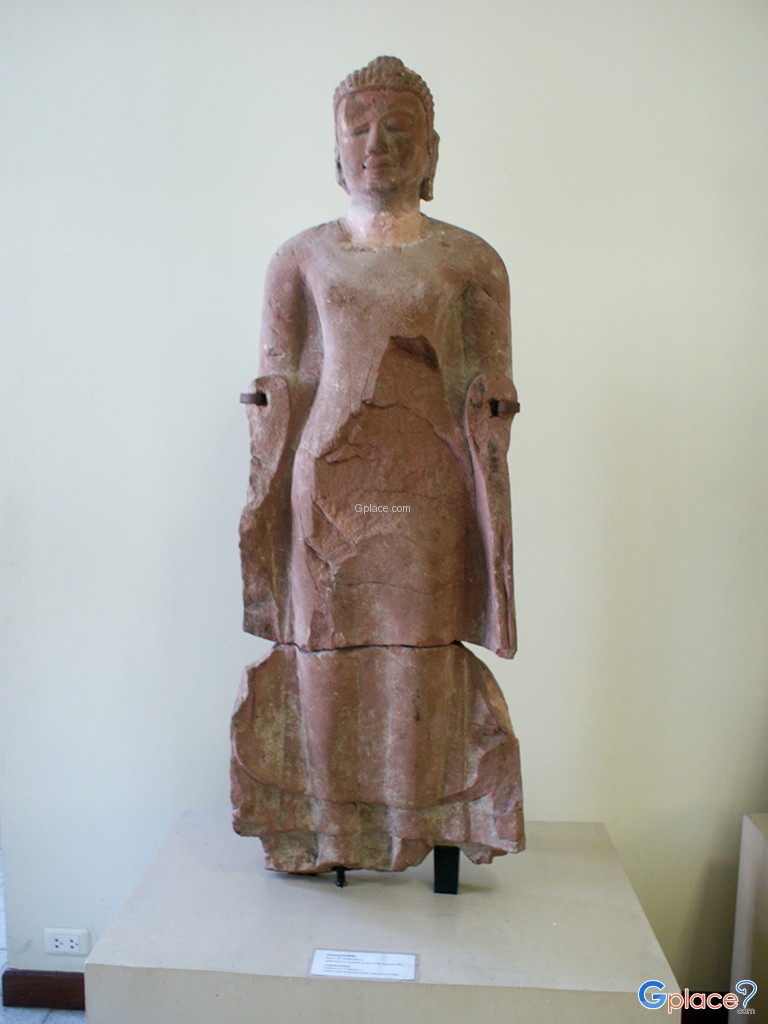
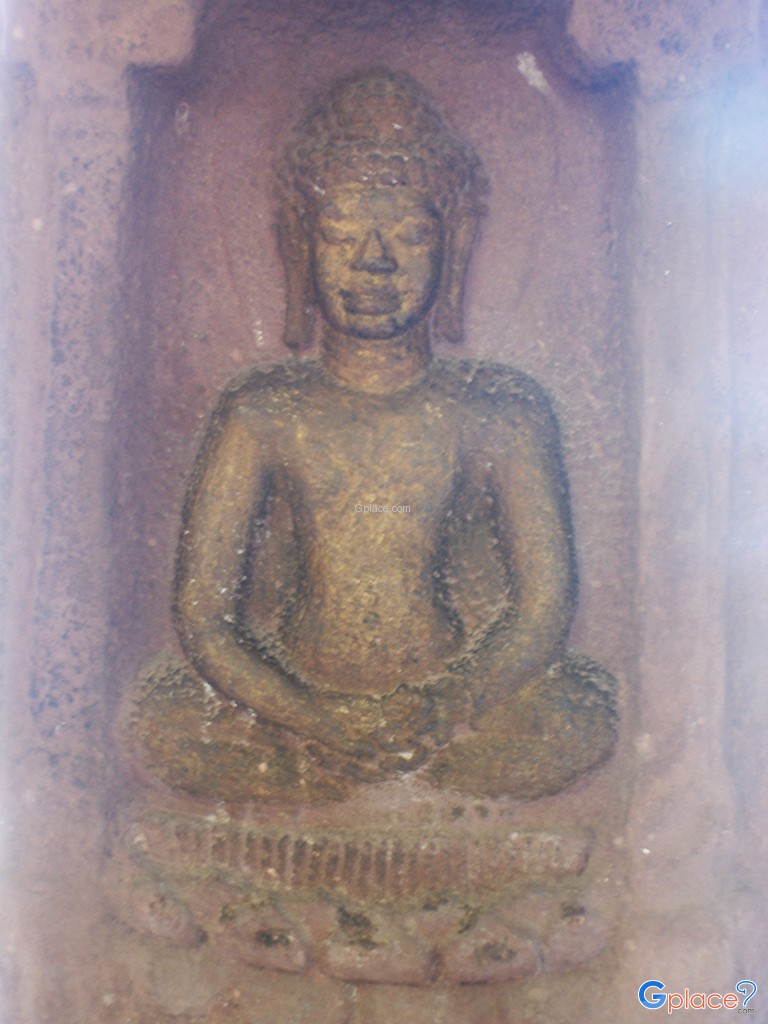
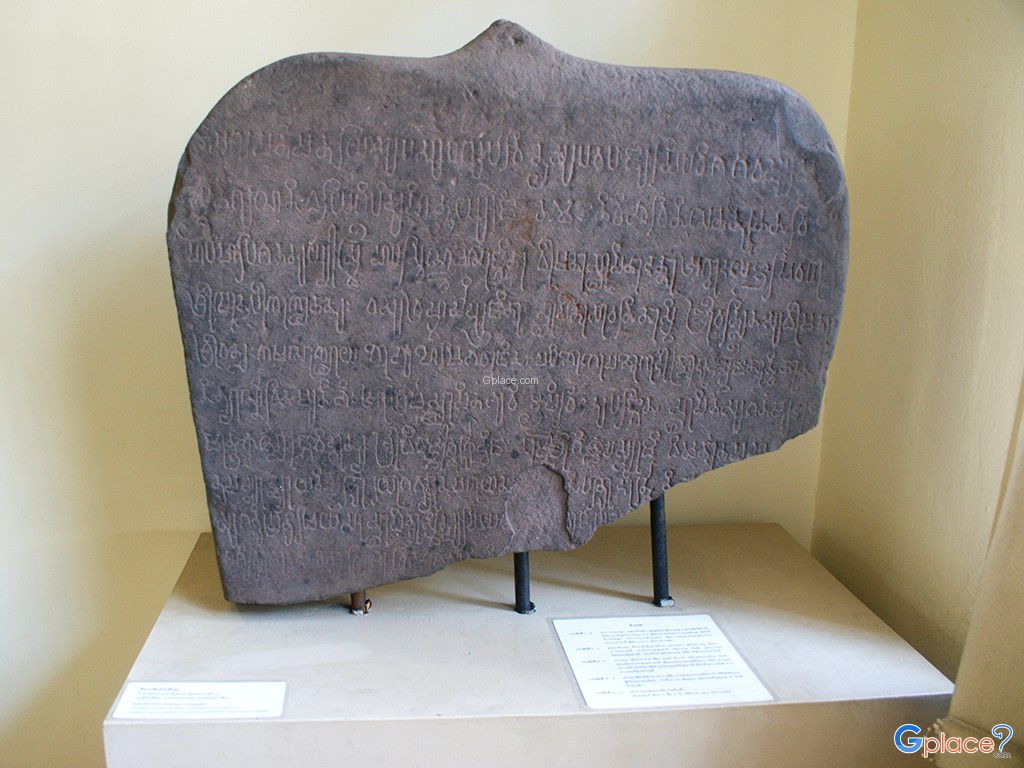
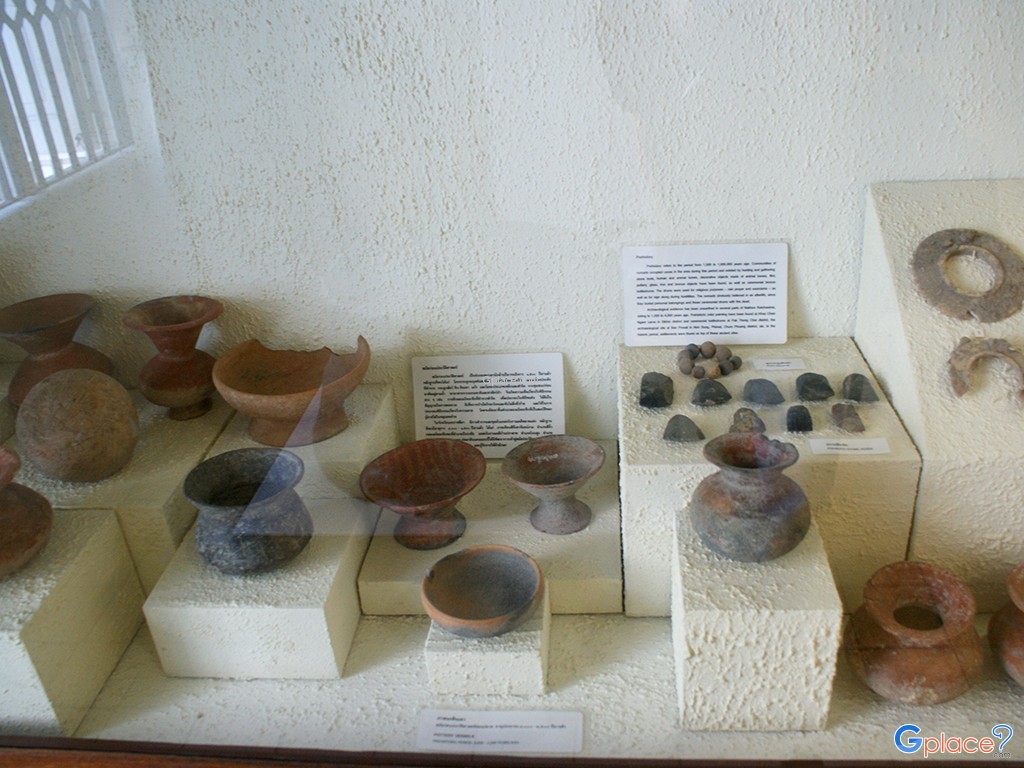
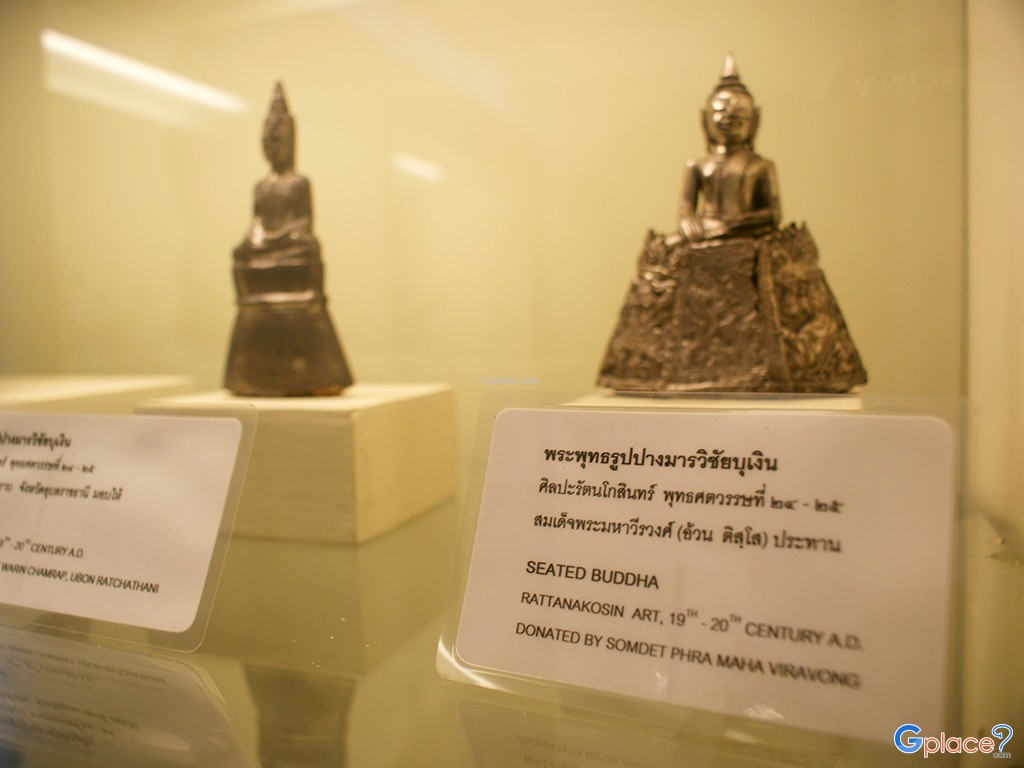
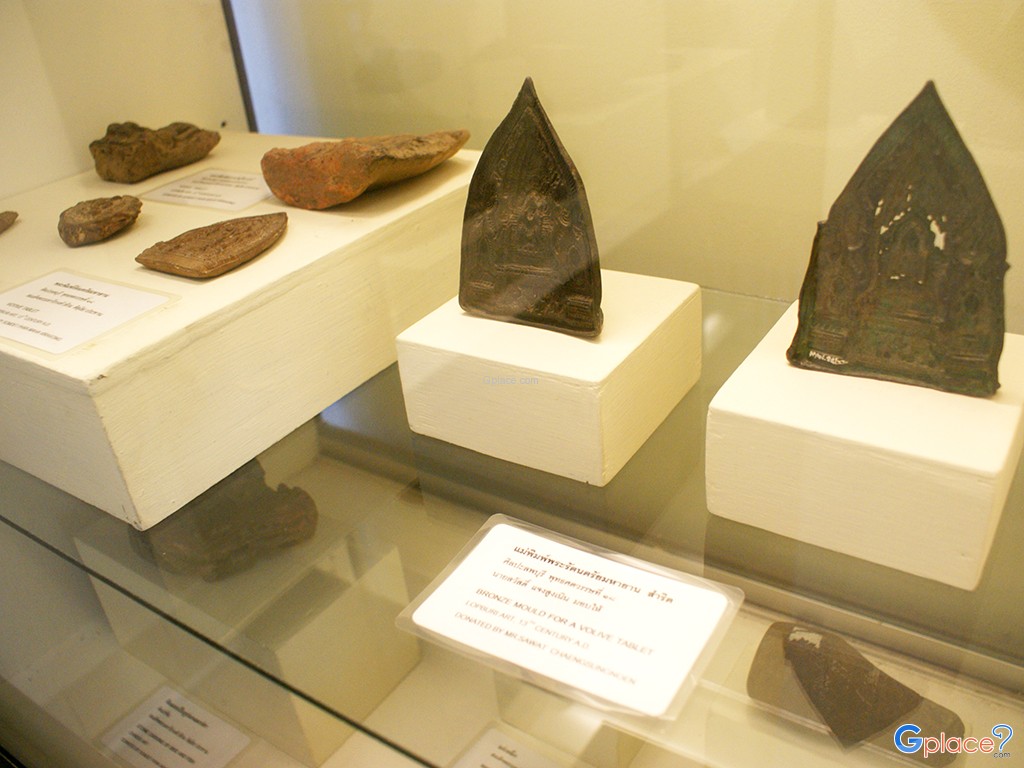
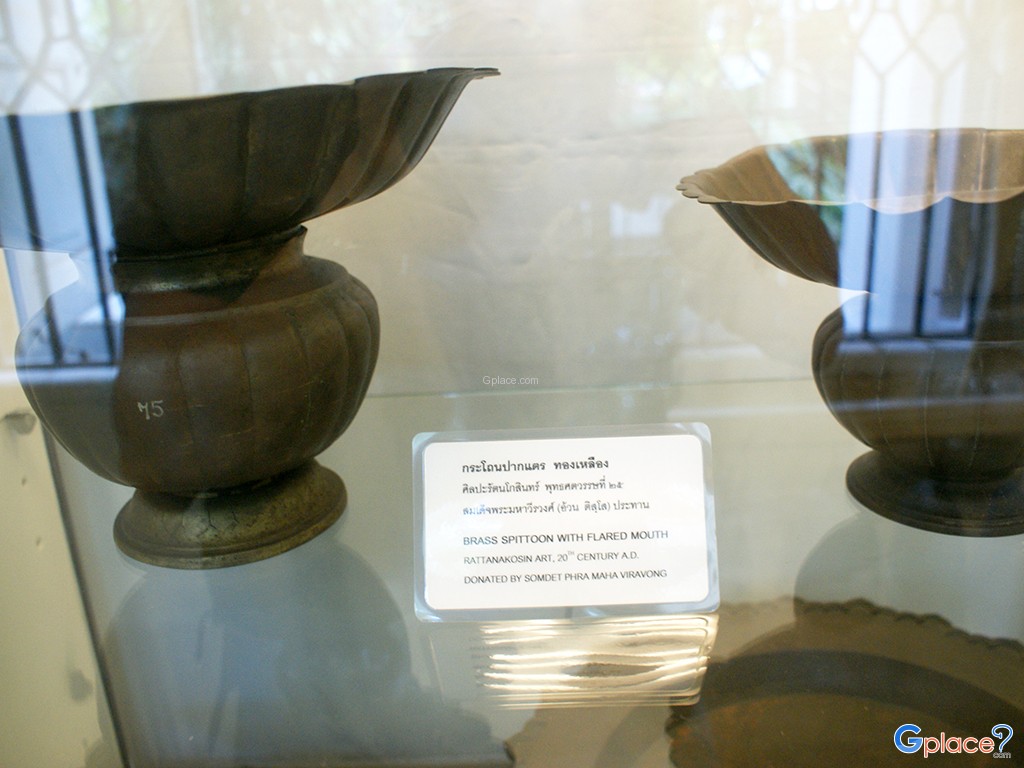
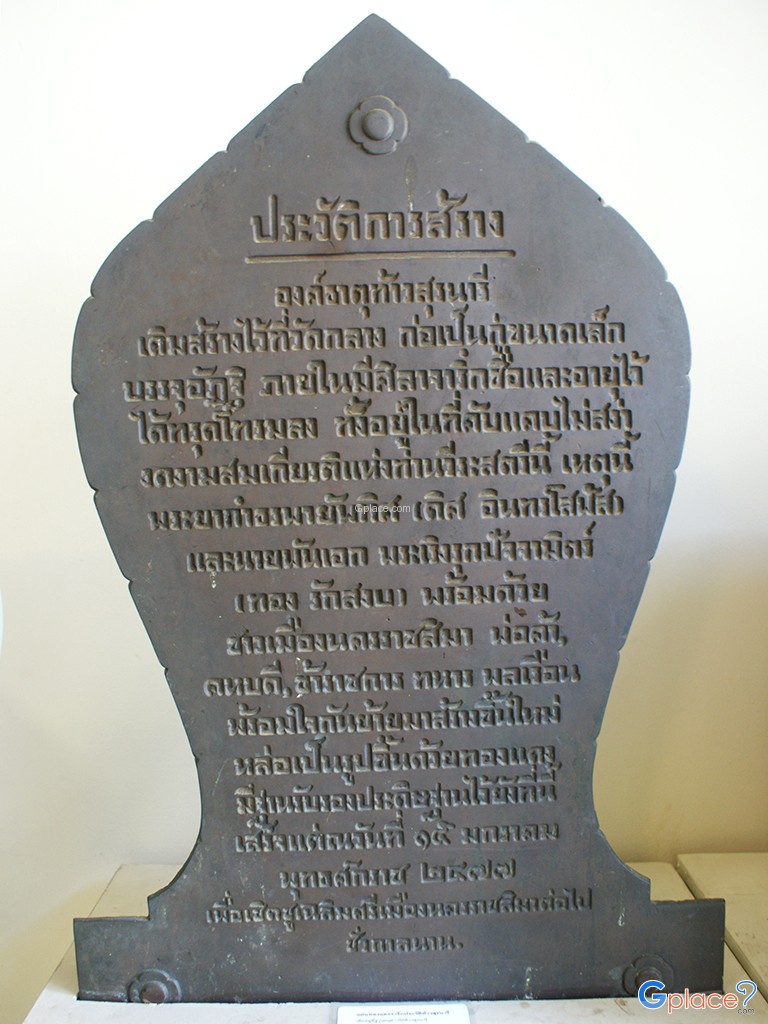
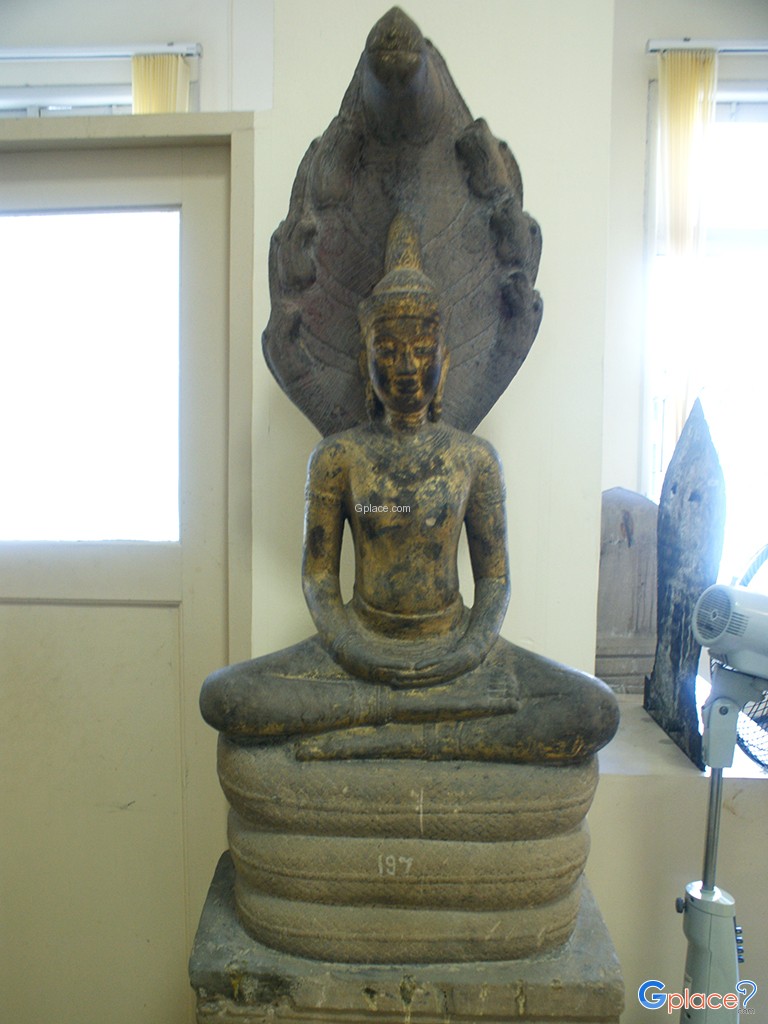
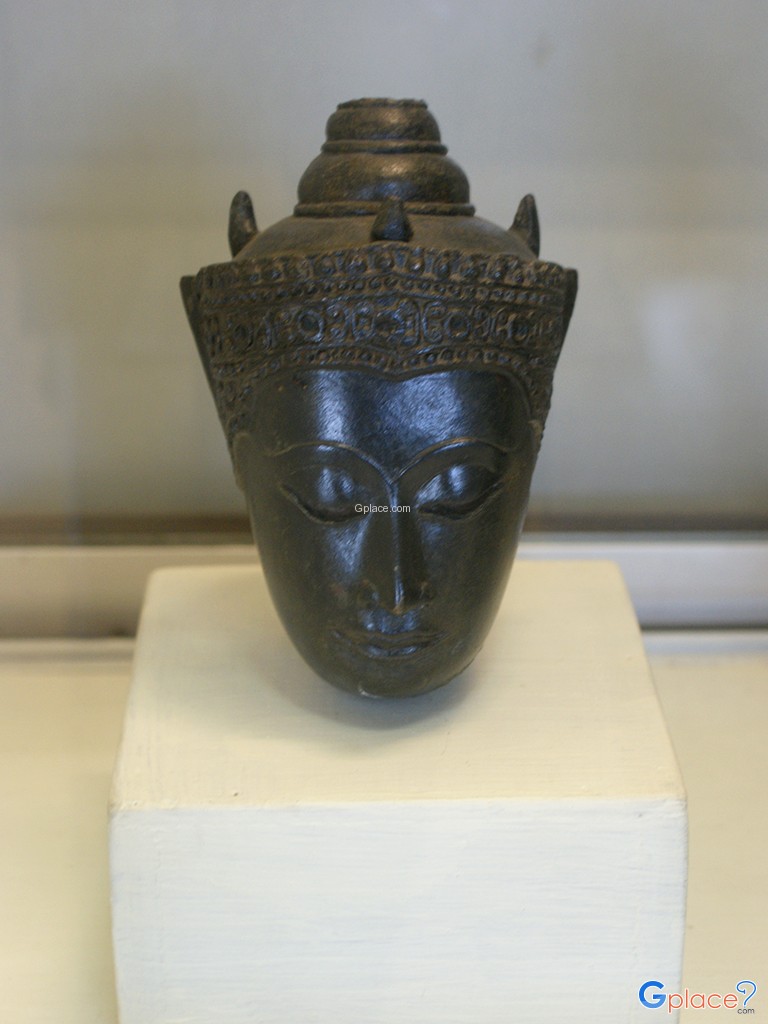
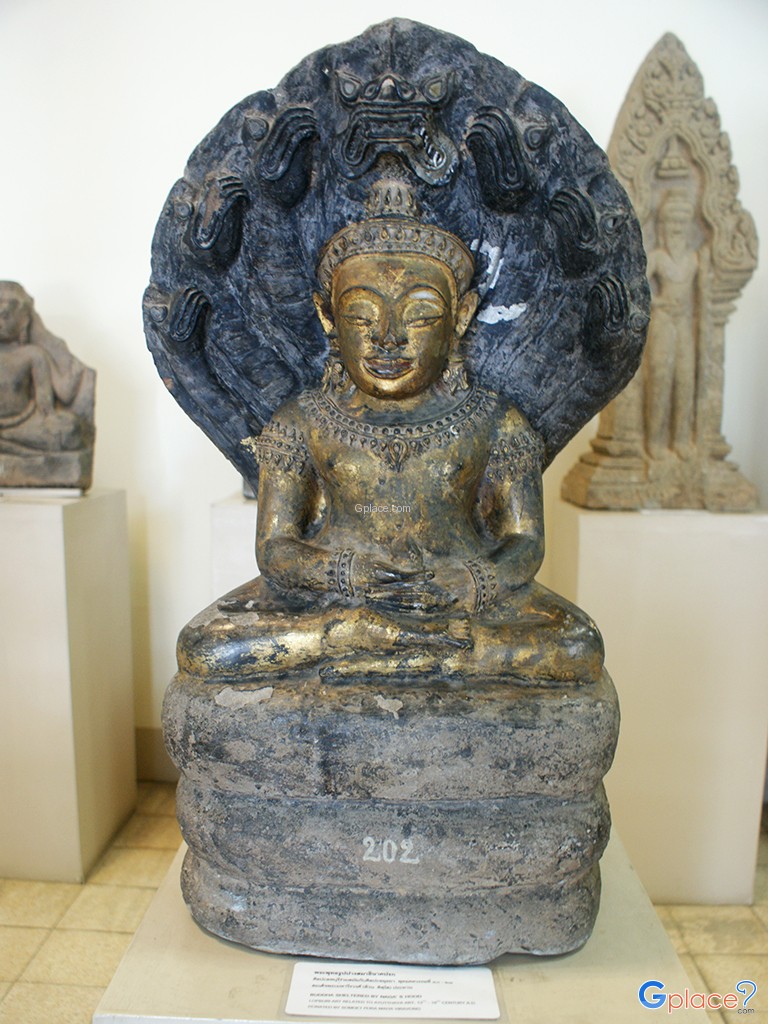

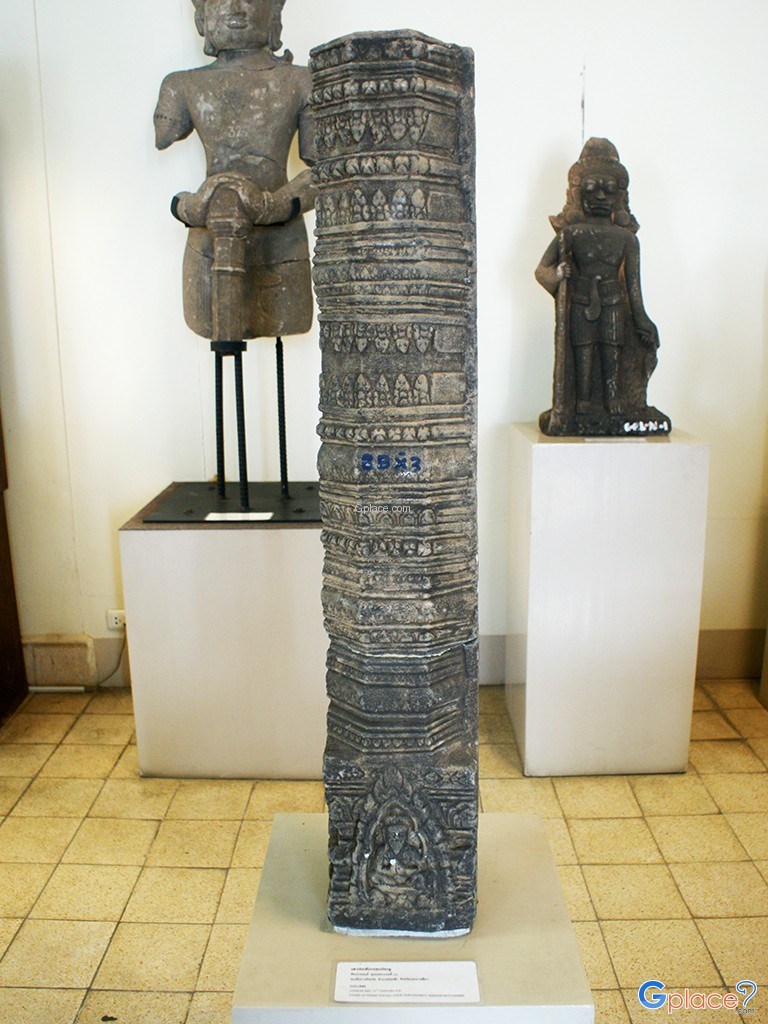
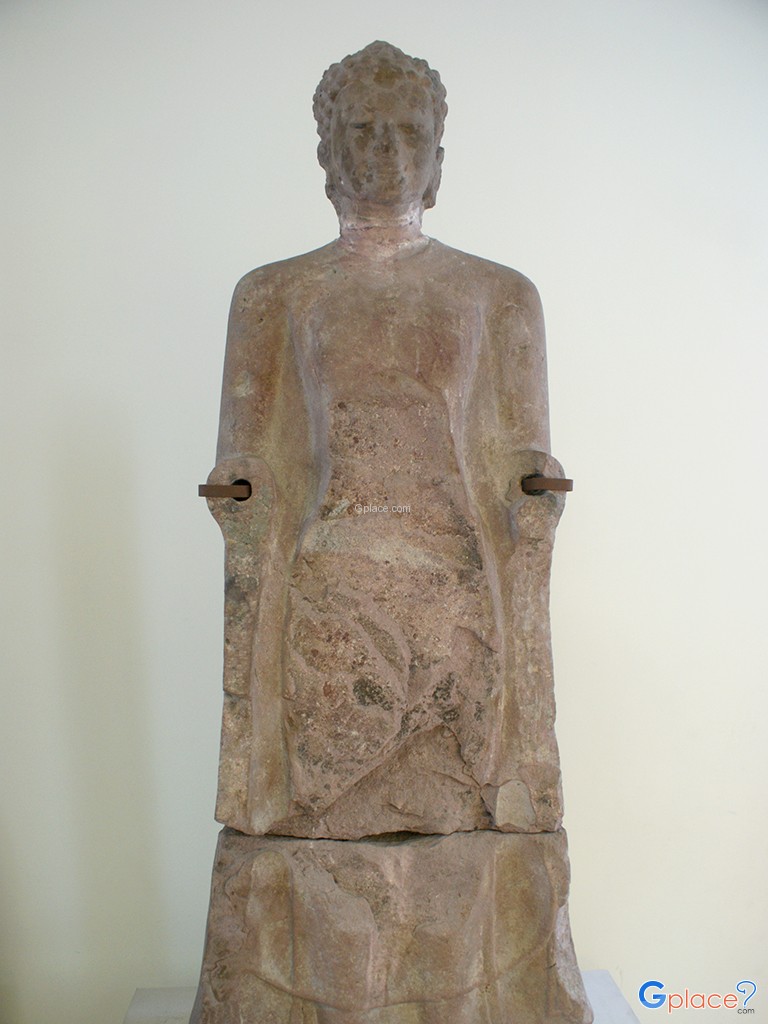
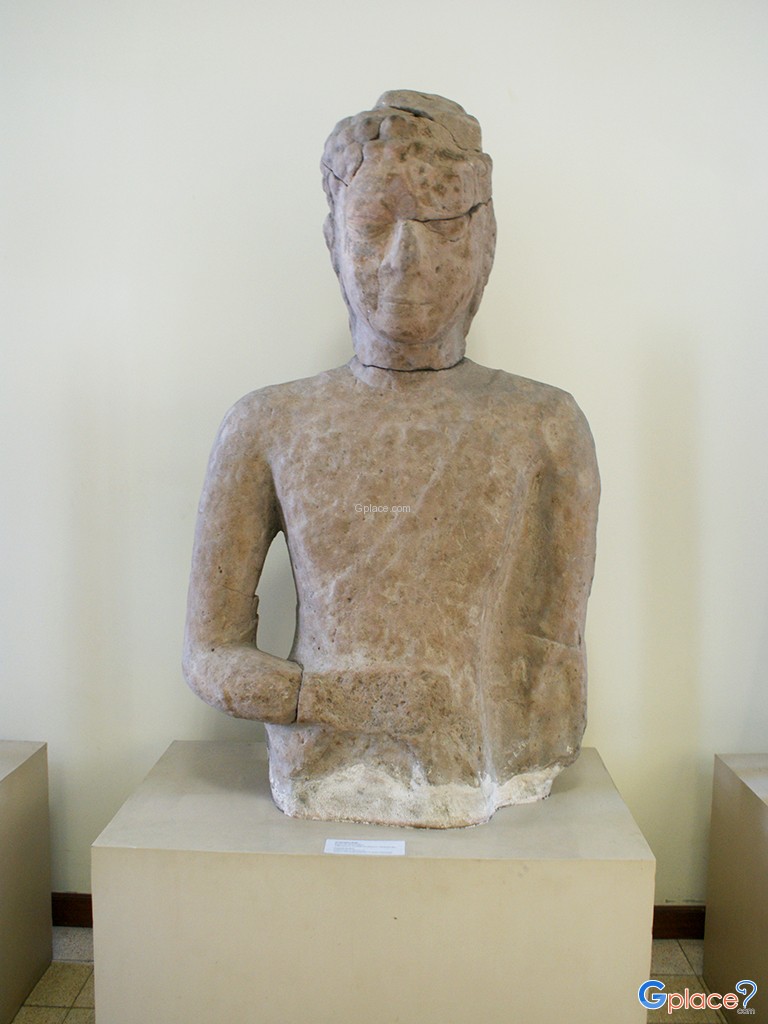
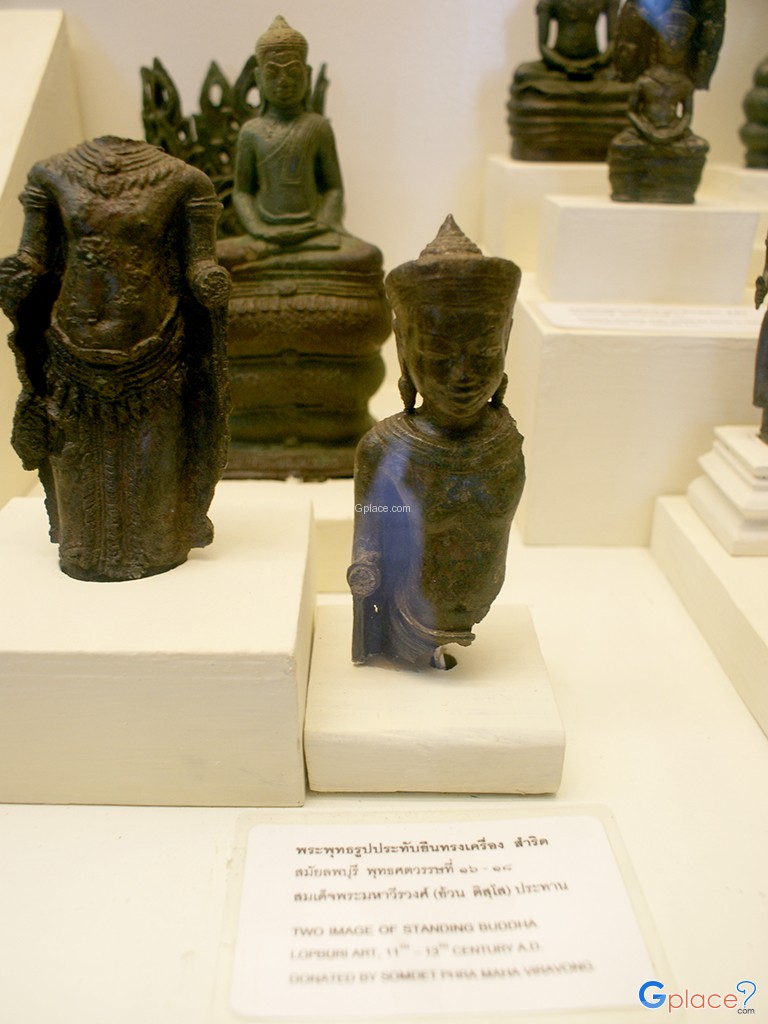

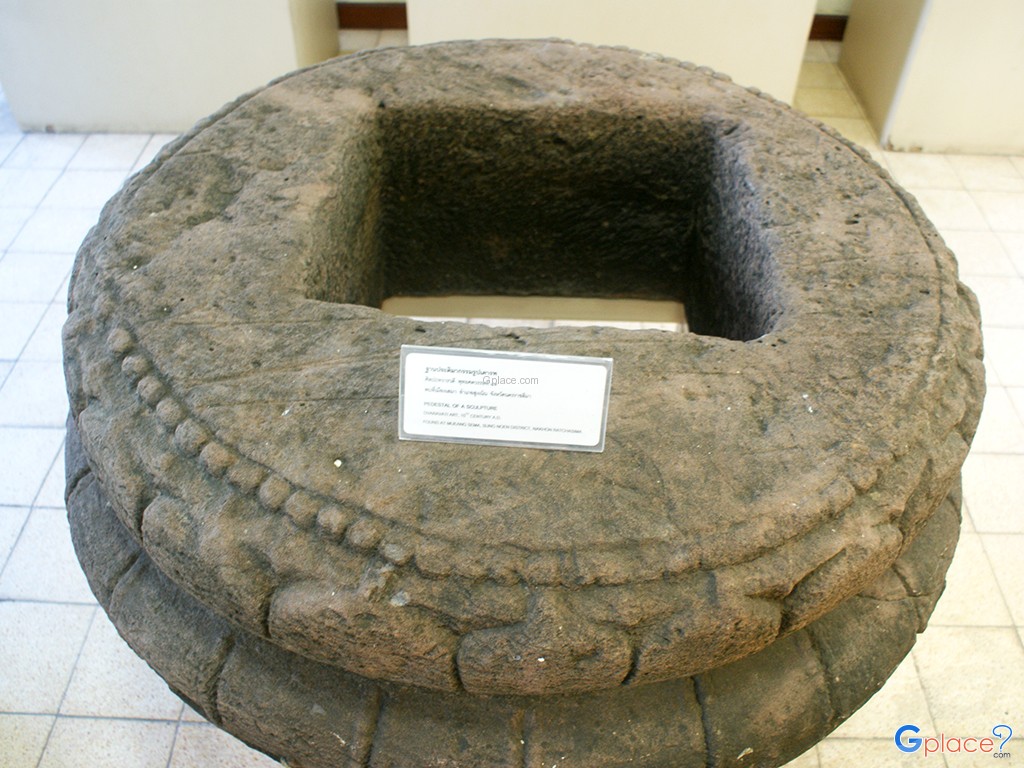
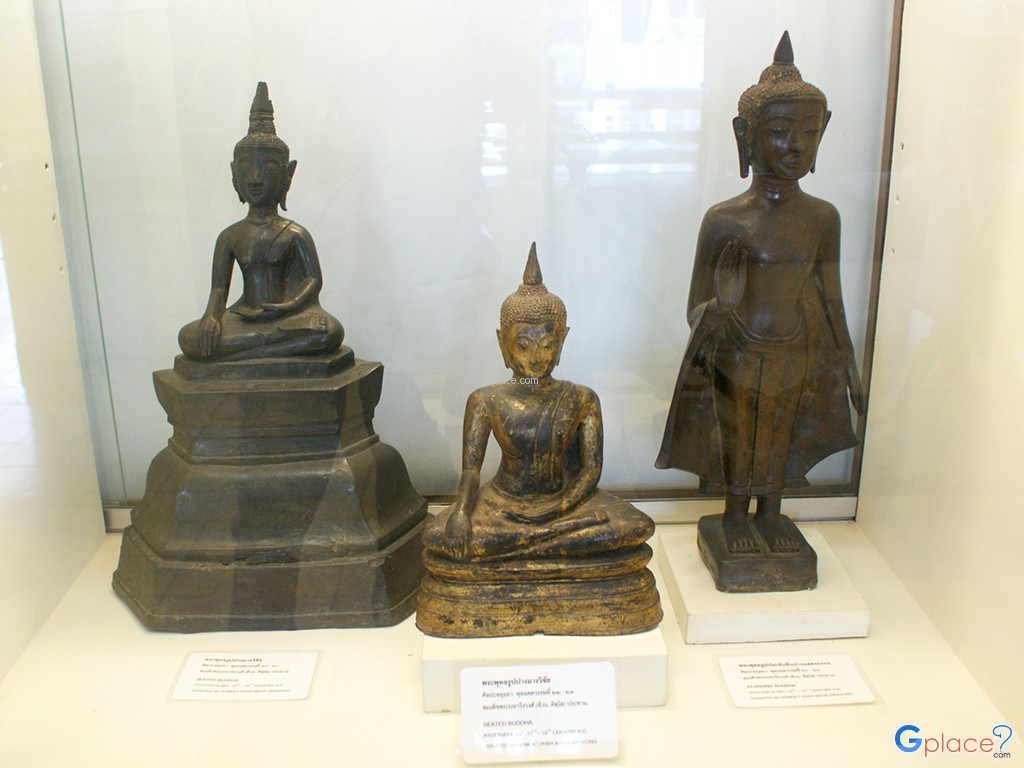
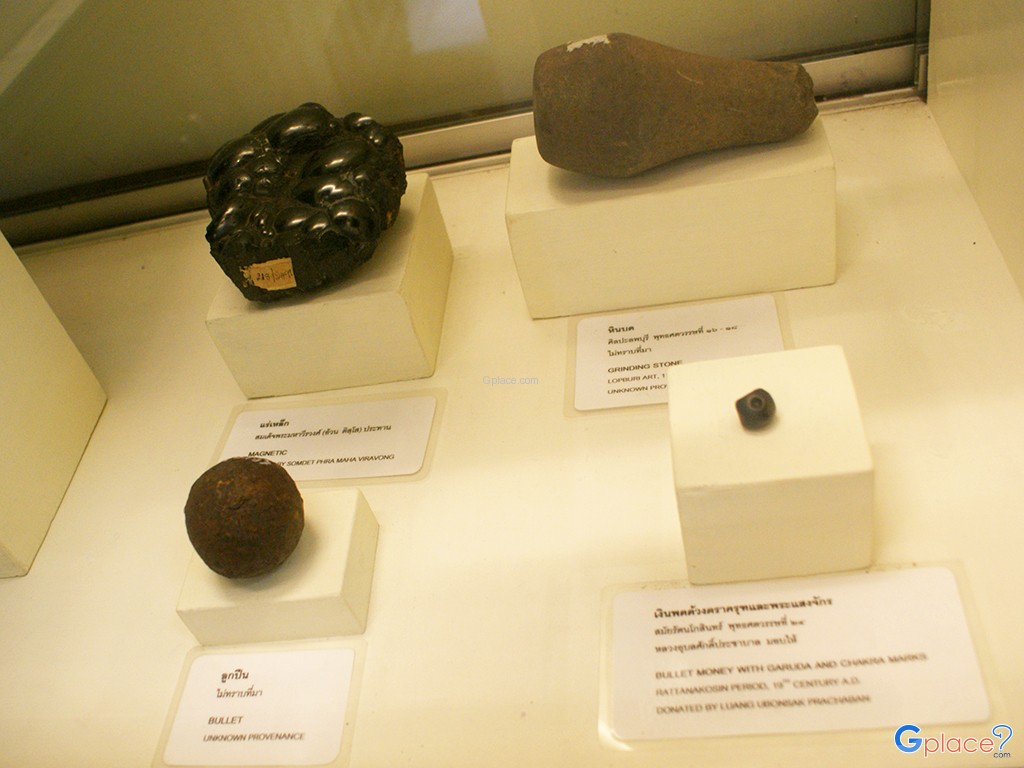
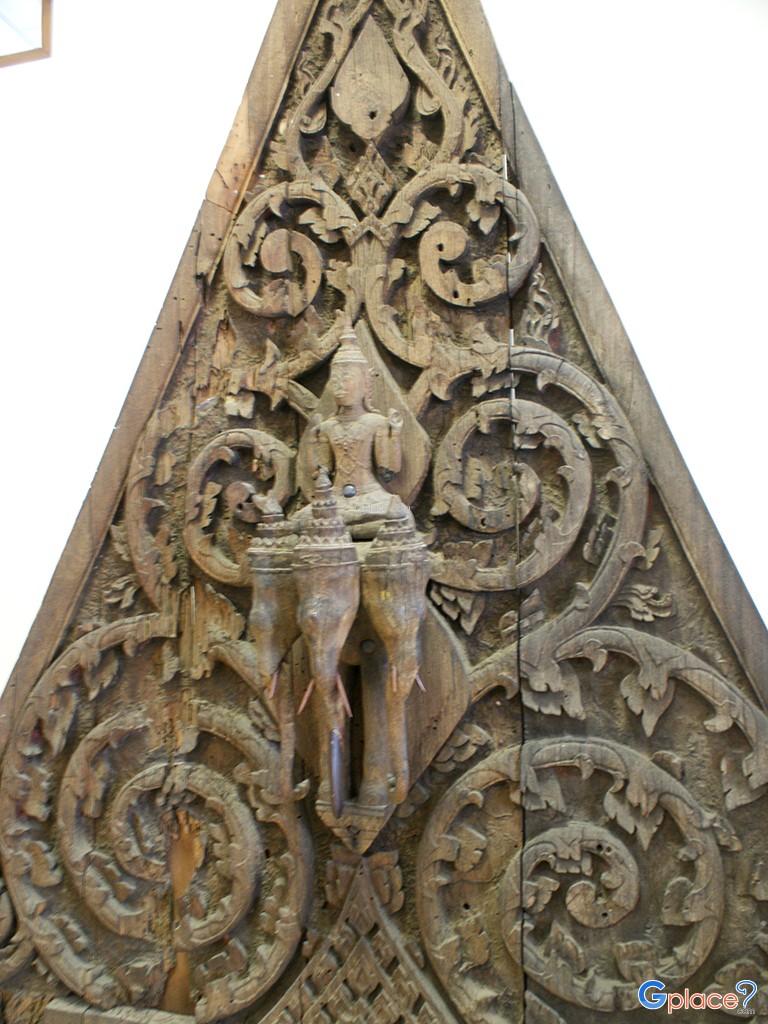
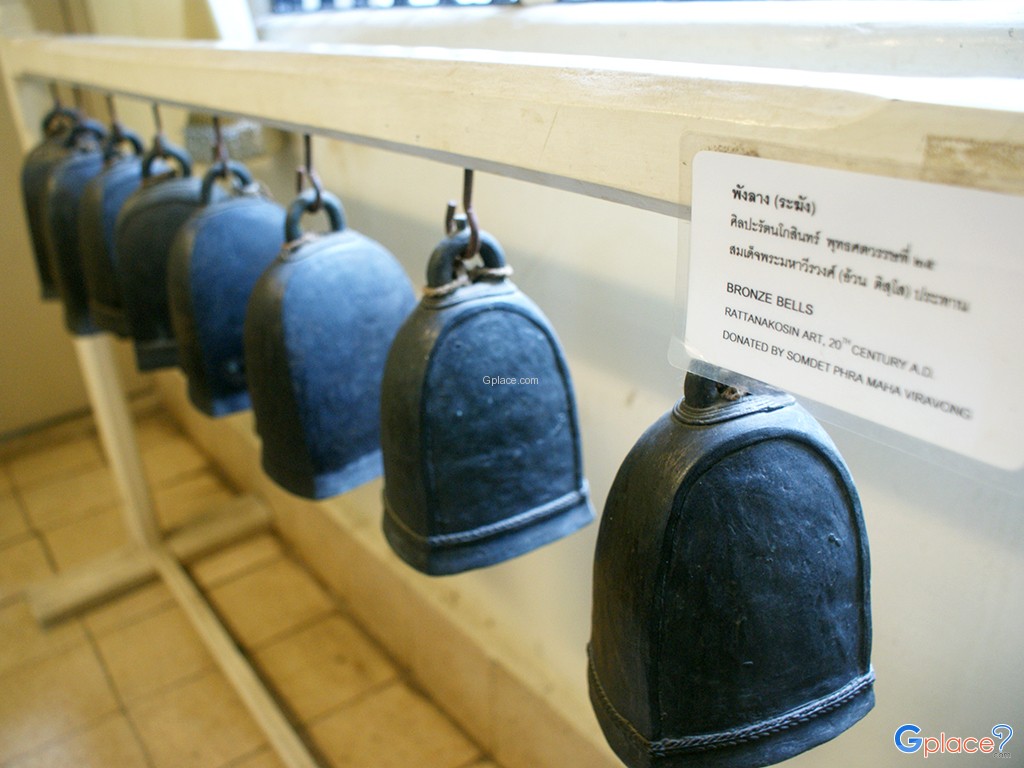

“The National Museum displays priceless antiquities and artifacts from prehistoric times to the Rattanakosin period.”
The Maha Wirawong National Museum was established at the initiative of Somdej Phra Maha Wirawong (Uan Tisso), the former abbot of Wat Suttachinda and former Sangha Minister of the Administrative Organization. He collected and donated numerous artifacts of historical and artistic value to the Fine Arts Department to establish the national museum. It officially opened in 1954.
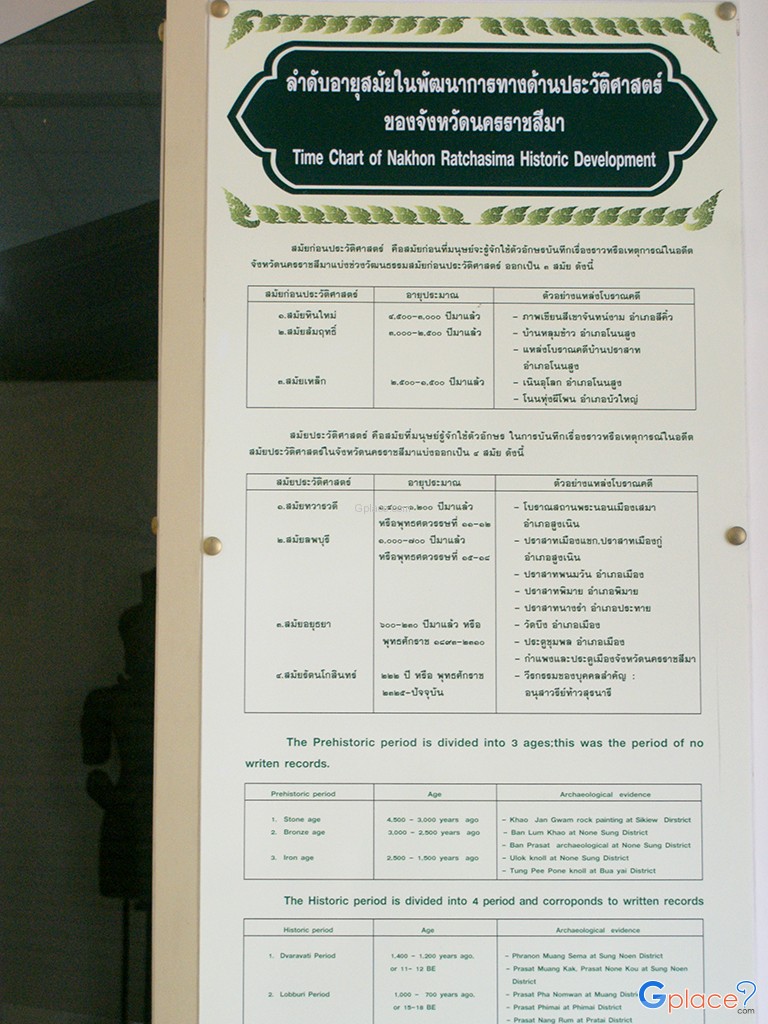
The exhibits focus on presenting the history, archaeology, and art of Nakhon Ratchasima (Korat) Province and the Northeastern region. The exhibitions are divided into distinct periods of Thai art history, as follows:
Main exhibits by period
-
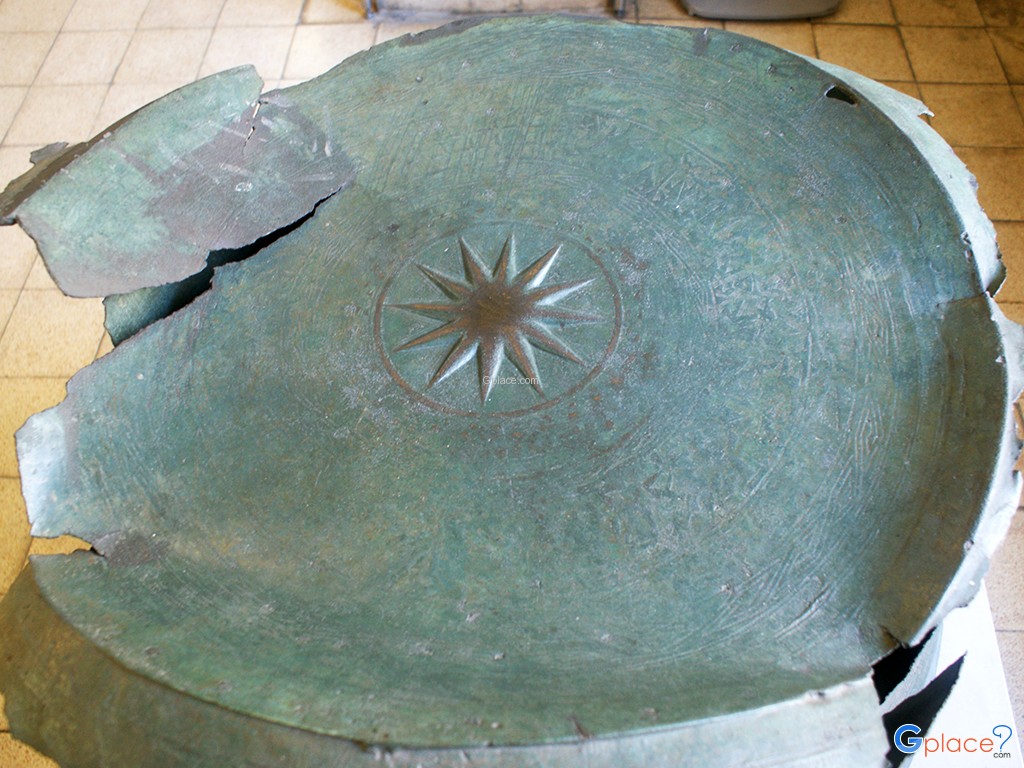
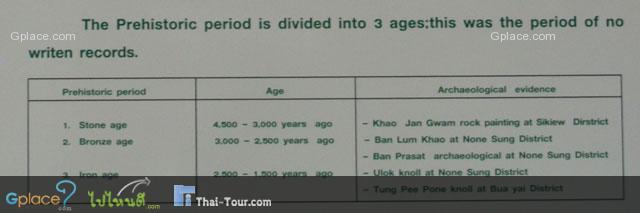
Prehistoric Period: This exhibit showcases evidence of human settlement in the Korat and Northeastern regions, including various forms of pottery, bronze tools, and a highlighted artifact, the bronze Mahoratuk drum. This reflects the metalworking progress of ancient communities dating back approximately 2,000–2,500 years.
-
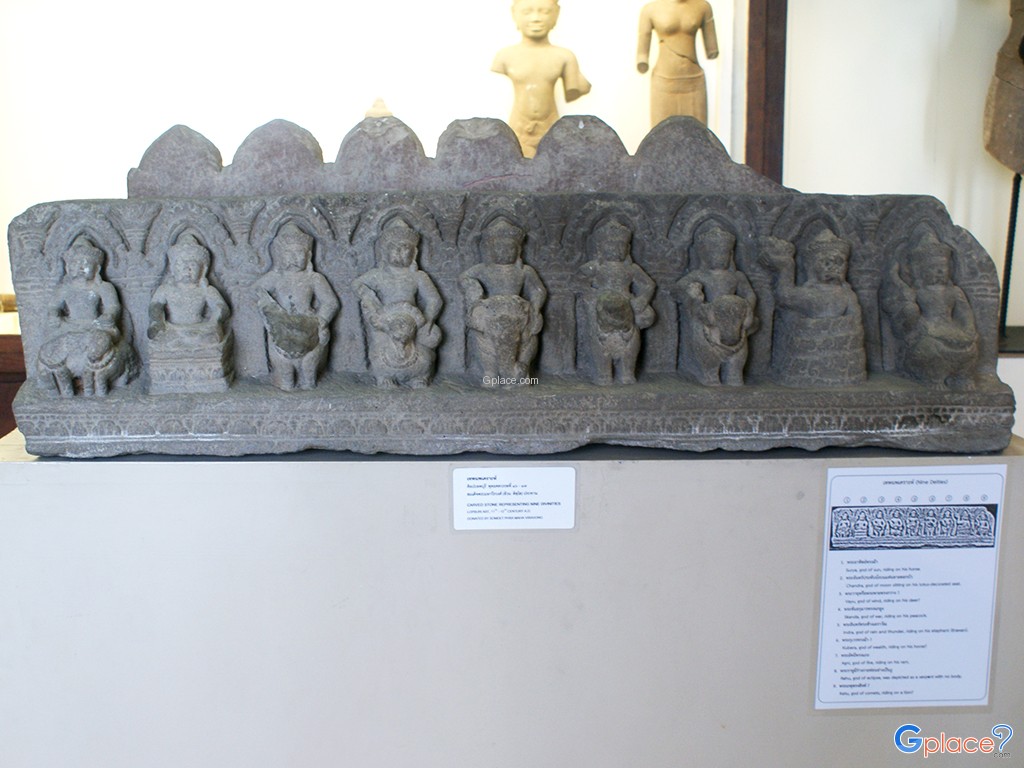
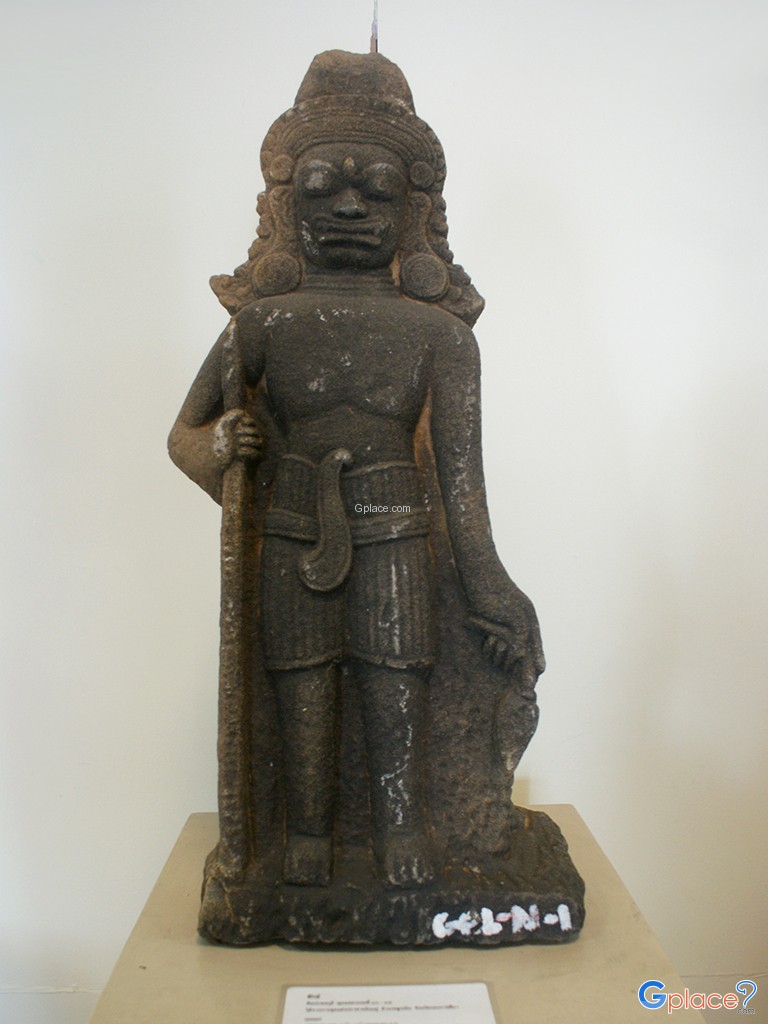
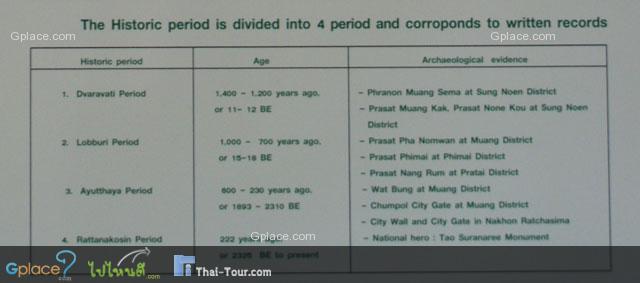
Dvaravati and Lopburi Periods: This period saw significant influences from Buddhism and the Khmer Empire (Cambodia). The exhibition showcases elegant Dvaravati stone Buddha images and Lopburi-style Buddha images or deities, evidence of the construction of stone castles in the area, such as statues and architectural fragments from Phanom Wan Stone Castle and Mueang Khaek Castle.
-
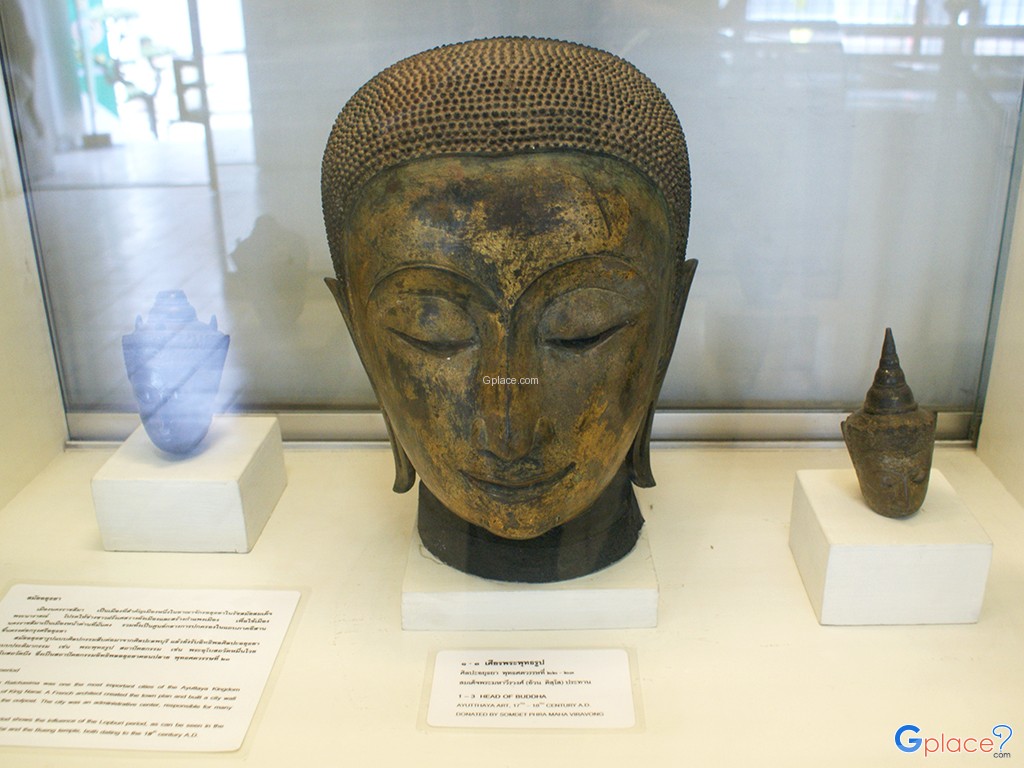
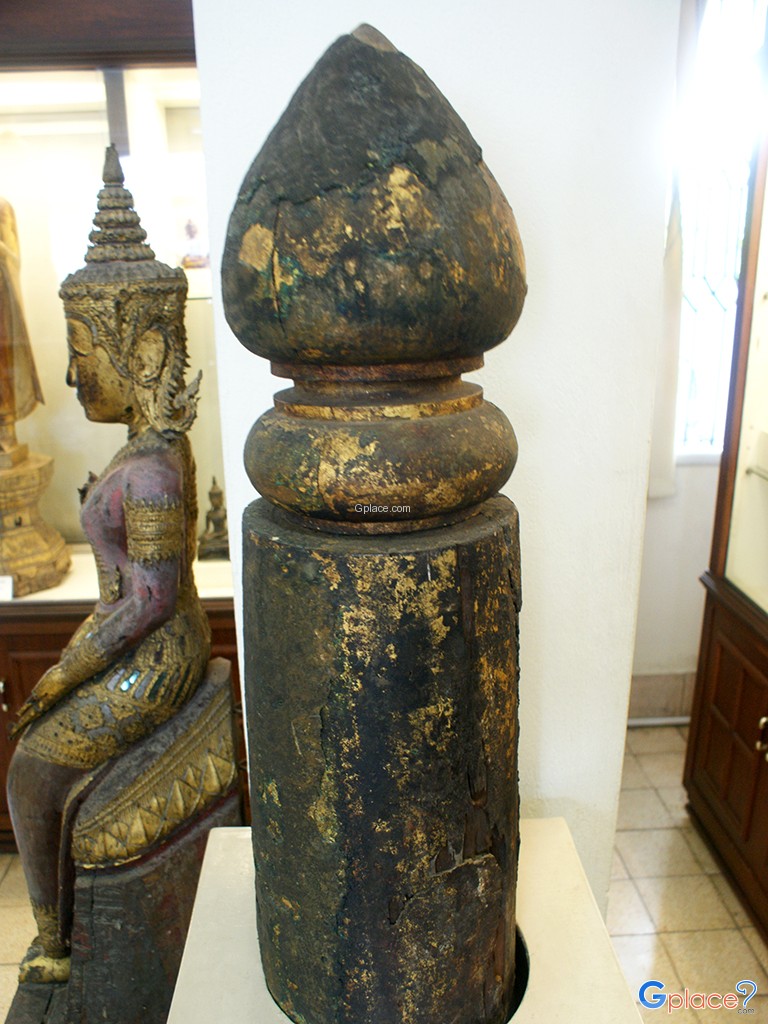
Ayutthaya and Rattanakosin Periods: This exhibition showcases artifacts related to local culture and Buddhist art influenced by the central region, such as Buddha images in various postures, Chinese porcelain used in daily life, and Isan folk art.
Must-See Objects (Highlights)
-
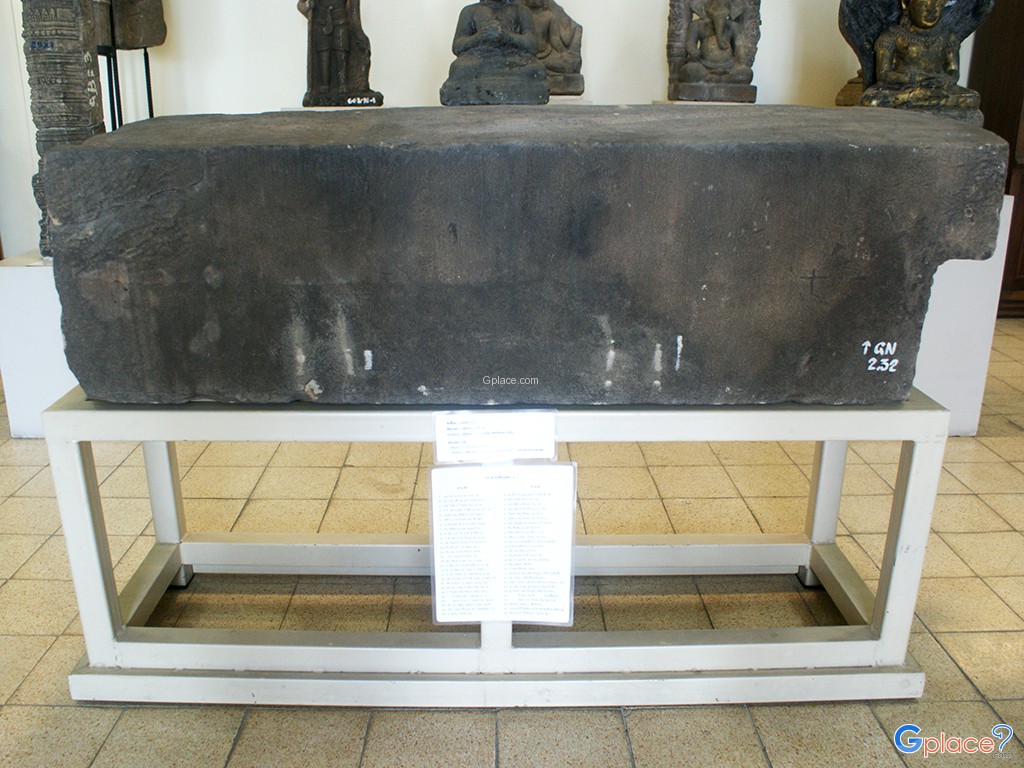
Stone Inscriptions: Several important stone inscriptions are on display, including the Mueang Khaek Stone Inscription (Khmer art), which provides historical evidence of past religion and governance.
-
Palilai Buddha Image: This Buddha image exhibits the beauty of Ayutthayan art.
-
Artifacts from Excavation Sites: Most of these objects were excavated from archaeological sites in Nakhon Ratchasima Province, providing visitors with a deeper understanding of the development of the local community.
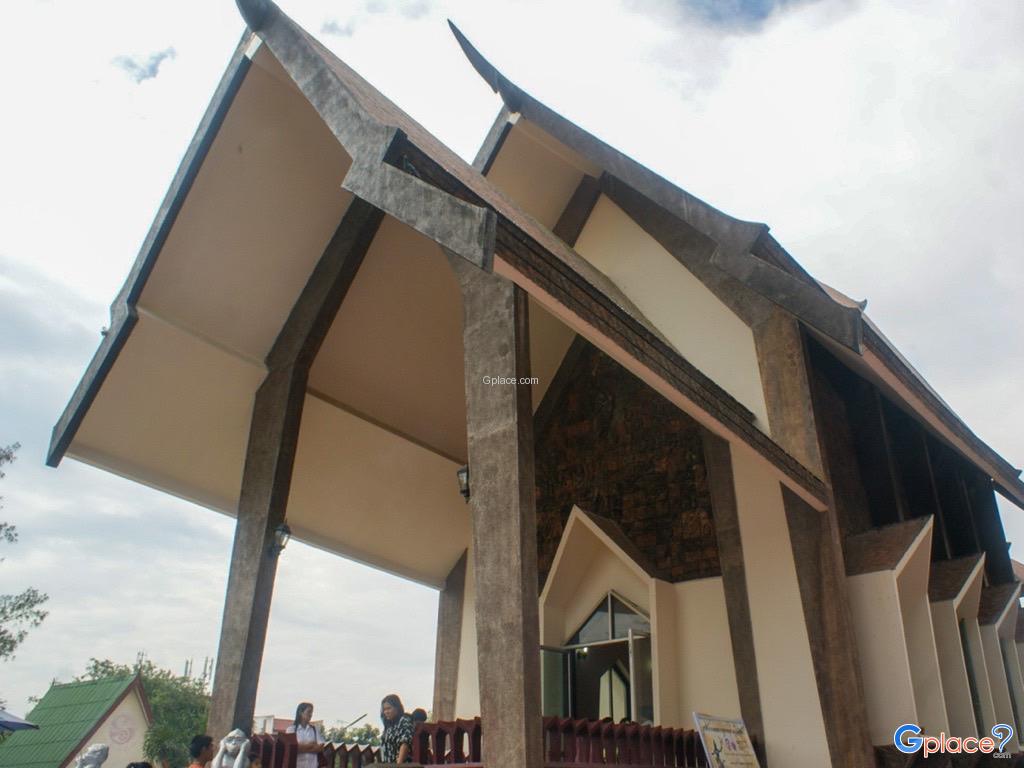
In 1954, the Fine Arts Department constructed a single-story building in a modified Thai style within the grounds of Wat Suthachinda. The National Museum was established, in addition to exhibiting items originally collected by Somdej Phra Maha Wirawong, as well as artifacts from archaeological sites and historical sites in Nakhon Ratchasima and neighboring provinces, as well as items donated by the public. The museum was named the "Maha Wirawong National Museum" in honor of its founder.
The Maha Wirawong National Museum thus serves as one of the most important learning centers in the Northeast, comprehensively showcasing the region's cultural and historical heritage.
How to Get There
- Located on Ratchadamnoen Road in the Korat city center, if traveling from the Thao Suranari Monument, head towards the Provincial Hall. The museum is located opposite the Provincial Hall, in the grounds of Wat Suthachinda.
Travel Tips
-
It's recommended to bring a camera, as the Buddha statues and artifacts are stunning.
This is a great place to learn more before visiting other historical sites in Korat, such as Phimai and Ban Prang Nakhon. -
Mornings and afternoons are less crowded, making them ideal for a leisurely stroll.
-
A visit is recommended, with approximately 1-2 hours allowed, as the building is large and contains numerous interesting artifacts.
-
It's recommended to learn about the history of Nakhon Ratchasima Province to enhance your visit.
Admission Fees:
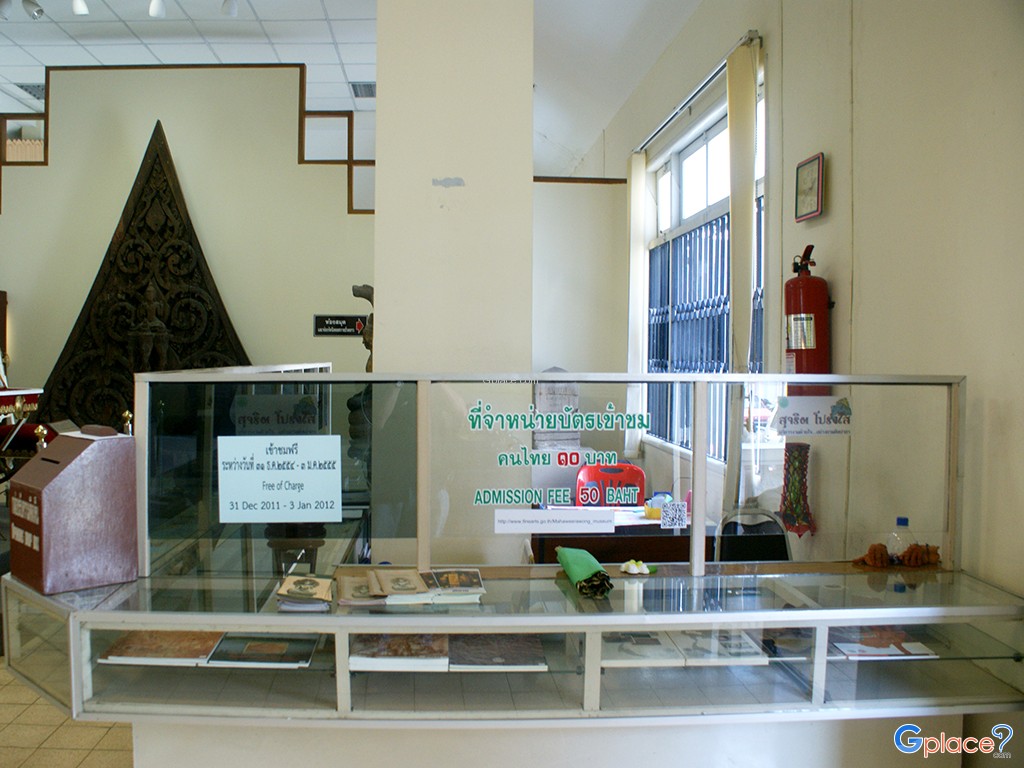
- Thai people: 10 baht / Foreigners: 50 baht (Admission fees are subject to change. Please check with the museum again.)
Opening Hours:
- Open Wednesday - Sunday from 9:00 AM to 4:00 PM (Closed on Mondays, Tuesdays, and public holidays)
Maha Wirawong National Museum

 Share
Share
 Muang Nakhon Ratchasima District, Nakhon Ratchasima Province 30000
Map
Muang Nakhon Ratchasima District, Nakhon Ratchasima Province 30000
Map
 Closed today
Mon -
Tue -
Wed9.00 - 16.00
Thu9.00 - 16.00
Fri9.00 - 16.00
Sat9.00 - 16.00
Sun9.00 - 16.00



 5413
5413
Recommend trips
All reviews
(List 2 review)
รีวิวเมื่อ 11 ก.ย. 55
ถูกใจ
แชร์
รีวิวเมื่อ 11 ก.ย. 55
ถูกใจ
แชร์