 Attractions
  Hotel
Hotel  Restaurant
  Shopping
  Abroad





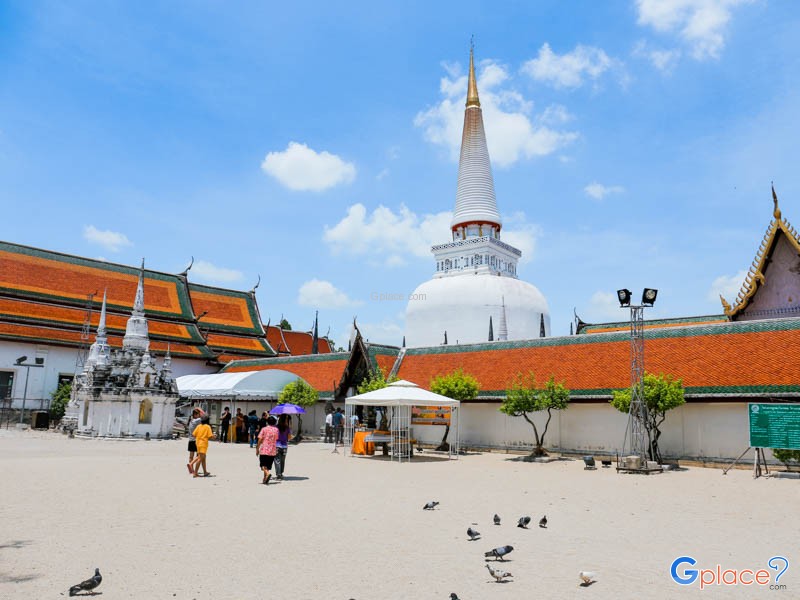

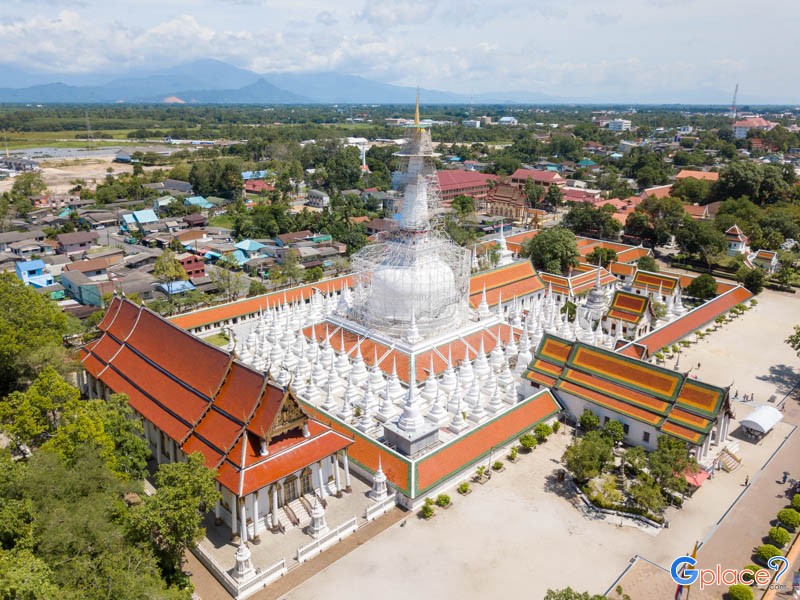
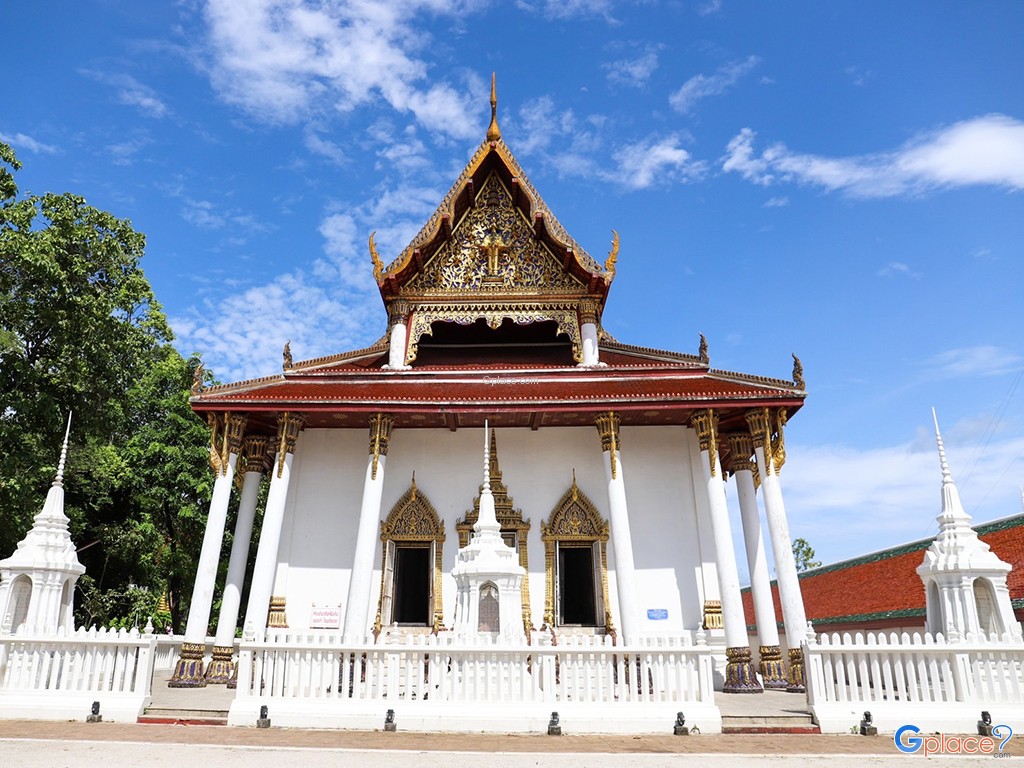
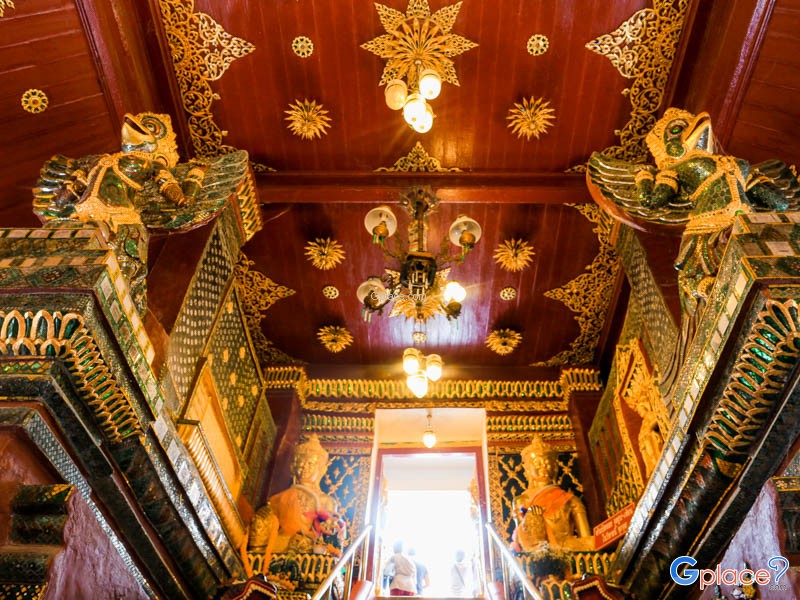
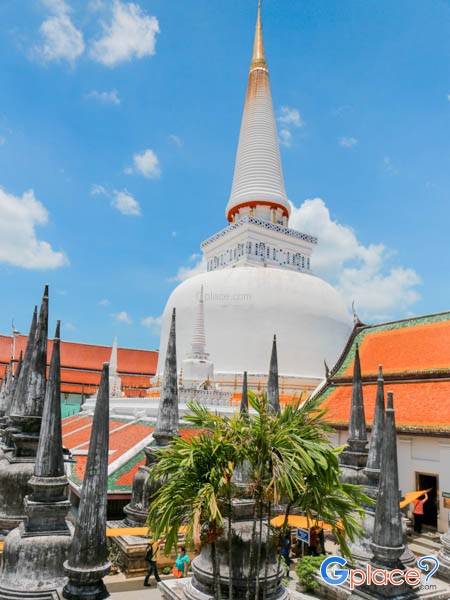
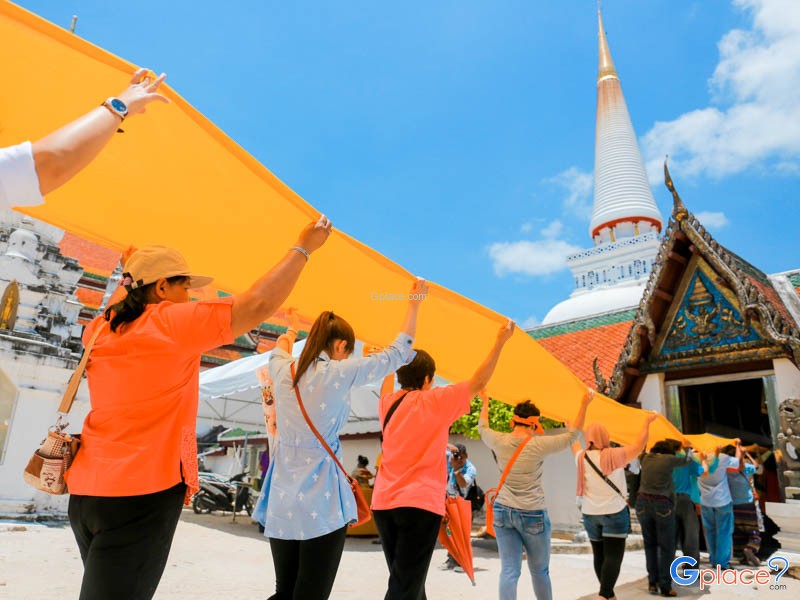
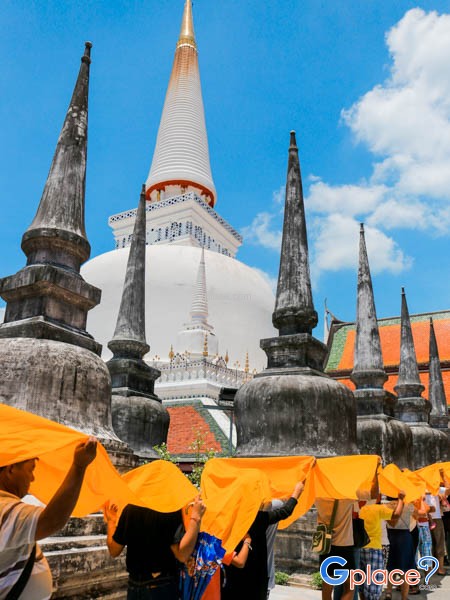
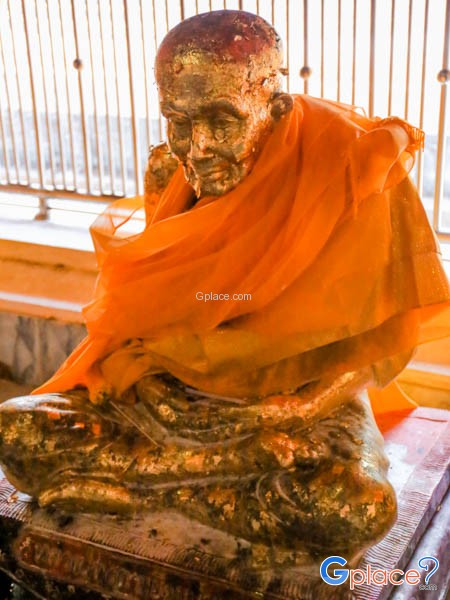
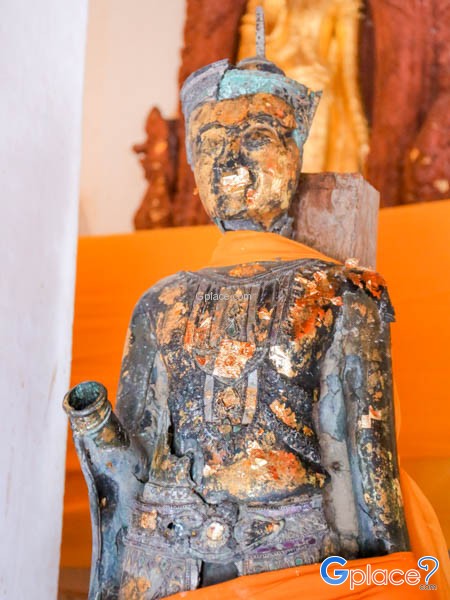
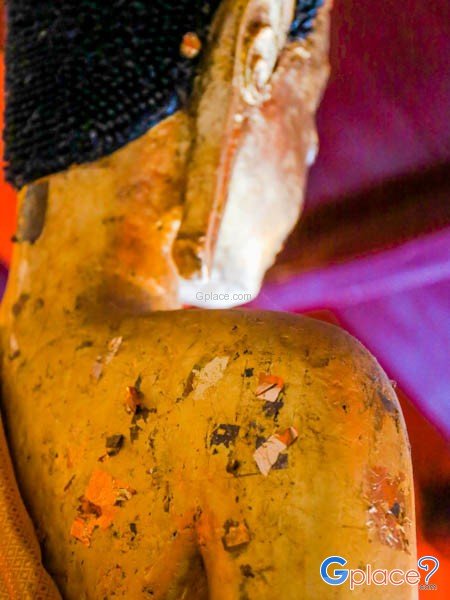
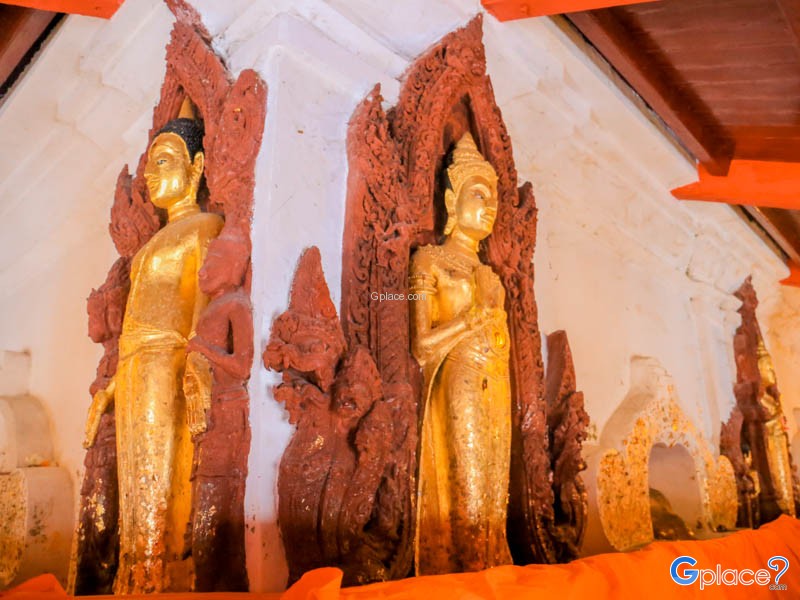
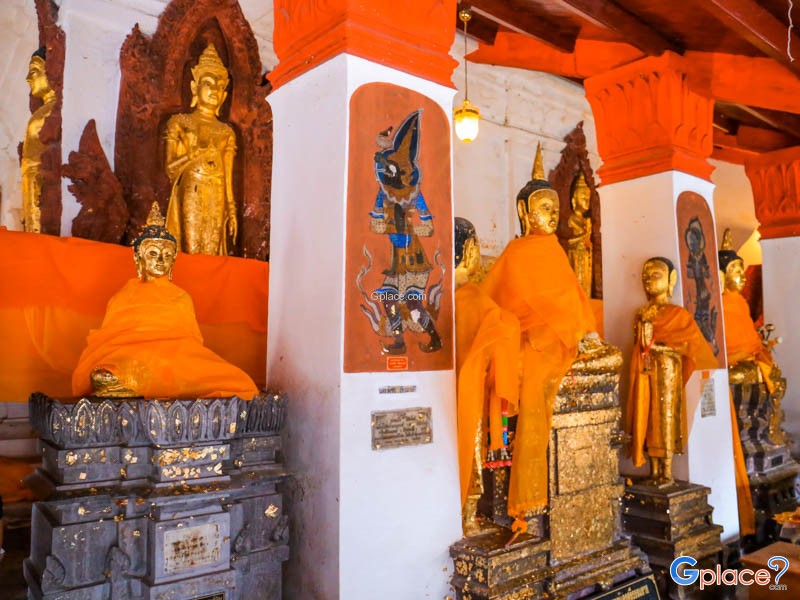
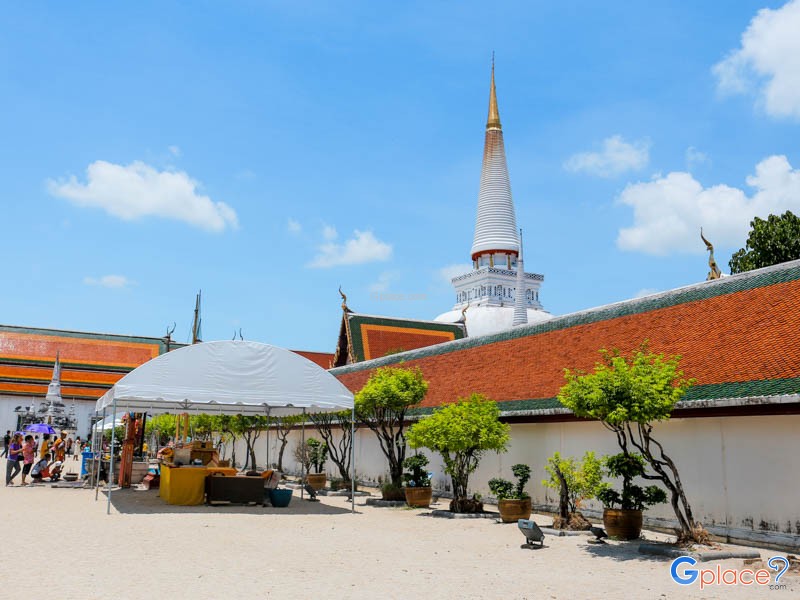
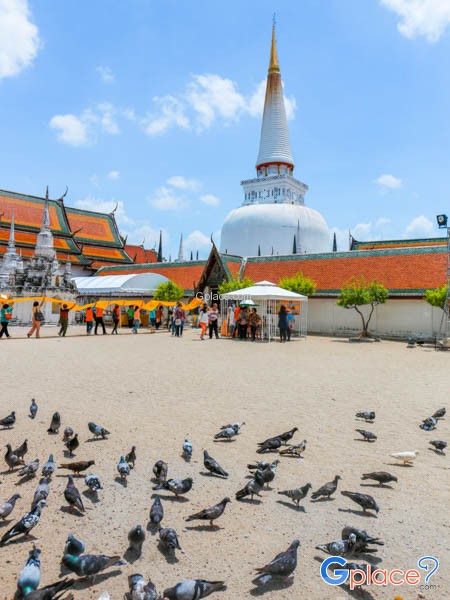
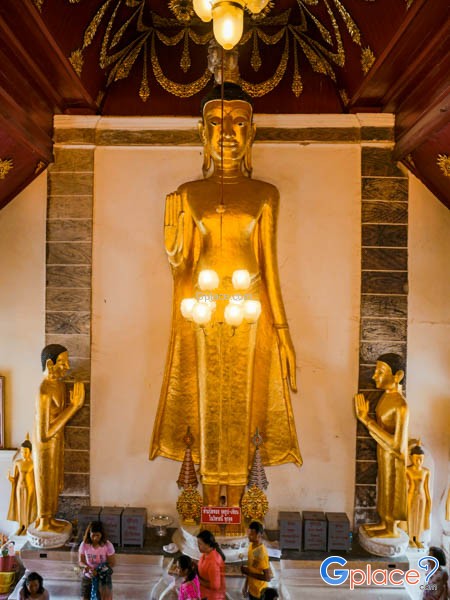
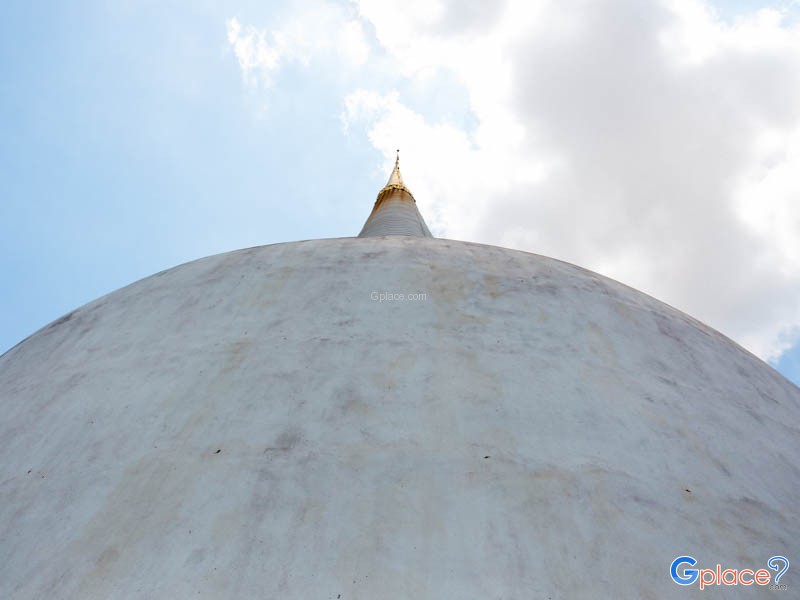
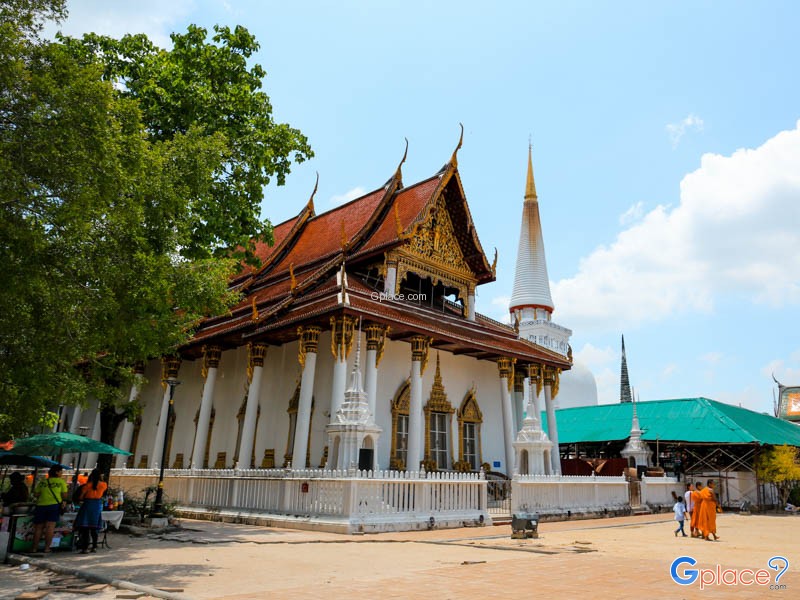
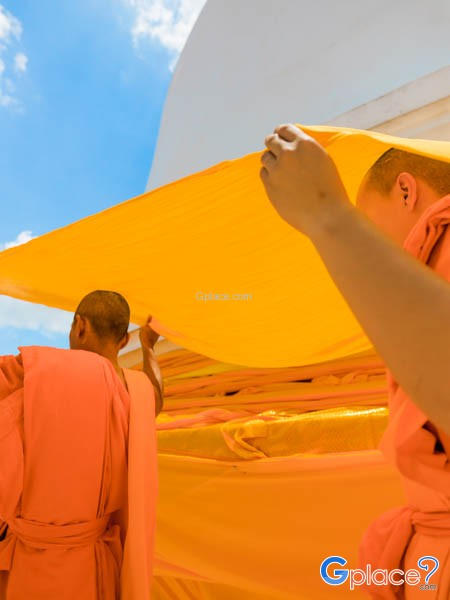
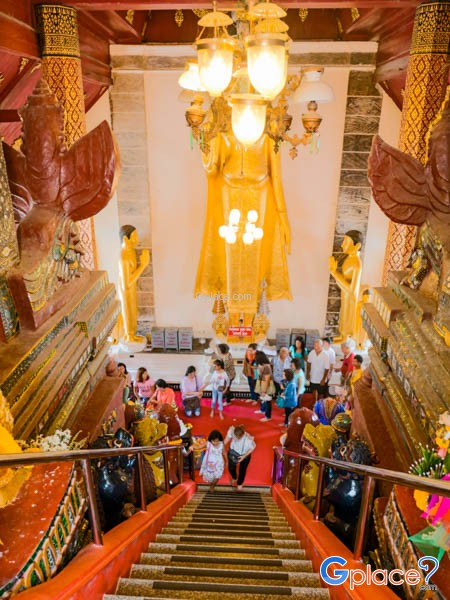

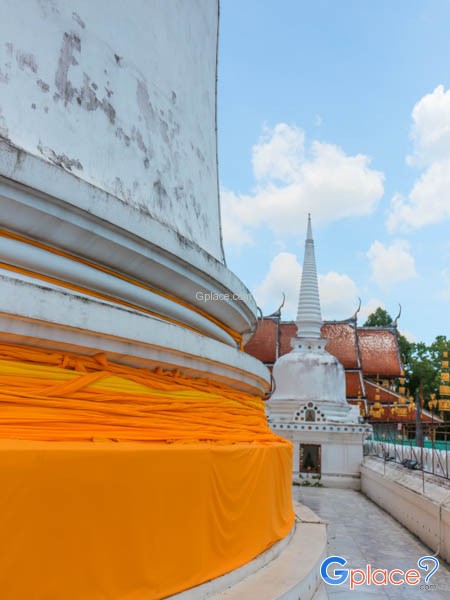


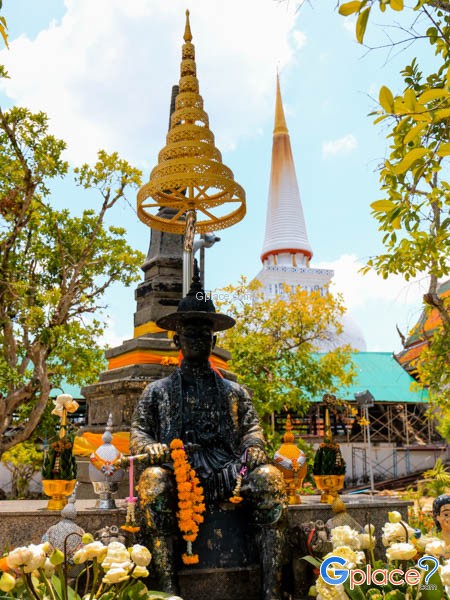
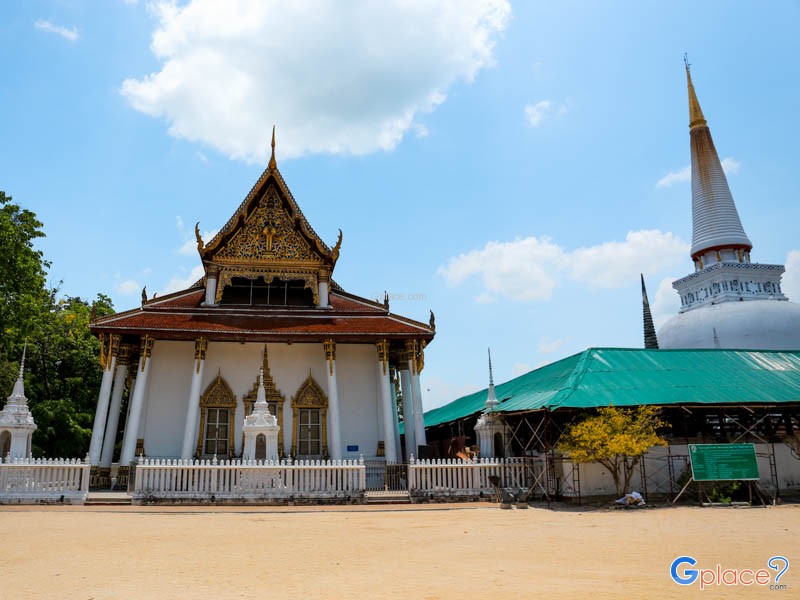
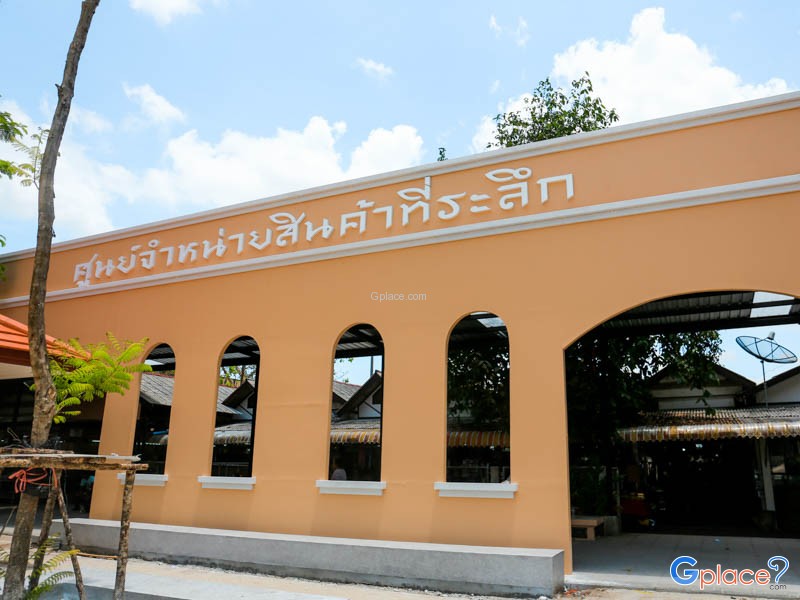
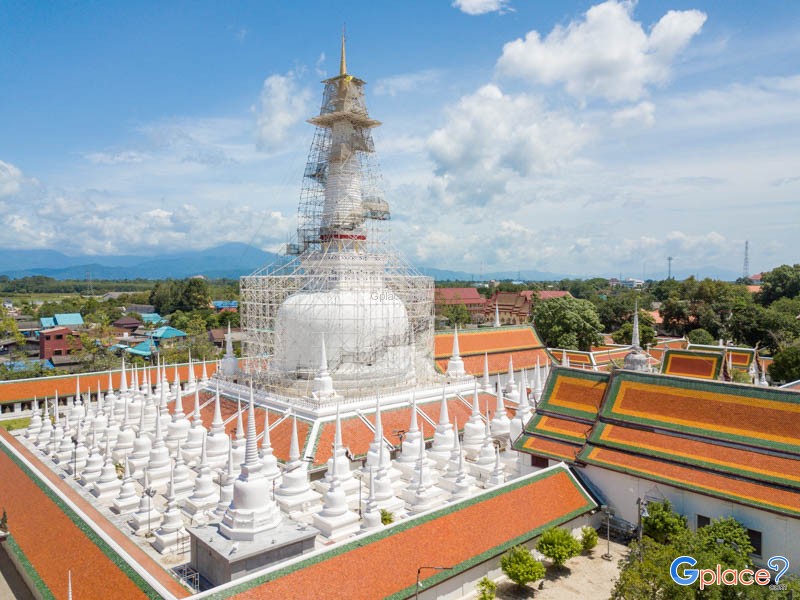
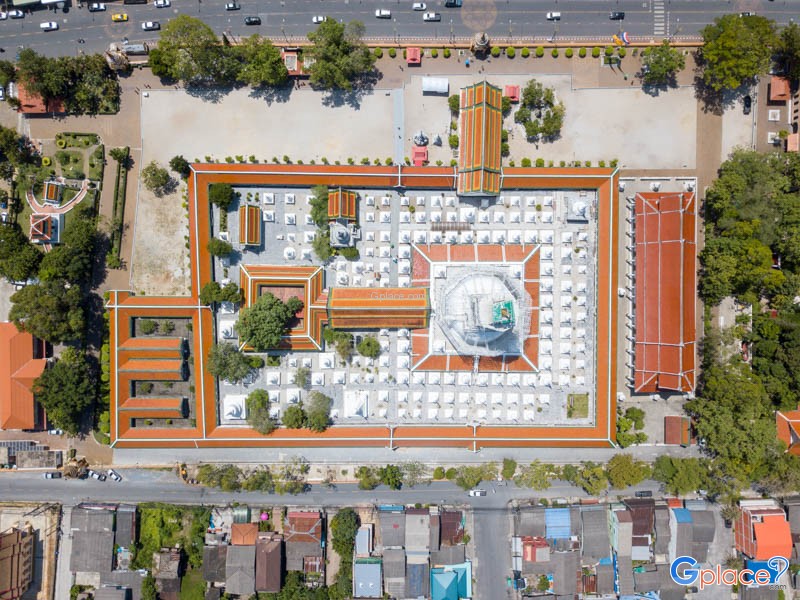
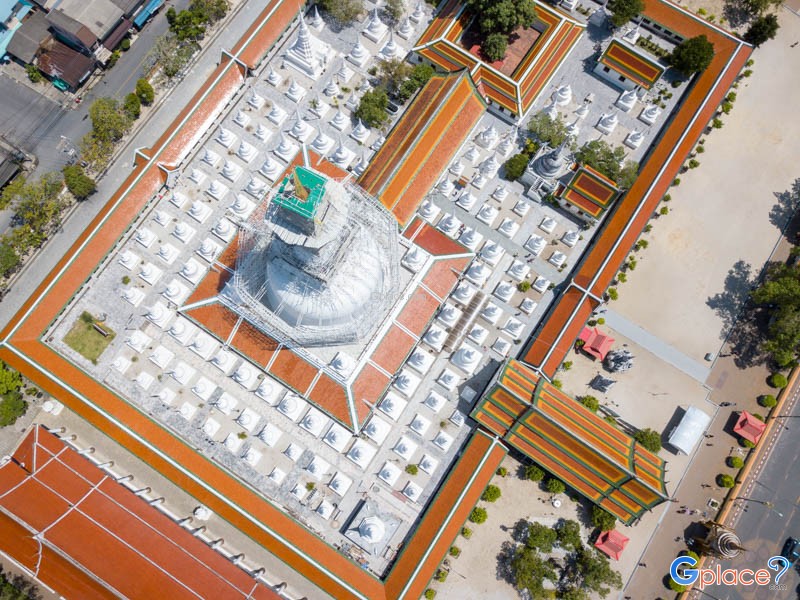
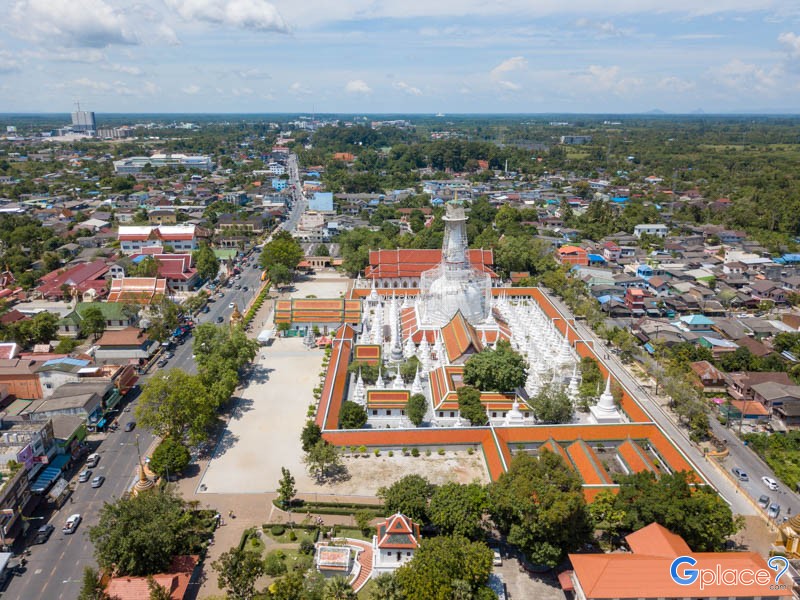
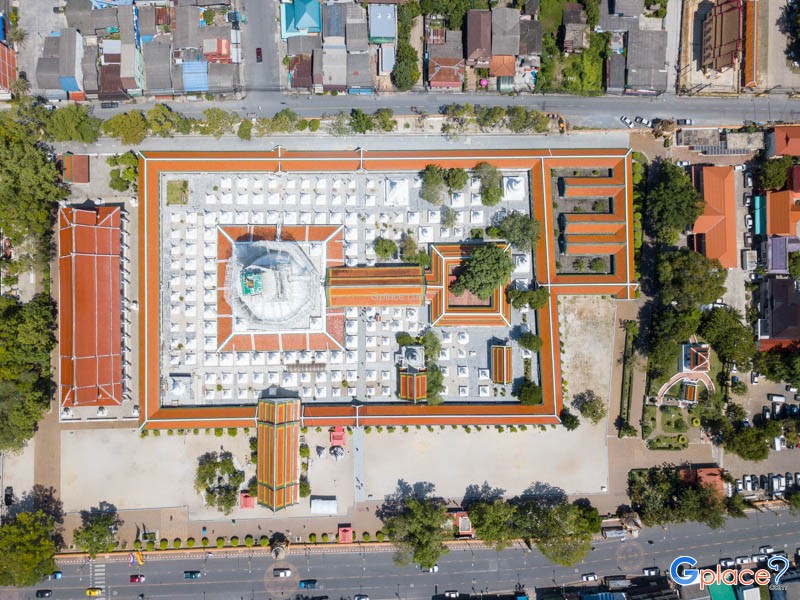
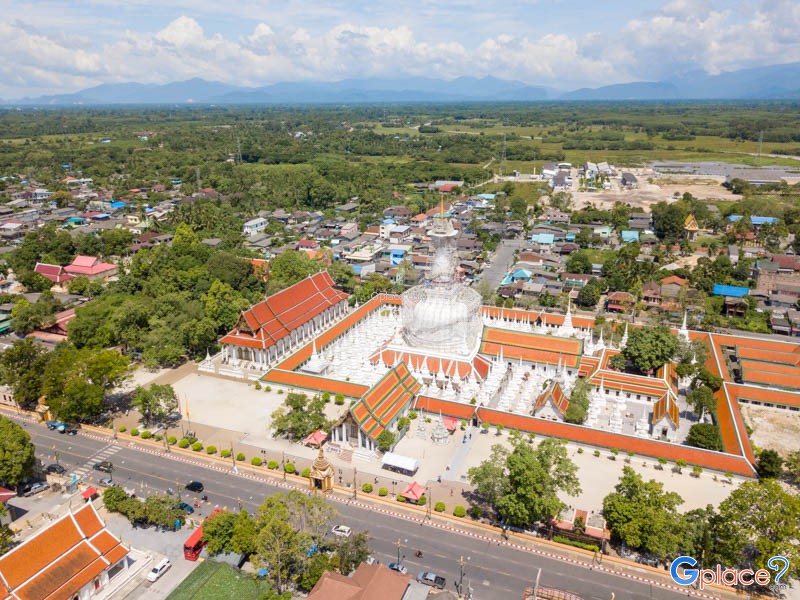
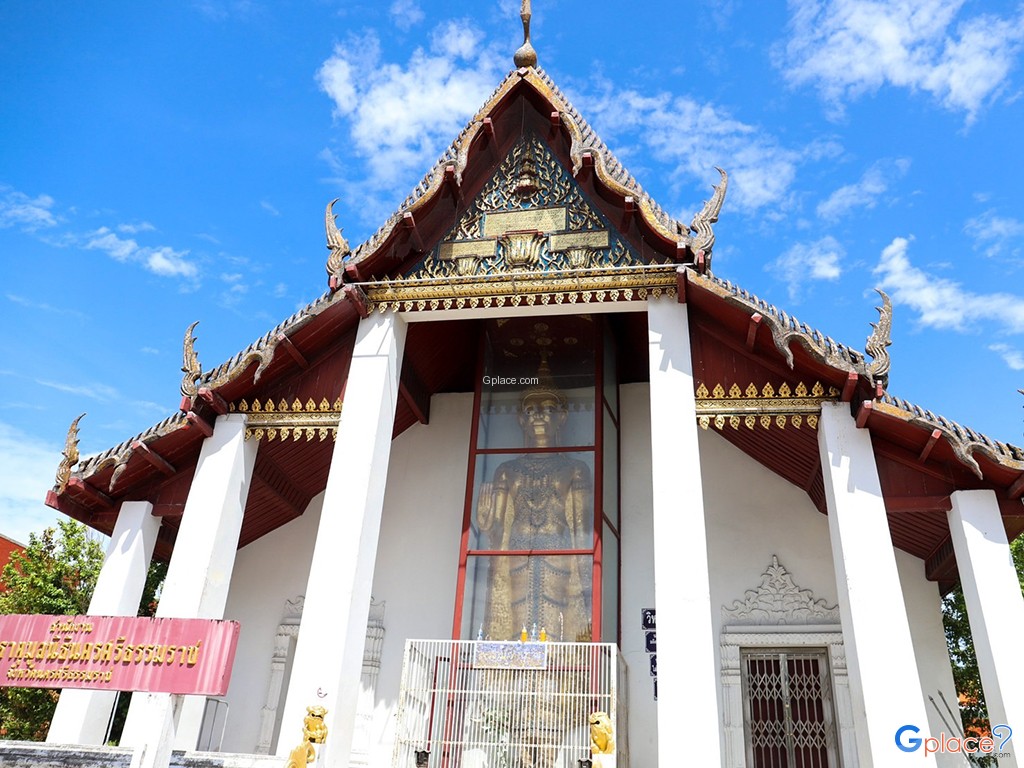
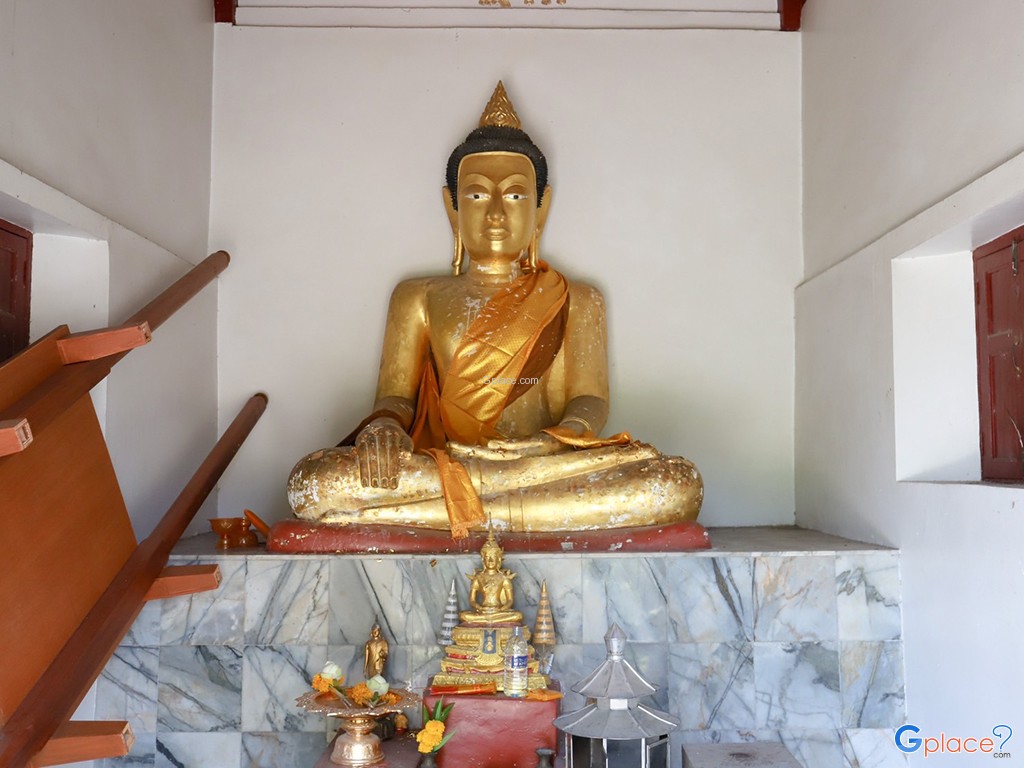
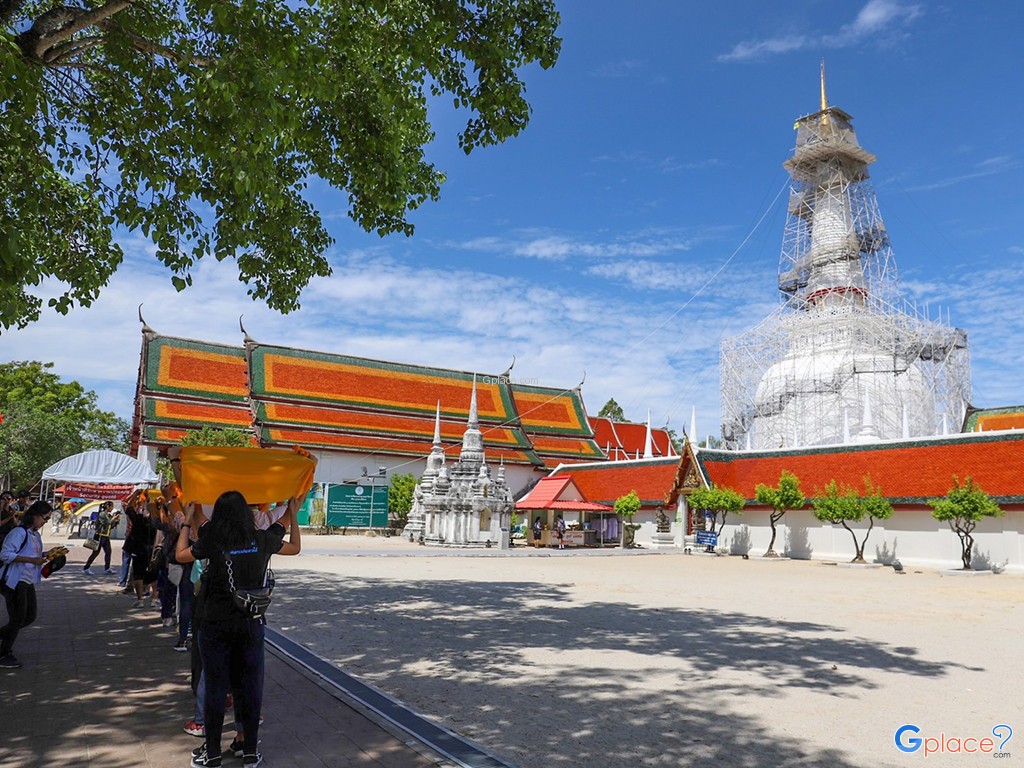
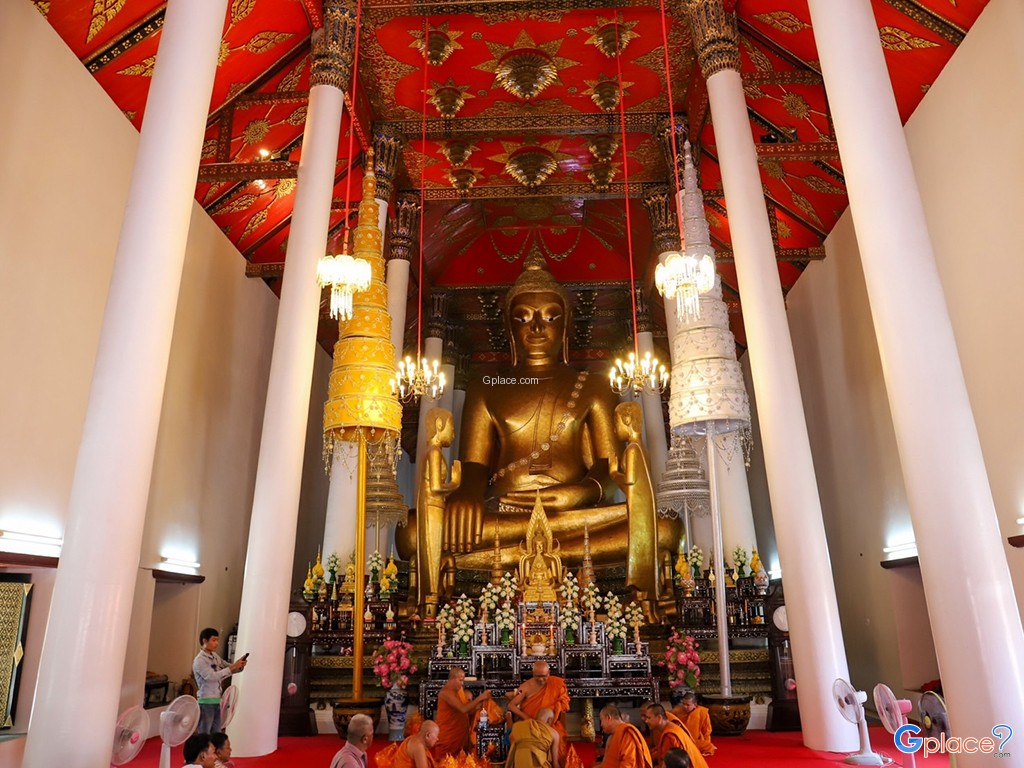
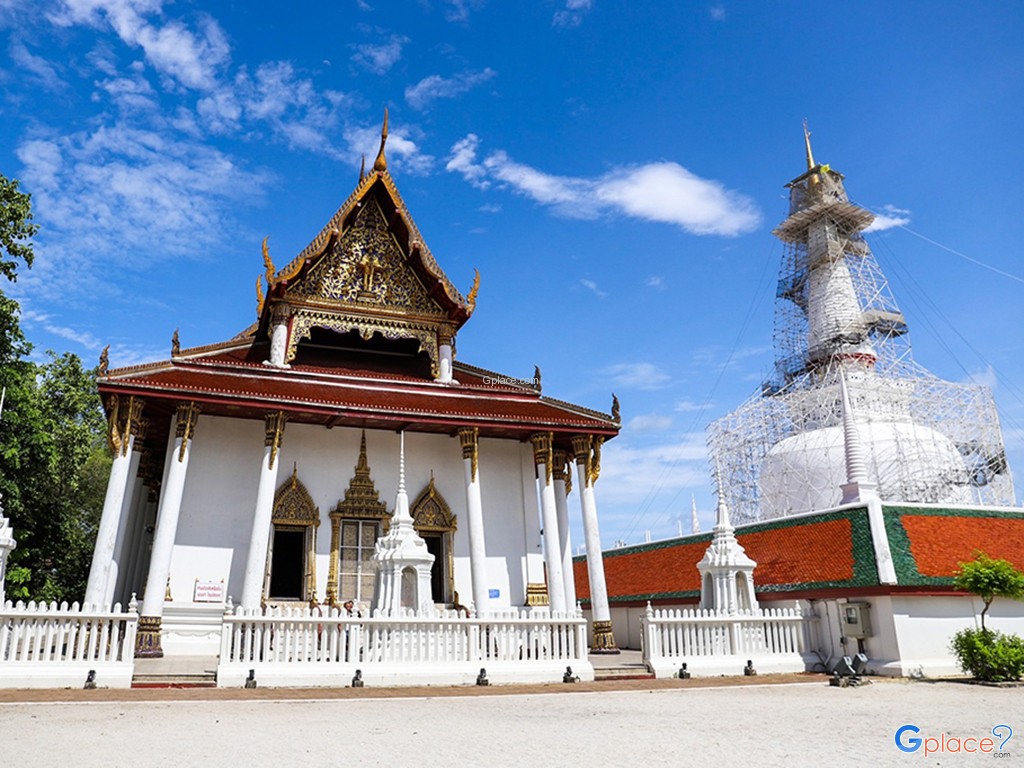
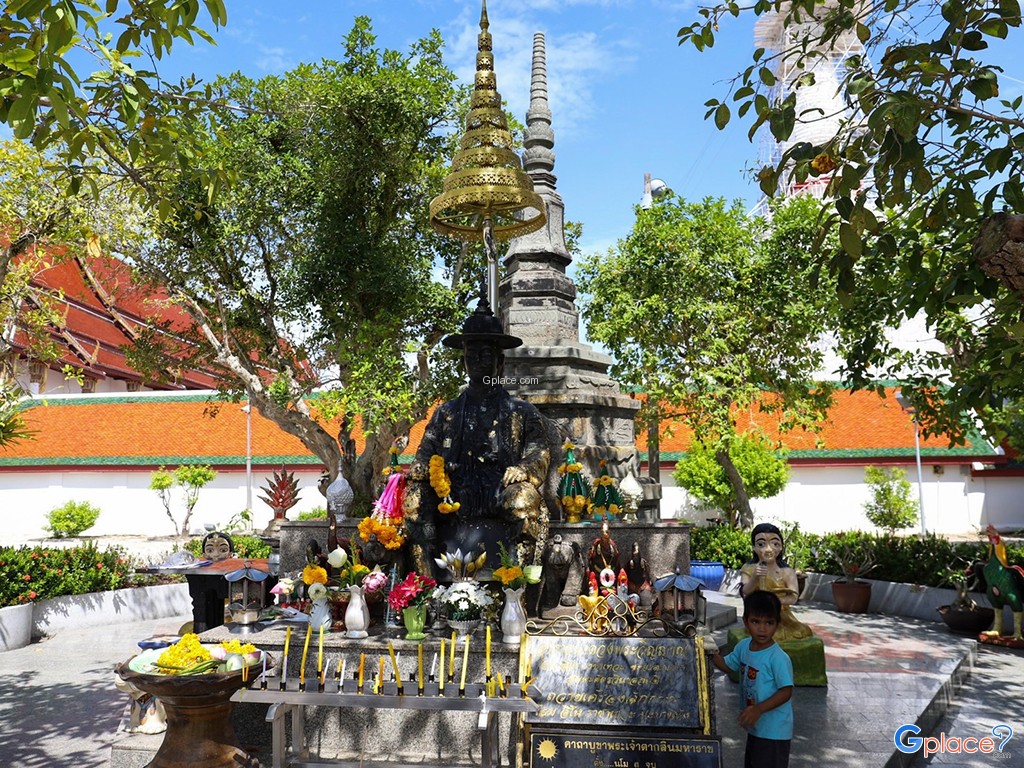
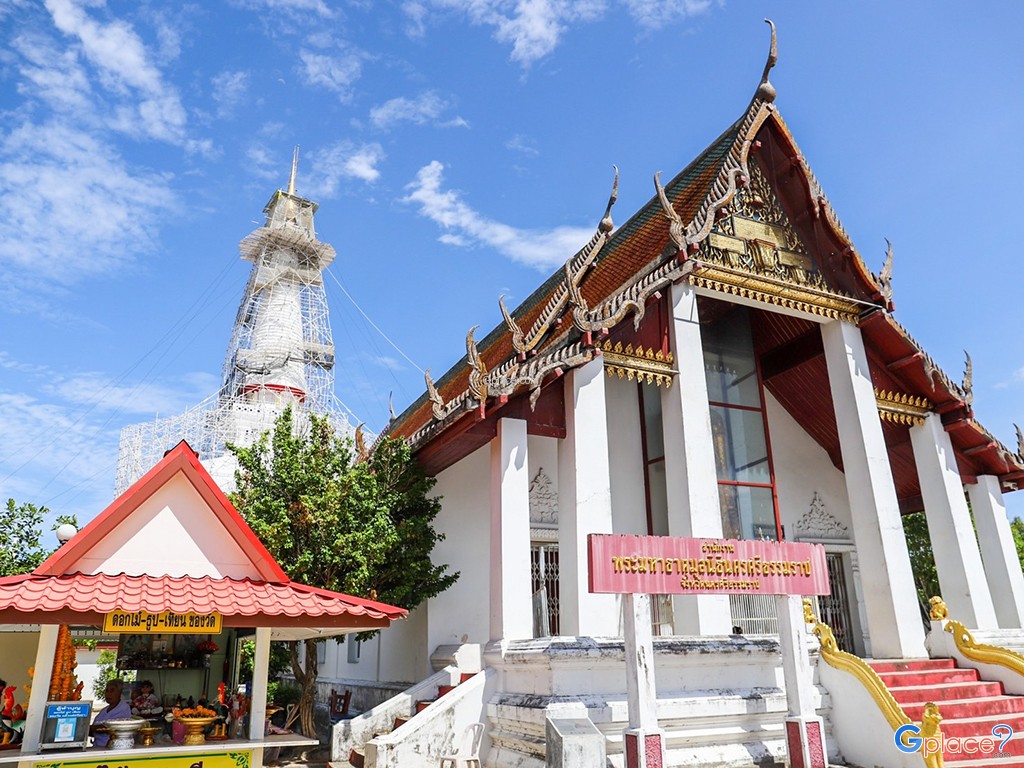
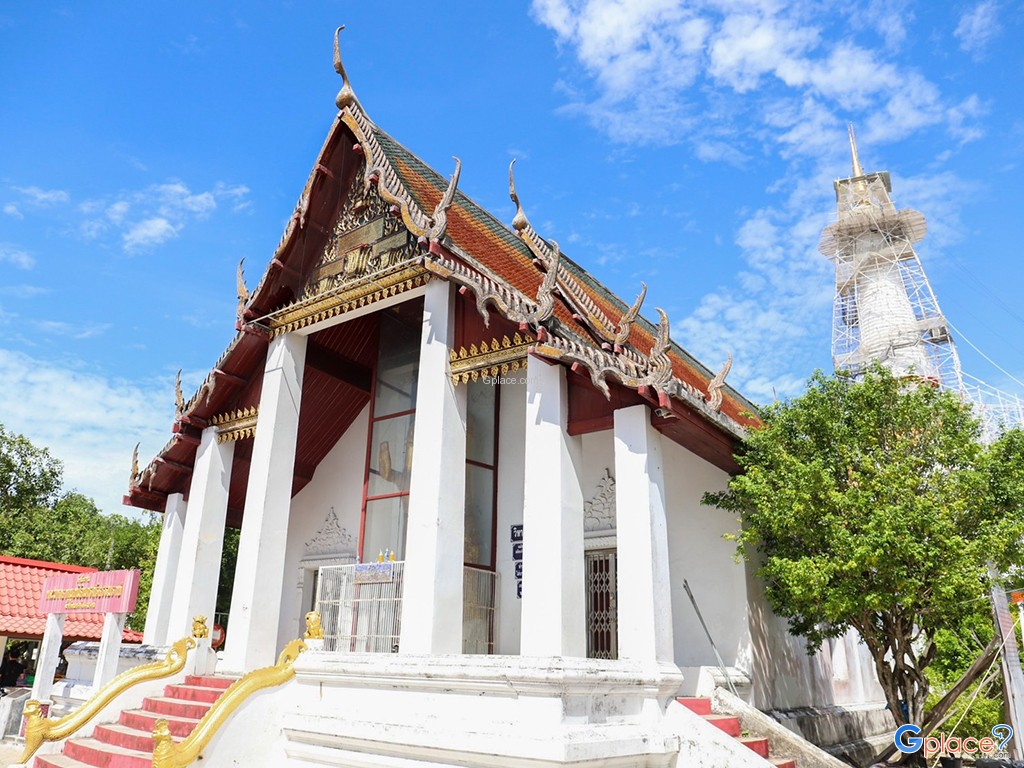
“The towering Sri Lankan–style Phra Borommathat Chedi with its “solid gold spire” and the miraculous phenomenon known as the “Shadowless Buddha Relic.””
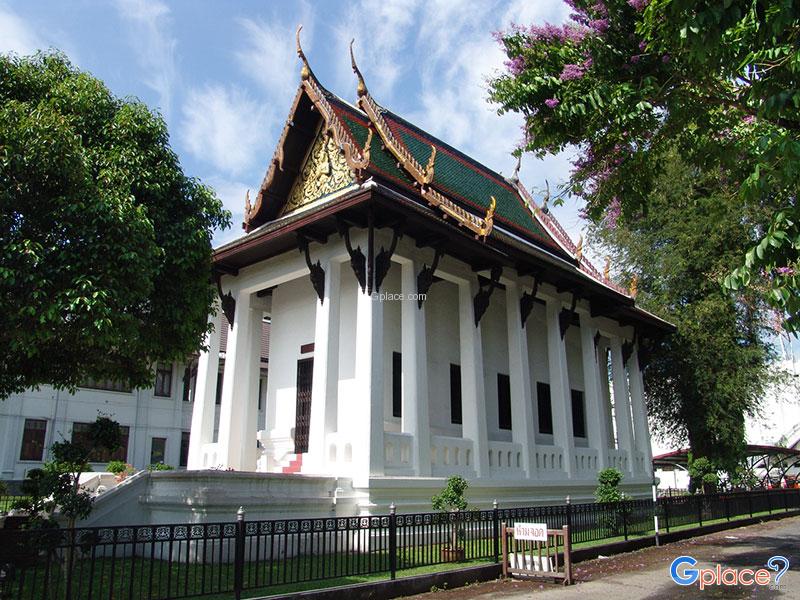
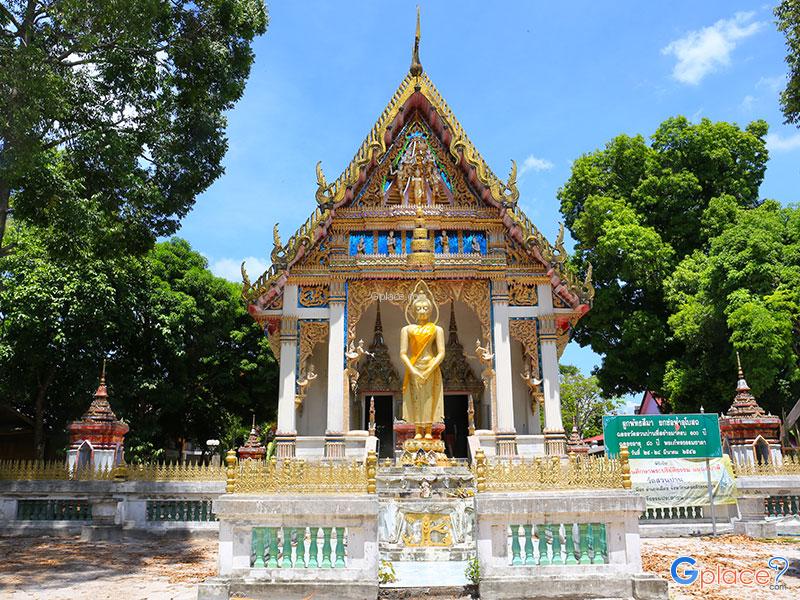
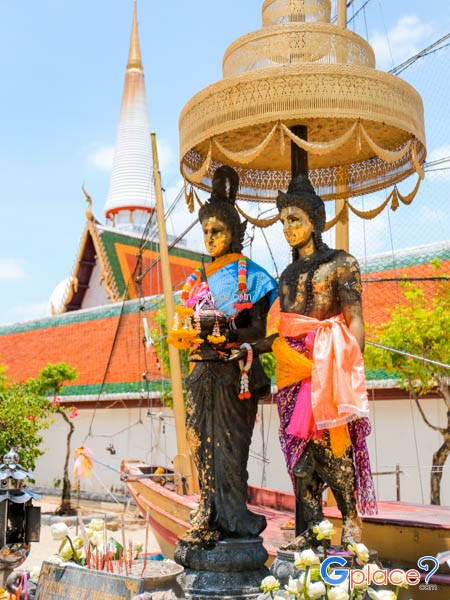
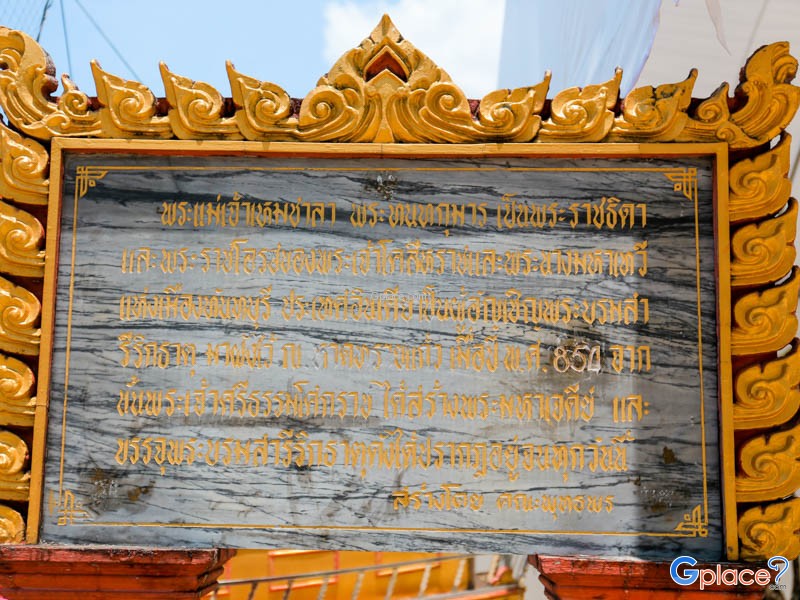
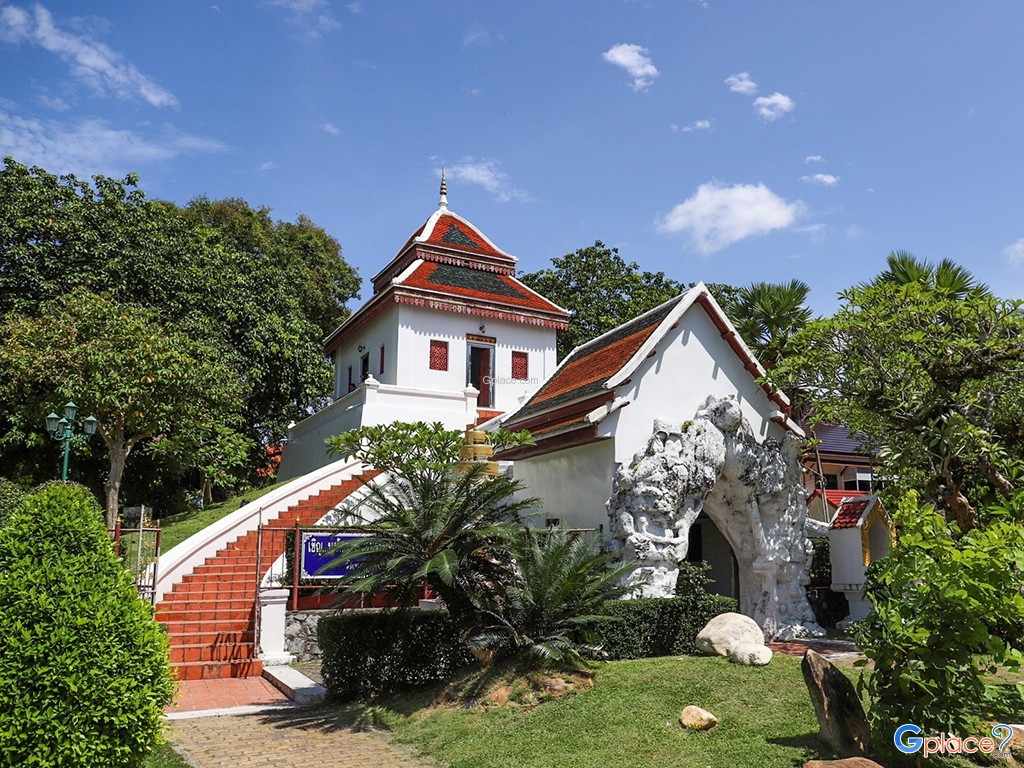
Wat Phra Mahathat Woramahawihan is located along Ratchadamnoen Road in Nai Mueang Subdistrict. Wat Phra Mahathat is a first-class royal monastery of the Woramahawihan category. Formerly known as Wat Phra Borommathat, it is one of the most important sacred sites in southern Thailand and the country as a whole. According to the legend of Phra Borommathat Nakhon Si Thammarat, the Buddha’s relics arrived at Hat Sai Kaew (Crystal Sand Beach) with Princess Hemachala and Prince Dantha Kumara around 834 A.D., leading to the construction of the Phra Borommathat to enshrine the sacred relics.
The rulers of Nakhon Si Thammarat continually carried out construction and decorative enhancements to strengthen the faith and devotion of the people toward the Phra Borommathat. During the Srivijaya period, it was built as a Srivijaya-style stupa. Later, during the reign of King Chandrabhanu around 1247 A.D. (B.E. 1790), a Sri Lankan–style stupa was constructed to encase the original Srivijaya stupa within. The Phra Borommathat Chedi, enshrined within Wat Phra Mahathat Woramahawihan, remains the highest revered sacred monument of the people of Nakhon Si Thammarat and all southern Thais.
There is no definitive historical evidence regarding the original construction. According to legend, the original stupa was built following Mahayana Buddhist beliefs around 757 A.D. (B.E. 1300) during the Tambralinga Kingdom, featuring Srivijaya-style architecture. Later, contact with Sri Lankan monks—especially during the reign of King Chandrabhanu Si Thammarat—led to the invitation of Lankan monks to establish a monastic order in Nakhon Si Thammarat, marking the establishment of the Lankan Buddhist tradition. At that time, the original stupa was severely deteriorated, prompting the monks to restore it in the Sri Lankan architectural style by constructing a Lankan stupa over the original structure. This resulted in an inverted bell-shaped stupa attached to the crystal wall, with replica Buddha relic stupas installed at all four corners of the wall.
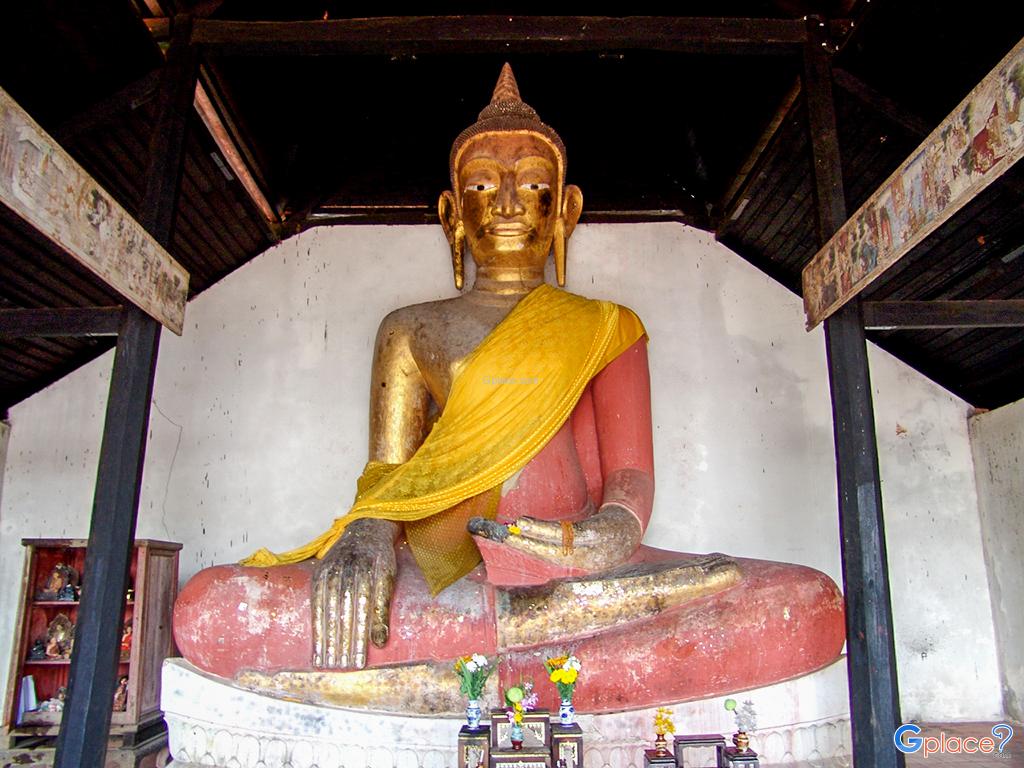
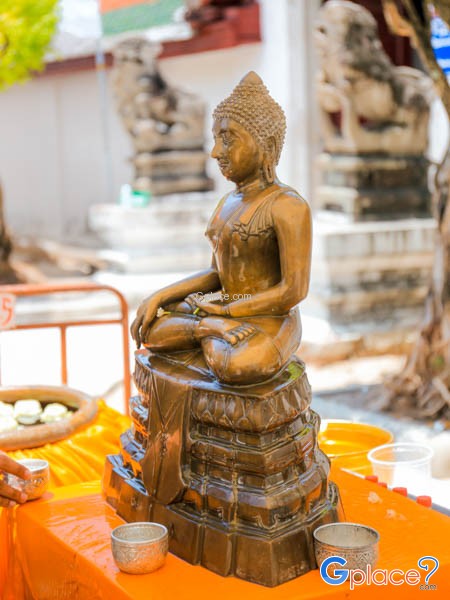
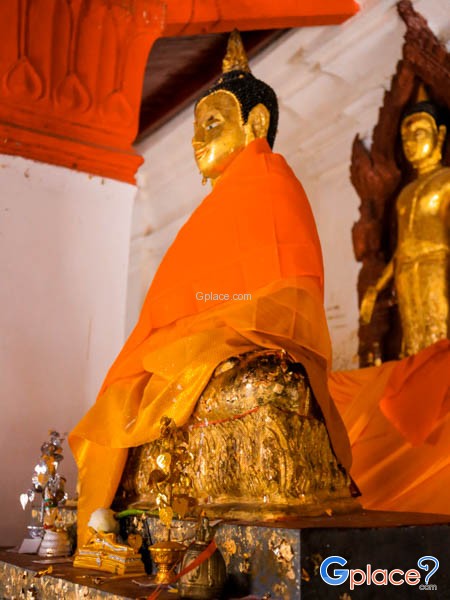
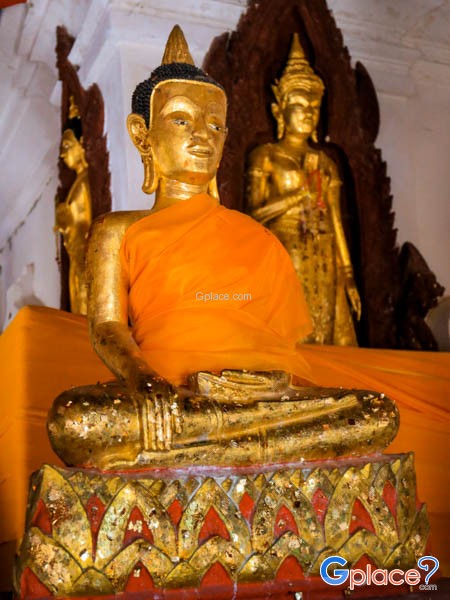
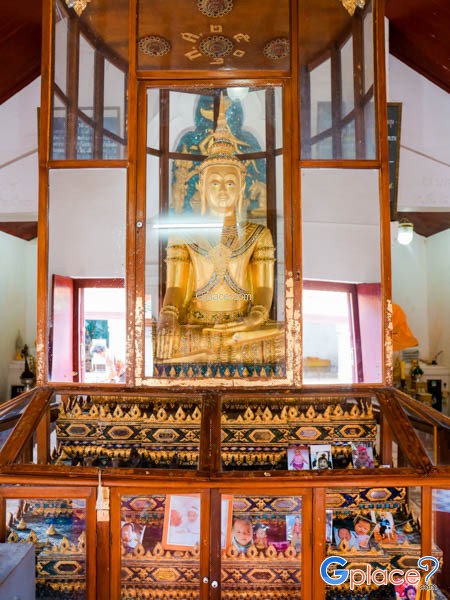
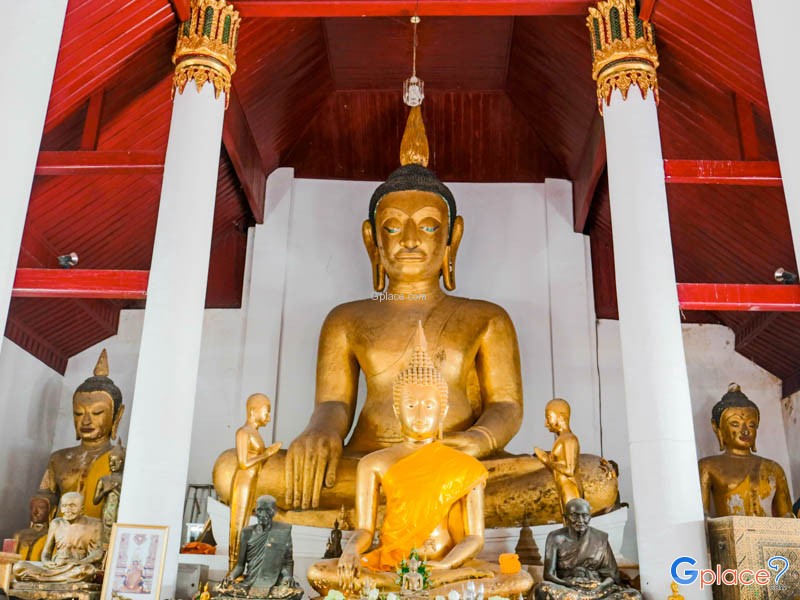
Phra Phuttha Sihing is the sacred Buddha image of Nakhon Si Thammarat. Historical records state that around 1250 A.D. (B.E. 1793), King Chandrabhanu Si Thammarat launched a naval expedition to Sri Lanka and brought back Phra Phuttha Sihing. The image was ceremonially enshrined together with the Phra Borommathat Chedi in 1250 A.D., with Queen Luead Khao leading the procession in place of King Chandrabhanu on the return from Sri Lanka.
Phra Phuttha Sihing displays artistic characteristics of the Nakhon Si Thammarat school, known as the “Khanom Tom” style. It is enshrined in the Phra Phuttha Sihing Hall within the former Palace of the Nakhon ruler, now the Provincial Hall. The public may enter to pay respects during official working hours.
History of Wat Phra Mahathat, Nakhon Si Thammarat
- 854 A.D. (B.E. 854): Prince Dantha Kumara and Princess Hemachala, along with Bhikkhu monks from Sri Lanka, constructed Wat Phra Mahathat Woramahawihan (formerly Wat Phra Borommathat Nakhon Si Thammarat). The original stupa was a Srivijaya-style stupa resembling the Kiri Vehera in Polonnaruwa, Sri Lanka.
- 1093 A.D. (B.E. 1093): King Chandrabhanu founded the city of Nakhon Si Thammarat and constructed a new stupa in the Sanchi style.
- 1770 A.D. (B.E. 1770): King Chandrabhanu restored the Phra Borommathat Chedi in the Sri Lankan inverted bell style, featuring 52 rings, a height_ of 37 wa and 2 sok from base to spire, and a gold-covered spire weighing 800 chang, with 158 surrounding stupas.
- 1612 & 1616 A.D. (B.E. 2155 & 2159): During the reign of King Ekathotsarot, repairs were made to the gold sheets on the stupa spire.
- 1647 A.D. (B.E. 2190): During the reign of King Prasat Thong, the spire collapsed and was rebuilt.
- 1732–1758 A.D. (B.E. 2275–2301): During the reign of King Borommakot, the entrance to the stupa near the Song Ma Hall was modified.
- 1769 A.D. (B.E. 2312): During the reign of King Taksin the Great, major restorations were carried out and the Thap Kaset Hall was constructed. Reign of King Rama II: Chao Phraya Nakhon Si Thammarat (Phat) restored damaged structures.
- 1914 A.D. (B.E. 2457): During the reign of King Rama VI, a lightning conductor was installed on the stupa.
- 1972–1974 A.D. (B.E. 2515–2517): Restoration of the main hall and ordination hall.
- 1987 A.D. (B.E. 2530): Repair of the gold lotus petals; on August 28, His Royal Highness the Crown Prince installed new gold lotus plates.
- 1994–1995 A.D. (B.E. 2537–2538): Restoration of the golden spire with a budget of 50 million baht, using 141 baht-weight of gold.
How to Get There
- Private Car: From downtown Nakhon Si Thammarat, drive along Ratchadamnoen Road heading south. The temple is on the right-hand side, with parking available at both the front and rear of the temple.
- Public Transport: Take the blue songthaew on the “Stadium – Hua Thanon” route or a Mazda minibus, which pass in front of the temple throughout the day. From the airport, limousine vans or minibuses can take you directly to the temple.
Travel Tips
- As this is the most sacred site, visitors should dress modestly. Sarongs are available for borrowing at the entrance.
- Recommended Time: 08:30 – 10:00 AM to avoid intense heat.
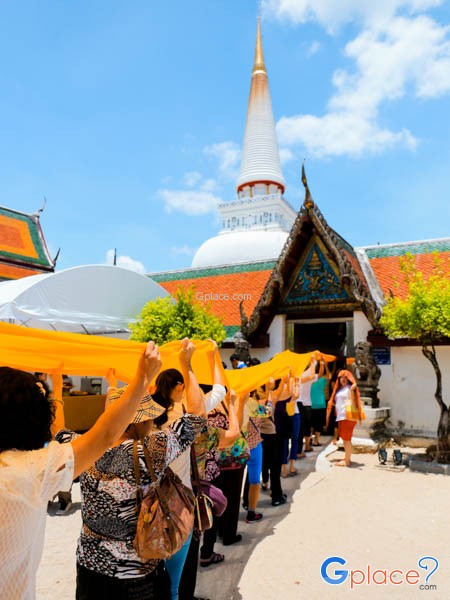
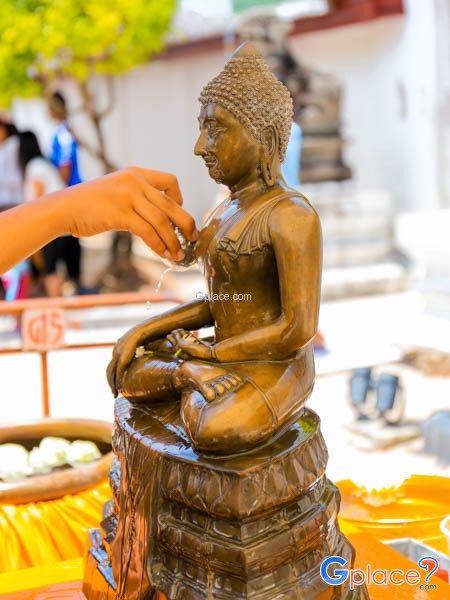
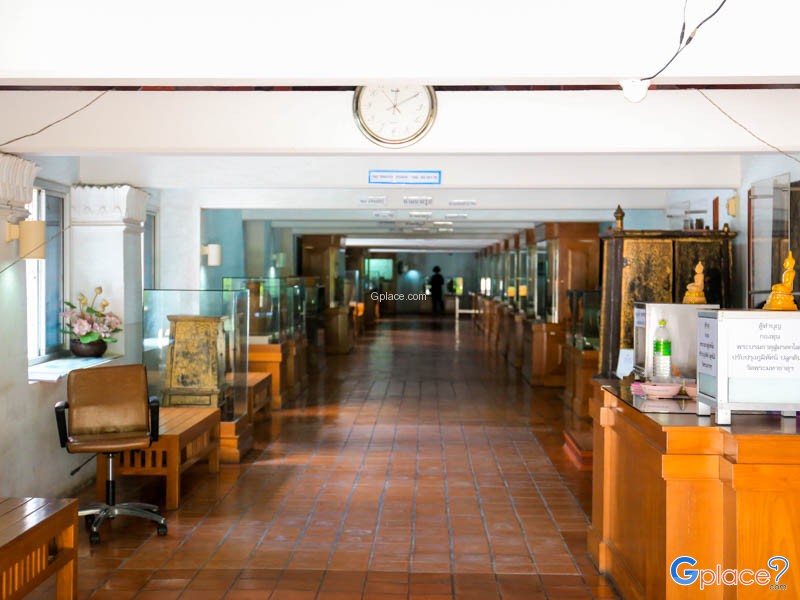
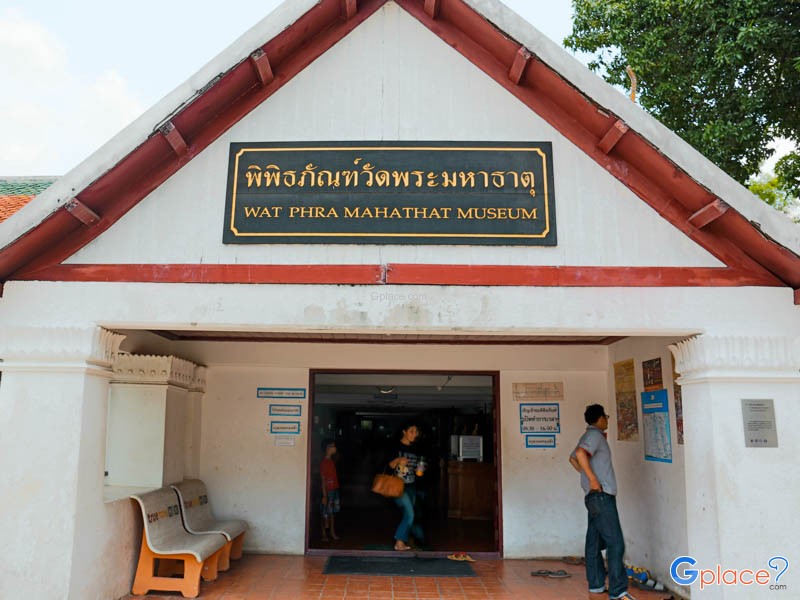
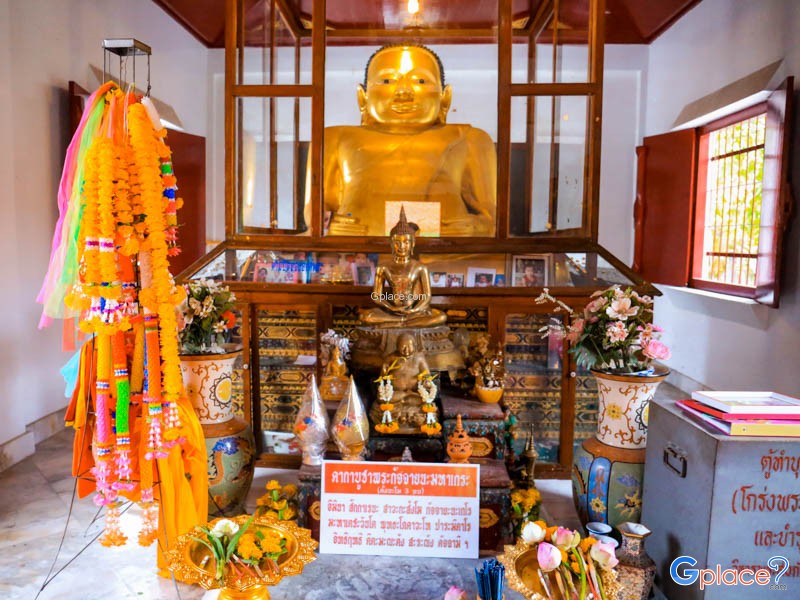
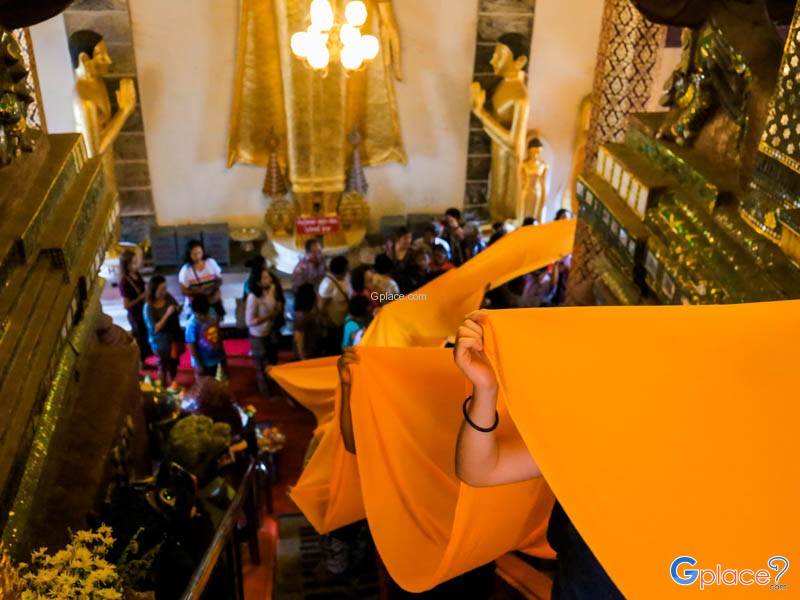
- Participate in merit-making by offering cloth to wrap the stupa and visit the temple museum displaying ancient artifacts and gold offerings.
Admission Fee:
- Free admission (foreign visitors may be charged a small fee for certain services, such as museum entry).
Opening Hours:
- Open daily
- Monday–Thursday: 08:30 – 16:30
- Friday–Sunday & Public Holidays: 08:30 – 17:00
Wat Phra Mahathat Woramahawihan

 Share
Share
 435 Ratchadamnoen Road, Nai Mueang Subdistrict, Mueang District, Nakhon Si Thammarat 80000
Map
435 Ratchadamnoen Road, Nai Mueang Subdistrict, Mueang District, Nakhon Si Thammarat 80000
Map
 Open now : 8.30 - 16.30
Mon8.30 - 16.30
Tue8.30 - 16.30
Wed8.30 - 16.30
Thu8.30 - 16.30
Fri8.30 - 17.00
Sat8.30 - 17.00
Sun8.30 - 17.00

 https://www.thai-tour.com/thai-tour/south/nakornsrithammarach/data/place/pic-wat-mahathat.htm

 6656
6656