 Attractions
  Hotel
Hotel  Restaurant
  Shopping
  Abroad





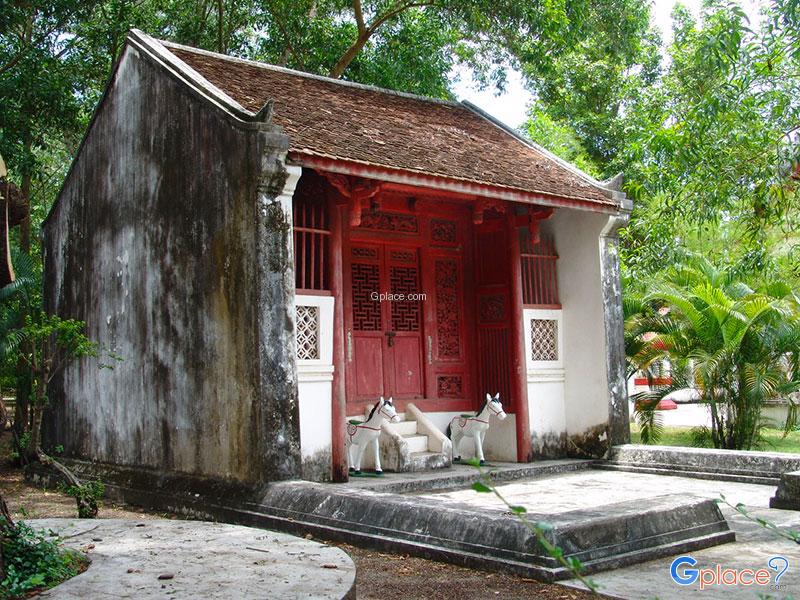

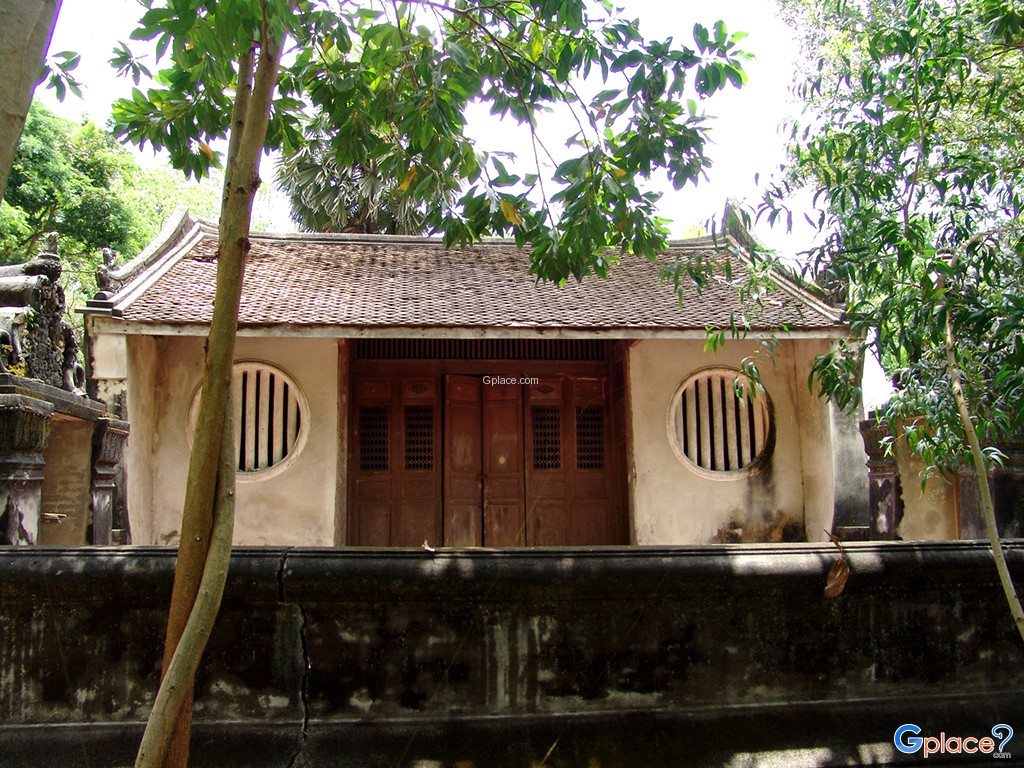
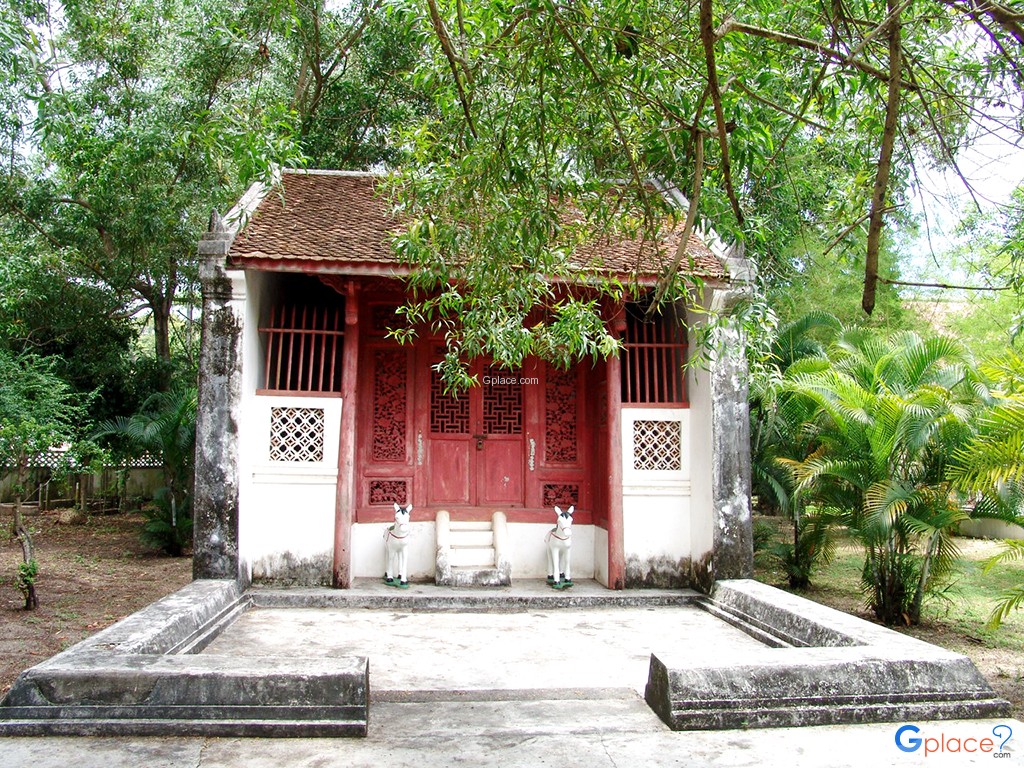
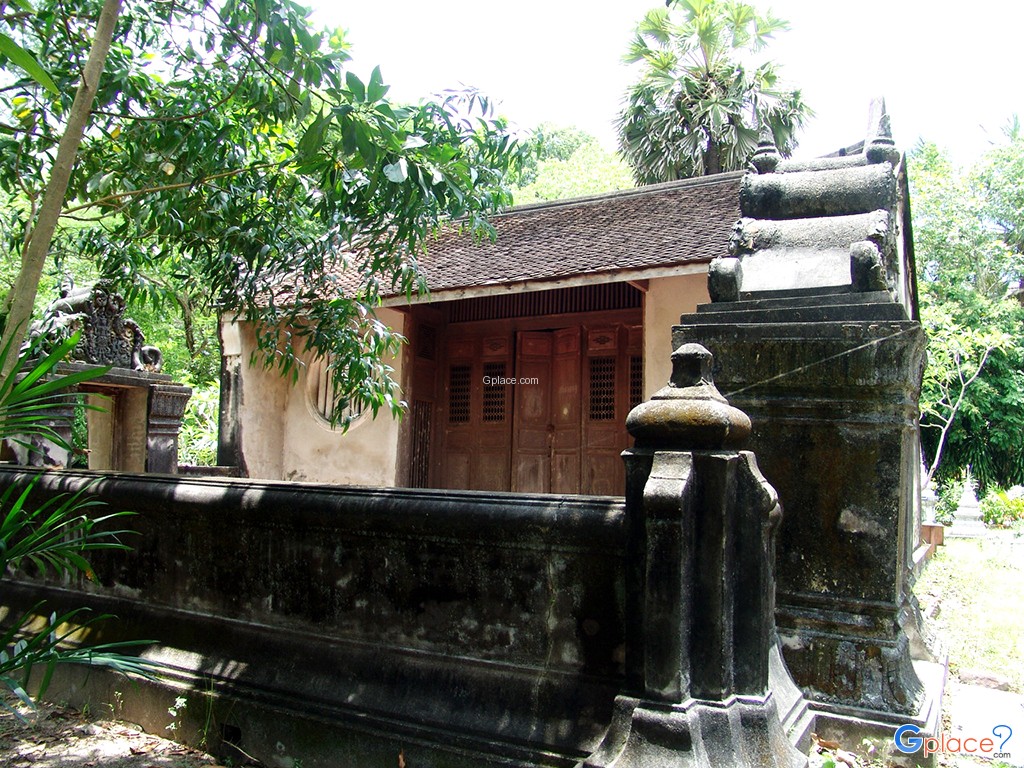
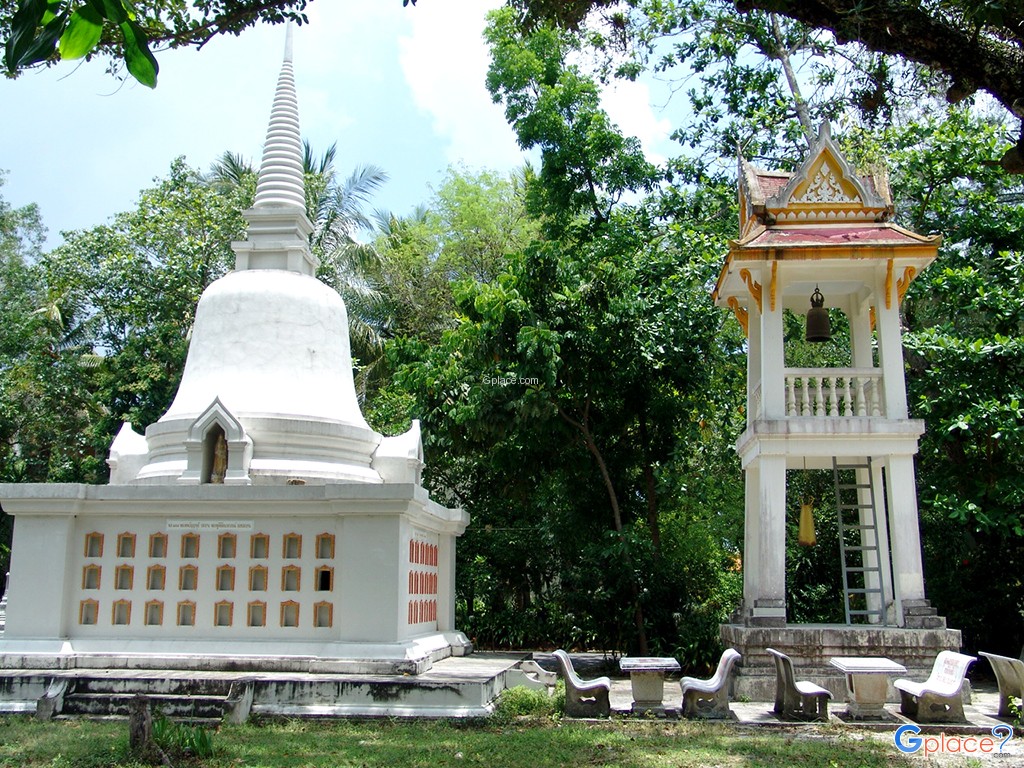
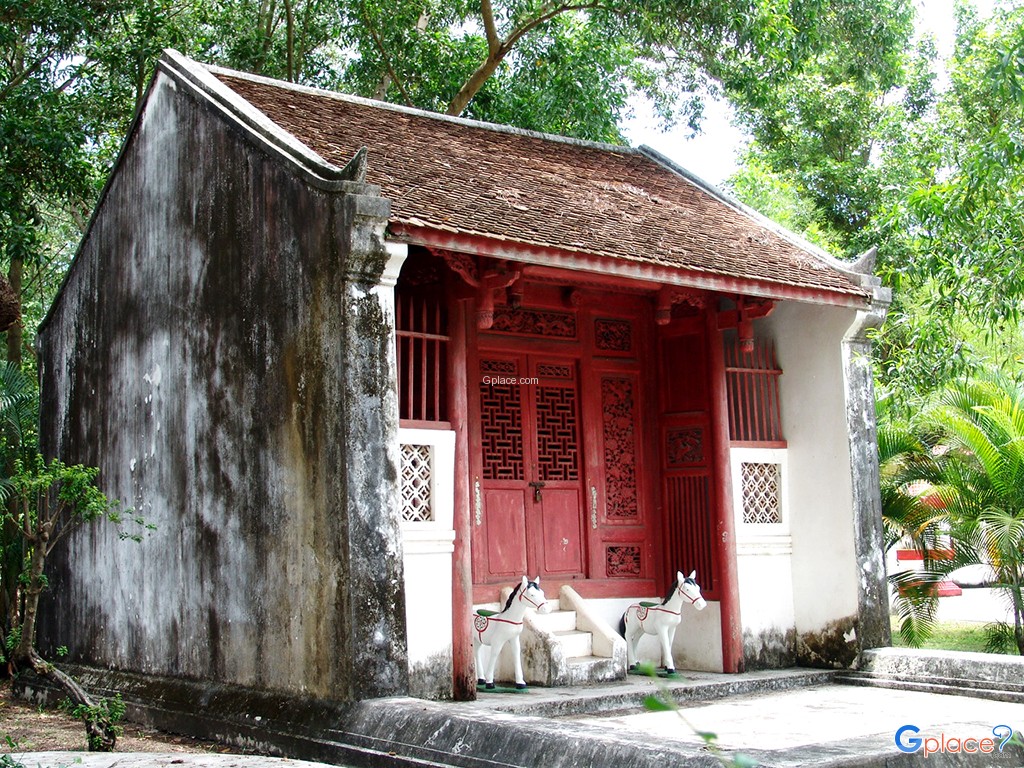
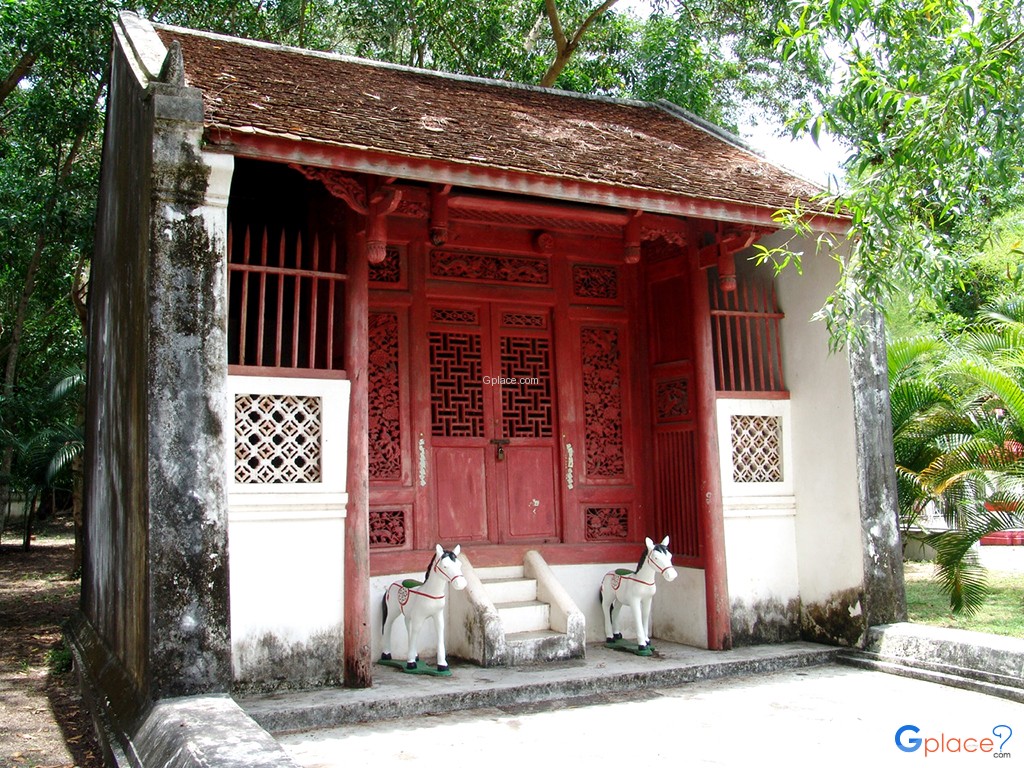
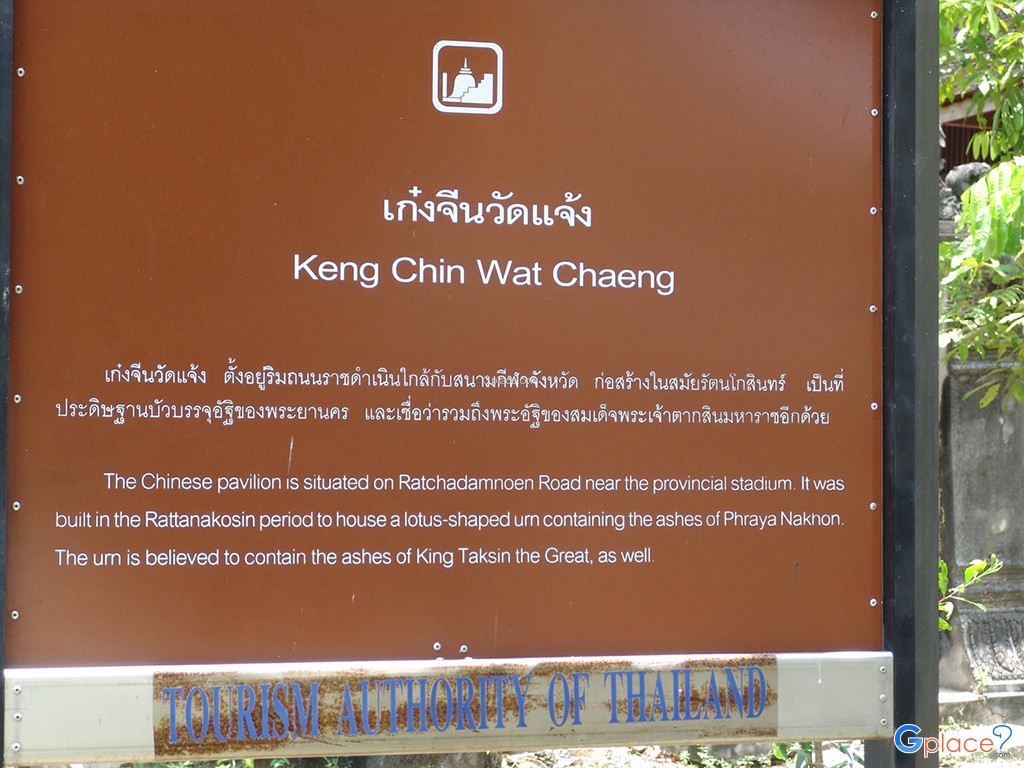
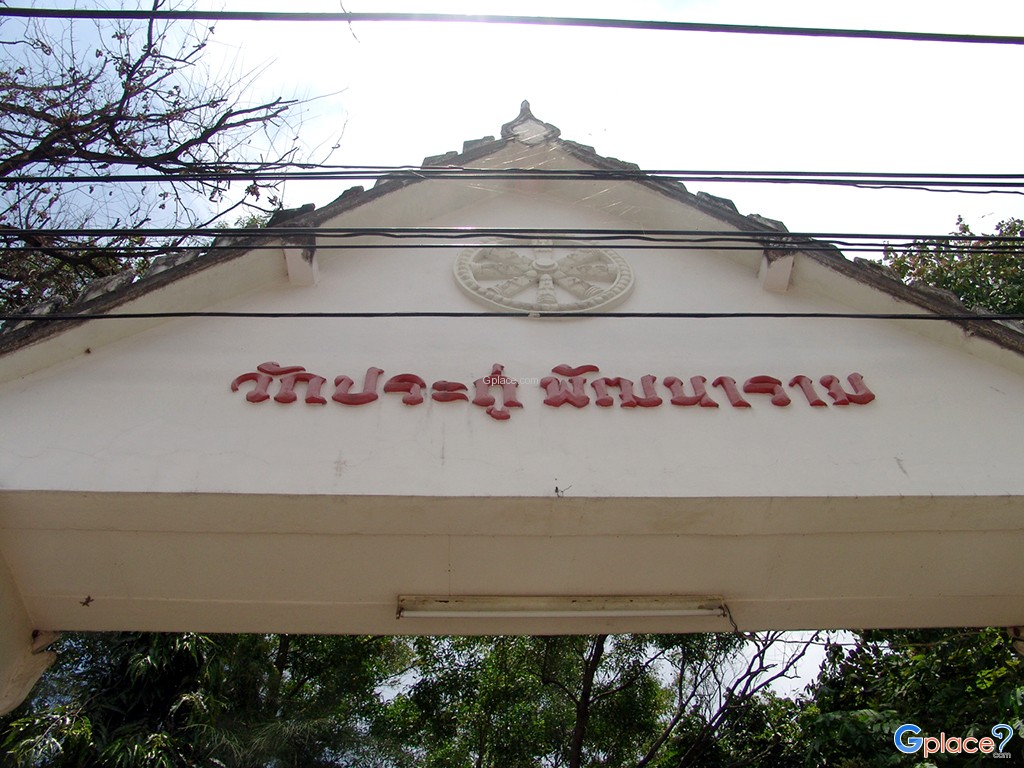
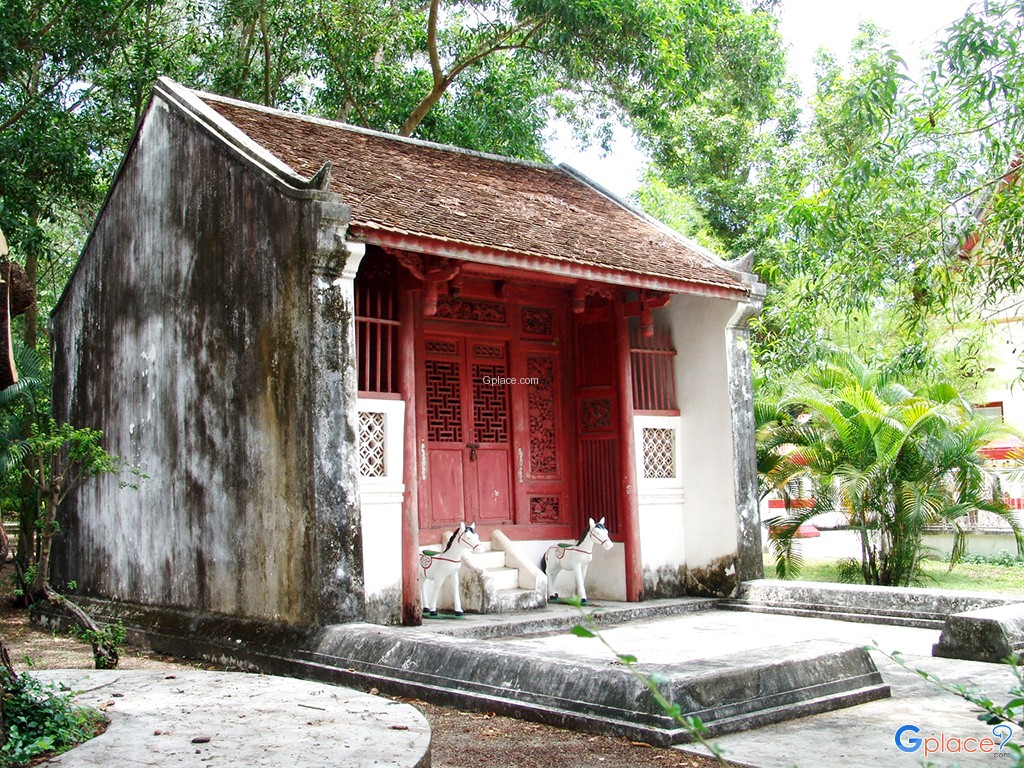
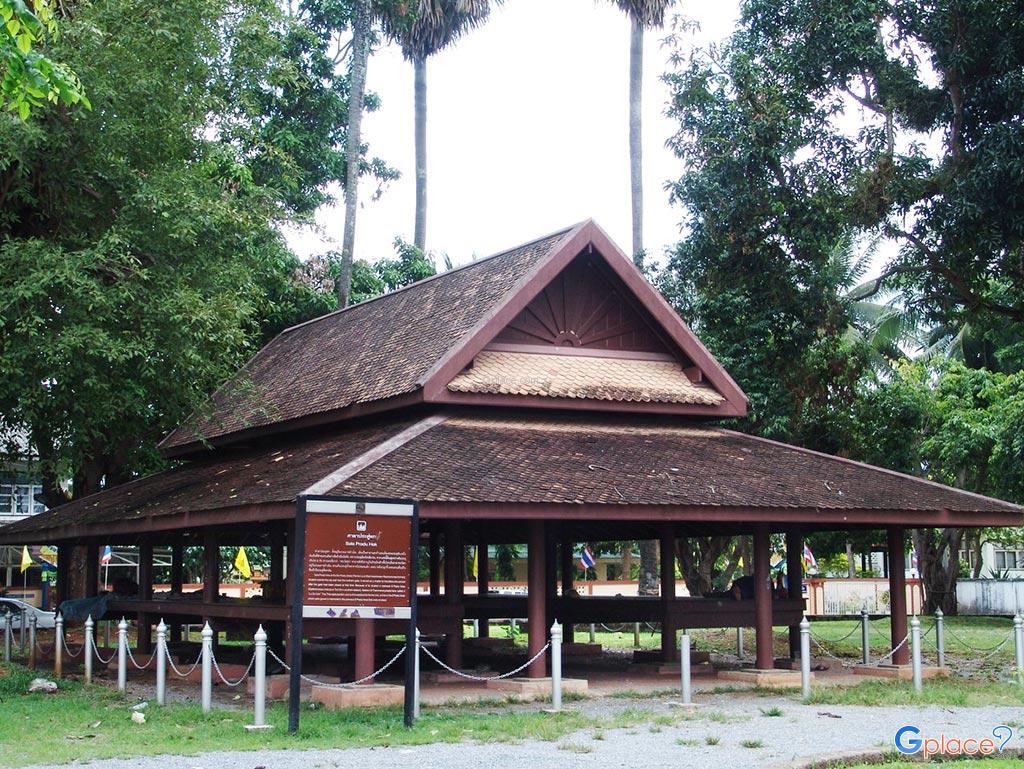
“Ancient Chinese pavilion architecture featuring delicate stucco reliefs and decorative Chinese porcelain mosaic work.”
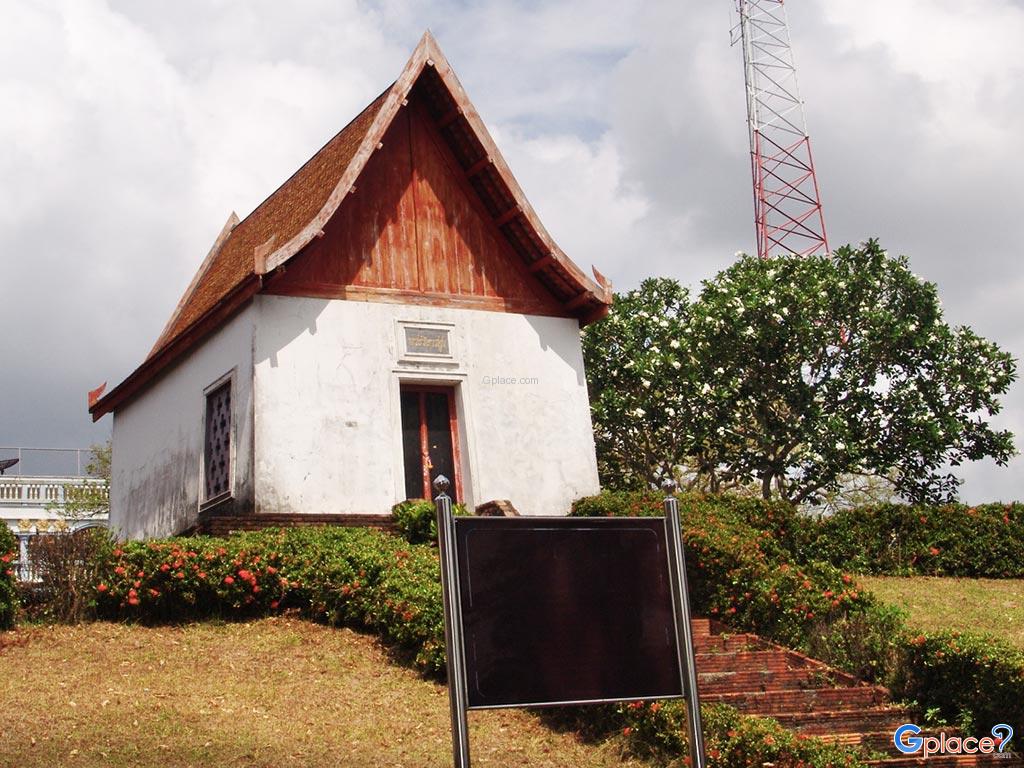
Chinese Pavilion of Wat Pradu Phatthanaram and Wat Chang are located along Ratchadamnoen Road in Mueang District, Nakhon Si Thammarat. The Chinese pavilion at Wat Pradu Phatthanaram is particularly notable as it enshrines the ashes of Chao Phraya Nakhon Si Thammarat (Noi), who according to local historical records and certain beliefs, is said to be a son of King Taksin the Great, born in Nakhon Si Thammarat. The structure is a Chinese-style pavilion constructed of brick and mortar, featuring a gently curved roof typical of southern Chinese art, and adorned with blue-and-white porcelain pieces and Chinese figurines that are rarely seen today.
Meanwhile, the Chinese pavilion at Wat Chang, located nearby, is equally remarkable in craftsmanship. Inside Wat Chang stands a Chinese pavilion that enshrines the ashes of Chao Phraya Nakhon Si Thammarat (Nu) and other members of the Na Nakhon family. The structures of both pavilions serve as important evidence of the flourishing trade and cultural relationships between Thailand and China in the southern provinces during the early Rattanakosin period. Decorative motifs on the pediments and roof edges employ the “Chui Hua” technique, which involves embedding broken porcelain pieces to form floral patterns, auspicious animals, and Chinese-style kanok motifs that remain well preserved.
Today, both Chinese pavilions have been registered as ancient monuments by the Fine Arts Department to preserve architectural works that reflect the lifestyle and status of Nakhon Si Thammarat’s former ruling class. Visitors can experience a serene and solemn atmosphere while learning about the historical foundations of Nakhon Si Thammarat through the artistic details of these small yet highly valuable structures. They are considered cultural heritage sites that continue to symbolize the enduring Thai–Chinese connection to this day.
How to Get There
- Private Car: Drive along Ratchadamnoen Road (the main road in the city) heading north toward the airport. Wat Pradu Phatthanaram and Wat Chang are located along Ratchadamnoen Road in the Tha Wang area, close to each other. Parking is available within the temple grounds.
- Public Transport: Take a songthaew that runs along Ratchadamnoen Road (Stadium–Hua Thanon route), which passes both temples throughout the day, or use a motorized tricycle (local tuk-tuk) from the bus or train station for convenient drop-off at the temples.
Travel Tips
- As both sites are located very close to each other, visitors can plan to explore the Chinese pavilions at Wat Pradu Phatthanaram and Wat Chang in a single visit.
- Please show respect, as these sites enshrine ancestral remains and are located within temple grounds. Proper behavior is advised, and climbing on the monuments is strictly prohibited.
- For photography, morning or late-afternoon light provides the best illumination to capture the details of the porcelain decorations on the pavilion roofs clearly and beautifully.
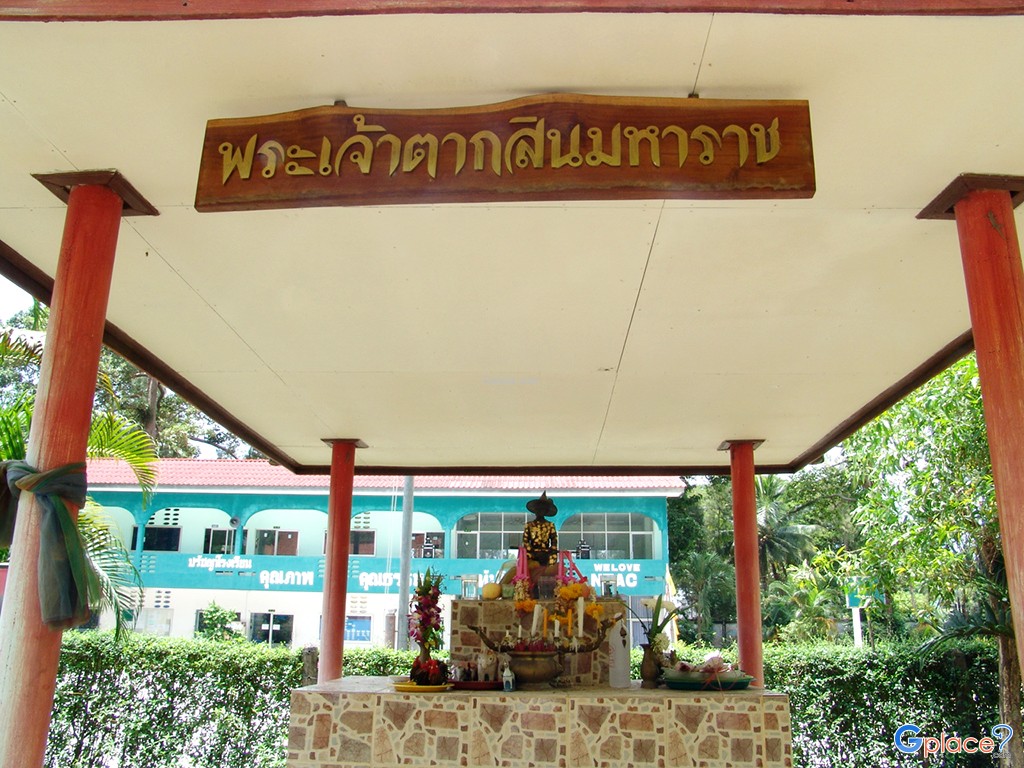
- It is recommended to pay respects at the statue of King Taksin the Great within Wat Pradu Phatthanaram for auspiciousness before exploring the monuments.
Admission Fee:
- Free admission
Opening Hours:
- Open daily from 08:00 – 17:00 (according to temple hours)
Chinese Pavilion of Wat Pradu Phatthanaram and Wat Chang

 Share
Share
 Ratchadamnoen Road, Tha Wang Subdistrict, Mueang District, Nakhon Si Thammarat 80000
Map
Ratchadamnoen Road, Tha Wang Subdistrict, Mueang District, Nakhon Si Thammarat 80000
Map
 Open now : 8.00 - 17.00
Mon8.00 - 17.00
Tue8.00 - 17.00
Wed8.00 - 17.00
Thu8.00 - 17.00
Fri8.00 - 17.00
Sat8.00 - 17.00
Sun8.00 - 17.00

 https://www.thai-tour.com/thai-tour/south/nakornsrithammarach/data/place/pic-chinese-shrine.htm

 5432
5432