 Attractions
  Hotel
Hotel  Restaurant
  Shopping
  Abroad






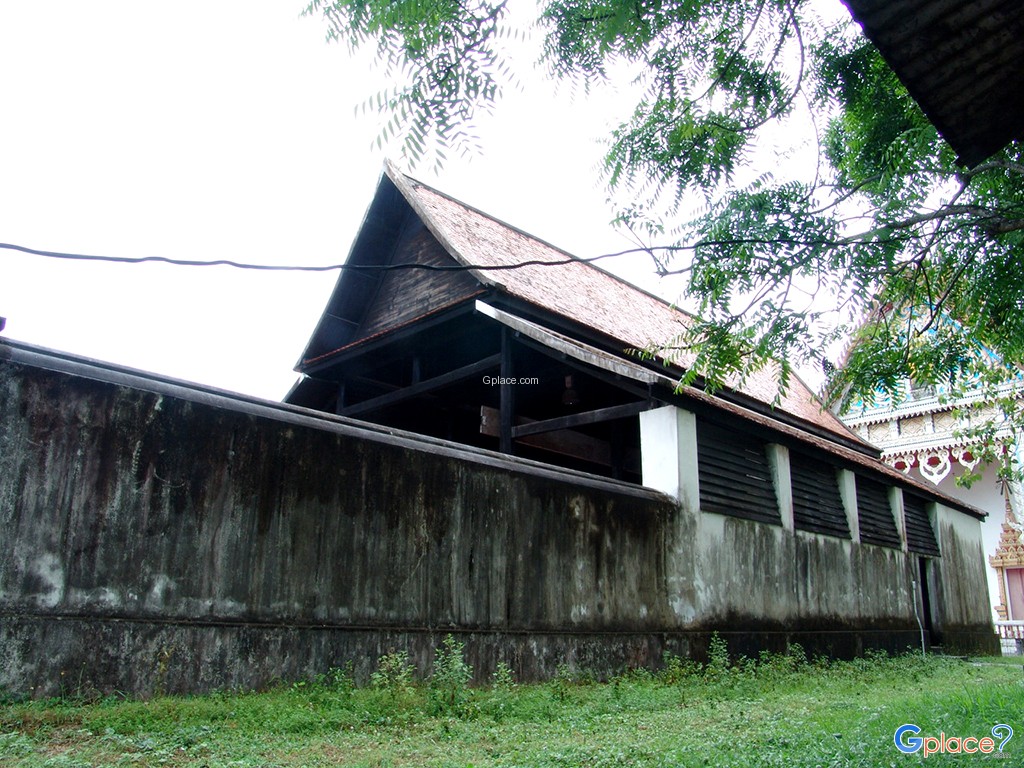
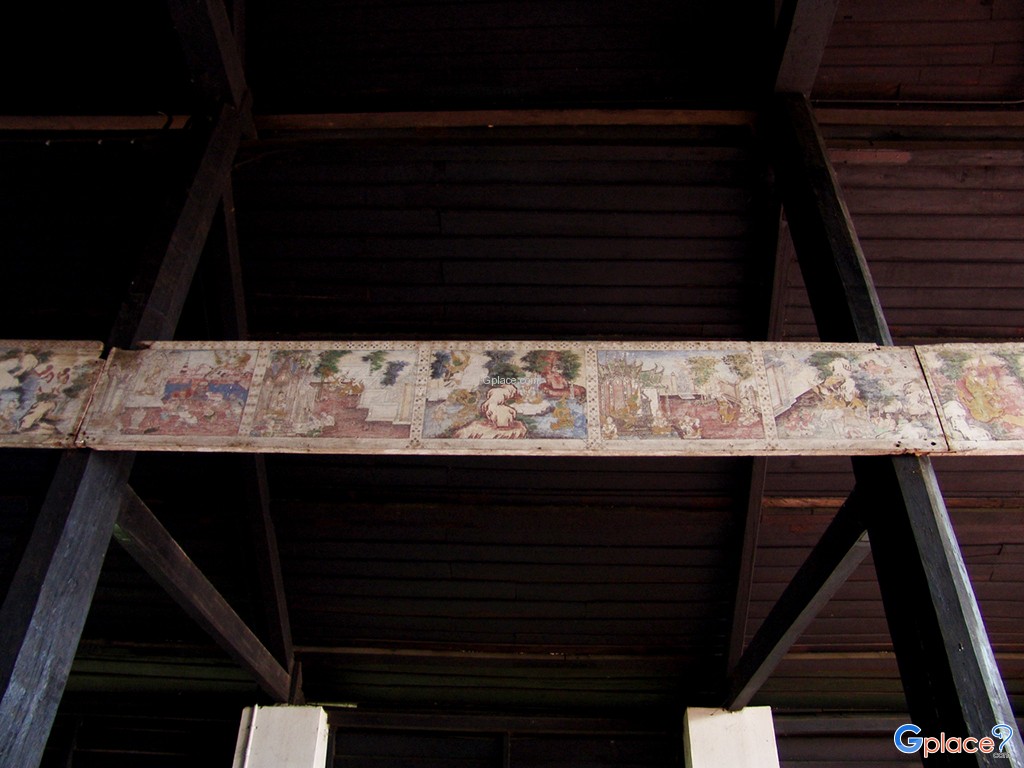
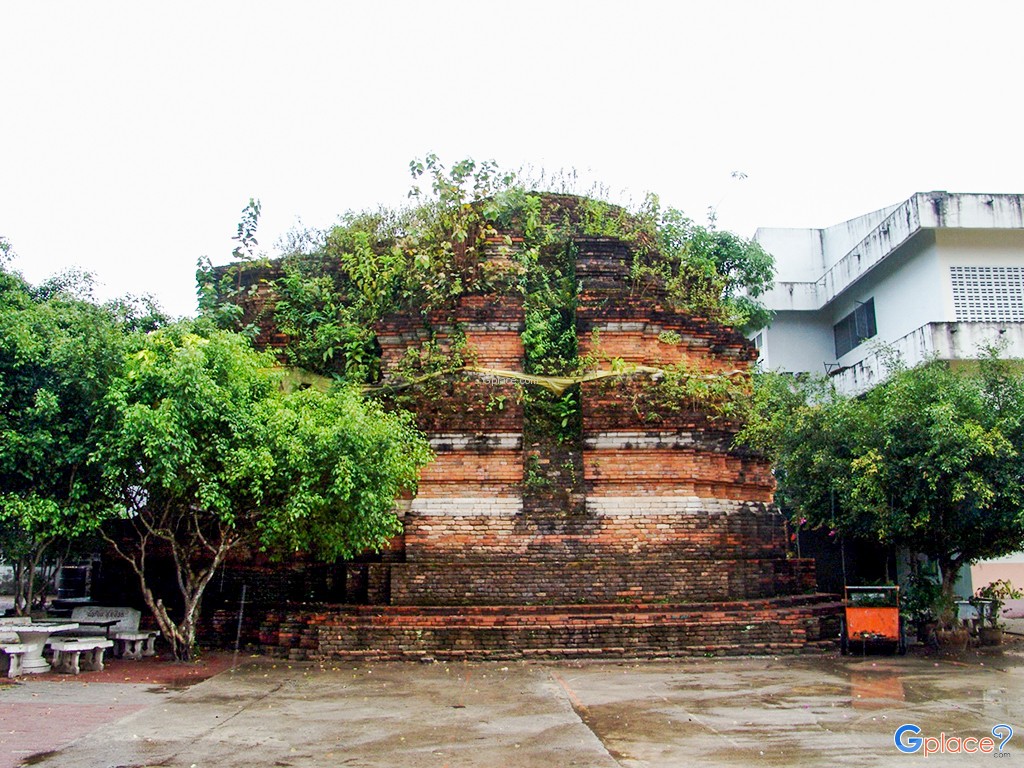
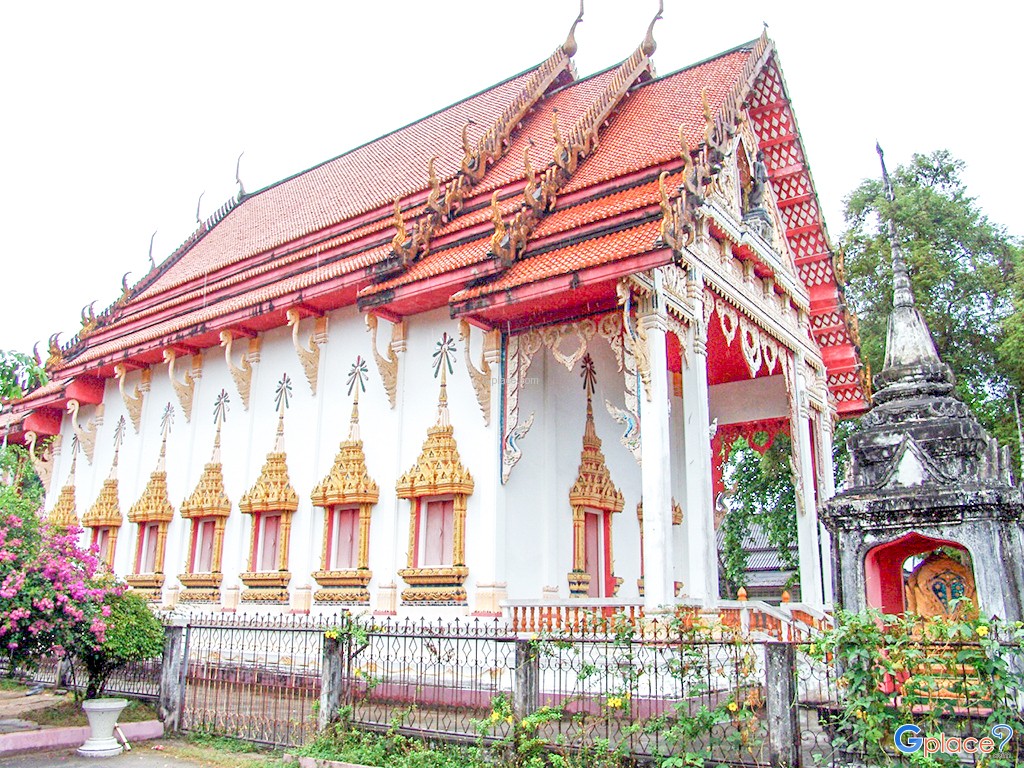
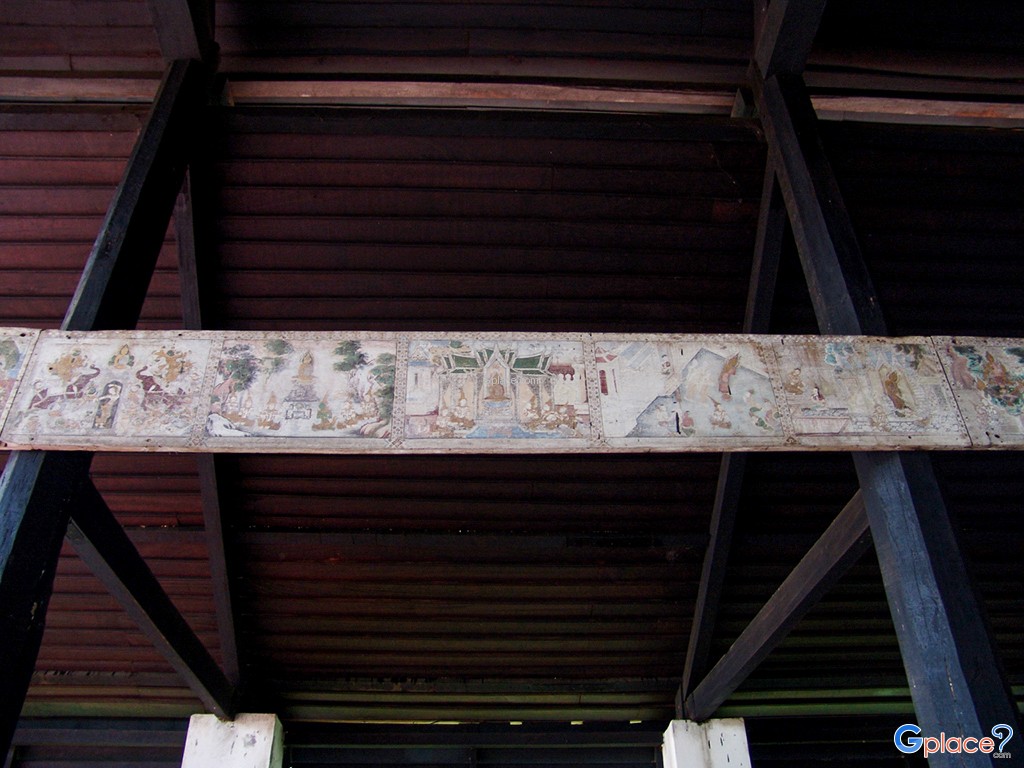
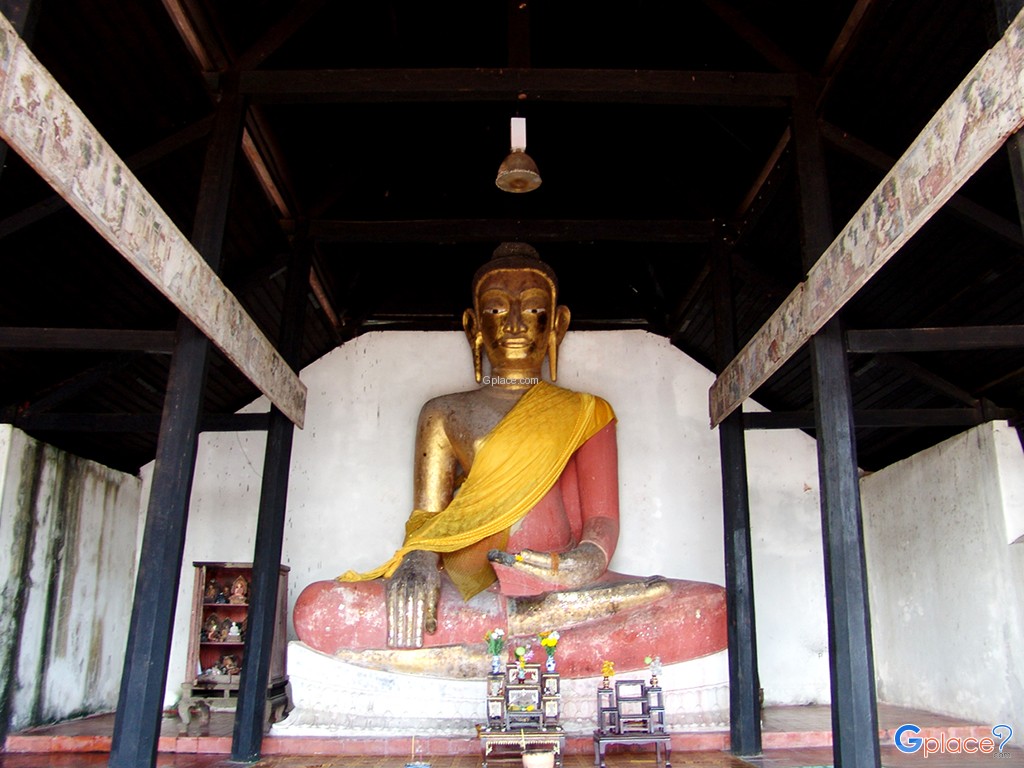
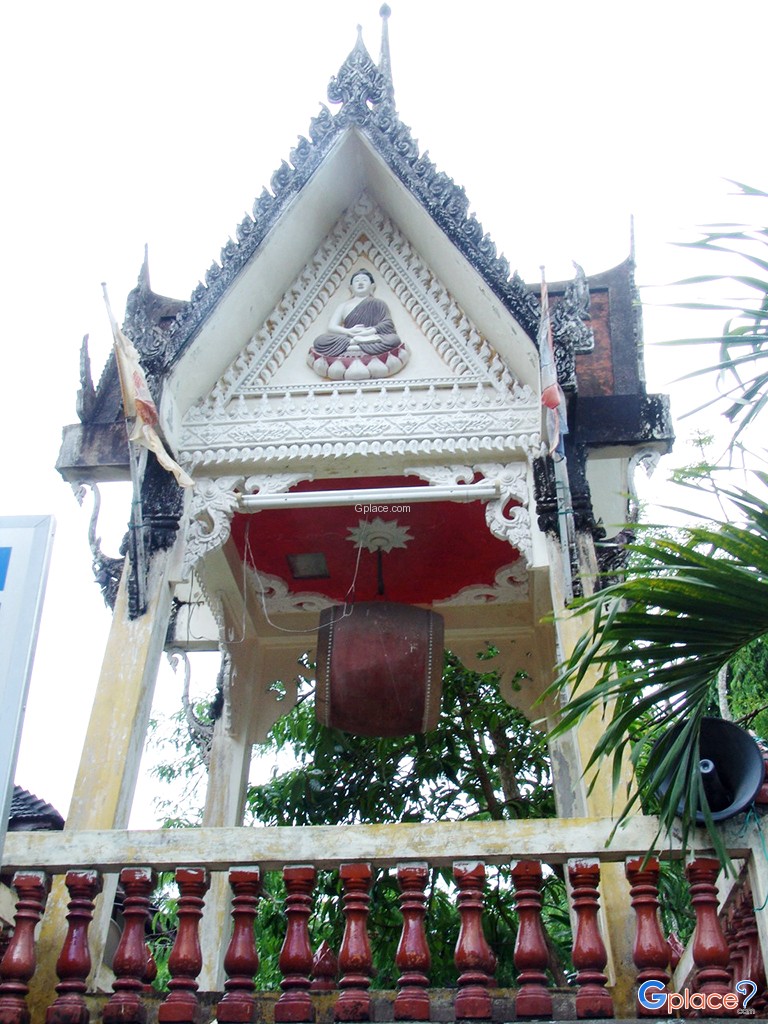
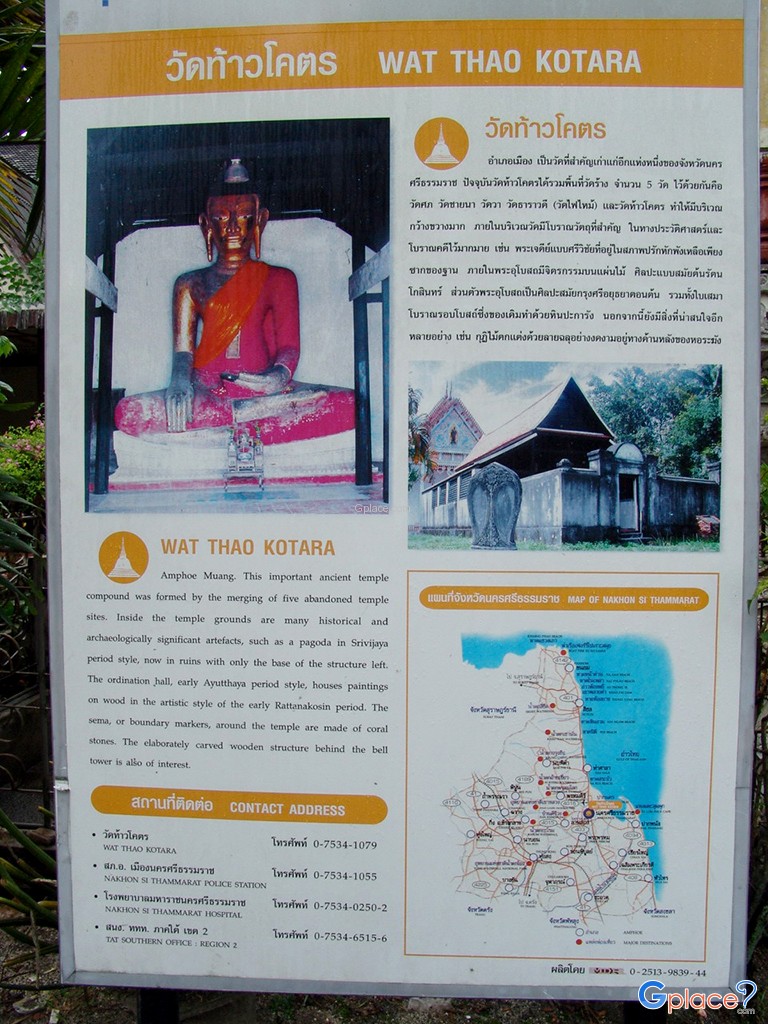
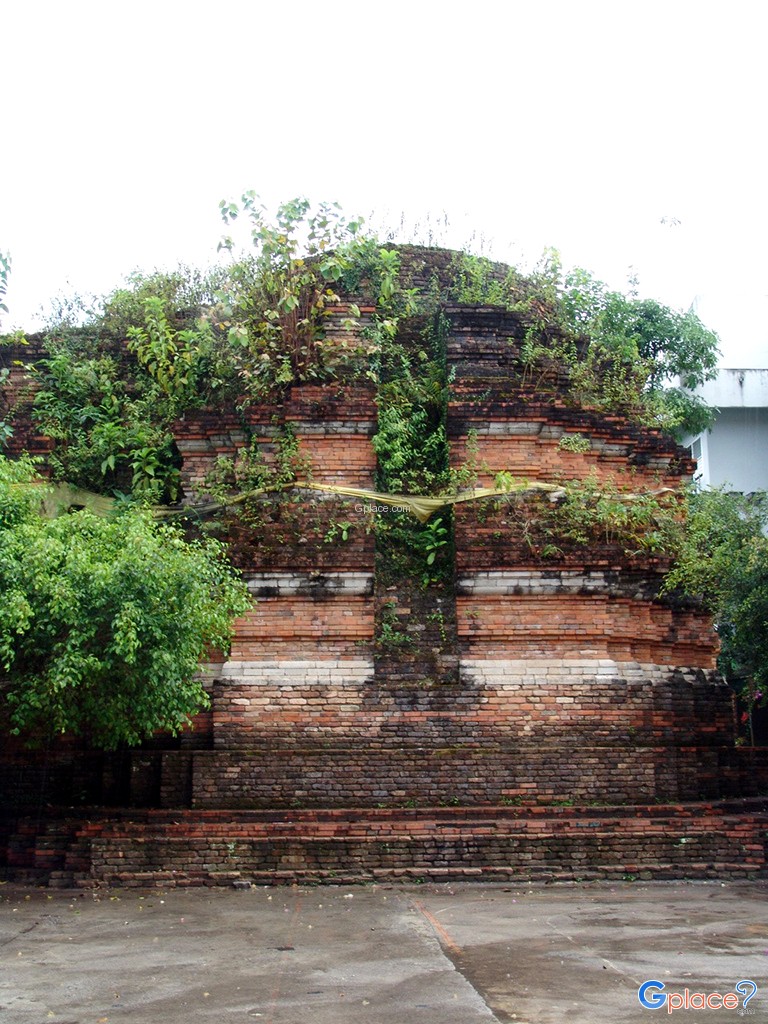
“An ancient stupa approximately 11 meters high, a large stucco Buddha image in the Subduing Mara posture, Rattanakosin-period mural paintings, and centuries-old archaeological remains.”
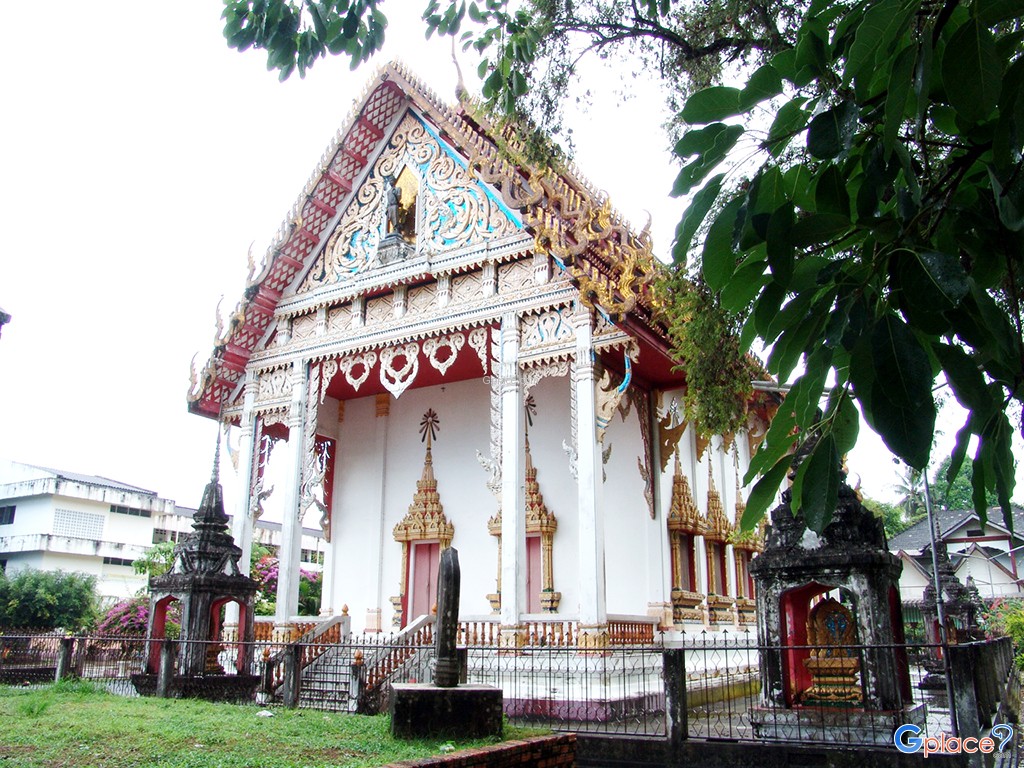
Wat Thao Khot Nakhon Si Thammarat is an ancient temple that has stood alongside the city of Nakhon Si Thammarat for centuries. It is believed to have been established around 1861 B.E. (approximately the 13th century) and was originally a religious site associated with Brahmanism before later being transformed into a Buddhist temple, reflecting the historical evolution of religious beliefs in the region.
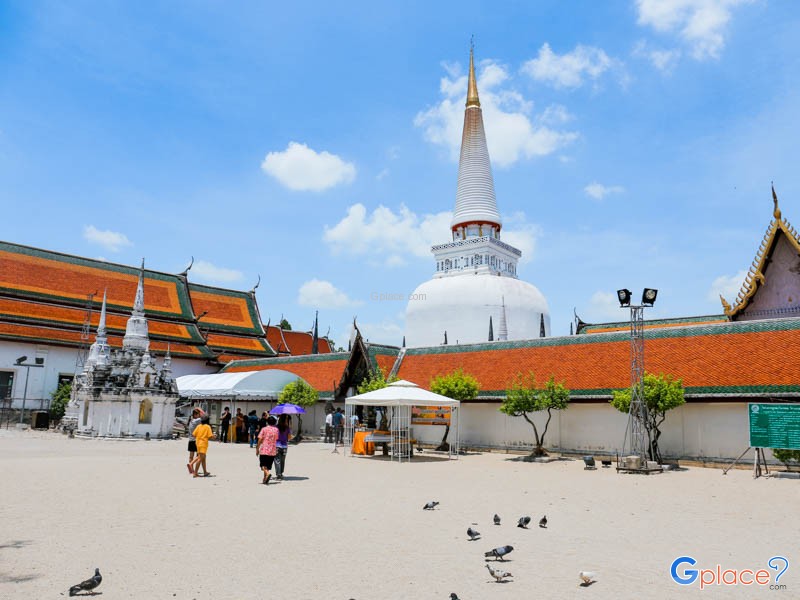
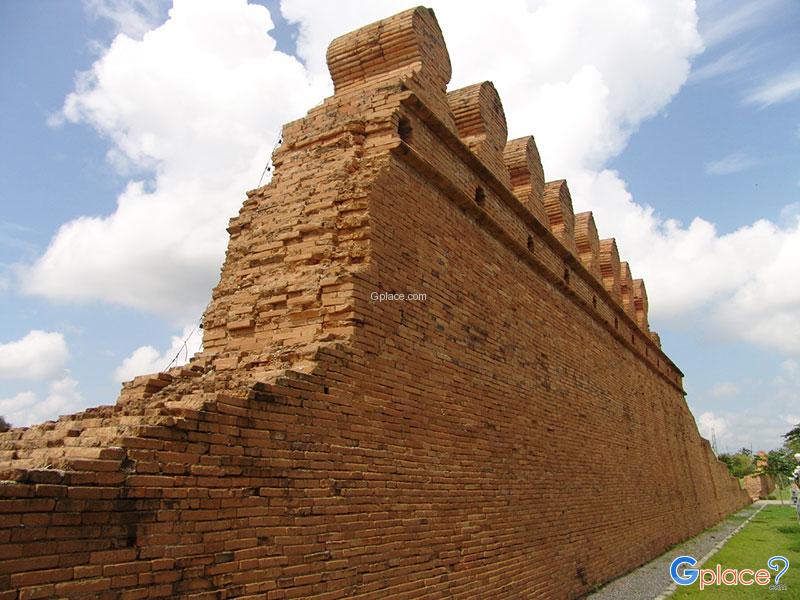
Within the temple grounds stands an ancient stupa approximately 11 meters in height_, constructed primarily from clay bricks and coral stones. This stupa is a significant archaeological structure that demonstrates early architectural techniques and illustrates the transition from Brahmanical to Buddhist religious influence during different periods of the city’s history.
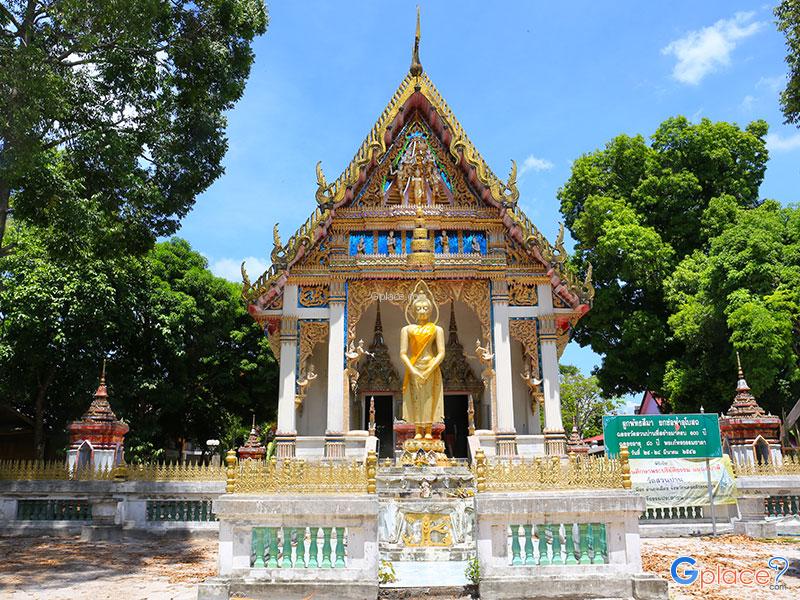
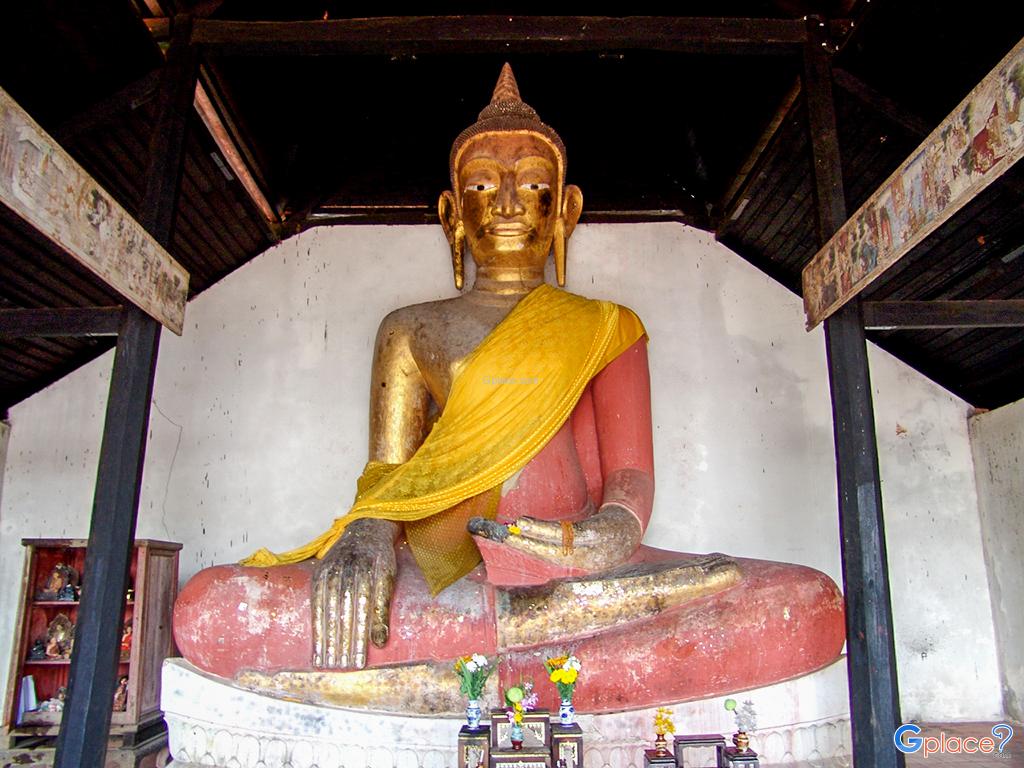
Inside the ordination hall (Ubosot) is a large stucco Buddha image in the Subduing Mara posture, serving as the principal Buddha image of the temple. The Buddha image measures approximately 183 inches across the lap and about 195 inches in height_. Crafted by local artisans of Nakhon Si Thammarat, the facial features and artistic style closely resemble those found in Buddha images at Wat Sab Derm and the main vihara of Wat Phra Mahathat Woramahawihan, and are believed to date from the 17th–20th Buddhist centuries.
On the pillars flanking the principal Buddha image are Rattanakosin-period mural paintings painted on wooden panels of various sizes. These murals depict scenes from the Buddha’s life and Jataka tales, showcasing the richness of local Buddhist art and the continued transmission of traditional craftsmanship through generations.
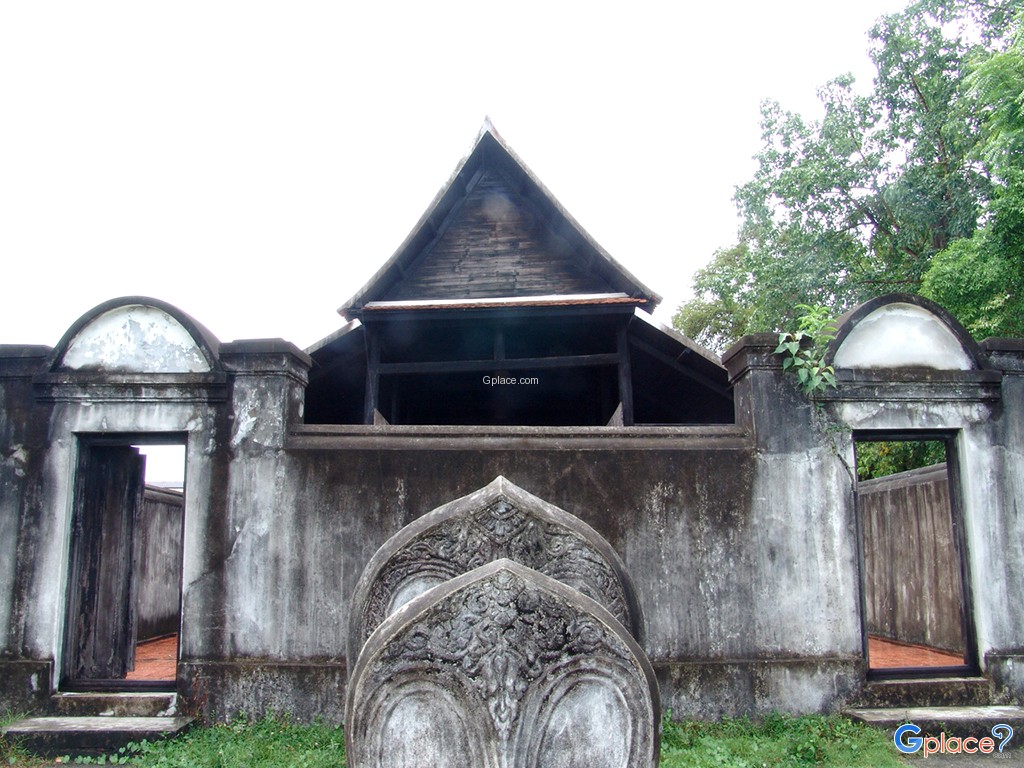
Wat Thao Khot is situated along Ratchadamnoen Road and once covered an area of approximately 19 rai, 2 ngan, and 53 square wah. Historically, this area comprised several temples, including Wat Khot, Wat Sop, Wat Chaina, Wat Wa, and Wat Tharawadi. Today, only remnants of these ancient religious sites remain, preserved as valuable archaeological evidence.
The artistic and historical value of Wat Thao Khot extends beyond its role as a place of worship. It also serves as an important learning site that reflects the historical development of Nakhon Si Thammarat from pre-modern times through the Rattanakosin period, making it a meaningful destination for those interested in history, archaeology, and religious art.
How to Get There
- Private car: Drive along Ratchadamnoen Road, the main thoroughfare of Nakhon Si Thammarat city. Wat Thao Khot is located along the roadside, and parking is available in nearby areas.
- Public transportation: Take a local songthaew on the “Stadium – Hua Thanon” route (blue or white vehicles) that runs along Ratchadamnoen Road. Get off near the temple and walk a short distance to the site.
Travel Tips
-
As this is an ancient and sacred site, visitors should dress modestly and behave respectfully.
-
Late afternoon is an ideal time for photography, as the lighting enhances the beauty of the Buddha image and the ancient stupa.
-
Consider visiting nearby landmarks such as Wat Phra Mahathat Woramahawihan and the Nakhon Si Thammarat National Museum for a more comprehensive understanding of the city’s history.
Admission Fee:
- Free admission
Opening Hours:
- Open daily from 08:00 – 17:00
Wat Thao Khot Nakhon Si Thammarat

 Share
Share
 Ratchadamnoen Road, Nai Mueang Subdistrict, Mueang District, Nakhon Si Thammarat 80000
Map
Ratchadamnoen Road, Nai Mueang Subdistrict, Mueang District, Nakhon Si Thammarat 80000
Map
 Closed today
Mon8.00 - 17.00
Tue8.00 - 17.00
Wed8.00 - 17.00
Thu8.00 - 17.00
Fri8.00 - 17.00
Sat8.00 - 17.00
Sun8.00 - 17.00



 3985
3985