 Attractions
  Hotel
Hotel  Restaurant
  Shopping
  Abroad





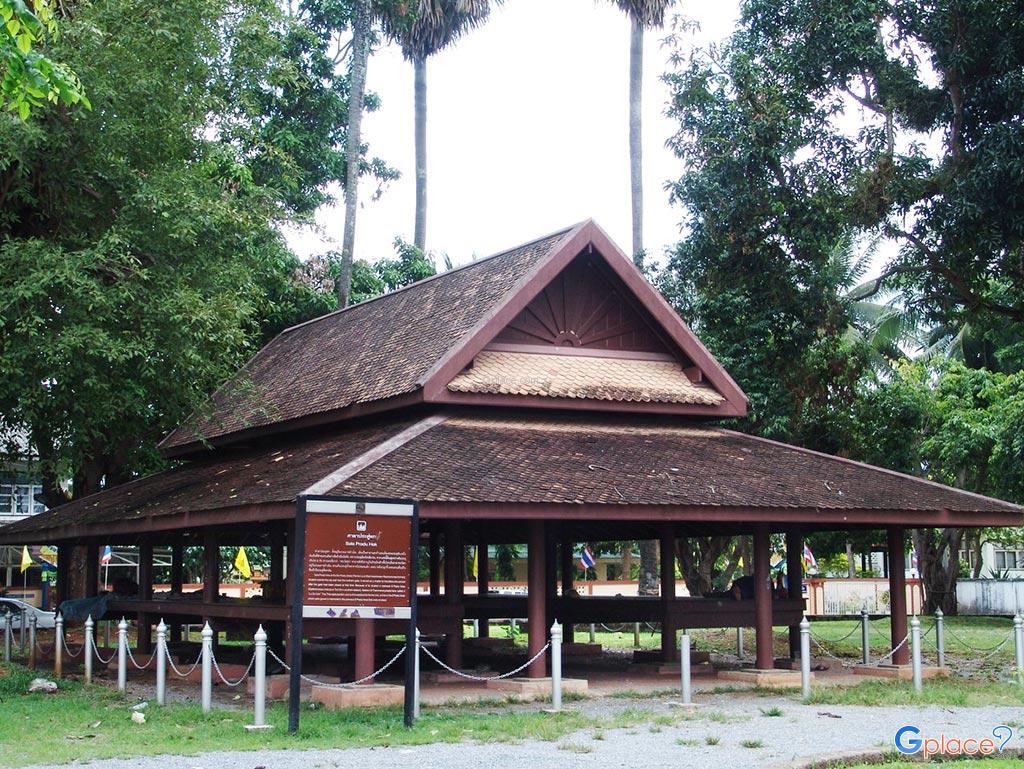

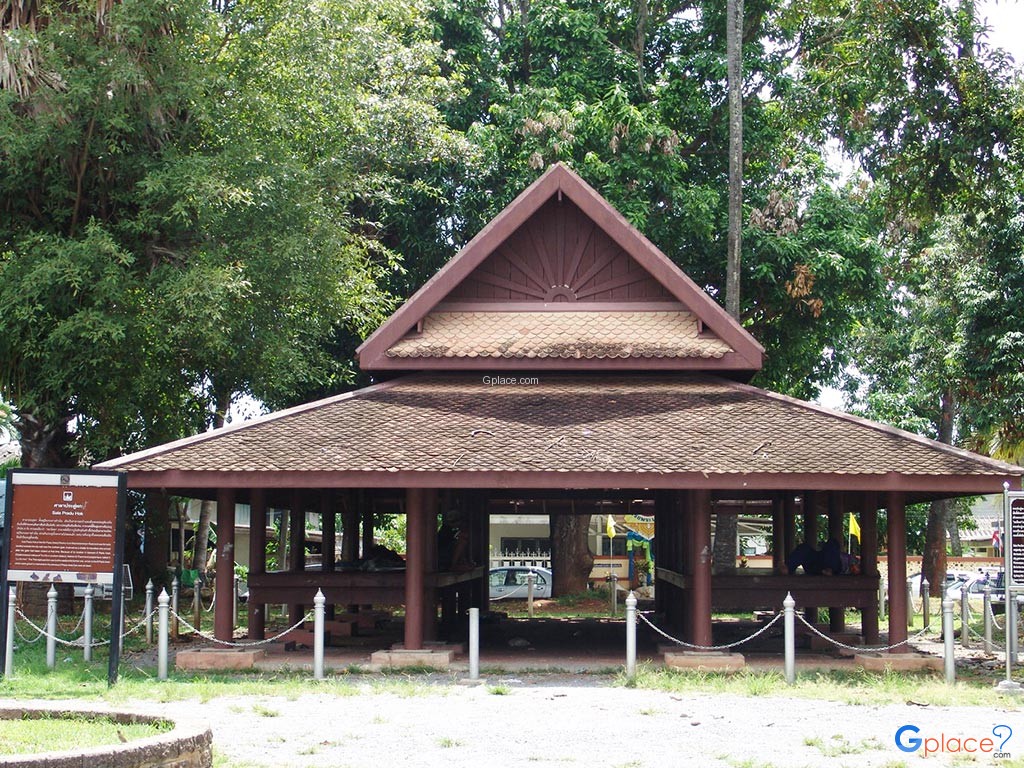
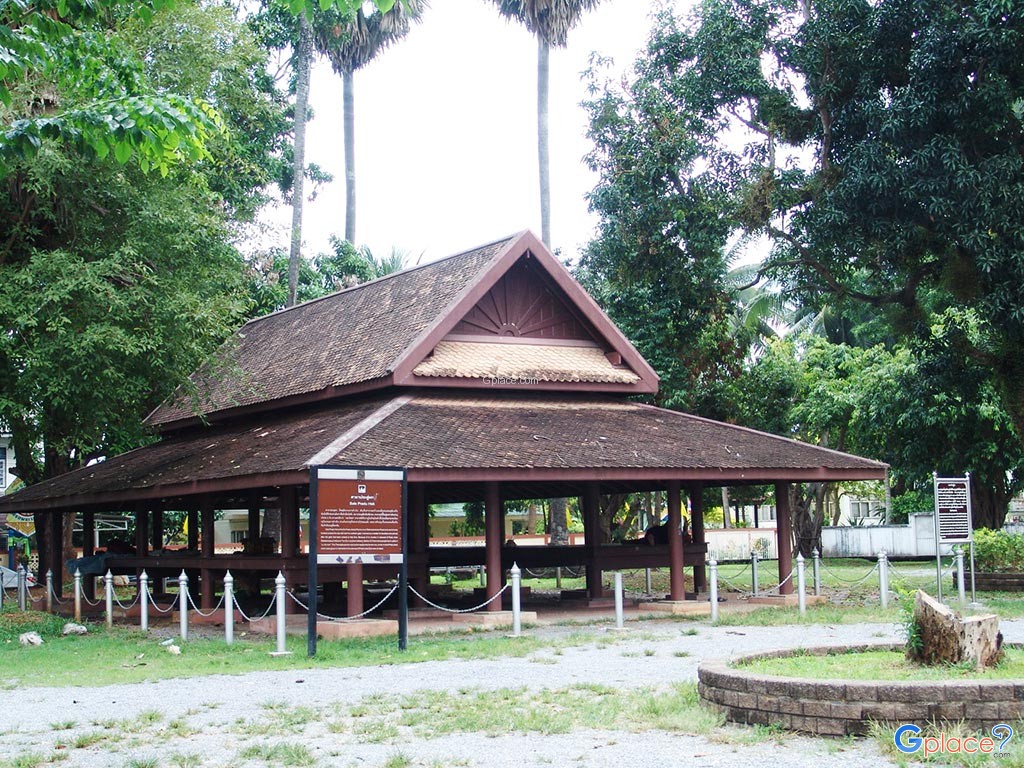
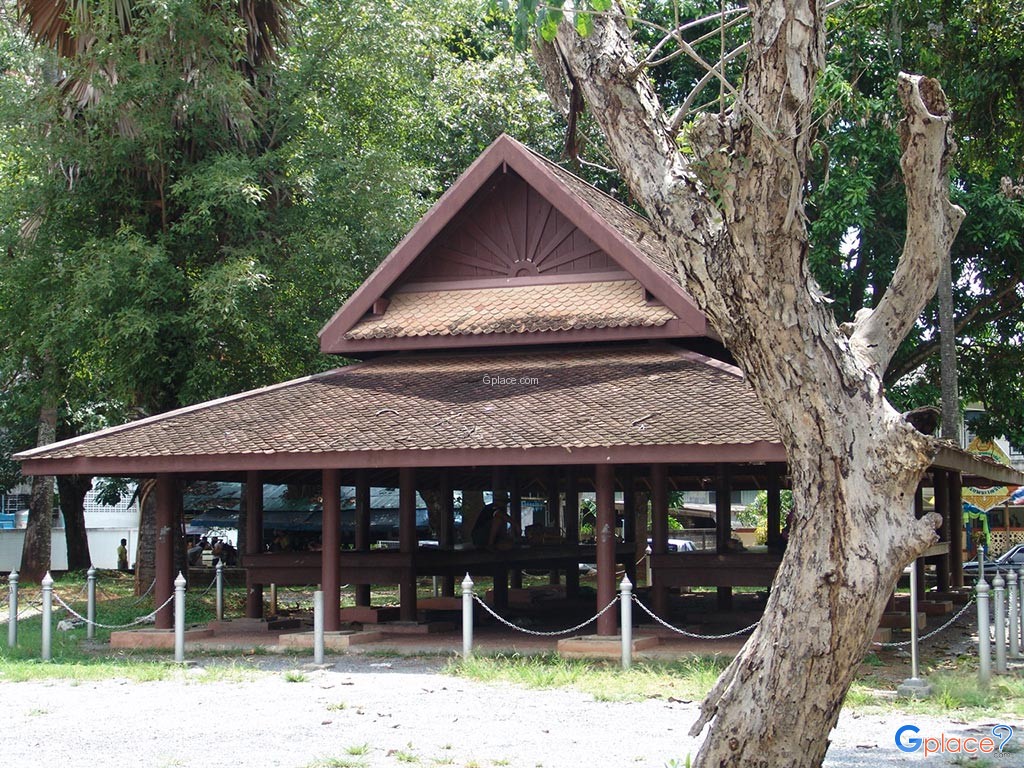
“The six Pradu trees, which gave the pavilion its name, were originally planted in a row to provide shade for travelers resting at this site.”
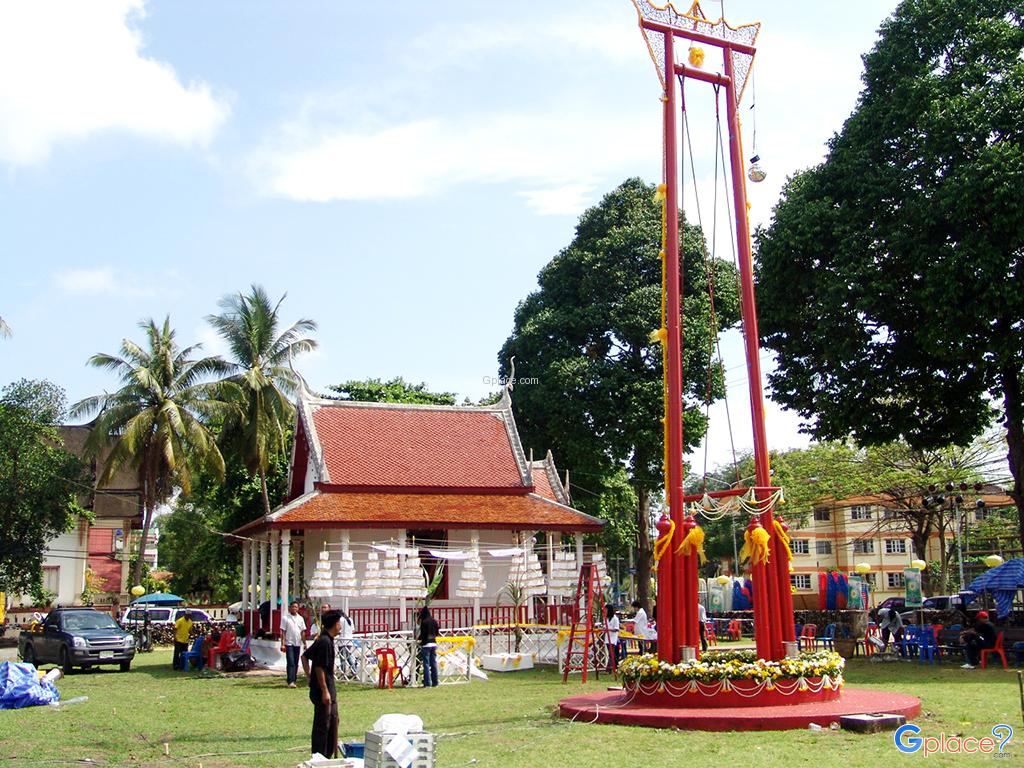
Sala Pradu Hok has a long-standing history dating back to ancient times. Originally, it served as a roadside rest pavilion located along Ratchadamnoen Road, just outside the old city walls. It was a place where travelers from nearby districts and villages could stop to rest before entering Nakhon Si Thammarat city. The name “Pradu Hok” originates from the presence of six large Pradu trees that were planted in a row to provide shade and comfort for those resting at the pavilion.
One of the most significant historical events associated with this site occurred in 1905, when King Chulalongkorn (Rama V) visited Nakhon Si Thammarat during his royal journey and stopped here to rest. This royal visit elevated Sala Pradu Hok from a simple roadside pavilion to a historically important landmark deeply cherished by the people of Nakhon Si Thammarat.
Although the original Pradu trees gradually disappeared over time, the Nakhon Si Thammarat Municipality later restored the pavilion in a traditional Thai architectural style and replanted Pradu trees to preserve the legacy of “Pradu Hok.” Today, the pavilion is not only a place of rest but also a venue for cultural activities, the starting point of the Sunday Walking Street Market, and a popular photo spot that beautifully reflects the nostalgic atmosphere of the old city along Ratchadamnoen Road.
How to Get There
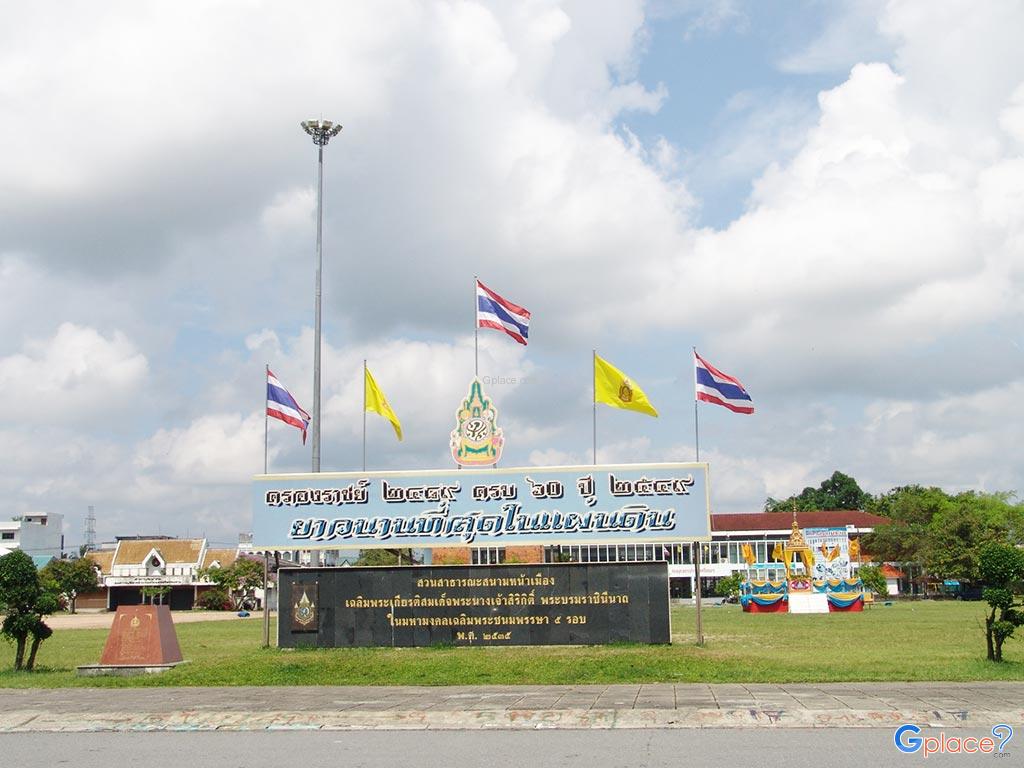
- By Private Car: Drive along Ratchadamnoen Road, the main road through the city. Sala Pradu Hok is located roadside near the Nakhon Si Thammarat Provincial Hall and the Municipal Office. Parking is available along the roadside or at the open parking area at Sanam Na Mueang (the city square).
- By Public Transport: Take a local songthaew on the “Sanam Kila – Hua Thanon” route (white or blue vehicles), which passes directly in front of Sala Pradu Hok throughout the day. You can get off right at the pavilion.
Travel Tips
-
In the early evening, decorative lights are illuminated around the pavilion and walkways, creating a warm and charming atmosphere ideal for strolling and photography.
-
Sala Pradu Hok is located very close to the Yai Chedi (Giant Chedi) and the City Pillar Shrine, making it easy to visit all three sites on foot.
-
If you visit on Sundays, this area becomes especially lively as it serves as the central hub of the walking street market, offering local food and handmade products.
Admission Fee:
- Free admission (public area)
Opening Hours:
- Open 24 hours daily
Sala Pradu Hok

 Share
Share
 Ratchadamnoen Road, Nai Mueang Subdistrict, Mueang Nakhon Si Thammarat District, Nakhon Si Thammarat 80000
Map
Ratchadamnoen Road, Nai Mueang Subdistrict, Mueang Nakhon Si Thammarat District, Nakhon Si Thammarat 80000
Map
 Open now

 https://www.thai-tour.com/thai-tour/south/nakornsrithammarach/data/place/pic-saladuhok.htm

 3260
3260