 Attractions
  Hotel
Hotel  Restaurant
  Shopping
  Abroad





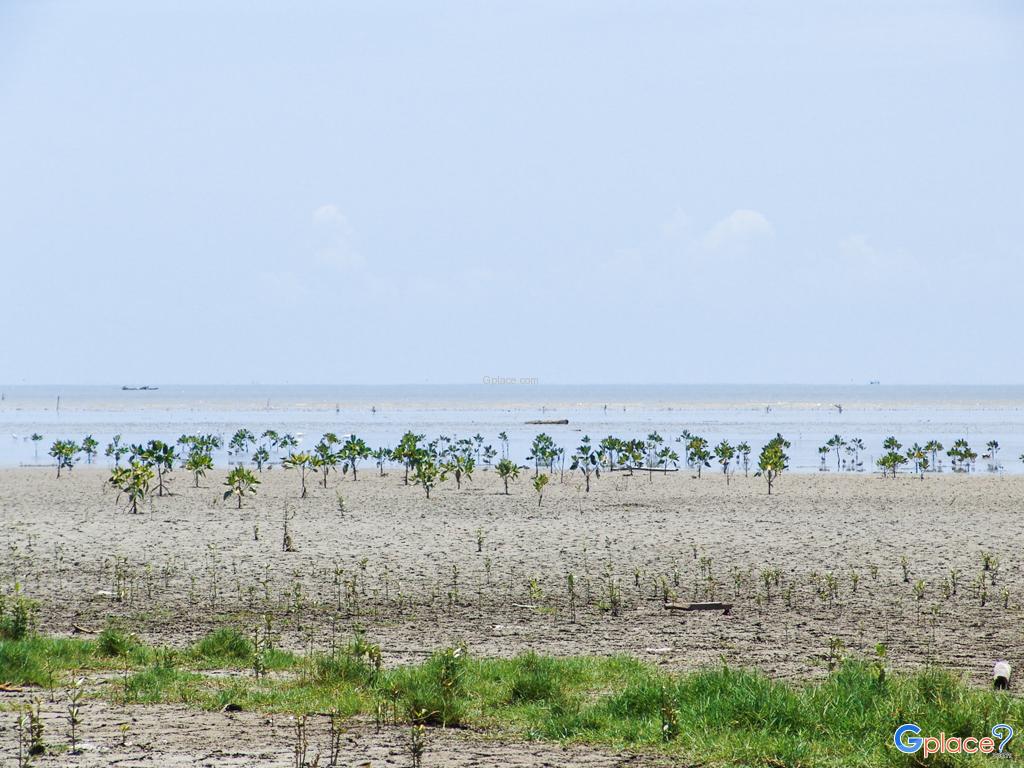

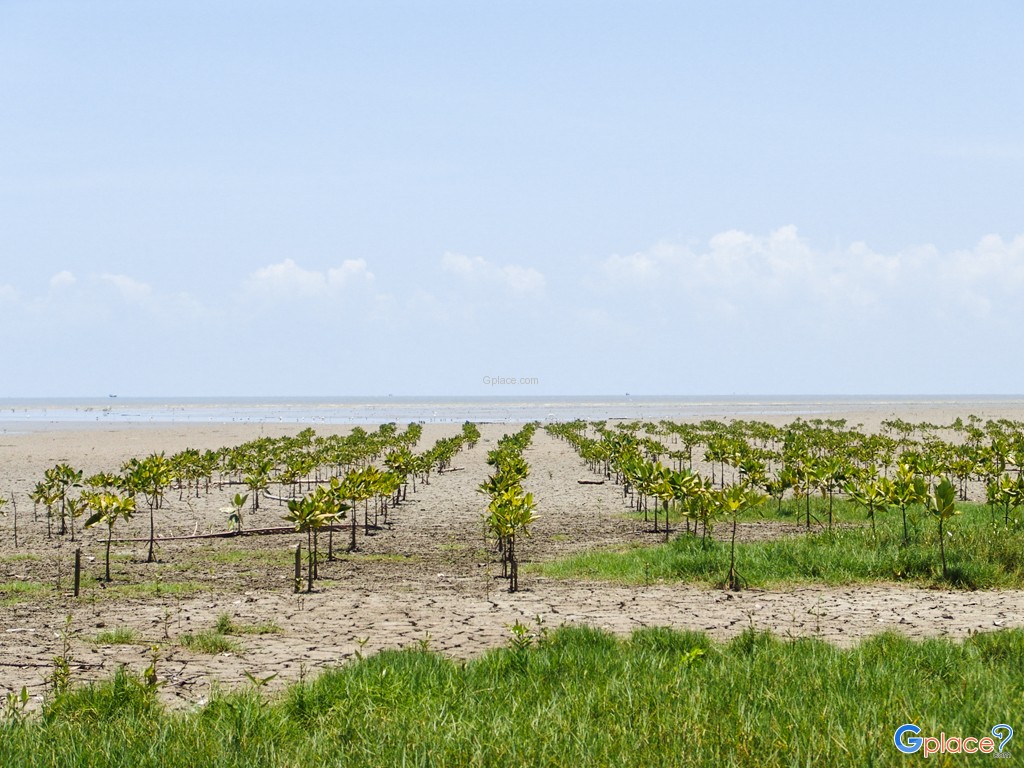
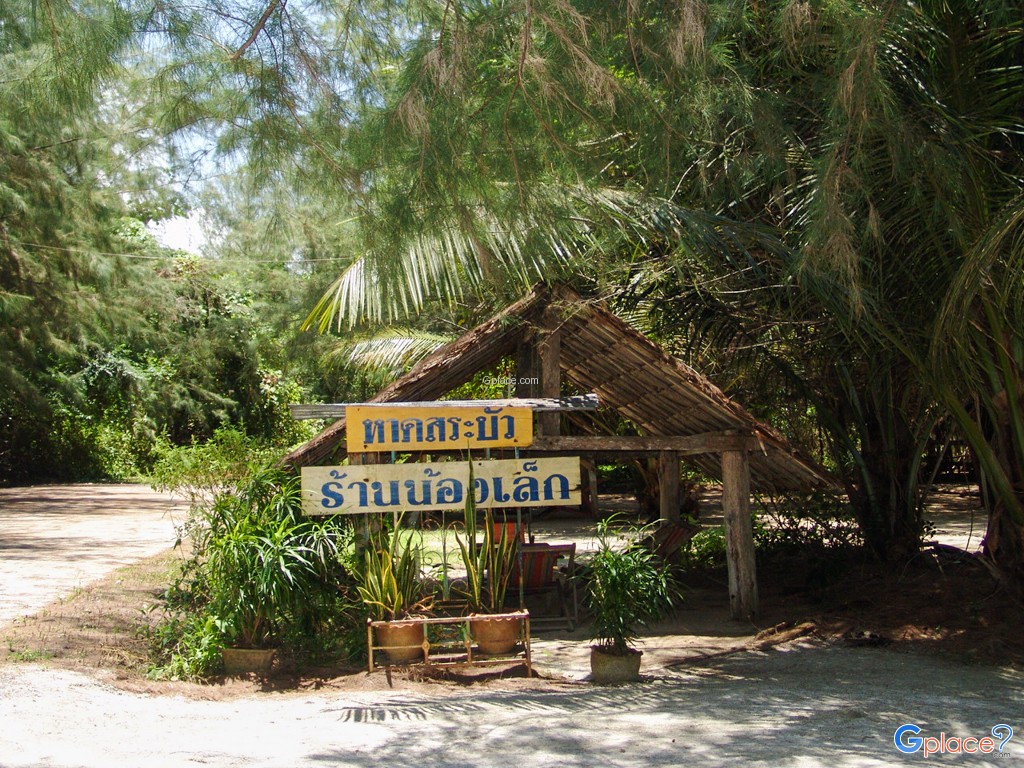
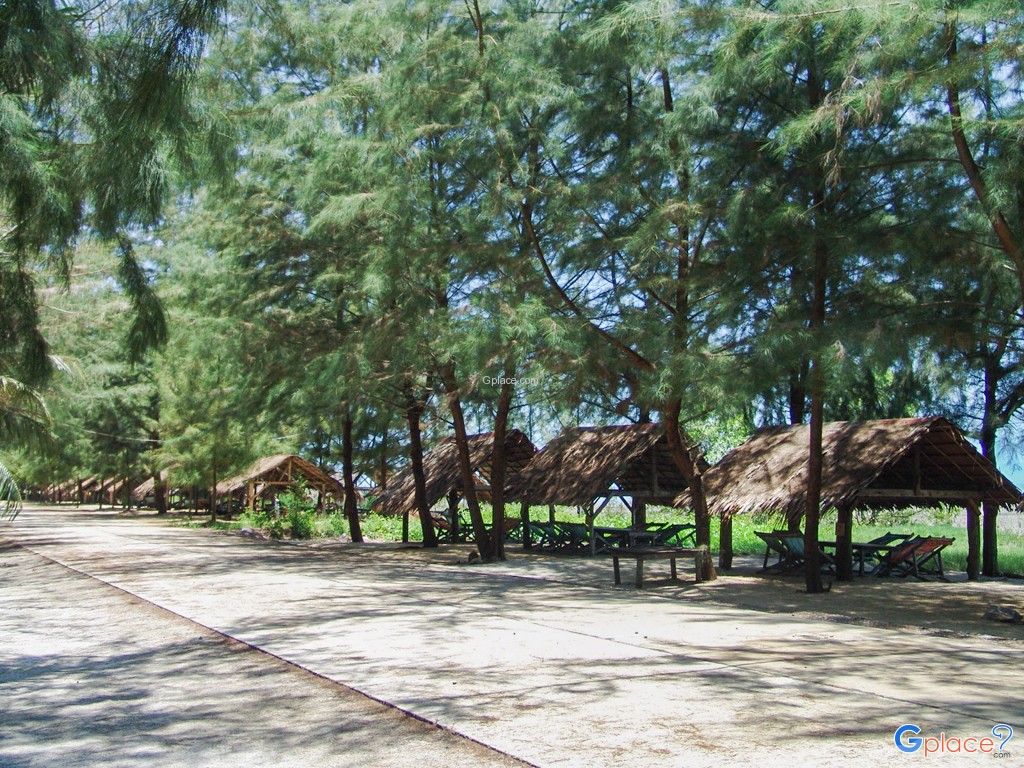
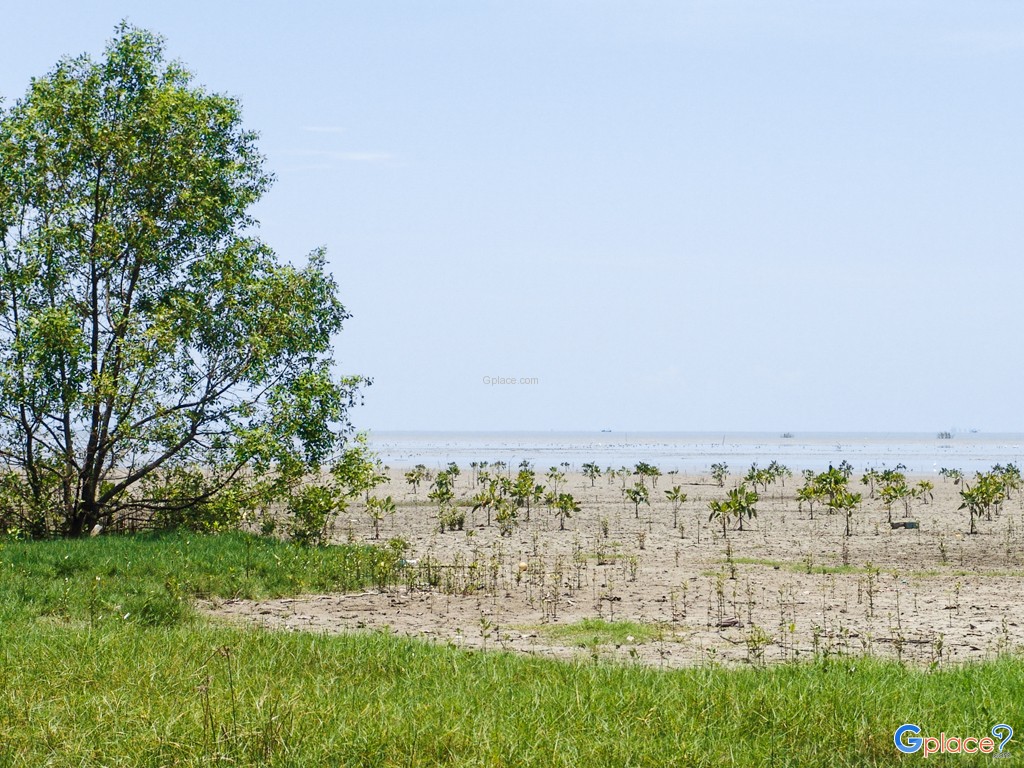
“Enjoy fresh seafood amid a natural mangrove forest atmosphere Observe the local fishing lifestyle in the estuary area”
Sa Bua Beach has moved beyond its former image of a wide sandy shoreline and has transformed into a rich and thriving coastal mangrove ecosystem. Due to natural environmental changes, the original sandy beach area is now covered with mangrove trees and coastal plants. Most of the area has become a lush green forest that serves as a natural barrier protecting the coastline from erosion.
Although the classic beauty of a sandy beach has diminished, it has been replaced by a diverse and balanced ecosystem. Hat Sa Bua remains an important destination for those seeking fresh and affordable seafood. Many seafood restaurants are located along the mangrove edge, allowing visitors to enjoy their meals while overlooking the lush green mangrove forest.
Wooden walkways and restaurant decks extend toward the water, offering close contact with the sea breeze and coastal atmosphere. The traditional lifestyle of local fishermen remains strong, with fishing boats lined up along the mangrove shoreline. Visitors will not find a swimming beach here, but instead experience a calm and shaded mangrove environment.
This area has become an important natural nursery for marine life, providing local communities with fresh and sustainable seafood resources. The quiet and natural atmosphere continues to attract visitors seeking an escape from busy city life. In the late afternoon, sunlight filtering through the mangrove branches creates a uniquely beautiful and memorable scene.
Certain areas have been organized for parking and shops to accommodate visitors coming to enjoy authentic southern Thai cuisine. Hat Sa Bua has become a symbol of harmony between community livelihoods and environmental change. Although the landscape has evolved, the warm hospitality of the Tha Sala locals remains unchanged, welcoming visitors with genuine smiles.
Visiting Hat Sa Bua offers a different kind of coastal experience—relaxing while enjoying mangrove scenery instead of walking along sandy beaches. Restaurant architecture in the area emphasizes natural materials that blend seamlessly with the coastal forest. The humid and fresh air from the dense vegetation helps reduce the intense seaside heat. If you enjoy seafood dining surrounded by a healthy natural environment, Hat Sa Bua is a destination not to be missed.
How to Get There
- By private car: From Nakhon Si Thammarat city, take Highway No. 401 toward Tha Sala District. Turn right following the signs to Hat Sa Bua Beach, drive through the local community to the end of the road where you will find the restaurant zone and mangrove forest.
- By public transport: Take a van to Tha Sala District, then continue by motorcycle taxi and inform the driver that you are going to “Hat Sa Bua seafood restaurant area.”
Travel Tips
-
The area is muddy and densely vegetated; there is no space for swimming or walking on sandy beaches
-
Choose restaurants located by the water for the best mangrove forest views
-
Mosquitoes or midges may appear in the evening; bring insect repellent
-
Parking is usually available at the restaurants you visit
-
If you prefer a sandy beach, consider driving to “Hat Sai Kaew Beach,” which is nearby
Entrance Fee:
- Free admission
Opening Hours:
- Open 24 hours (most restaurants operate from 10:00 AM – 8:00 PM)
Sa Bua Beach

 Share
Share
 Tha Sala Subdistrict, Tha Sala District, Nakhon Si Thammarat 80160
Map
Tha Sala Subdistrict, Tha Sala District, Nakhon Si Thammarat 80160
Map
 Open now



 3220
3220