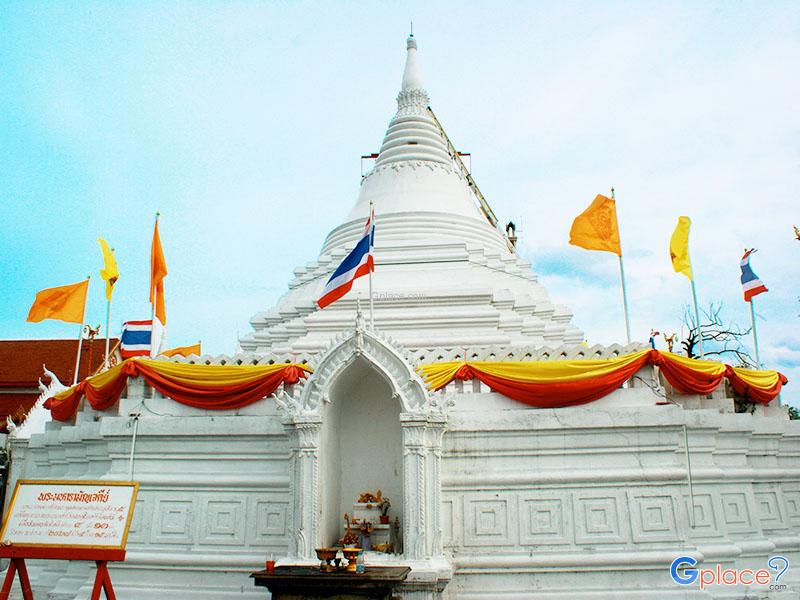
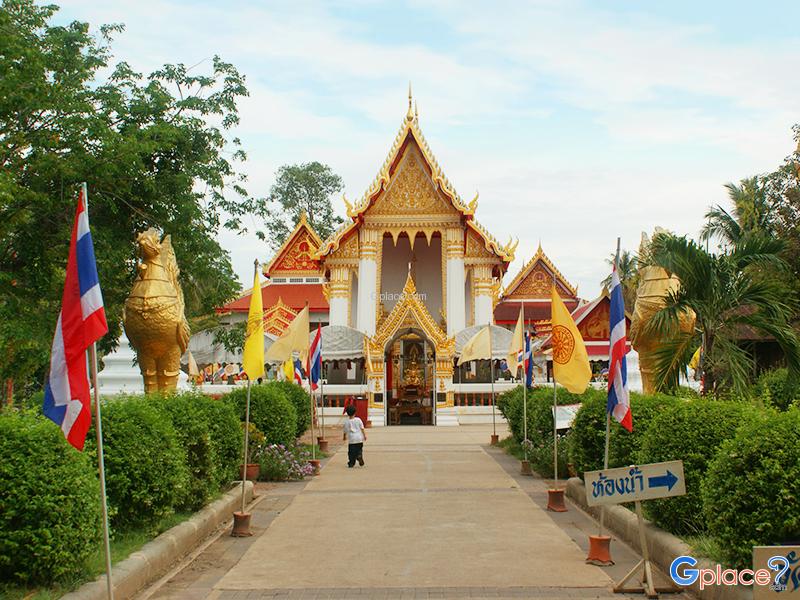
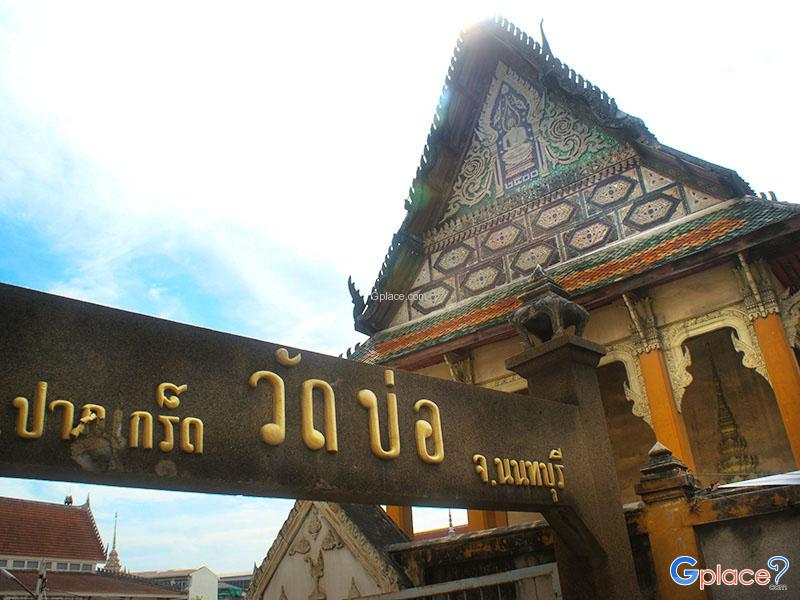
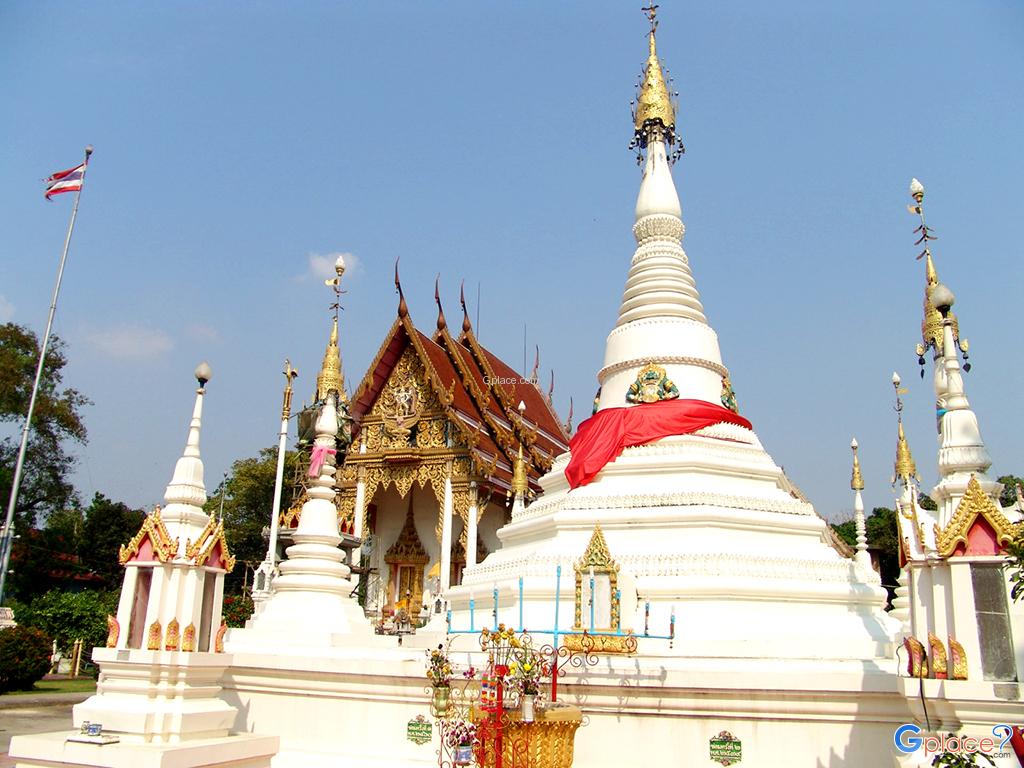
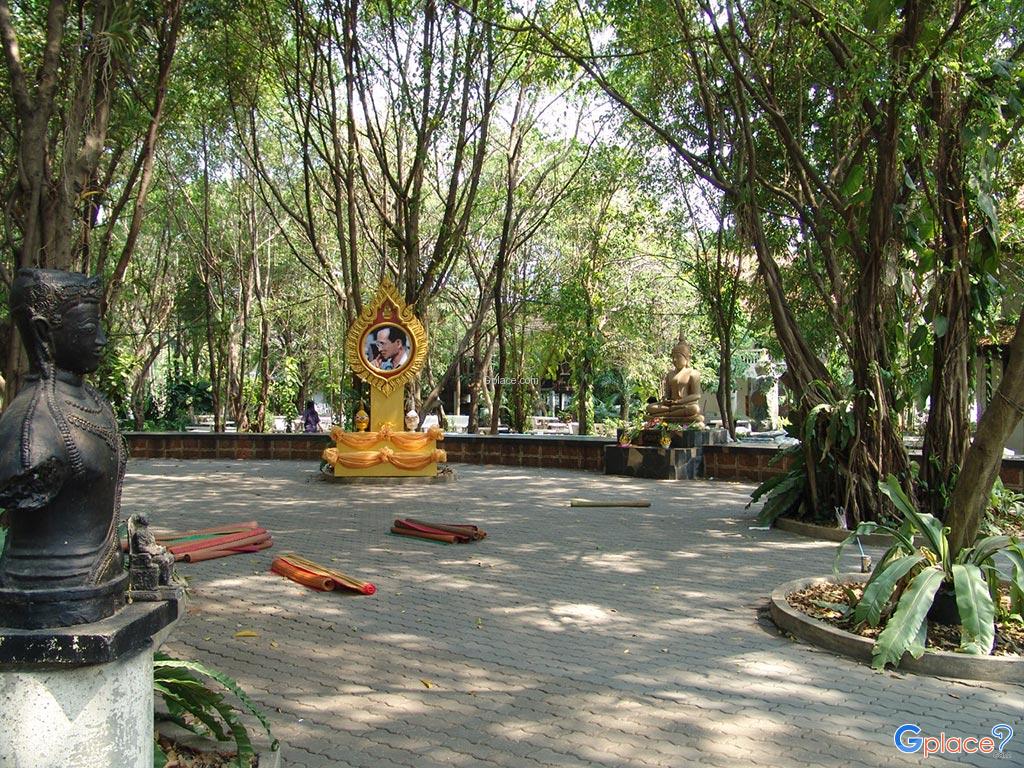
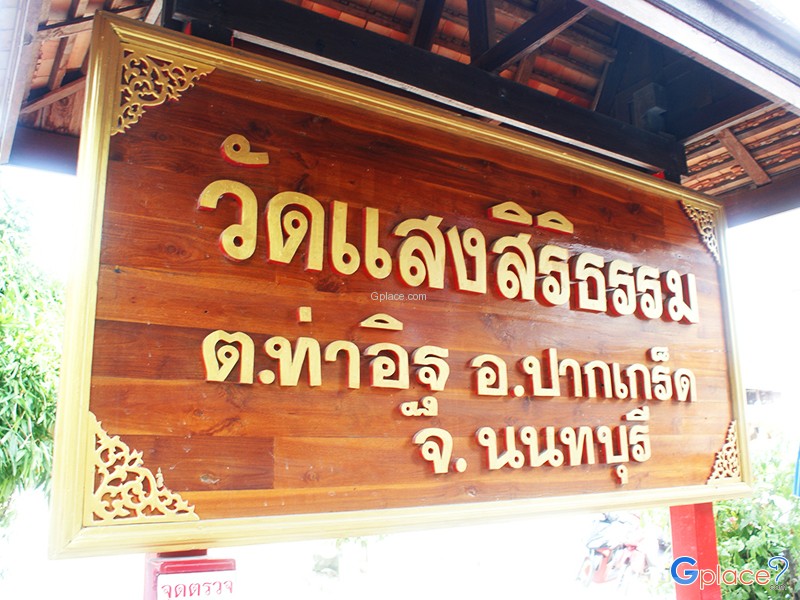
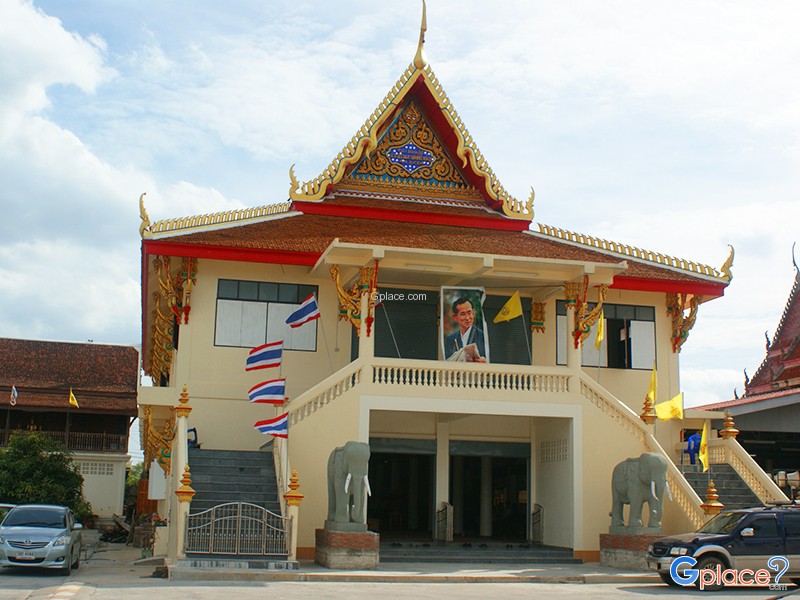
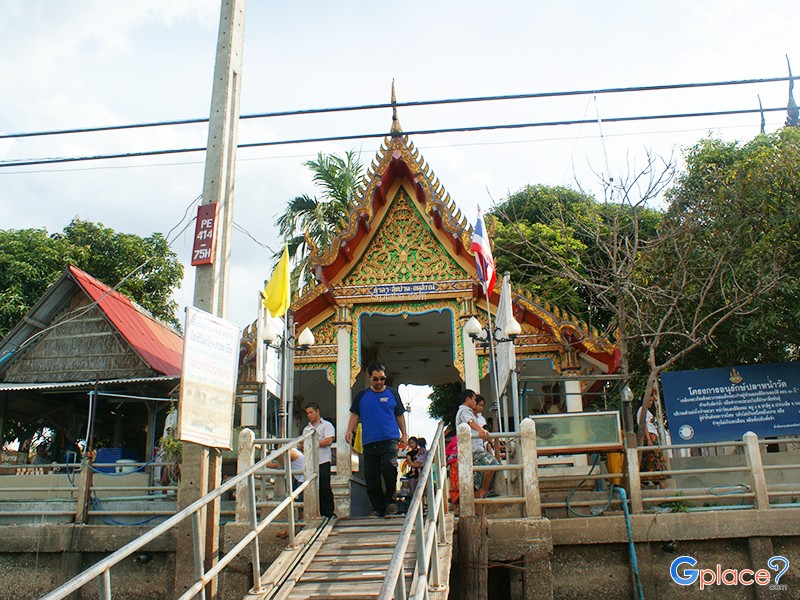
Wat Saeng Siritham, formerly known among locals as “Wat Khwit,” is an ancient riverside temple located in Tha It Subdistrict, Pak Kret District, Nonthaburi Province. It is believed to have been established during the late Ayutthaya period and continued into the early Rattanakosin era, around the late 18th to early 19th century. At that time, riverside communities along the Chao Phraya River expanded significantly due to water transportation and trade.In the past, this area was considered an important transportation route connecting Ayutthaya, Thonburi, and northern riverside communities along the Chao Phraya River. As a result, the temple served as both a religious center, a resting point for boats, and a ceremonial site for orchard communities living by the river. Wat Saeng Siritham has therefore been closely connected with the lifestyle of local residents in Tha It and Pak Kret for generations.
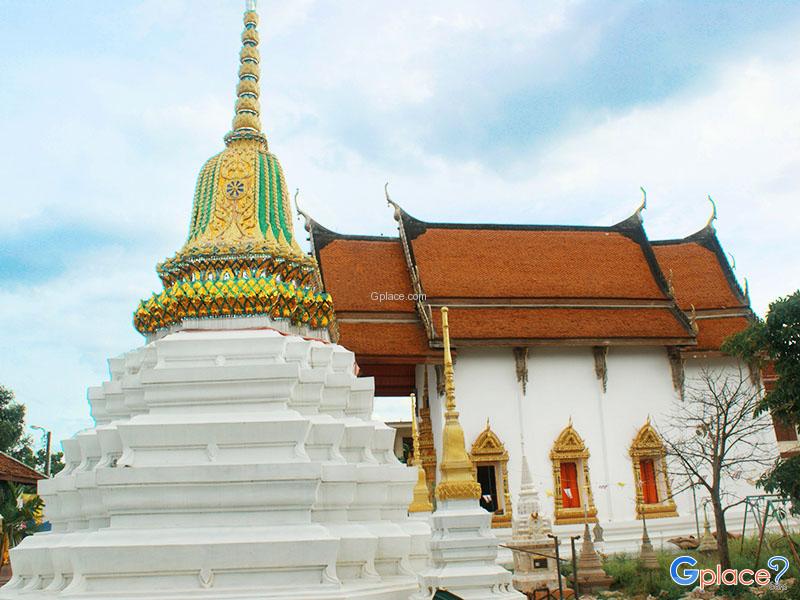
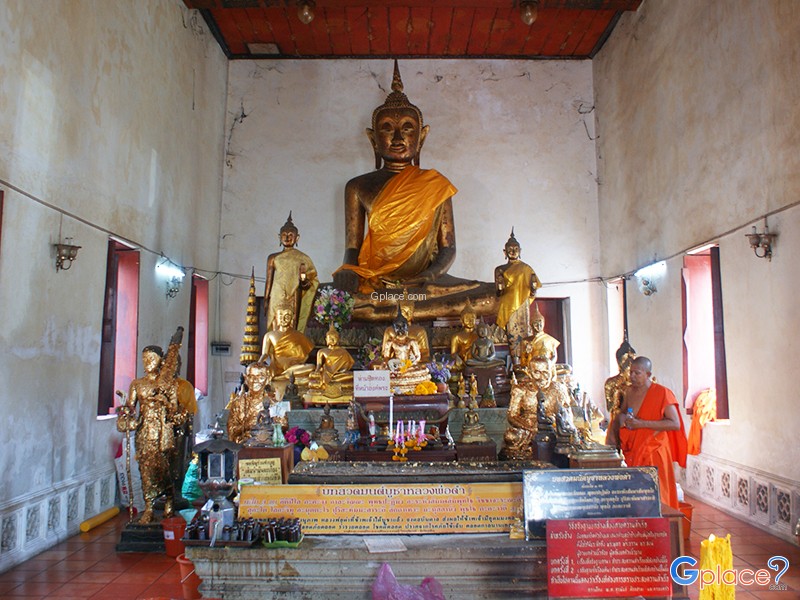
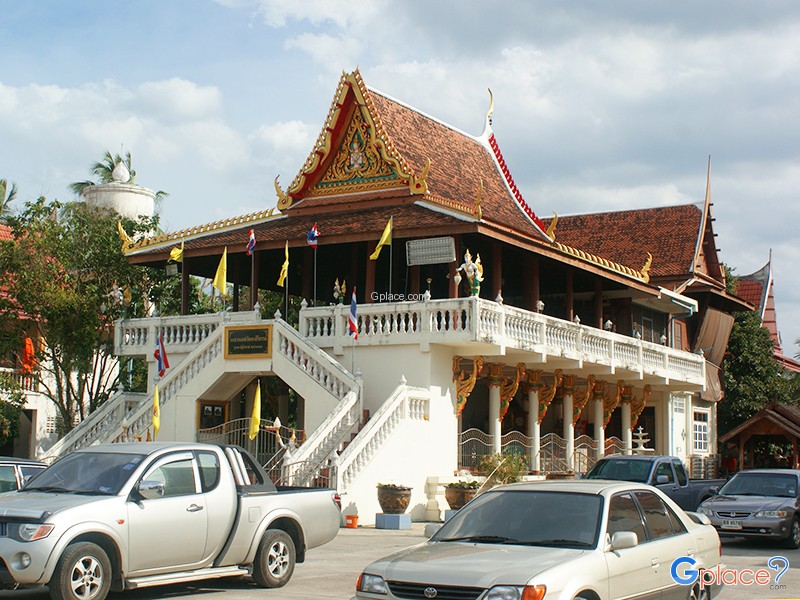
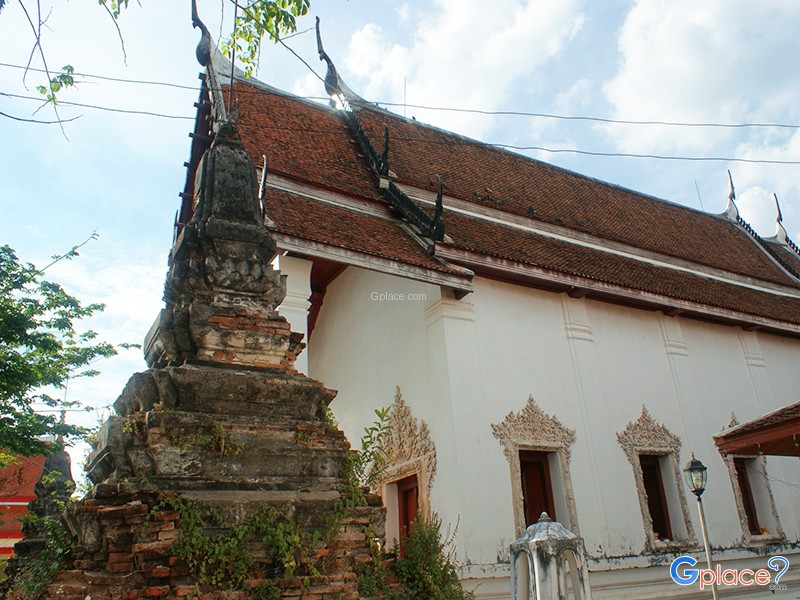
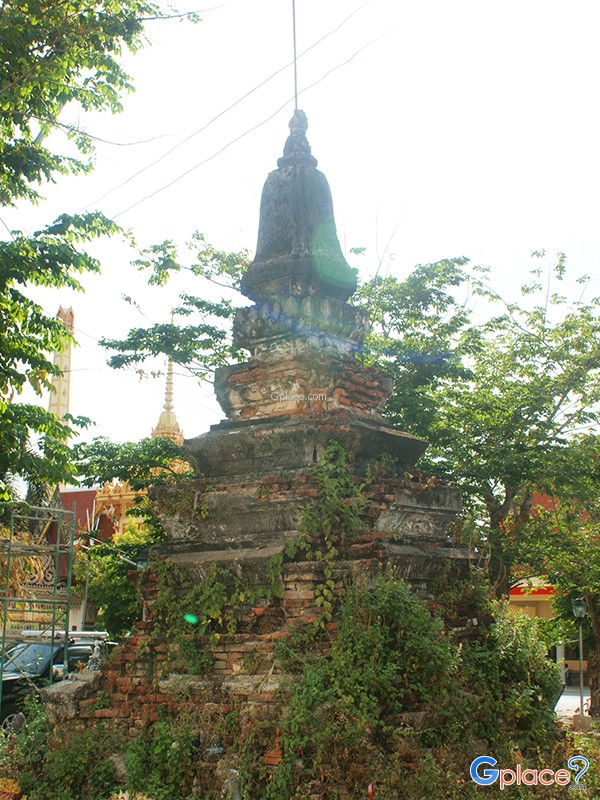
One of the temple’s most remarkable features is its old ordination hall, which still preserves many elements of traditional Thai architecture. The building reflects the simple style of riverside temples from the early Rattanakosin period. Its roof is relatively low-tiered to withstand strong river winds and humidity. The base of the ordination hall resembles the shape of a Chinese junk boat, symbolizing the “Boat of Dharma,” a Buddhist concept representing the passage across the cycle of suffering. Inside the hall, traces of ancient mural paintings depicting scenes from the life of the Buddha and the Jataka tales can still be seen despite fading over time.
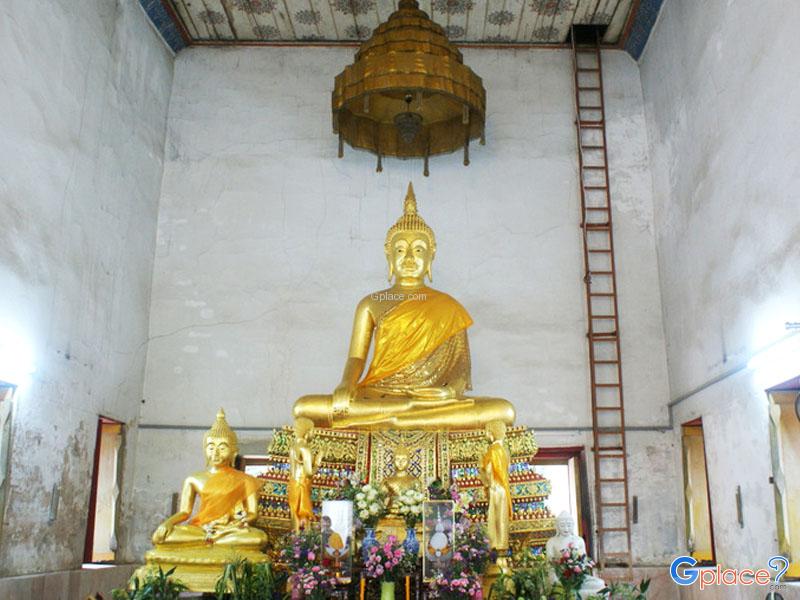
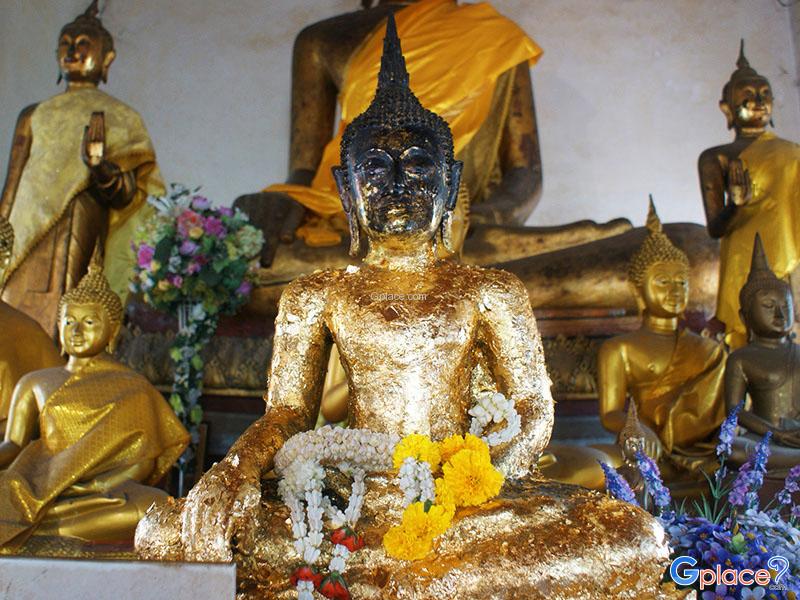
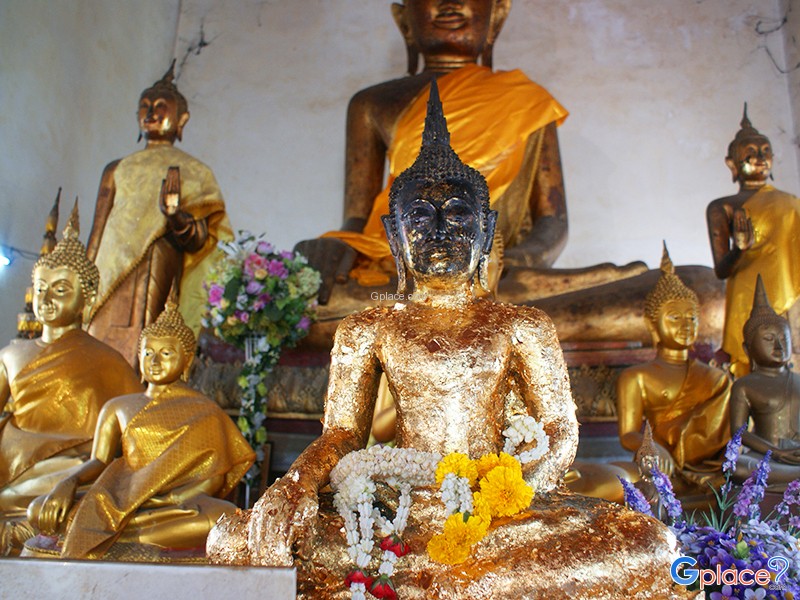
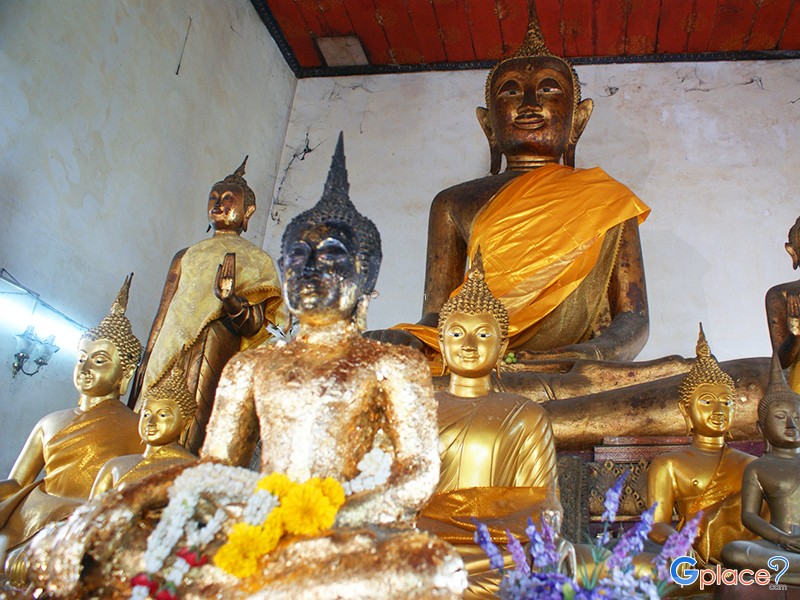
The temple’s principal Buddha image is “Phra Phuttha Si Rotchanachai,” commonly known as Luang Pho To, a revered Buddha image in the Mara Victory posture. Another highly respected image is “Luang Pho Dam,” a dark bronze Buddha image believed to date back to the late Ayutthaya period. Its artistic style reflects traditional royal craftsmanship of the era, characterized by a rounded face, curved eyebrows, and proportionally large knees typical of late Ayutthaya Buddhist art.Local people believe Luang Pho Dam possesses protective powers, especially for travelers and boatmen. In the past, people traveling along the river would stop to pay respect before continuing their journey. There are also local legends claiming that Luang Pho Dam was stolen several times but mysteriously returned to the temple each time, strengthening the faith of the local community.
Another unique aspect of Wat Saeng Siritham is its preserved riverside lifestyle. Around the temple, visitors can still see old wooden houses, piers, and traditional fruit orchards, scenes that have become increasingly rare in the greater Bangkok area today. The temple also preserves various traditional wooden boats, including paddle boats, Chinese-style cargo boats, and large dugout boats carved from Takian wood, reflecting the era when the Chao Phraya River served as the main transportation and trading route of Nonthaburi.
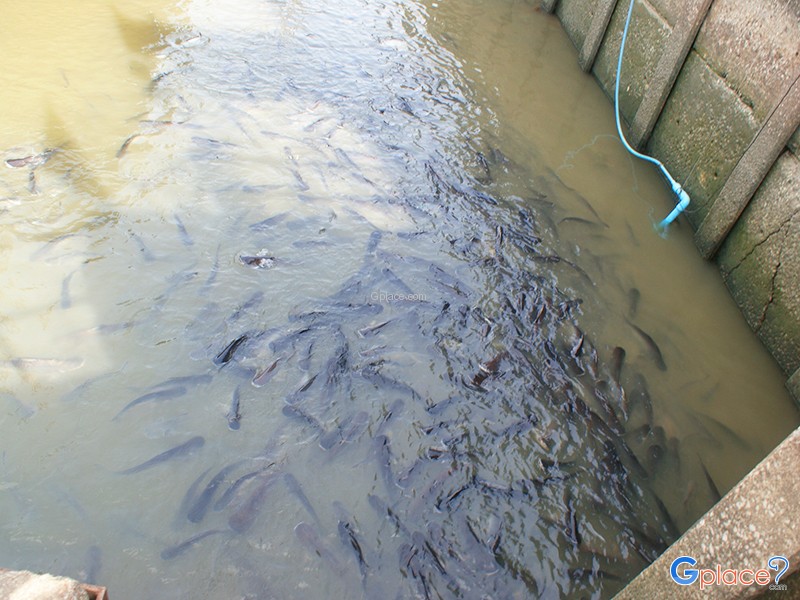
Over the past decades, the temple has also become a cultural tourism destination, especially through the Wat Saeng Siritham Floating Market held on weekends and public holidays. Unlike large commercial floating markets, this community market maintains a simple and authentic atmosphere. Visitors can enjoy local dishes, traditional Thai desserts, fresh fruits from nearby orchards, and riverside dining on wooden platforms extending over the river.The morning atmosphere is considered the most beautiful time to visit the temple, as visitors may witness monks receiving alms by boat, locals feeding fish along the riverbank, and the peaceful daily rhythm of riverside life. Wat Saeng Siritham is therefore not only a place of worship, but also a living reflection of the relationship between religion, community, and the waterways of Nonthaburi.

 Attractions
  Hotel
Hotel  Restaurant
  Shopping
  Abroad








 Share
Share
 Tha It , Pak Kret, Nonthaburi 11120
Map
Tha It , Pak Kret, Nonthaburi 11120
Map
 Closed today



 59
59