Wat Chonprathan Rangsarit is located in Pak Kret District, Nonthaburi Province, Thailand. It is an important temple in both the historical development of modern Thai Buddhism and the propagation of rational Buddhist teachings. The temple was established in 1959 (B.E. 2502) by M.L. Choochat Kamphu, then Director-General of the Royal Irrigation Department. Its main intention was to create a “model temple” that differed from traditional temples of the time, which often emphasized complex rituals and grand religious architecture. Instead, Wat Chonprathan Rangsarit focuses on simplicity, peace, and practical access to Dharma in everyday life.The most important figure of the temple is Luang Por Panya Nanthaphikkhu, the first abbot and a highly influential monk in Thai Buddhism. He is well known for his teaching style, which uses simple and easy-to-understand language. His teachings connect Buddhist principles directly to real-life situations such as work, family life, and social interaction. Rather than encouraging belief based solely on faith, he emphasized thinking, analyzing, and understanding through personal experience. This progressive approach made the temple a major center of rational Buddhism in Thailand.
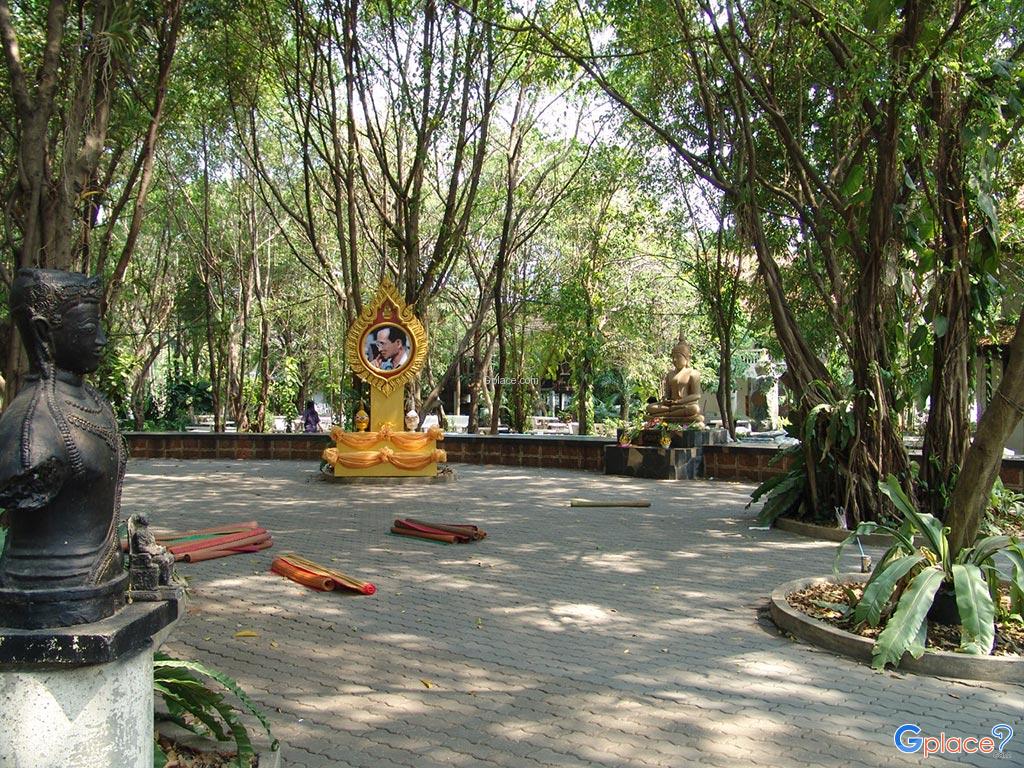
The temple’s concept developed into what is known as a “modern temple,” characterized by the reduction of unnecessary rituals, such as overly complex ceremonial practices. Instead, the focus is placed on listening to Dharma teachings, practicing meditation, and learning practical Buddhist principles that can be applied in daily life. The temple is open to people of all ages and backgrounds, creating a welcoming environment that is different from traditional Thai temples, which are often more formal and ritual-focused.The temple covers an area of approximately 49 rai and is systematically organized into several zones. These include the religious area with the ordination hall, Dharma halls, and meditation buildings, as well as peaceful garden spaces for walking meditation and relaxation. There is also a curved stone courtyard used for outdoor Dharma talks and religious activities in a natural and tranquil setting. In addition, the temple has a Sunday Buddhist school that provides Dharma education for children and the general public.
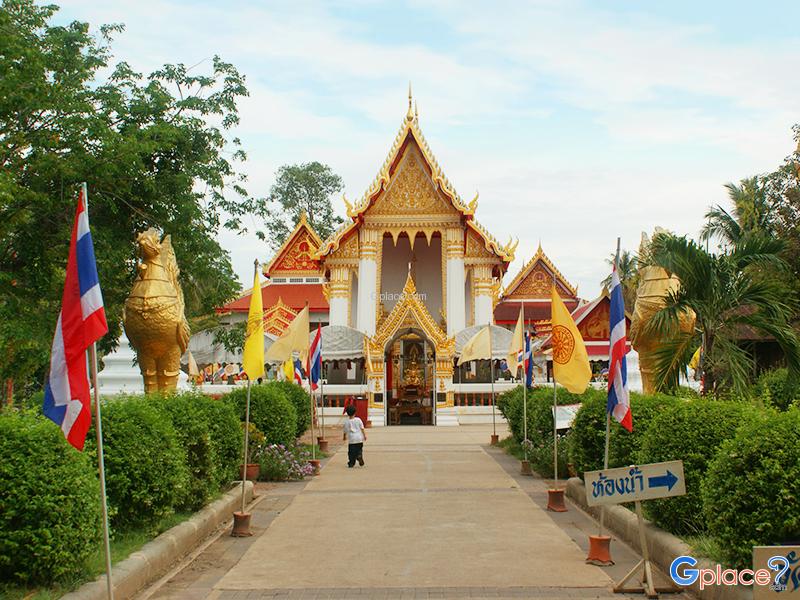
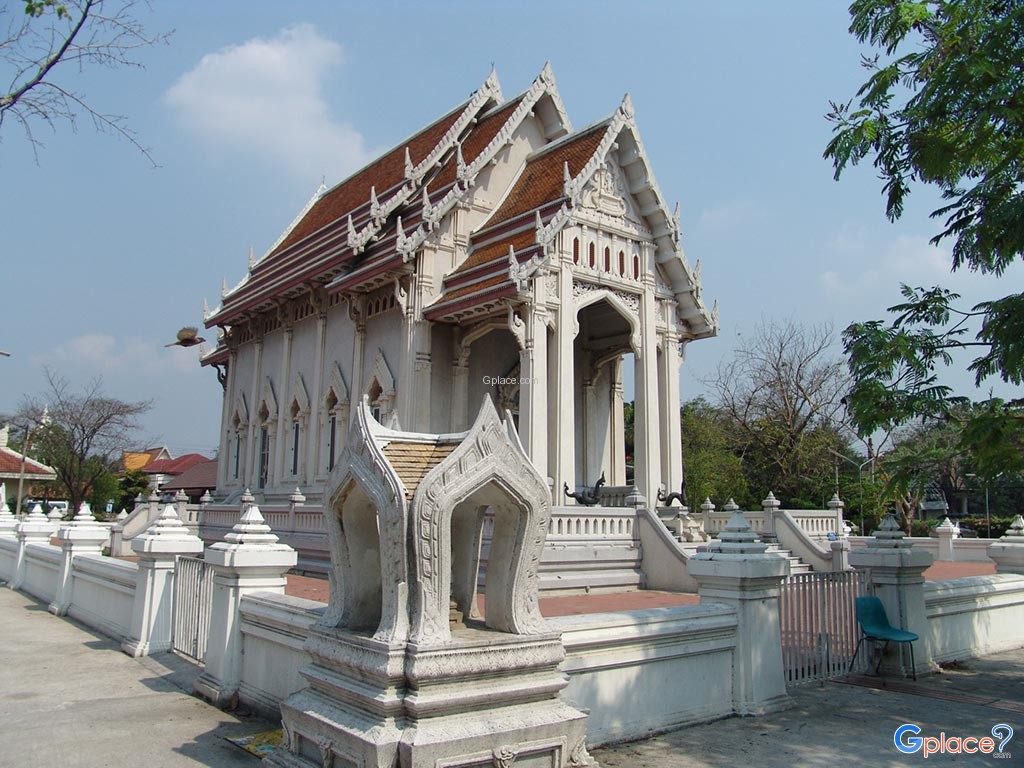
The ordination hall (ubosot) is designed in a simple, clean, white architectural style, emphasizing openness and tranquility rather than elaborate decoration. The overall design reflects the concept that “simplicity is beauty,” which aligns closely with the teachings of Luang Por Panya Nanthaphikkhu. In front of the ubosot is the symbol of Phra Phirun, representing the Royal Irrigation Department and reflecting the temple’s historical origin.Another important feature is the statue of Luang Por Panya Nanthaphikkhu, which is enshrined within the temple grounds. It is a place where visitors pay respect and remember his teachings, especially his emphasis on mindfulness and wisdom in daily life. Therefore, the temple is not only a place of worship but also a spiritual center for those seeking deeper understanding of Buddhism.

 Attractions
  Hotel
Hotel  Restaurant
  Shopping
  Abroad








 Share
Share
 Bang Talat Subdistrict, Pak Kret District, Nonthaburi 11120
Map
Bang Talat Subdistrict, Pak Kret District, Nonthaburi 11120
Map
 Closed today

 https://www.thai-tour.com/thai-tour/central/nonthaburi/data/place/watchonlapratanrangsarit.htm

 3611
3611