 Attractions
  Hotel
Hotel  Restaurant
  Shopping
  Abroad







“Experience authentic Mon culture, witness impressive head-balancing traditions, and join morning alms-giving by the iconic wooden bridge. Enjoy wearing traditional sarongs and Thanaka paste in this riverside community.”
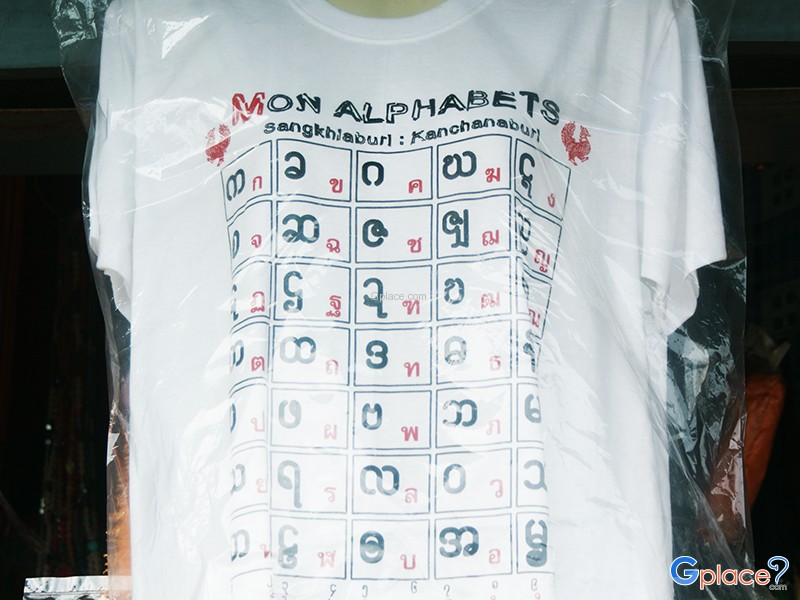
Mon Village, or "Ban Wangka," is a large Mon community in Sangkhlaburi District, Kanchanaburi Province. Located on the banks of the Songkalia River near the confluence of three rivers – the Songkalia, Bikhli, and Ranti – this area is an important community for Mon people who migrated from Myanmar decades ago. Phra Raja Udommongkol, or "Luang Pho Uttama," is a key spiritual leader and significant figure in the community's development. The Mon people in Sangkhlaburi have faithfully preserved their traditional language, clothing, beliefs, and customs, making this village one of the most important learning centers for Mon culture in Thailand.
The most distinctive feature of Mon Village is its simple way of life and deep connection to Buddhism. Every early morning, the Uttamanusorn Wooden Bridge, or "Mon Bridge," is filled with villagers in traditional Mon clothing participating in the alms-giving ceremony. The sight of Mon women wearing sarongs, shoulder sashes, and carrying food trays on their heads reflects a rare glimpse into this traditional culture. Many tourists prefer to wake up before sunrise to experience the morning atmosphere and witness the mist over the river. Participate in the alms-giving ceremony with the local community, a significant activity that has long brought fame to Sangkhlaburi.
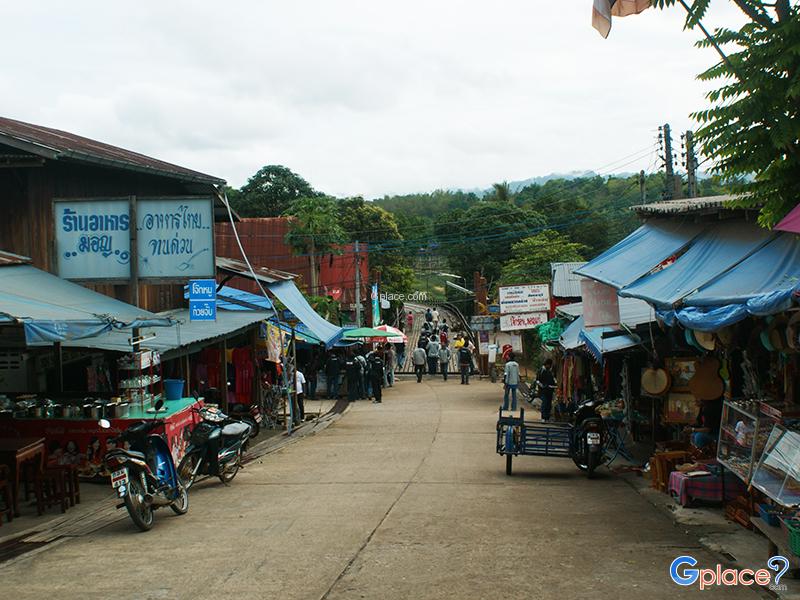
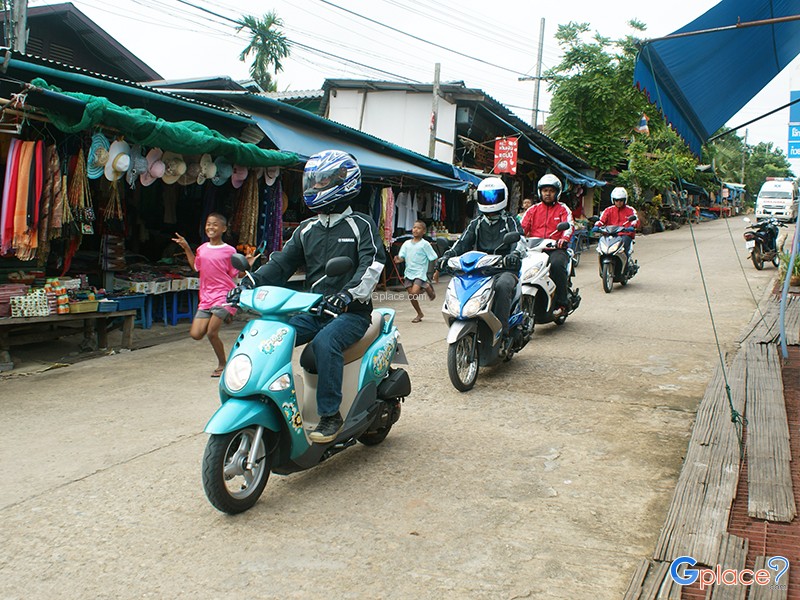
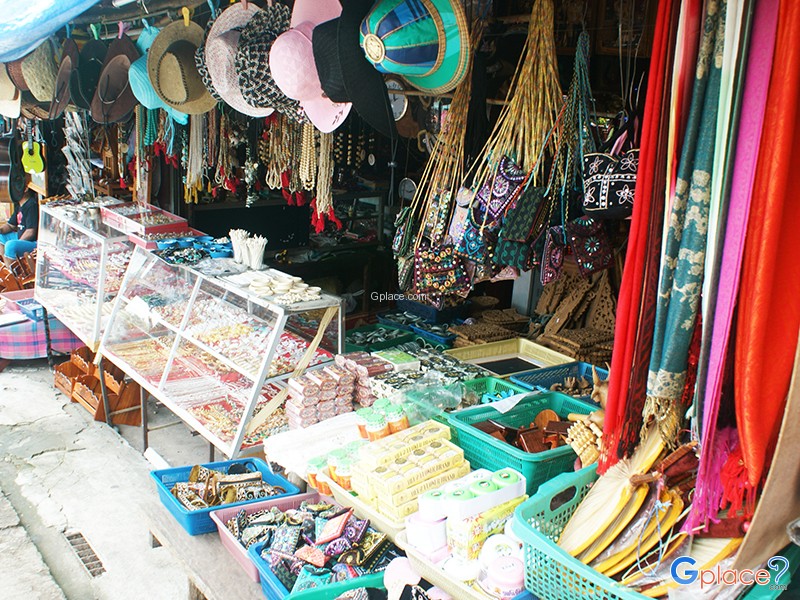
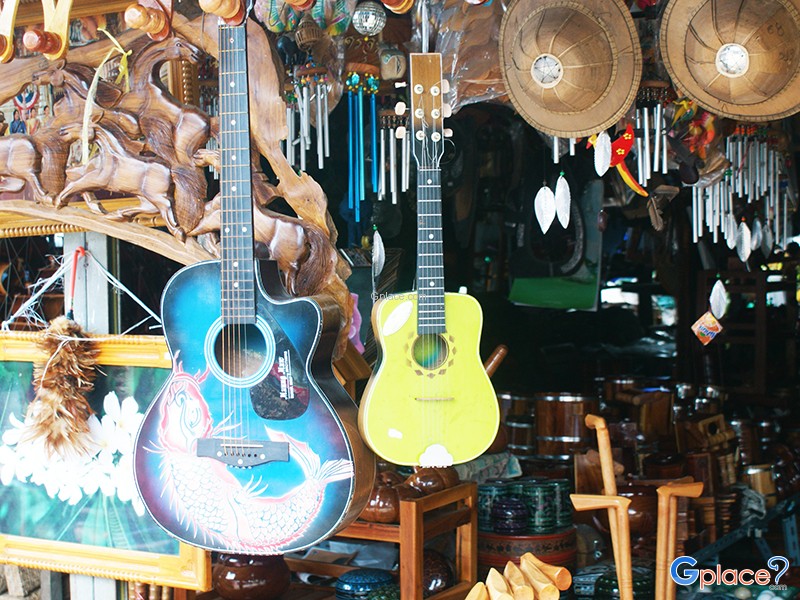
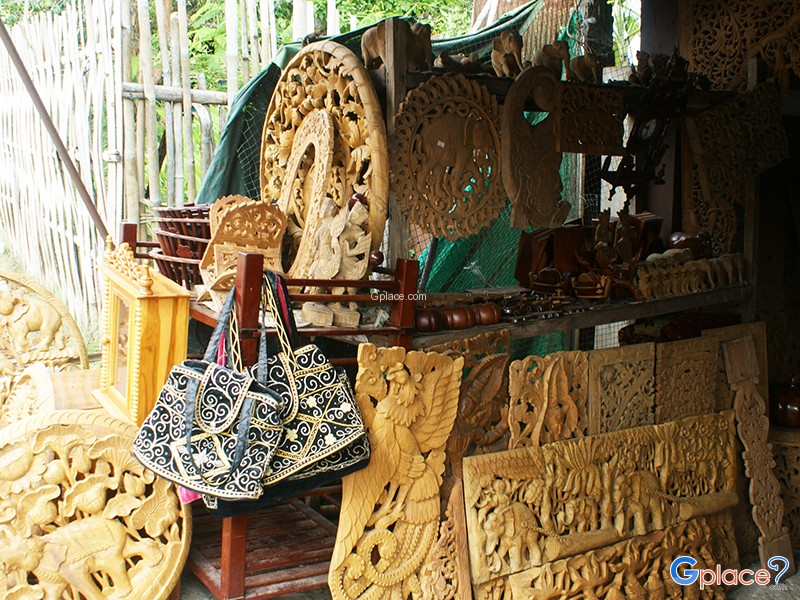
Within the village, traditional wooden houses, local shops, and small community markets clearly reflect the Mon way of life. Tourists can see villagers applying Thanaka powder, a cultural influence from Myanmar, and using the Mon language in daily life. There are also shops renting traditional Mon costumes for tourists to wear for photos on the Mon Bridge and within the village, creating a unique cultural tourism experience different from typical tourist destinations.
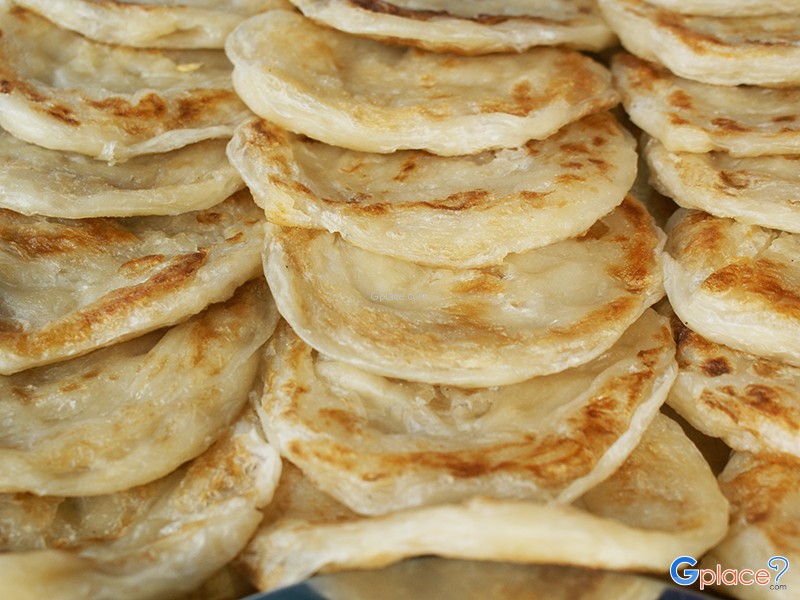
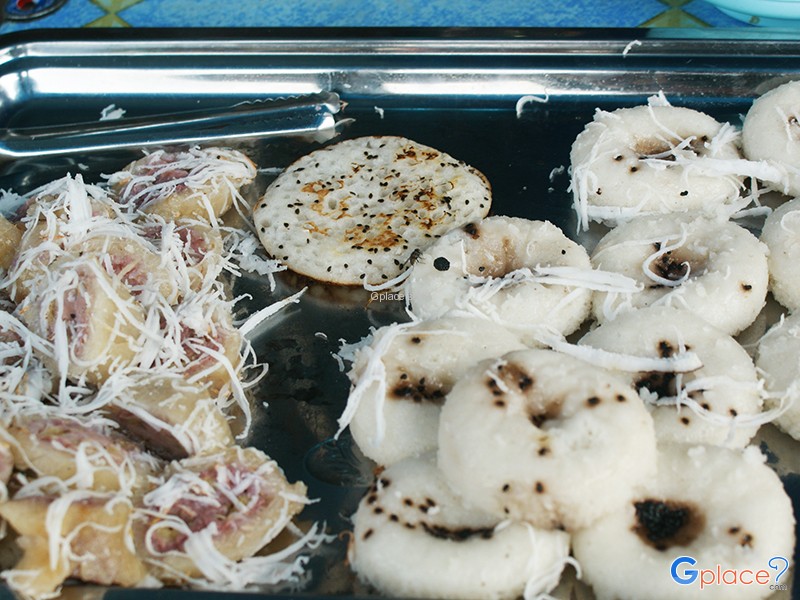
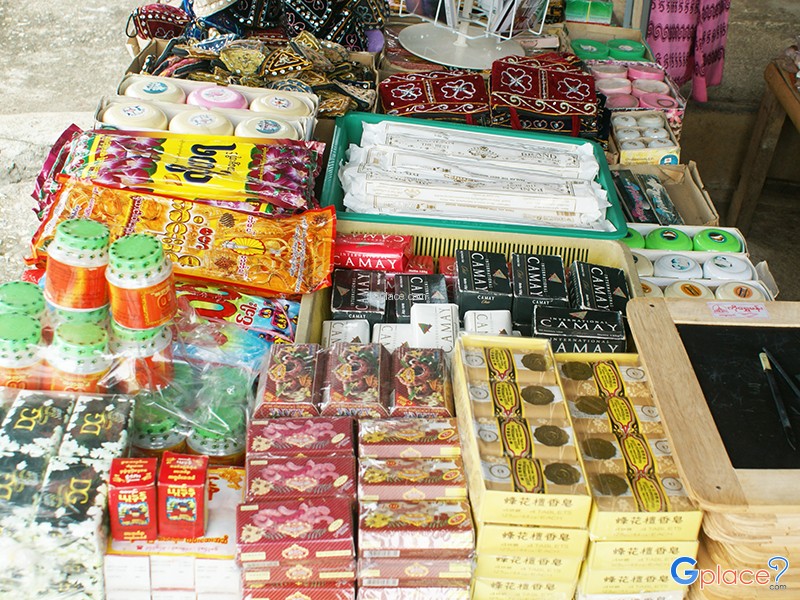
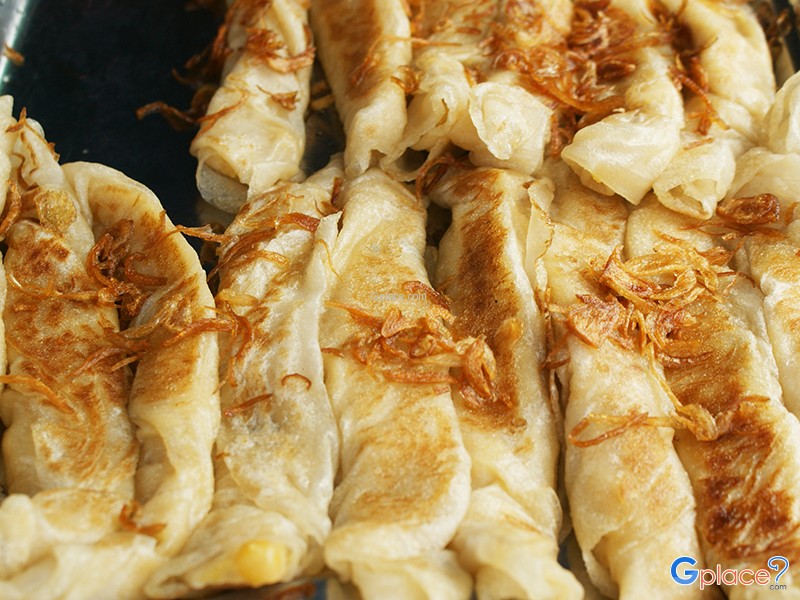
The local cuisine of the Mon village is another major attraction for tourists. The menu features dishes influenced by Mon and Myanmar cultures, such as Mon-style rice noodles with curry, Mon-style rice salad, Hang Le curry, river fish, and other local dishes using natural ingredients from the area. Mon food is often flavorful but not overly spicy, and many dishes are prepared using traditional methods. In addition, the morning market offers local sweets, tea, coffee, and souvenirs for tourists to purchase.
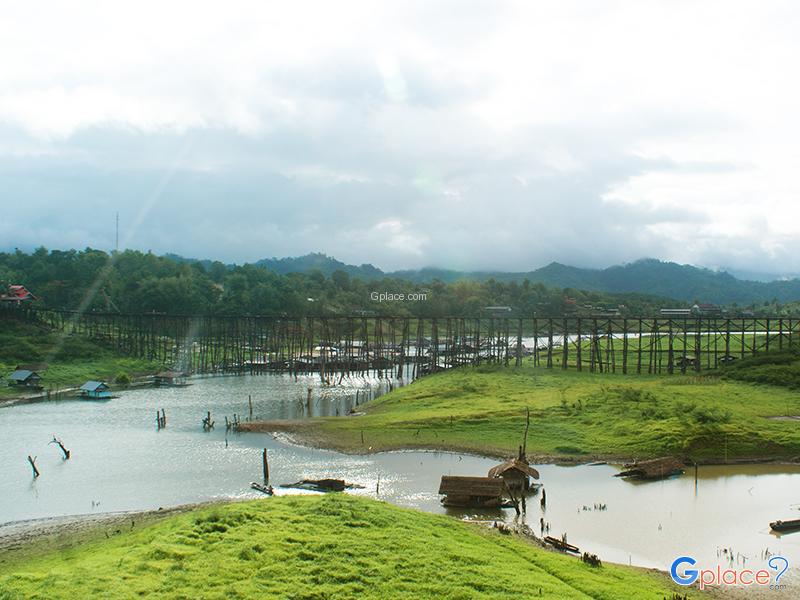
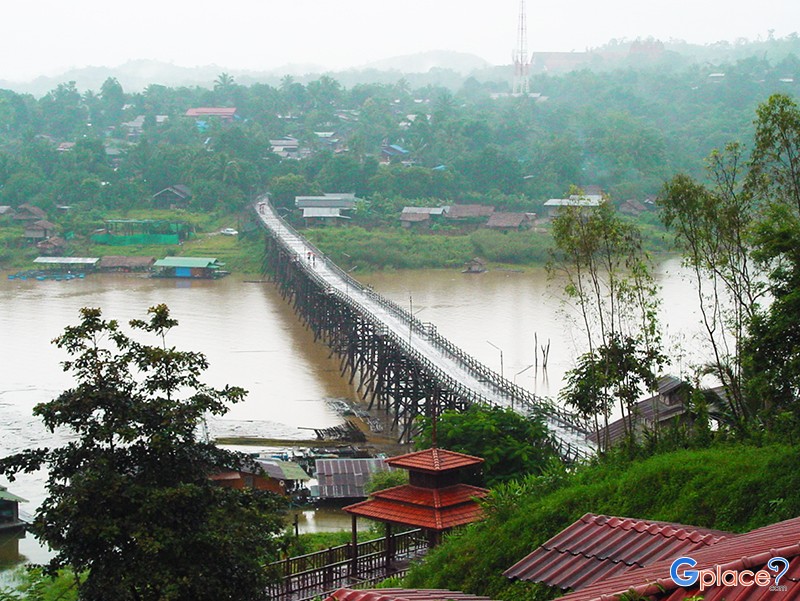
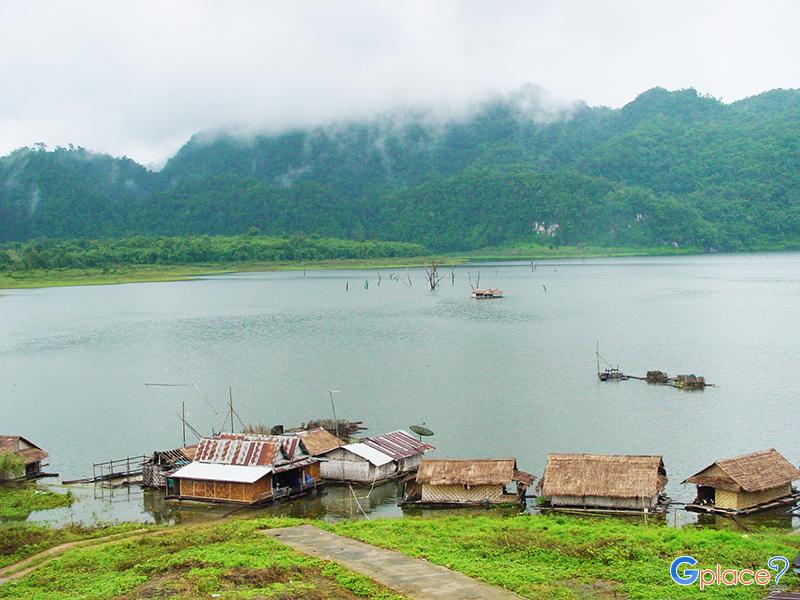
The Mon Bridge, connecting Sangkhlaburi town with Wangka village, is a major landmark and one of the most popular viewpoints in Kanchanaburi province. This bridge was built through the faith of the villagers under the initiative of Luang Pho Uttama, serving as a passageway between the two banks of the river. Today, in addition to being a main thoroughfare for the community, it has become a tourist symbol of Sangkhlaburi, especially during the rainy and winter seasons when mist often blankets the water, creating a tranquil and beautiful atmosphere.
Although the Mon village is increasingly popular with tourists, the community continues to preserve its unique identity and traditional way of life. Visitors should respect local culture, dress modestly, and avoid making loud noises, especially during the morning alms-giving ceremonies. A visit to the Mon village is therefore not just about sightseeing or photography; it's an opportunity to learn about cultural diversity, border life, and the strong connection between religion, community, and nature that still endures today.
How to Get There
- From Kanchanaburi city, take Highway 323 towards Thong Pha Phum and Sangkhlaburi. Upon reaching Sangkhlaburi town, cross the concrete bridge (Songkalia Bridge) and turn left into the Baan Wang Ka area.
Travel Tips
- Arrive before 6:00 AM to enjoy the peaceful morning atmosphere.
- The rainy and winter seasons offer beautiful misty scenery.
- Bring a light jacket if visiting early in the morning.
- Dress politely when joining alms-giving activities or visiting temples.
Admission Fees:
- Free admission
Opening Hours:
- Open daily, 24 hours (Best visited between 6:00 AM – 6:00 PM for tourist activities)
Mon Village

 Share
Share
 T.Nong Lu, A.Sangkhlaburi, Kanchanaburi, 71240
Map
T.Nong Lu, A.Sangkhlaburi, Kanchanaburi, 71240
Map
 Open now



 2787
2787