 Attractions
  Hotel
Hotel  Restaurant
  Shopping
  Abroad





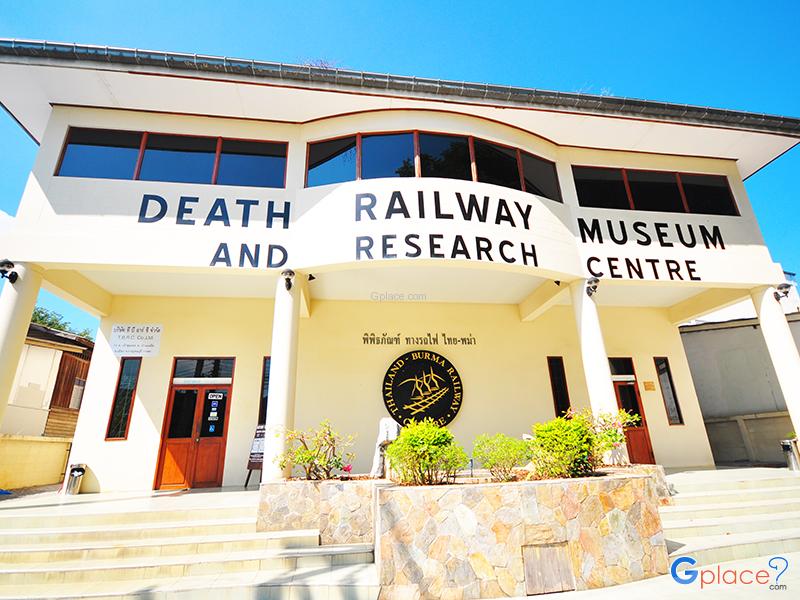

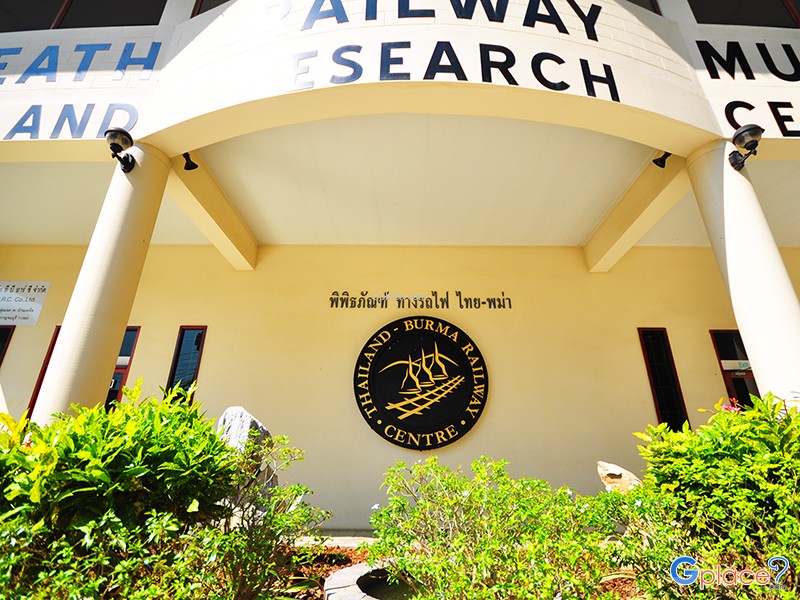
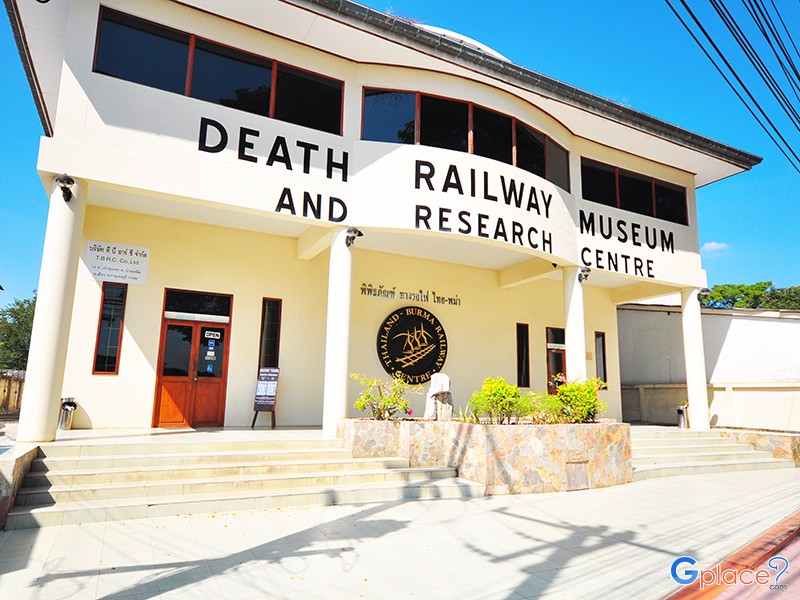
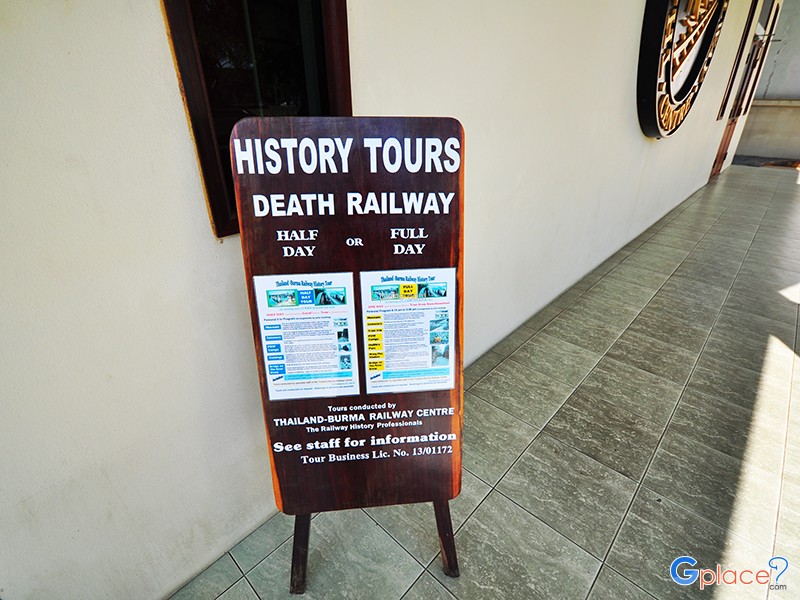
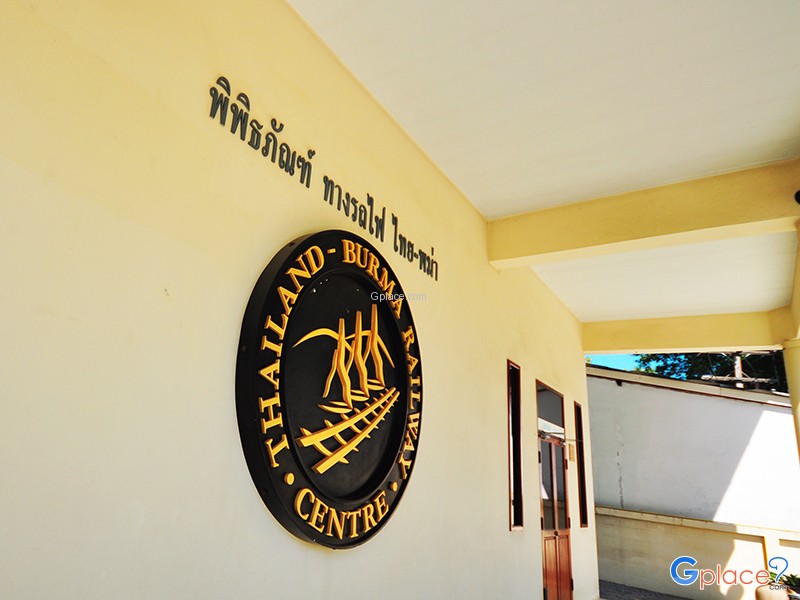
“A historical museum of the Death Railway featuring immersive multimedia exhibitions near Don Rak War Cemetery, vividly portraying World War II stories and human suffering.”
Thailand-Burma Railway Centre (TBRC) is regarded as one of the most comprehensive and internationally respected World War II museums in Southeast Asia. Founded by Rod Beattie, an Australian researcher who spent decades exploring the infamous “Death Railway” across Thailand and Myanmar, the museum was created to systematically preserve historical records, photographs, documents, and prisoner-of-war camp locations. The museum is housed in a fully air-conditioned two-story building designed to guide visitors through the historical timeline of the war. Exhibitions begin with the outbreak of war in Asia and the arrival of Japanese forces, before explaining the strategic reasons behind the construction of the Thailand–Burma Railway and the brutal conditions endured during its construction. The exhibits particularly highlight the immense suffering and loss of life experienced by Allied prisoners of war and Asian forced laborers known as Romusha.
Inside, the museum is divided into several important exhibition zones, including:
- Railway Route & Mapping Zone Showcasing the real terrain, mountains, jungles, and rivers that made construction extremely difficult.
- Prisoner of War Life Zone Featuring recreated camp environments, clothing, personal belongings, and displays illustrating overcrowding, starvation, and disease.
- Wartime Medical Zone Displaying authentic medical equipment, emergency treatment methods, and stories of doctors working under severe shortages of medicine and supplies.
- Photographs & Original Documents Zone Presenting rare historical photographs, personal letters, wartime records, and lists of victims.
- Multimedia & Documentary Zone Using sound, lighting, survivor testimonies, and documentary films to create an emotional and immersive experience for visitors.
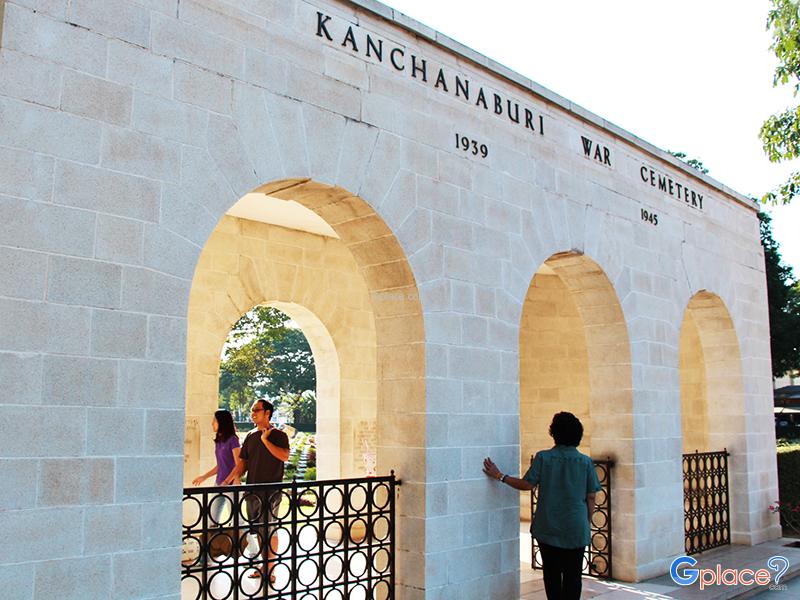
One of the museum’s greatest strengths is its balanced and objective presentation of history. Rather than focusing solely on one side of the conflict, the exhibitions reflect the human impact of war on soldiers, prisoners of war, and civilian laborers alike. This neutral and research-based approach has earned the museum international recognition and made it an important resource for historical study and education.Another significant aspect of the visit is the museum’s location beside Don Rak War Cemetery. Visitors can continue directly to the cemetery to pay respects to those who lost their lives during the railway’s construction, creating a more meaningful understanding of the tragedy and sacrifice associated with the Death Railway.
Beyond its historical importance, the museum is also known for its modern presentation style, clear explanations, and accessible layout, making it suitable for general tourists, students, researchers, and anyone interested in World War II history. Most visitors spend around 1–2 hours exploring the museum, although history enthusiasts may wish to stay longer due to the extensive detail presented throughout the exhibitions.
How to Get There
- By Car: From Bangkok, take Phet Kasem Road (Highway No. 4) or Borommaratchachonnani Road toward Nakhon Pathom, then continue via Highway No. 323 to Kanchanaburi Province. Once in the city center, follow Saeng Chuto Road and turn left onto Jaokhunen Road. The museum is located on the right-hand side next to Don Rak War Cemetery.
- By Train: Get off at Kanchanaburi Railway Station, then walk approximately 300 meters to the museum.
Travel Tips
- Allow at least 1–2 hours to fully explore the exhibitions and documentary presentations.
- It is recommended to begin with the introductory documentary film, as it helps visitors better understand the historical timeline and background.
- The museum maintains a quiet and respectful atmosphere, so visitors should speak softly while inside the exhibition areas.
- Visitors can also explore Don Rak War Cemetery next door to gain a deeper understanding of the human cost of the war.
- Photography and video recording are prohibited in some exhibition zones, so visitors should check signage carefully before taking pictures or filming.
Admission Fee:
- Adults (Thai and Foreign Visitors): 160 THB
- Children (7–14 years old): 80 THB
Opening Hours:
- Open daily from 09:00 AM – 04:00 PM.
Thailand Burma Railway Centre

 Share
Share
 Jaokhunen, Mueang Kanchanaburi , Kanchanaburi 71000
Map
Jaokhunen, Mueang Kanchanaburi , Kanchanaburi 71000
Map
 Closed today
Mon9.00 - 16.00
Tue9.00 - 16.00
Wed9.00 - 16.00
Thu9.00 - 16.00
Fri9.00 - 16.00
Sat9.00 - 16.00
Sun9.00 - 16.00



 50
50