 Attractions
  Hotel
Hotel  Restaurant
  Shopping
  Abroad





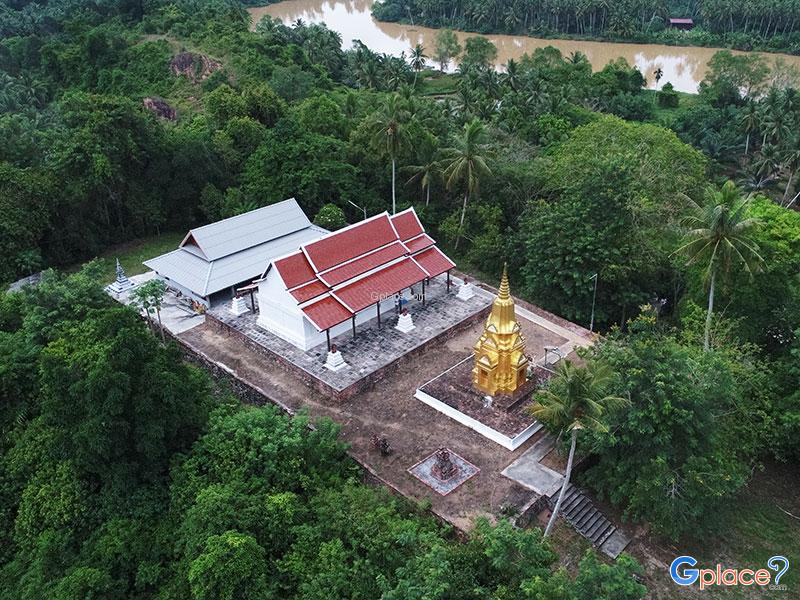

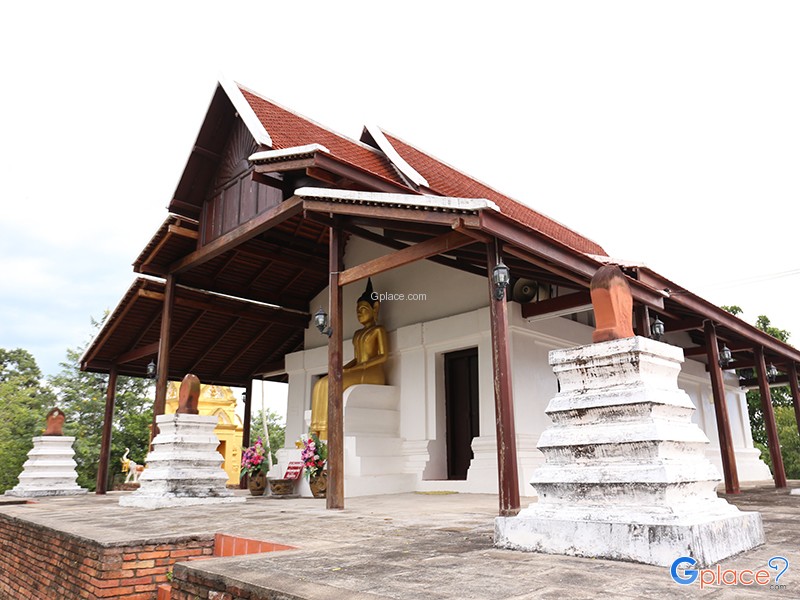
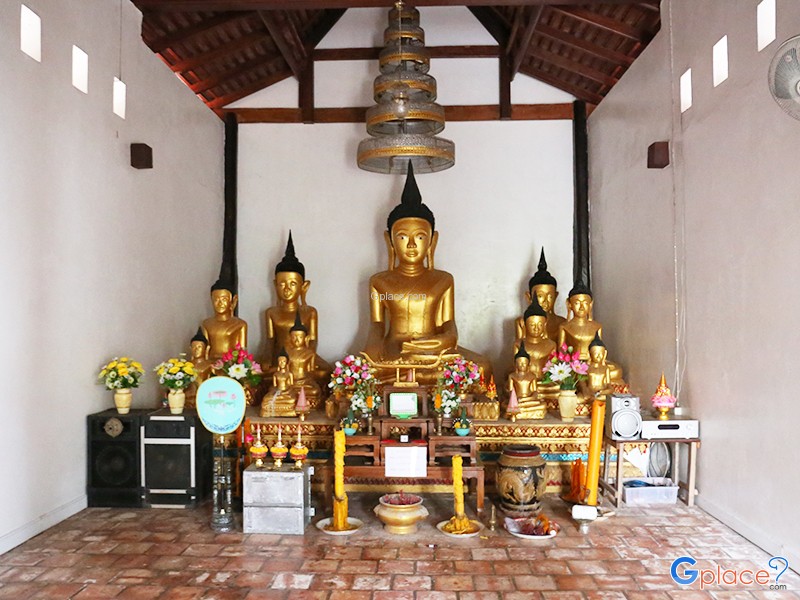
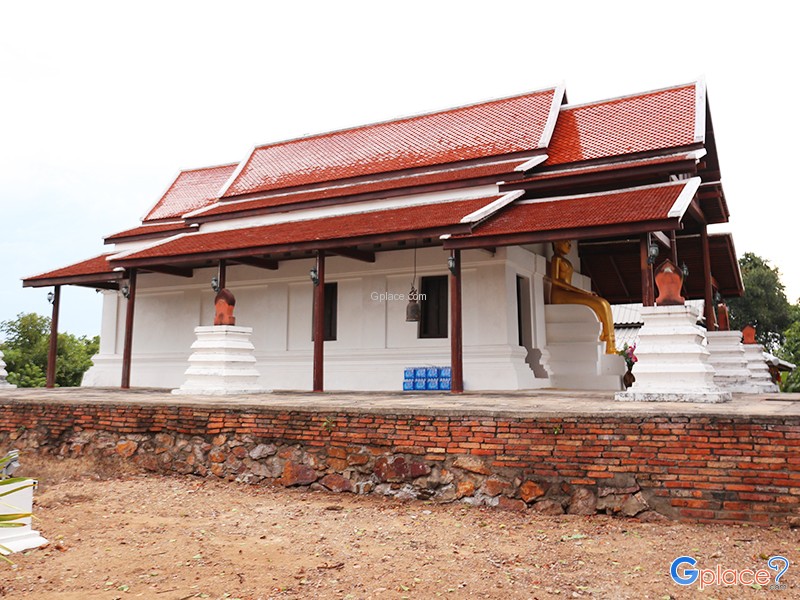
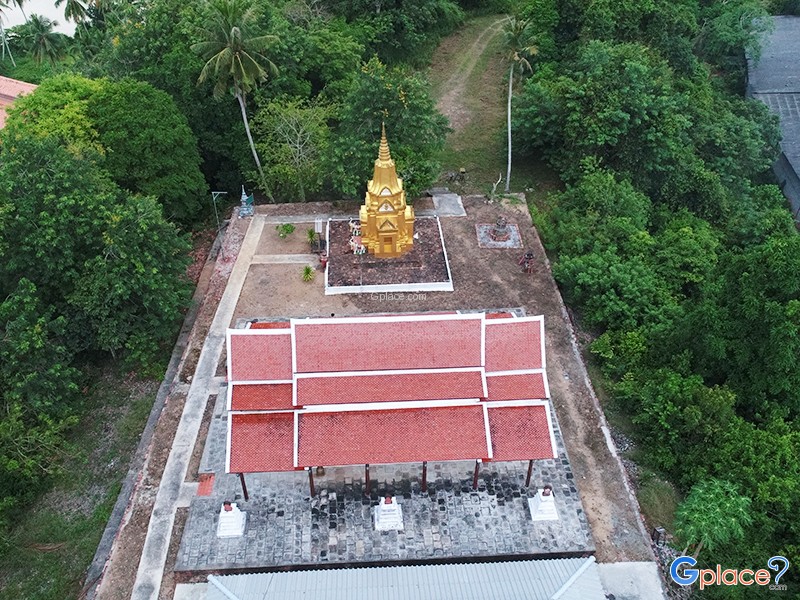
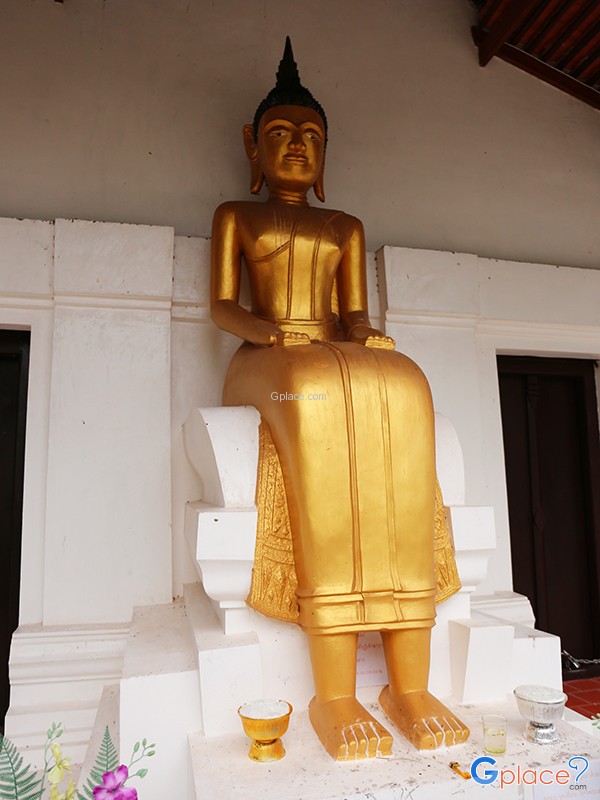
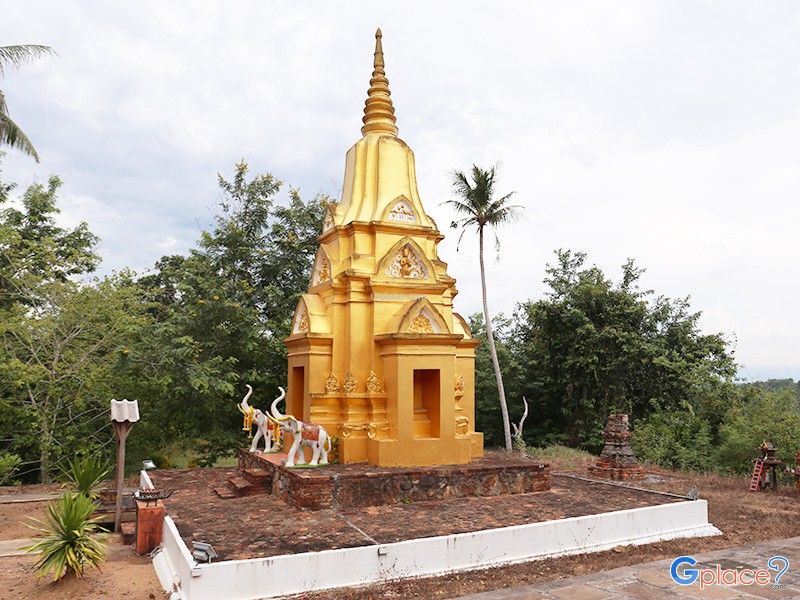
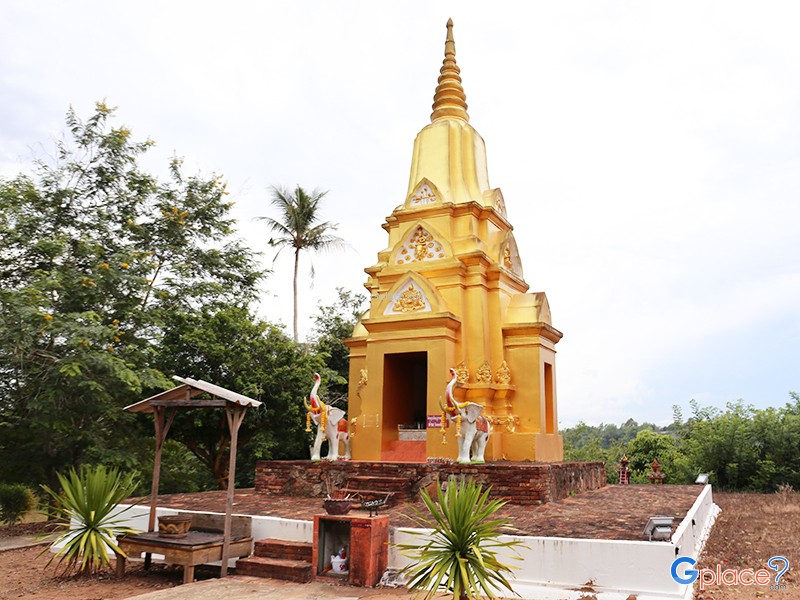
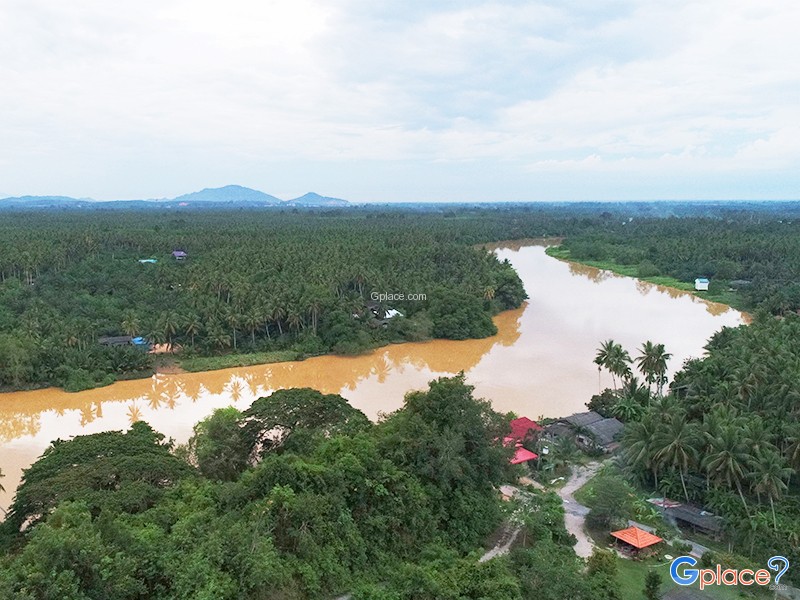
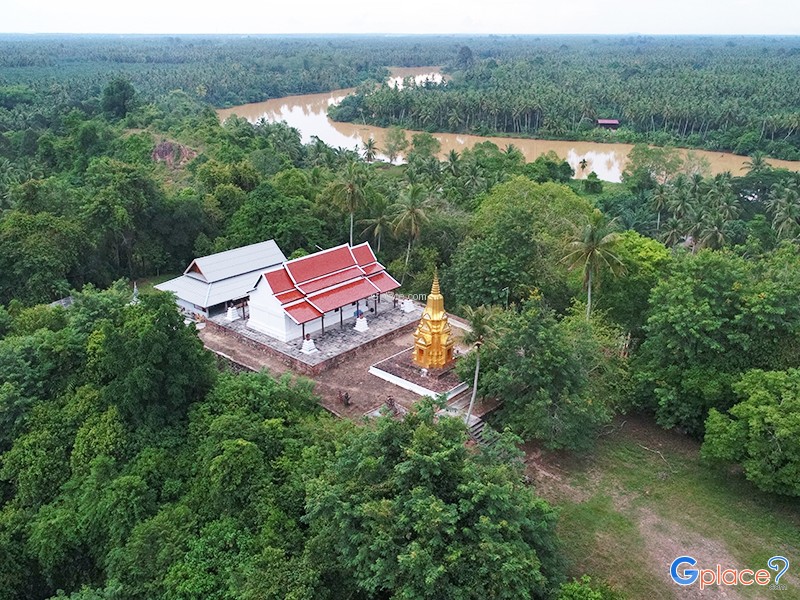
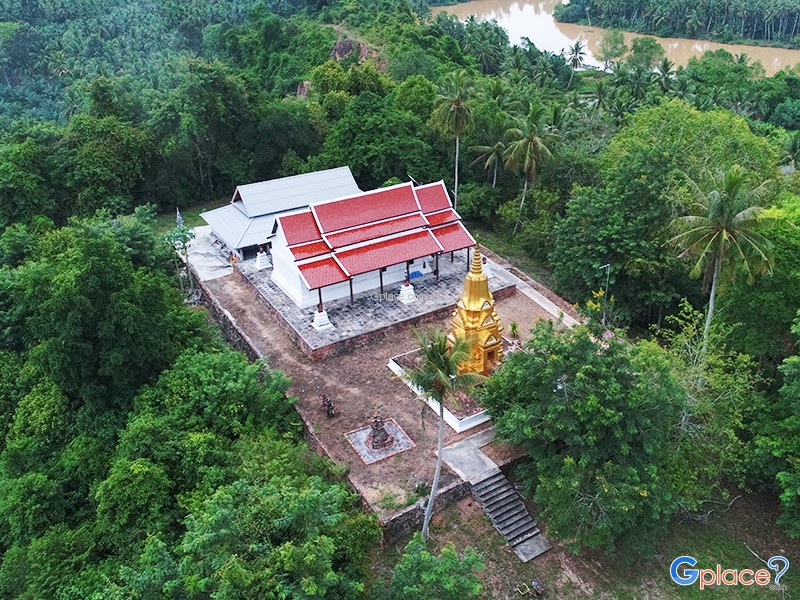
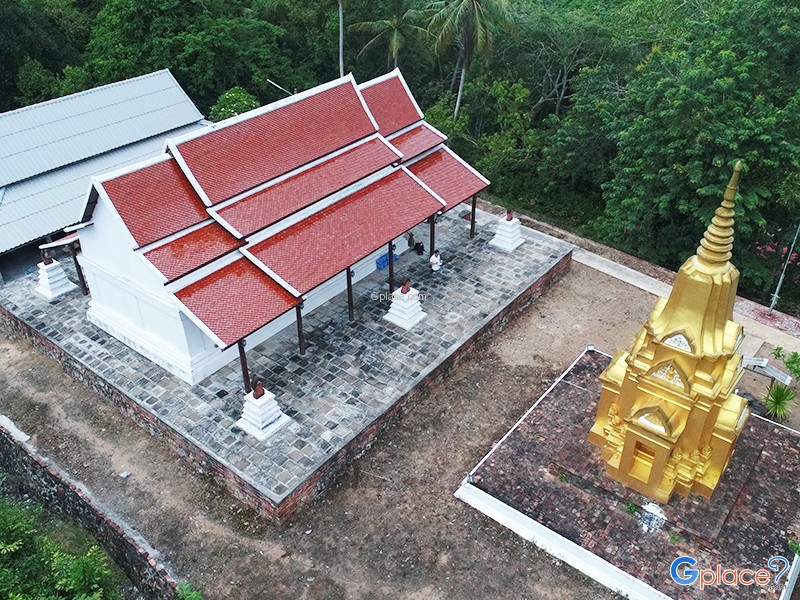
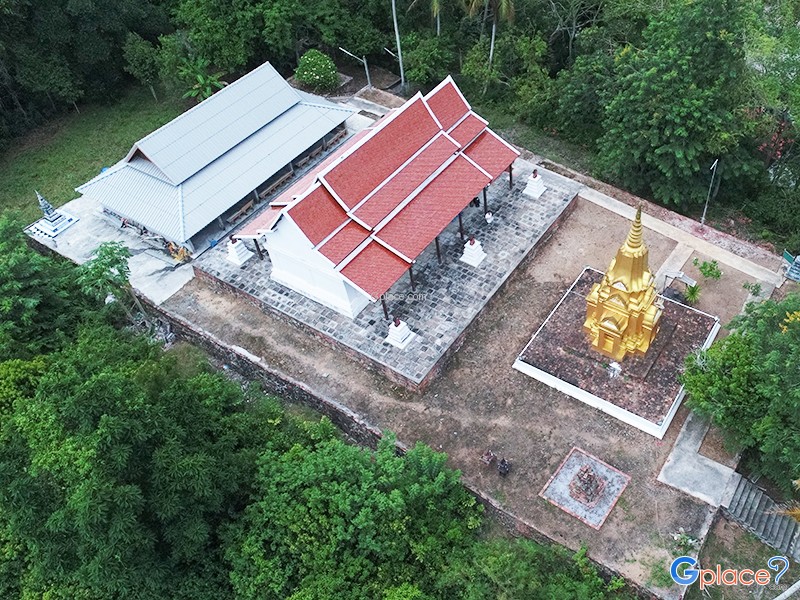
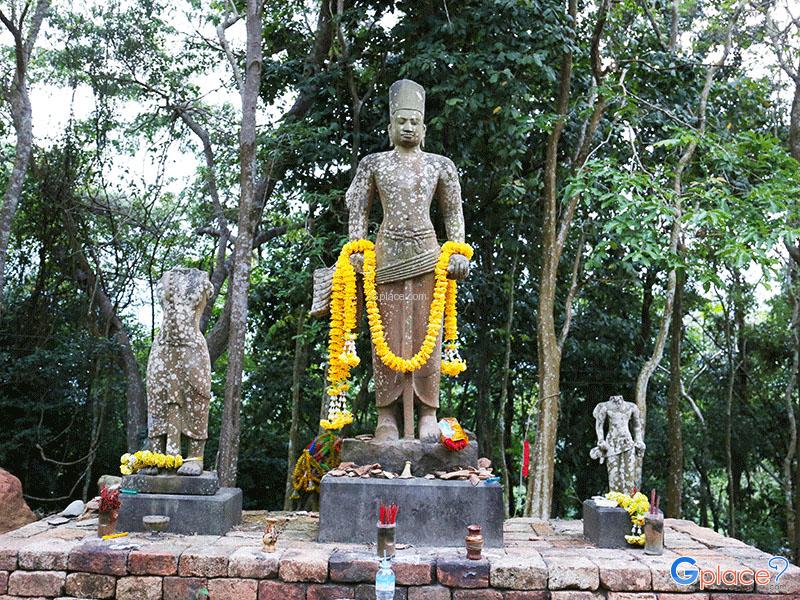
“Ancient Ubosot (ordination hall) on a natural rock base, built in 3 tiered levels according to the mountain, Ayutthaya period Chedi (pagoda) with castle-like architecture, red sandstone Buddha image in the Mara Vichai posture (subduing Mara), and a viewpoint of the Pumduang River on the hilltop.”
Wat Khao Phra Anon, or as some locals call it, Wat Khao Hua Lang, is an important ancient temple of Phunphin District. It is located along the Pumduang Canal, close to Wat Khao Si Wichai (Wat Khao Hua Bon), only about 750 meters away. The temple area is situated on a stone hill, which has been transformed into a religious site by building walls around the mountain in 3 tiered levels. The top of the mountain has been leveled to build a pagoda and Ubosot next to each other.
According to the stone inscription of Wat Nam Rob, this temple used to be a "Royal Temple" in the same era as Wat Nam Rob and Wat Tham Singkhon, reflecting its importance in the religious and administrative systems of the past.
History and Legend of Phra Chao Lithai (As told)
According to legends and inscriptions, Wat Khao Phra Anon is believed to have been built around 1890 B.E. during the Sukhothai period in the reign of Phra Maha Thammaracha I (Phaya Lithai) during his visit to the southern cities such as Chumphon, Chaiya and Nakhon Si Thammarat.
The story tells that during the journey, he encountered the royal barge running aground in the river, and had to help push the boat and repair it until it could continue its journey. This event became the origin of the names of villages such as "Ban Tha Ro", "Ban Tha Tuen" and "Ban Chaman" in the nearby area.
Later, the story also mentions a girl from Ban Hua Wang, who was beautiful and was taken up to be a concubine and later became the Queen of Sukhothai. Later, the family ordained and went on a pilgrimage to look for each other, until they accidentally met their siblings in Sukhothai. This story of faith and bond became an important legend of the area.
Finally, the King, Queen, and Prince came down to build religious sites as a memorial, by designating the construction of 3 important temples:
- Wat Tham Singkhon
- Wat Nam Rob
- Wat Khao Phra Anon
Architecture and Temple Layout on the Mountain
The temple was designed by transforming the entire mountain into a religious site. Walls were built around the area in 3 tiered levels. The top of the mountain was leveled to create both a pagoda and Ubosot next to each other.
Important Pagoda (Late Ayutthaya Art)
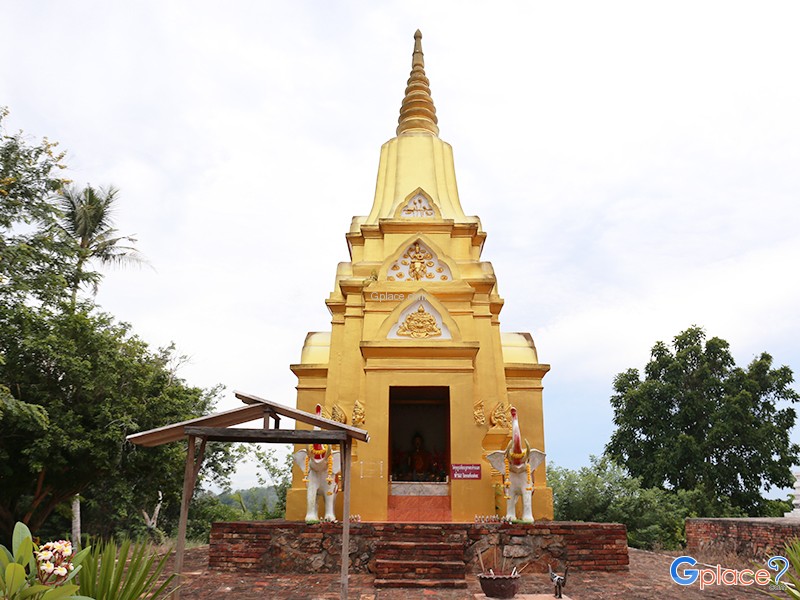
The castle-shaped pagoda is built of brick and mortar, about 9 meters high, with a square base of about 5.10 meters on each side. There are crocodile gable in all 4 directions. The east side has stairs leading inside.
Outstanding stucco patterns include:
- Rahu swallowing the moon
- Thep Phanom (kneeling angels)
- Phra Indra riding Erawan
- Lotus and Kanok patterns
The pagoda is similar to the pagoda of Wat Amphawawas (Wat Tha Muang) in Tha Chana District, reflecting the late Ayutthaya art style.
Ubosot and Sandstone Buddha Art
The Ubosot is about 6.5 x 12.7 meters, built of brick and mortar, with walls supporting the weight instead of pillars. The roof is tiled (originally banana leaf tiles).
Inside, there are 7-8 red sandstone Buddha images along with red sandstone Sema stones around the Ubosot without carvings. Inside, there are also earthenware and decorative art from the Ayutthaya period.
Antiquities and Archaeological Significance
Important ancient sites within the temple include:
- Pagoda
- Ubosot
- Sema stones
- Bone cinerary urn
All the evidence reflects the continuous settlement of ancient communities from Khao Si Wichai to Phunphin.
Religious Role and Local Beliefs
According to legend, Chao Fa Phiyathe, who was the first abbot, built this temple to be a royal temple under Sukhothai and later under Ayutthaya.
It is also believed that in the past, there was a royal barge procession every year with related temples, reflecting the ritual importance of the temple in the region.
Present Atmosphere
Today, the temple is located amidst lush nature, overlooking the Pumduang River and surrounding communities. It is both a historical tourist destination and a quiet place for meditation.
How to Get There
- By Car: From Surat Thani city, take Highway No. 401 towards Phunphin District, then enter the road along the Pumduang Canal. There are clear signs.
Travel Tips
- Be careful of ancient sites and stucco work. Avoid direct contact.
- Recommended in the morning to see beautiful light and cool air.
- Suitable for history buffs and merit makers.
- The viewpoint on the hill is ideal for photography.
- Talking to locals will provide additional legendary information.
Admission Fee:
- Free admission (you can contribute to the restoration of ancient sites as you wish)
Opening Hours:
- Open daily: 08:00 - 17:00
Wat Khao Phra Anon

 Share
Share
 Phunphin Subdistrict, Phunphin District, Surat Thani Province 84130
Map
Phunphin Subdistrict, Phunphin District, Surat Thani Province 84130
Map
 Closed today
Mon8.00 - 17.00
Tue8.00 - 17.00
Wed8.00 - 17.00
Thu8.00 - 17.00
Fri8.00 - 17.00
Sat8.00 - 17.00
Sun8.00 - 17.00



 24
24