 Attractions
  Hotel
Hotel  Restaurant
  Shopping
  Abroad





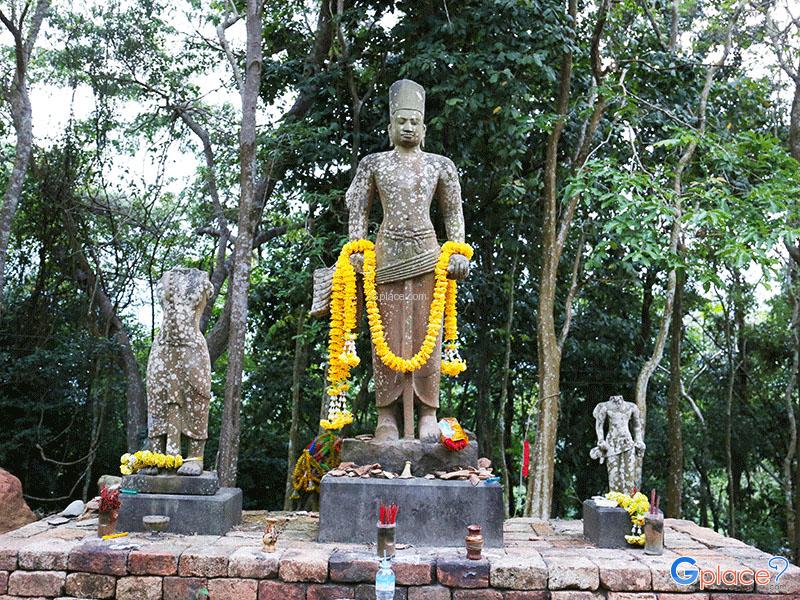

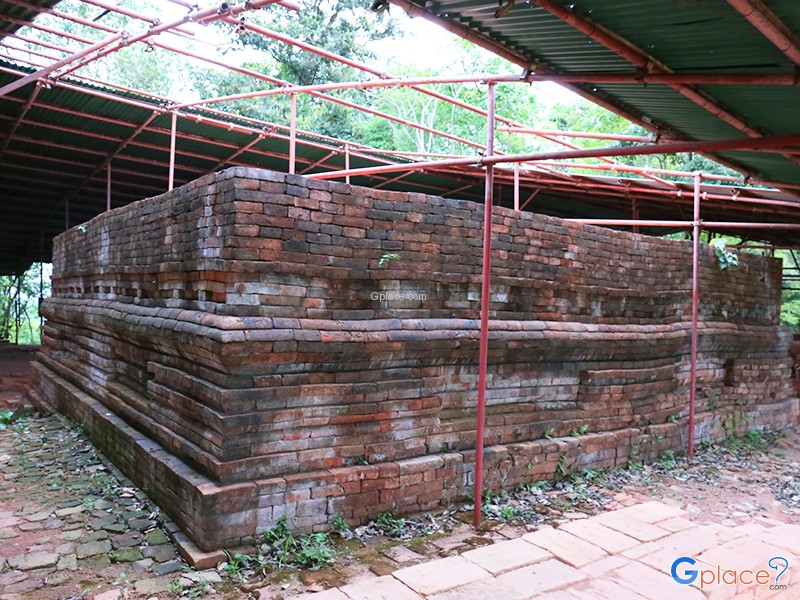
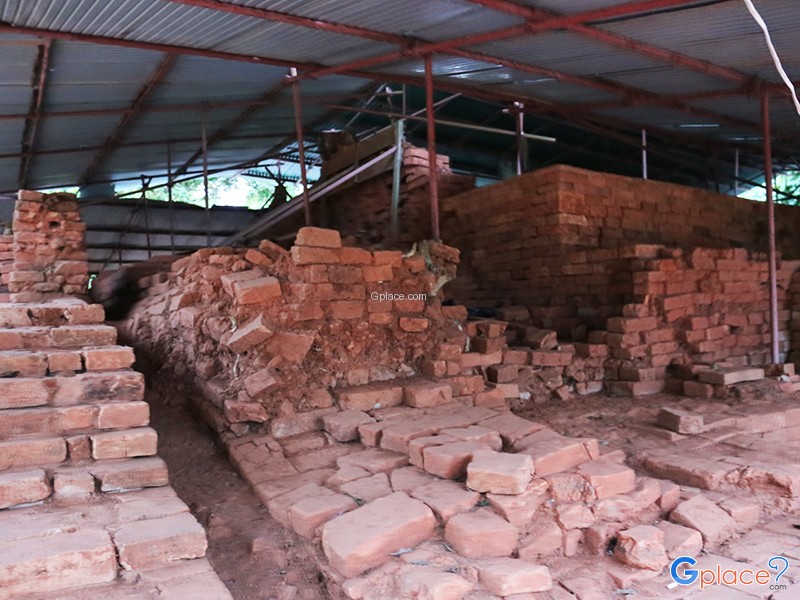
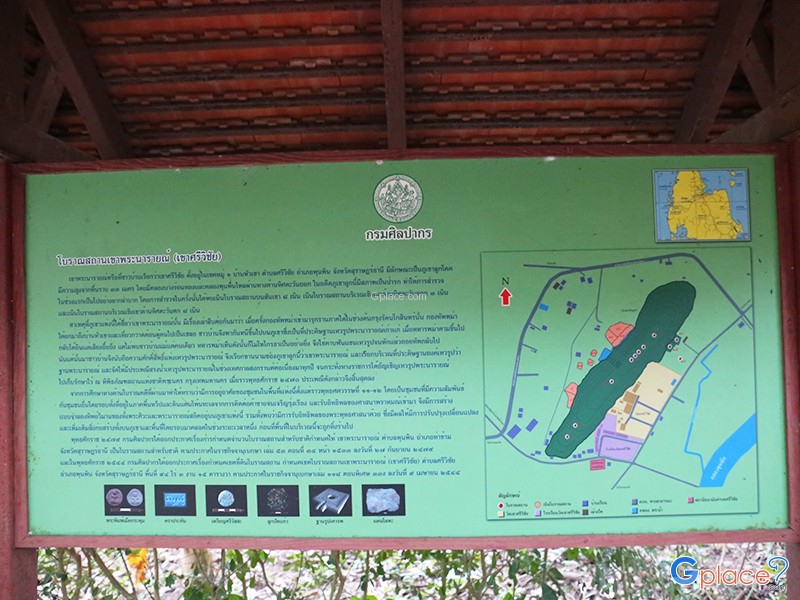

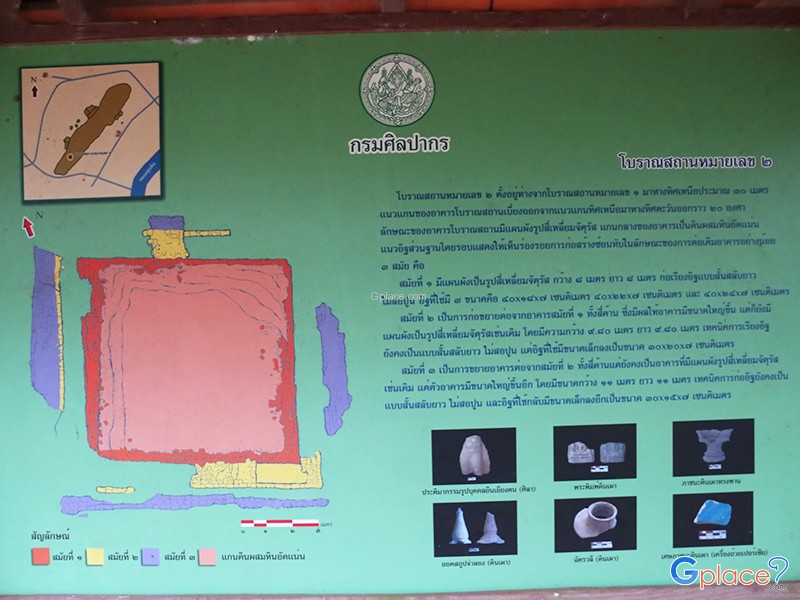
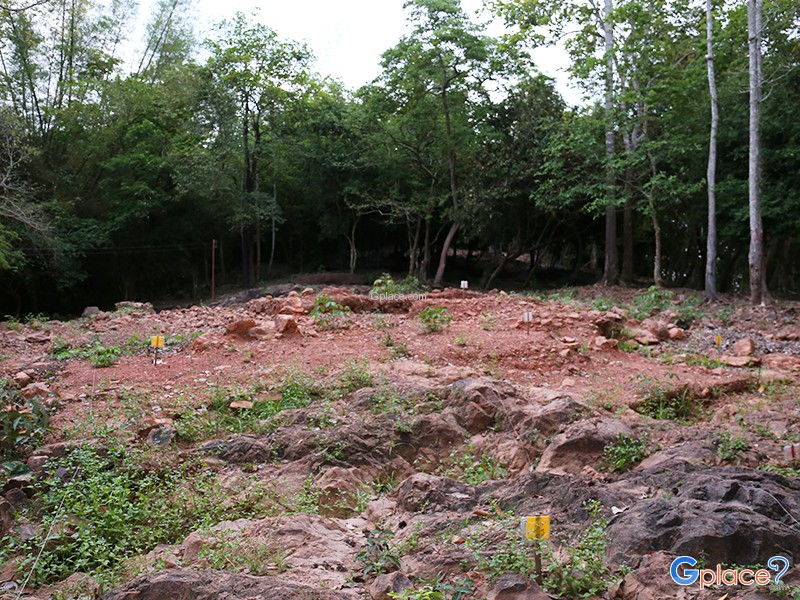

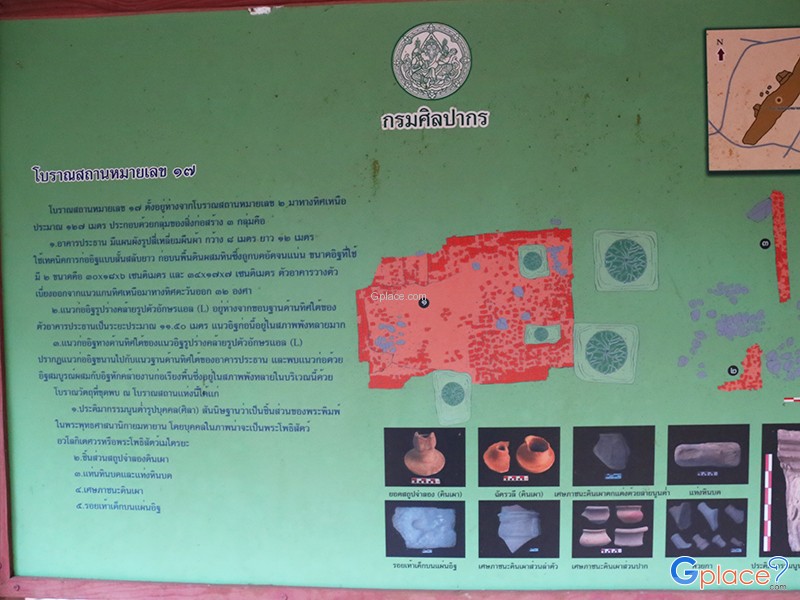
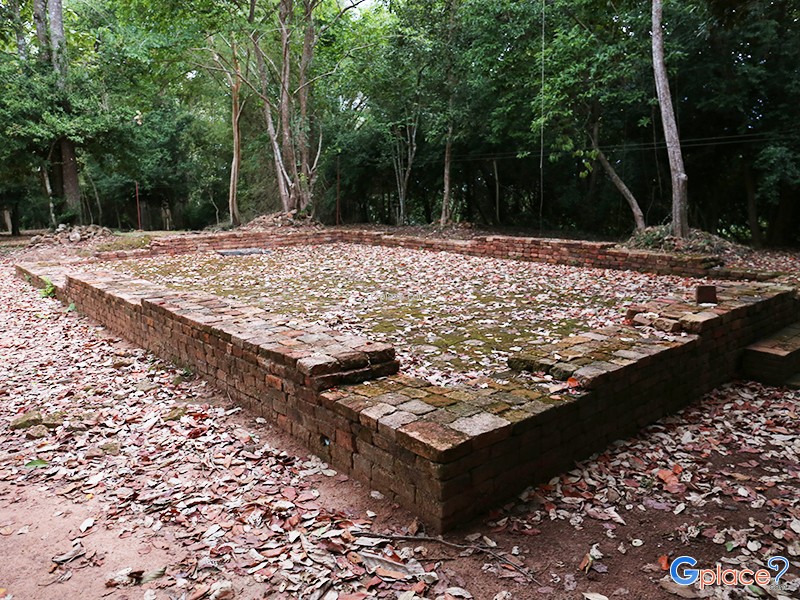
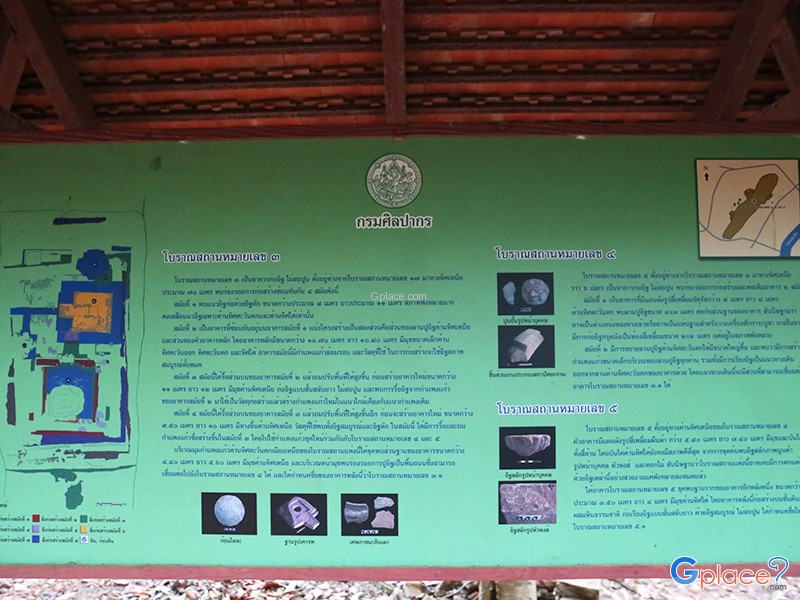
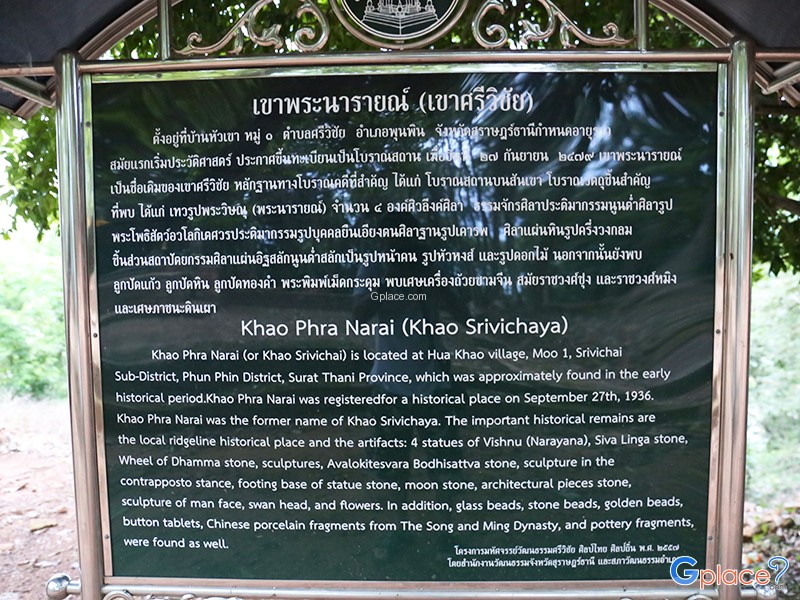

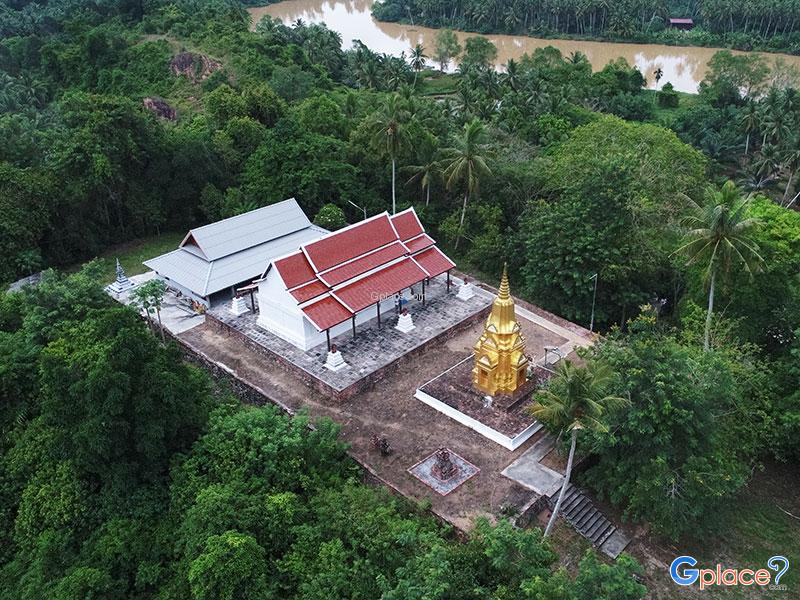
“Ancient ubosot decorated with ceramics on the walls, Khao Phra Narai a sacred shrine, 11 Buddha images in the ubosot, legends of Phra Narai and ancient wars, a site where Srivijayan beads and amulets were discovered.”
Wat Khao Si Wichai is located in a historical area that has been an important port community since the 11th century Buddhist era. "Khao Phra Narai" or what the locals call "Khao Si Wichai" and "Khao Hua Bon" is the center of faith and sacredness that harmoniously blends Brahman-Hinduism and Buddhism. This area is located in Phunphin District, only about 750 meters from Wat Khao Phra Anon (Wat Khao Hua Lang), and the Bang Ron Thong Canal and the Phunphin Canal flow along the east side.
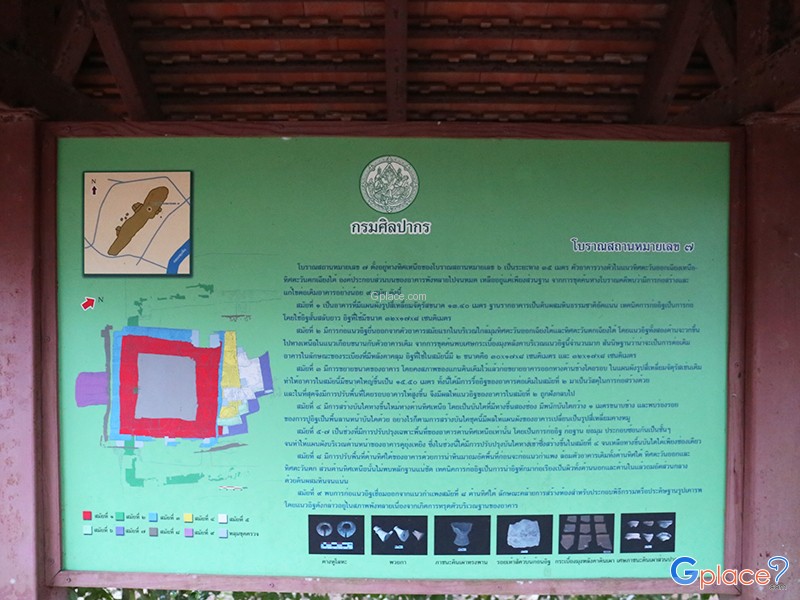
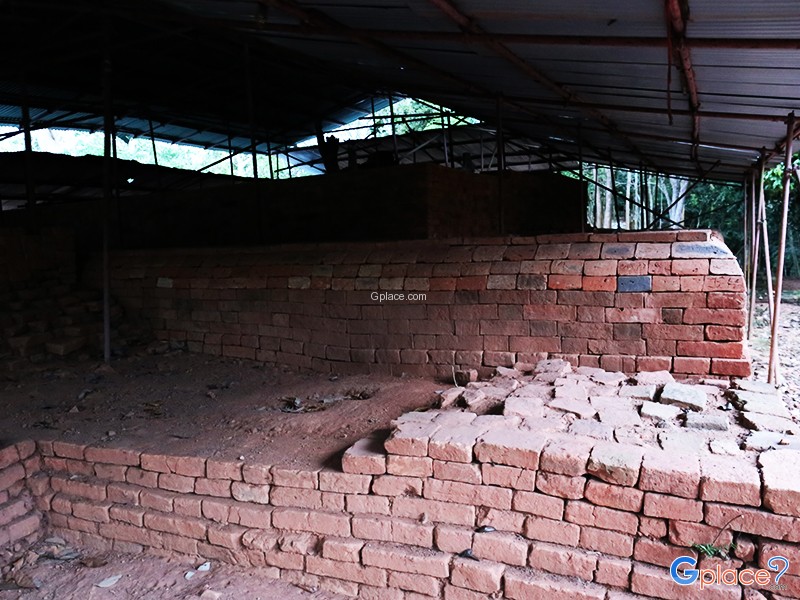
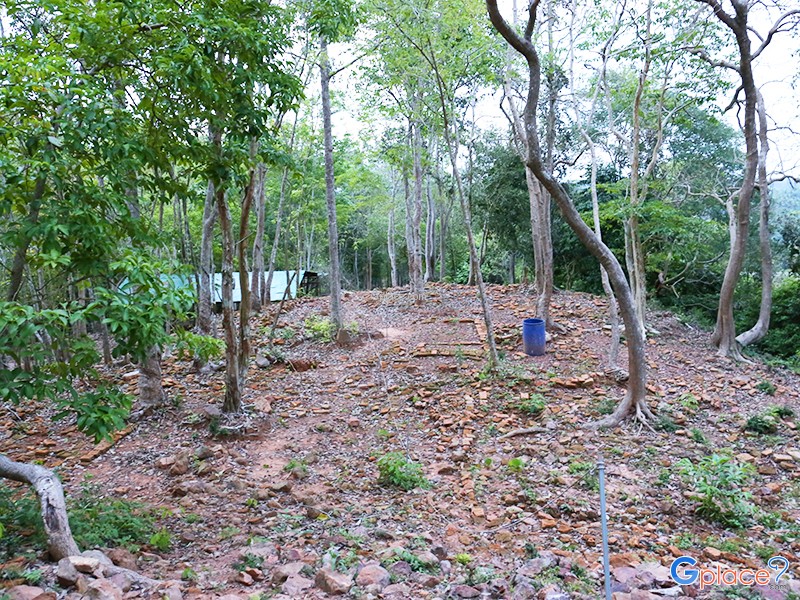
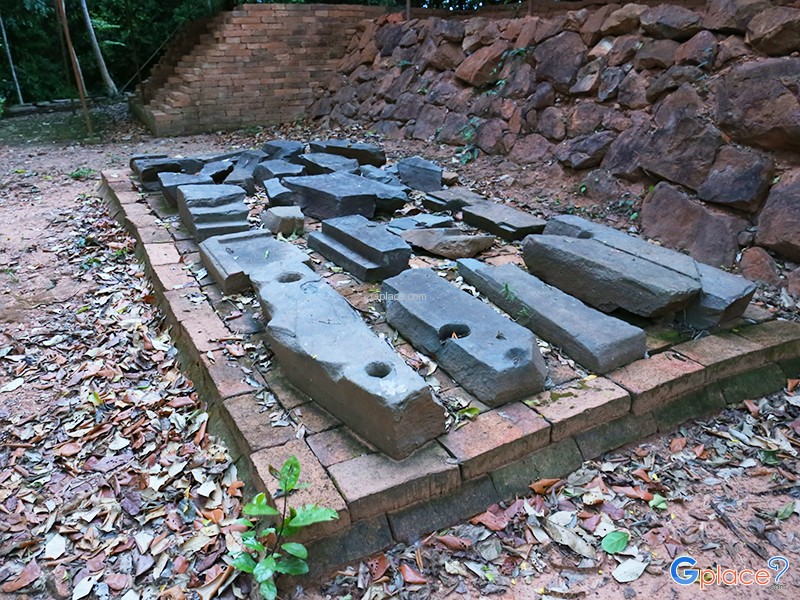
Khao Phra Narai is characterized as a mountain rising about 33 meters from the plain. It used to be a dense forest area. Archaeological surveys have found ancient mounds scattered in several spots, including 8 ancient mounds on the ridge, 3 ancient mounds at the eastern foot of the mountain, and 8 at the western foot of the mountain which reflects its being a large ancient community with a continuous settlement system.
Legends and Beliefs
There is a story passed down that during the Burmese invasion of the South, villagers fled to Khao Phra Narai, where an ancient Vishnu statue was enshrined. When the Burmese army followed, they heard a loud noise but could not find anyone, which caused fear and retreat, before slashing the statue's arm until it broke.
Since then, the villagers have become even more faithful in the sacredness of the Vishnu statue and called this area "Khao Phra Narai" and held a bathing ceremony for the statue during the Songkran festival every year, which is an important Brahman-Buddhist belief integration ceremony of the local area.
Later, in 1927, the Vishnu statue was invited to be kept at the Bangkok National Museum, causing the original tradition to gradually end, and the one that appears today is a replica to continue the faith.
Archaeology and Community Development
Studies have found that this area has been a community since around the 11th-12th centuries Buddhist era, with connections to maritime trade networks in the Southeast Asian region, also known as the Srivijaya network, making this area prosperous in both economy and religion.
The area was influenced by both Buddhism and Brahman-Hinduism, resulting in the construction of religious sites and structures in several periods before gradually deteriorating and being abandoned.
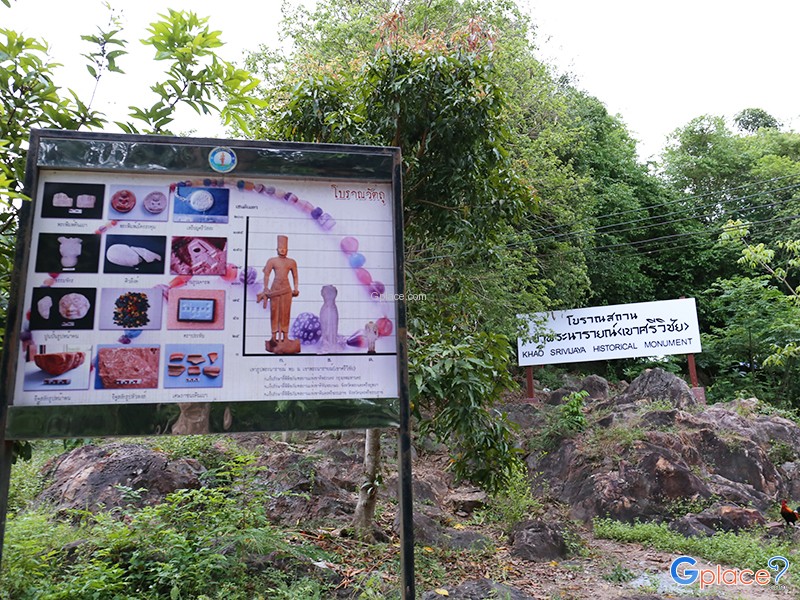
In 1936, the Fine Arts Department declared Khao Phra Narai as a national ancient monument according to the Royal Gazette, Volume 53, Section 34, page 1533, dated September 27, 1936.
Important artifacts have also been found within the area, such as Srivijayan-style clay amulets, pottery, and replica stupa spires, which clearly reflect the antiquity of the ancient community.
Invaluable Architecture
The old ubosot has a distinctive brick and mortar construction with "load-bearing walls instead of columns," which is a rare ancient architectural technique to see today. The roof is a wooden structure decorated with tiles.
The doors and windows are decorated with Chinese and local ceramic tableware, reflecting maritime trade in the past. In front, there is a Phra Buddha Pang Pa Lelai image, and inside, there are 11 Buddha images in the attitude of subduing Mara, lacquered and gilded, which remain the center of faith of the community.
Treasure Trove of Archaeology
The surrounding area is a source of important archaeological finds, including colorful ancient beads, Srivijayan amulets, Vishnu statues, pottery, and replica stupas.
All of this reflects that Khao Phra Narai used to be both a religious center, a community, and a connection point for ancient maritime trade routes, important to southern Thailand. Some artifacts are kept in the National Museum.
How to Get There
-
By Car: From Surat Thani city, take Highway 401 towards Phunphin District, then enter Si Wichai Subdistrict. There are clear signs to the foot of Khao Phra Narai.
-
Distance: Near Wat Khao Phra Anon (Wat Khao Hua Lang) approximately 750 meters, you can visit both together.
Travel Tips
- It is recommended to study the history of Khao Phra Narai before visiting to understand the archaeological context.
- You have to walk up the hill, so prepare drinking water and suitable shoes.
- The photo spot of the ceramics on the ubosot wall is very unique.
- You should maintain respect and not touch artifacts.
- Suitable time: 08:30–16:30.
Admission Fee:
- Free admission
Opening Hours:
- Open daily: 08:00 – 17:00
Wat Khao Si Wichai

 Share
Share
 Moo 1, Si Wichai Subdistrict, Phunphin District, Surat Thani 84130
Map
Moo 1, Si Wichai Subdistrict, Phunphin District, Surat Thani 84130
Map
 Closed today
Mon8.00 - 17.00
Tue8.00 - 17.00
Wed8.00 - 17.00
Thu8.00 - 17.00
Fri8.00 - 17.00
Sat8.00 - 17.00
Sun8.00 - 17.00



 56
56