
 Attractions
  Hotel
Hotel  Restaurant
  Shopping
  Abroad





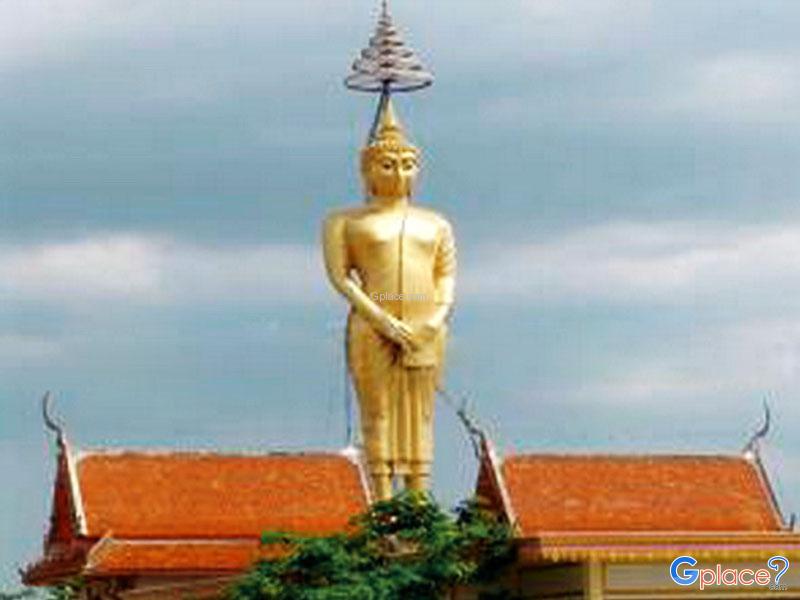

“A riverside temple at Khlong 5, featuring a massive fish sanctuary, exquisite Thai architecture, and a peaceful atmosphere perfect for merit-making and relaxation in Thanyaburi.”
Wat Moon Jinda Ram is an ancient temple located on the banks of the Rangsit Prayursak Canal in Khlong 5, Thanyaburi District, Pathum Thani Province. Its history dates back to the reign of King Chulalongkorn (Rama V), a time when the Rangsit Canal was dug to expand agricultural land in the Rangsit plains and the suburbs of Bangkok. The temple was initially built in 1896 by Phra Patiratprasong, or "Müller," an Australian foreigner serving in Siam, along with his wife, "Nang Chin." King Rama V granted the temple the name "Wat Moon Jinda Ram," reflecting the founders' names. The temple is considered an important historical landmark reflecting the early development of the Rangsit Canal area.
The temple boasts a peaceful and serene atmosphere, retaining the charm of a traditional riverside community temple. Situated next to the Rangsit Prayursak Canal, the temple enjoys a pleasant breeze throughout the day. It is a popular destination for locals seeking merit, worshipping the main Buddha image, and spiritual relaxation, especially during holidays and Buddhist festivals. Inside the main chapel is a sacred Buddha image that has been revered by the locals for a long time. The architecture of the various buildings within the temple retains a blend of traditional Thai art and construction from the late Rattanakosin period, reflecting the fascinating development of the canal-side community in the past.
One of the highlights that makes Wat Mulchindaram widely known is "Wang Matcha" (Fish Palace), or the fish conservation area in front of the temple. Located along the canal in front of the temple, it is home to a large number of catfish and other freshwater fish, becoming an iconic sight for tourists and those traveling along the Rangsit-Nakhon Nayok route. People often buy fish food to feed the fish at the waterfront, a popular merit-making activity for both locals and tourists. The sight of large schools of fish swimming together when fed is a significant attraction that creates a lively atmosphere for the temple, while also reflecting the abundance of marine life in the Rangsit canal area.
This temple has continuously served as a center for religious and cultural activities for the Khlong 5 community. Merit-making ceremonies, alms-giving, candlelit processions, and other important Buddhist activities are held throughout the year. It also serves as a place for studying and practicing Dharma for local people. In addition, the temple grounds offer relaxation areas and spots for feeding the fish, making the overall atmosphere ideal for family relaxation. Many tourists prefer to stop by Wat Mulchindaram to make merit before continuing their journey to Nakhon Nayok province or other tourist attractions along the Rangsit-Nakhon Nayok route.
Currently, Wat Mulchindaram remains one of the famous temples in Pathum Thani province, known for its history, community lifestyle, and religious tourism. Its location along a major road and easy accessibility attract a continuous stream of visitors throughout the day. Visitors can experience the peaceful atmosphere of a traditional riverside temple, the faith of the local community, and the canal-side lifestyle that still remains in the Thanyaburi area today.
How to Get There
-
By Private Car: Take the Rangsit-Nakhon Nayok Road toward Thanyaburi (Khlong 5). The temple is located on the left side of the outbound road.
-
By Public Transport: Take buses or vans heading to Nakhon Nayok (e.g., bus no. 538) and get off directly in front of the temple.
Travel Tips
- Visit in the morning for cooler weather and fewer crowds.
- Prepare small cash for merit-making and fish food purchases.
- Fish food is available at small stalls near the temple entrance.
- Be careful around the pier area as the ground may be slippery.
Admission Fees:
- Free admission.
Opening Hours:
- 08:00 AM – 05:00 PM (The fish feeding area is usually accessible until dusk).
Wat Moon Jinda Ram

 Share
Share
 T.Bueng Yitho, A.Thanyaburi, Pathum Thani, 12110
Map
T.Bueng Yitho, A.Thanyaburi, Pathum Thani, 12110
Map
 Closed today
Mon8.00 - 17.00
Tue8.00 - 17.00
Wed8.00 - 17.00
Thu8.00 - 17.00
Fri8.00 - 17.00
Sat8.00 - 17.00
Sun8.00 - 17.00



 2
2