 Attractions
  Hotel
Hotel  Restaurant
  Shopping
  Abroad





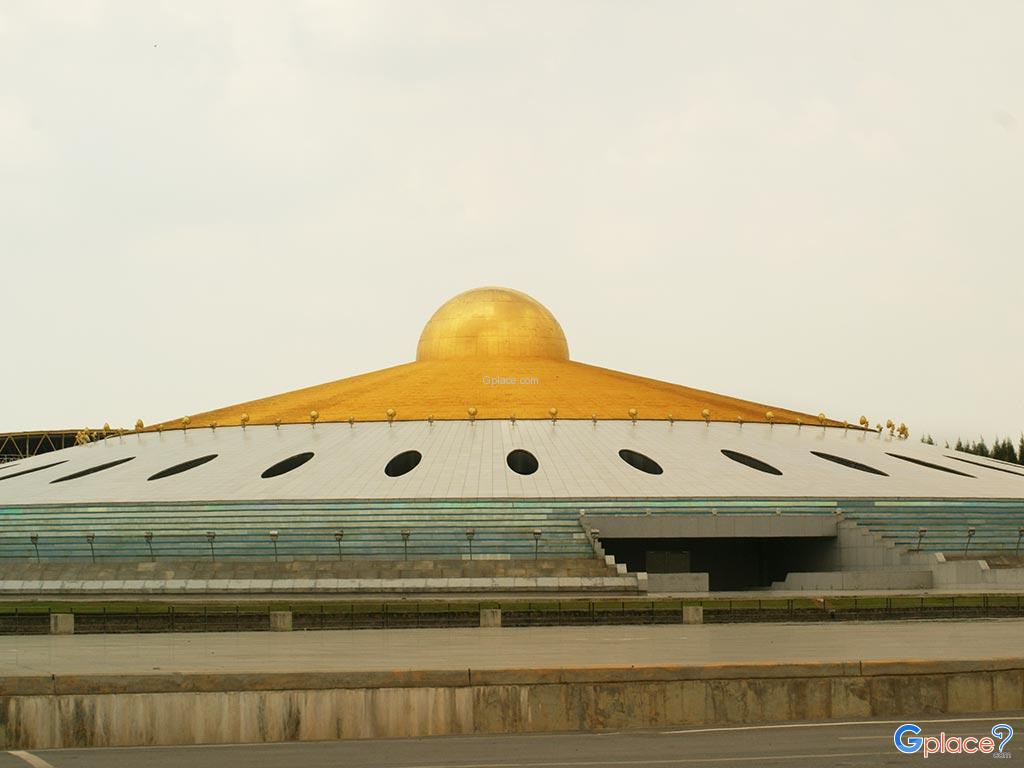

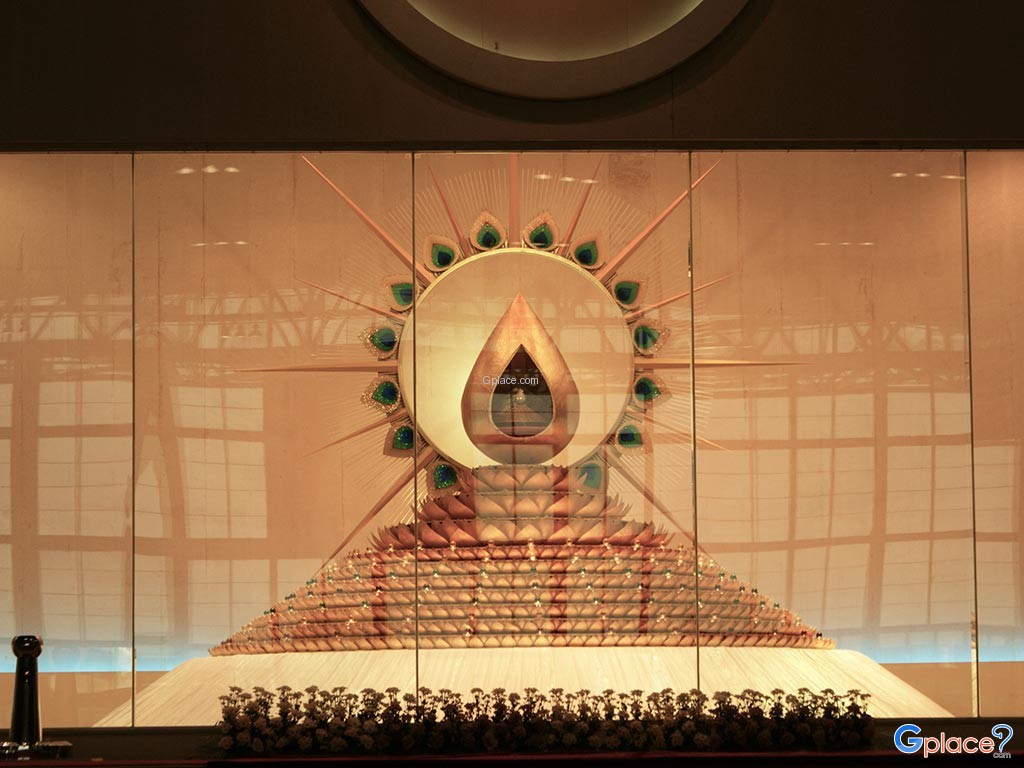
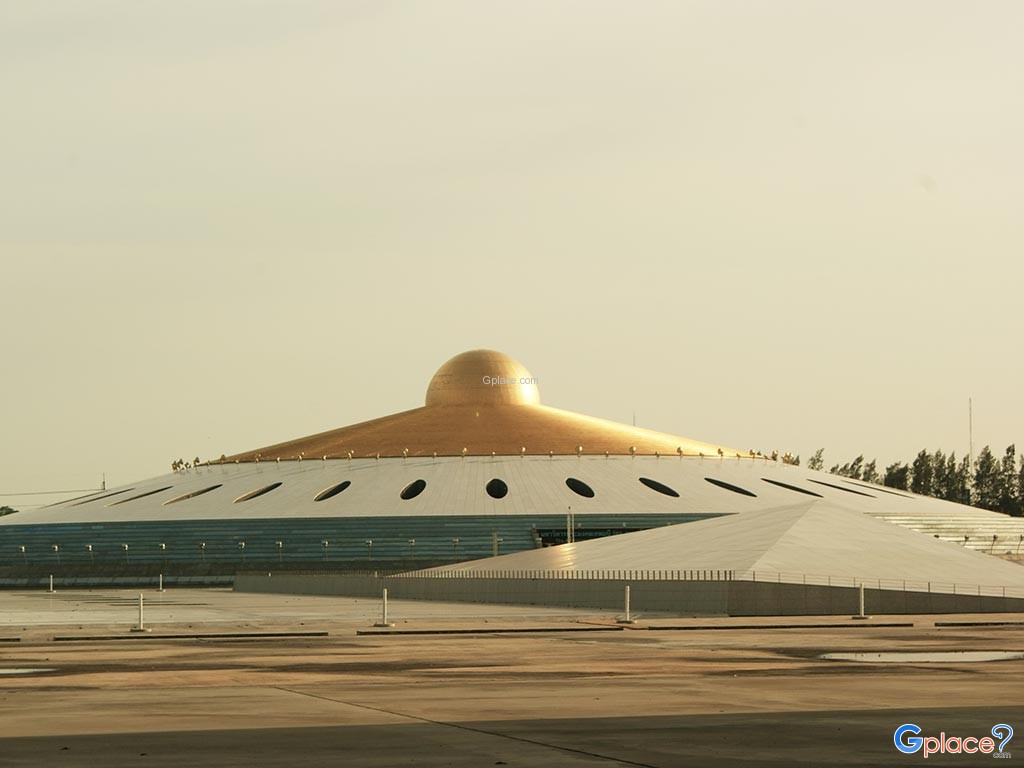
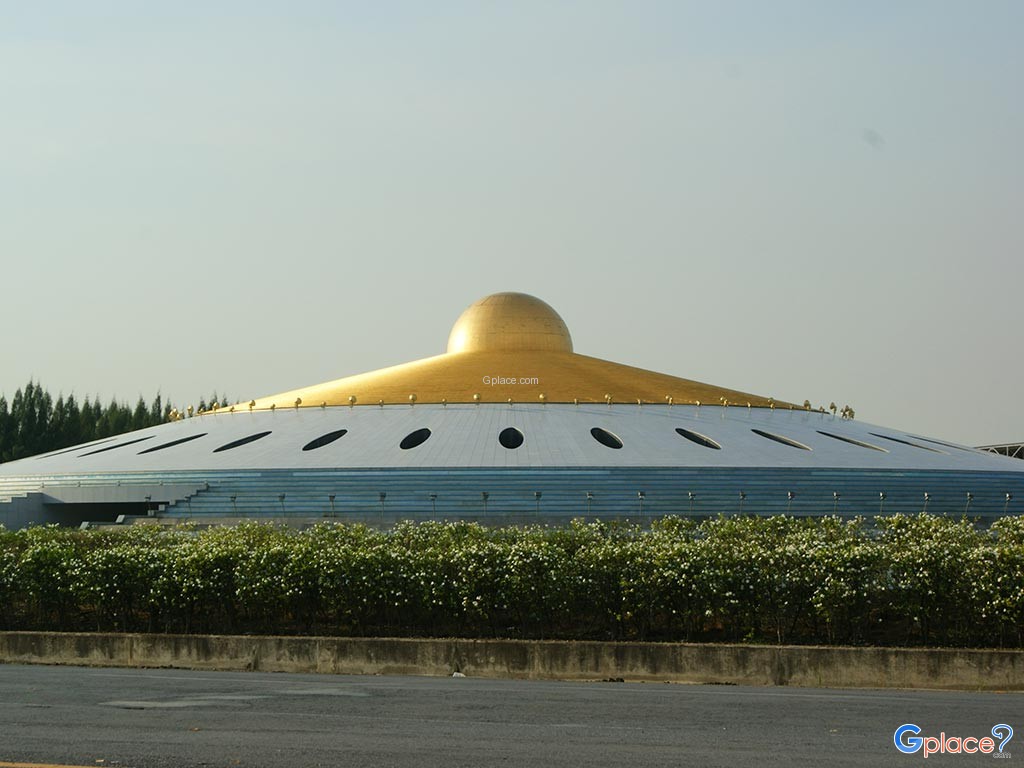
“The golden Maha Dhammakaya Cetiya enshrining one million Buddhas, massive minimalist architecture, and a world-class meditation center focusing on absolute peace, cleanliness, and order.”
Wat Phra Dhammakaya is a large Buddhist temple located in Khlong Luang District, Pathum Thani Province, Thailand. It was founded on February 20, 1970, by Phra Thep Yanamahamuni (Luang Por Dhammachayo), Mae Chee Chan Khonnokyoong, and their disciples of the Dhammakaya school of thought. It began on approximately 196 rai of barren land and has gradually expanded to over 2,000 rai today. The temple's primary objectives are to propagate the practice of Dhammakaya meditation and to develop it into an international center for Buddhist education and practice. A key concept of the temple is "World peace begins with inner peace," reflected in its meditation activities and Buddhist outreach programs in numerous countries worldwide.
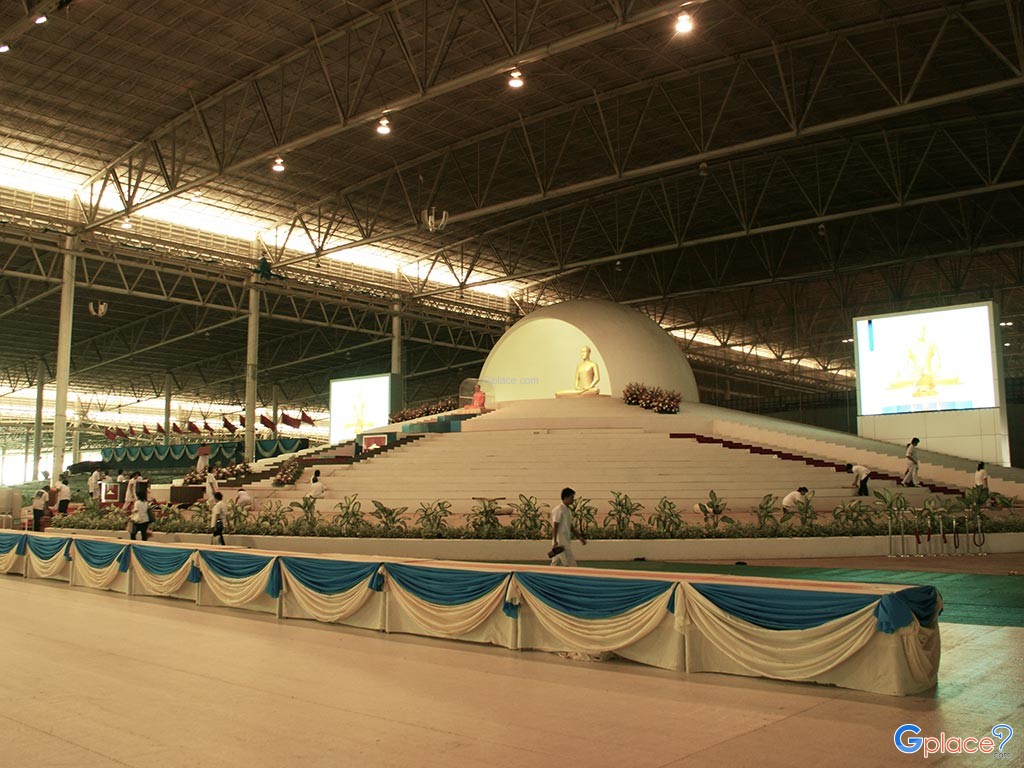
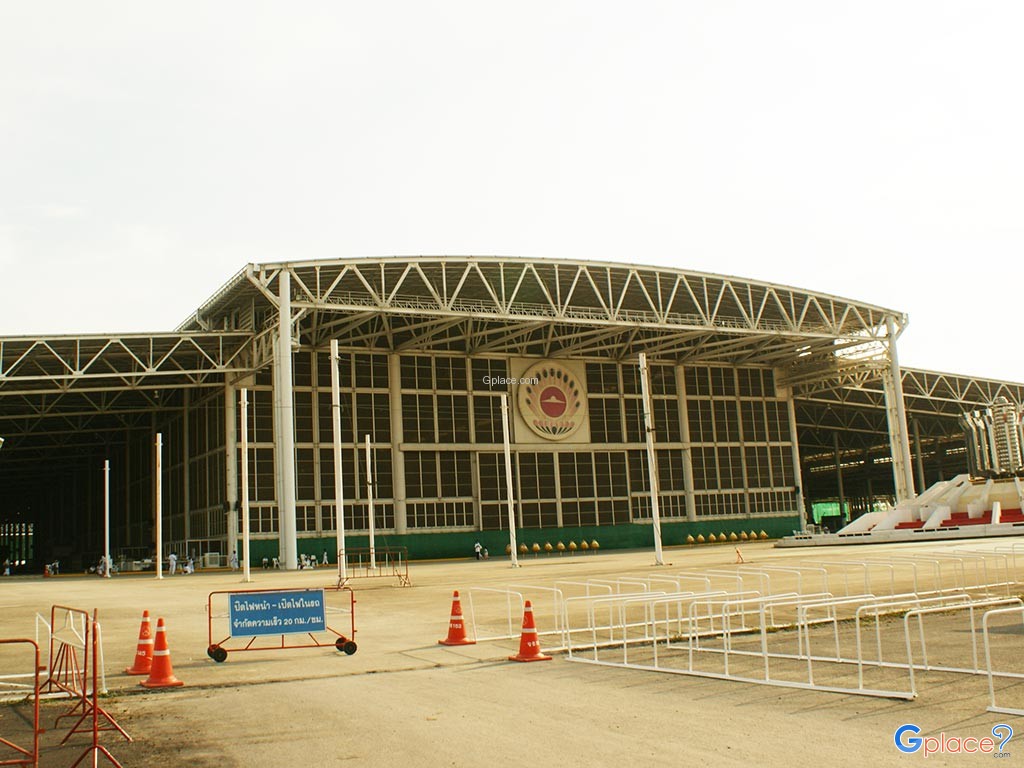
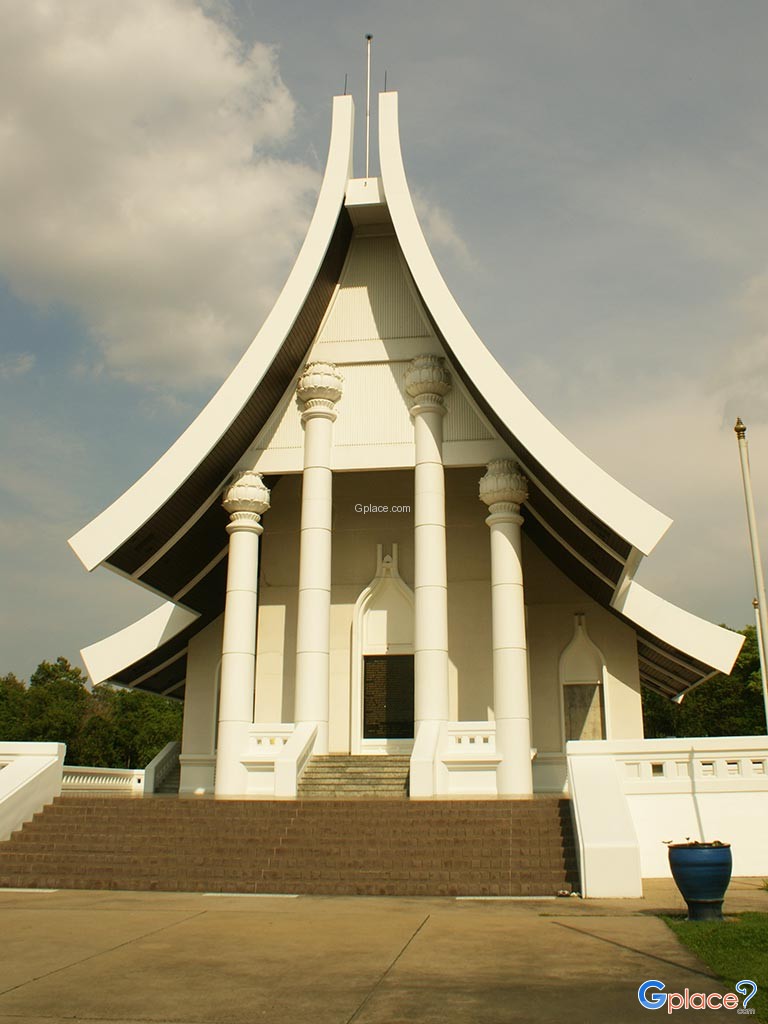
The architecture of Wat Phra Dhammakaya differs significantly from traditional Thai temples, emphasizing simple, symmetrical geometric shapes and grand scales to convey stability, tranquility, and universality. Most buildings are designed to accommodate large numbers of participants, particularly the "International Dhammakaya Assembly Hall," a massive building capable of holding hundreds of thousands of people, used for meditation, religious ceremonies, and various training activities. The temple grounds also include educational buildings. The temple complex comprises a monastic school, a satellite transmission center, meditation halls, and monastic residences, all systematically arranged to reflect the concepts of cleanliness, tranquility, and efficient space management.
The most prominent central feature of the temple is the "Maha Dhammakaya Chedi," a massive golden, hemispherical dome-shaped pagoda inspired by ancient Buddhist stupas such as Sanchi in India, Borobudur in Indonesia, and the Bagan pagodas in Myanmar. The pagoda stands approximately 32 meters tall and has a diameter of over 100 meters. The exterior enshrines approximately 300,000 individual Dhammakaya images, while the interior houses another 700,000, totaling over 1 million images. Inside, it also contains digital relics of the Buddha and Buddhist scriptures. The pagoda's design symbolizes the Triple Gem: the dome represents the Buddha, the surrounding ring represents the Dhamma, and the tiered courtyard represents the Sangha. The surrounding area can accommodate a vast number of monks and Buddhists during important religious ceremonies.
Wat Phra Dhammakaya is internationally recognized for its large-scale meditation retreats and merit-making events. Especially on Makha Bucha and Visakha Bucha days, and during mass alms-giving ceremonies or group meditation practices with participants from many countries, the temple also continuously offers youth training programs, summer novice ordination, and meditation courses for foreigners. The temple's approach to activities emphasizes discipline, unity, and a peaceful atmosphere, allowing visitors to experience a large-scale gathering for meditation practice, a rarity in most temples. Furthermore, the temple has a satellite broadcasting system and online media to disseminate Buddhism to people around the world.
Although Wat Phra Dhammakaya is a renowned religious site with a large following, over the decades it has been one of the temples that has garnered significant attention from Thai society in terms of religion, organizational management, and social role. However, from a tourism perspective, Wat Phra Dhammakaya stands out for its contemporary architecture, grandeur, and a calm and orderly atmosphere that differs from typical Thai temples. Visitors are often impressed by its cleanliness, spaciousness, and the sight of the gleaming golden Maha Dhammakaya Chedi, which has become a significant symbol of the temple and Pathum Thani province today.
How to Get There
- From Bangkok, take Phahonyothin Road heading north toward Rangsit. Turn left onto Khlong Luang Road (Route 305), then turn left into Khlong Sam Road. Drive for approximately 3 kilometers; the entrance will be on your left. Public passenger vans (Rangsit-Khlong Sam line) are also available.
Travel Tips
- Dress modestly and avoid sleeveless shirts or short pants.
- White or light-colored clothing matches the temple atmosphere well.
- Visit in the morning or late afternoon to avoid strong heat.
- The temple grounds are enormous, so allow plenty of time to explore.
Admission Fees:
- Free admission
Opening Hours:
- 08:00 AM – 06:00 PM (Hours may vary during major Buddhist holidays)
Wat Phra Dhammakaya

 Share
Share
 T.Khlong Sam, A.Khlong Luang, Pathum Thani, 12120
Map
T.Khlong Sam, A.Khlong Luang, Pathum Thani, 12120
Map
 Closed today
Mon8.00 - 18.00
Tue8.00 - 18.00
Wed8.00 - 18.00
Thu8.00 - 18.00
Fri8.00 - 18.00
Sat8.00 - 18.00
Sun8.00 - 18.00



 16
16