 Attractions
  Hotel
Hotel  Restaurant
  Shopping
  Abroad





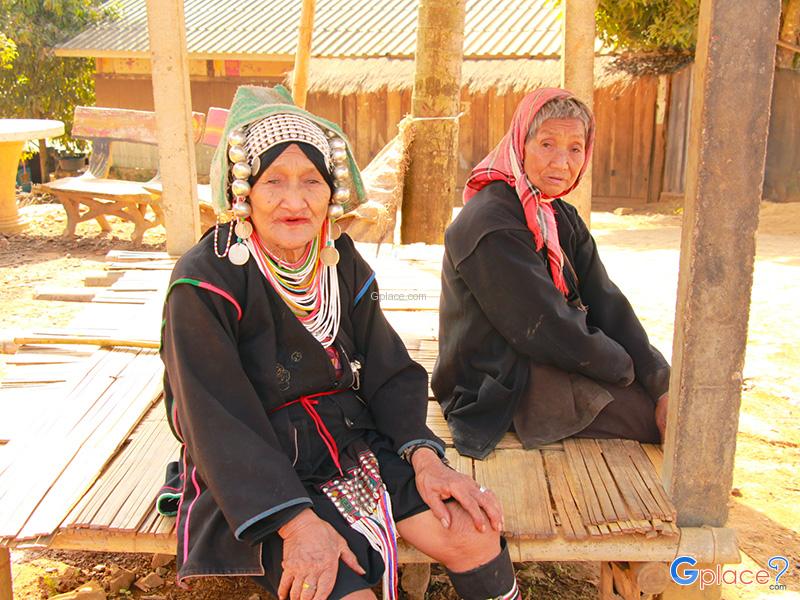

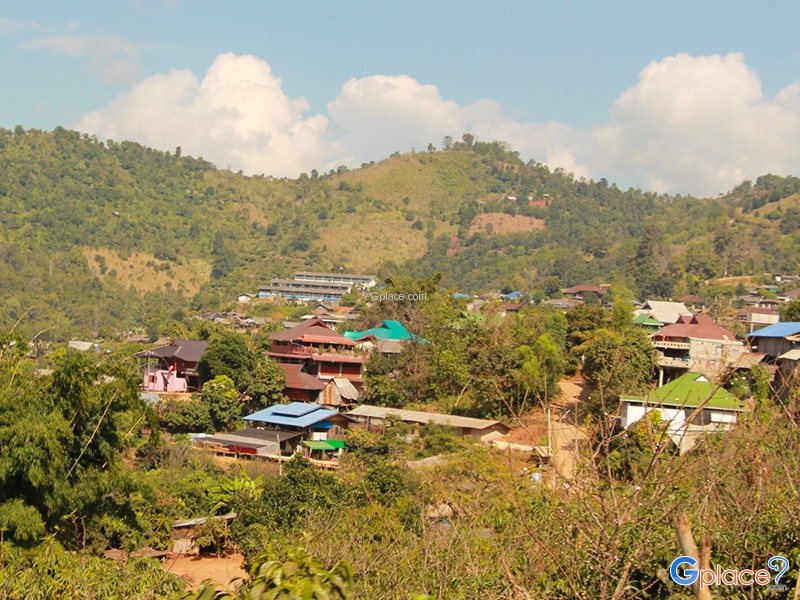
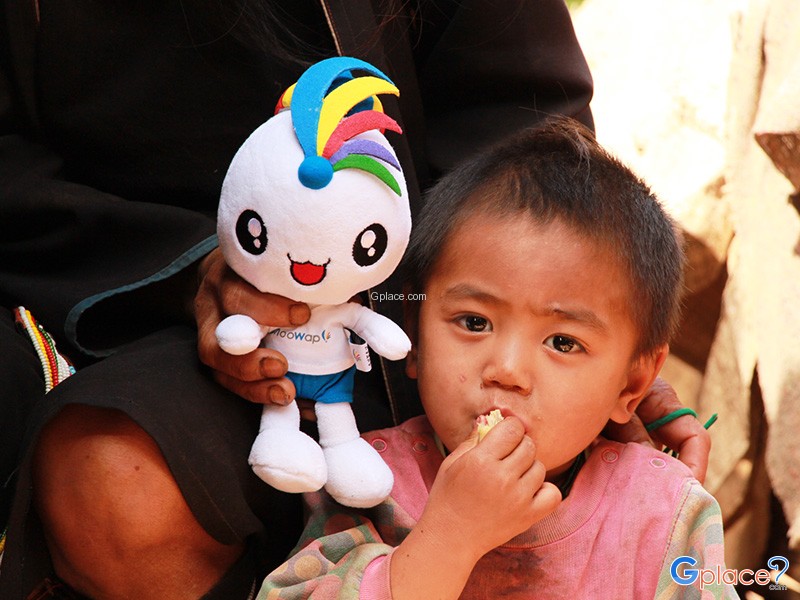
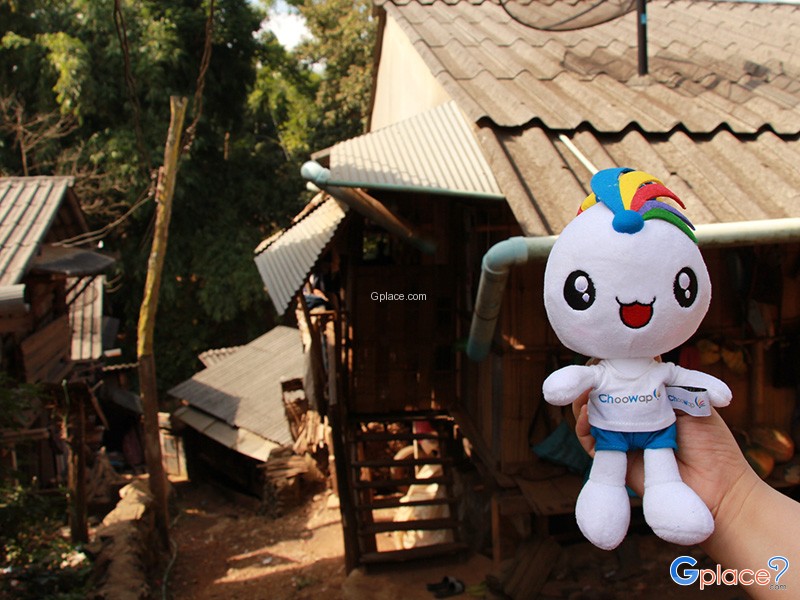
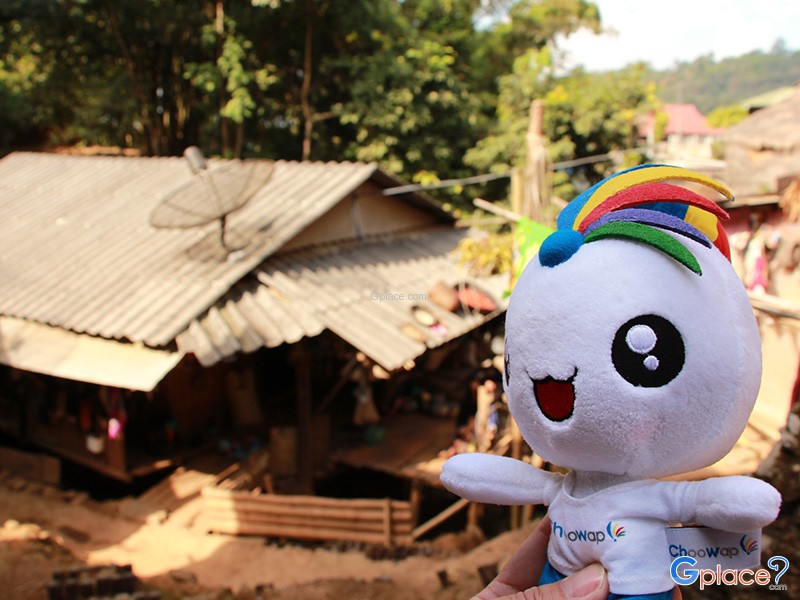
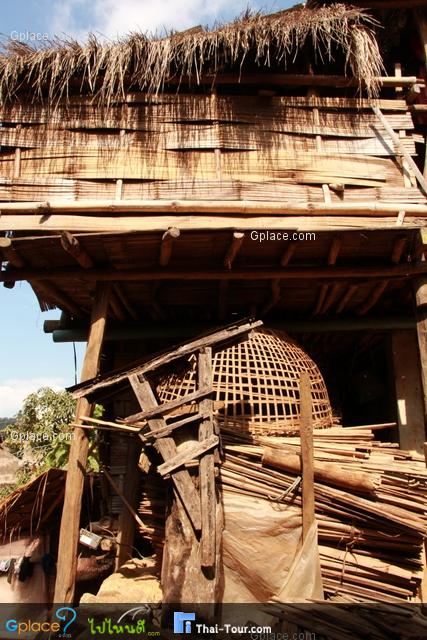
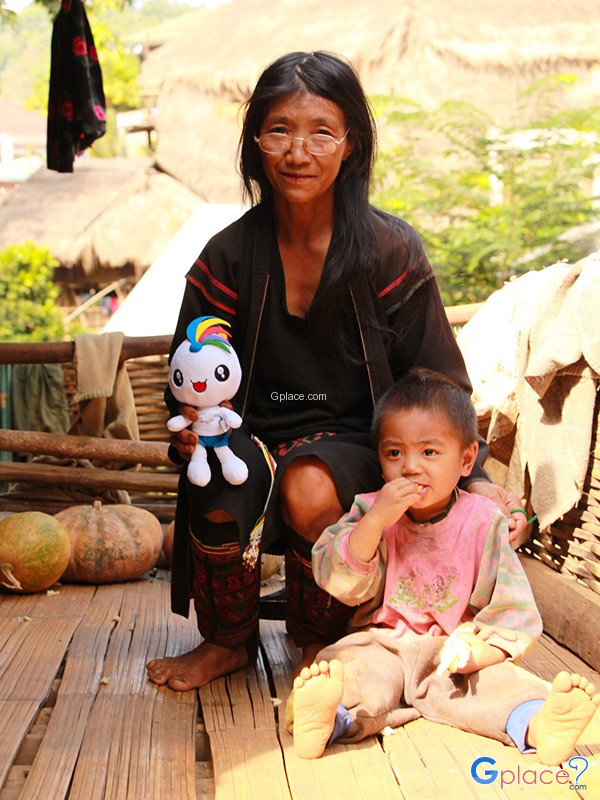
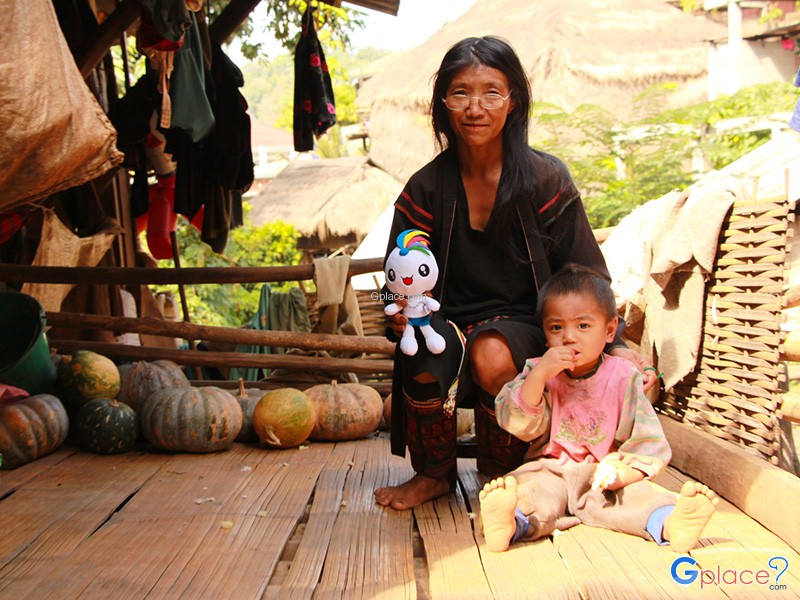
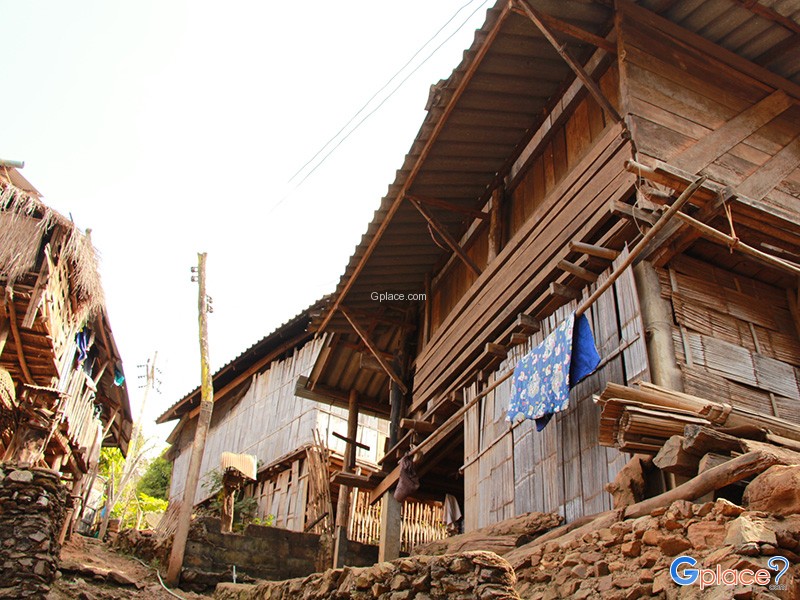
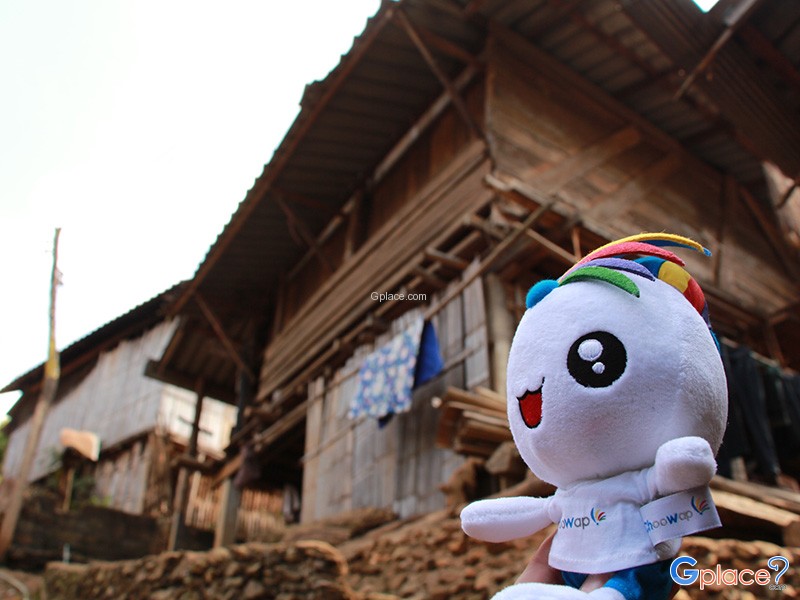
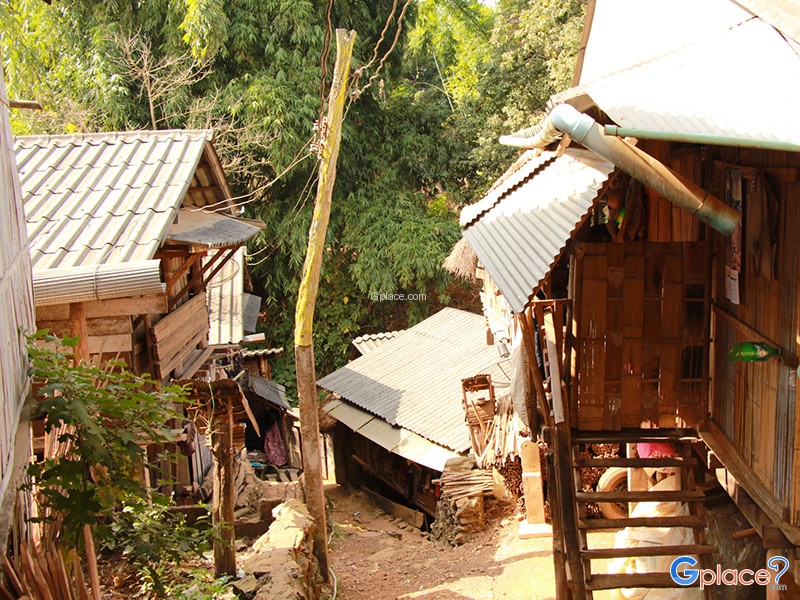
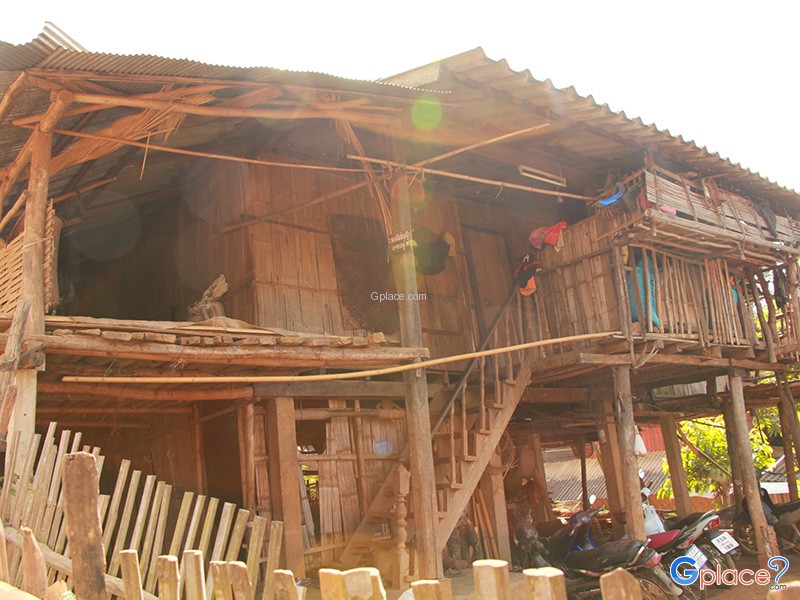
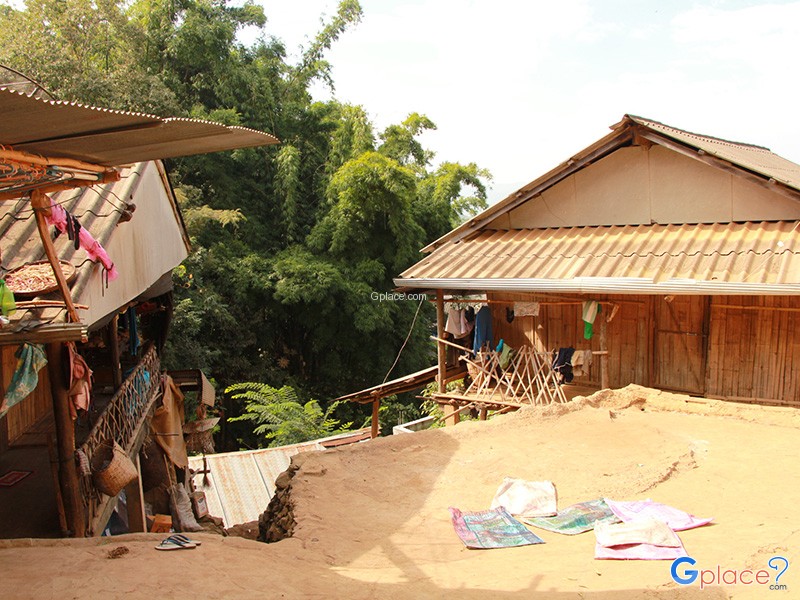
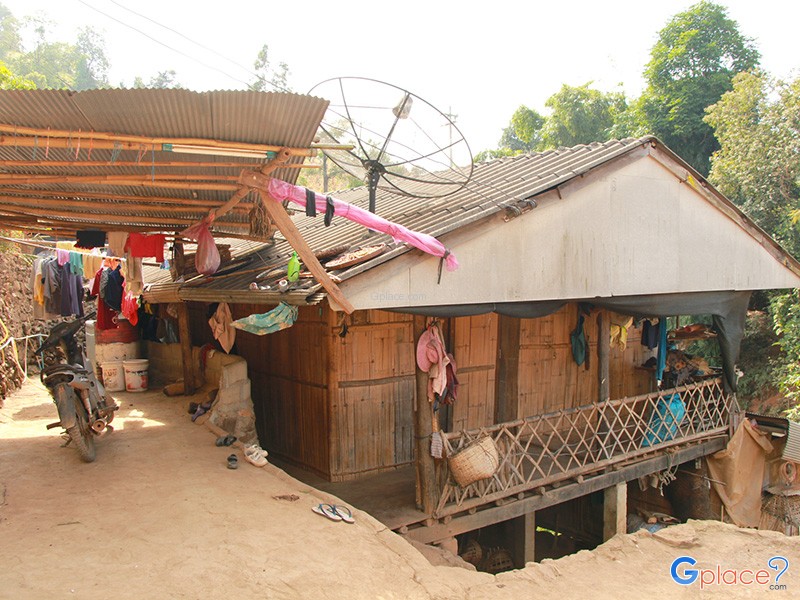
“Experience the Hmong lifestyle on the high mountains, visit vast Arabica coffee plantations, and learn about unique traditional clothing and handicrafts.”
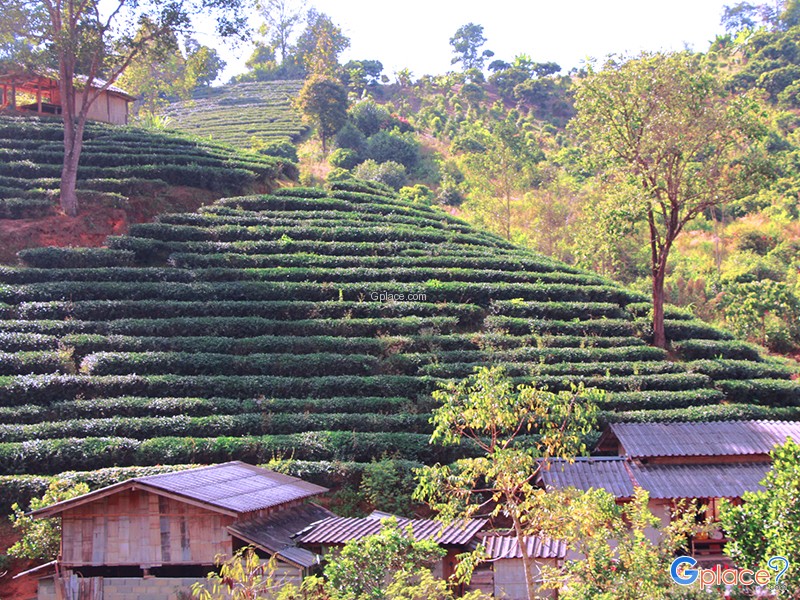
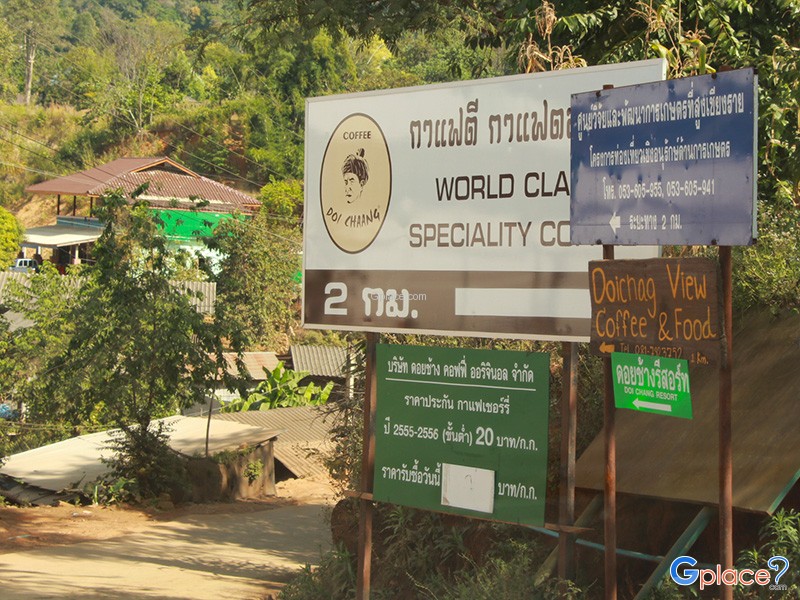
The Hmong villages on Doi Chang and Doi Wawee have a long history of settlement on the high mountains of Mae Suai District, Chiang Rai Province. Originally, the Hmong people migrated here to practice highland farming. In the past, this area was used for temperate plants and field crops. Later, King Rama IX encouraged the community to switch to growing Arabica coffee instead. Today, Doi Chang has become one of the best coffee-producing regions in the world. It is home to the Hmong people who live alongside other highland ethnic groups and Yunnanese Chinese communities.
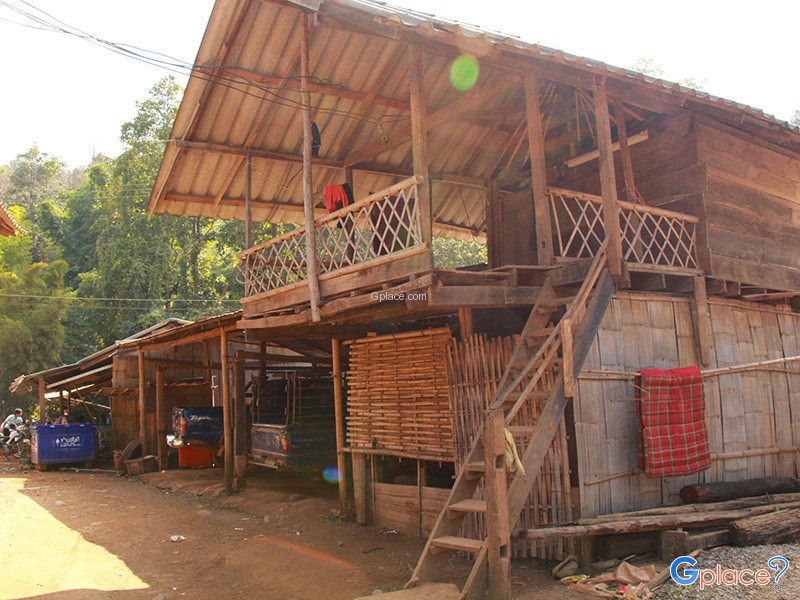
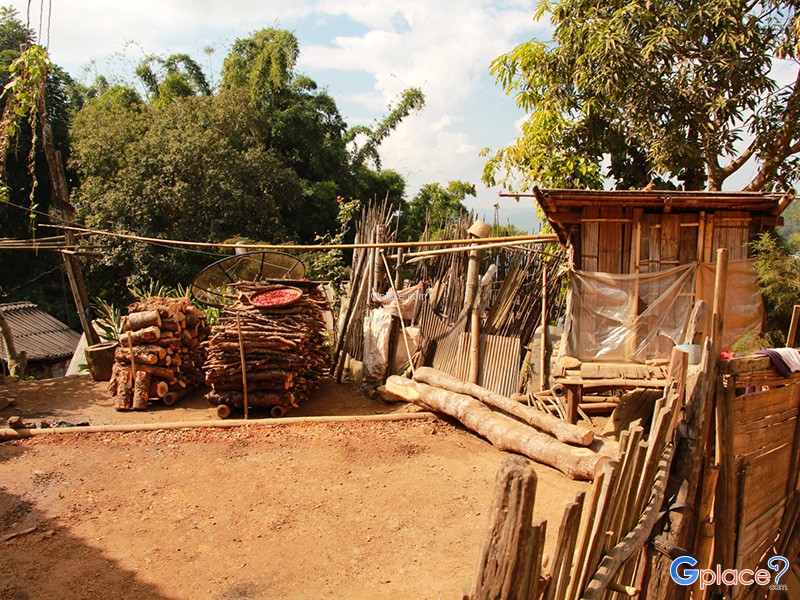
The Hmong lifestyle in this area maintains its cultural identity very well. Although many houses have changed into modern concrete buildings, the Hmong people still use their local language and wear traditional ethnic costumes with exquisite hand-embroidered patterns. During the Hmong New Year festival (around December to January), villagers gather for traditional activities, such as "Pov Pob" (ball tossing) and spiritual ceremonies. Their primary livelihood is connected to agriculture. In the morning, you will see villagers taking care of coffee plantations and macadamia orchards, which are the main income sources for the community.
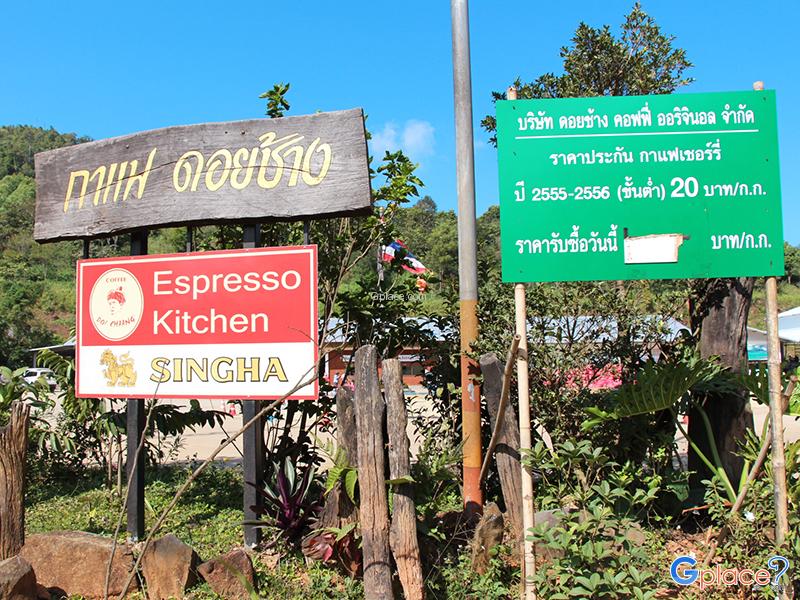
The tourism openness of the Hmong villages at Doi Chang and Doi Wawee focuses on cultural and agricultural tourism. The villagers warmly welcome visitors. Tourists can walk through the village to learn about the coffee process, from picking cherries to roasting. You can also watch demonstrations of traditional Hmong embroidery. Currently, the village offers homestays and small guesthouses. There are also local coffee shops where tourists can taste fresh coffee from the plantations while enjoying views of the complex mountain ranges.
The Hmong Village is a popular place for people to pray for abundance and family warmth. This is because the Hmong tradition of living as a large extended family represents love and unity. The atmosphere in the village is peaceful, and the weather is cold almost all year round. This allows tourists to relax and escape the busy city life. Visiting here provides not only beautiful photos of coffee gardens and colorful traditional costumes but also lessons on how a community preserves its original culture in a changing world.
How to Get There
-
Private Car: From Chiang Mai or Chiang Rai city, use Highway 1 to the south. Turn right at the Mae Suai junction onto Highway 118, then turn right following the signs for Doi Chang. The route is steep and has many curves; please drive carefully.
-
Public Transport: You can charter a Songthaew (local truck) from Chiang Rai city or Mae Suai District to reach Doi Chang and Wawee.
Travel Tips
-
Best Time: Recommended between November and January to experience the cold weather and participate in the Hmong New Year.
-
Dress Code: Always bring a sweater as the mountain air is colder than the lowlands. Please dress politely when walking inside the village.
-
Caution: Always ask for permission before taking photos of the villagers and avoid making loud noises that might disturb the community's privacy.
Admission Fee:
-
No Entry Fee for the Village (However, there may be small fees for some specific learning centers or attractions).
Opening Hours:
-
The community is open to tourists all day
-
Recommended from 08:00 AM – 05:00 PM to respect the villagers' rest time.
Hmong Village Doi Chang Doi Wawee

 Share
Share
 Doi Chang - Doi Wawee, Wawee Subdistrict, Mae Suai District, Chiang Rai
Map
Doi Chang - Doi Wawee, Wawee Subdistrict, Mae Suai District, Chiang Rai
Map
 Open now



 6138
6138