 Attractions
  Hotel
Hotel  Restaurant
  Shopping
  Abroad





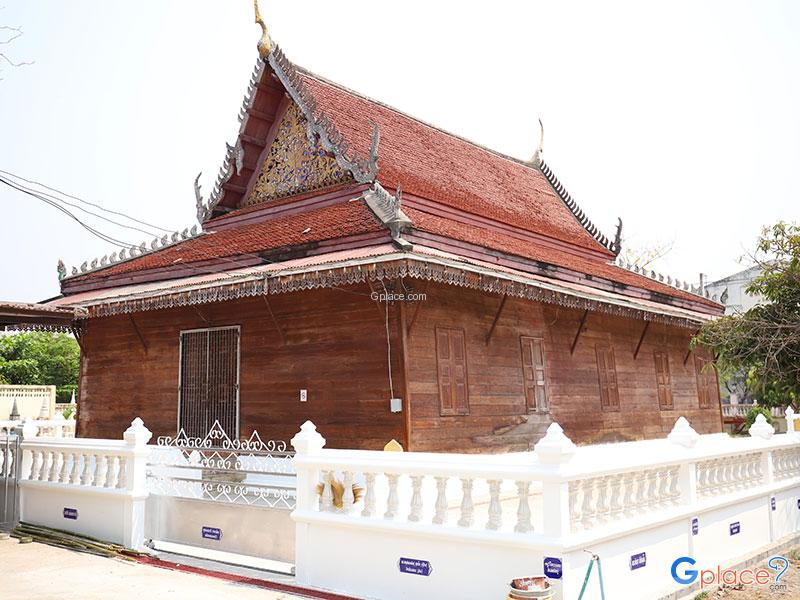

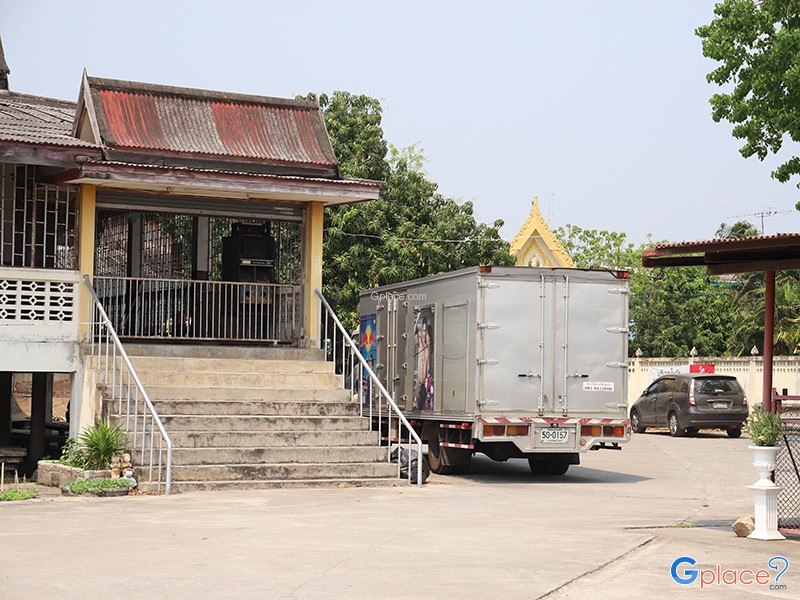
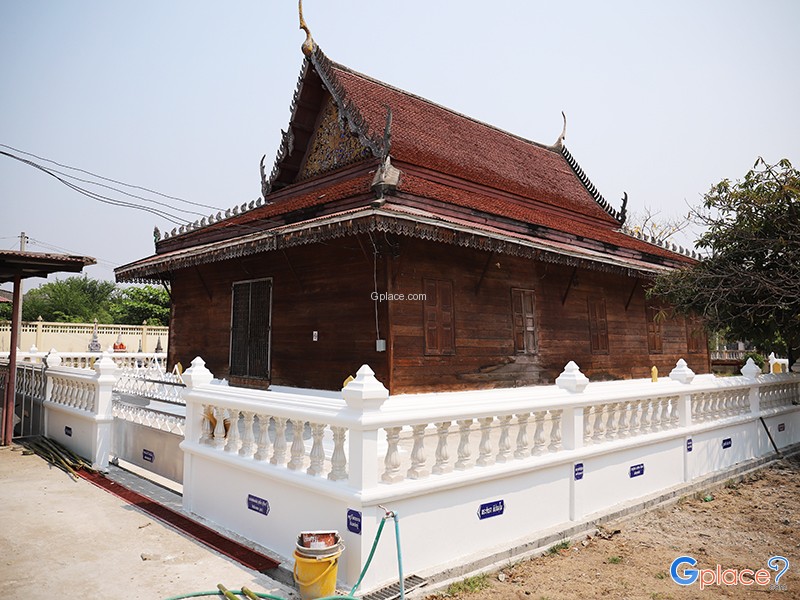
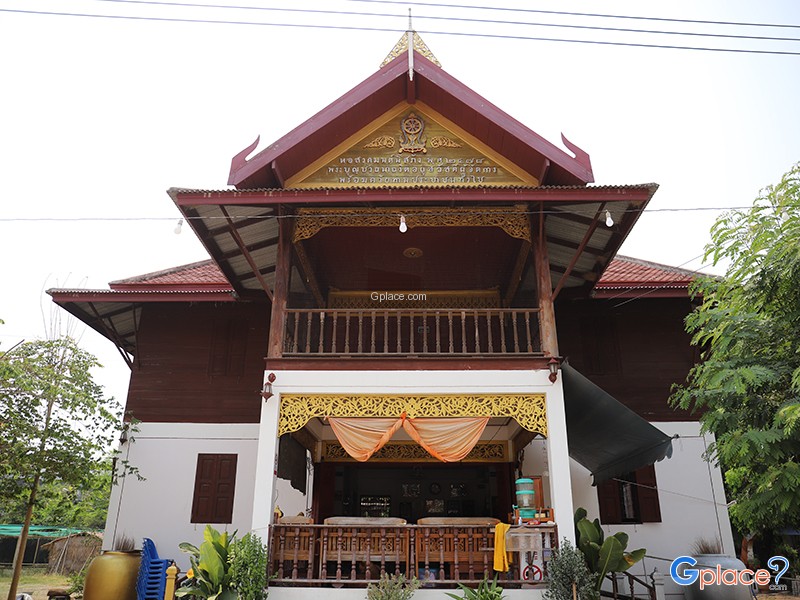
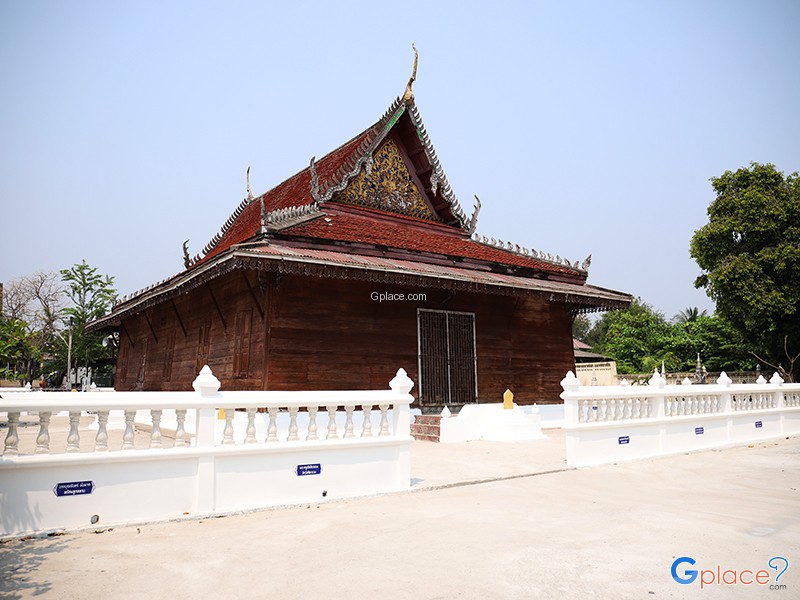

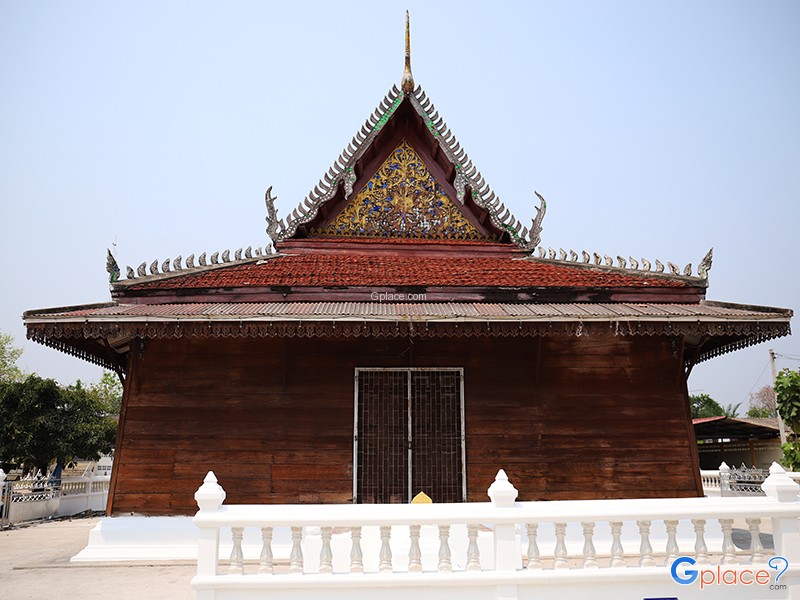
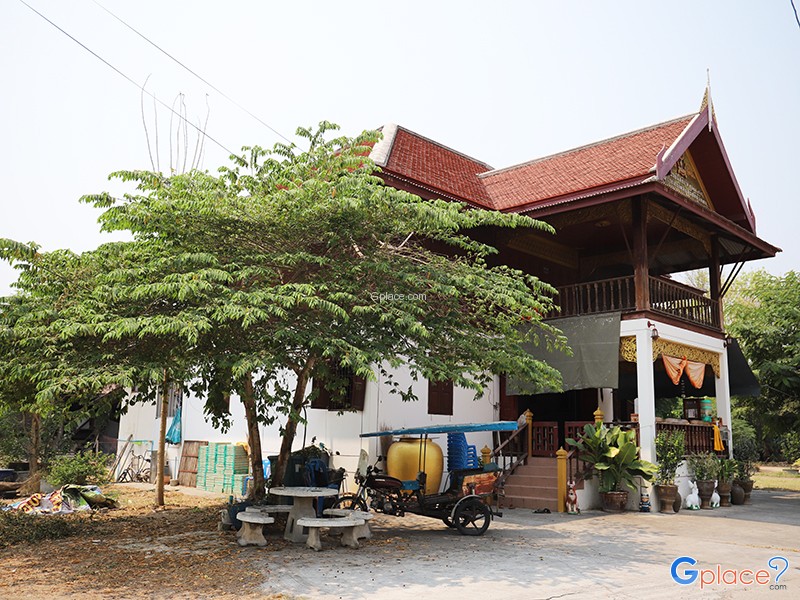
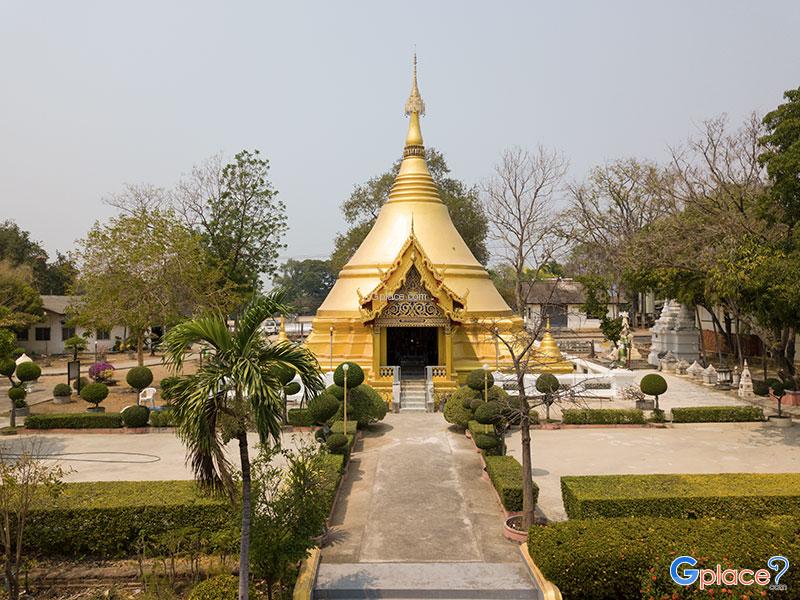
“A historic riverside temple featuring a registered Lanka–Sukhothai chedi, deeply connected to King Rama V’s royal visit to Tak.”
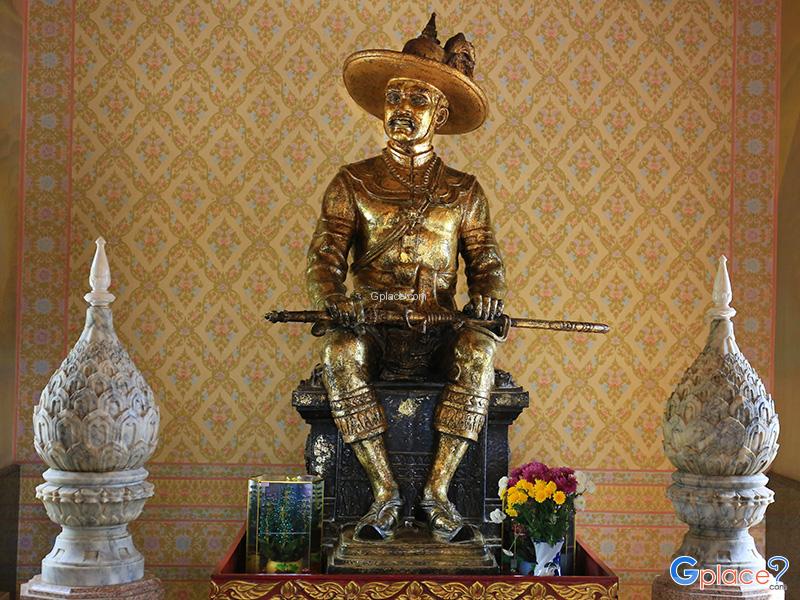
Wat Photharam is an important heritage temple of Tak City with a long history and strong ties to the Chakri Dynasty. It once served as a temporary residence for King Chulalongkorn (King Rama V) during his royal visit to Tak.
Historical Significance:
The temple received its Wisungkhamsima boundary in 1877 (B.E. 2420), reflecting its importance during the Rattanakosin era.
Location:
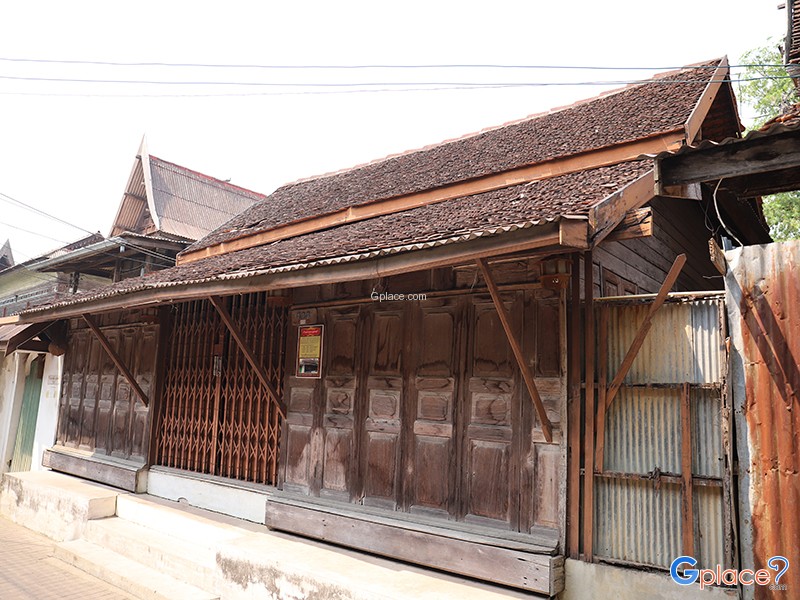
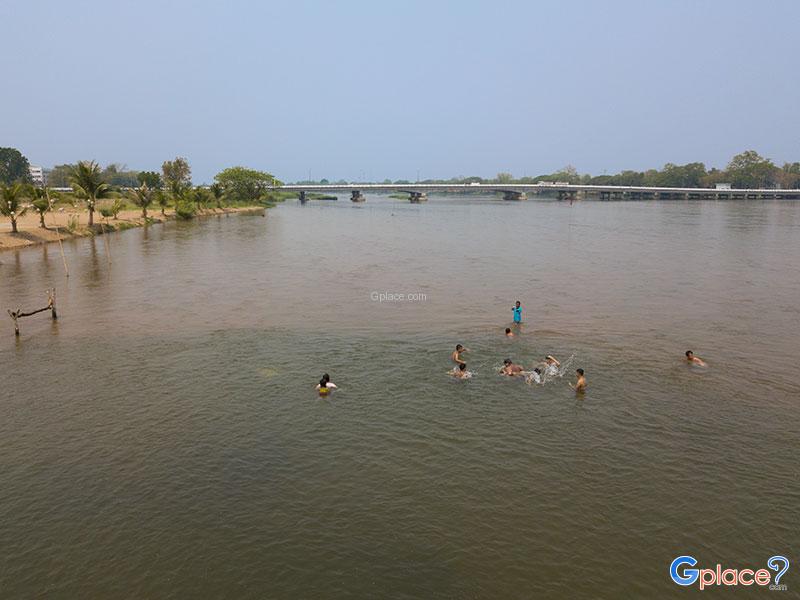
Situated along the Ping River, which historically served as the center of the local community and a major river transport route, Wat Photharam played a key role as a spiritual and social hub for travelers and townspeople.
Historic Sites:
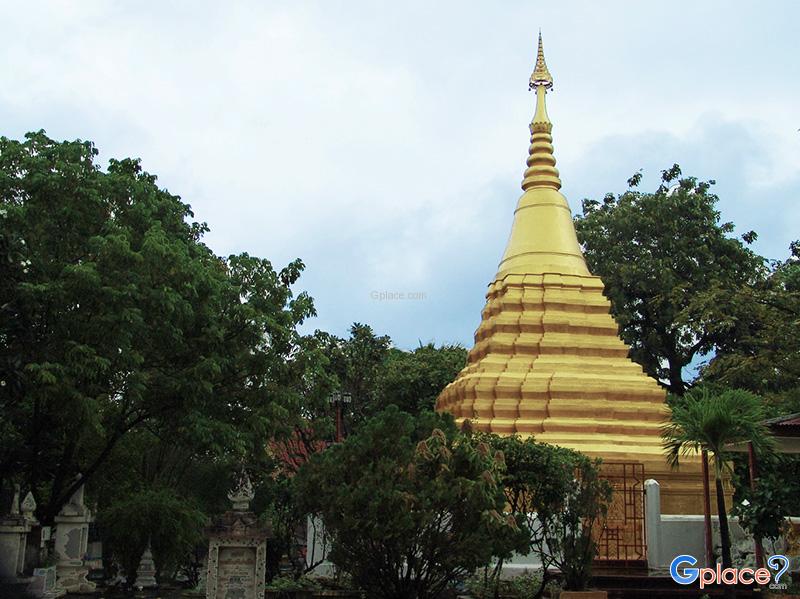
The Lanka–Sukhothai-style bell-shaped chedi is registered as a national historic site, notable for its graceful mixed-style architecture.
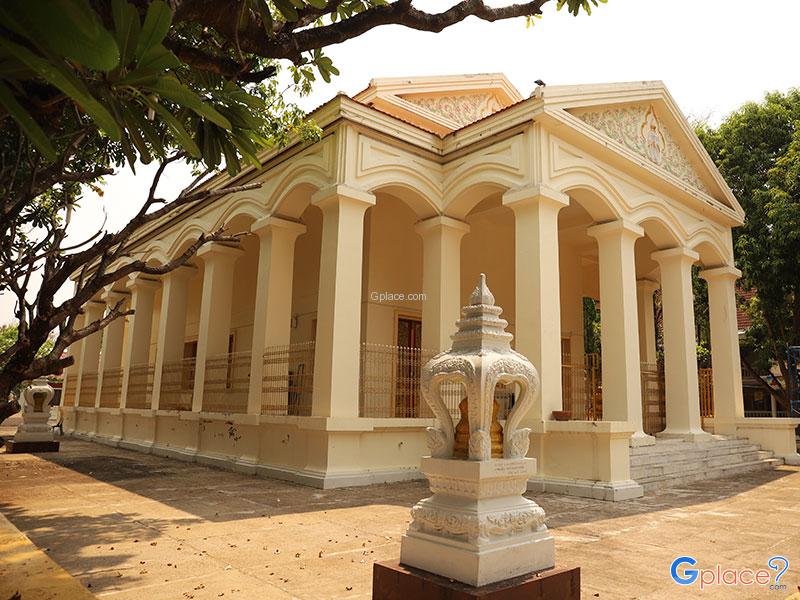
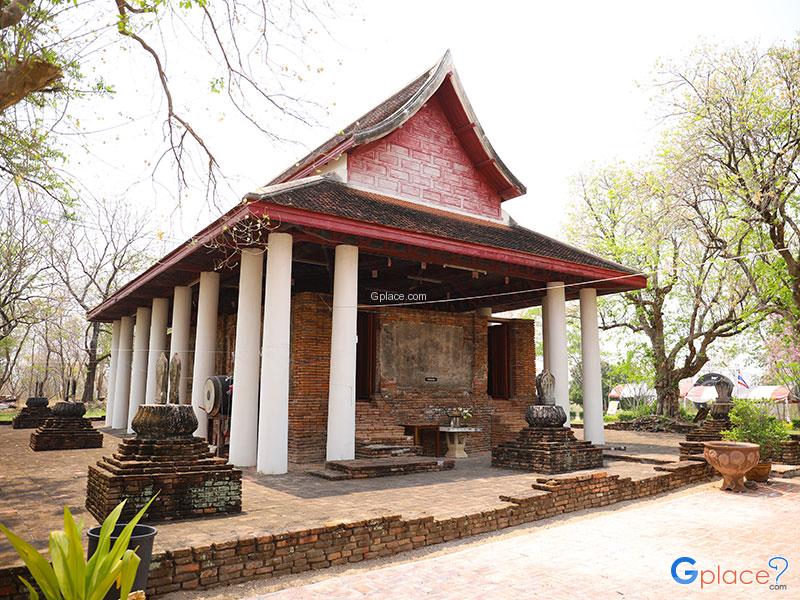
The ordination hall and viharn house ancient stucco Buddha images, showcasing distinctive northern craftsmanship.
Activities:
Pay respects, make merit, explore the ancient chedi, and learn about Tak’s local history through the temple’s architectural features.
How to Get There
By Private Car:
- From the Tak Provincial Hall, take Mahathai Bamrung Road toward the Ping River for about 1 km. The temple will be on the left, near the Old Market and river embankment. Parking is available inside the temple.
- From Kittikhachorn Bridge: After crossing the bridge, turn left onto the riverfront road. Continue straight for about 600 meters; the temple is on the right, easily identifiable by its white wall and standing chedi.
By Local Songthaew:
- Take a route that passes Mahathai Bamrung Road and get off at the temple’s entrance. Look for the sign “Wat Photharam.”
On Foot (from Old Market Area):
- Walk along the riverside road for 5–10 minutes to reach the temple. Convenient for visitors staying in the Old Town zone.
Travel Tips
- Dress respectfully when entering the temple
- Best lighting for chedi photography is early morning or late afternoon
- Explore surrounding architecture to learn local history
- Bring drinking water if visiting during midday
- Expect limited parking during festivals and plan accordingly
Admission Fee:
- Free admission
Opening Hours:
- Open daily from 08:00–17:00
Wat Photharam

 Share
Share
 T. Rahaeng, A. Mueang Tak, Tak 63000
Map
T. Rahaeng, A. Mueang Tak, Tak 63000
Map
 Closed today
Mon8.00 - 17.00
Tue8.00 - 17.00
Wed8.00 - 17.00
Thu8.00 - 17.00
Fri8.00 - 17.00
Sat8.00 - 17.00
Sun8.00 - 17.00



 2186
2186