 Attractions
  Hotel
Hotel  Restaurant
  Shopping
  Abroad






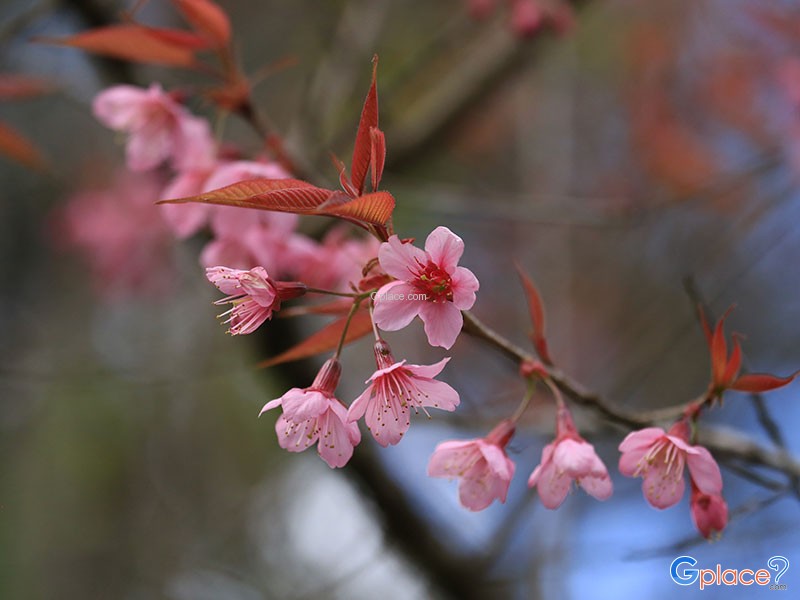
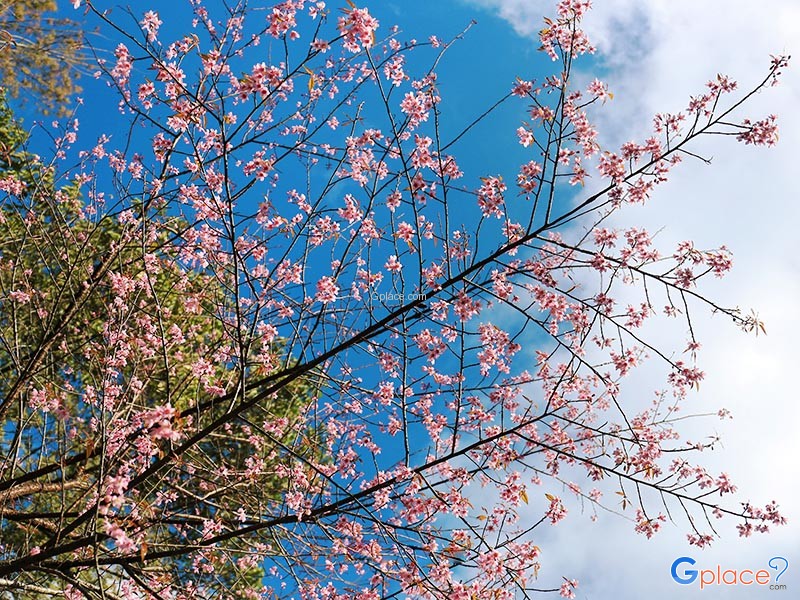
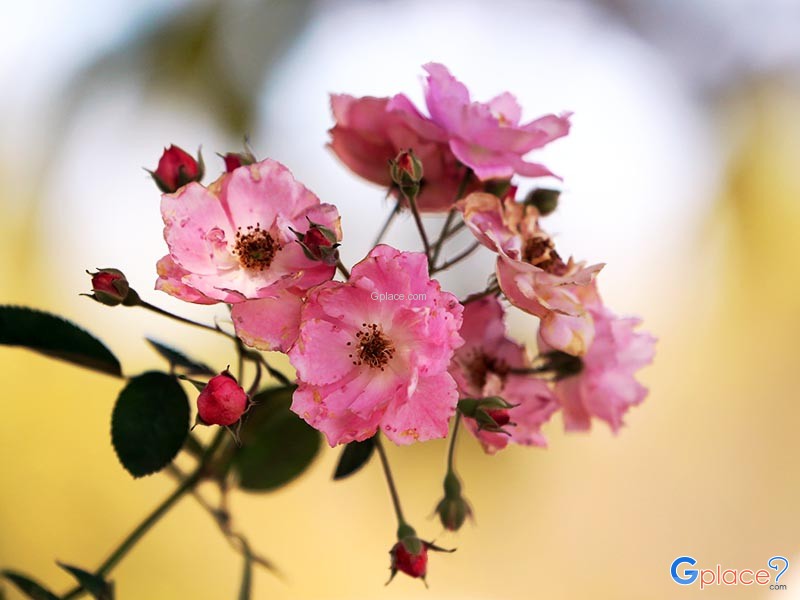
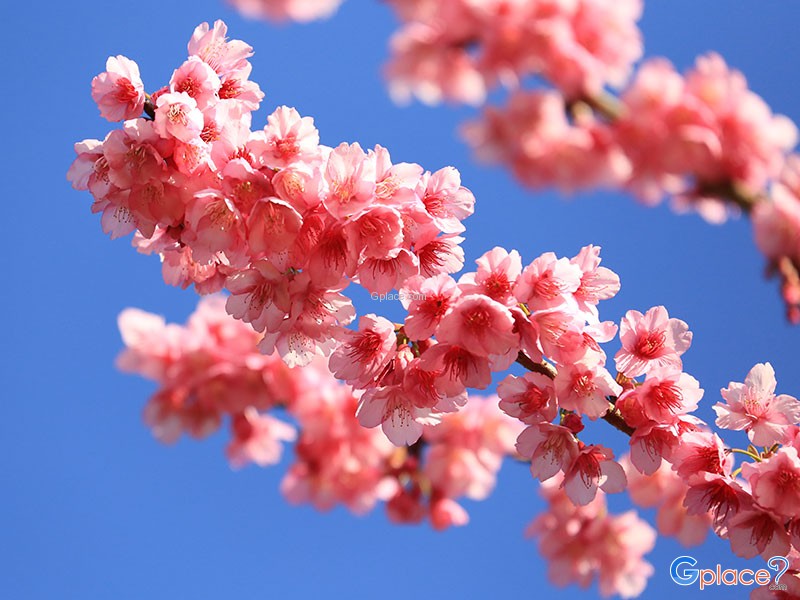
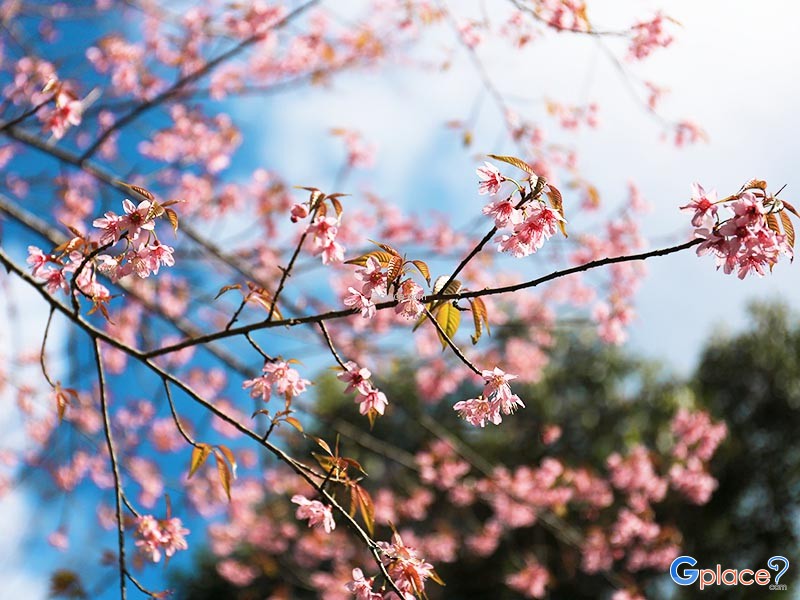
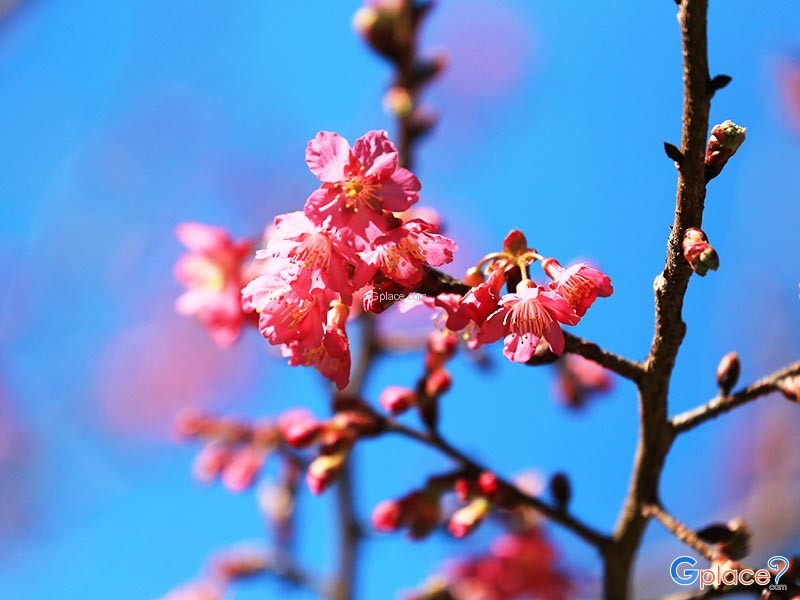
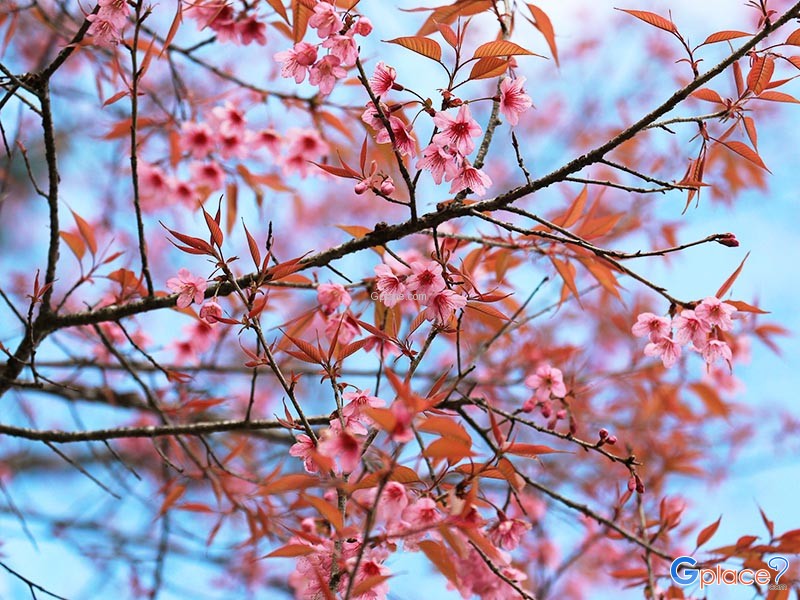
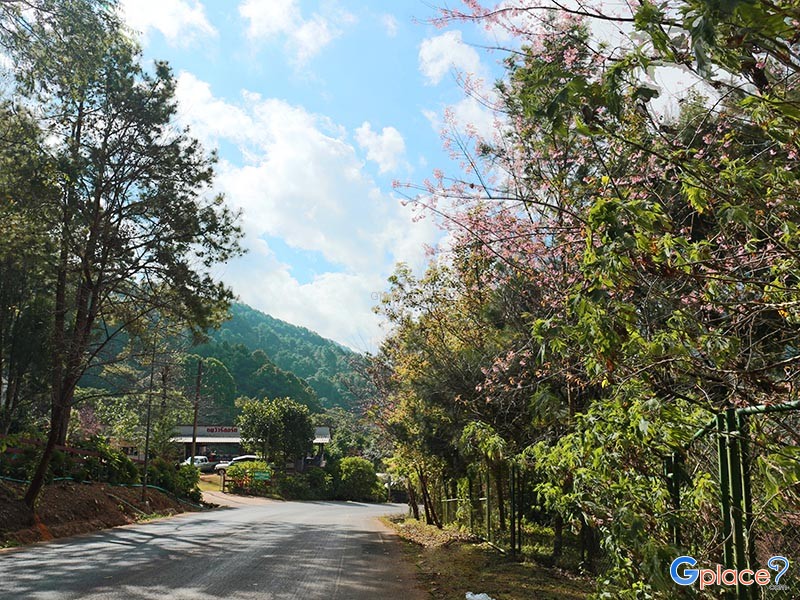
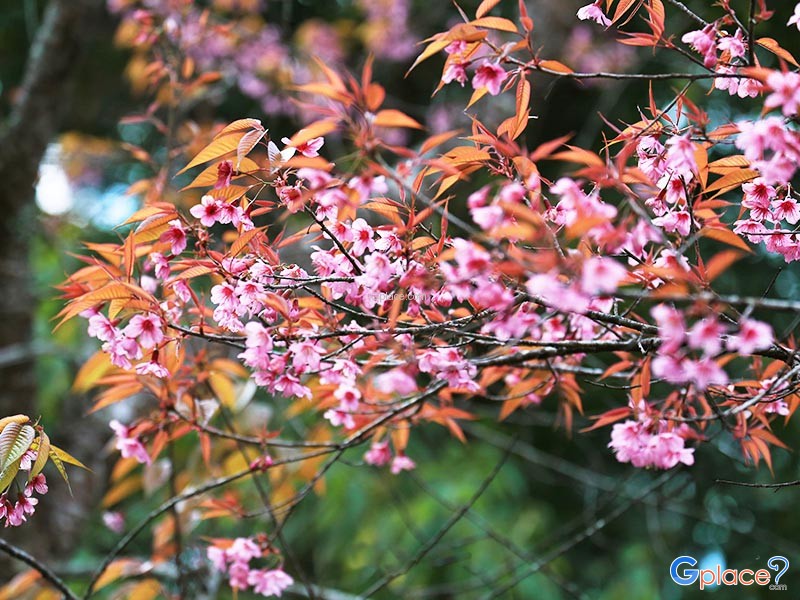

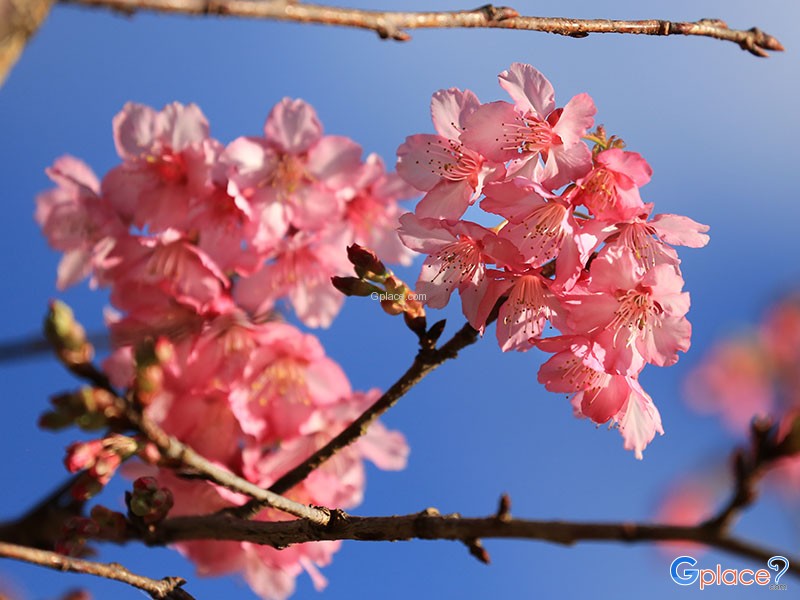
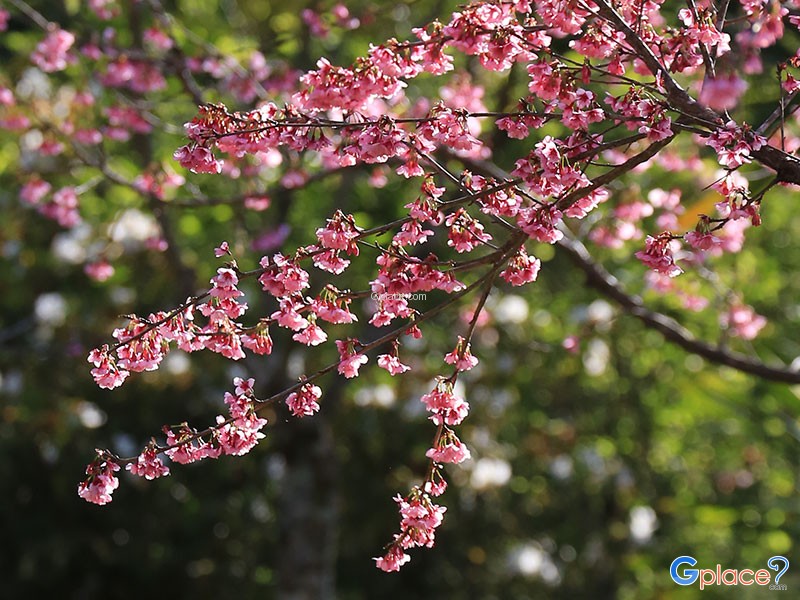
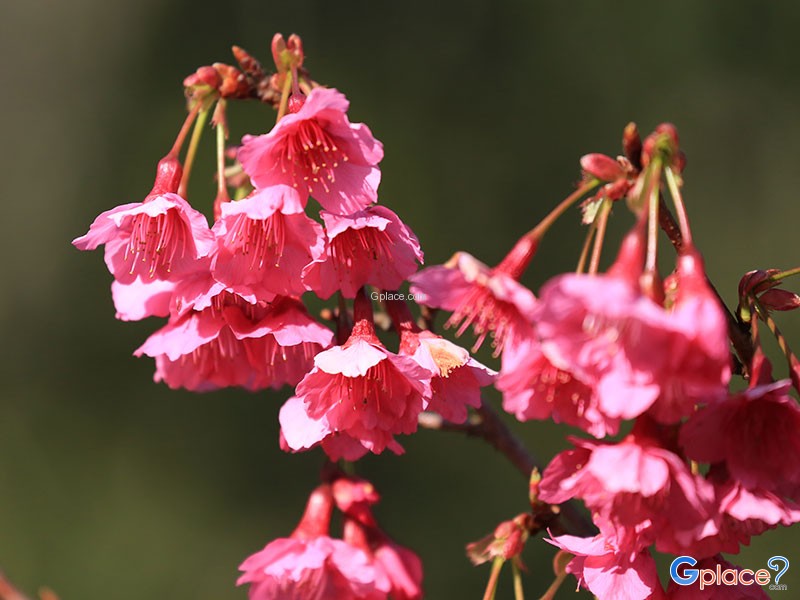
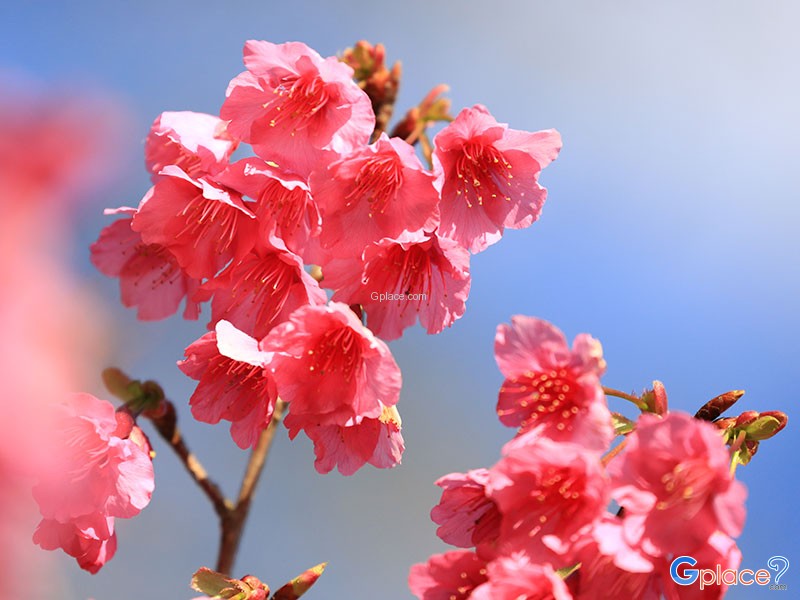
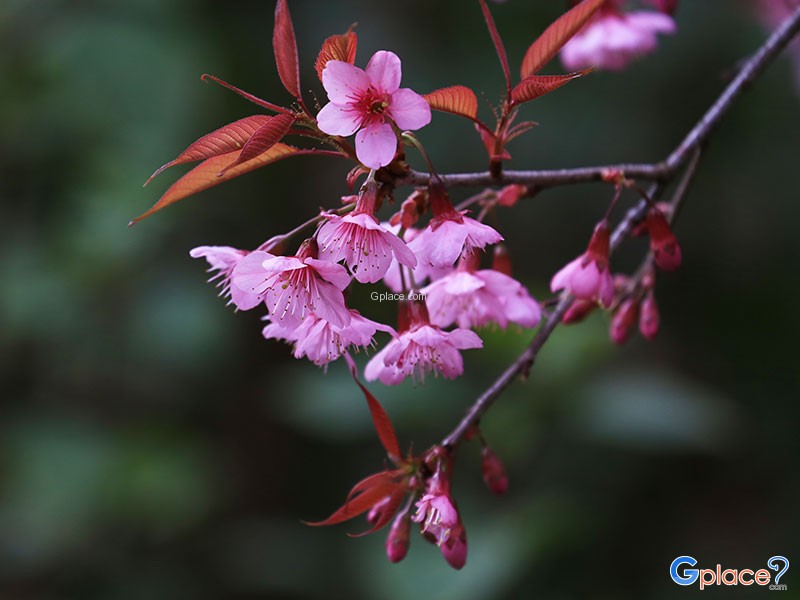
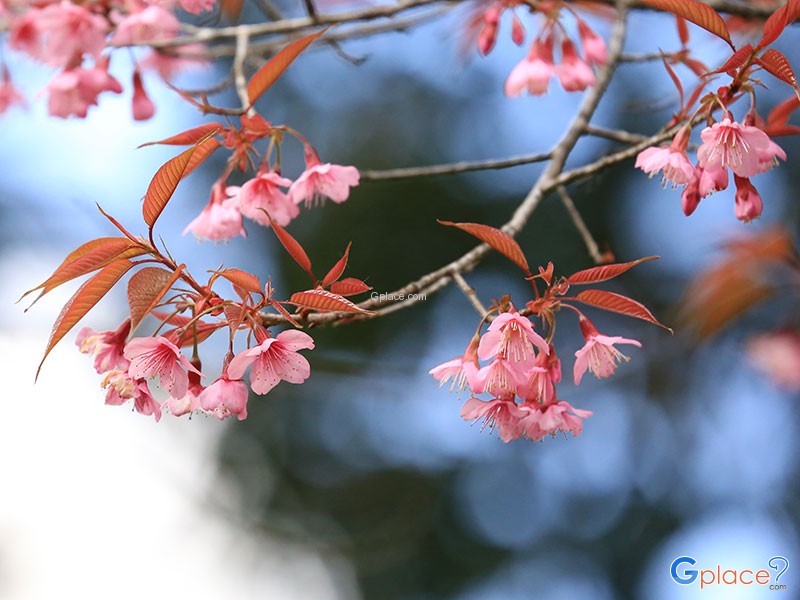
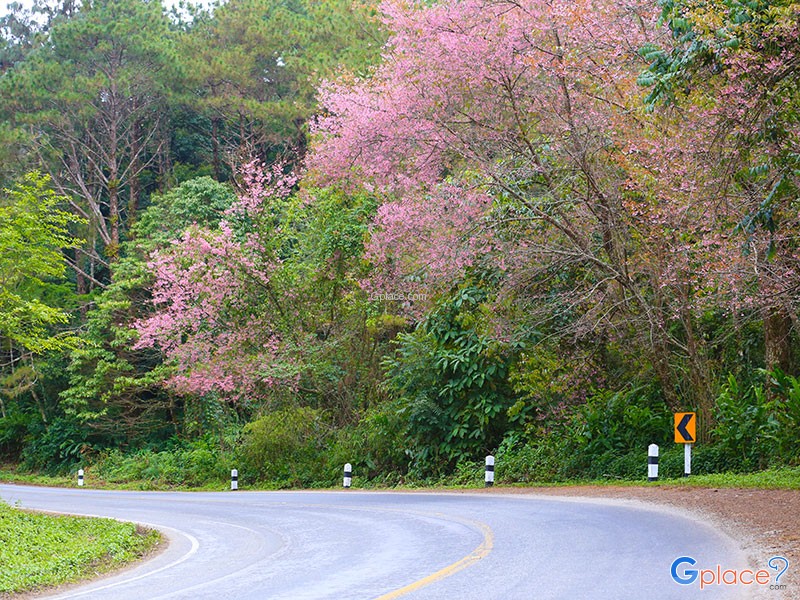
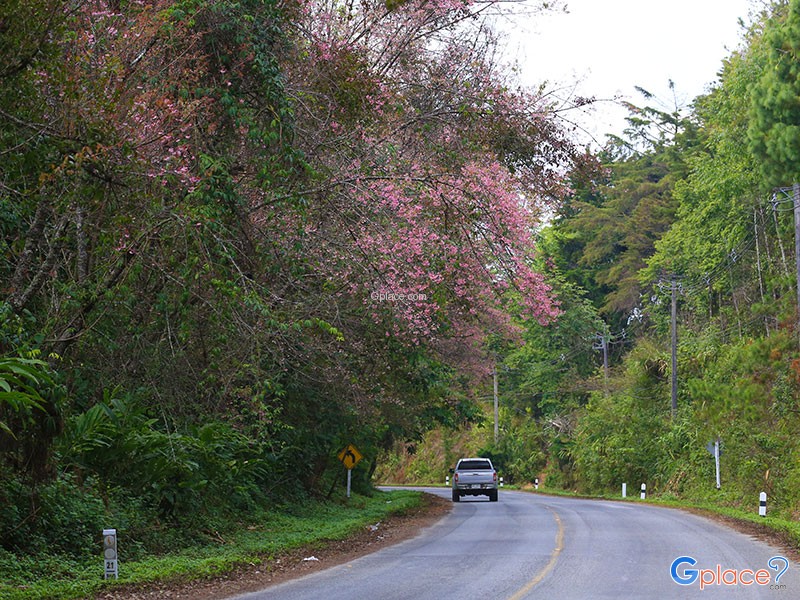
“A renowned Thailand Sakura viewing destination featuring a pink Wild Himalayan Cherry blossom tunnel and authentic Japanese Sakura trees amidst the cool weather and misty atmosphere of Doi Ang Khang.”
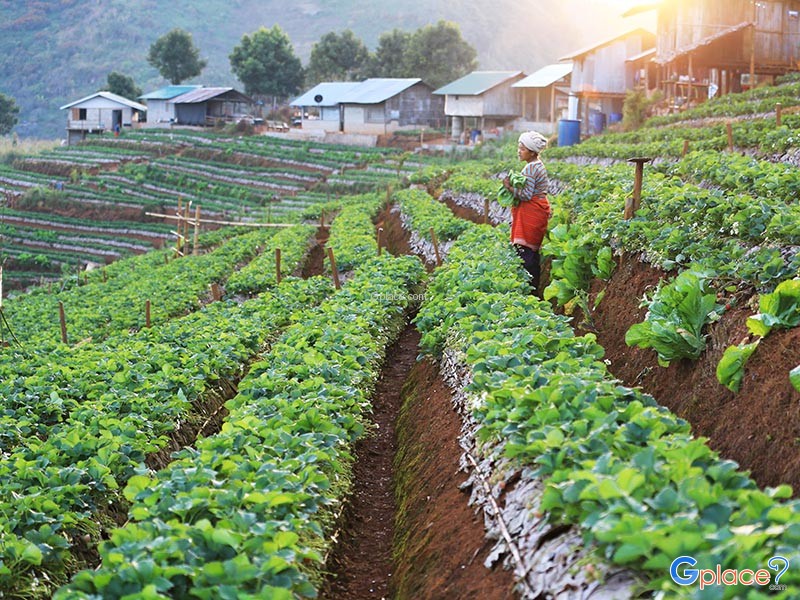
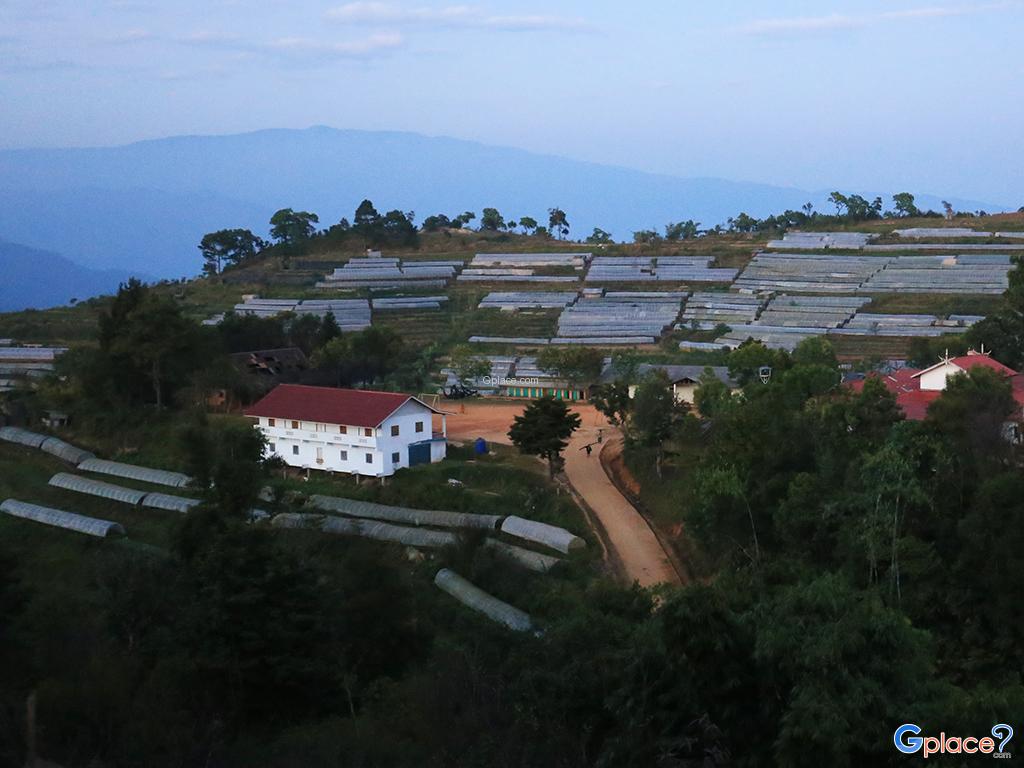
The Wild Himalayan Cherry & Sakura Viewing Point at Doi Ang Khang (Wild Himalayan Cherry & Sakura at Doi Ang Khang) is regarded as one of the most famous winter flower destinations in Thailand. It is located within and around the area of Ang Khang Royal Agricultural Station, the first Royal Project station in Thailand, established in 1969 under the royal initiative of His Majesty King Bhumibol Adulyadej The Great (Rama IX). The project was created to address opium cultivation, shifting agriculture, and watershed forest encroachment in the Doi Ang Khang area, eventually developing the mountain into a major center for temperate plant research and eco-tourism.
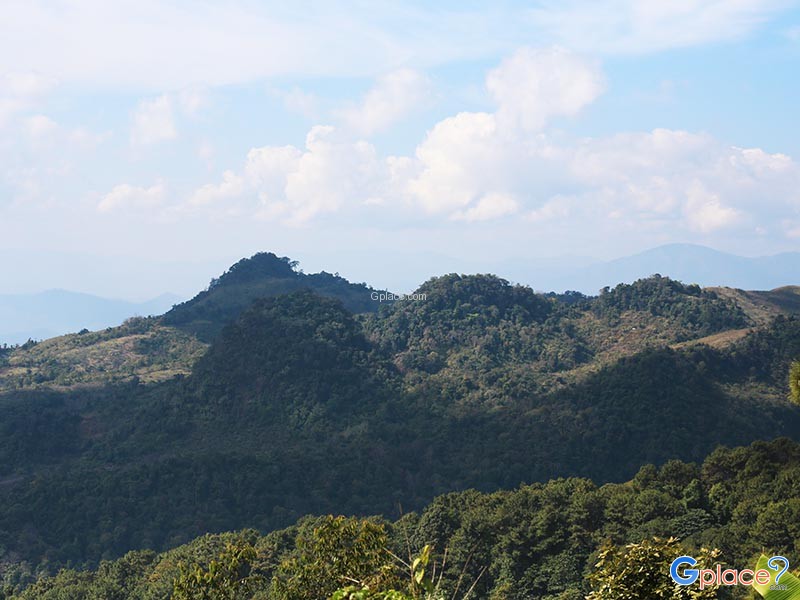
Doi Ang Khang is situated at an elevation of approximately 1,400–1,928 meters above sea level, resulting in a cool climate similar to that found in parts of Japan, Taiwan, and southern China. During winter, temperatures can occasionally drop below 0°C, creating frost conditions that help stimulate the blooming of Sakura-related species and other temperate fruit trees.
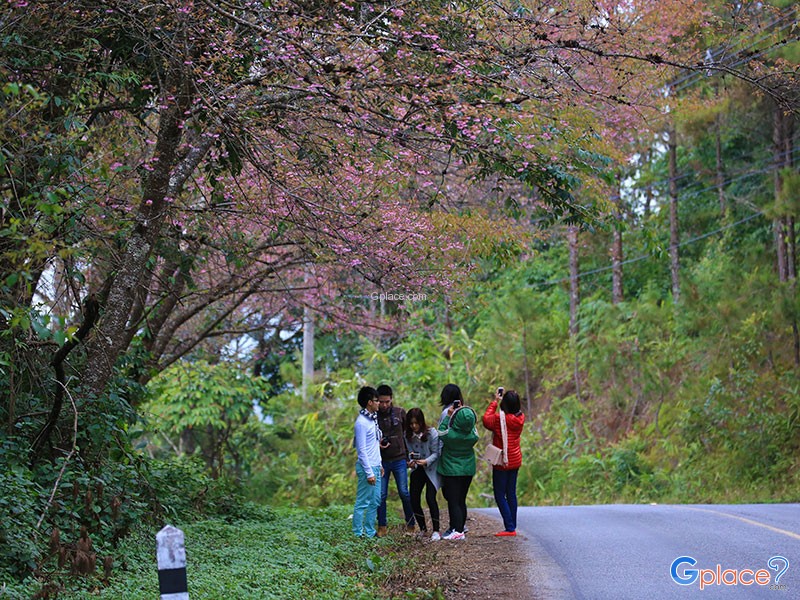
The flower commonly referred to by Thai visitors as “Thailand Sakura” is actually the Wild Himalayan Cherry (Prunus cerasoides), a tree species belonging to the same botanical family as Japanese Sakura. It naturally occurs in the mountainous forests of Thailand, Myanmar, Nepal, and the Himalayan region. During winter, the trees shed nearly all their leaves before producing vibrant pink blossoms across the entire canopy, painting the mountainside in soft shades of pink.
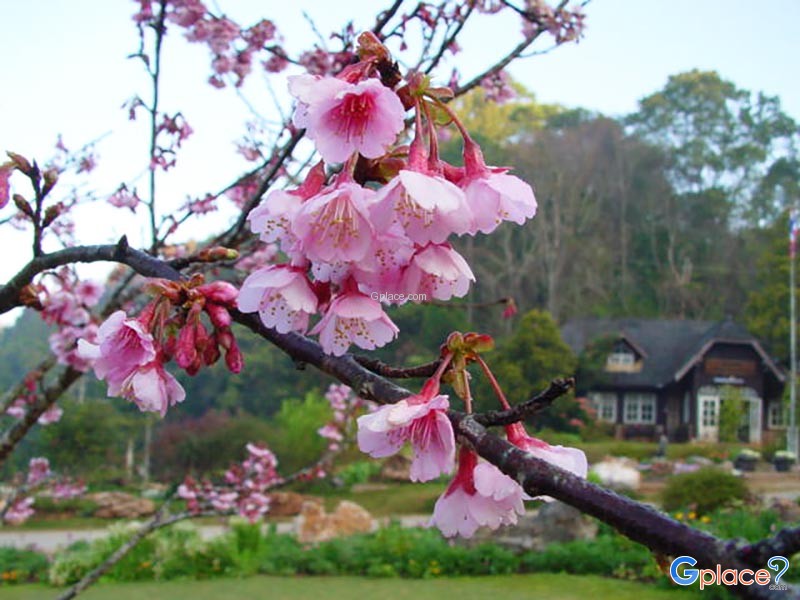
In addition to Wild Himalayan Cherry trees, authentic Sakura varieties imported from Japan and Taiwan are cultivated within Ang Khang Royal Agricultural Station as part of temperate plant adaptation studies. These Sakura trees generally produce larger flowers, denser petals, and deeper pink hues than Wild Himalayan Cherry blossoms, allowing visitors to clearly distinguish between the two.
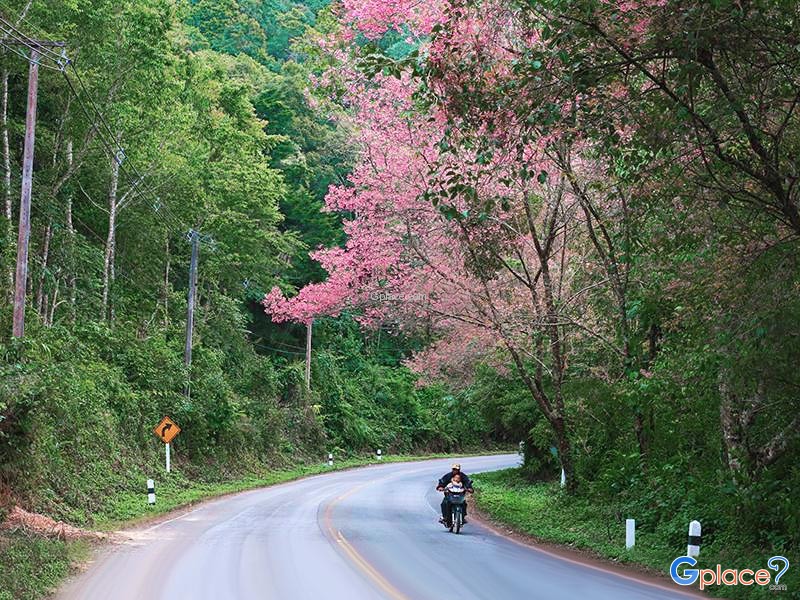
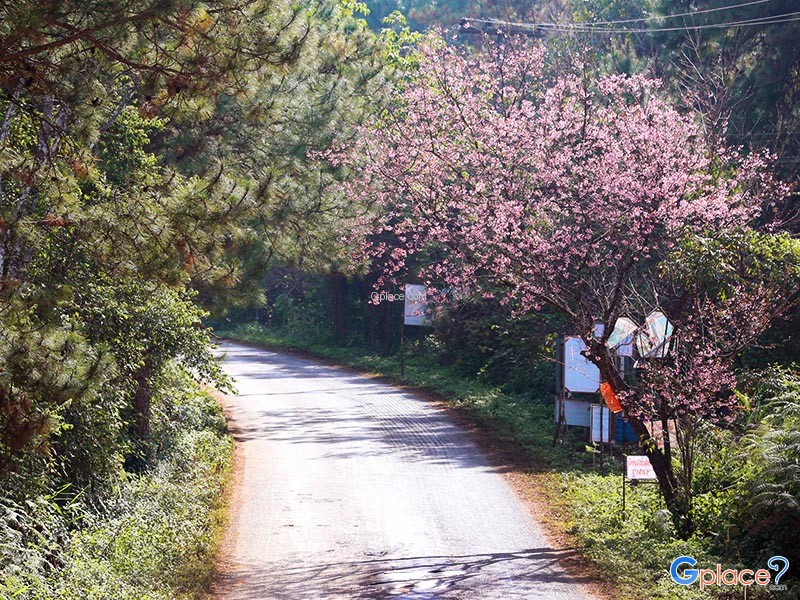
One of the most popular photography locations is the Sakura Tunnel along the entrance road to Ang Khang Royal Agricultural Station. Wild Himalayan Cherry trees line both sides of the road for several hundred meters. When the blossoms reach full bloom, the branches arch toward each other, forming a naturally pink tunnel. The scenery becomes especially enchanting in the early morning when light mist drifts through the area and the first sunlight shines through the blossoms.
Another must-visit location is the Historic Plum Orchard within Ang Khang Royal Agricultural Station. The orchard contains plum trees that are more than 40–50 years old. During winter, white plum blossoms bloom alongside pink Wild Himalayan Cherry and Sakura flowers, creating a striking contrast of white and pink that is considered one of the most beautiful winter landscapes in Northern Thailand.
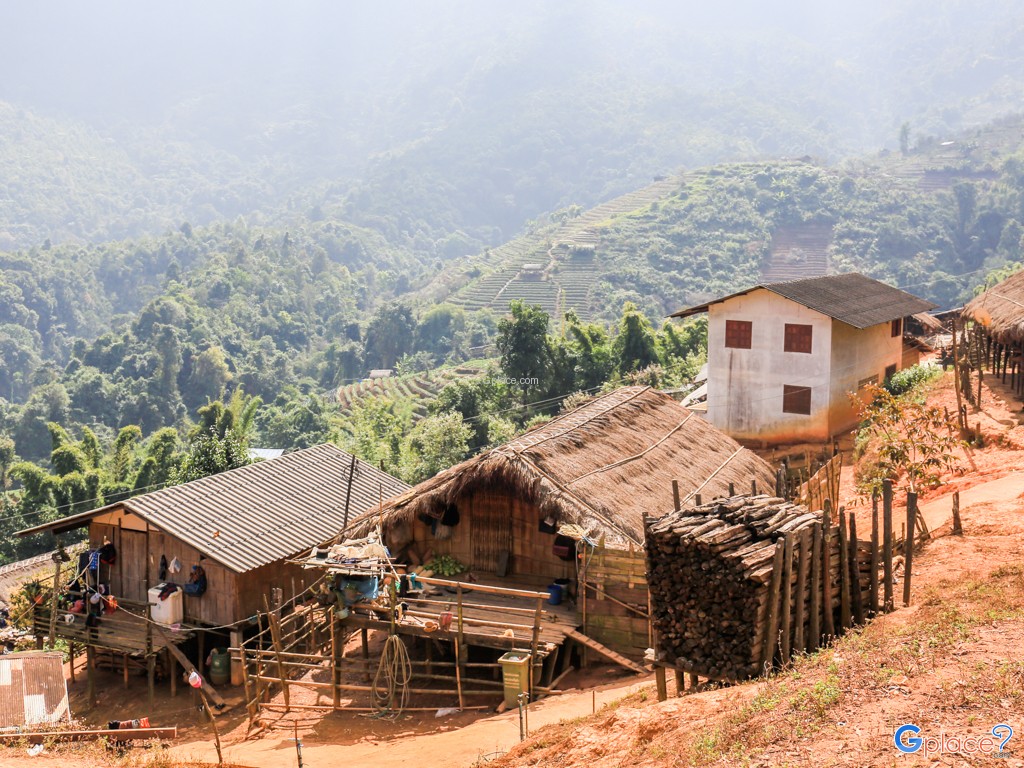
The surrounding Doi Ang Khang area is also home to several ethnic communities, including the Palaung, Lahu, Chinese Yunnanese, and other highland groups. Visitors can experience local traditions, cultural heritage, regional cuisine, and community products while enjoying the flower-viewing experience.
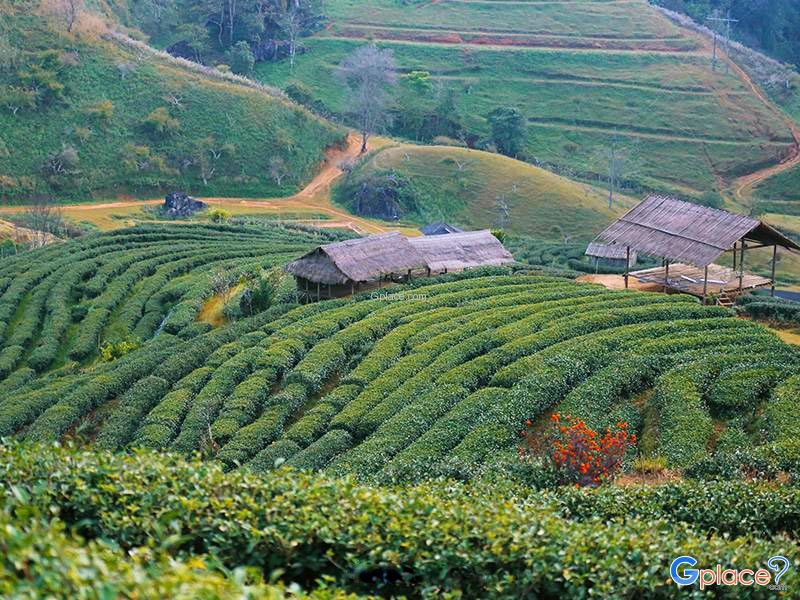
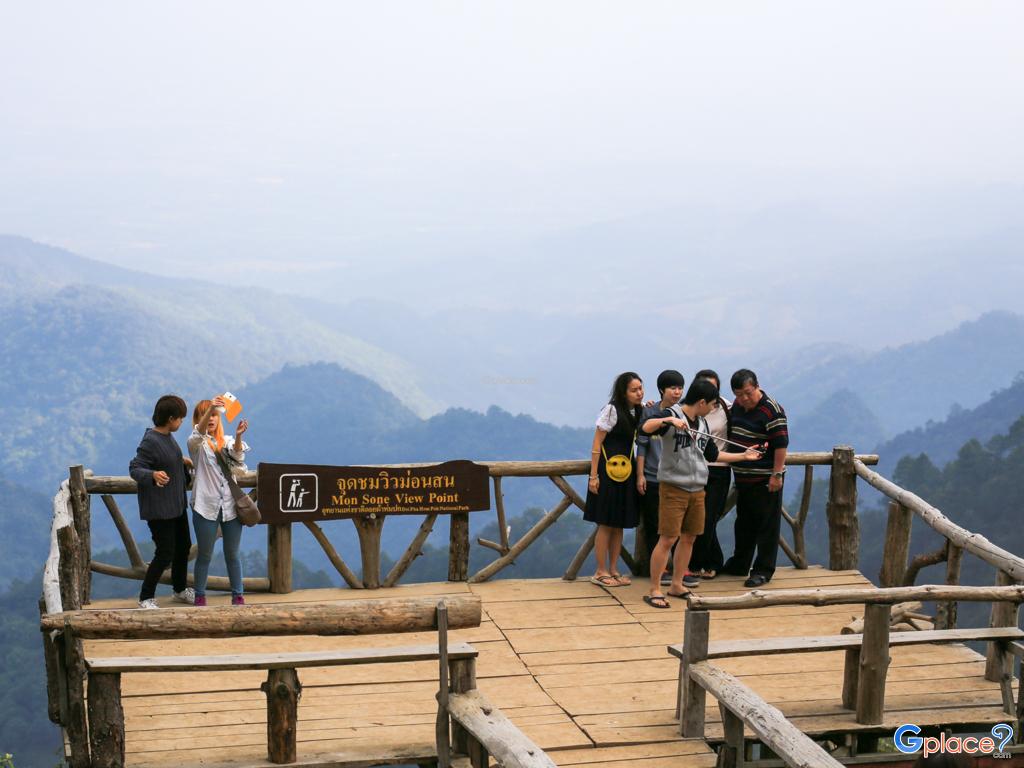
For nature enthusiasts, nearby attractions include Tea Plantation 2000, Mon Son Viewpoint, and No Lae Border Base Viewpoint, all of which can be combined into a full-day travel itinerary.
The best time to visit is from late December to late January, when blooming gradually progresses from lower elevations to higher areas. In years with prolonged cold weather, blossoms may remain at their peak for approximately two to three weeks.
For photographers, the period between 06:30 and 08:30 AM is considered the ideal time for capturing images, thanks to the soft morning light, mountain mist, and cool temperatures that enhance the beauty of both flowers and landscapes.
With its pristine natural environment, historical significance as part of the Royal Project, diversity of temperate plants, and breathtaking pink scenery that blankets the mountains during winter, Doi Ang Khang has earned recognition as one of the finest Sakura-viewing destinations in Thailand and a dream destination for nature lovers and photographers from around the world.
How to Get There
-
By Private Car: From Chiang Mai city, take Highway No. 107 toward Fang District, then turn onto Highway No. 1249 leading up to Doi Ang Khang. The journey covers approximately 160 kilometers and takes around 3–4 hours. The mountain road is steep and contains numerous sharp curves, so drivers should use low gear and exercise caution.
-
By Public Transportation: Take a bus or van from Chang Phueak Bus Terminal (Chiang Mai–Fang route) and get off at the entrance to Doi Ang Khang near Wat Had Samran. From there, continue by local songthaew or hired vehicle to Ang Khang Royal Agricultural Station.
Travel Tips
- The peak blooming season is usually from late December to late January, although exact timing depends on weather conditions each year.
- Arrive between 06:30 and 08:00 AM for the best lighting and morning mist.
- Bring warm clothing, as temperatures in the early morning may fall below 5°C.
- Please photograph responsibly and avoid pulling, bending, or breaking branches of Wild Himalayan Cherry or Sakura trees.
- Accommodation should be booked at least 1–2 months in advance during the flowering season due to high visitor demand.
Admission Fee:
Areas Along the Roads Outside Ang Khang Royal Agricultural Station
- Free admission throughout the route
Inside Ang Khang Royal Agricultural Station
- Admission fee: 50 Baht per person
- Vehicle fee: 50 Baht per car
Note: Admission fees may change. Please verify the latest information with the attraction before traveling.
Opening Hours:
Areas Along the Roads Outside Ang Khang Royal Agricultural Station
- Accessible and viewable 24 hours a day
Inside Ang Khang Royal Agricultural Station (Japanese Sakura Viewing Area)
- Open daily from 06:00 AM to 06:00 PM
Wild Himalayan Cherry Sakura Viewing Point at Doi Ang Khang

 Share
Share
 Moo.5, Mae Ngon Subdistrict, Mueang Fang District, Chiang Mai 50320
Map
Moo.5, Mae Ngon Subdistrict, Mueang Fang District, Chiang Mai 50320
Map
 Open now



 6180
6180
Recommend trips
All reviews
(List 0 review)Nearby Places

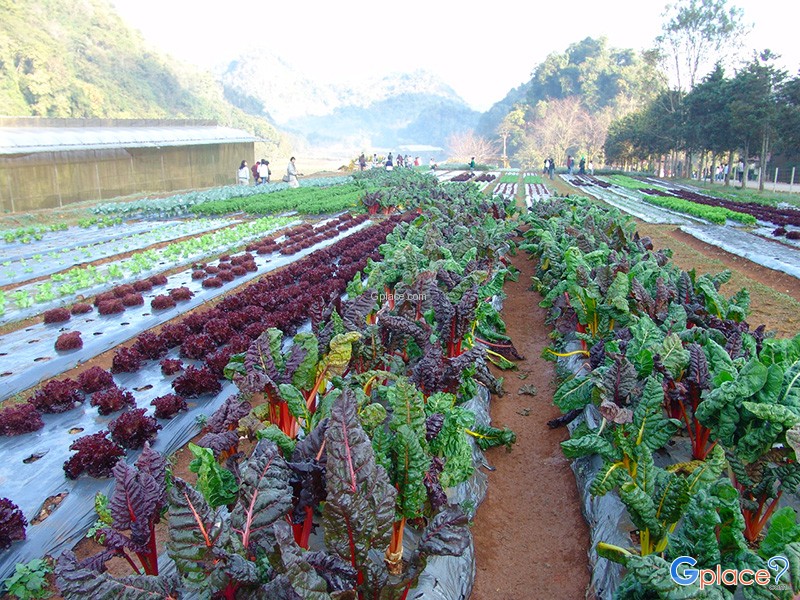
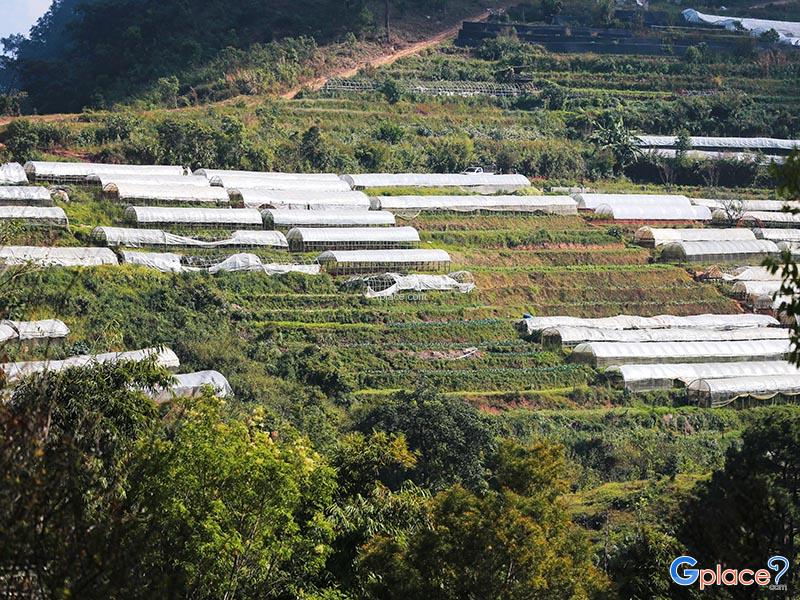 Organic Vegetable Demonstration Plots and Temperate Crop Gardens Ang Khang Royal Agricultural Station
(List 0 review)
Distance 1.43 Kilometer
 Maple Trees and Deciduous Foliage Garden Ang Khang Royal Agricultural Station
(List 0 review)
Distance 2.15 Kilometer