 Attractions
  Hotel
Hotel  Restaurant
  Shopping
  Abroad






“Lanna-style murals, Lanna-style vihara, and ancient scripture chest over 200 years old”
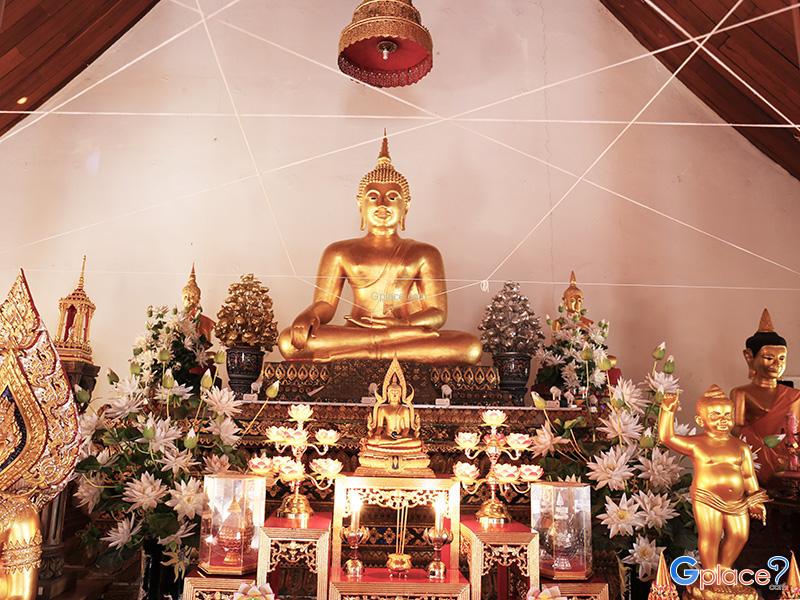
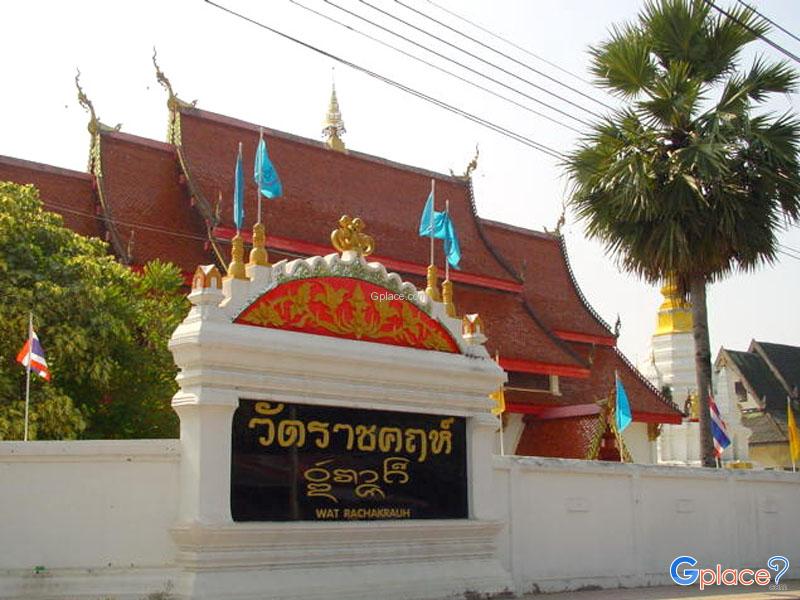
Wat Luang Ratchasanthan is a public temple under the Maha Nikaya sect, with a long historical background. Originally constructed by “royal officials” as a city planning center in early Phayao, it was named Wat Luang. Later, Chao Luang Wong restored the temple in 1804 (B.E. 2347).
Historical Sites:
The temple is registered as a historical site by the Fine Arts Department.
-
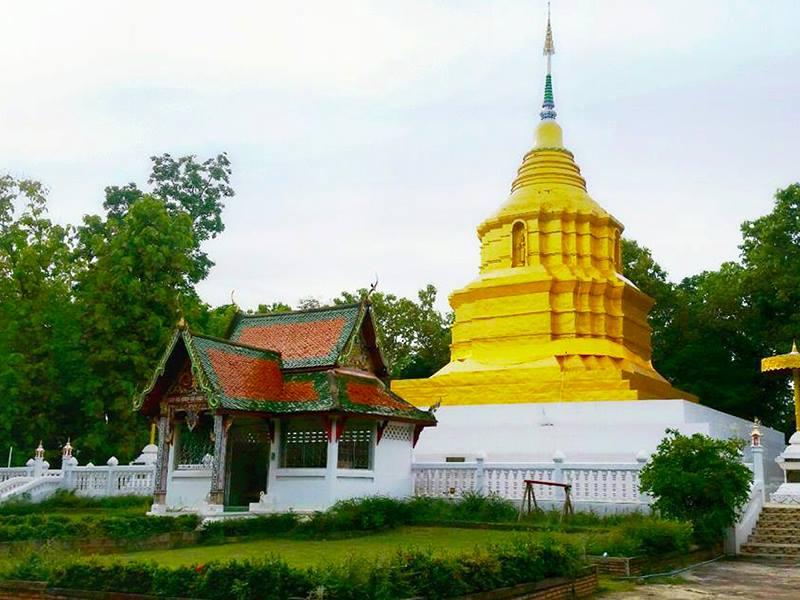
Lanna-Style Stupa:
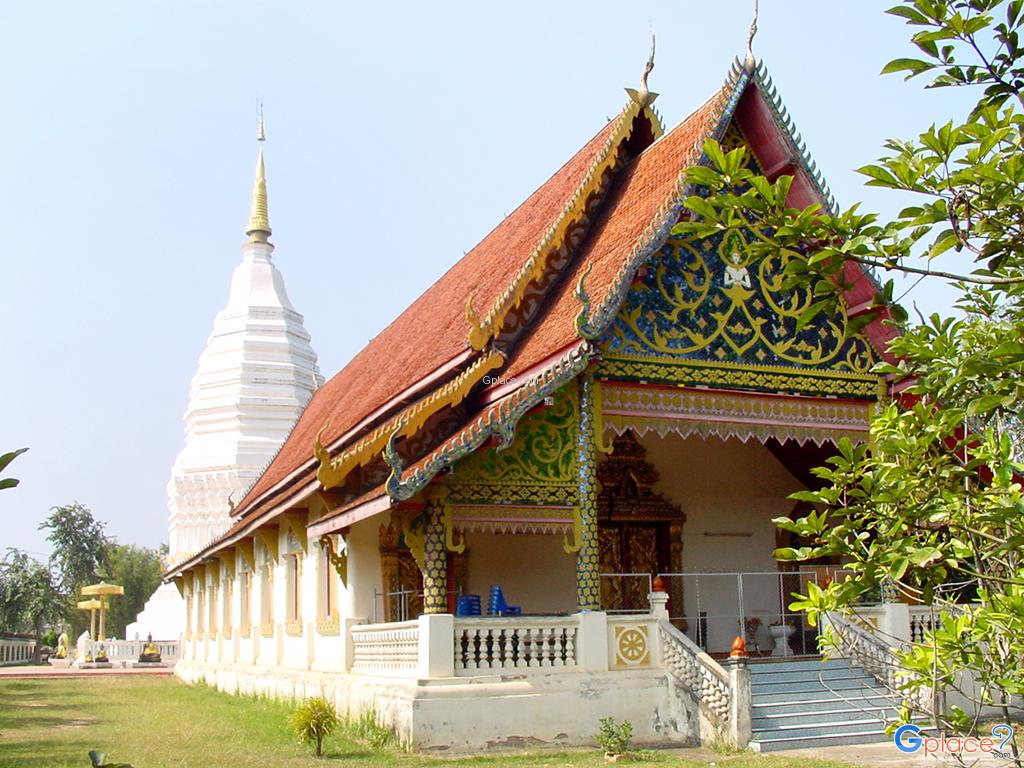
The stupa is built on a high base with a tiered pyramidal shape, reflecting classic Lanna architecture. Buddha statues are enshrined on all four sides, and the pinnacle is adorned with a golden umbrella (chatra). Its intricate and elegant craftsmanship has survived for centuries. -
Sukhothai-Style Sandstone Stupa:
This stupa is carved from sandstone, with a bell-shaped Sukhothai design, square base, and rounded top. The pinnacle features an opening for a chatra. Its floral and kinnaree motifs are uniquely found in Phayao, showing Sukhothai artistic influence in the Lanna region.
Art Conservation:
In 1984 (B.E. 2527), the original vihara was damaged by a storm. The temple preserved wooden mural panels from the old vihara and reinstalled them in the new vihara according to the original Lanna architectural style. The murals depict the Buddha’s life, Jataka tales, and the parinirvana story, which is rare in Lanna murals of the same period.
How to Get There
Private Car / Motorcycle:
- Use Phaholyothin Road from downtown Phayao directly to the temple. Parking is available nearby.
Bicycle / Walking:
- For visitors staying near the city center, the temple is easily accessible by bike or on foot.
Public Transport:
- Take a songthaew (shared truck) or taxi from downtown Phayao to Phaholyothin Road in front of the temple, then walk a short distance.
Travel Tips
-
Wear comfortable shoes for walking around historical sites.
-
Photograph murals and the scripture chest in good lighting, preferably in the morning.
-
Respect the site; avoid touching historical artifacts.
-
Evenings provide a shady atmosphere for rest and meditation.
-
Ask temple staff for detailed historical information.
Admission Fee:
- Free
Opening Hours:
- Daily: 06:00 – 17:00
Wat Luang Ratchasanthan

 Share
Share
 76 Phaholyothin Rd, T.Wiang, A.Mueang Phayao, Phayao 56000
Map
76 Phaholyothin Rd, T.Wiang, A.Mueang Phayao, Phayao 56000
Map
 No hours available



 2260
2260