 Attractions
  Hotel
Hotel  Restaurant
  Shopping
  Abroad
  Nearby Places







Mueang Phraek Sriracha, known today as Sankhaburi District in Chainat Province, is an ancient city of great significance in Thai history, particularly in terms of politics, administration, and culture. The word “Phraek” refers to a city located at the junction of rivers, reflecting its strategic location for transportation, trade, and settlement since ancient times. The city is first mentioned in Inscription No. 1 of King Ramkhamhaeng the Great, indicating its important role during the Sukhothai period, when it served as a frontier city alongside Chainat, overseeing the Chao Phraya and Noi River basins.
During the early Ayutthaya period, Mueang Phraek Si Racha was elevated to the status of a royal city (Mueang Luk Luang), directly administered by the royal court. It played a vital role in defending the kingdom and controlling major water transportation routes. The prosperity of the city during this era is clearly reflected in the numerous historical monuments that still remain today.
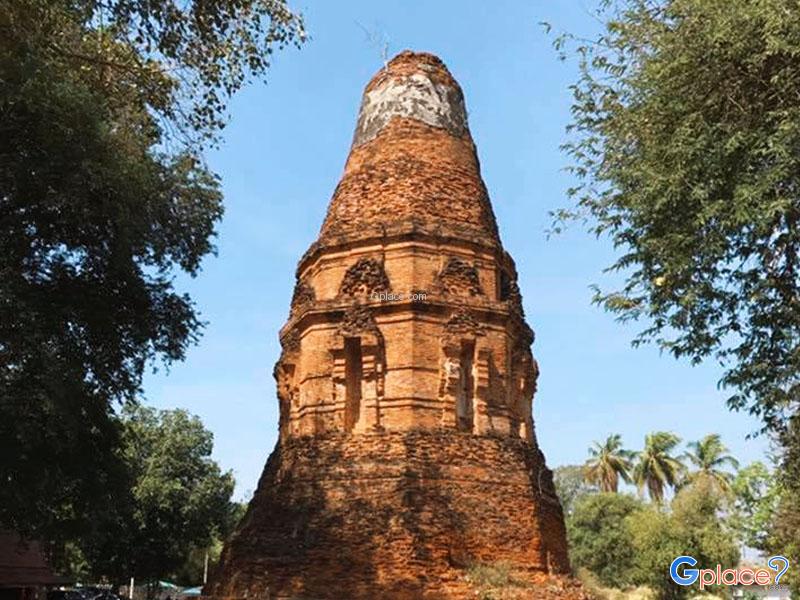
The distinctive character of Mueang Phraek Si Racha lies in its role as a center of U Thong or Ayodhya art, representing a transitional phase before the establishment of the Ayutthaya Kingdom. Significant archaeological sites such as Wat Mahathat, featuring a beautifully designed spire-shaped chedi with fluted petals, demonstrate advanced architectural development and Buddhist beliefs. Another important site, Wat Phra Kaew, is renowned for its tall square-based chedi, acclaimed as the “Queen of all chedis in Southeast Asia.” These monuments serve as powerful historical evidence of the city’s former grandeur and prosperity.
Beyond its architectural and archaeological heritage, Mueang Phraek Si Racha is also the birthplace of Khun San, a revered Thai hero who united local villagers to resist the Burmese army at Bang Rachan Camp in 1765. His courage and sacrifice earned him the title “Hero of the Noi River Basin.” To honor this legacy, Chainat Province organizes the annual “Revisiting the Legends of Mueang Phraek Si Racha” festival every January, celebrating the city’s distinguished figures and preserving its invaluable historical heritage for future generations.