 Attractions
  Hotel
Hotel  Restaurant
  Shopping
  Abroad






“Marvel at the Ubosot in King Rama III's preferred artistic style, decorated with Chinese porcelain, and explore rare murals that meticulously record the costumes and daily lives of Thai-Yuan, Lao, and Chinese people from the early Rattanakosin period.”
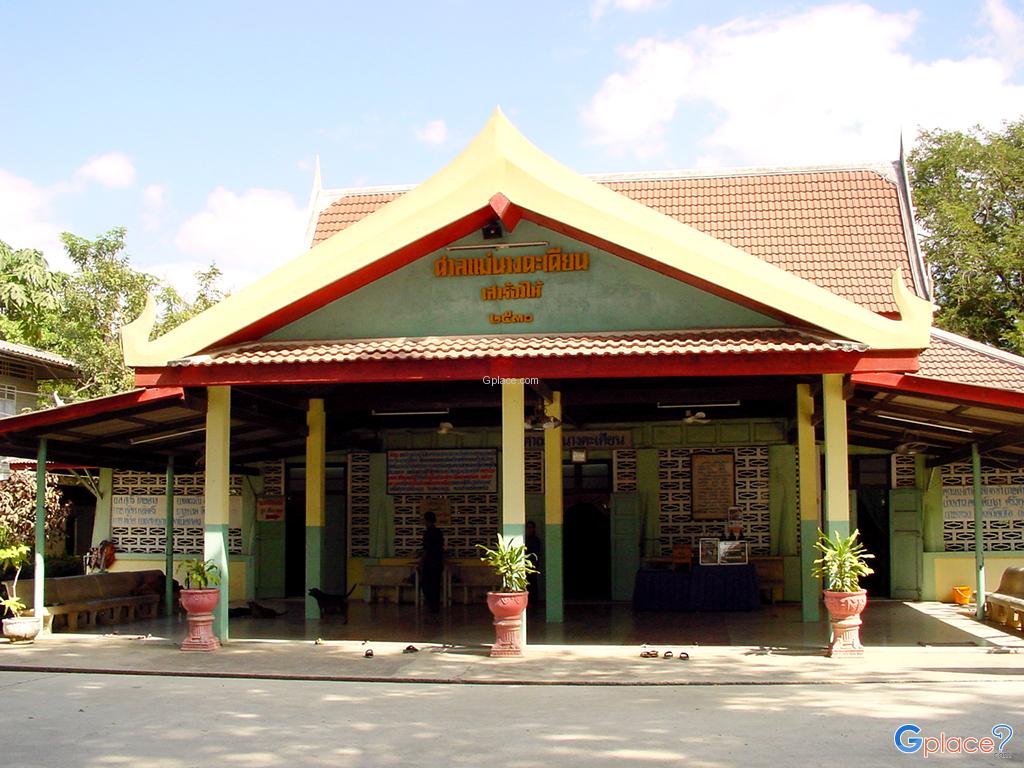
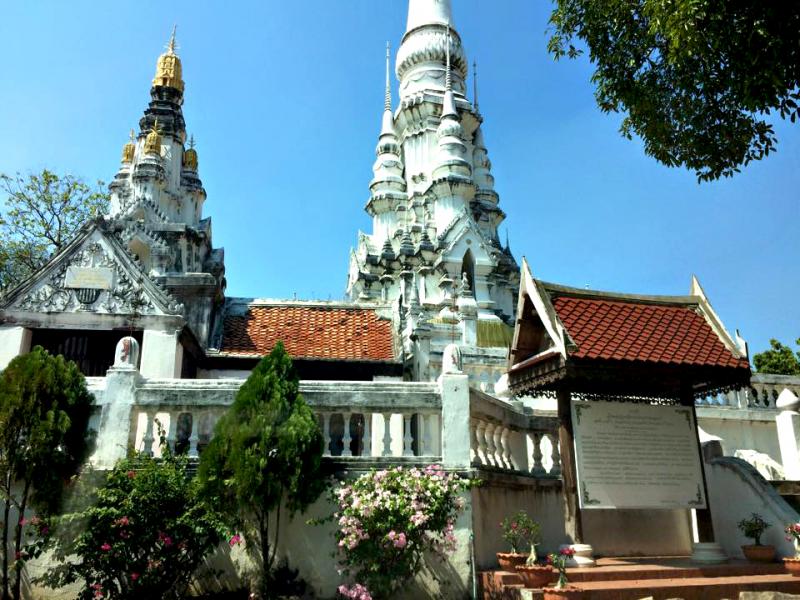
Chanthaburi Temple is an ancient monument of great historical significance, located in what is believed to be the original site of Saraburi town (Muang Kao Subdistrict) near Bueng Ngong, a horseshoe-shaped wetland connected to the Pa Sak River. Although there is no definitive evidence indicating the exact date of its construction, architectural characteristics and the temple’s name—closely associated with Vientiane—have led scholars to suggest that the temple was established by Lao settlers who migrated from Vientiane during the reign of King Rama III. The temple likely served as both a spiritual center and a symbolic reminder of their homeland.
The most prominent feature of the temple is its old ordination hall (ubosot), constructed around 1821 CE. The building exemplifies the royal architectural style of King Rama III’s period, characterized by the absence of chofa, bai raka, and hang hong decorative roof elements. The gable is adorned with finely crafted stucco floral motifs combined with Chinese porcelain inlays, while the structure tapers slightly toward the top—a distinctive feature of architectural design from this era reflecting strong Chinese artistic influence.
Inside the ubosot enshrines a seated Buddha image in meditation posture, notable for its gentle and serene facial features. The Buddha’s rounded face conveys a sense of calm and compassion, enhancing the solemn and sacred atmosphere within the hall. The interior space invites quiet reflection and offers visitors a profound sense of spiritual continuity that has endured for generations.
What truly draws historians and art enthusiasts to Chanthaburi Temple is its interior mural paintings, which depict scenes from the Buddha’s life and the Ten Jataka Tales in remarkable detail. These murals are especially valuable for their realistic portrayal of everyday life in the past, including traditional Tai Yuan-style houses, women wearing shoulder-draped cloths and long sarongs, as well as Lao and early Thai hairstyles. The murals function as a “living historical record,” vividly illustrating the ethnic diversity and harmonious coexistence of communities along the Pa Sak River basin.
Beyond its architectural and artistic value, the area surrounding the temple still retains the atmosphere of an ancient settlement, complemented by scenic views of Bueng Ngong encircling the old town area. A visit to Chanthaburi Temple is therefore not merely an act of worship, but a journey back in time—allowing visitors to experience the prosperity of the past preserved through mural paintings and finely carved wooden architectural details that remain visible throughout the temple grounds.
How to Get There
Private Car:
- From Saraburi town, take Highway 3041 (Phichai Ronnarong Songkhram Road) past Sao Hai district for 1.7 km. Turn right at the sign for the temple and continue for 1.4 km. Total distance from the city is about 12.5 km.
Public Transport:
- Take a local minibus (Saraburi–Sao Hai) from Saraburi Bus Terminal to Sao Hai district, then hire a local "Tuk-Tuk" or motorbike taxi to the temple.
GPS Location:
- Search for "Wat Chanthaburi, Saraburi" to navigate to the Mueang Kao subdistrict by the Pasak River.
Travel Tips
Murals Access:
- To view the murals inside the old Ubosot, it is recommended to contact the temple or the Mueang Kao Municipality in advance to ensure the hall is unlocked for viewing.
Best Season:
- You can visit all year round, but the end of the rainy season (late October to November) offers a cool breeze and lush scenery around Bueng Ngong.
Preparation:
- As the lighting inside the Ubosot is dim, bringing a small flashlight will help you see the fine details and colors of the historical murals clearly.
Nearby Places:
- Combine your trip with a visit to the Ban Ton Tan Ancient Floating Market (open Sundays only) or the nearby Wat Ban Yang for more historic murals.
Admission Fee
-
Free entry (Donations for site maintenance are welcome)
Opening Hours
-
Open daily: 08:30 – 16:30 (For exterior viewing)
Chanthaburi Temple

 Share
Share
 Moo 6, Ban Mueang Kao, Mueang Kao, Sao Hai, Saraburi 18160, Thailand
Map
Moo 6, Ban Mueang Kao, Mueang Kao, Sao Hai, Saraburi 18160, Thailand
Map
 Closed today
Mon8.30 - 16.30
Tue8.30 - 16.30
Wed8.30 - 16.30
Thu8.30 - 16.30
Fri8.30 - 16.30
Sat8.30 - 16.30
Sun8.30 - 16.30



 1826
1826