 Attractions
  Hotel
Hotel  Restaurant
  Shopping
  Abroad





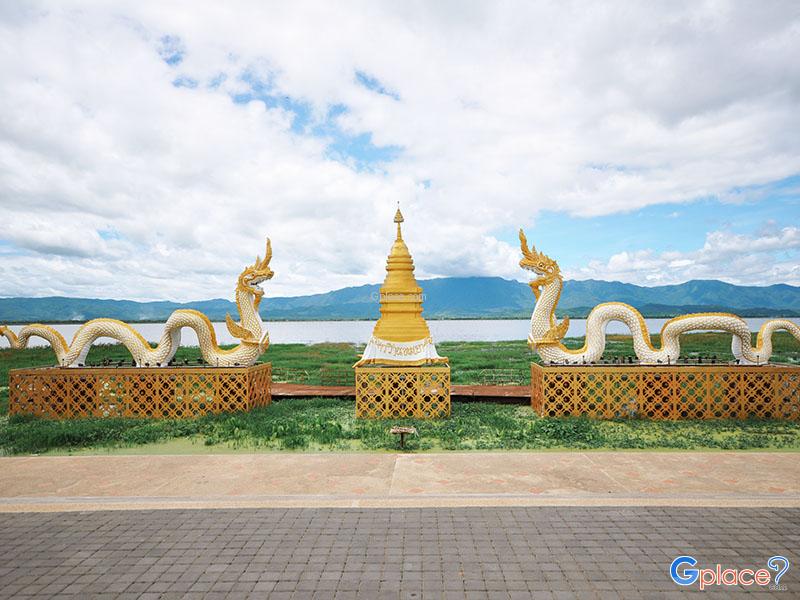

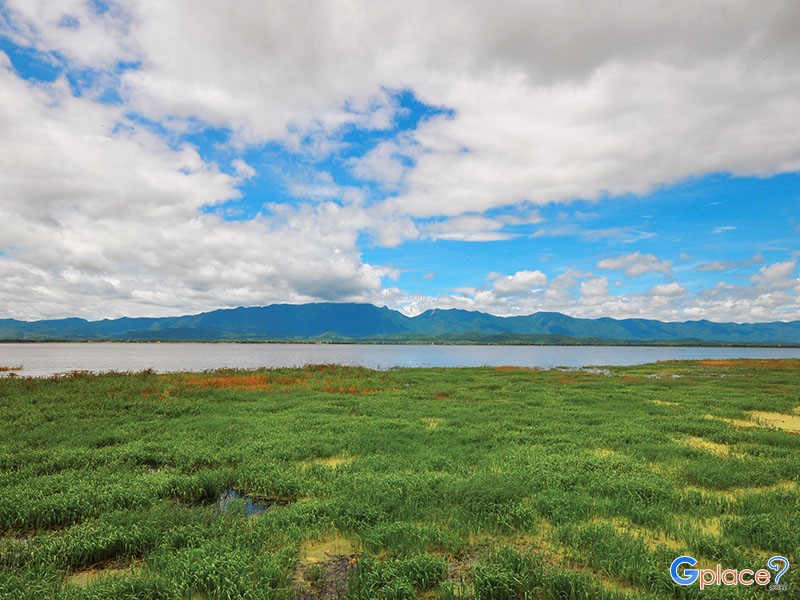
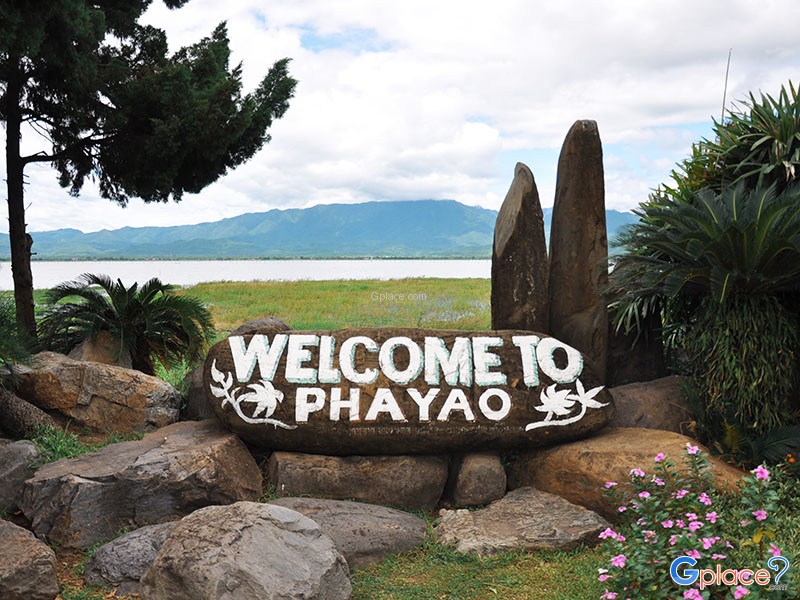


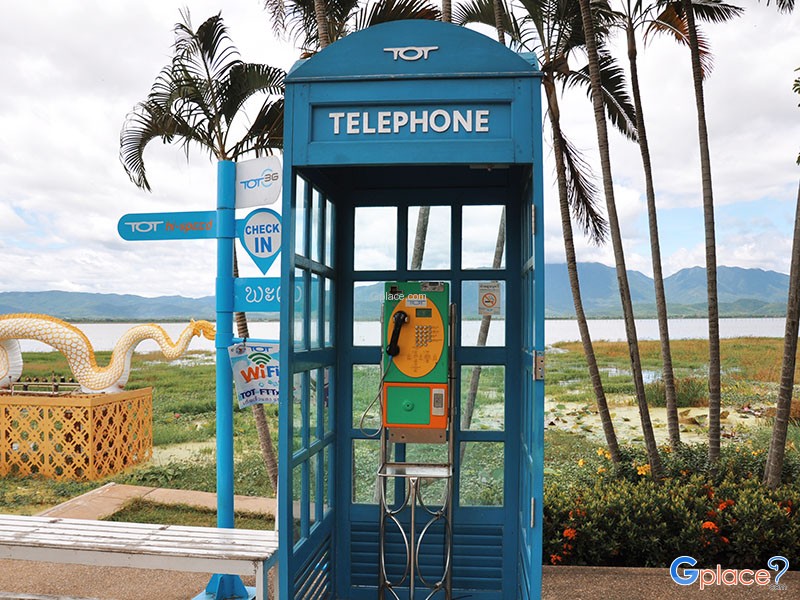
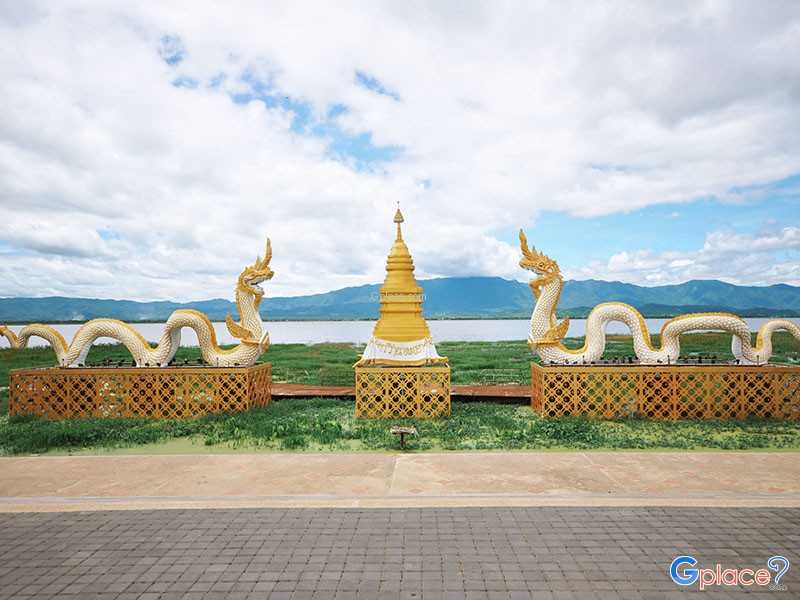
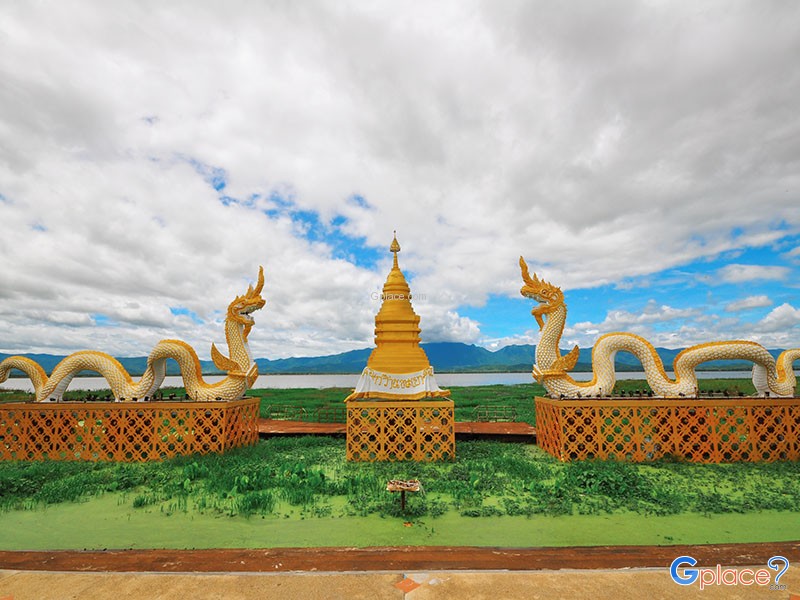
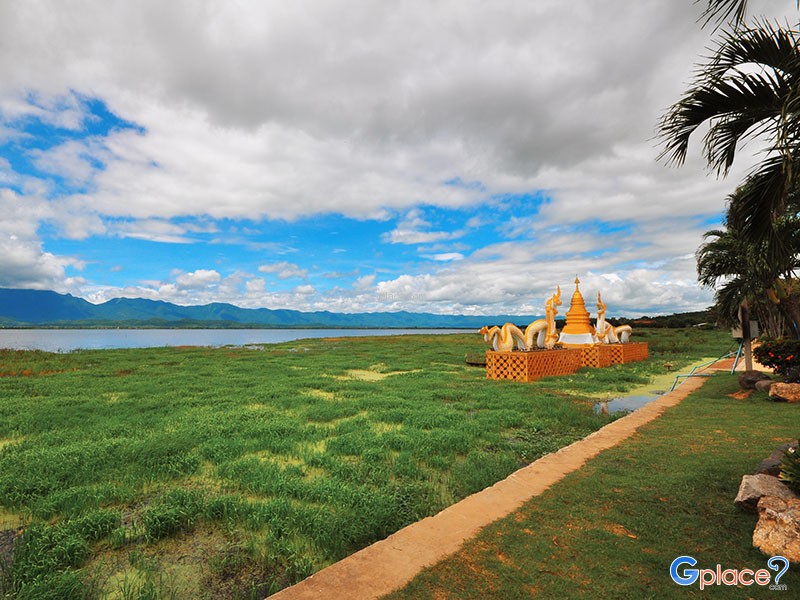
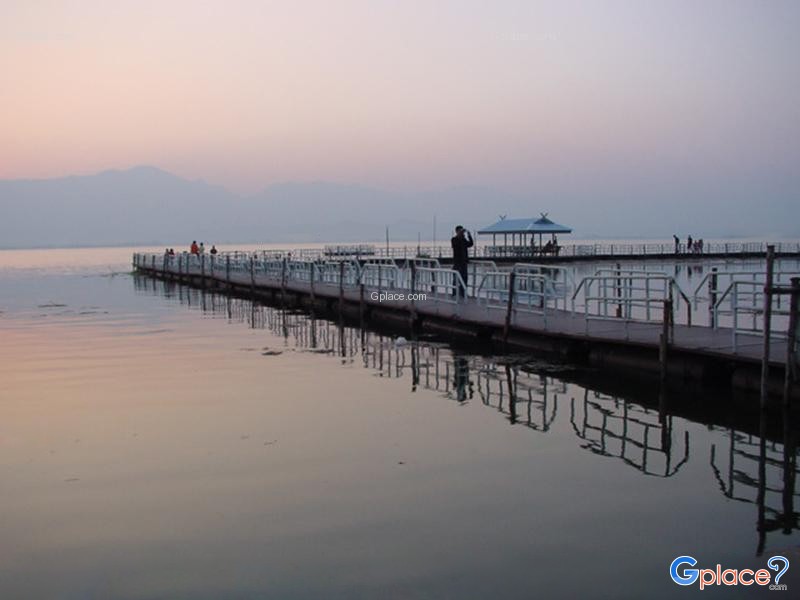
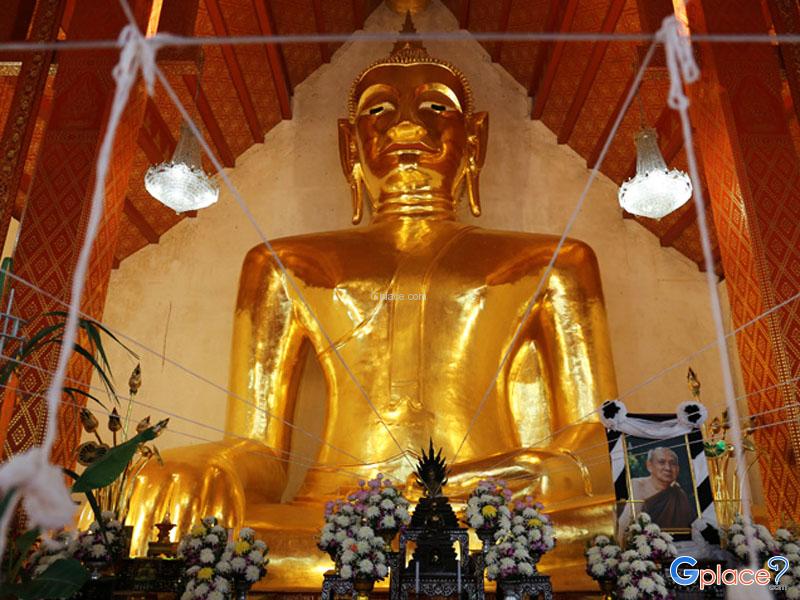
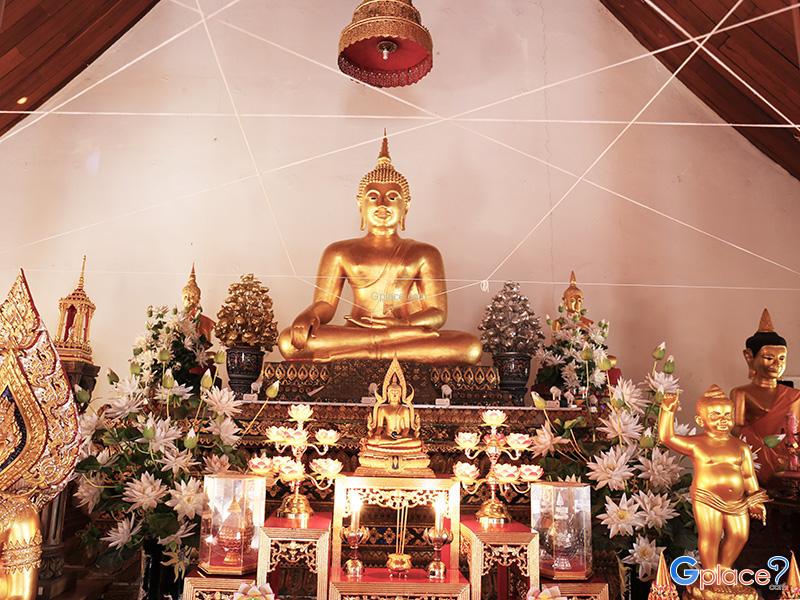
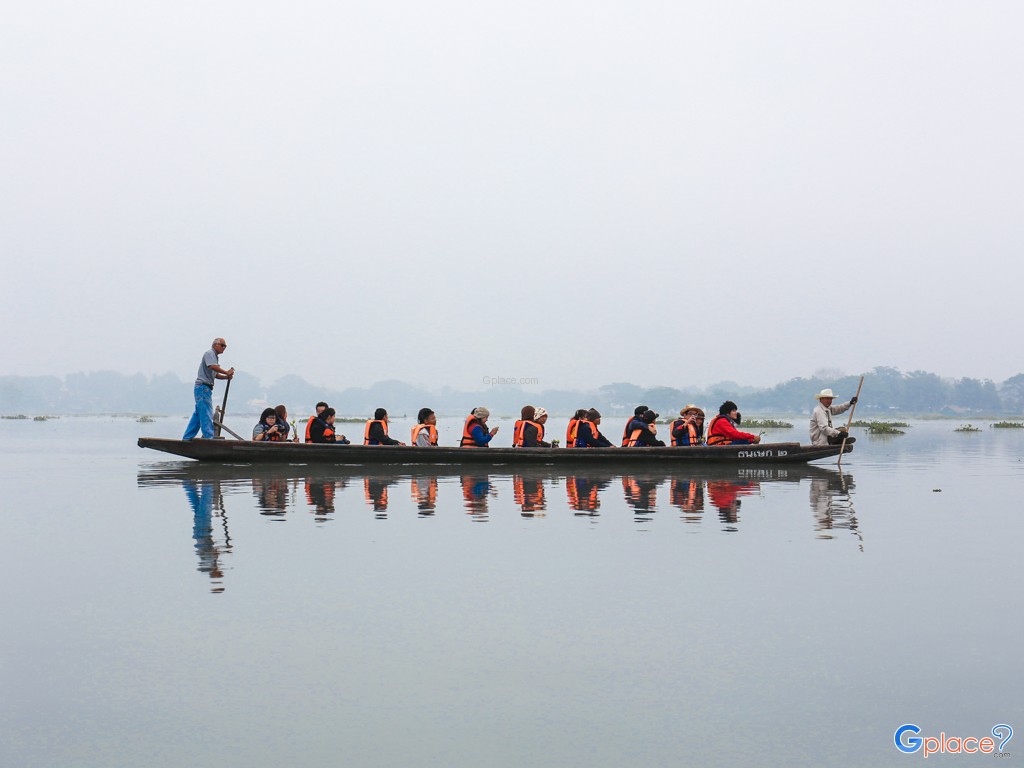
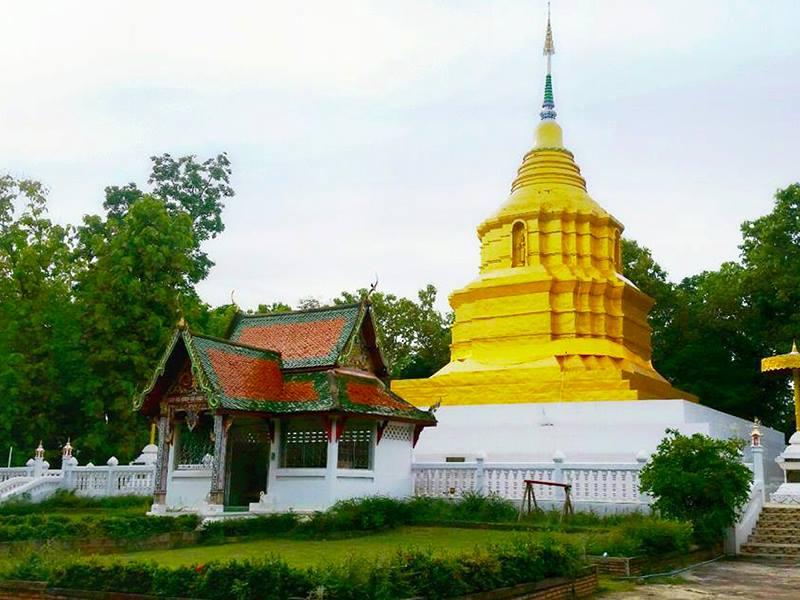
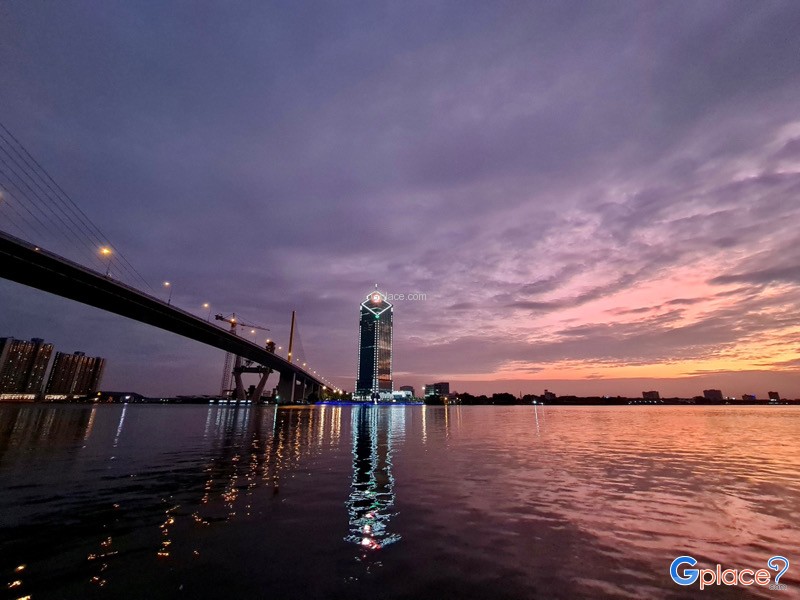
“Take a boat trip to pay respect to Luang Pho Sila at Wat Tilok Aram (the temple in the lake), watch the beautiful sunset over the lake, stroll through the shady park with mountain scenery, and taste the famous Phayao tilapia fish.”
Phayao Lake is geologically situated within the "Phayao Basin," a sedimentary depression formed by ancient fault movements. This topography created a low-lying catchment area receiving runoff from the Phi Pan Nam Range to the west and south. Before the Department of Fisheries constructed the fishery station and water gate in 1939, this area consisted of more than ten small marshes and short streams, such as Nong Iang and Nong Du. The subsequent transformation into a reservoir submerged vast agricultural lands and ancient religious sites, creating a closed freshwater lake ecosystem that remains the largest in Northern Thailand.
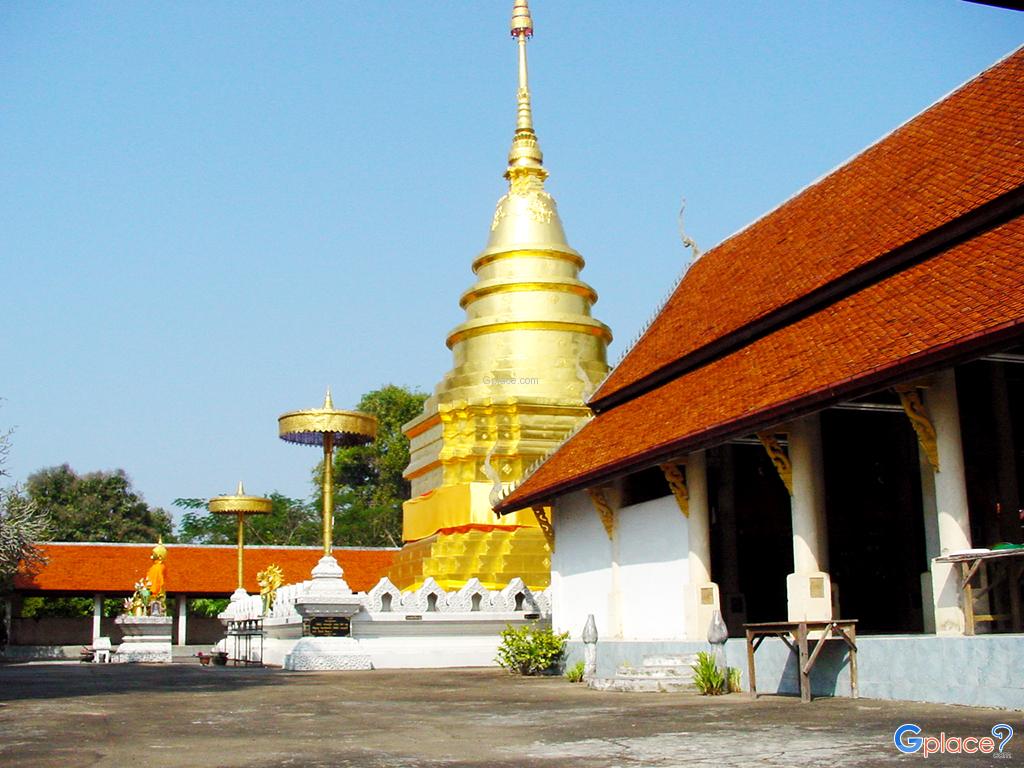
In terms of archaeology and history,Phayao Lake represents a complex overlap of ancient sandstone-era civilizations. Underwater surveys have revealed more than ten submerged temples, with Tilok Aram Tempel serving as the spiritual epicenter. Inscriptions suggest this temple was built during the reign of King Tilokaraj the Great of Lanna to gain merit and demonstrate the empire's power over the Phayao region. The long-term submersion led to the accumulation of lake sediment, which paradoxically helped "preserve" the brick and sandstone structures from atmospheric erosion. This eventually led to the successful recovery of Luang Phor Sila, a 500-year-old sandstone Buddha image now enshrined for public worship.
The biodiversity of Phayao Lake is immense, earning it the title of the Food Bank of the Upper North. It is a vital habitat for a massive population of freshwater fish, particularly those in the Cyprinidae (Carp) and catfish families. Furthermore, it serves as a sanctuary for migratory and resident waterbirds, such as Lesser Whistling Ducks, White-breasted Waterhens, and Egrets, which seek refuge among aquatic plants like sacred lotus and water hyacinths during the winter. The lake also plays a critical role in water quality control and acts as a natural sponge, preventing floods in the Ing River Basin and the Upper Mekong.
Regarding resource management and artisanal fishing, Phayao Lake enforces strict regulations to ensure sustainability. Sanctuary Zones and Closed Bay Seasons are established during the spawning period (roughly June–August). Local fishers maintain traditional lifestyles using non-destructive tools like cast nets and bamboo traps. Additionally, the lake supports the breeding of Small Scale Mud Carp and regulated cage farming, driving the local economy through famous processed products like Pla Som Phayao (fermented fish).
In spatial summary, Phayao Lake is far more than a utility reservoir; it is a symbol of the adaptation between ancient communities and modern technology. These waters connect people through religious faith and shared resources. A visit here offers a profound understanding of the dynamics of water that have shaped the identity and development of Phayao from the distant past to the present day.
How to Get There
Private car / public transport:
- Conveniently reached via Phahonyothin Road and close to the city center.
From Phayao Bus Terminal:
- About 24 minutes’ drive (approximately 14.9 km).
Local transport:
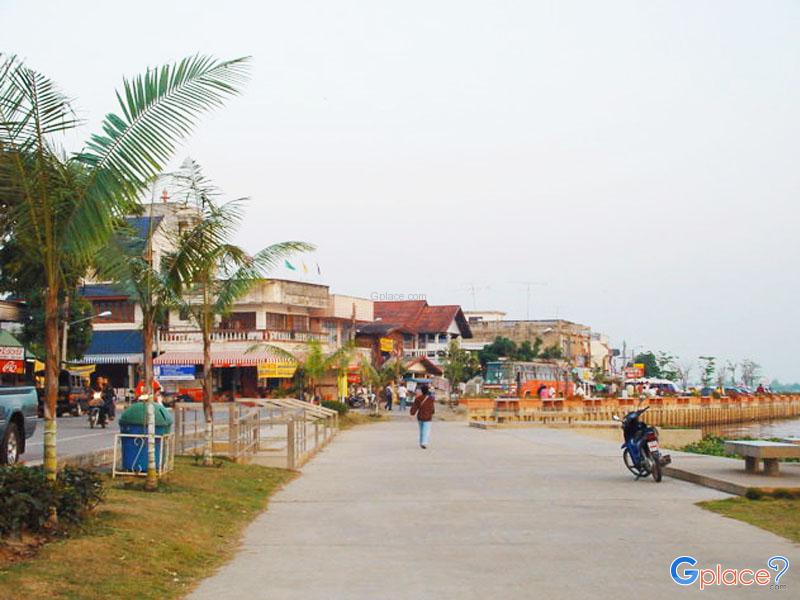
- Songthaew and tuk-tuk services are available to reach the lakeside easily.
Travel Tips
Best time to visit:
- Evening: Perfect for relaxing and watching the sunset.
- Cool season (Nov–Feb): Enjoy cool weather and picturesque views, great for photography.
Preparation tips:
- Bring cash for boat service and lakeside dining.
Admission Fee:
- No entrance fee (public area).
Opening Hours:
- Public area: Open 24 hours.
- Boat service to the temple: 07:00 AM – 07:00 PM.
Phayao Lake

 Share
Share
 Wiang Subdistrict, Mueang Phayao District, Phayao
Map
Wiang Subdistrict, Mueang Phayao District, Phayao
Map
 Open now

 https://www.thai-tour.com/thai-tour/north/payao/data/place/gwarnpayao.htm

 11137
11137