 Attractions
  Hotel
Hotel  Restaurant
  Shopping
  Abroad






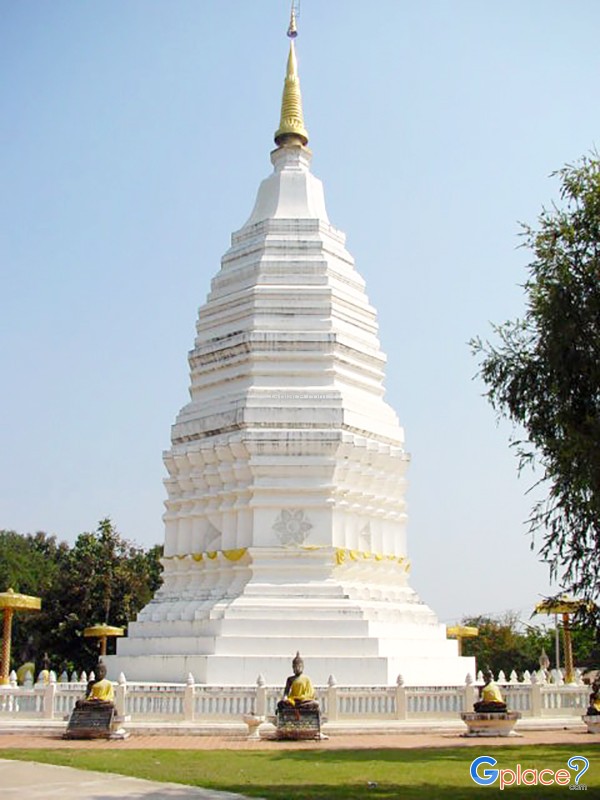
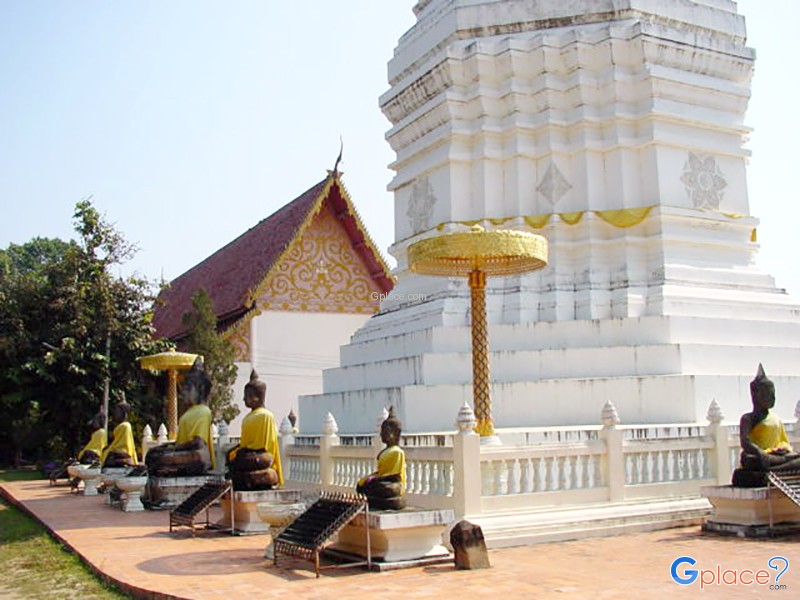
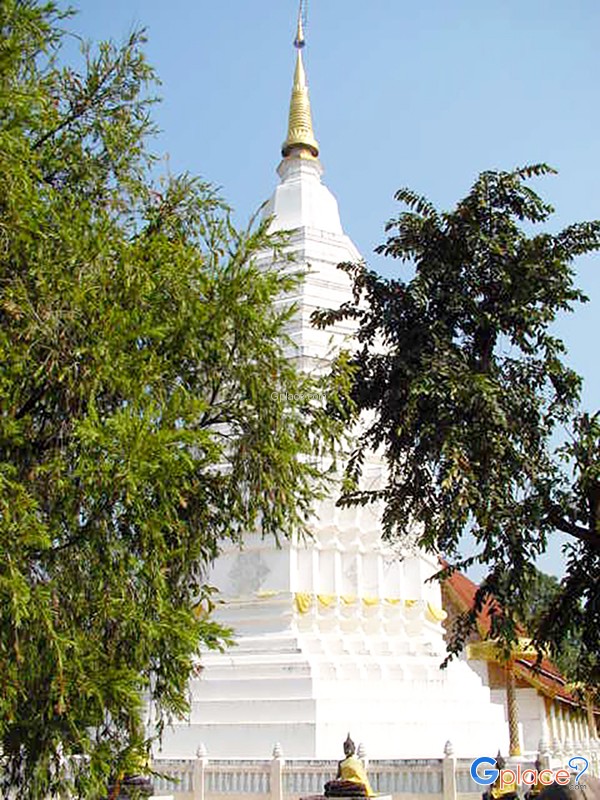
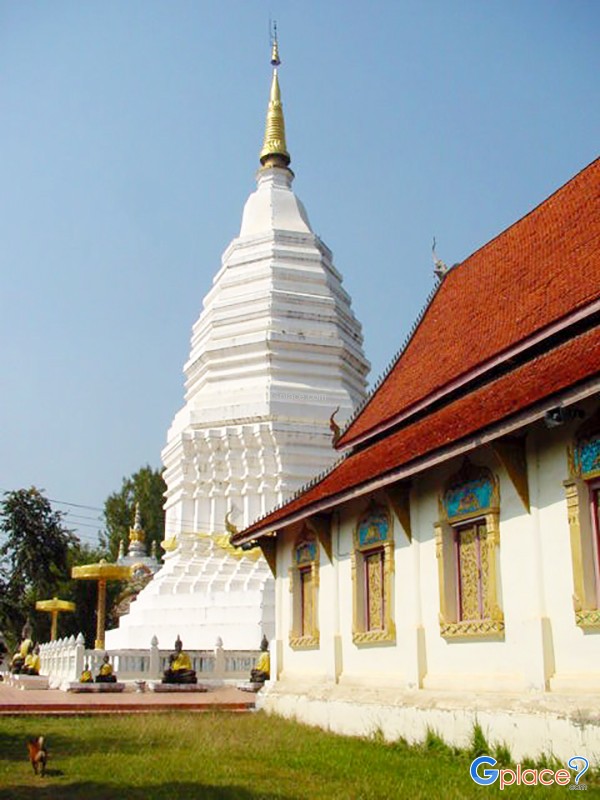
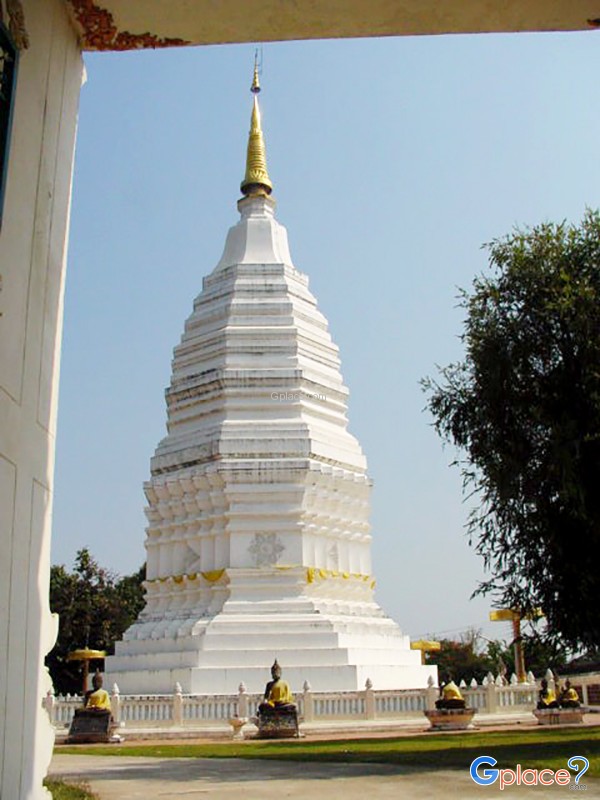

“Wat Lee is a historic temple where the golden Buddha in Mara Victory posture was discovered, featuring remnants of Lanna–Sukhothai style ancient stupas and the Wat Lee Museum, which exhibits artifacts and serves as a learning center for the history of Phayao.”
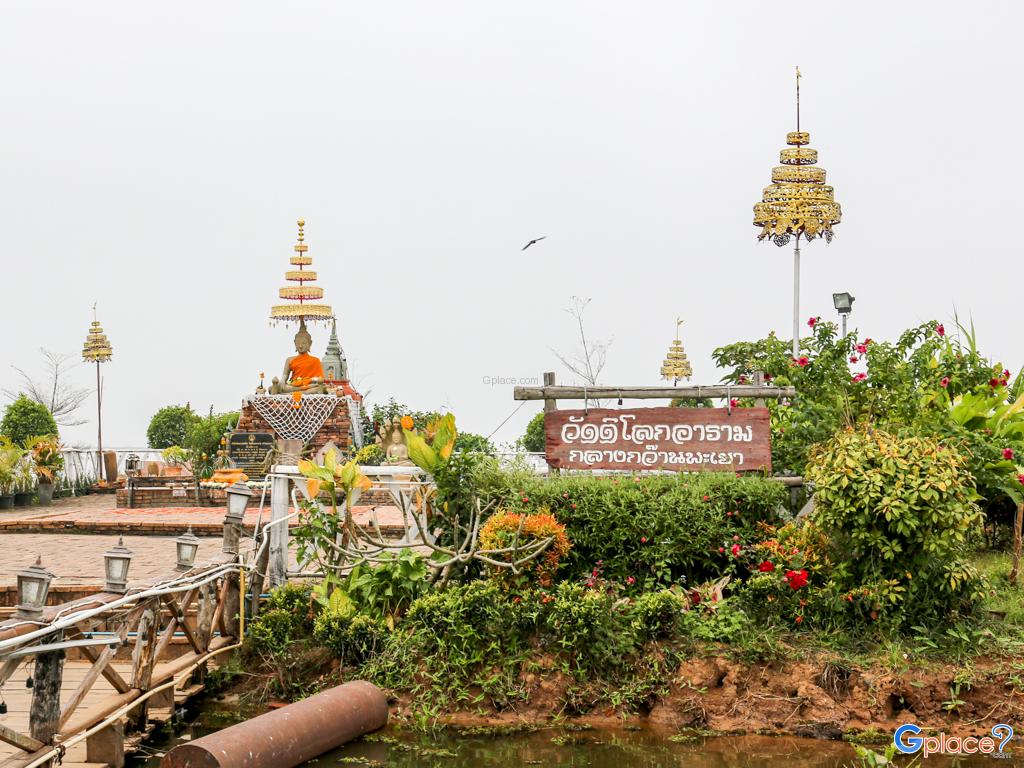
Wat Lee is one of the oldest temples in Phayao, believed to have been built around the 21st Buddhist century during the Phukamyao Kingdom, coinciding with the reign of King Tilokarat of the Lanna Kingdom. The name “Wat Lee” is thought to originate from the Pali term “Aram Li” or “Li,” meaning “temple.”
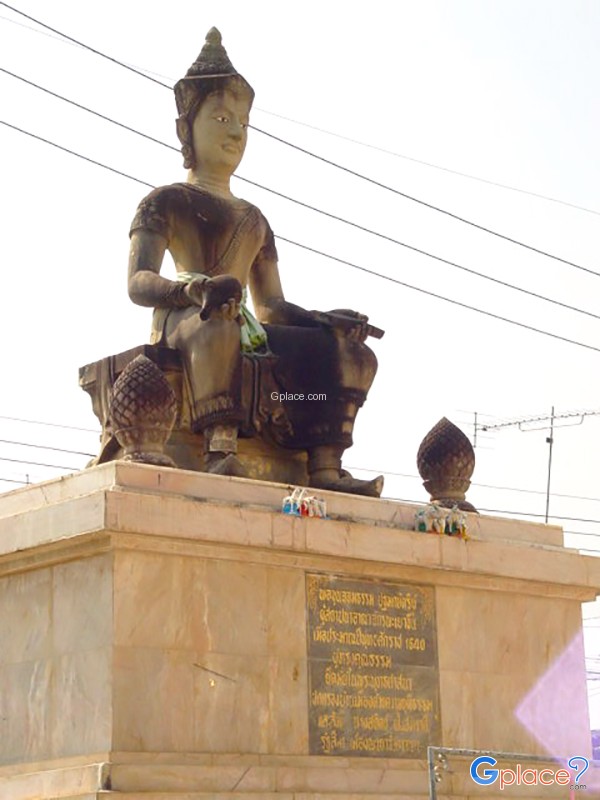
This temple served as a religious and educational center for the ancient Wiang community, an old urban center of Phayao, and played a vital role in the cultural, spiritual, and educational life of its residents.
Local Legends and Historical Stories
Local folklore recounts that the golden Buddha discovered at Wat Lee possesses sacred power, and worshippers believe it grants protection and good fortune. The temple is also associated with revered monks who resided there and spread Buddhism throughout the Wiang community, solidifying its role as a spiritual hub in the region.
Ancient Stupa and Architectural Features
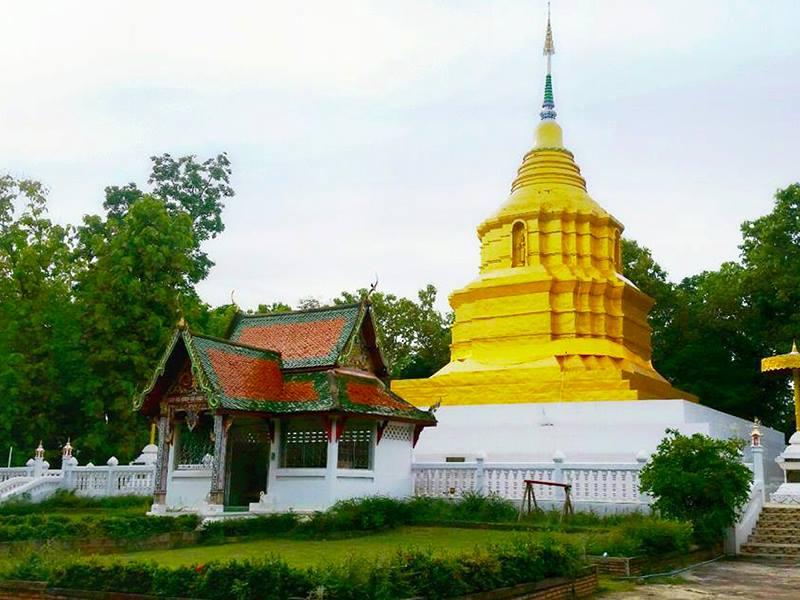
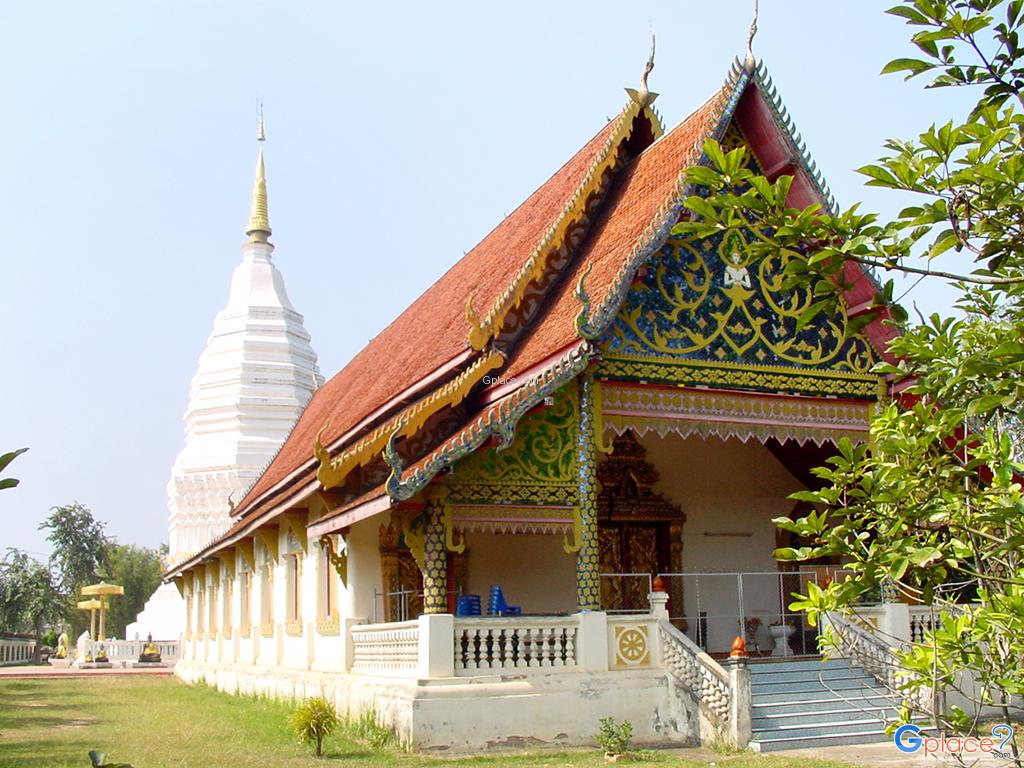
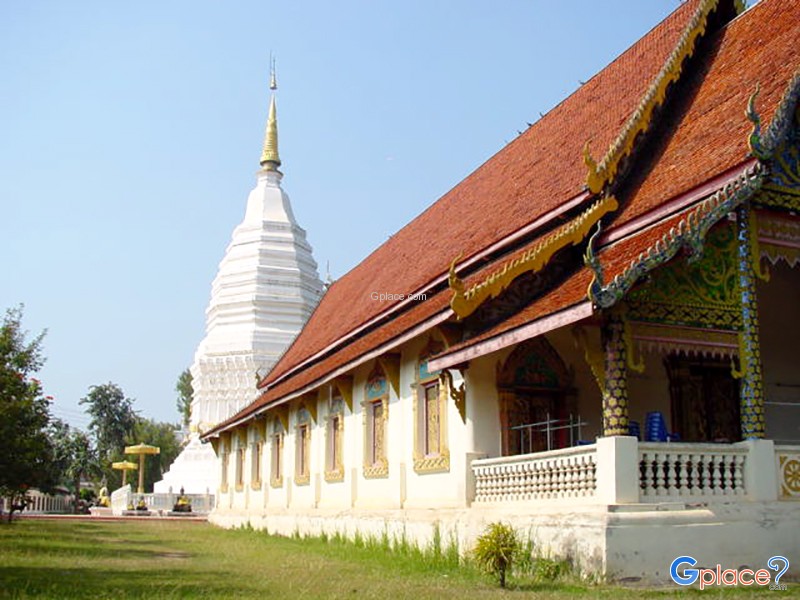
The temple houses an ancient stupa, partially ruined, showcasing a blend of Lanna and Sukhothai architectural styles. Decorative carvings and traditional structures reflect the craftsmanship of the period. Modern buildings, including the vihara (assembly hall), maintain classic Lanna architectural elements such as tiered roofs and carved wooden details, illustrating the artistic and spiritual heritage of the community.
Discovery of the Golden Buddha
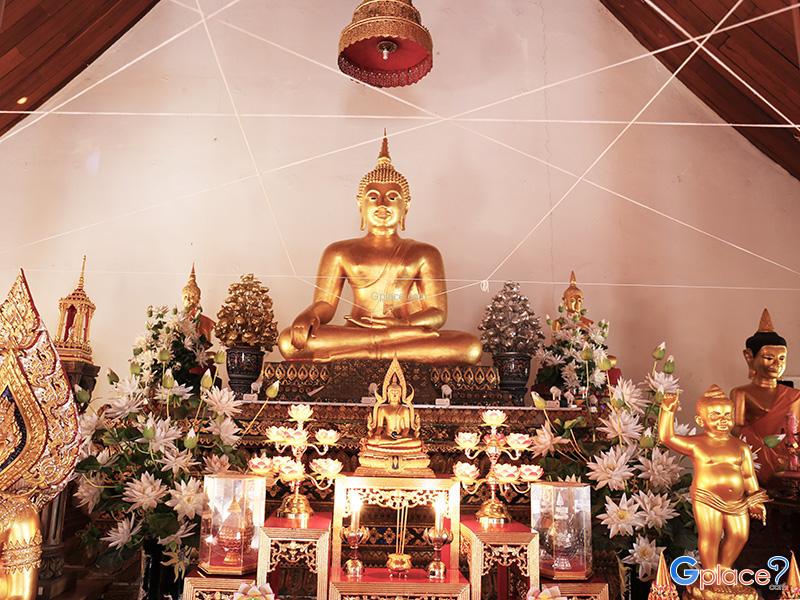
A key highlight of Wat Lee is the discovery of the golden Buddha in Mara Victory posture in 1957 (B.E. 2500), considered one of the most exquisite and valuable Buddha images in Phayao. The statue has been enshrined at Wat Sri Umongkham for public veneration.
Wat Lee Museum
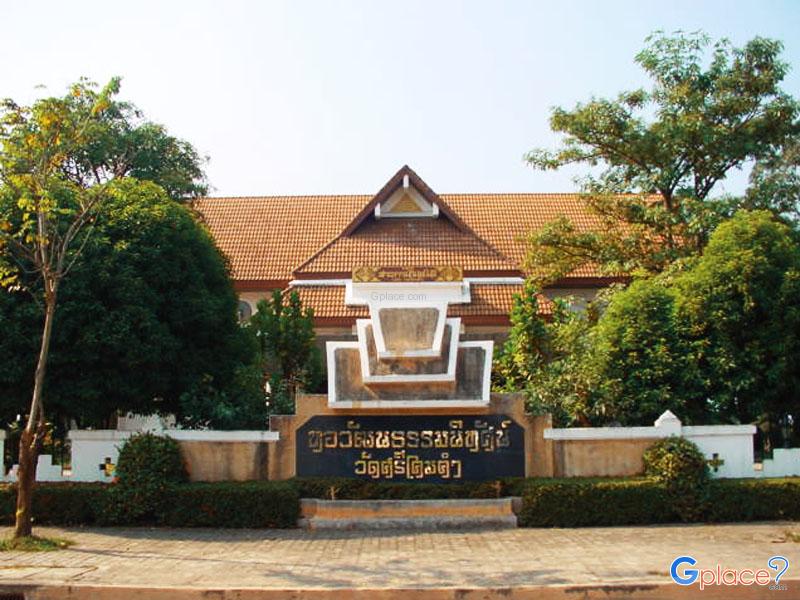
The Wat Lee Museum, located on the temple grounds, exhibits artifacts such as pottery, small Buddha images, and architectural fragments. Visitors can closely study the archaeological findings and learn about the Phukamyao Kingdom’s history.
Religious Activities and Ceremonies
Wat Lee hosts important annual religious events, including the Buddhist Lent, Visakha Bucha Day, and community merit-making ceremonies. The temple also conducts ordination ceremonies and communal chanting, offering tourists an authentic experience of local Buddhist practices.
Current Architecture and Atmosphere
While the original ancient structures are partially preserved, the restored vihara and other buildings retain the beauty of Lanna architecture. Visitors can experience the atmosphere of over 500 years of history, under large shade trees and accompanied by the calming sound of temple bells.
Wat Lee remains a cultural tourism destination for those interested in archaeology, Lanna art, and the history of Phayao.
How to Get There
By car:
- From central Phayao, take Phahonyothin Road (Highway 1) north for about 1 km, then turn into Wat Lee Road, Soi 1. The temple is on the right with convenient parking.
By songthaew (shared taxi) or taxi:
- Take a yellow-red songthaew or a taxi and ask for “Wat Lee near Wat Sri Umongkham.” Approximately 5 minutes from Kwan Phayao, fare 20–40 THB.
On foot:
- About a 10–15 minute walk from Kwan Phayao, passing through the old Lanna community, ideal for sightseeing.
Travel Tips
-
Study the artifacts at the museum to understand Phukamyao Kingdom history.
-
Visit Wat Sri Umongkham to pay respects to the golden Buddha from Wat Lee.
-
Photograph the ancient stupa remnants, which retain their historical charm.
-
Walk around the temple in the early morning for a peaceful, shaded experience.
-
Recommended for visitors interested in cultural tourism, Lanna art, and history.
Admission Fee:
- Free of charge
Opening Hours:
- Open daily: 06:00 – 18:00
Wat Lee

 Share
Share
 51 Wat Lee Rd, Soi 1, T. Wiang, A. Mueang Phayao, Phayao 56000
Map
51 Wat Lee Rd, Soi 1, T. Wiang, A. Mueang Phayao, Phayao 56000
Map
 Closed today
Mon6.00 - 18.00
Tue6.00 - 18.00
Wed6.00 - 18.00
Thu6.00 - 18.00
Fri6.00 - 18.00
Sat6.00 - 18.00
Sun6.00 - 18.00

 https://sites.google.com/site/watleemuseum/

 4565
4565