 Attractions
  Hotel
Hotel  Restaurant
  Shopping
  Abroad






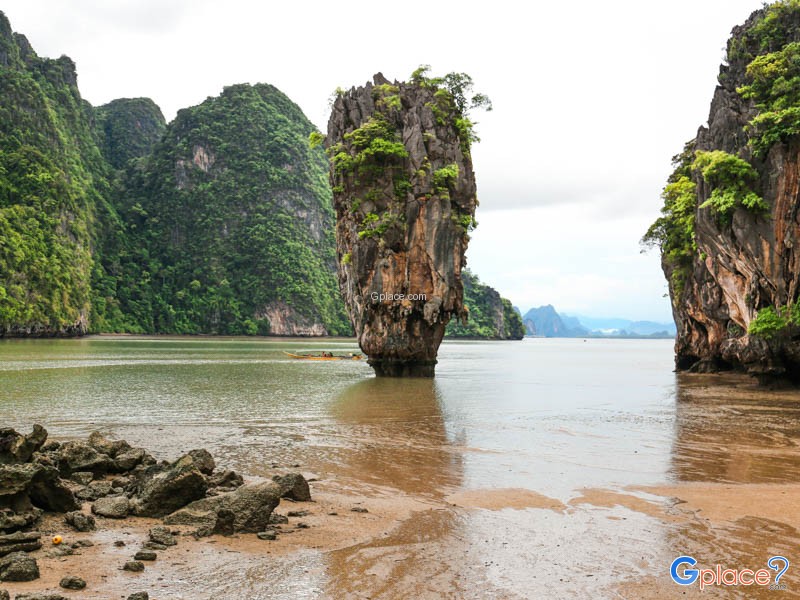
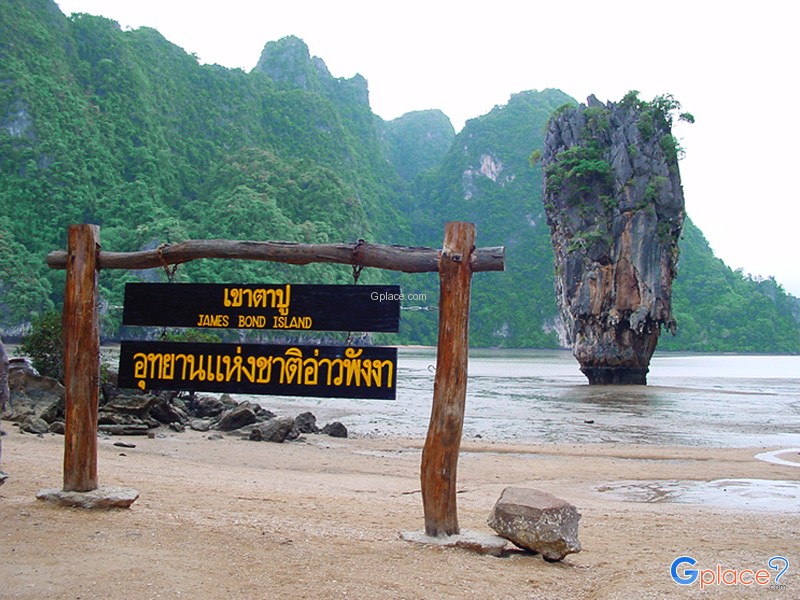
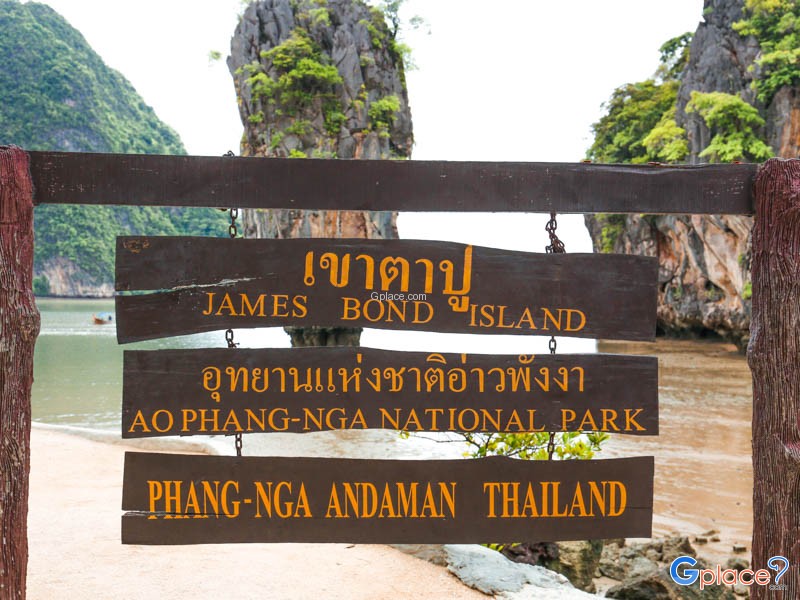
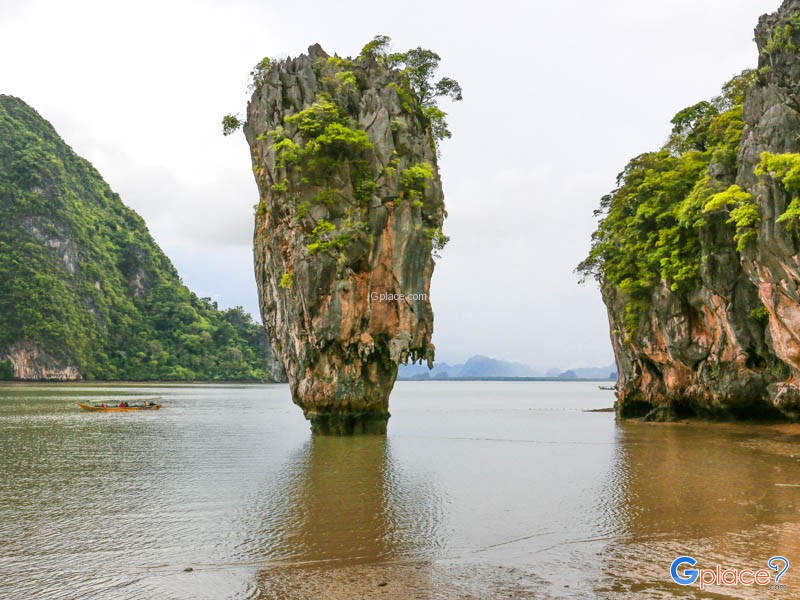
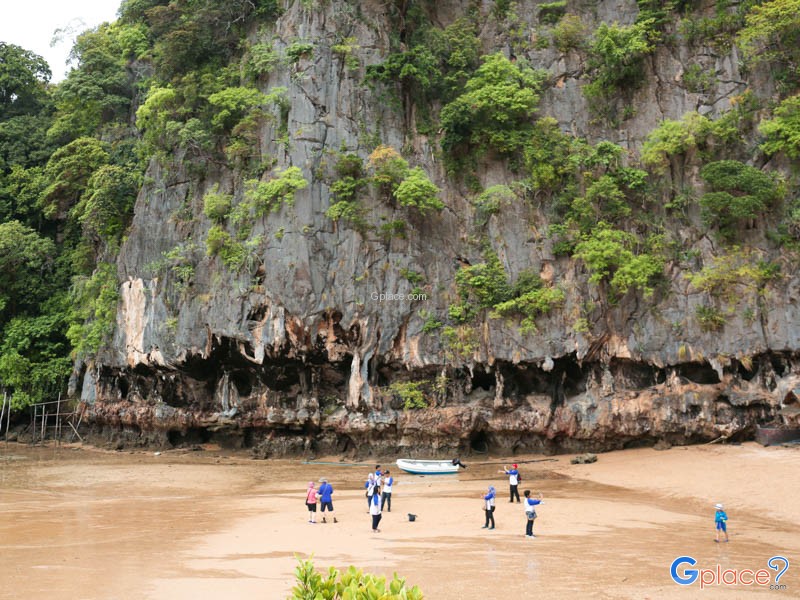
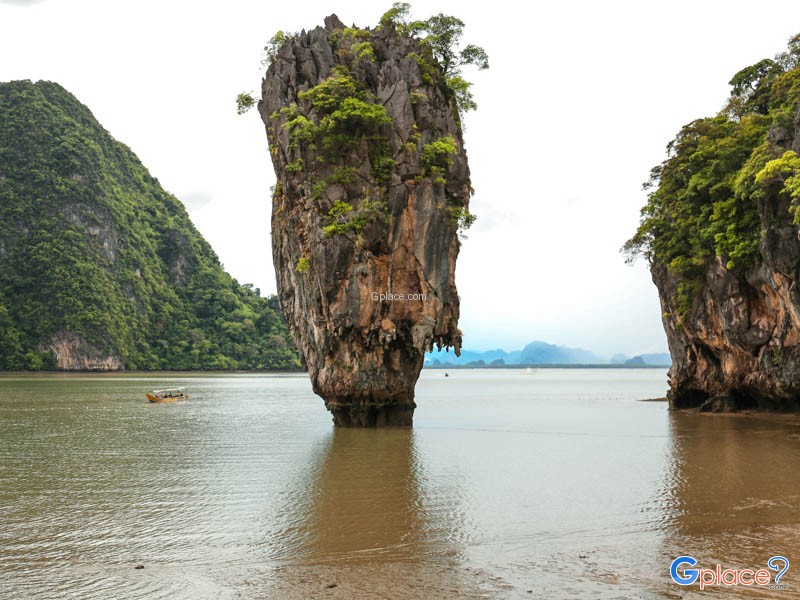
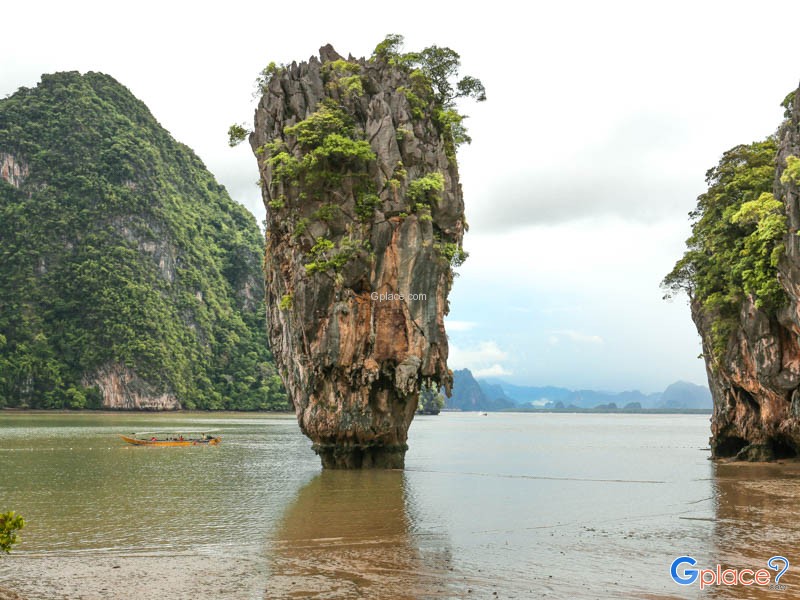
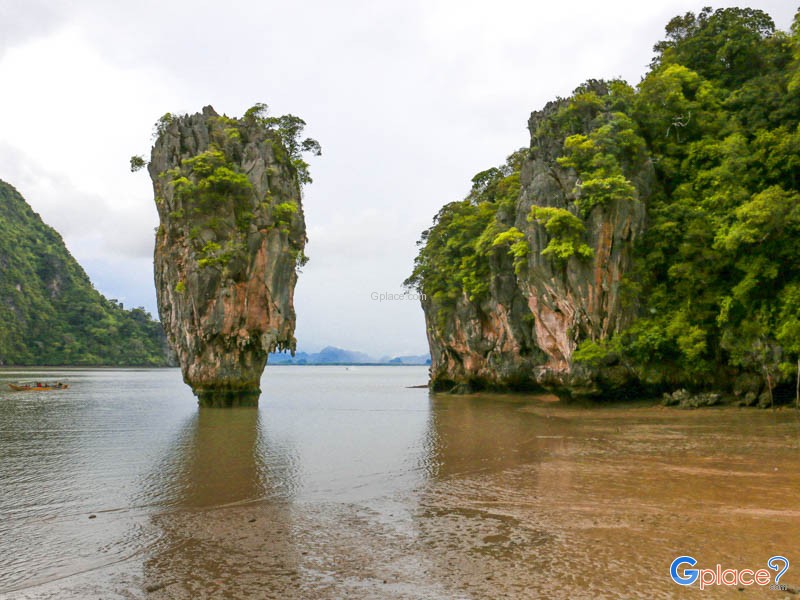
“A nail-shaped limestone karst rising from emerald waters, this iconic James Bond 007 landmark showcases nature's stunning sculpture and Phang Nga Bay's most unique scenery.”
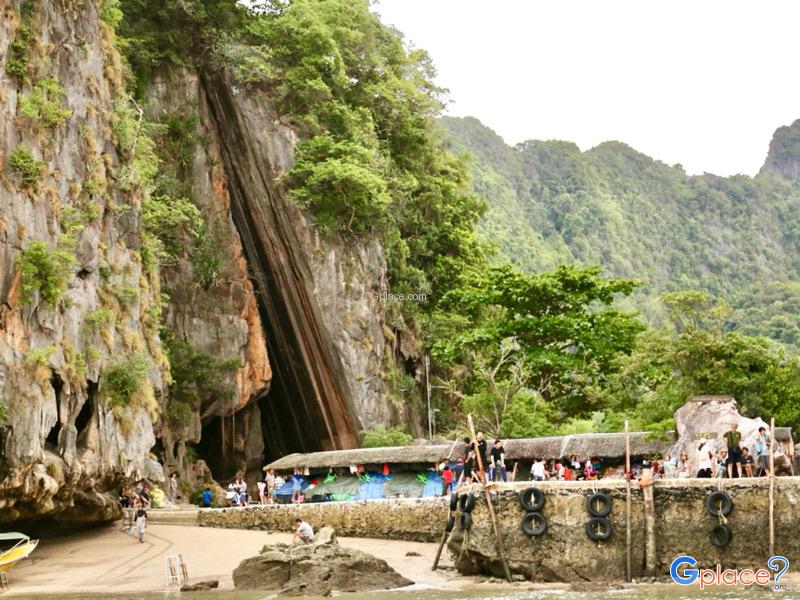
James Bond Island is a small yet striking limestone pillar located in Phang Nga Bay within Ao Phang Nga National Park. Positioned just off the coast of Khao Phing Kan, it is best known for its unusual shape—a tall, slender rock with a narrow base and a wider top, resembling a nail driven into the sea, which gives the island its name. The formation rises approximately 20 meters above sea level and is part of a classic karst landscape formed through the dissolution and erosion of limestone over millions of years by rainwater and seawater
Geologically, Khao Tapu is composed of sedimentary limestone dating back to the Permian period, roughly 250–300 million years ago. This type of limestone is widespread throughout southern Thailand and particularly prominent in Phang Nga Bay. The distinctive narrow base of Khao Tapu is the result of intensified erosion at sea level, where constant exposure to waves, tidal fluctuations, and chemical weathering gradually wears away the lower section faster than the upper portion. This process, known as differential erosion, creates the dramatic and unstable appearance that defines the rock today
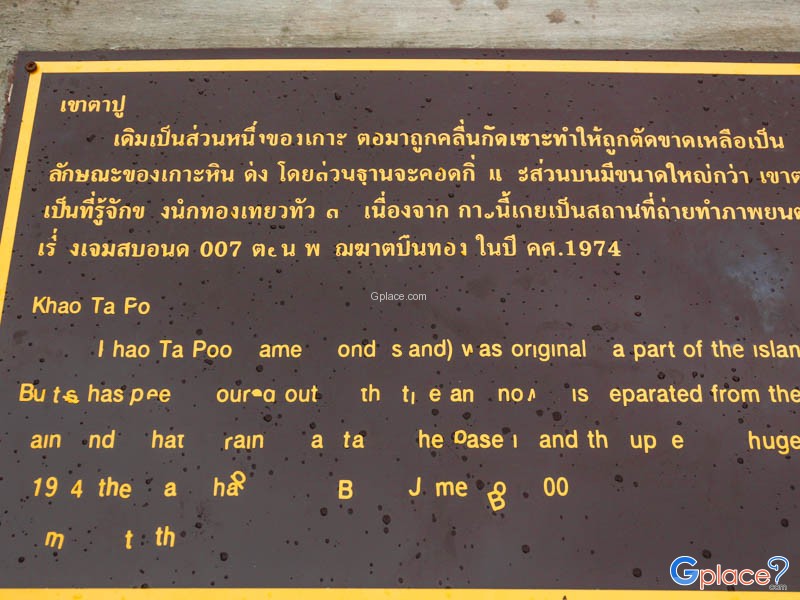
Khao Tapu gained international recognition after being featured in the James Bond film "The Man with the Golden Gun", released in 1974. Since then, it has been widely referred to as “James Bond Island” and has become one of Thailand’s most iconic natural landmarks. The site attracts visitors from around the world and is commonly included in day-trip itineraries departing from Phuket, Krabi, and Phang Nga
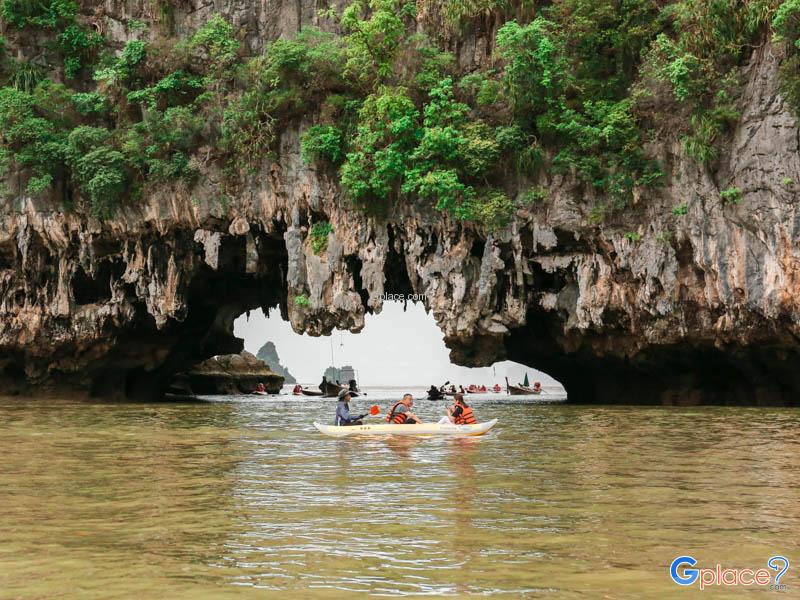
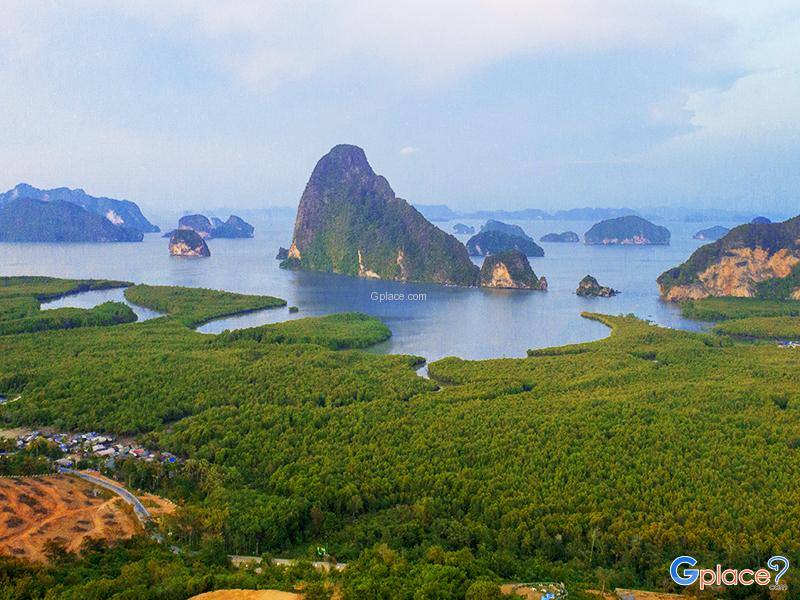
The surrounding area forms part of a rich coastal ecosystem within Ao Phang Nga National Park, which includes extensive mangrove forests, sheltered bays, and numerous limestone islets scattered across calm waters. The bay’s enclosed geography reduces wave intensity, contributing to its characteristic emerald-green color. This environment supports a diverse range of marine and coastal life, including fish, crustaceans, mollusks, and various bird species, making it ecologically significant as well as visually stunning
Due to its fragile structure and ongoing natural erosion, strict conservation measures are enforced by park authorities. Visitors are not allowed to approach or climb the base of Khao Tapu, and boat access is regulated to minimize wave impact and physical disturbance. Tourism activities are therefore focused on viewing the formation from designated areas, such as Khao Phing Kan or from boats at a safe distance. These measures help preserve the integrity of the site while allowing sustainable tourism to continue in one of Thailand’s most remarkable natural settings
How to Get There
- From Surakul Pier or Dan Phasi Pier in Phang Nga, you can hire a long-tail boat or join a guided tour to Phang Nga Bay. The boat ride takes about 30–45 minutes.
Travel Tips
- Visit early morning for fewer crowds
- Avoid midday heat and peak hours
- Check weather conditions before travel
- Choose licensed boats with safety gear
Admission Fees:
- Thai: Adult 60 THB / Child 30 THB
- Foreigner: Adult 300 THB / Child 150 THB
Opening Hours:
- 08:00 AM – 04:30 PM (Daily)
James Bond Island

 Share
Share
 T.Kalai, A.Takua Thung, Phang Nga, 82000
Map
T.Kalai, A.Takua Thung, Phang Nga, 82000
Map
 Closed today
Mon8.00 - 16.30
Tue8.00 - 16.30
Wed8.00 - 16.30
Thu8.00 - 16.30
Fri8.00 - 16.30
Sat8.00 - 16.30
Sun8.00 - 16.30

 https://www.thai-tour.com/thai-tour/south/pangnga/data/pic_james-bond-island.htm

 8437
8437