 Attractions
  Hotel
Hotel  Restaurant
  Shopping
  Abroad





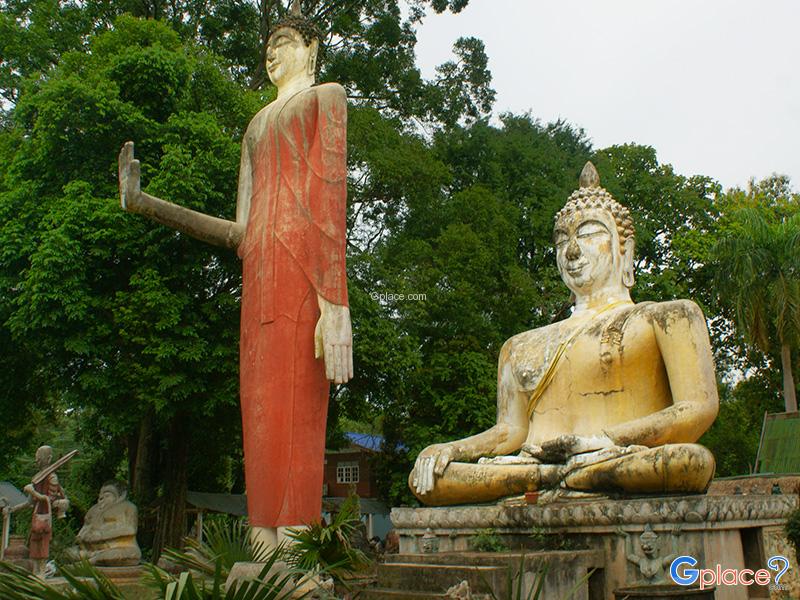


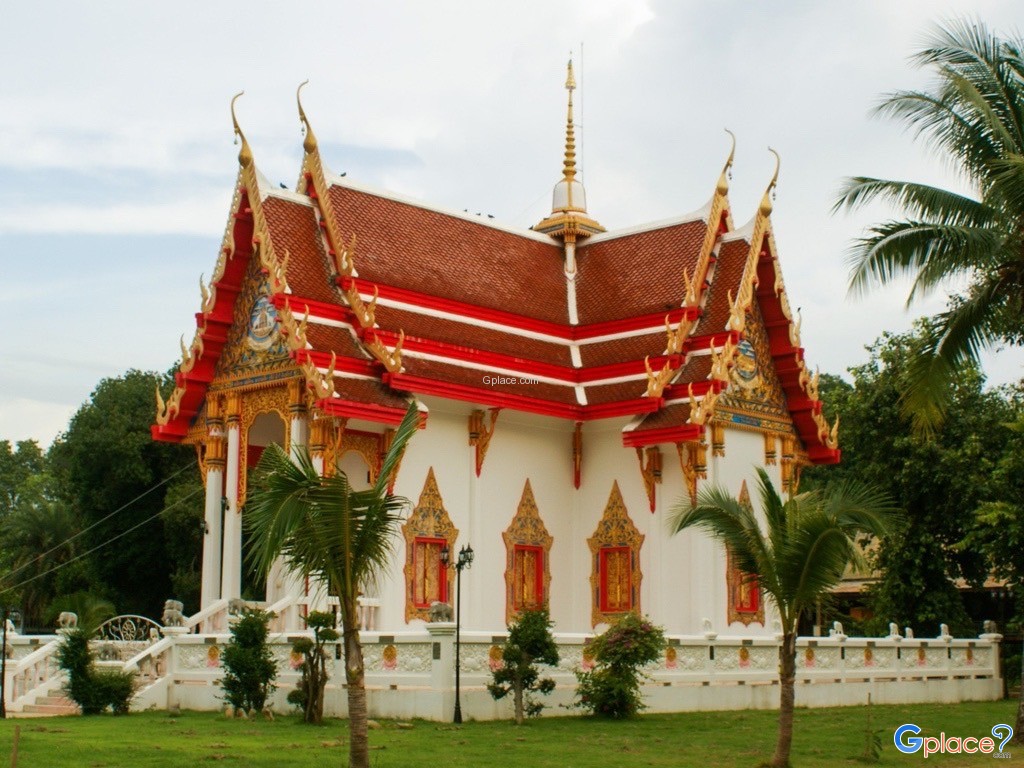

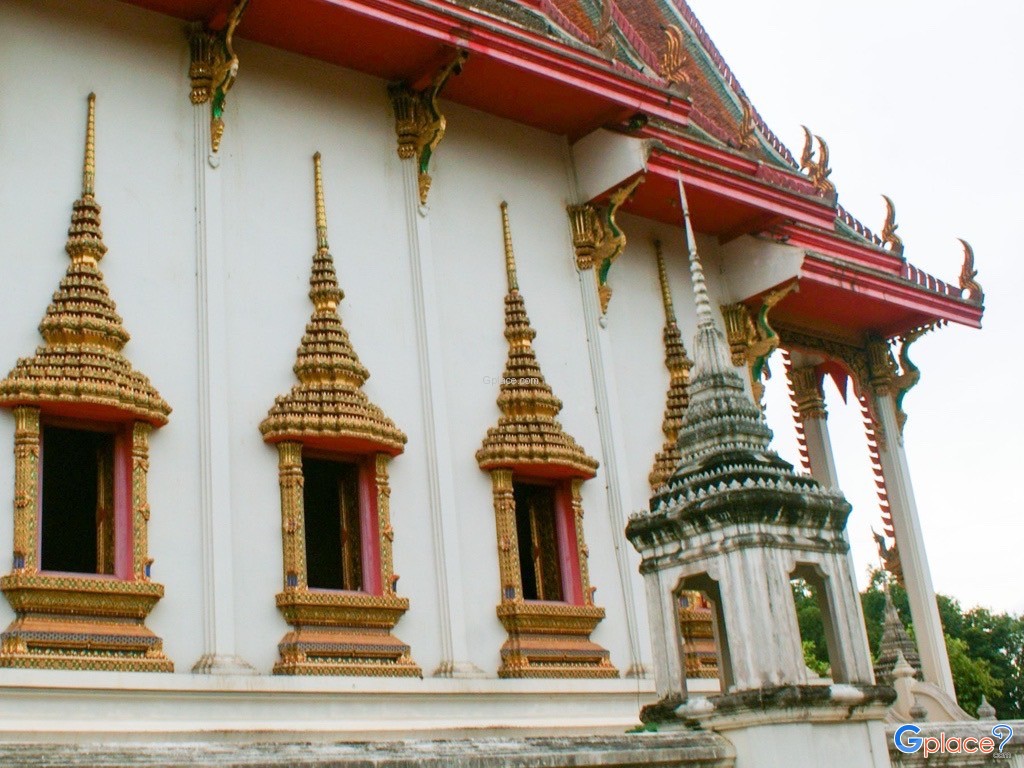


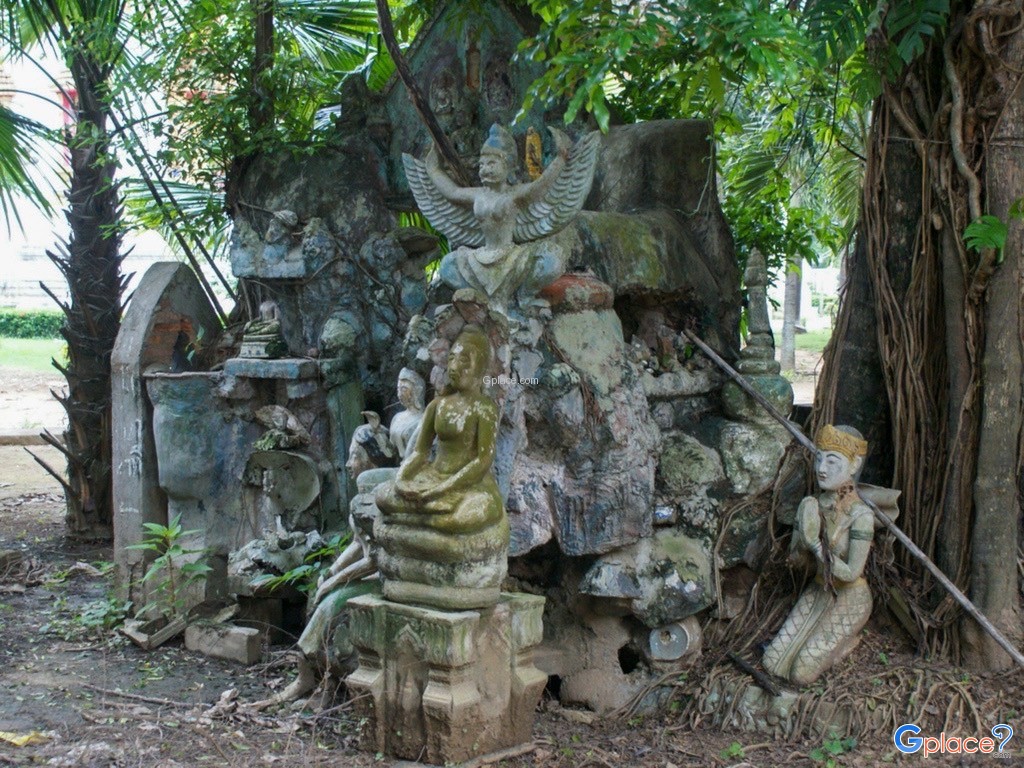
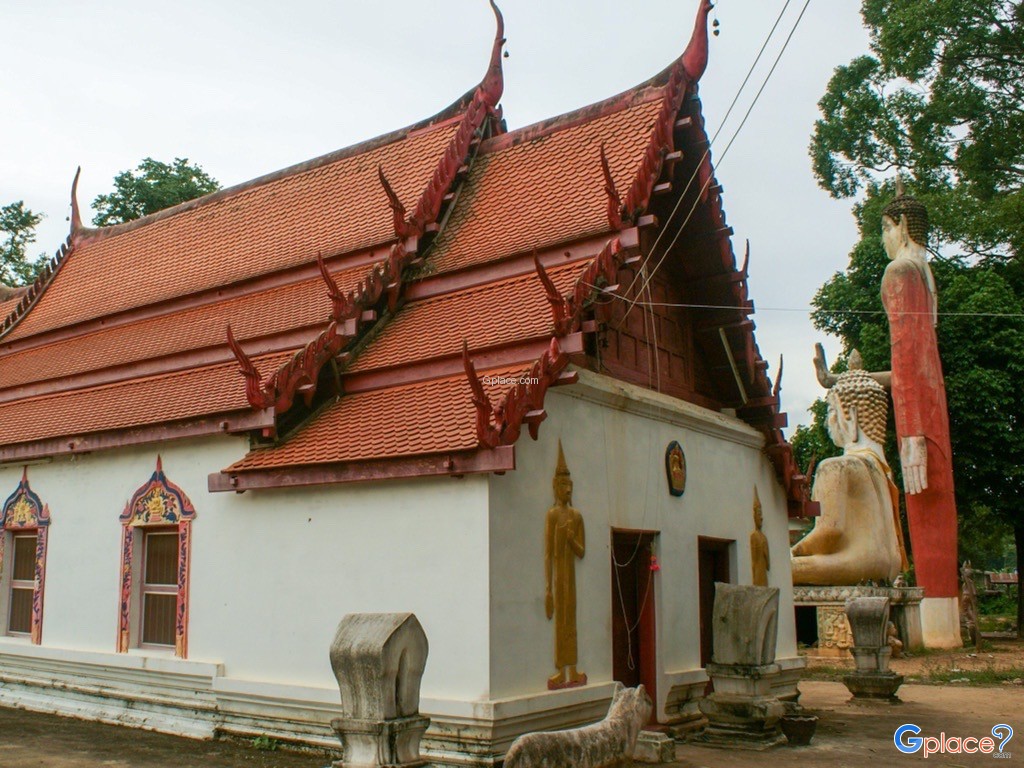
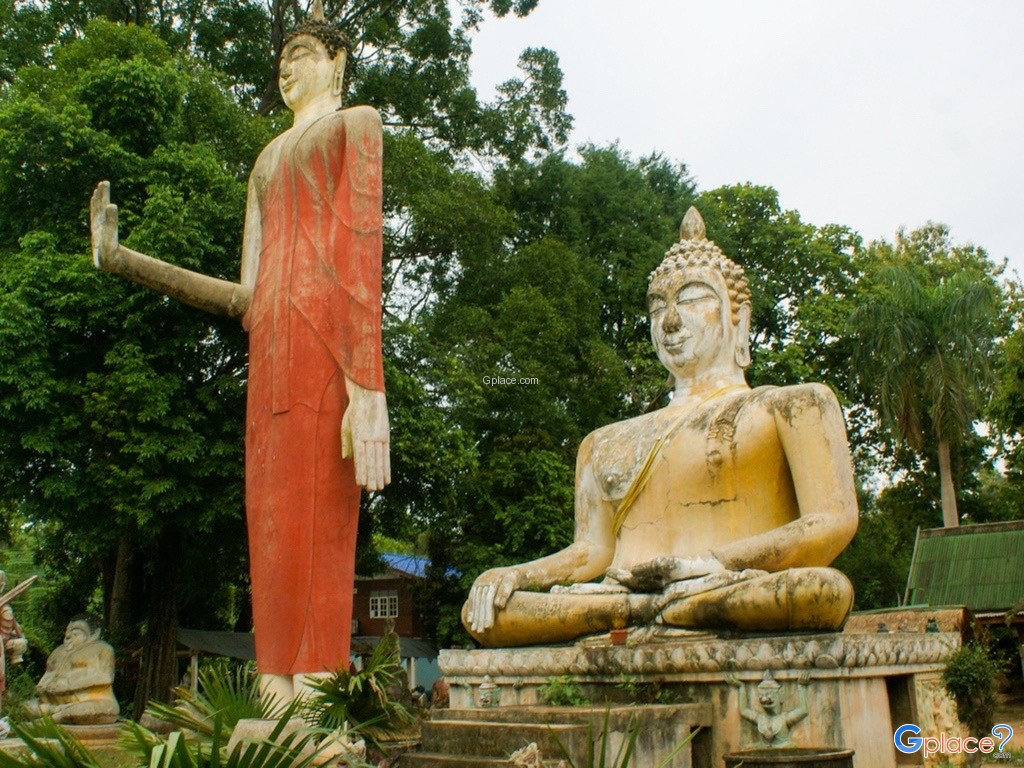
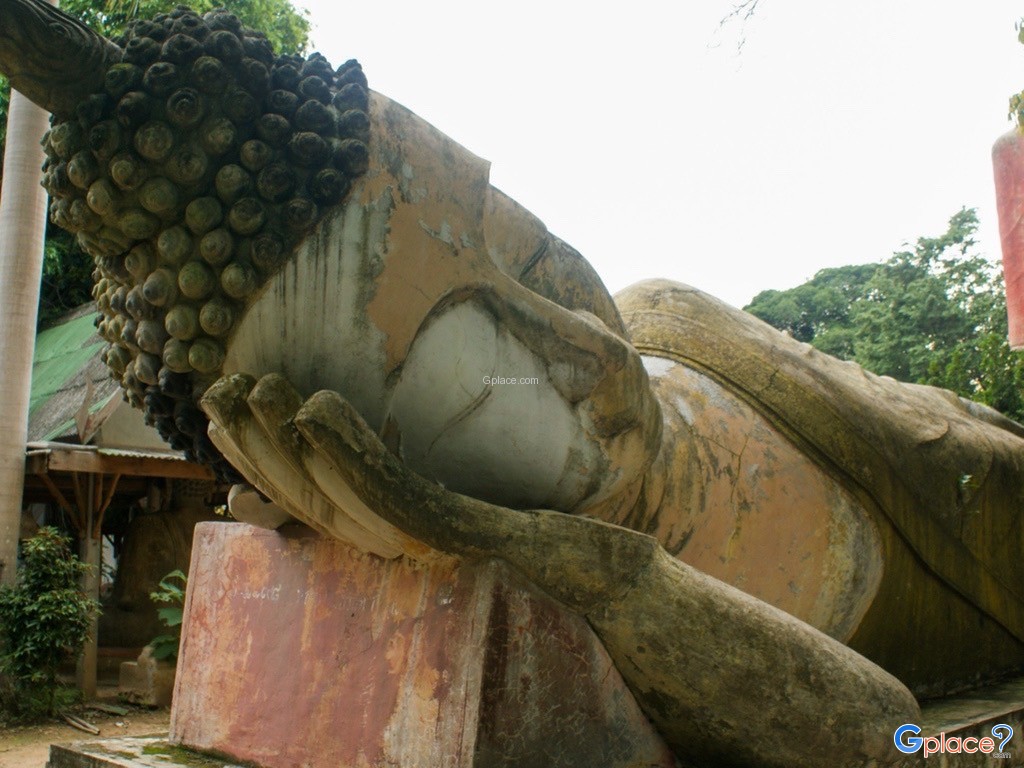
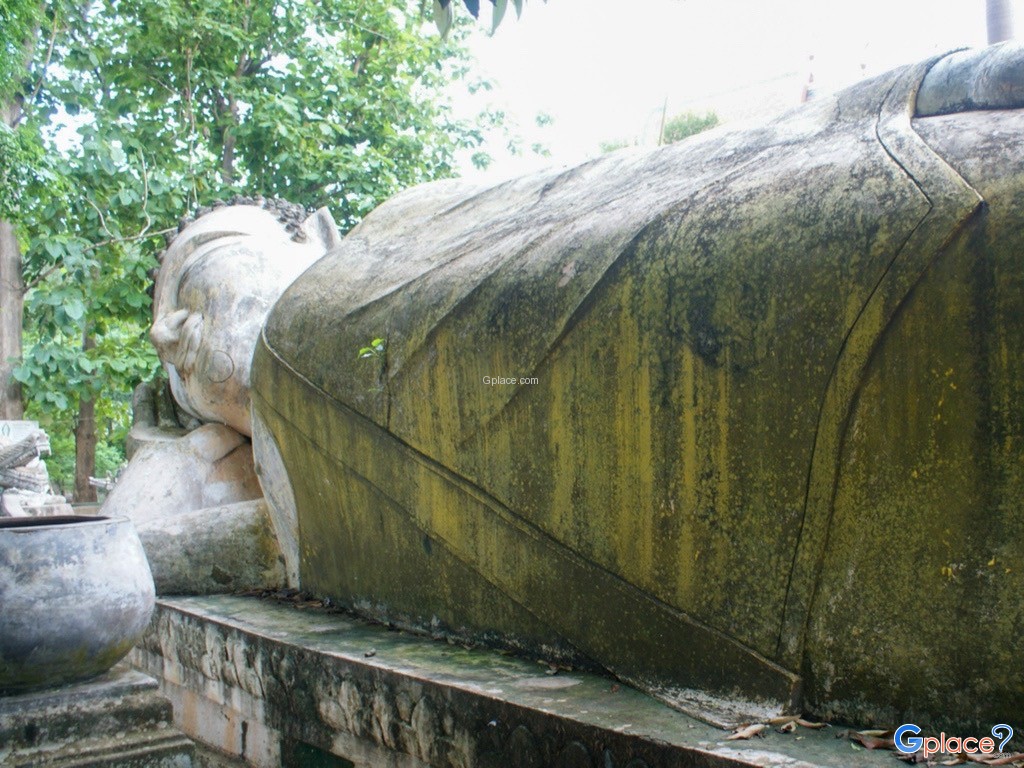
“Wat Rong Chang features Thailand’s only Tripitaka Pagoda with 84,000 engraved bricks, three colossal outdoor Buddha statues, the preserved relic body of Luang Pho Thawee, and the unique Khao Tom Mat almsgiving tradition.”
Wat Rong Chang represents a tangible connection between Phichit’s historical past and the living tradition of Buddhism, expressed through sacred architecture, Buddhist art, and enduring local customs.
Historical Background
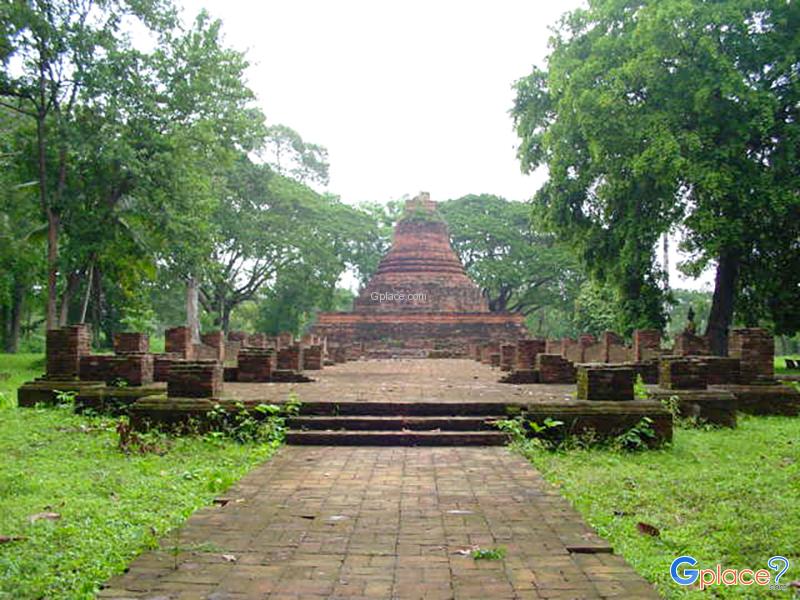
The area was once known as “Kong Chang,” a resting ground for war elephants during the era of Phraya Khotrabong. The name later evolved into “Khlong Chang” and eventually became “Wat Rong Chang,” reflecting its long-standing strategic and cultural importance to Phichit.
The 84,000 Dhammakhandha Tripitaka Pagoda
Constructed in 1974 under the vision of Luang Pho Thawee (Phra Khru Philat Thammakit), the pagoda contains a unique underground chamber preserving 84,000 fired clay bricks engraved with the Tripitaka, corresponding to the number of Dhammakhandha. Surrounding the pagoda are 108 Tripitaka cabinets in three colors: white representing the Vinaya, red the Suttanta, and yellow the Abhidhamma.
Outdoor Buddhist Art
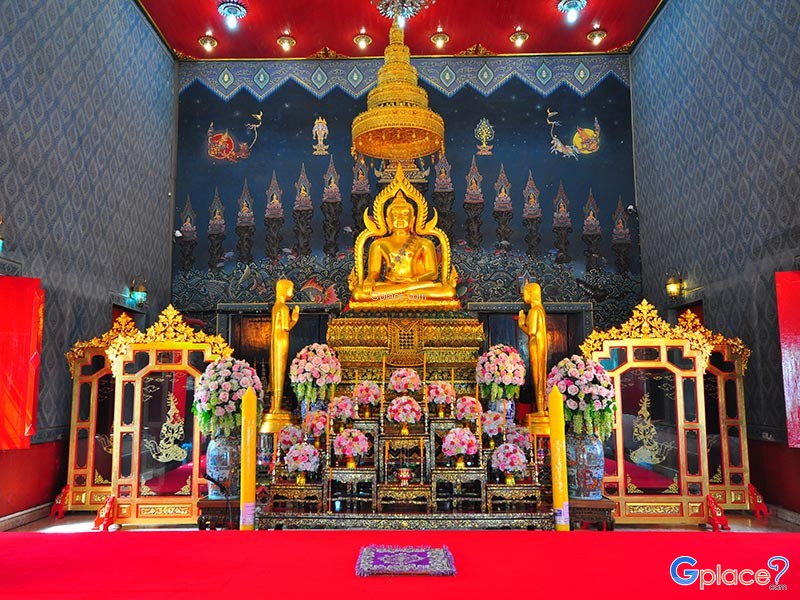
The temple grounds are dominated by three monumental outdoor Buddha statues in Maravijaya (subduing Mara), Pacifying the Relatives, and Reclining postures, standing majestically beneath the open sky. These statues serve as important objects of worship and iconic photo spots.
Luang Pho Thawee and Local Traditions
Luang Pho Thawee, a highly revered former abbot known for his mastery of ancient Khmer script, remains deeply respected by devotees. His preserved relic body is enshrined in a glass coffin within the temple. Wat Rong Chang is also the center of the Khao Tom Mat almsgiving tradition during the end of Buddhist Lent, when villagers offer sticky rice parcels to the temple for merit-making and community sharing—an enduring symbol of Buddhist unity and compassion.
How to Get There
- By Private Car: From Phichit city center, take Highway No. 115, then continue onto Highway No. 1068 toward Sam Ngam District. After approximately 5 kilometers, the temple is located on the left side of the main road.
- By Local Transport: Tuk-tuks or motorcycle taxis are available from Phichit Railway Station or the city market, offering convenient access to the temple.
Travel Tips
-
Walk around the Tripitaka Pagoda to fully appreciate its symbolic design and craftsmanship.
-
If access is permitted, visiting the underground chamber with engraved bricks is highly recommended.
-
The temple provides wheelchair-accessible ramps, suitable for elderly visitors.
-
Visit in the morning or late afternoon for pleasant weather and ideal lighting for photography.
-
Dress respectfully in accordance with religious customs.
Admission Fee:
- Free admission (Donations are welcome according to individual faith)
Opening Hours:
- Open daily from 08:00 AM – 05:00 PM
Wat Rong Chang

 Share
Share
 Rong Chang, Mueang Phichit, Phichit 66000
Map
Rong Chang, Mueang Phichit, Phichit 66000
Map
 Closed today
Mon8.00 - 17.00
Tue8.00 - 17.00
Wed8.00 - 17.00
Thu8.00 - 17.00
Fri8.00 - 17.00
Sat8.00 - 17.00
Sun8.00 - 17.00

 https://www.thai-tour.com/thai-tour/north/pichit/data/place/pic-rongchang-temple.html

 4736
4736