 Attractions
  Hotel
Hotel  Restaurant
  Shopping
  Abroad




The royal residences where the king and queen stayed in each group are single-story buildings raised on high stilts. They consist of the throne room, the dining room, the clothing storage room, and the chambers for officials and attendants who accompanied the royal party. Each room is arranged to allow good ventilation, connected by open pavilions, with continuous roofs extending all the way to the bathing hall by the beach. The male and female quarters are separated and do not intermingle.


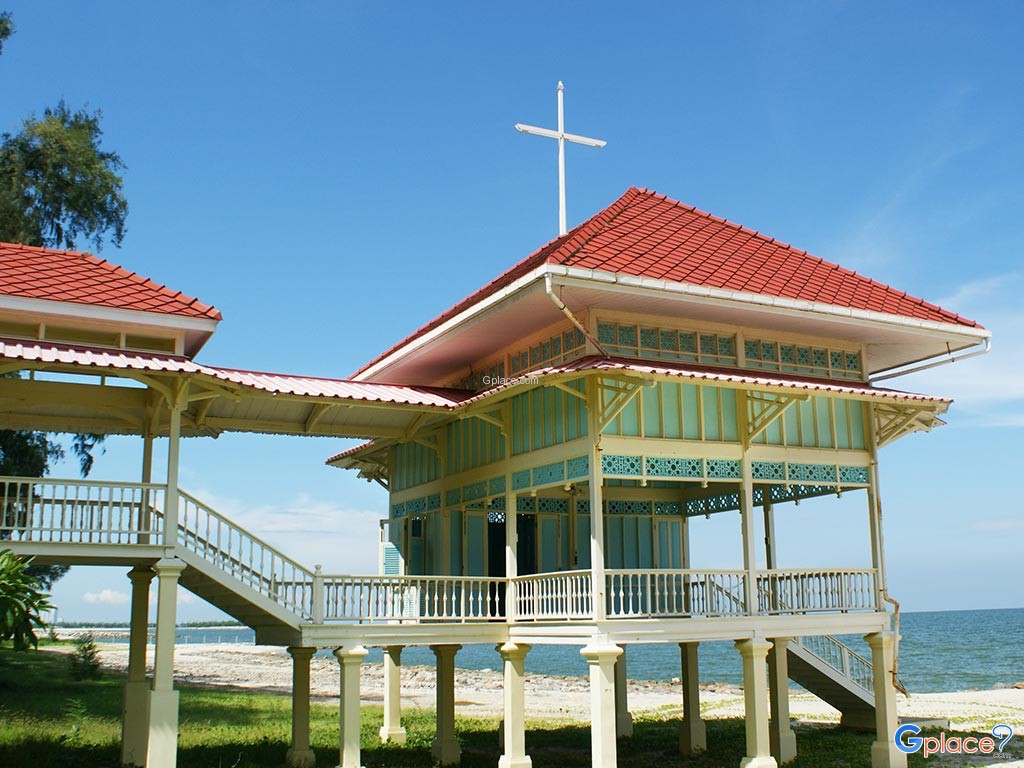

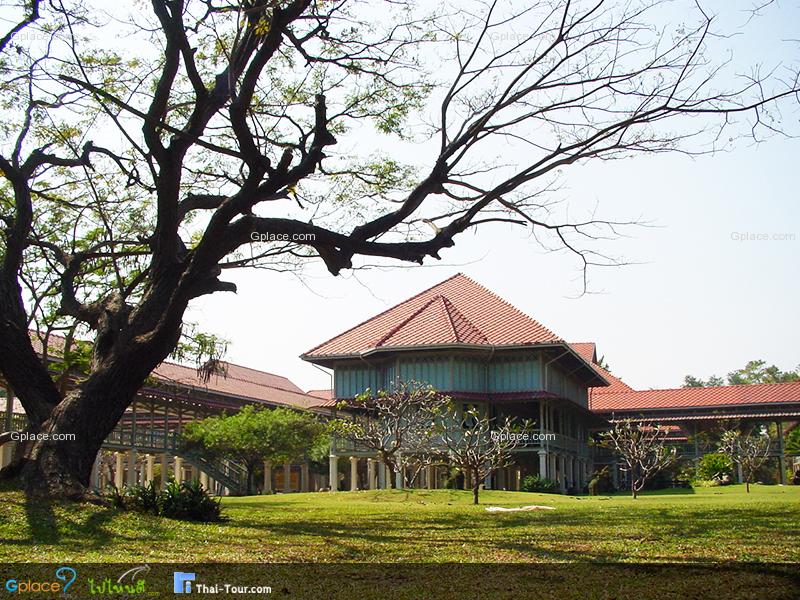
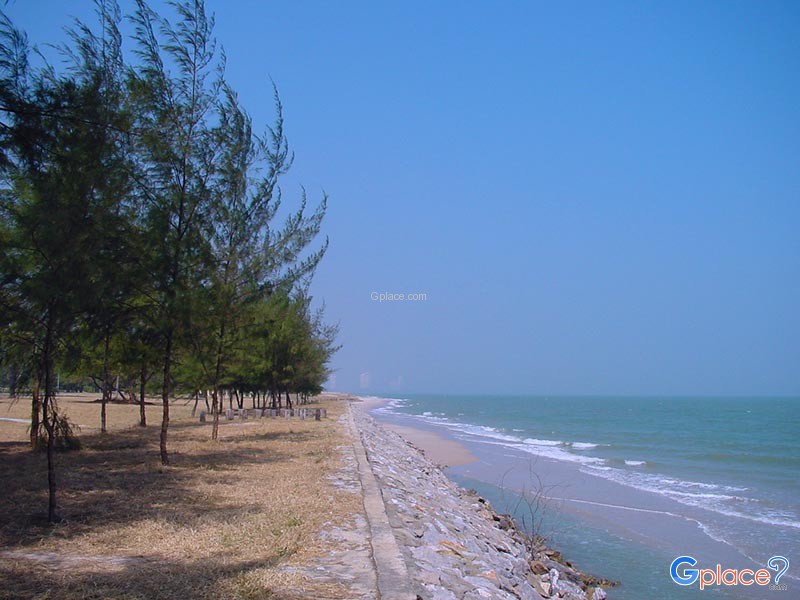
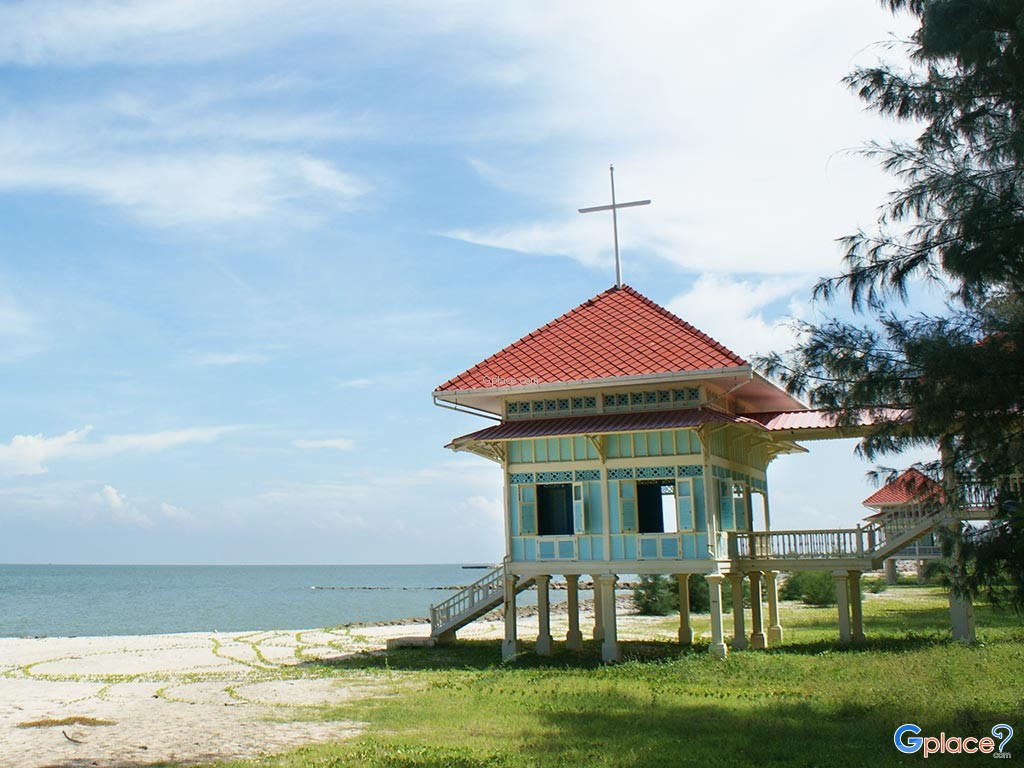
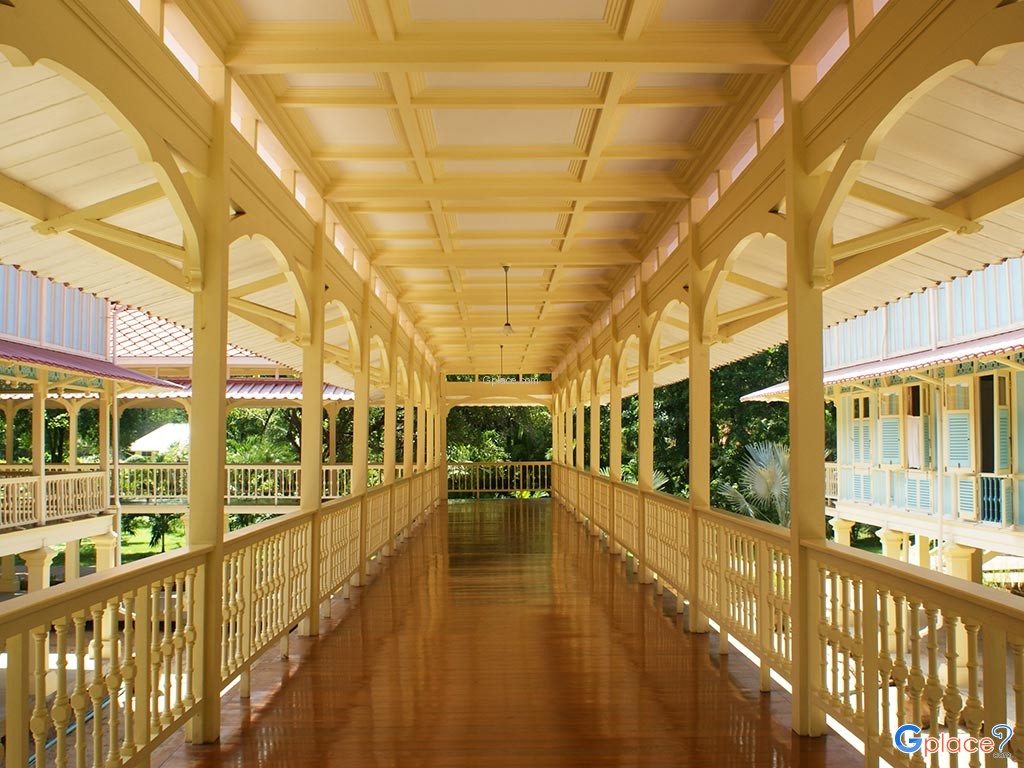
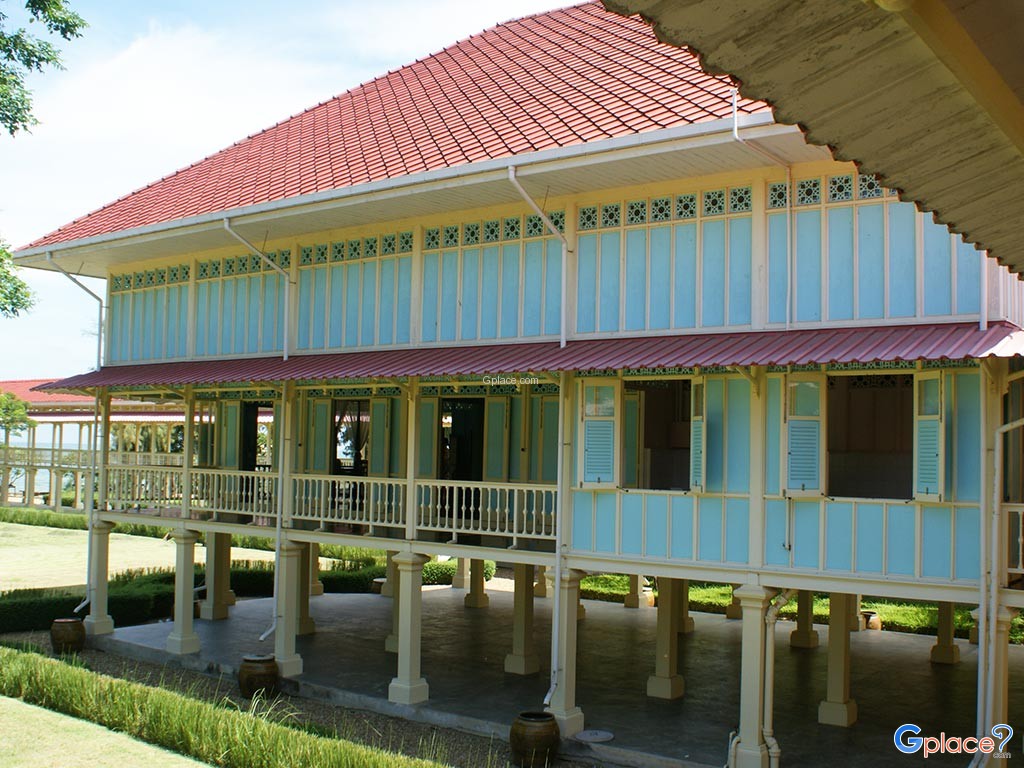
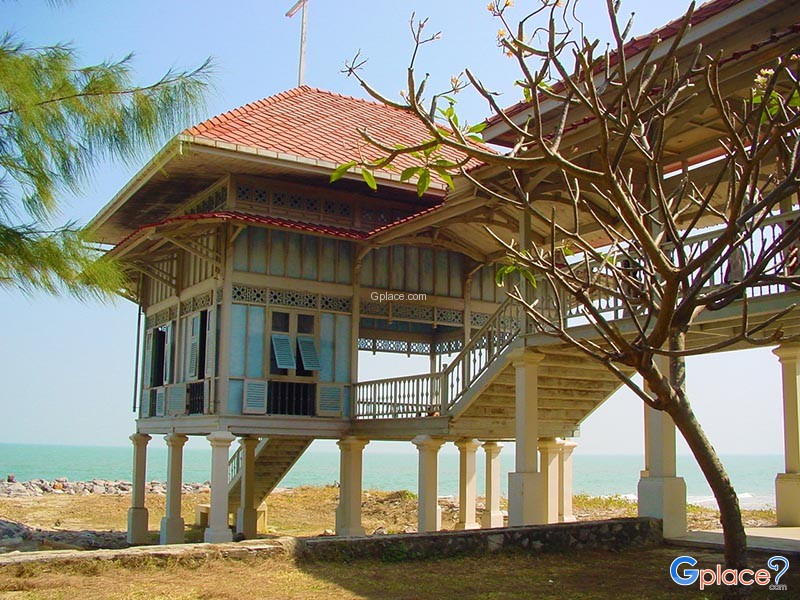
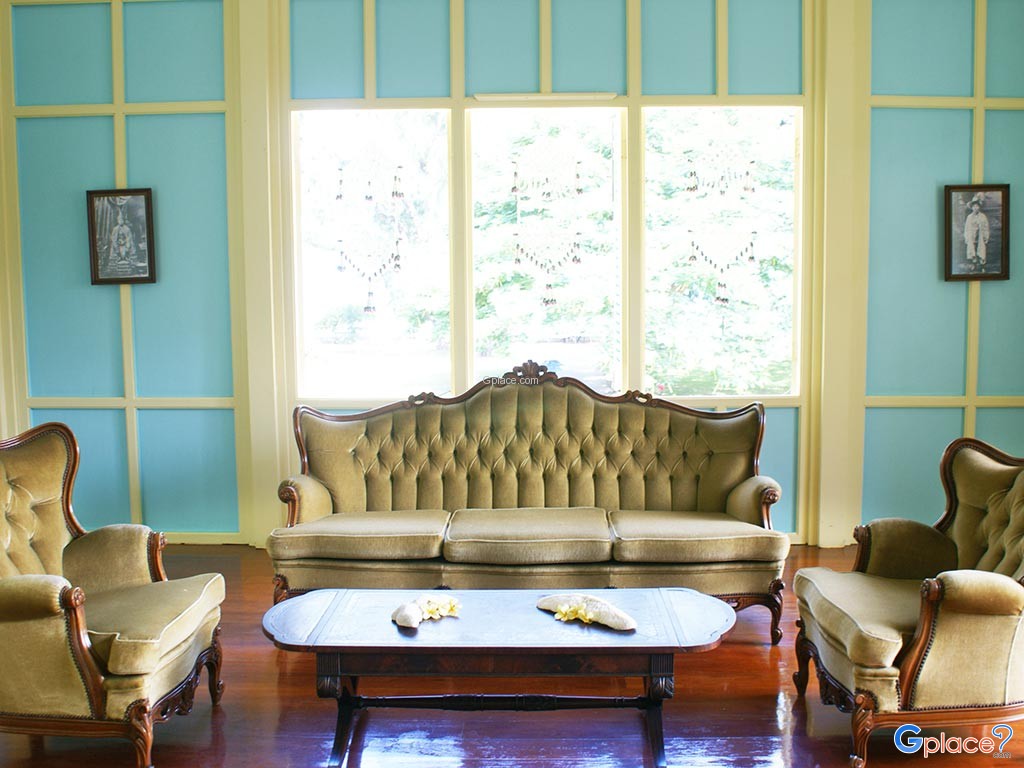
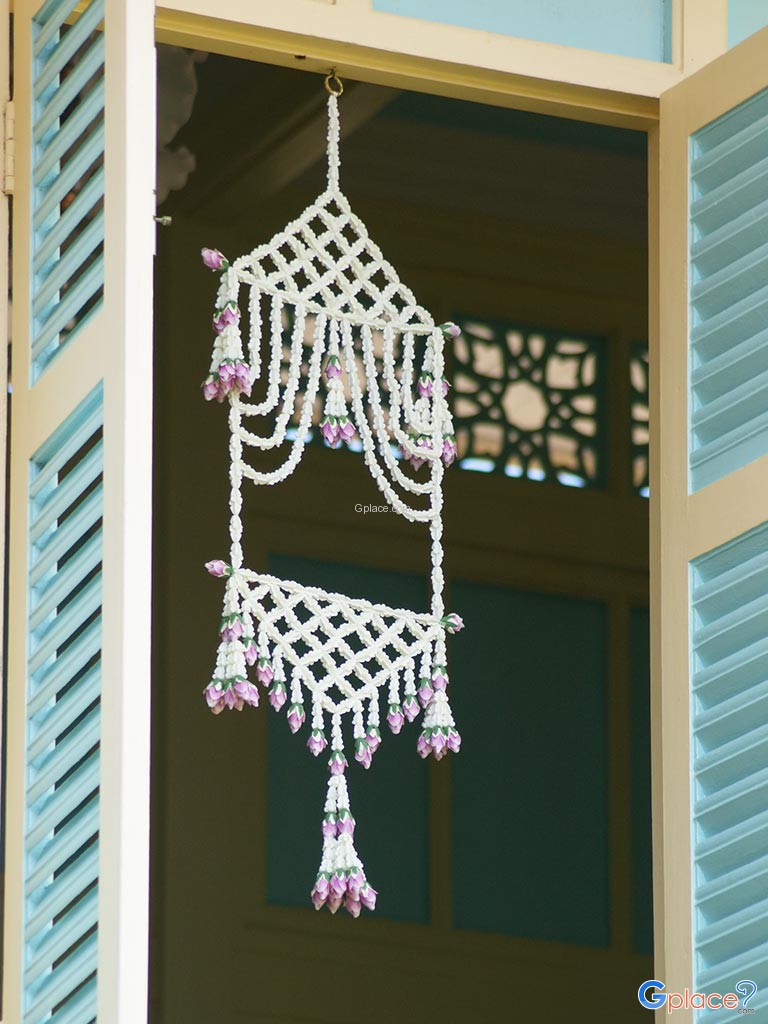
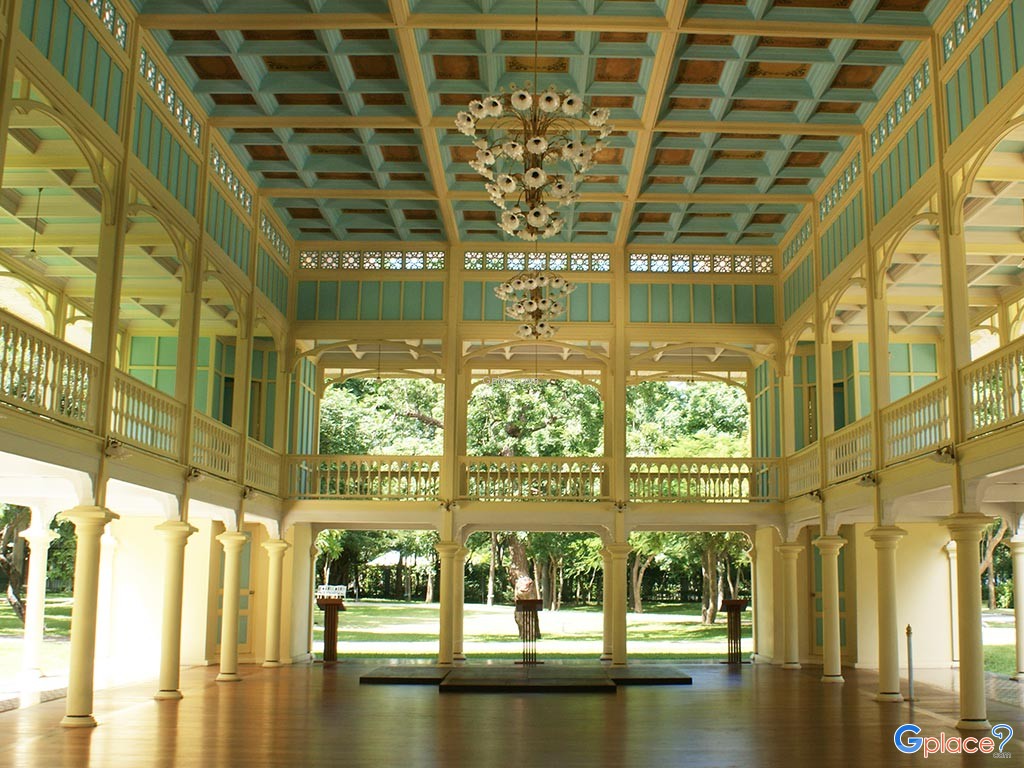
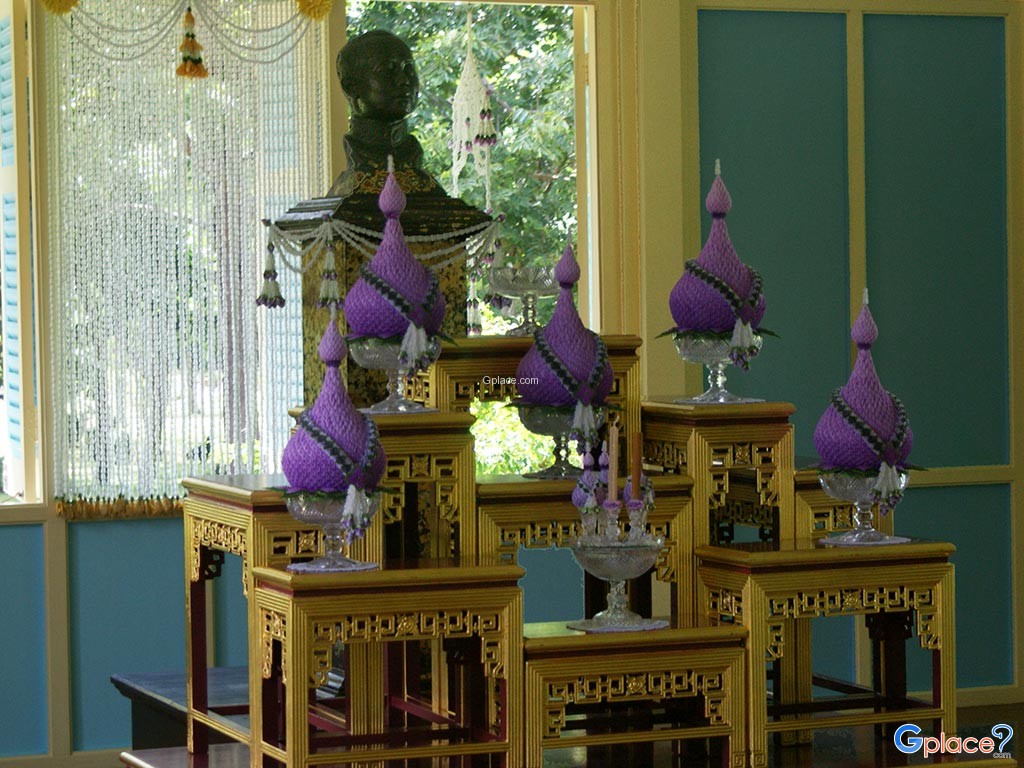

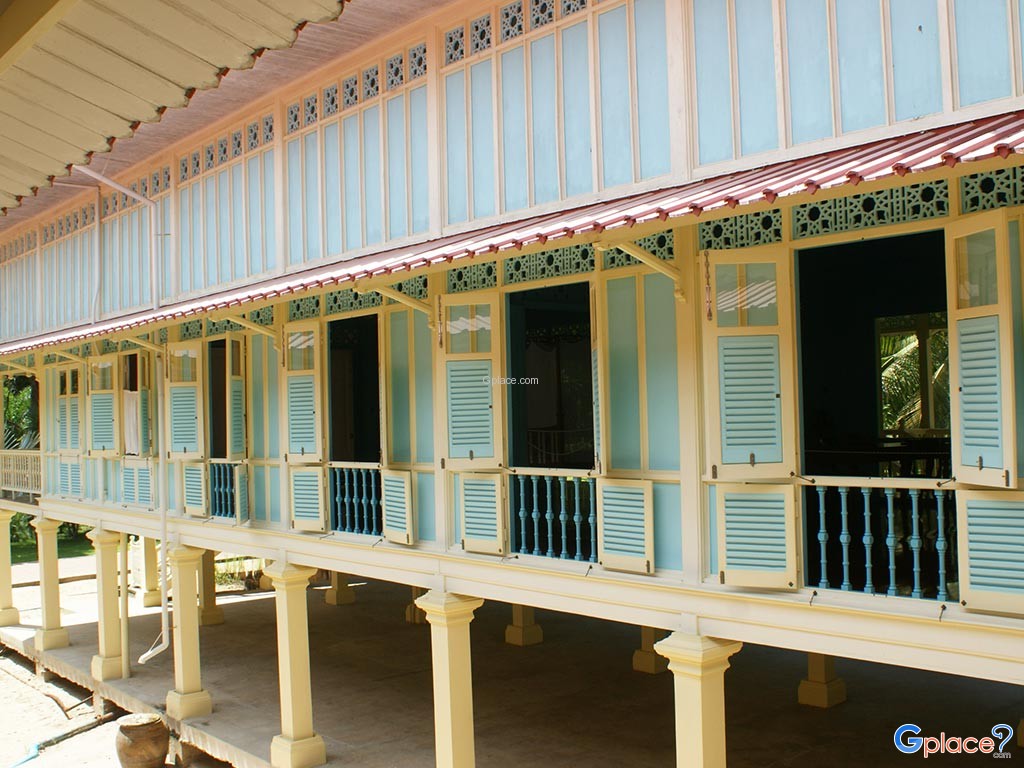
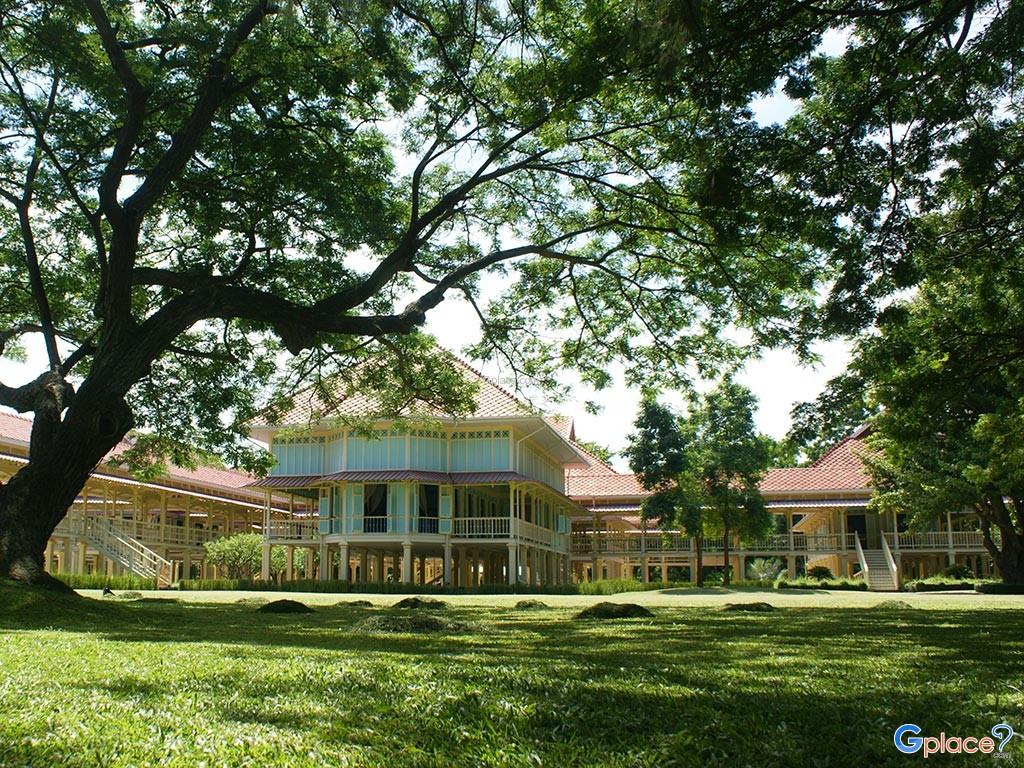
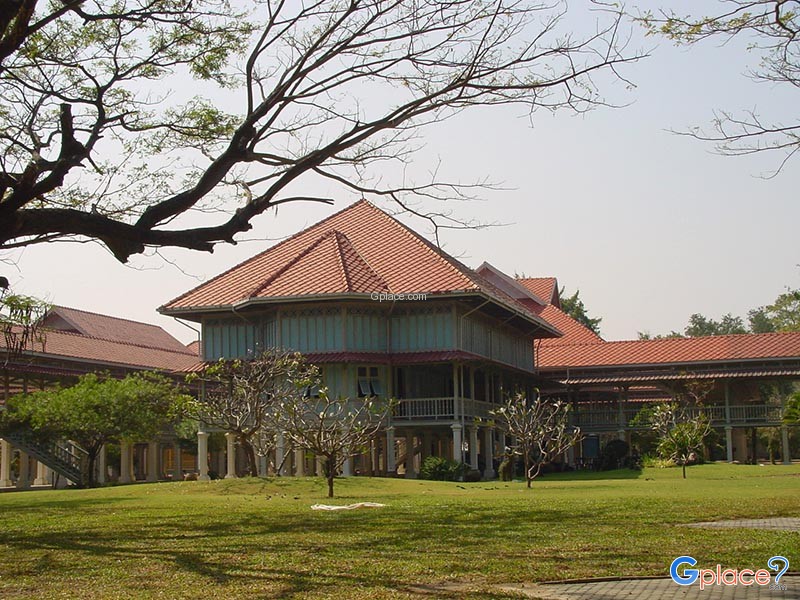
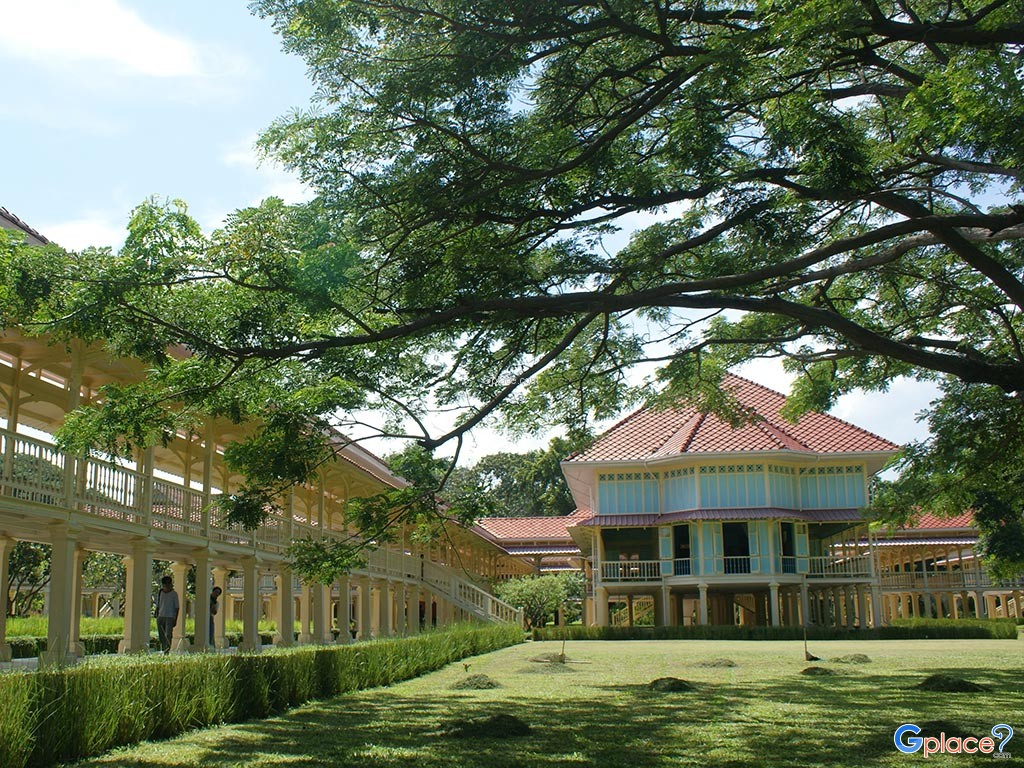

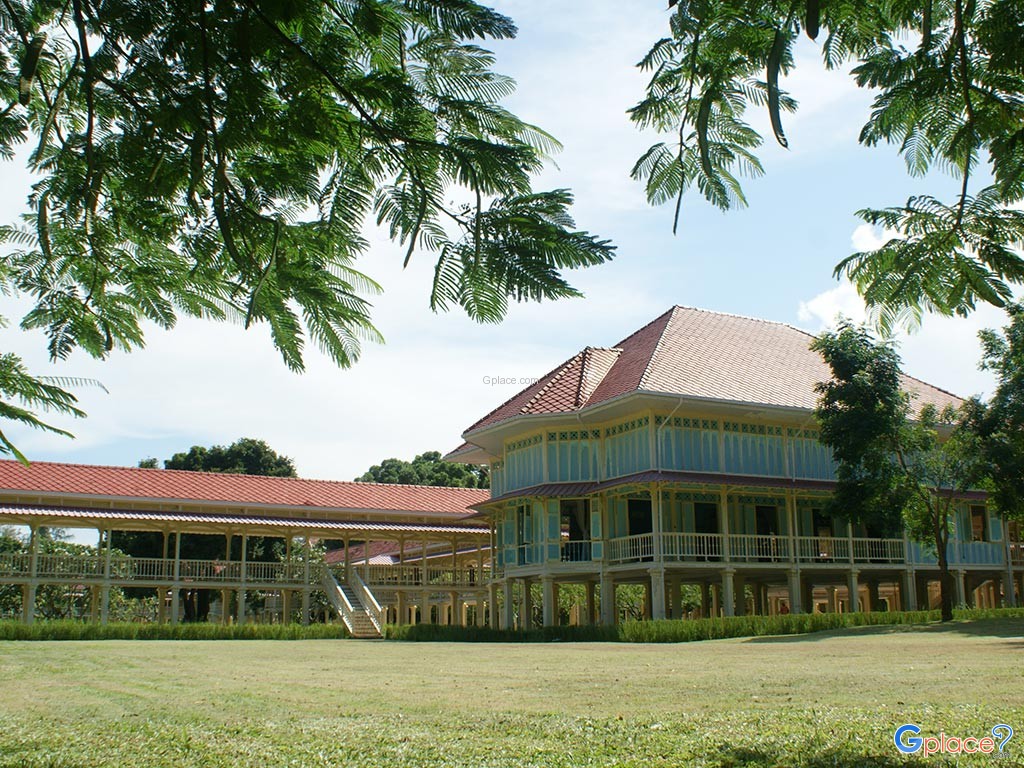
“Admire the Thai-European style golden teakwood pavilions built on stilts and connected by long covered walkways reaching out to the sea.”
Mrigadayavan Palace is located within the Rama VI Military Camp in Huai Nuea Subdistrict, Cha-am District, Phetchaburi Province. It is situated at kilometer marker 216, just a short distance past Cha-am Beach.
It is a seaside royal residence that King Vajiravudh (Rama VI) ordered to be dismantled from Hat Chao Samran and reconstructed here in 1923. It is famously known as the "Palace of Love and Hope." The palace is a two-story wooden structure facing the sea. The inner court (ladies' quarters) is located in the right wing, while the outer court (men's quarters) is in the left wing. It consists of three main throne halls, all of which are interconnected by walkways.
Phra Thinang Phisansakorn The Phisansakorn Throne Hall served as the residence of Queen Indrasakdi Sachi, the Royal Consort.
Standard TranslationPhra Thinang Phisansakorn served as the private residence of King Vajiravudh (Rama VI). This central group of throne halls consisted of various rooms for his relaxation, quarters for close-attending courtiers, and a royal study. Additionally, Phra Thinang Samoson Sewakamat is a two-story open-air pavilion used as a meeting hall for various occasions and a theater. It was the venue for two significant play performances: Phra Ruang and Wiwa Phra Samut (The Marriage of the Ocean) in 1941.
Chao Phraya Ram Rakhop commissioned a statue of King Vajiravudh (Rama VI) as a royal memorial, which is enshrined in the throne hall of Mrigadayavan Palace. Furthermore, a merit-making ceremony is held annually on November 25th to pay royal tribute on the anniversary of His Majesty’s passing.
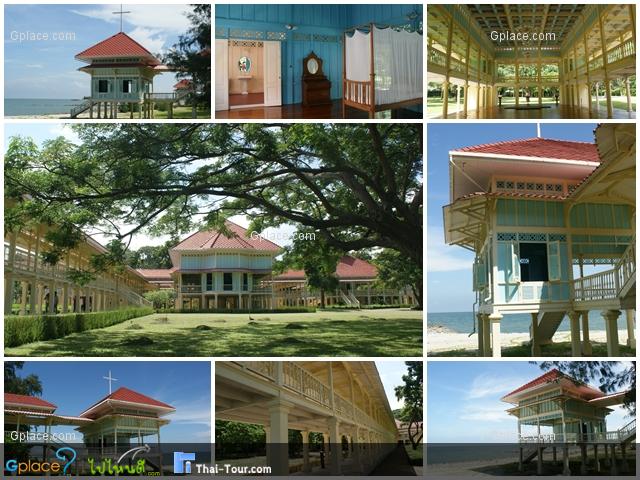
Mrigadayavan Palace consists of a group of buildings arranged longitudinally along the beach. The area is divided into two main sections
Standard Translation The southern section is the royal residence area, while the northern section is the living quarters for the courtiers. The royal residence area is enclosed by fences on three sides and contains three groups of throne halls, which are
-
Phra Thinang Samut Phiman was the private residence of His Majesty King Vajiravudh.
-
Phra Thinang Phisansakorn was the residence of Her Majesty Queen Indrasakdi Sachi, the Royal Consort.
-
Phra Thinang Samoson Sewakamat served as the Grand Hall audience hall and the royal theater.
According to ancient royal customs, the residences of the officials and attendants were located outside the enclosure of the royal residences, to the north. There was a road running along the beach, with buildings for the royal court officials who accompanied the royal party, including a “hotel,” a dining hall, a power station, a royal garage, and others 28 buildings in total. Almost all of them were wooden structures with thatched roofs.
Currently, only the residence of Chao Phraya Ram Rakhop remains, which is the sole building constructed with a hybrid concrete and wood structure. The architecture of Mrigadayavan Palace serves as a prime example of vacation home design during the late reign of King Rama VI.
Due to the scarcity of local construction materials and a limited timeframe, architects and engineers employed a modular system for both horizontal and vertical design. A standard 3.00-meter column grid was established as the base unit. Each span between columns was subdivided into seven sections of 40 centimeters each, creating a 2:3:2 rhythm that perfectly aligns with the dimensions of windows, doors, and the fretwork ventilation panels above them, as well as the ceiling panels.
While the palace utilizes industrial pre-fabricated components, the floor plans are intentionally staggered and feature various roof forms. This approach results in a structure that appears simple yet captivating, characterized by its airy and lightweight feel with minimal ornamentation. This design reflects the aesthetic transition of the era, bridging the gap between Victorian Architecture and Modern Architecture.
How to Get There
Private Car:
- Take Phetkasem Road towards Cha-am/Hua Hin. About 8 km past the Cha-am beach junction, look for the entrance to Camp Rama VI on the left.
Public Minivan:
- Take the Bangkok-Hua Hin route, ask to get off at Camp Rama VI, and take a short taxi ride or walk into the palace grounds.
Local Transport:
- You can conveniently take a local Songthaew from Cha-am town to the front of the camp.
Travel Tips
Best Season:
- Visit between November and February for milder weather suitable for outdoor exploration.
Gear:
- Bring a hat, sunglasses, or an umbrella, as much of the walk is outdoors with strong sunlight.
Photography:
- A camera is essential; wear white or dark-toned modest outfits to match the elegant royal atmosphere (please follow on-site photo rules).
Food:
- There is a traditional tea room; enjoy a cup of tea amidst the seaside garden views.
Planning:
- Visit in the early morning or late afternoon to avoid the midday heat and check current opening days before visiting.
Admission Fee
-
Local/Foreign: Adults 30 THB (Price may vary for special exhibitions).
-
Children: 15 THB.
Opening Hours:
-
Open: Friday – Sunday (Closed Monday – Thursday)
-
Hours: 09:00 – 16:00
Mrigadayavan Palace

 Share
Share
 Mrigadayavan Palace, 1281 Phetkasem Road (Camp Rama VI), Cha-am, Cha-am, Phetchaburi, Thailand
Map
Mrigadayavan Palace, 1281 Phetkasem Road (Camp Rama VI), Cha-am, Cha-am, Phetchaburi, Thailand
Map
List 0 review
|
art & culture,attractions,Royal palace
 Open now : 9.00 - 16.00
Mon -
Tue -
Wed -
Thu -
Fri9.00 - 16.00
Sat9.00 - 16.00
Sun9.00 - 16.00



 11428
11428