 Attractions
  Hotel
Hotel  Restaurant
  Shopping
  Abroad





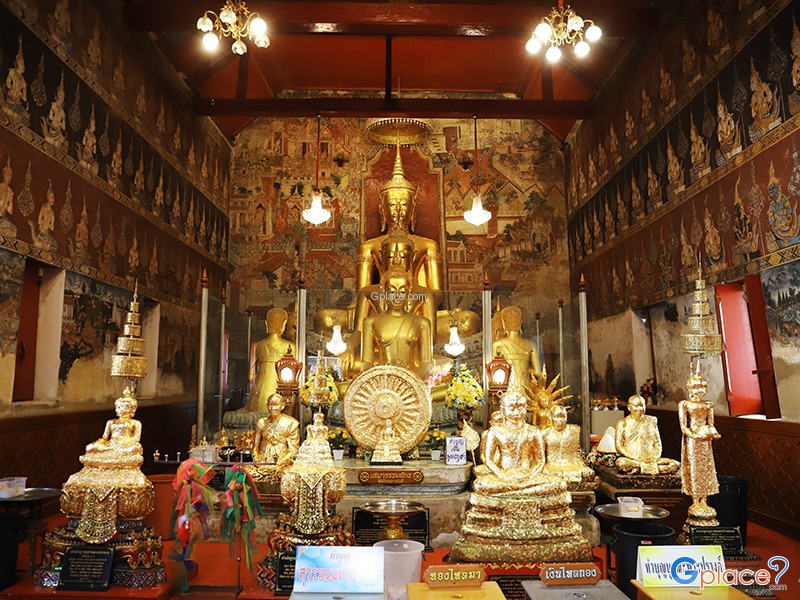


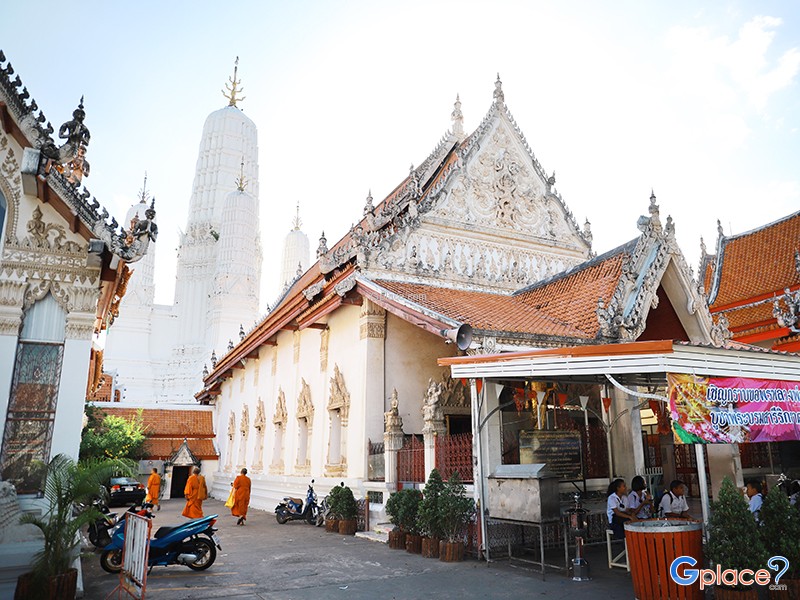
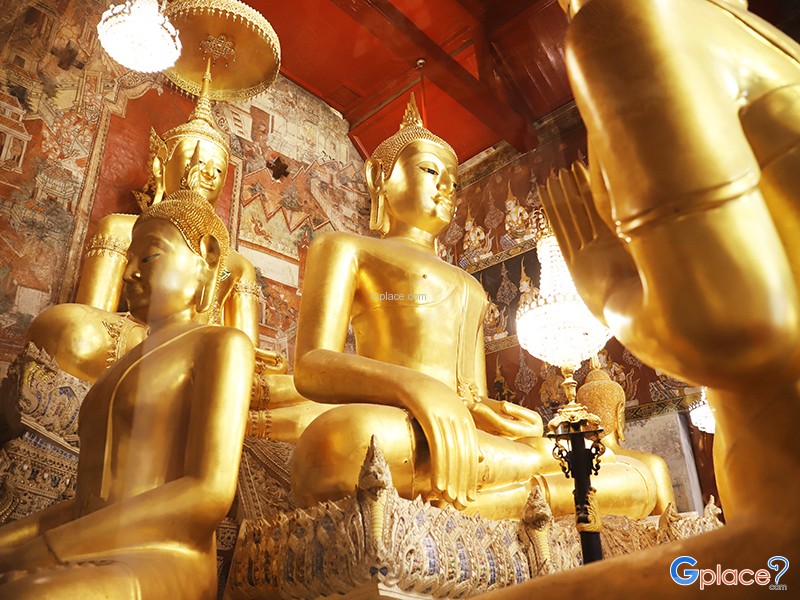
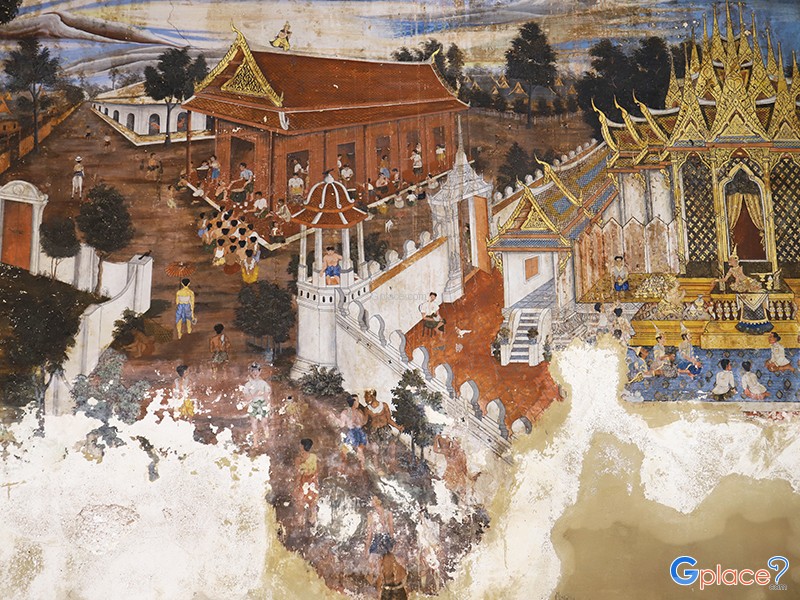
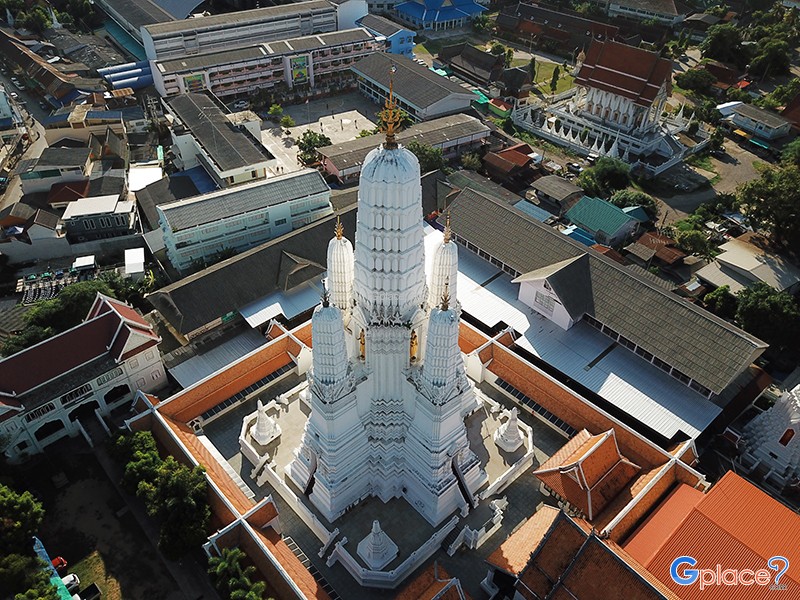
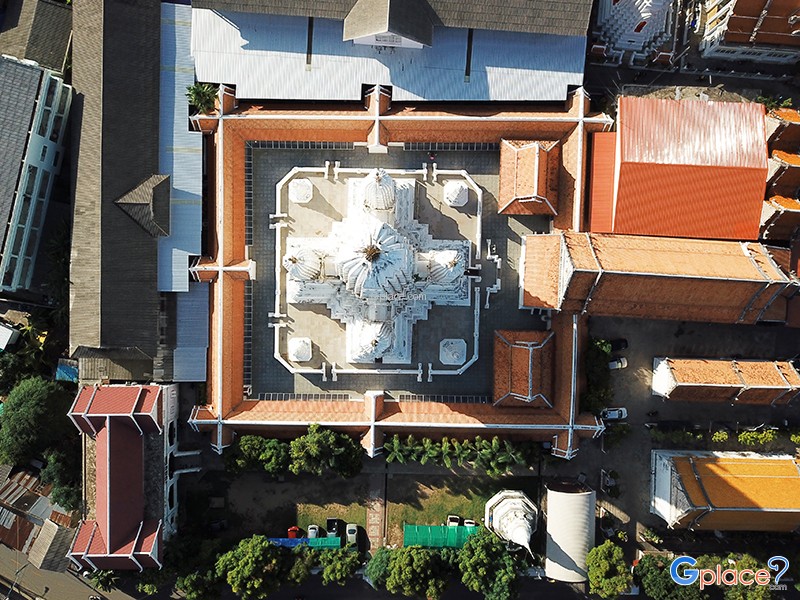
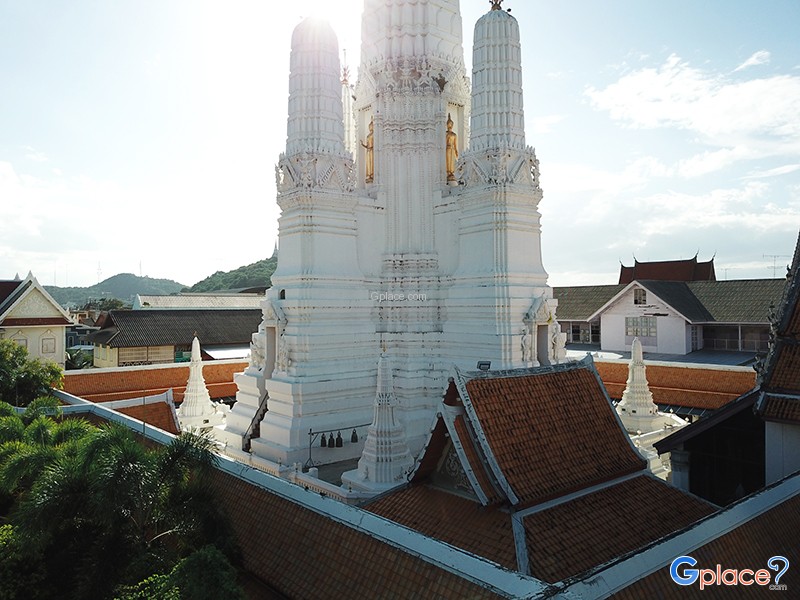
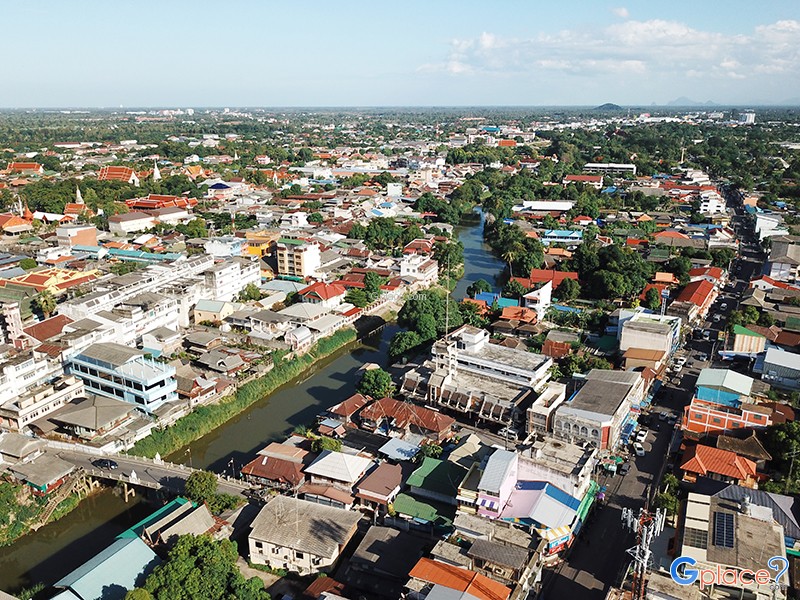

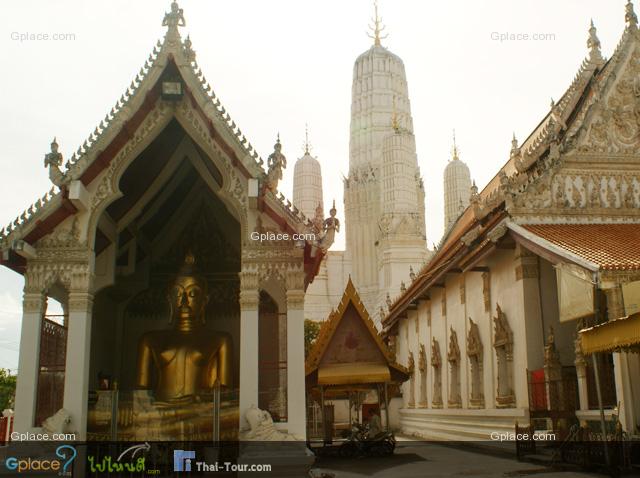
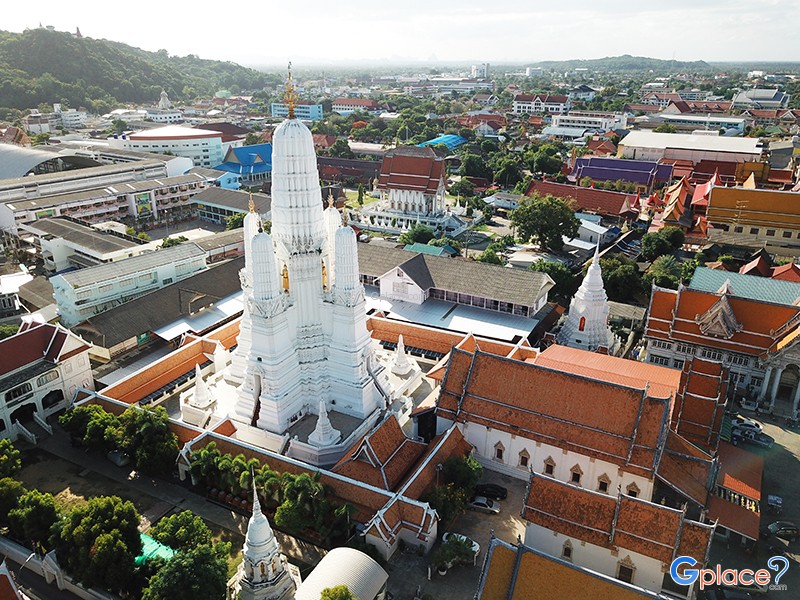
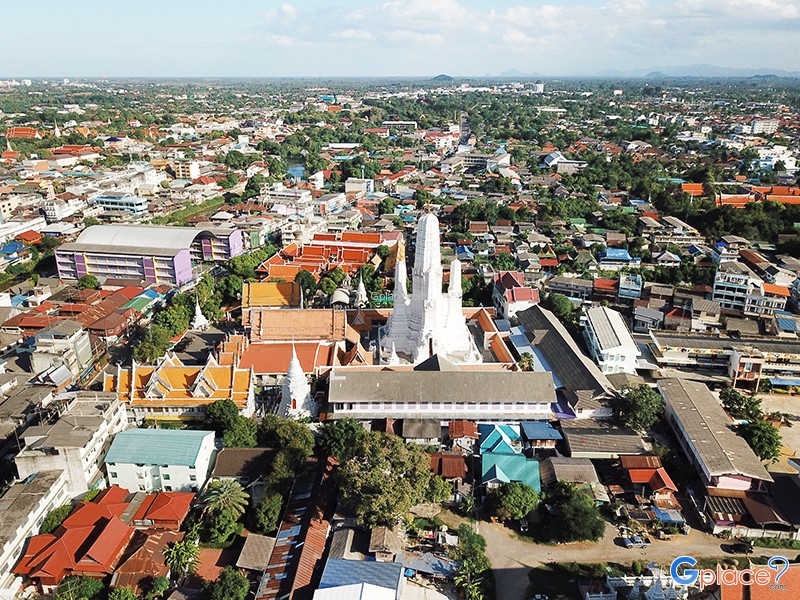
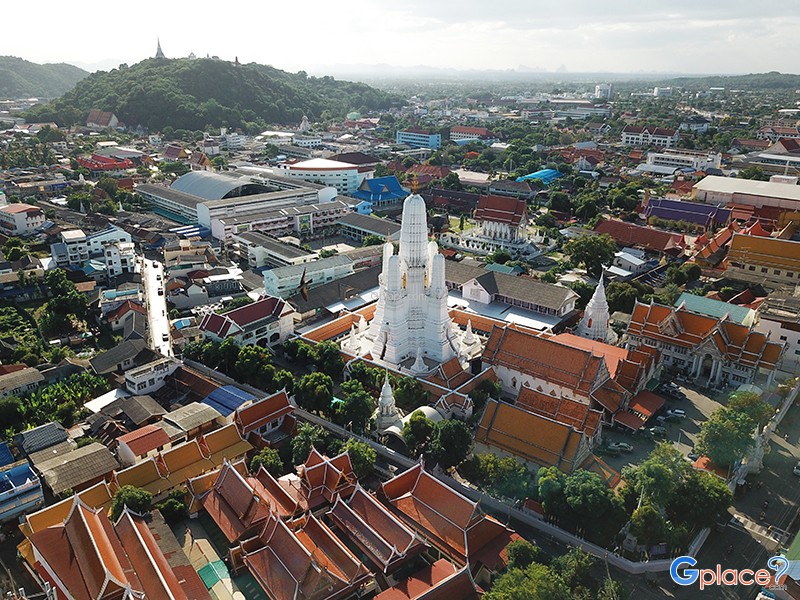
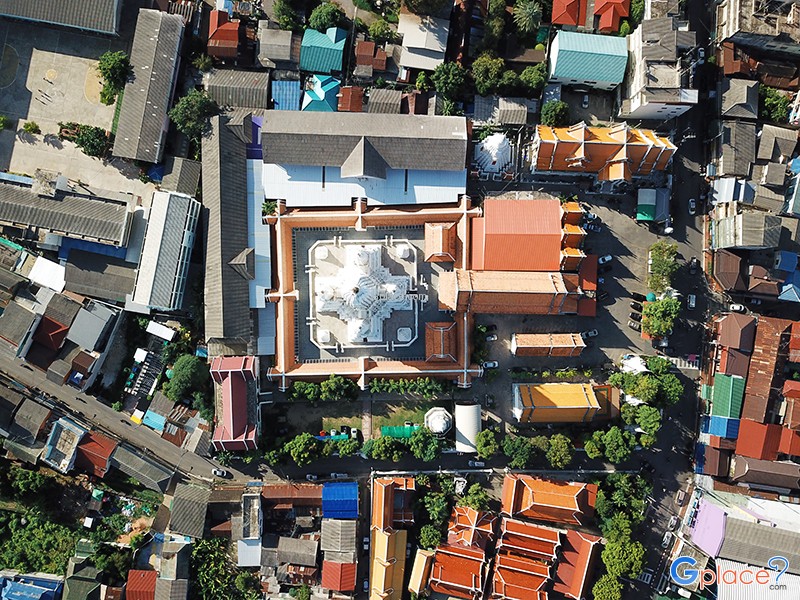
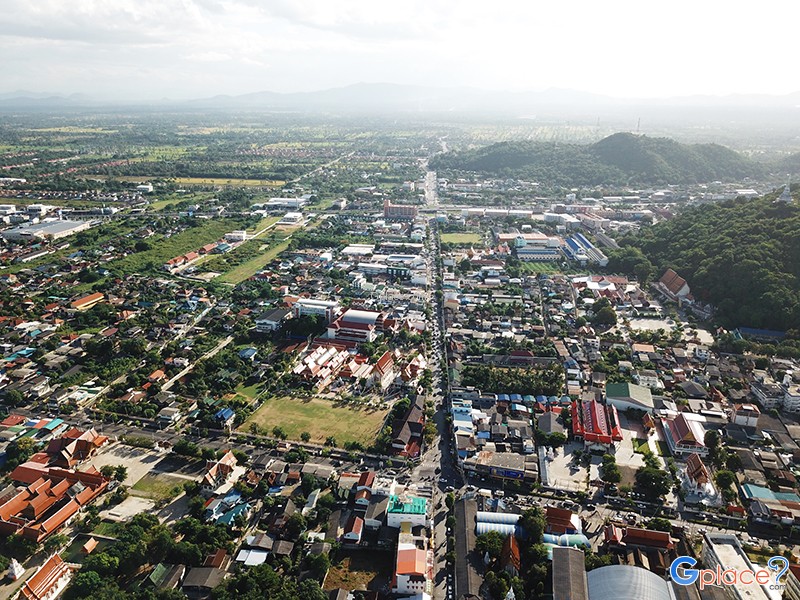
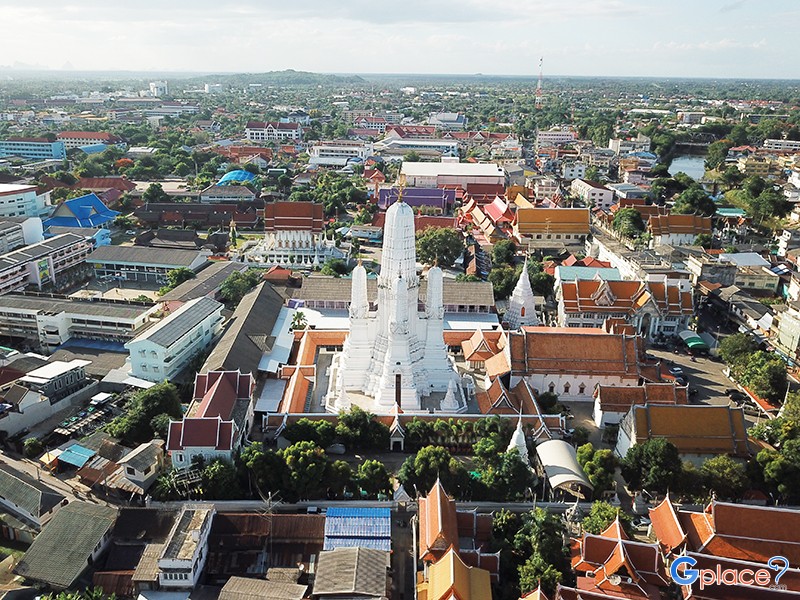

“Admire the elegance of the pure white five-peaked prang enshrining holy relics, and witness the pinnacle of Phetchaburi's traditional stucco craftsmanship adorning the temple's gables.”
Mahathat Worawihan Temple is a first-class royal temple and one of the oldest and most important temples in Phetchaburi, with a history spanning over a thousand years. It is believed to have been established around the 13th–14th Buddhist centuries (approximately 7th–8th centuries CE) during the Dvaravati period, and later strongly influenced by ancient Khmer culture. From early times, the temple served as both a religious and administrative center of Phetchaburi.
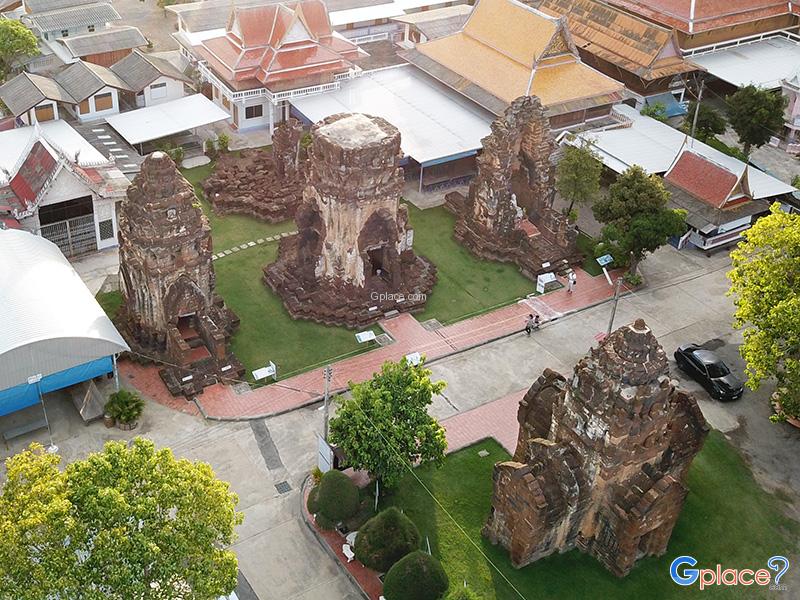
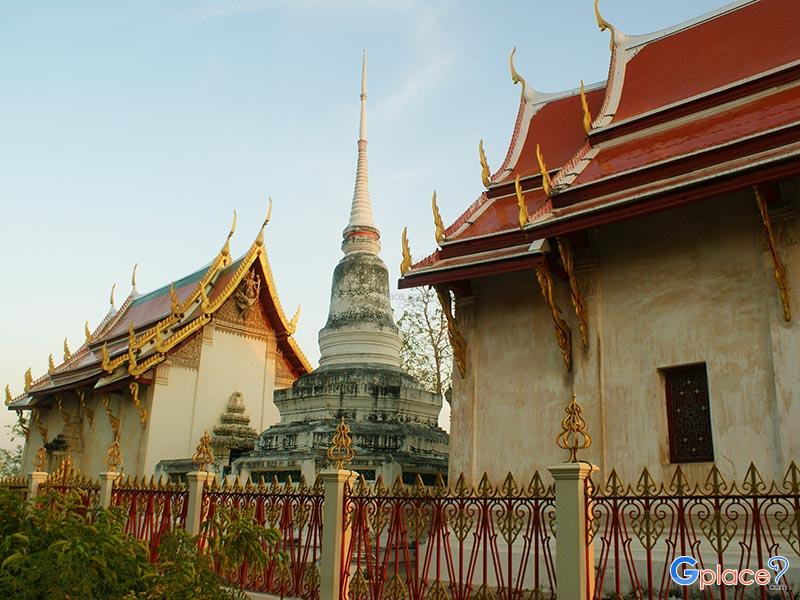
The most prominent feature of the temple is the Five-Spired Khmer-style Prang, which stands at the heart of the compound. The central prang is surrounded by four smaller subsidiary prangs, symbolizing the Buddhist cosmological concept of the universe. The main prang is believed to date back to the 18th Buddhist century (around the 12th–13th centuries CE) and has undergone several restorations during the Ayutthaya and Rattanakosin periods. Enshrined within is a sacred relic of the Buddha, making it the spiritual core of the temple and an object of deep reverence for the people of Phetchaburi.
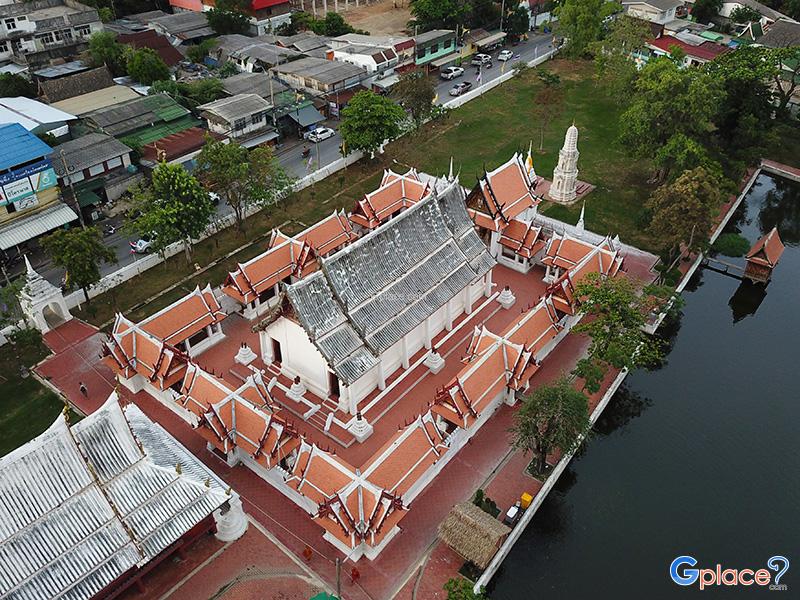
During the Ayutthaya period, Wat Mahathat Worawihan received royal patronage from several kings, leading to the construction and renovation of viharns, the ordination hall, and other monastic structures. The temple became an important center for Buddhist education and artistic craftsmanship in western Siam. In the Rattanakosin era, particularly during the reigns of King Rama IV and King Rama V, major restorations were carried out to preserve its historical significance, and the temple was officially elevated to royal temple status.
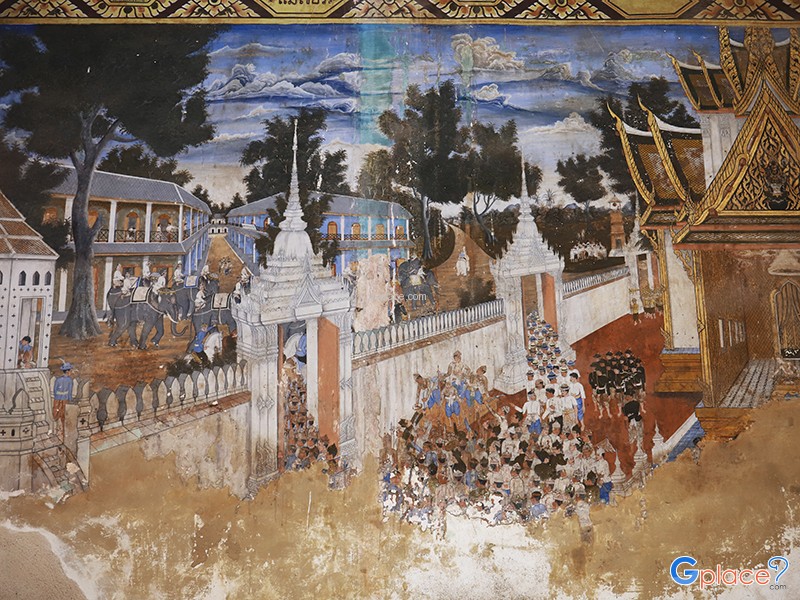
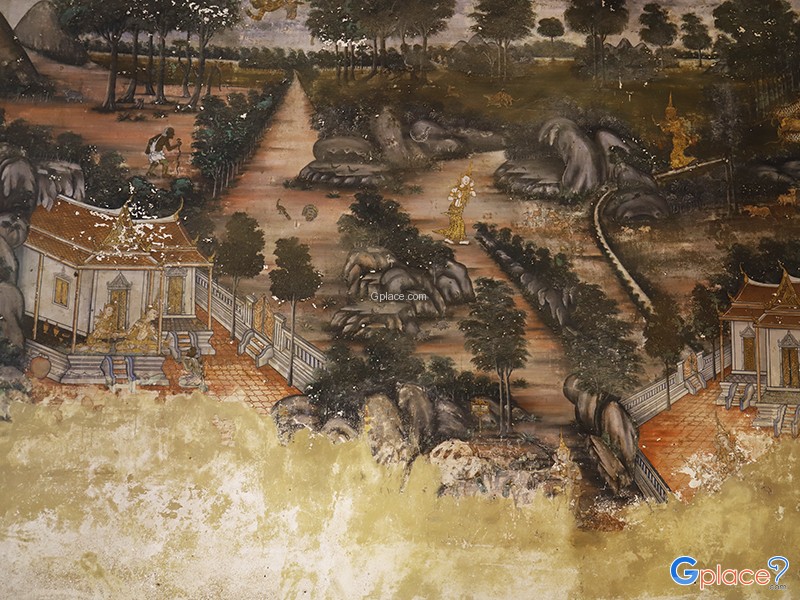
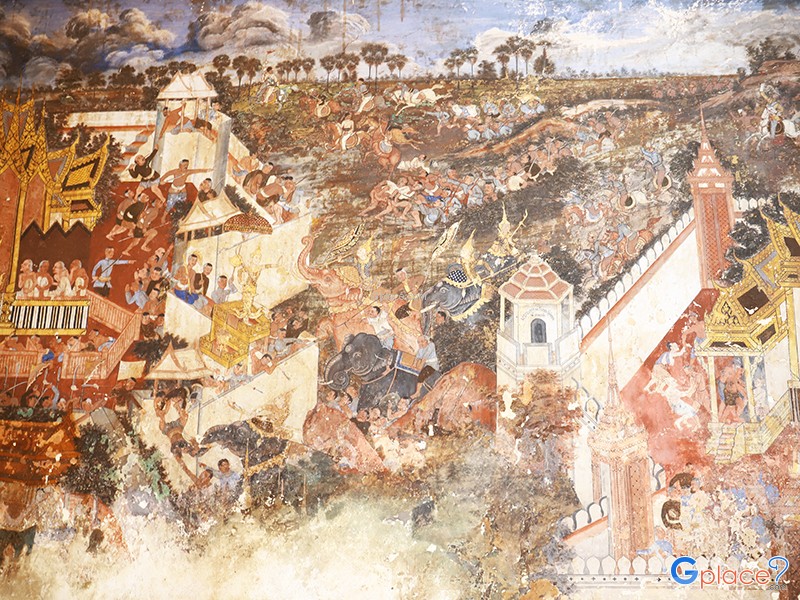
One of the temple’s greatest artistic treasures is its stucco relief work created by local Phetchaburi craftsmen. These intricate decorations adorn pediments, doorways, and window frames of the main viharn and ordination hall. Renowned for their delicacy, fluidity, and lively expression, the stucco works often include subtle depictions of daily life, historical events, and contemporary figures of the past. This unique artistic approach has earned the temple a reputation as an open-air museum of Thai religious art.
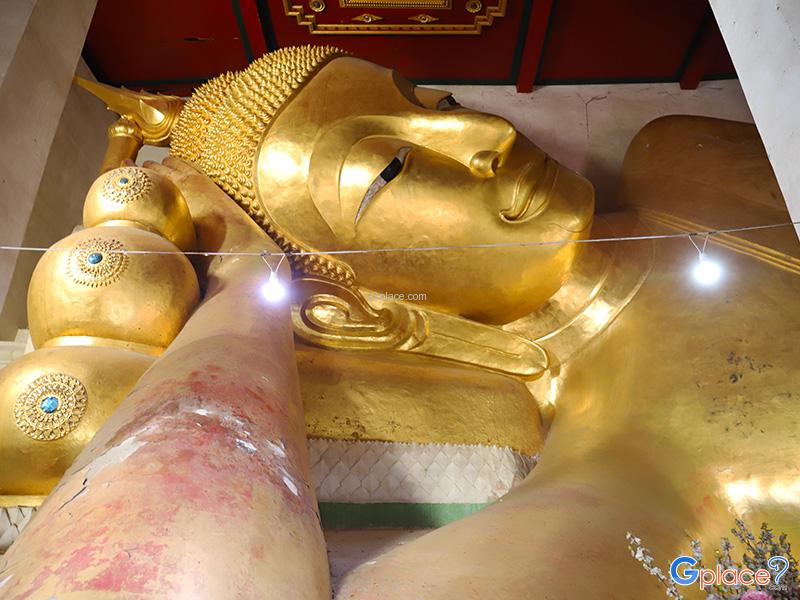
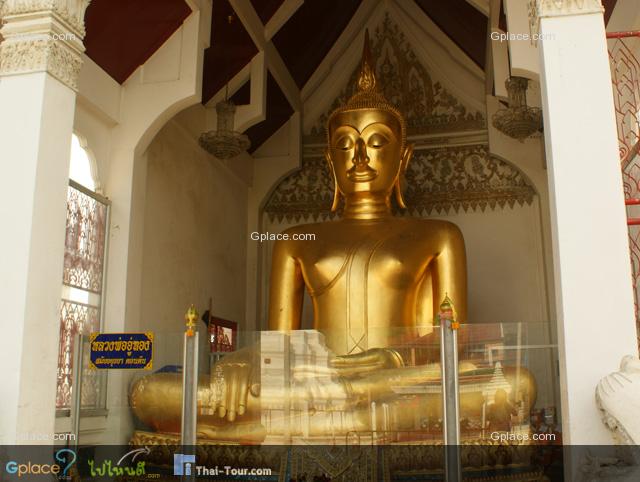
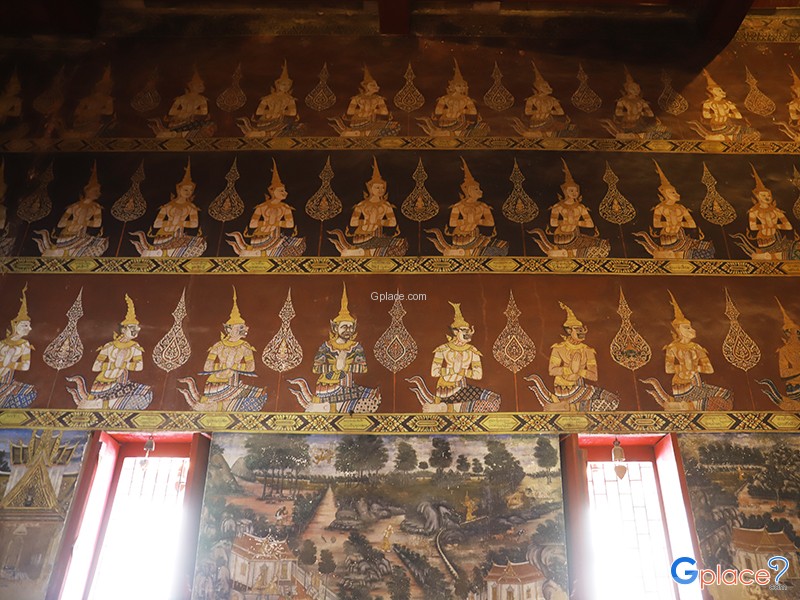
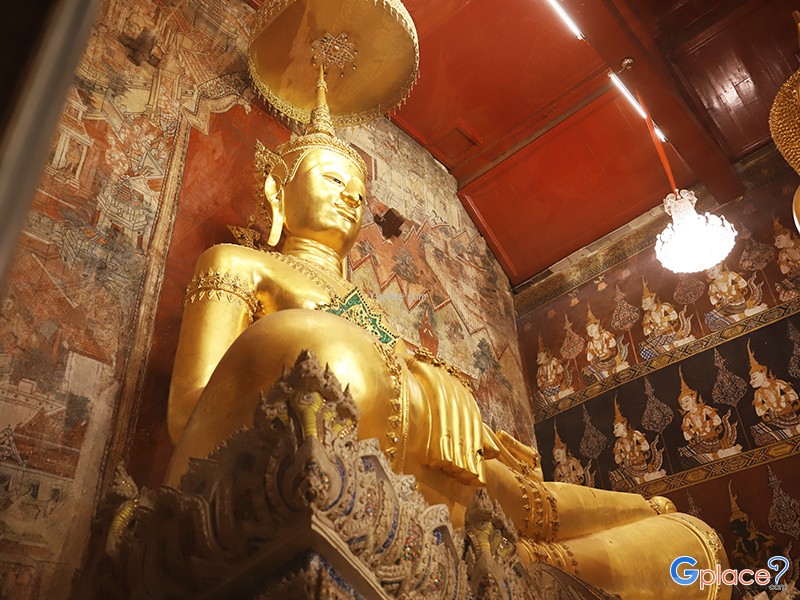
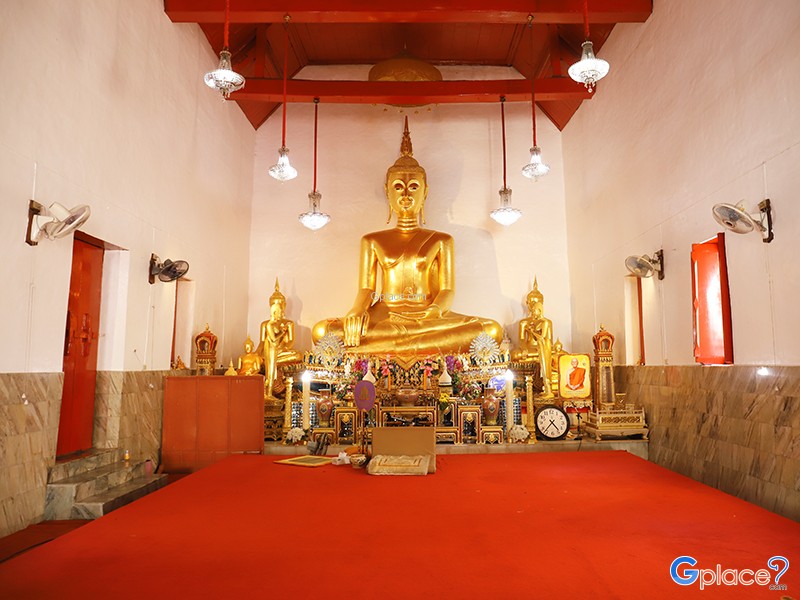
Today, Wat Mahathat Worawihan remains a spiritual heart of Phetchaburi. The principal viharn houses Luang Pho Saksit, a revered Buddha image in the Mara-Vijaya posture that has long been the focus of local devotion. Visiting the temple is not only an act of worship but also a journey into the historical, religious, and artistic heritage of Phetchaburi—a legacy that has endured gracefully through the centuries.
How to Get There
Private Car:
- Located in the center of Phetchaburi on Damnoen Kasem Road, near Chom Klao Bridge. Signs are clearly posted, and parking is available within the temple grounds.
Public Transport:
- Use the yellow or red local "Songthaew" (baht bus) that circles the city center, or hire a motorcycle taxi from the van/bus station.
Walking:
- If staying in the old town area or near the riverside market, the temple is easily accessible by foot as it is adjacent to the main commercial district.
Travel Tips
Best Visiting Season:
- Open year-round. Visit early morning to witness the local lifestyle or late afternoon to see the golden light hitting the white prang. (November - January offers the most pleasant weather).
Footwear and Attire:
- Please dress modestly. No short skirts, shorts, or sleeveless tops allowed inside the Vihara and Ubosot.
Photography:
- You are free to photograph the outdoor stucco work. Inside the Grand Vihara, please be respectful and avoid disturbing those who are praying or meditating.
Food and Local Culture:
- The area around the temple is famous for local eateries. Don't miss the "Phetchaburi Red Soup Noodles" and traditional Thai desserts sold nearby.
Planning:
- The temple is near the old market and Phetchaburi River. You can easily plan a walking tour to Wat Phlapchachai or explore the historic riverside wooden houses.
Admission Fee
-
Local visitors: Free
-
Foreign visitors: Free (Donations for temple maintenance are welcomed)
Opening Hours
-
General daily hours: 06:00 – 18:00
Mahathat Worawihan Temple

 Share
Share
 Mahathat Worawihan Temple, Damnoen Kasem Road, Khlong Krachaeng, Mueang Phetchaburi, Phetchaburi, Thailand
Map
Mahathat Worawihan Temple, Damnoen Kasem Road, Khlong Krachaeng, Mueang Phetchaburi, Phetchaburi, Thailand
Map
 Open now : 6.00 - 18.00
Mon6.00 - 18.00
Tue6.00 - 18.00
Wed6.00 - 18.00
Thu6.00 - 18.00
Fri6.00 - 18.00
Sat6.00 - 18.00
Sun6.00 - 18.00



 6899
6899