 Attractions
  Hotel
Hotel  Restaurant
  Shopping
  Abroad





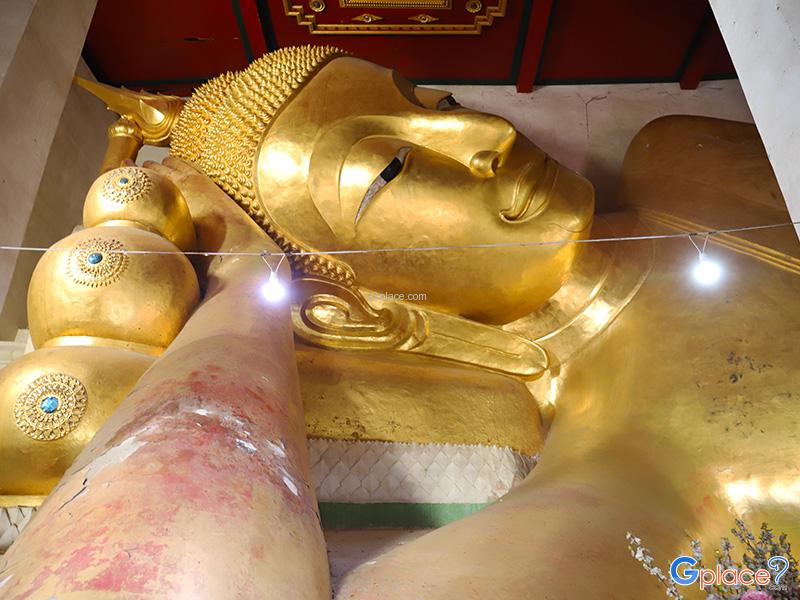

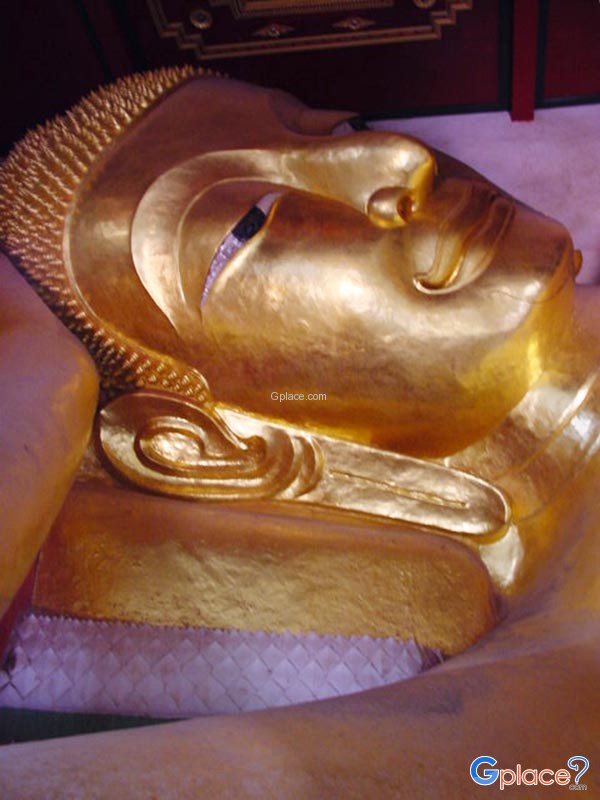
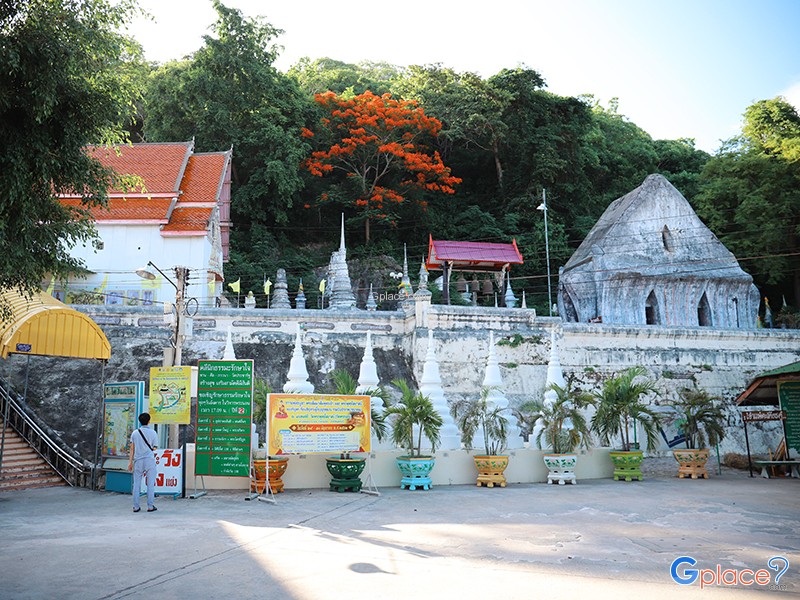
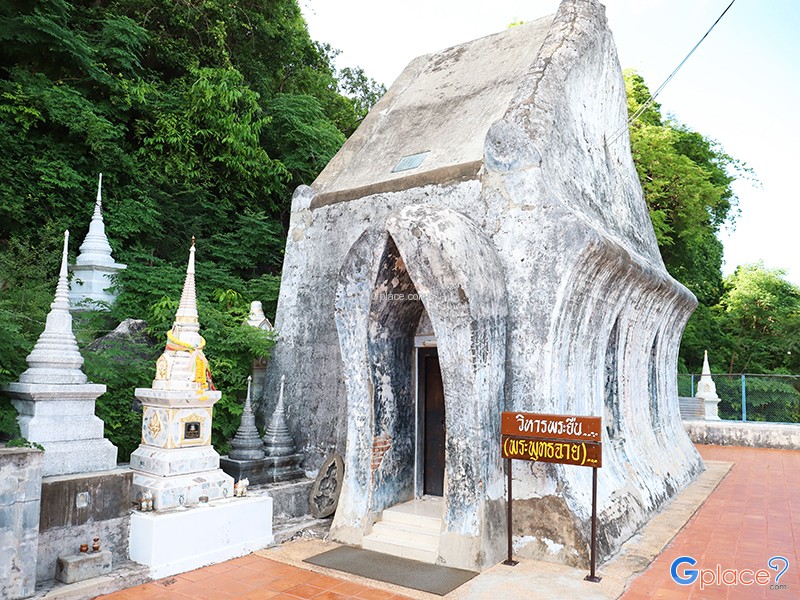
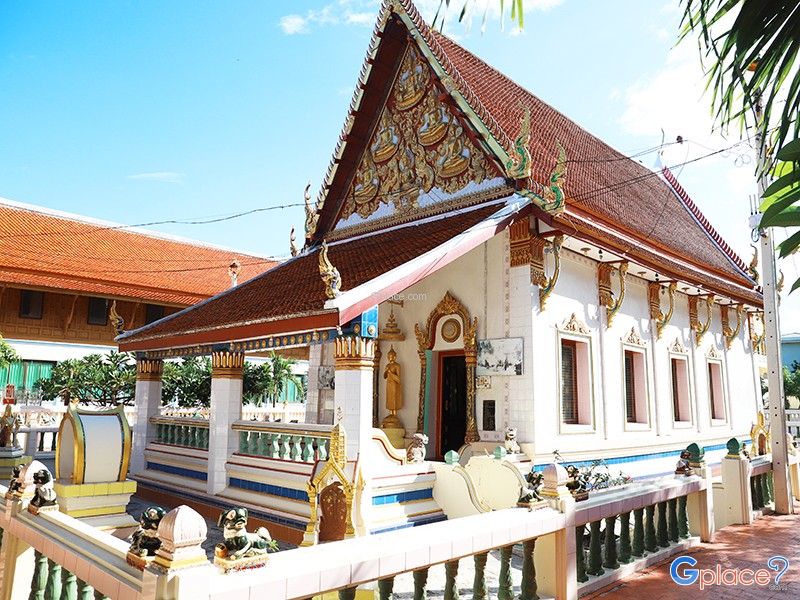
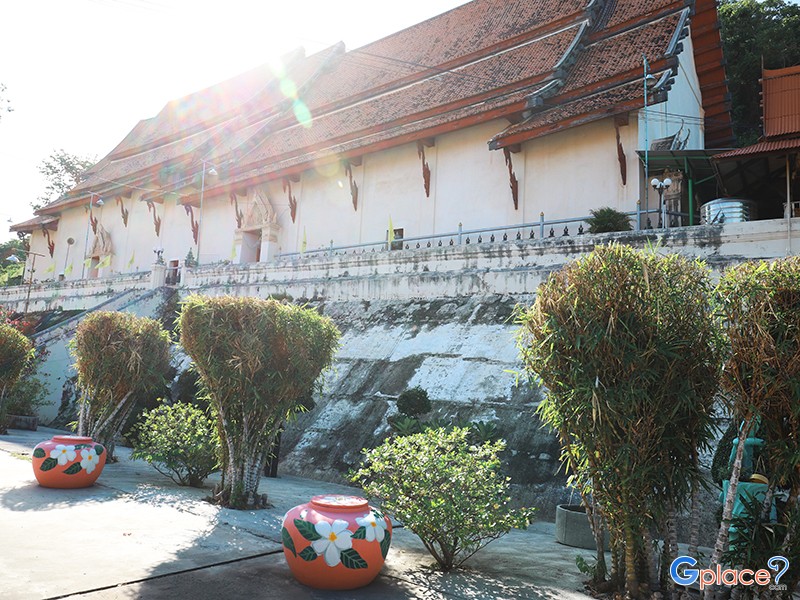

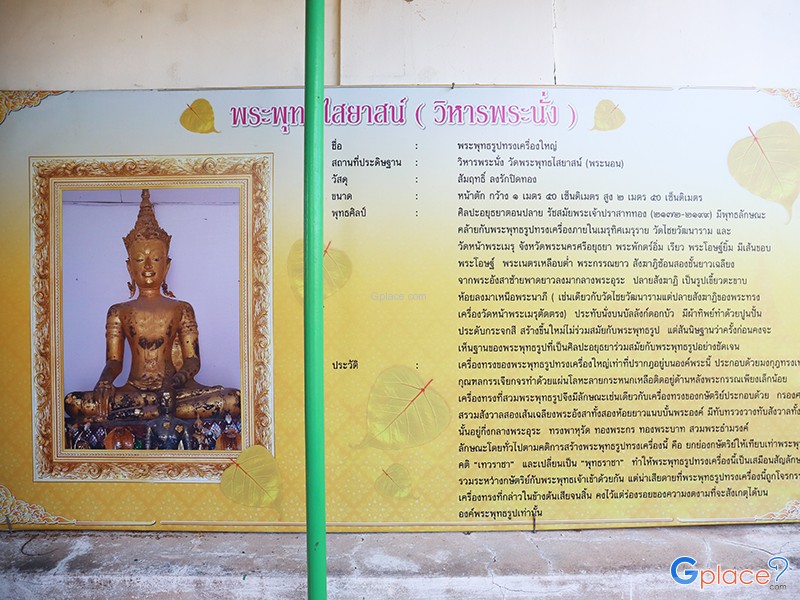
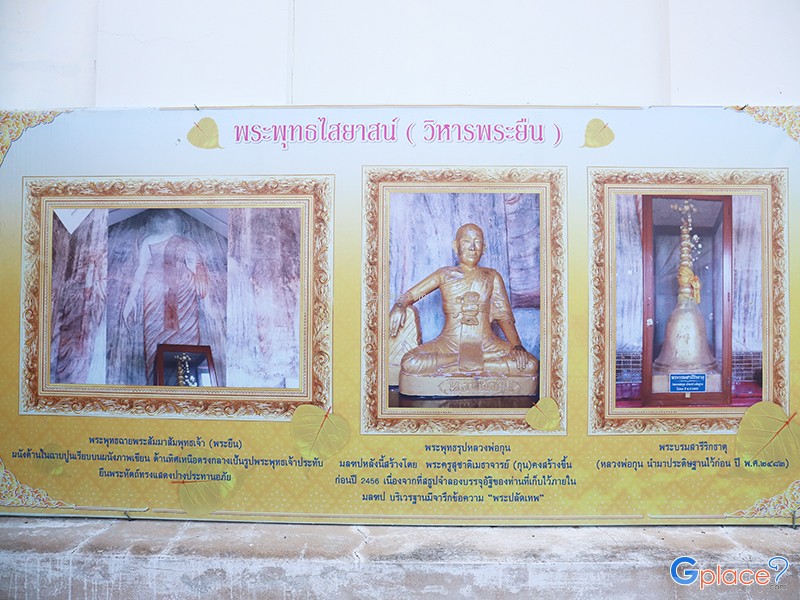
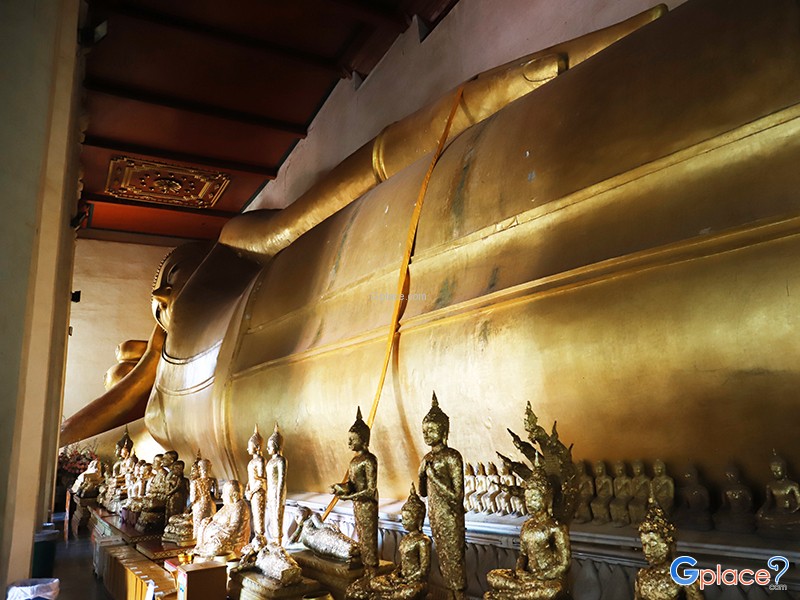
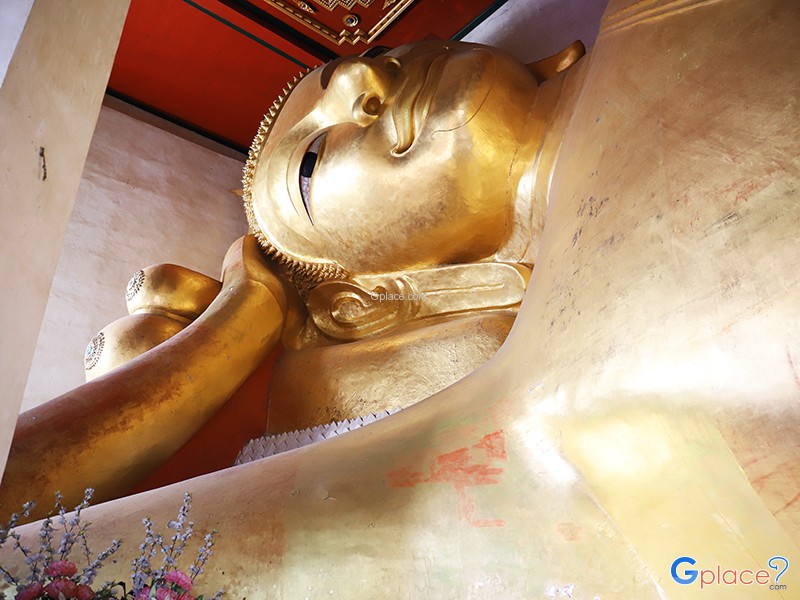
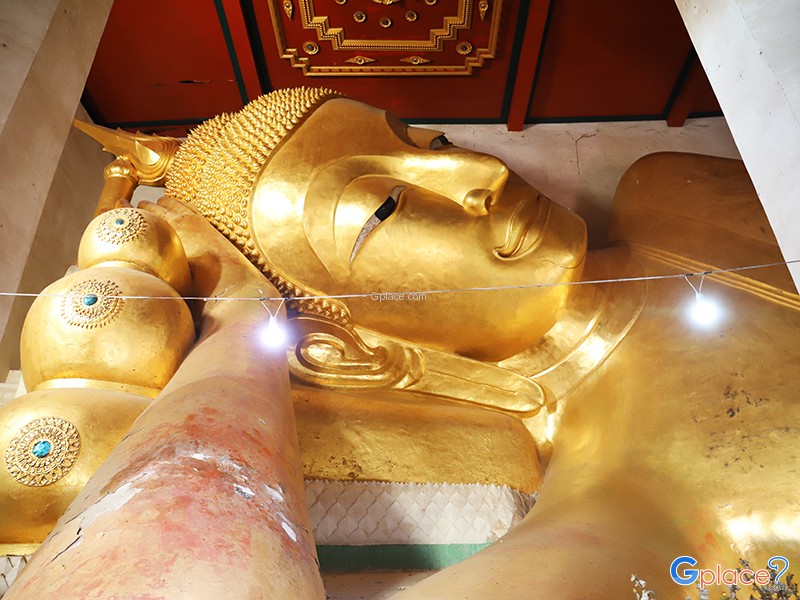
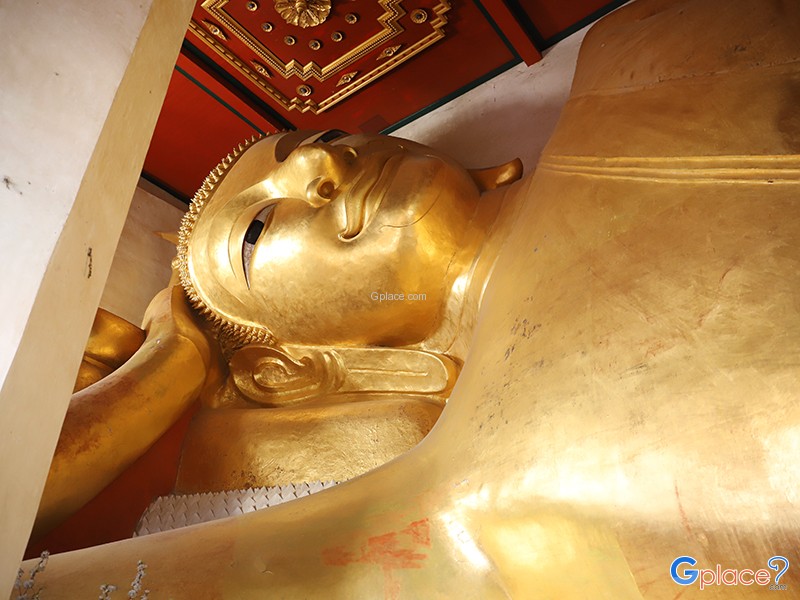
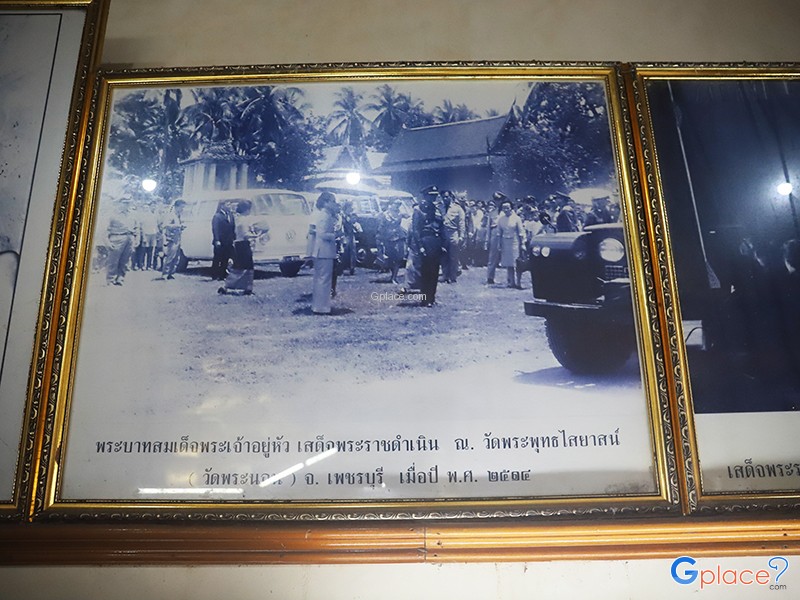
“Enshrining a colossal Reclining Buddha of immense beauty in the late Ayutthaya style, complemented by exquisite murals and traditional stucco craftsmanship.”
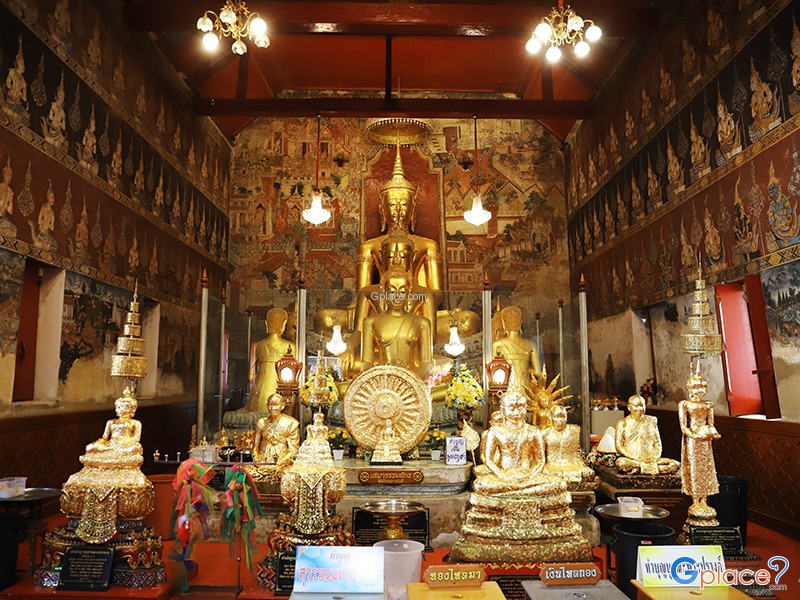
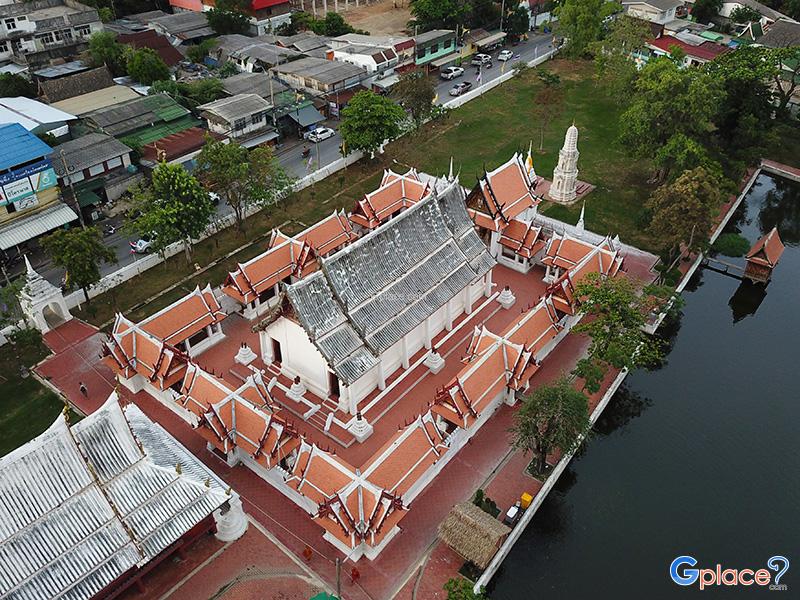
Phra Phuttha Saiyat Temple Saiyat, locally known as Wat Phra Non, is one of the most historically significant Buddhist temples in Phetchaburi Province. It is believed to have been established during the late Ayutthaya period (around the 22nd–23rd Buddhist centuries), when Phetchaburi served as an important western frontier city and a major cultural and religious center of the region. The temple was patronized by local nobles and officials, allowing it to develop into a well-established monastic complex that has endured through the centuries.
The temple’s most outstanding feature is the giant Reclining Buddha (Phra Phuttha Saiyat), measuring approximately 43 meters in length. Constructed of brick and mortar and entirely gilded in gold leaf, the statue represents one of the largest and most impressive reclining Buddha images in Thailand. The Buddha image reflects the refined artistic ideals of late Ayutthaya craftsmanship, with a serene facial expression, gently arched eyebrows, and softly smiling lips that convey compassion and spiritual calm. The reclining posture symbolizes the moment of the Buddha’s Parinirvana, representing ultimate enlightenment and liberation from the cycle of suffering.
A remarkable artistic highlight is found on the soles of the Buddha’s feet, which are adorned with intricate auspicious motifs reflecting Buddhist cosmology and traditional beliefs. The viharn (assembly hall) housing the Reclining Buddha is architecturally unique, as it features no conventional windows. Instead, carefully positioned wall openings allow natural light to enter, illuminating the statue in a subtle and dramatic manner. This design creates a sacred atmosphere of stillness and reverence, enhancing the spiritual experience of worshippers.
During the early Rattanakosin period, Phra Phuttha Saiyat Temple underwent several restorations as Phetchaburi continued to play an important role in religious and administrative affairs. Despite these renovations, the temple has retained its original Ayutthaya-style artistic identity, making it one of the few surviving sites where the essence of Ayutthaya Buddhist art remains clearly visible.
For generations, the temple has been deeply intertwined with the lives of local residents. During major Buddhist festivals and important ceremonial occasions, Phra Phuttha Saiyat Templet becomes a focal point for religious activities, particularly the ceremonial cloth-wrapping of the Reclining Buddha, a long-standing tradition believed to bring prosperity and blessings. These practices reflect the enduring bond between the temple, the city, and its people.
Today, Wat Phra Phuttha Saiyat stands not only as a sacred place of worship but also as a valuable historical, artistic, and architectural heritage site. It attracts visitors, scholars, photographers, and spiritual seekers who wish to admire the grandeur of the Reclining Buddha while gaining insight into Thailand’s Buddhist traditions and artistic legacy. A visit to this temple offers a profound journey into the spiritual history and cultural identity of Phetchaburi, preserved for more than two centuries.
How to Get There
Private Car:
- From Phetkasem Road, enter Phetchaburi city center. Cross the Chom Klao Bridge and proceed to Khiri Ratthaya Road; the temple is on the right near the base of Khao Wang.
Local Transport:
- You can easily hire a local songthaew (circular route truck) or a motorcycle taxi from the Phetchaburi Bus Terminal.
On Foot:
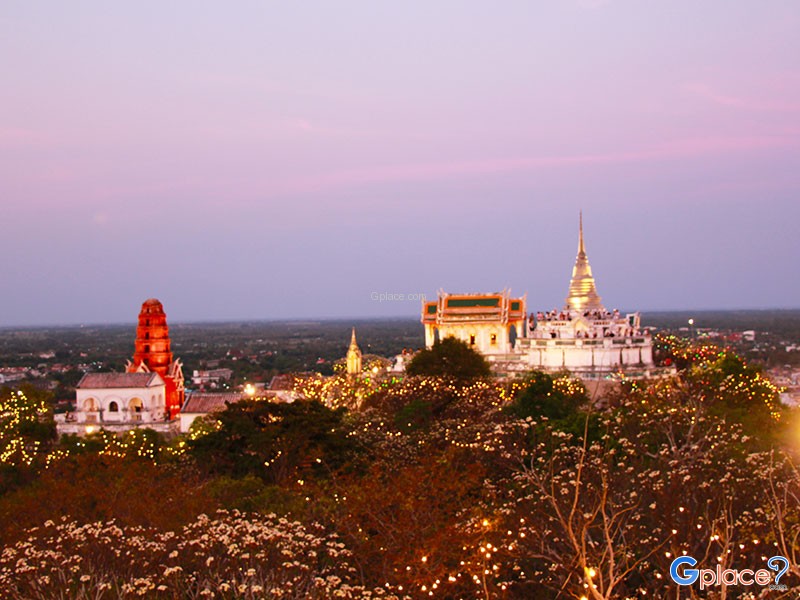
- If you are visiting Phra Nakhon Khiri Historical Park (Khao Wang), you can walk down the southern side of the hill to reach the temple entrance.
Travel Tips
Best Visiting Season:
- Recommended in the morning between 08:30 – 10:00 AM to see the natural light hitting the Buddha image, which creates the most beautiful visual effect.
Footwear and Dress Code:
- Please dress respectfully (no sleeveless tops or short skirts/shorts). Shoes must be removed before entering the Reclining Buddha sanctuary.
Photography:
- Photography is permitted, but please turn off your flash to preserve the ancient murals. Do not climb on the base of the Buddha image.
Food and Culture:
- After your visit, look for authentic "Khao Chae" (jasmine rice in iced water), a famous Phetchaburi delicacy often found in shops nearby.
Planning:
- This temple is located near Khao Wang and Mahathat Temple, making it easy to combine these landmarks into a single-day walking tour of the old city.
Admission Fee
-
Local visitors: Free
-
Foreign visitors: Free (Donations for temple maintenance are appreciated)
Opening Hours
-
Open daily from 08:00 – 17:00
Phra Phuttha Saiyat Temple

 Share
Share
 Phra Phuttha Saiyat Temple, Khiri Ratthaya Road, Khlong Krachaeng, Mueang Phetchaburi, Phetchaburi, Thailand
Map
Phra Phuttha Saiyat Temple, Khiri Ratthaya Road, Khlong Krachaeng, Mueang Phetchaburi, Phetchaburi, Thailand
Map
 Open now : 8.00 - 17.00
Mon8.00 - 17.00
Tue8.00 - 17.00
Wed8.00 - 17.00
Thu8.00 - 17.00
Fri8.00 - 17.00
Sat8.00 - 17.00
Sun8.00 - 17.00



 5201
5201