 Attractions
  Hotel
Hotel  Restaurant
  Shopping
  Abroad





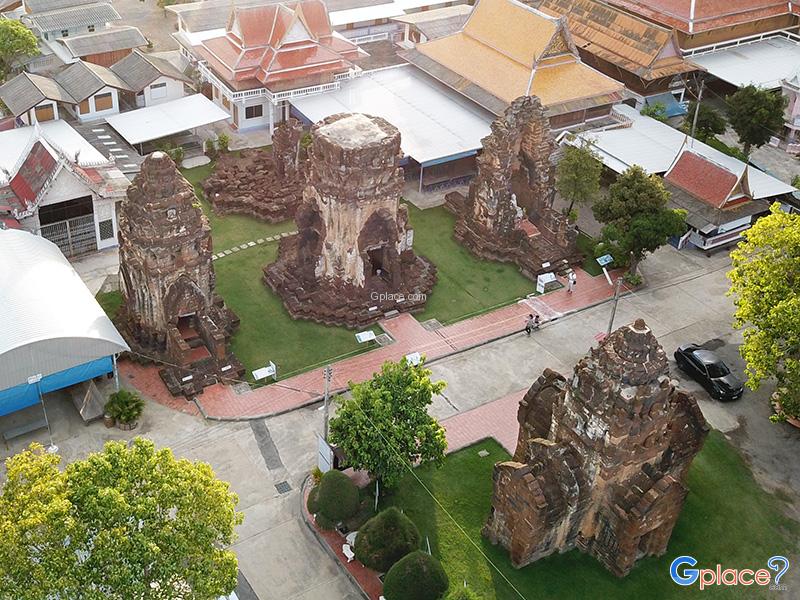



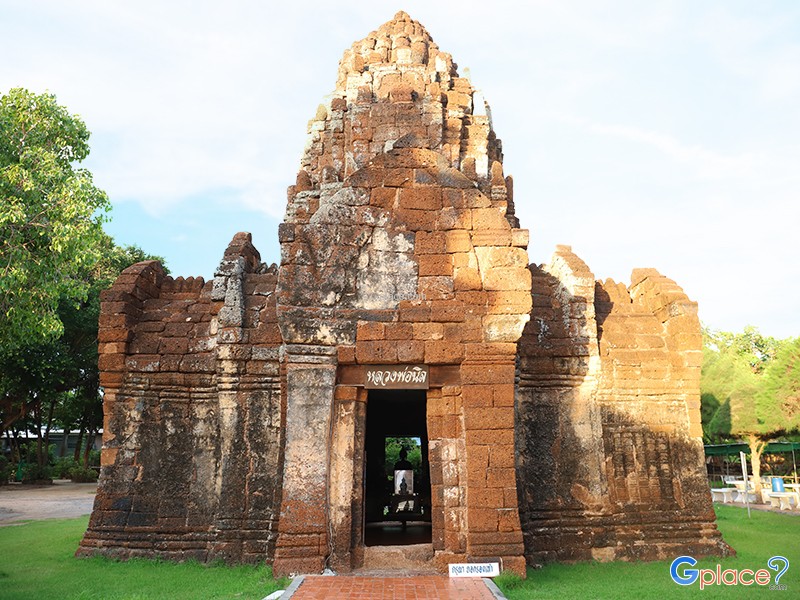
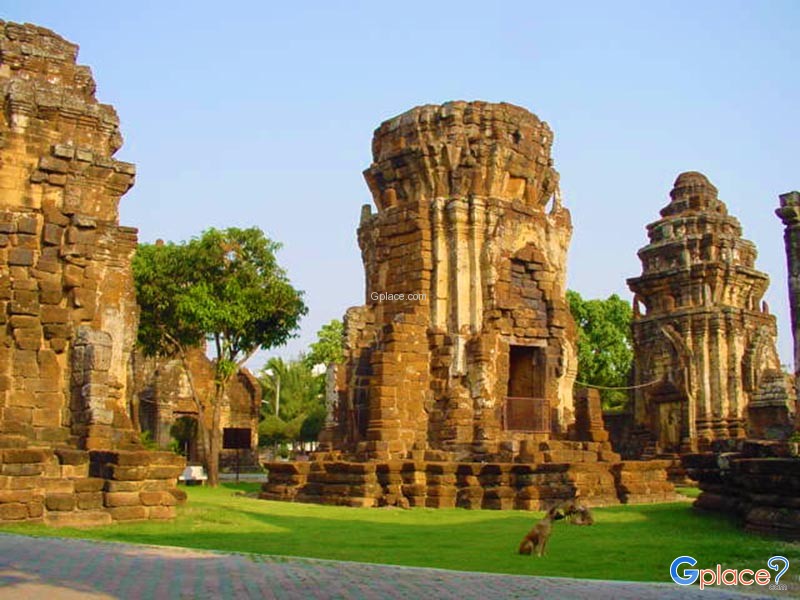
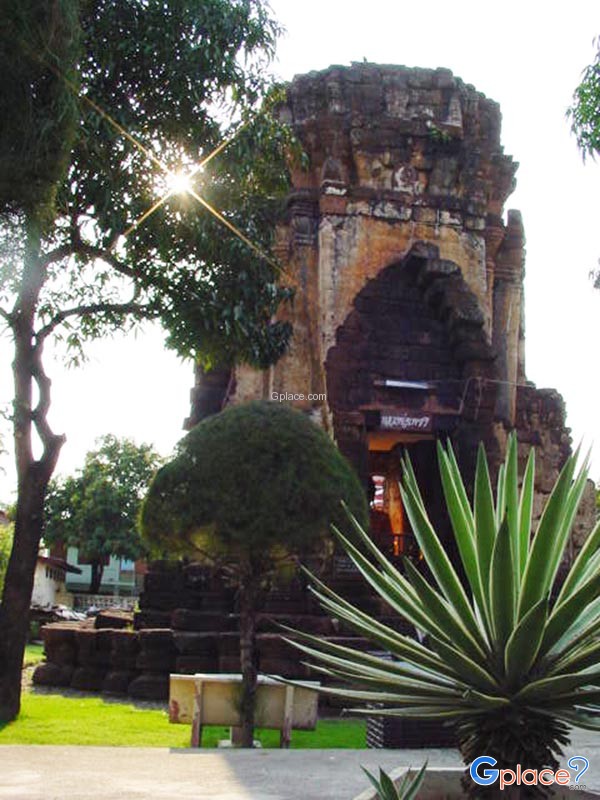
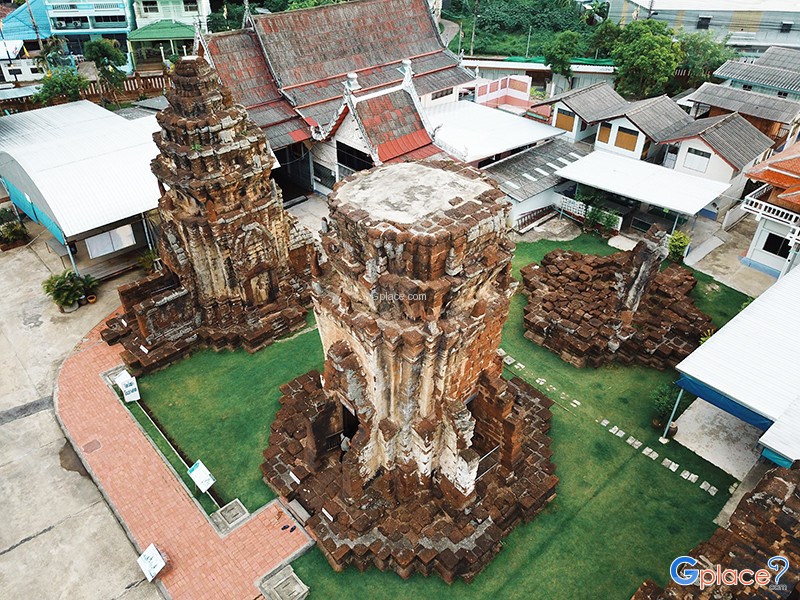
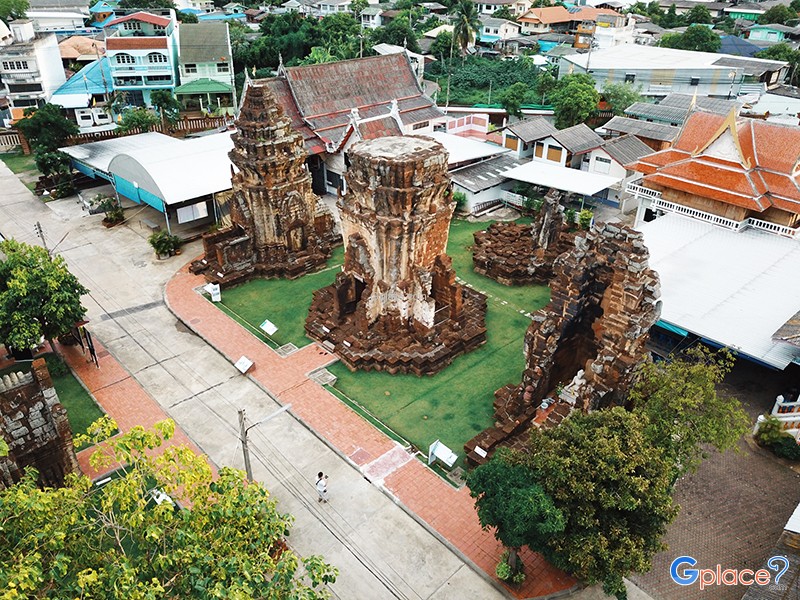
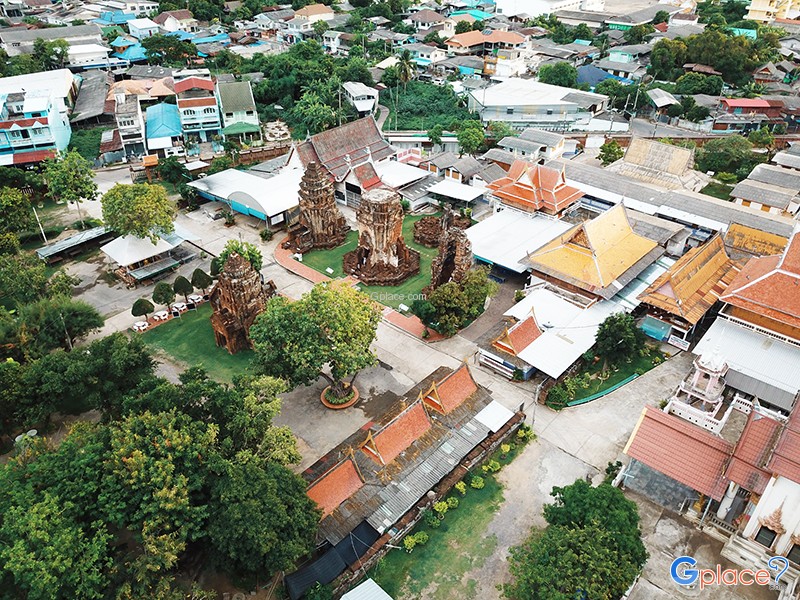
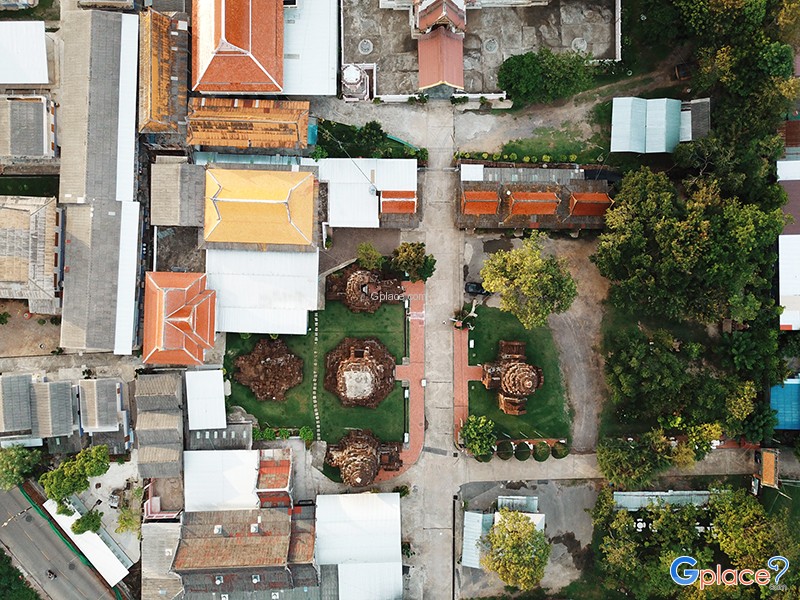
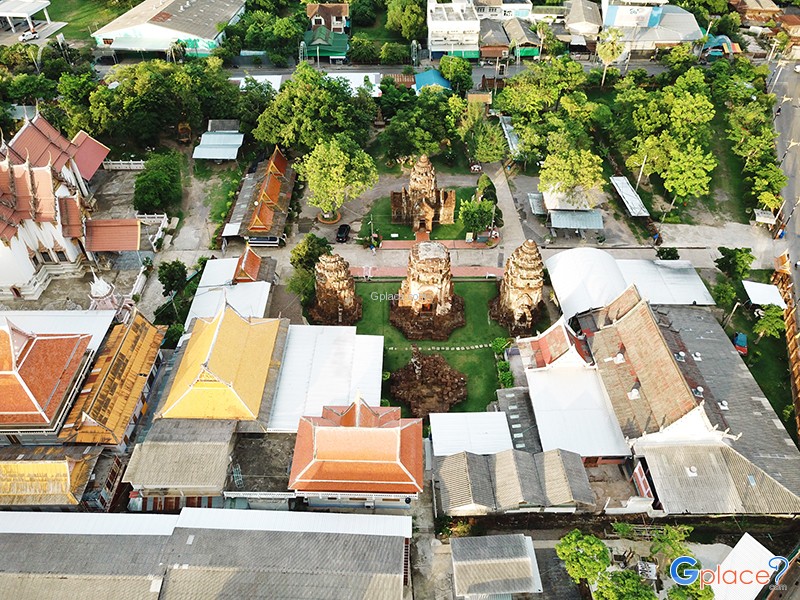
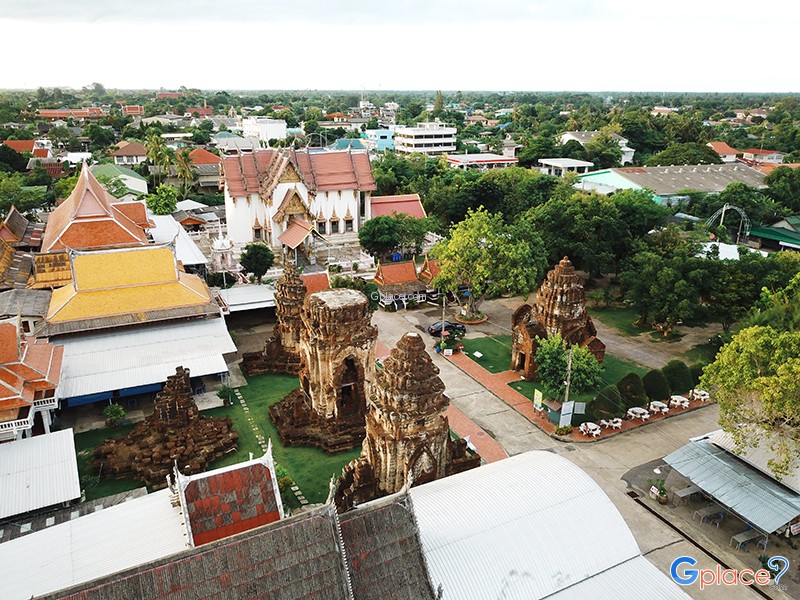

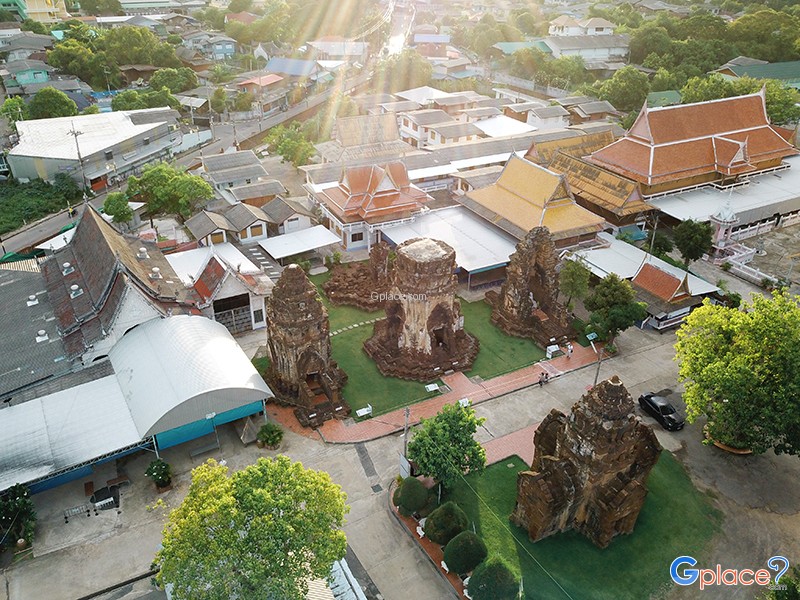
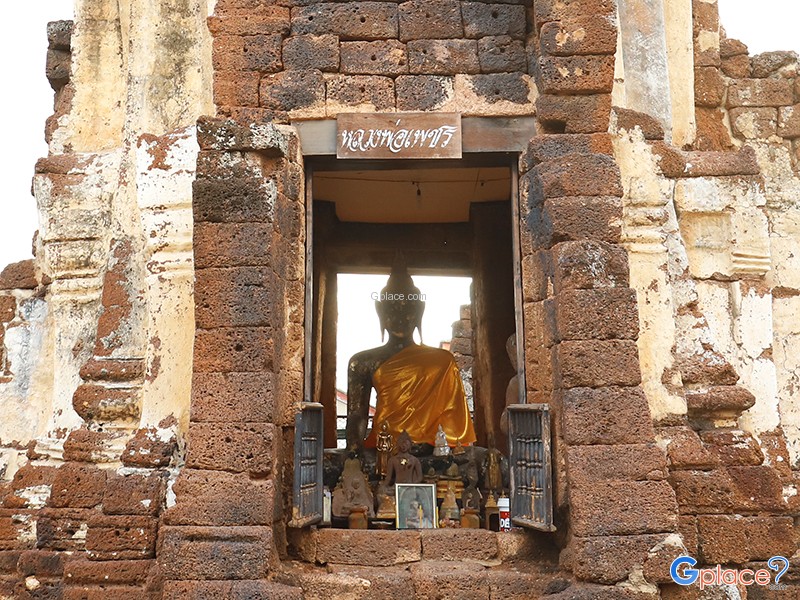
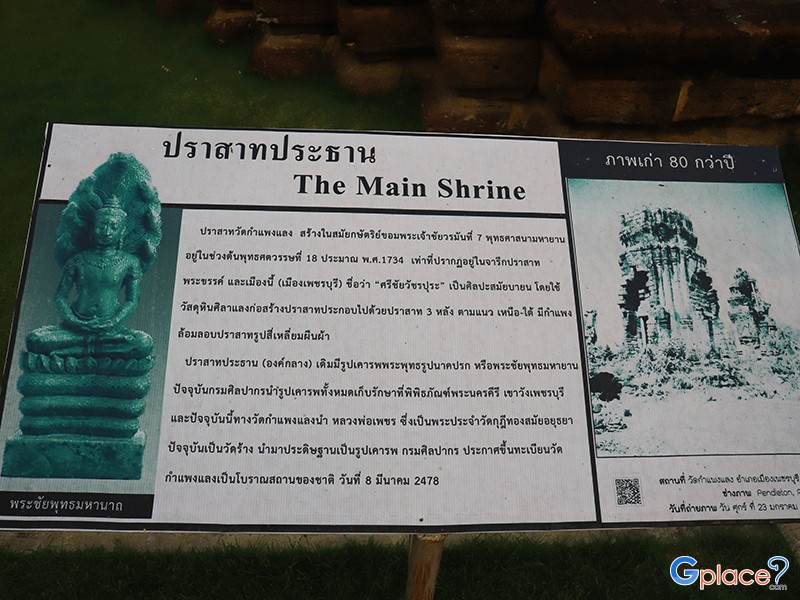
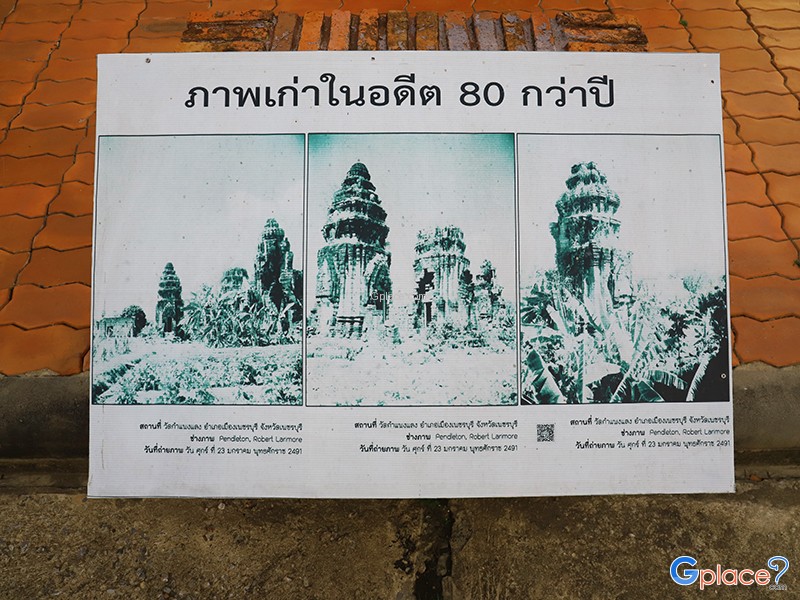
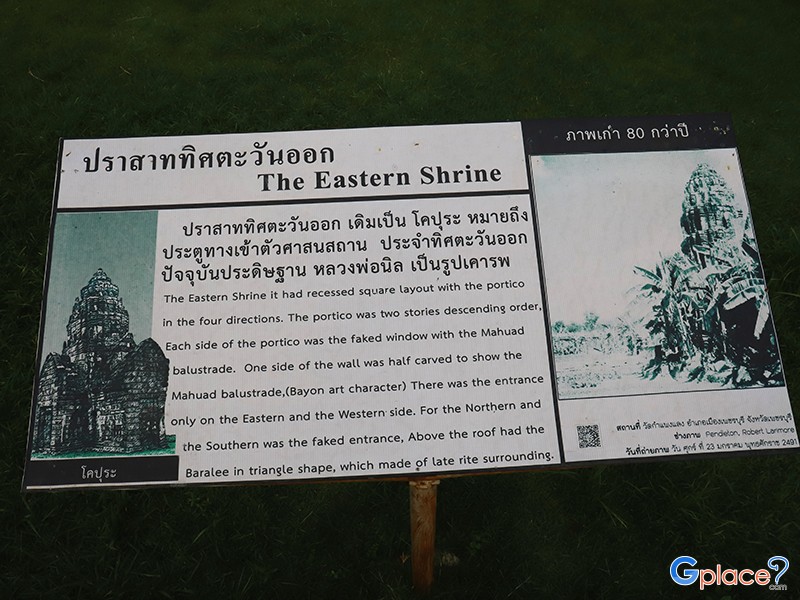
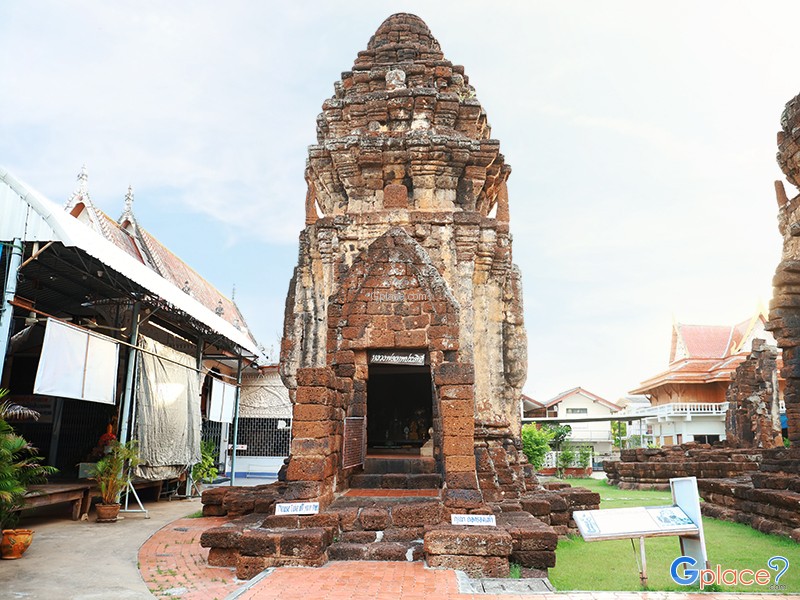
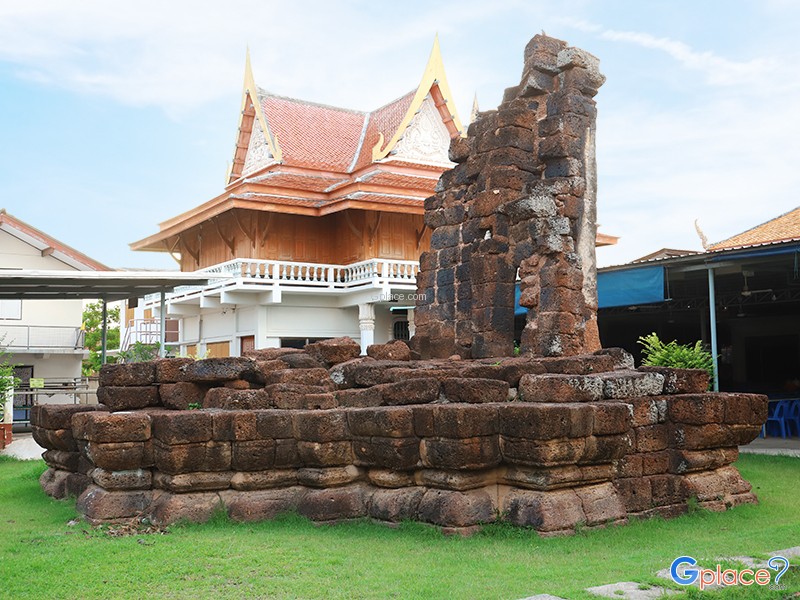
“The only historical site in Phetchaburi featuring Bayon-style Khmer architecture, highlighted by five laterite prangs enclosed within a formidable ancient stone wall.”
Kamphaeng Laeng Temple stands as a paramount example of Bayon-style Khmer art, which flourished during the reign of King Jayavarman VII (circa 13th–14th century BE). This artistic style is characterized by its sturdiness, solemnity, and a reduction of the superfluous ornamentation found in earlier Khmer periods, such as the Baphuon or Angkor Wat styles. Instead, it emphasizes the architectural mass and the inherent sanctity of the space.
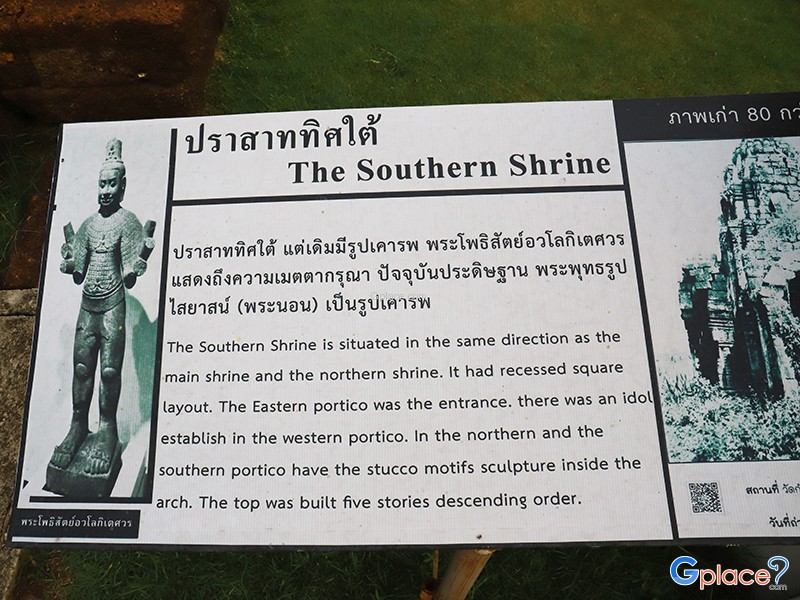
The complex consists of five laterite prangs (towers) situated on a shared base, arranged in a rectangular layout. It is enclosed by substantial laterite walls and ceremonial gateways known as Gopuras, following the standard blueprint of Khmer sanctuaries. The central prang originally served as the primary shrine for significant deities, such as Shiva or Bodhisattvas, before being repurposed for Buddhist practices in later centuries.
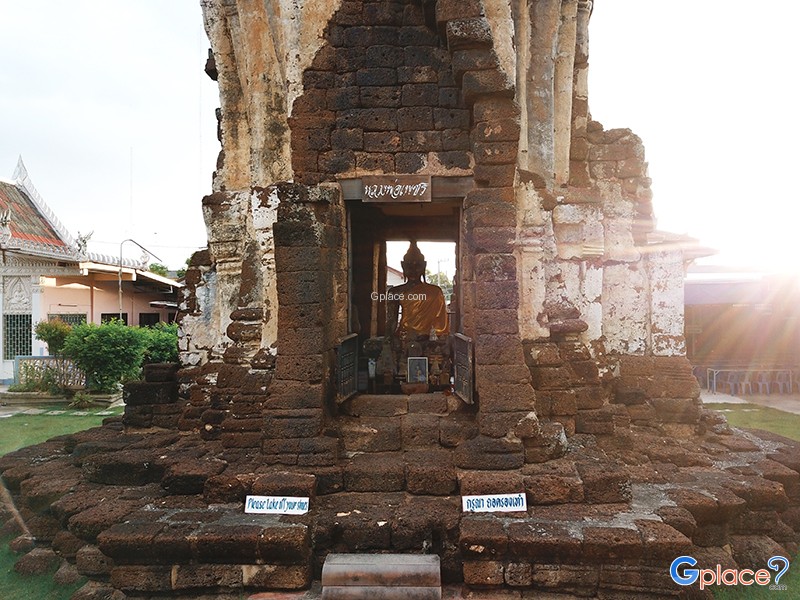
The choice of laterite as the primary material reflects the advanced engineering prowess of ancient Khmer craftsmen. Laterite was locally abundant in the Phetchaburi area; it is a material that is easy to quarry when moist but becomes exceptionally durable once dry. The towers were constructed using a dry-stone masonry technique—stacking precisely cut blocks without the use of mortar—relying instead on gravity and interlocking joints, allowing the structures to withstand the test of time for centuries.
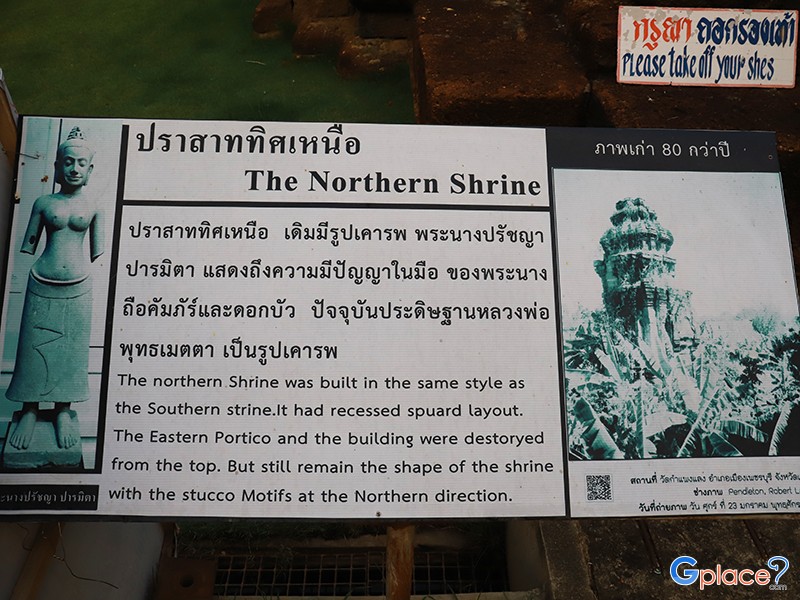
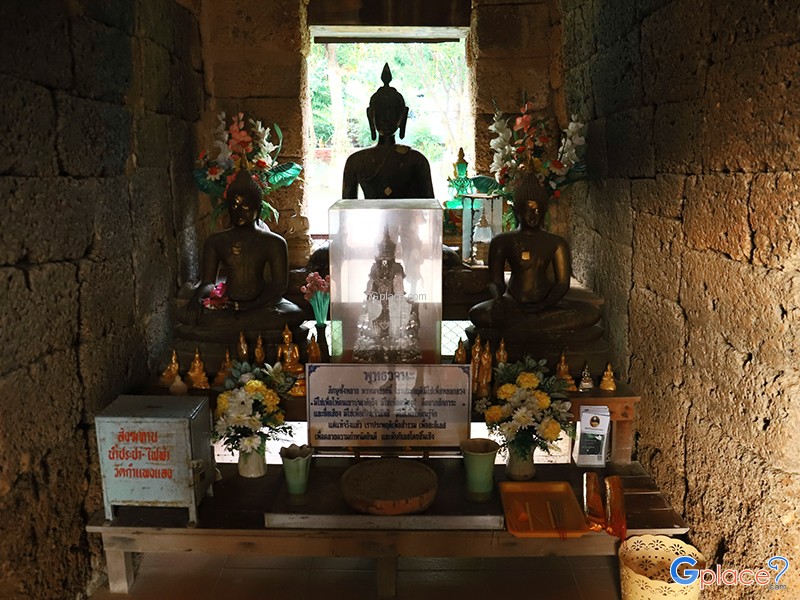
Remnants of stucco work found on the archways, lintels, and door frames indicate that these castles were once exquisitely decorated. These carvings likely depicted deities, floral motifs, or cosmic symbols according to Brahmin-Mahayana beliefs. Today, only fragments remain for scholars and visitors to study, offering a glimpse into its former splendor.
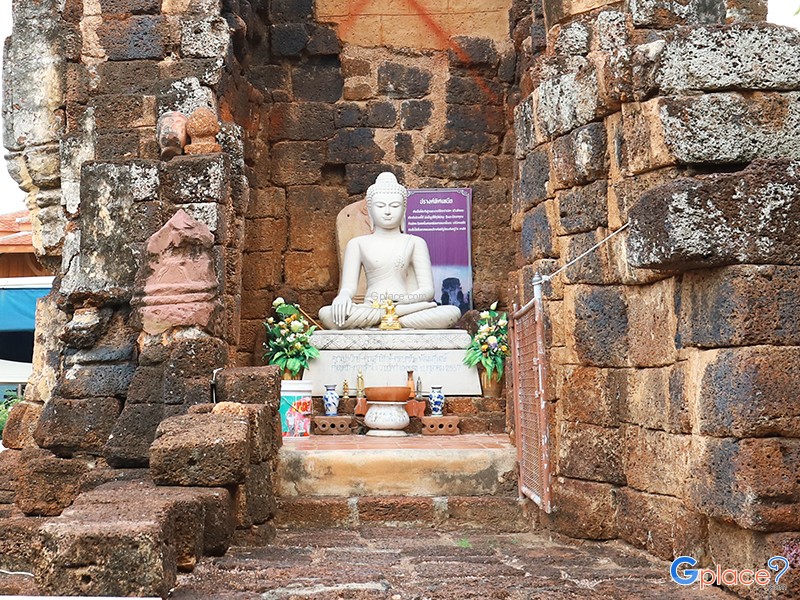
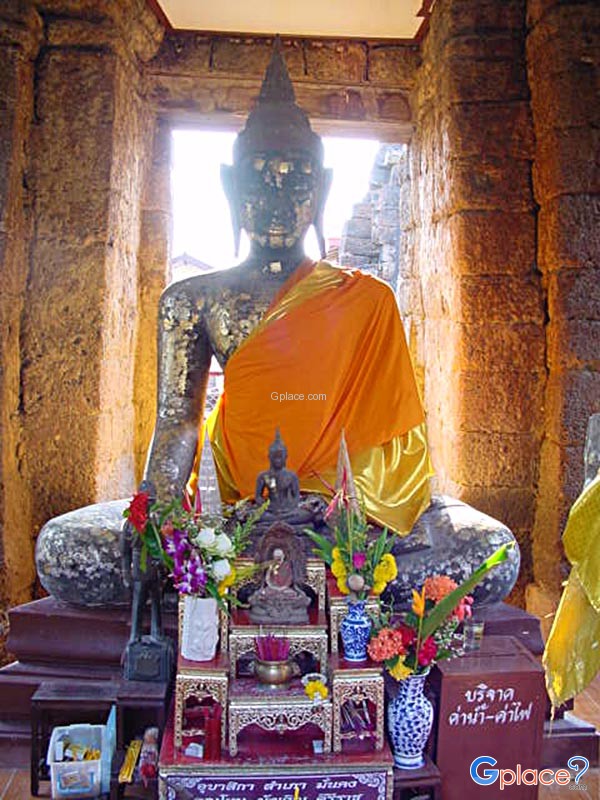
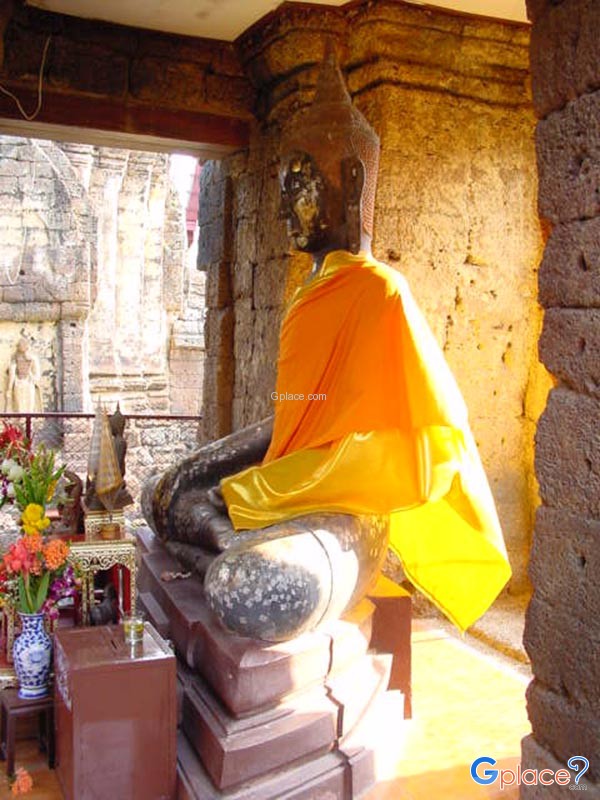
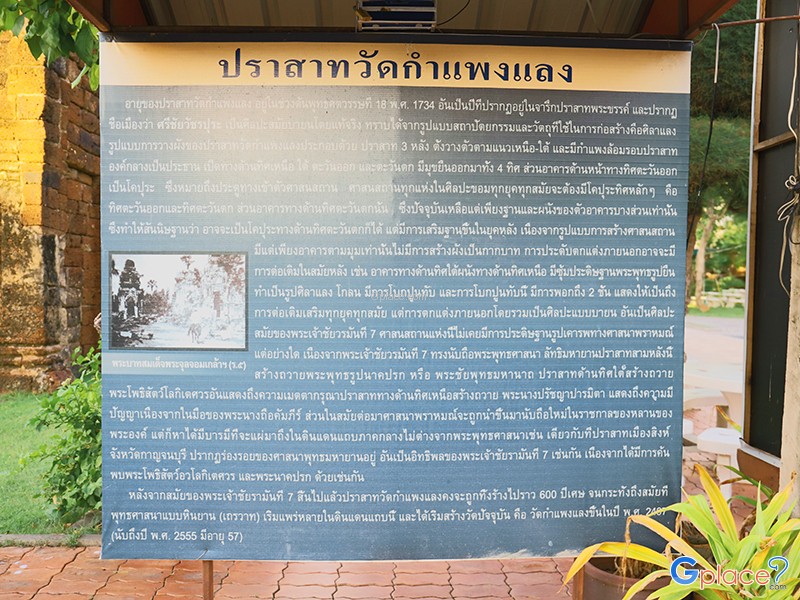
Wat Kamphaeng Laeng serves as vital evidence of the religious transition in the Phetchaburi region. It evolved from a Brahmin-Hindu shrine into a Mahayana Buddhist site during the era of King Jayavarman VII, who was a devout follower of the Avalokiteshvara Bodhisattva. As Khmer influence eventually waned, this sacred space was adapted into a Theravada Buddhist temple, a status it maintains to this day.
This transformation is reflected in the interior modification of the prangs, the addition of Buddhist elements, and the temple’s role as a community center. It demonstrates that religions did not simply replace one another abruptly but rather blended and adapted according to the shifting cultural contexts of each era.
In the present day, Kamphaeng Laeng Temple is invaluable as a center for archaeological, artistic, and historical learning. Students and scholars can utilize this site to study Khmer sanctuary layouts, the Indian-influenced "Cosmic Plan," and the early evolution of Thai art.
Kamphaeng Laeng Temple is, therefore, much more than a historical landmark; it is a "living textbook" that narrates the story of civilizations, beliefs, and arts accumulated over many centuries—told through the very laterite stones that continue to stand defiant against time.
How to Get There
Private Car:
- From Highway 4, enter Phetchaburi city and head toward Pho Karong Road. The temple is located next to the main road, with its distinctive brown laterite walls easily visible.
Motorcycle Taxi:
- Readily available from Phetchaburi Railway Station or the van terminals for a quick trip to the temple.
Walking or Cycling:
- Located in the old town area with connected streets, visitors can easily rent a bicycle to tour around the city's historical sites, including Kamphaeng Laeng Temple
Travel Tips
Best Visiting Season:
- From November to February when the weather is not too hot. It is highly recommended to visit between 16:00 – 17:30 to catch the "golden hour" light hitting the laterite stones.
Footwear and Dress Code:
- Since it is an active temple, please dress politely and wear shoes that are easy to remove and put on
Photography:
- Photography of the ruins is encouraged, but please do not climb on the laterite structures to help preserve the ancient site.
Food and Culture:
- The area around the temple features several local restaurants and noodle shops offering authentic Phetchaburi flavors at friendly prices.
Planning:
- This site is near Mahathat Temple and the City Pillar Shrine, making it easy to include in a "One Day in Old Town Phetchaburi" itinerary.
Admission Fee
-
Local visitors: Free
-
Foreign visitors: Free
Opening Hours:
-
Open daily from 08:00 – 17:00
Kamphaeng Laeng Temple

 Share
Share
 Kamphaeng Laeng Temple, Pho Karong Road, Tha Rap, Mueang Phetchaburi, Phetchaburi, Thailand
Map
Kamphaeng Laeng Temple, Pho Karong Road, Tha Rap, Mueang Phetchaburi, Phetchaburi, Thailand
Map
 Open now : 8.00 - 17.00
Mon8.00 - 17.00
Tue8.00 - 17.00
Wed8.00 - 17.00
Thu8.00 - 17.00
Fri8.00 - 17.00
Sat8.00 - 17.00
Sun8.00 - 17.00



 5718
5718