 Attractions
  Hotel
Hotel  Restaurant
  Shopping
  Abroad






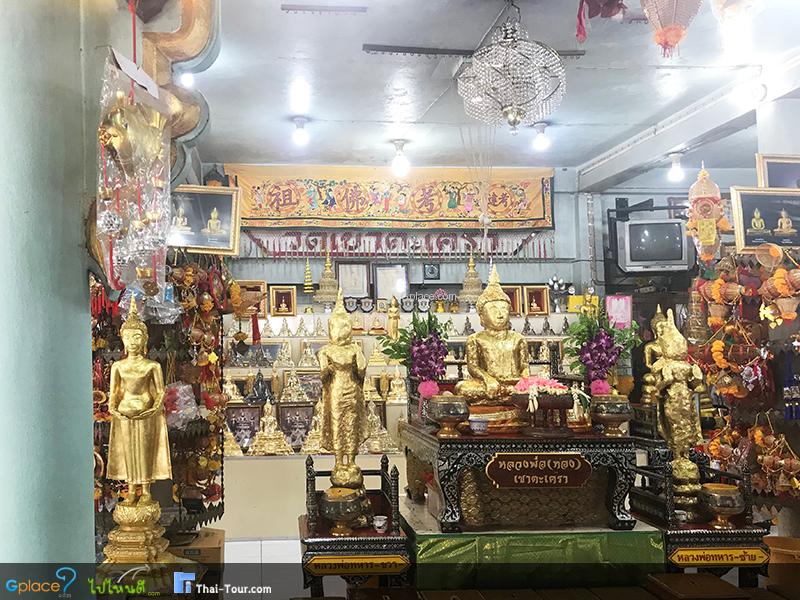
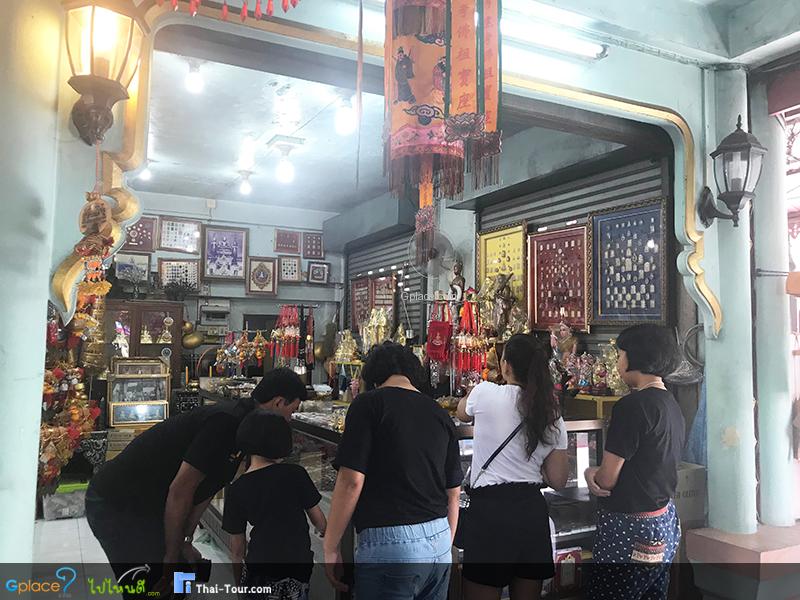
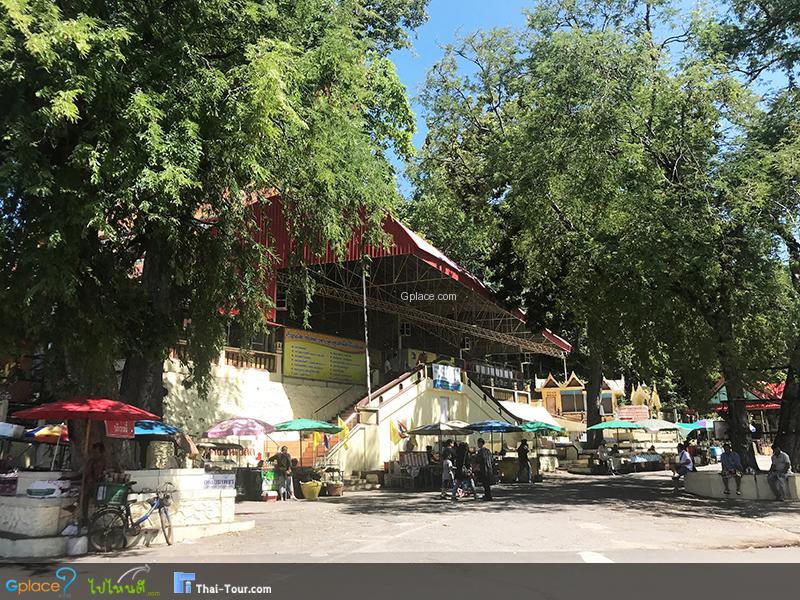
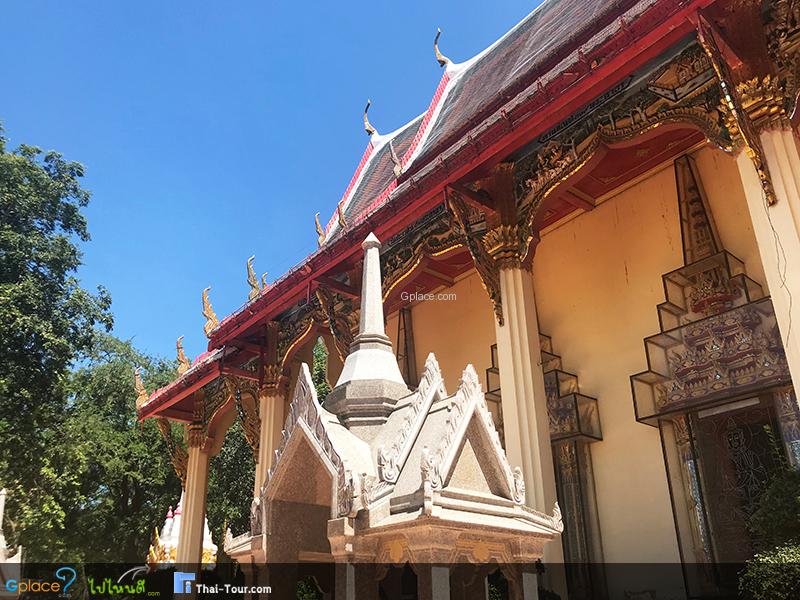
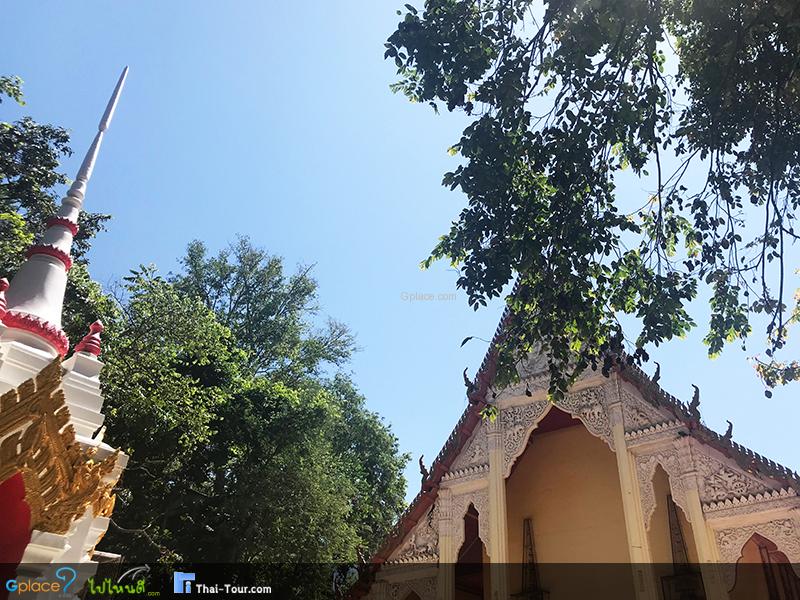
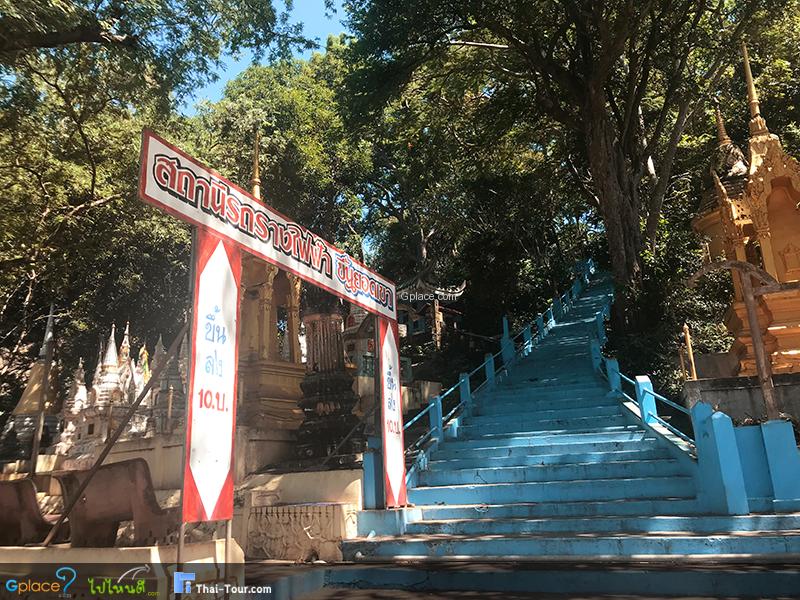
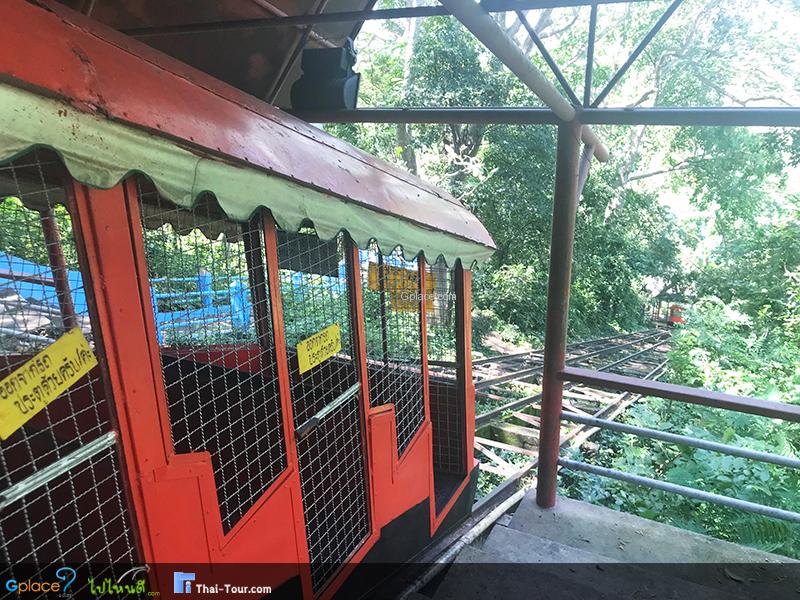
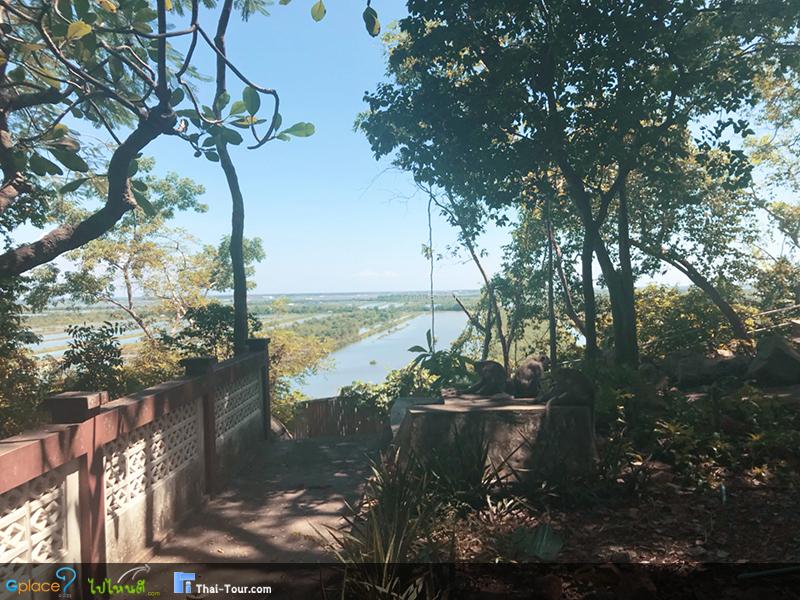
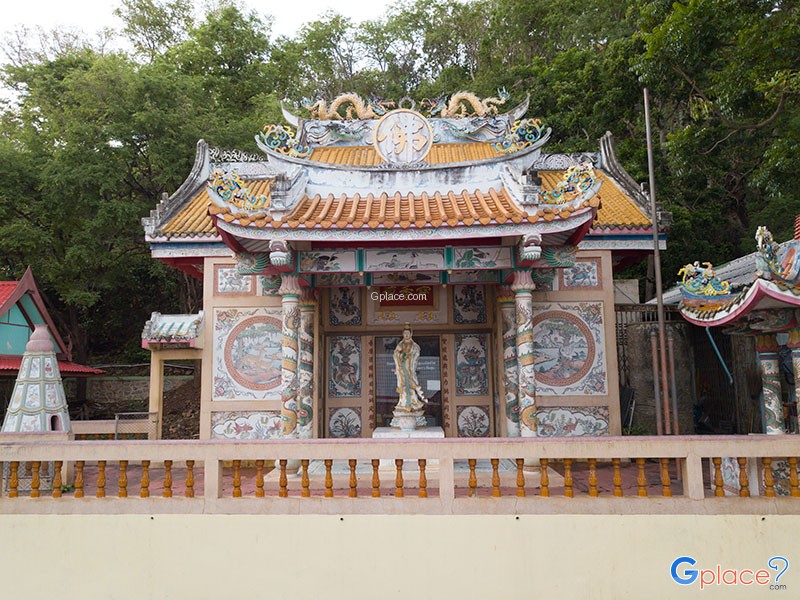
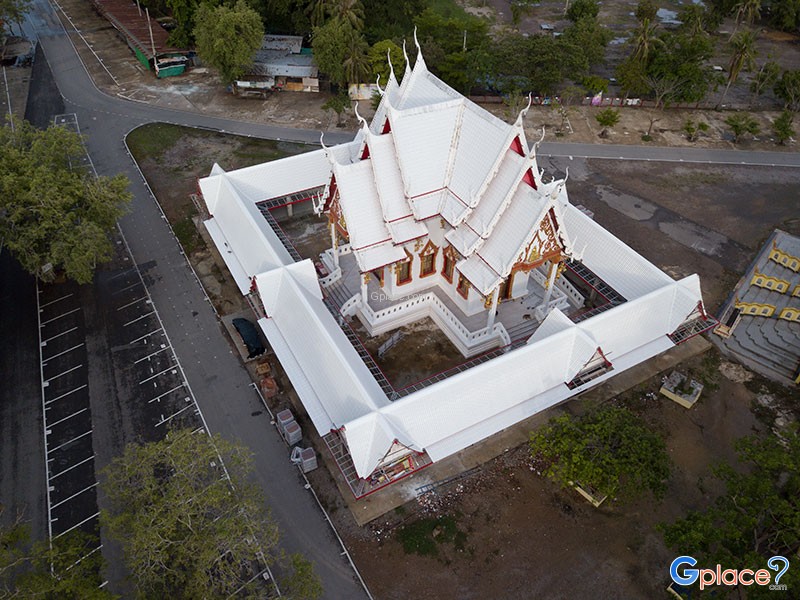

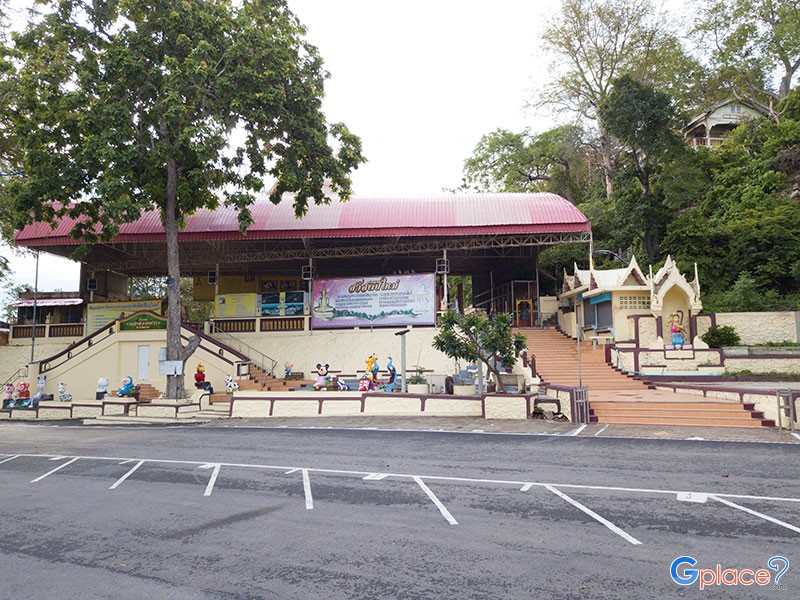
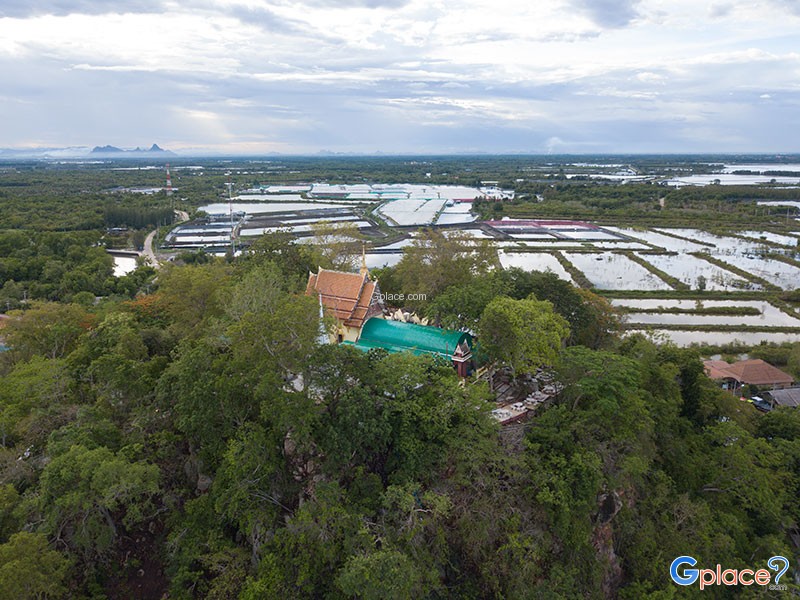
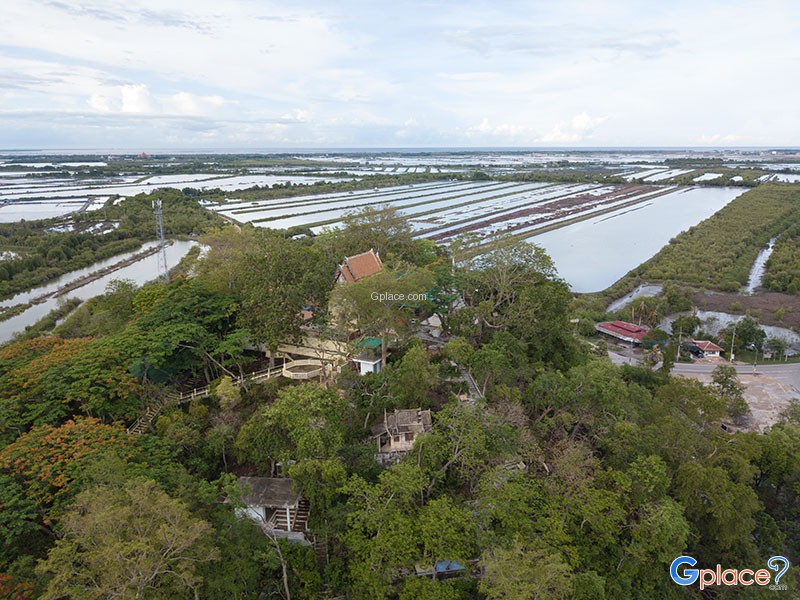
“Experience the profound faith surrounding the miraculous golden floating Buddha, Luang Pho Thong, amidst a tranquil riverside setting and exquisite religious architecture.”
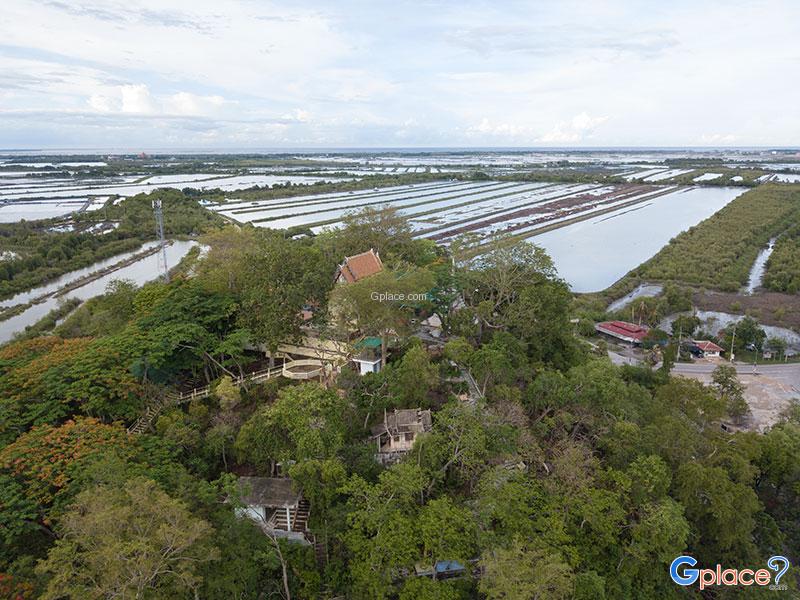
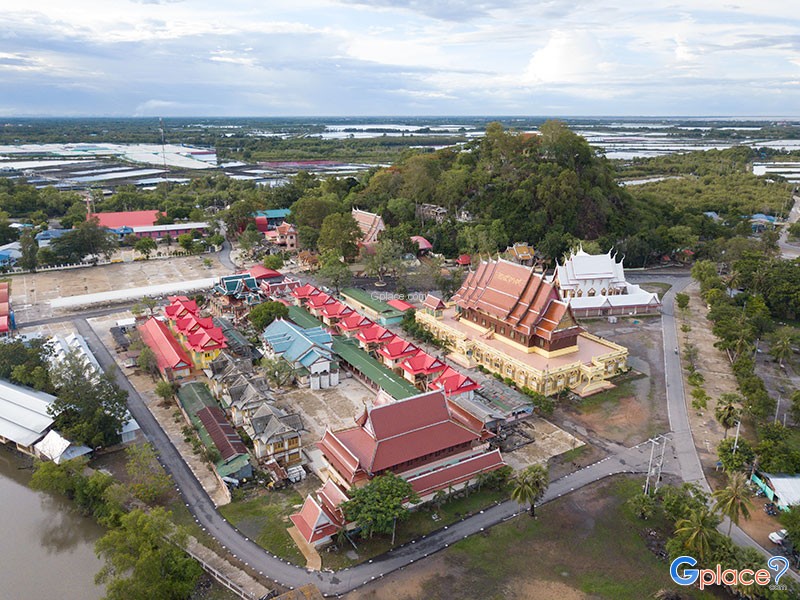
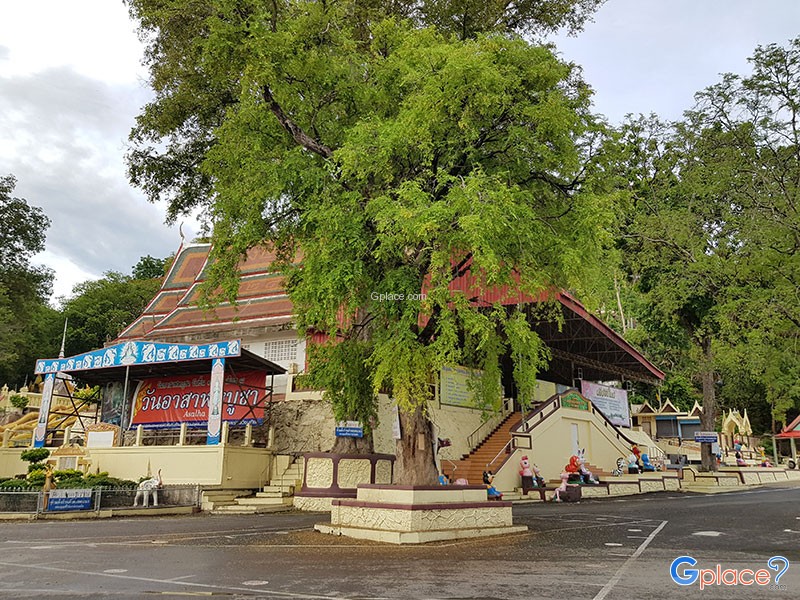
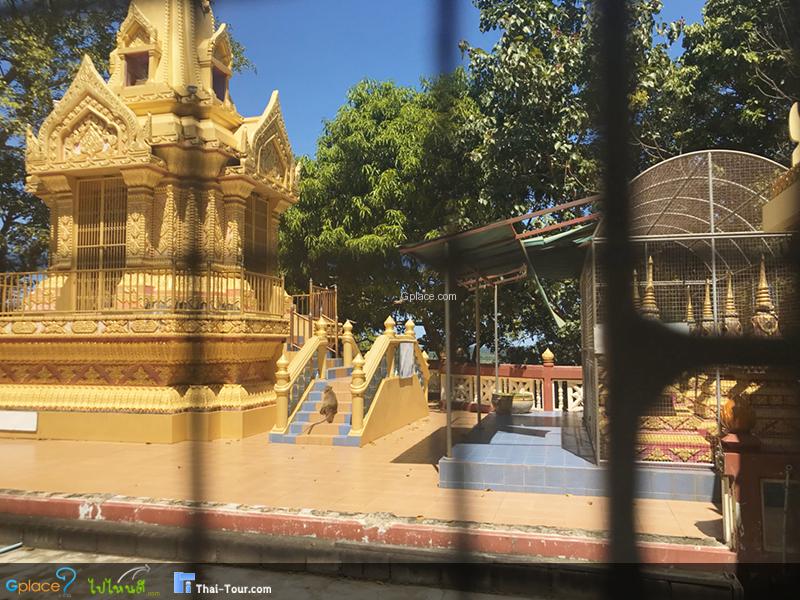
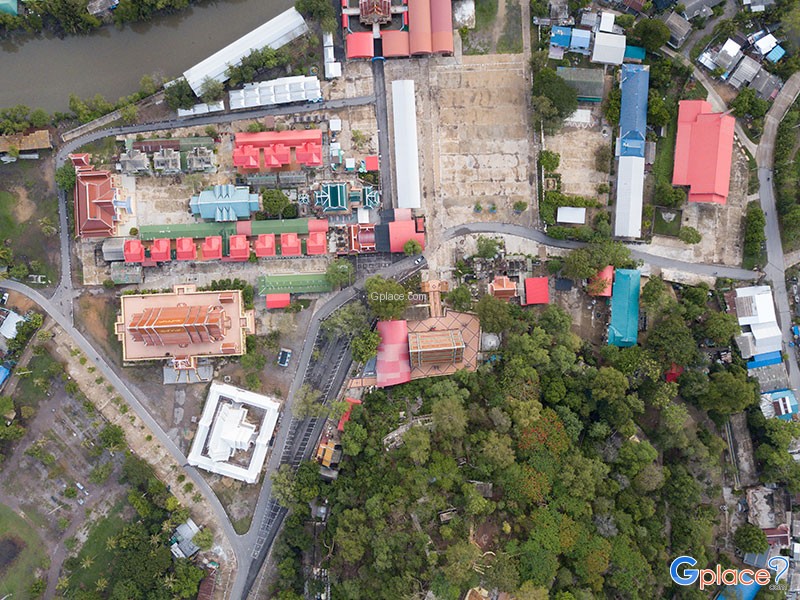
Khao Takrao Temple is an important temple and a spiritual landmark of Ban Laem community in Phetchaburi Province. It is believed to have been established during the middle Ayutthaya period, around the 22nd Buddhist century (approximately 1557–1656 AD), when riverside settlements along the Phetchaburi River flourished. Since then, the temple has served as a spiritual center for local people for centuries.
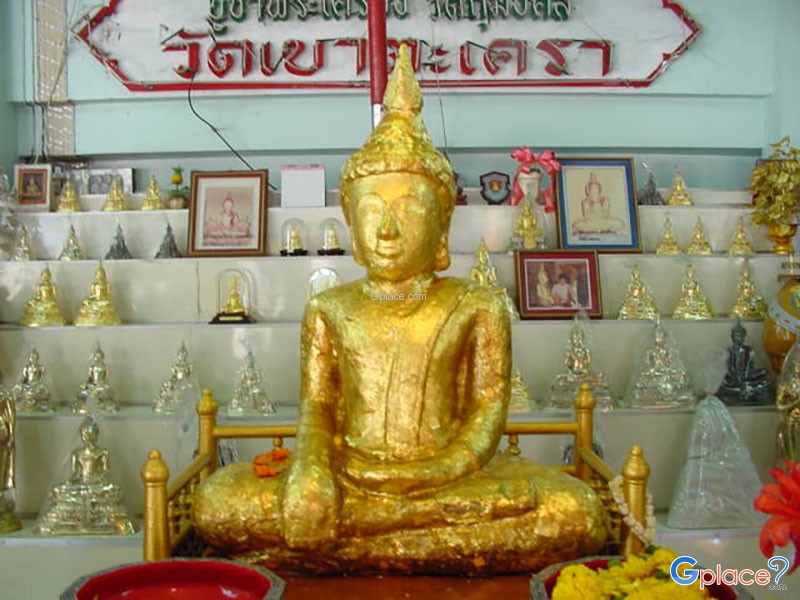
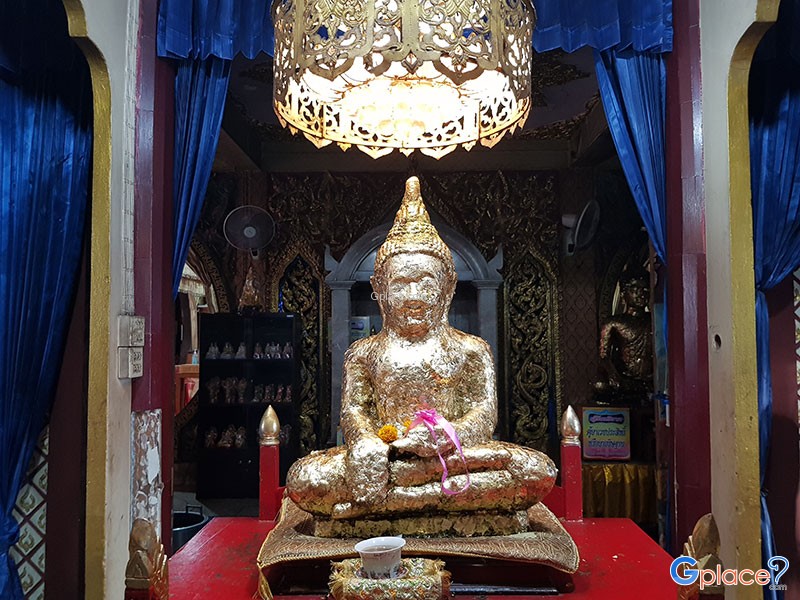
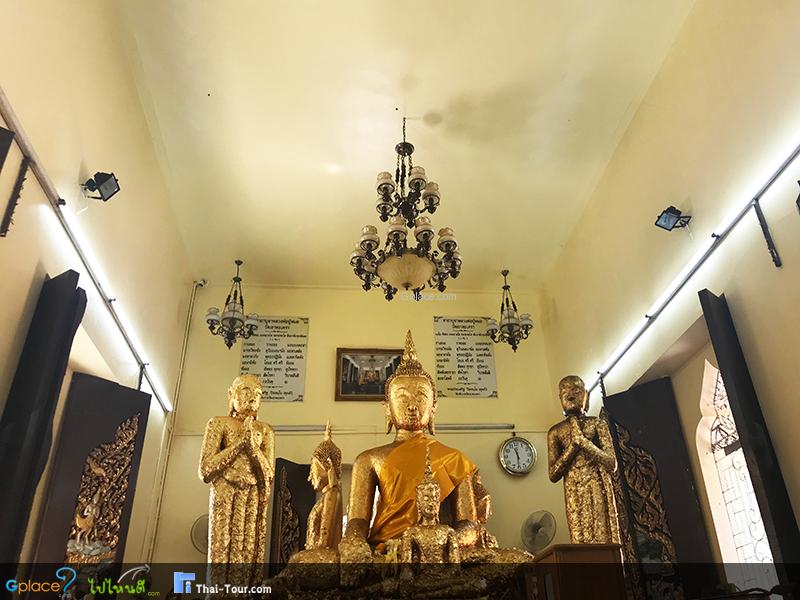
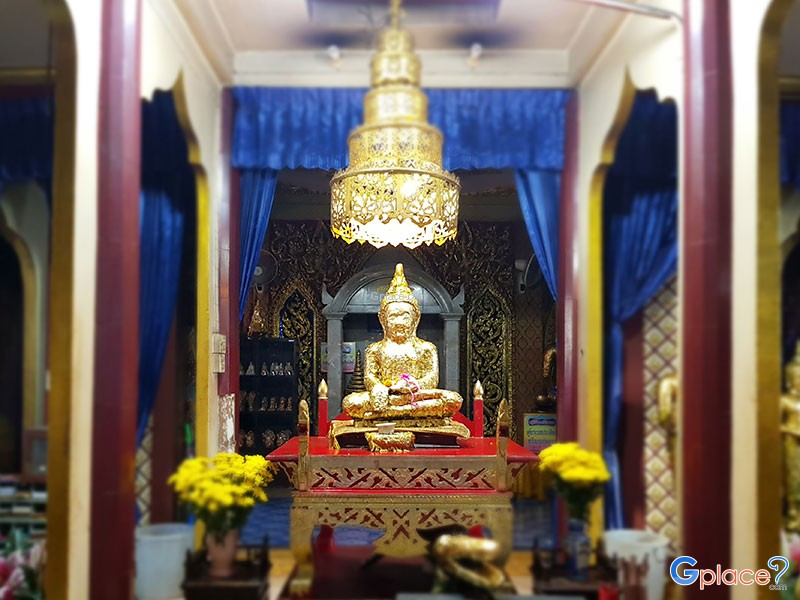
Enshrined within the temple is Luang Pho Thong, the sacred principal Buddha image of Wat Khao Takhrao. The image is depicted in the Mara-Vijaya posture, seated in the cross-legged position with the right hand touching the ground, symbolizing the Buddha’s victory over Mara. Cast in bronze according to traditional Ayutthaya craftsmanship, Luang Pho Thong is believed to have been created around the same period as the temple’s founding. The image represents middle Ayutthaya Buddhist art, characterized by an oval face, arched eyebrows, downcast eyes, a well-proportioned nose, and a gentle smile, reflecting serenity, compassion, and spiritual grace.
According to local legend, Luang Pho Thong is one of the Five Floating Buddha Images, which were said to have drifted along major rivers in central Thailand during the late Ayutthaya period, around 1607–1657 AD. These sacred images were later enshrined at different temples, namely
- Luang Pho Sothon at Wat Sothon Wararam Worawihan
- Luang Pho To at Bang Phli Yai Nai Temple
- Luang Pho Rai Khing Temple
- Luang Pho at Ban Laem Temple
- Luang Pho Thong at Khao Takhrao Temple
Each of these images eventually became a revered guardian Buddha and a spiritual symbol of their respective communities.
A distinctive feature of Luang Pho Thong is the thick layers of gold leaf covering the entire image, accumulated over generations from devotees who come to pay respect, make wishes, and fulfill vows. The Buddha image is widely believed to be especially powerful in granting blessings related to safety, travel, trade, and health. As a result of continuous gilding, the image appears significantly larger than its original form, giving Luang Pho Thong a unique and unmistakable appearance.
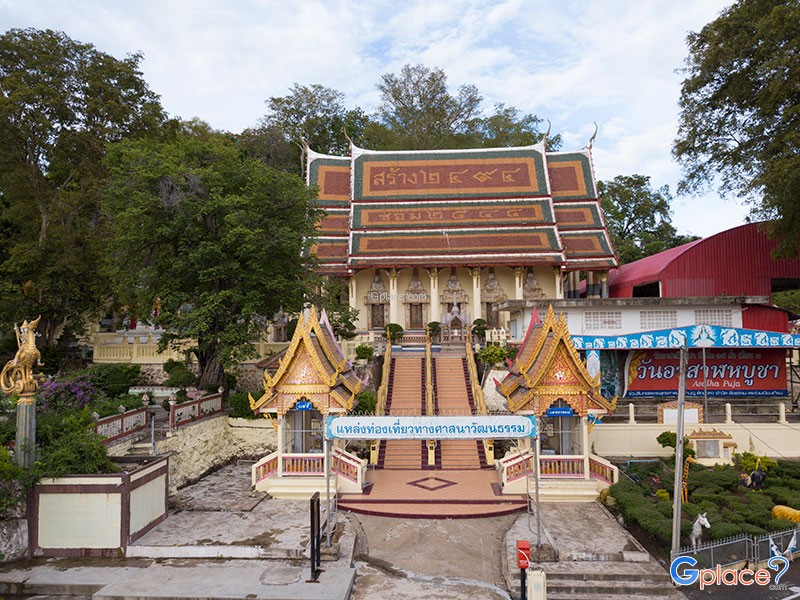
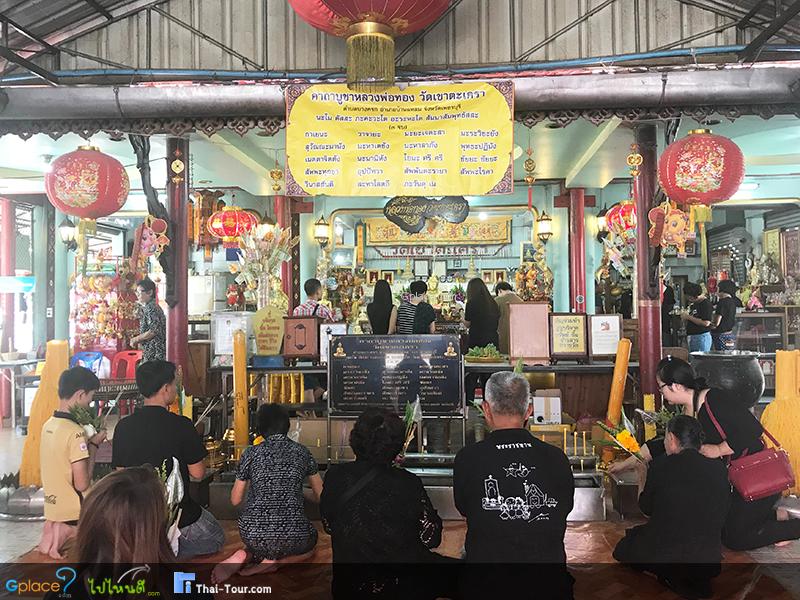
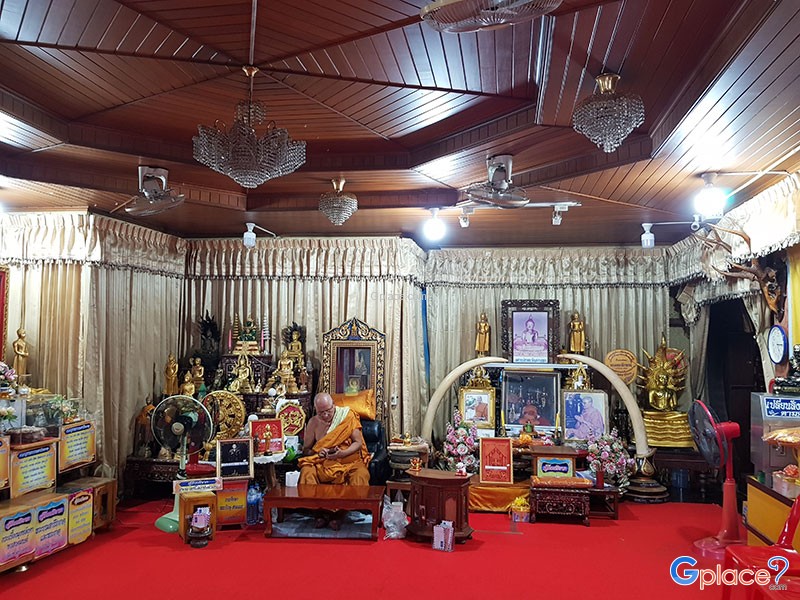
Today, Luang Pho Thong is enshrined inside the Luang Pho Thong Viharn, which was constructed to accommodate the large number of worshippers. Wat Khao Takhrao therefore stands not only as a place of religious practice, but also as a living symbol of faith, belief, and Buddhist heritage that has been preserved for more than 400 years, closely intertwined with the riverside way of life along the Phetchaburi River.
How to Get There
Private Car:
- From Bangkok, take Rama 2 Road towards Phetchaburi. Turn left onto Highway 3176 towards Ban Laem; clear signage for Khao Takrao Temple is available along the route.
Public Transport:
- Take a van from Bangkok to Phetchaburi town, then transfer to a local "Songthaew" (Phetchaburi-Ban Laem line) or hire a local taxi to the temple.
Boat:
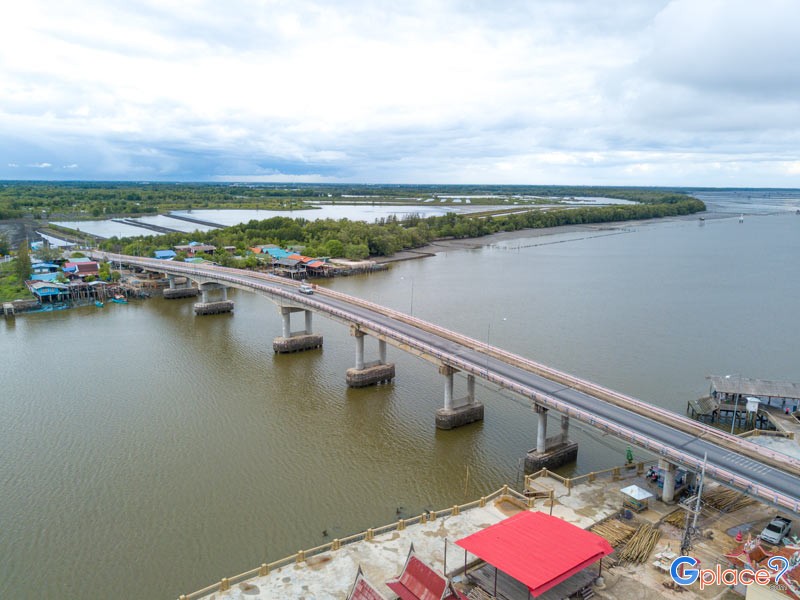
- Long-tail boats can be chartered from piers in Ban Laem district for a scenic river cruise directly to the temple's waterfront.
Travel Tips
Best Visiting Season:
- Accessible year-round. Visit on weekdays to avoid crowds; however, the Chinese New Year period offers a grand festive experience with major celebrations.
Footwear and Attire:
- As this is a highly sacred site, please dress modestly (shoulders and knees covered). You will need to remove your shoes before entering the Vihara.
Photography:
- Photography is permitted inside the Vihara, but please remain respectful and avoid using flash or making loud noises that may disturb those in prayer.
Food and Culture:
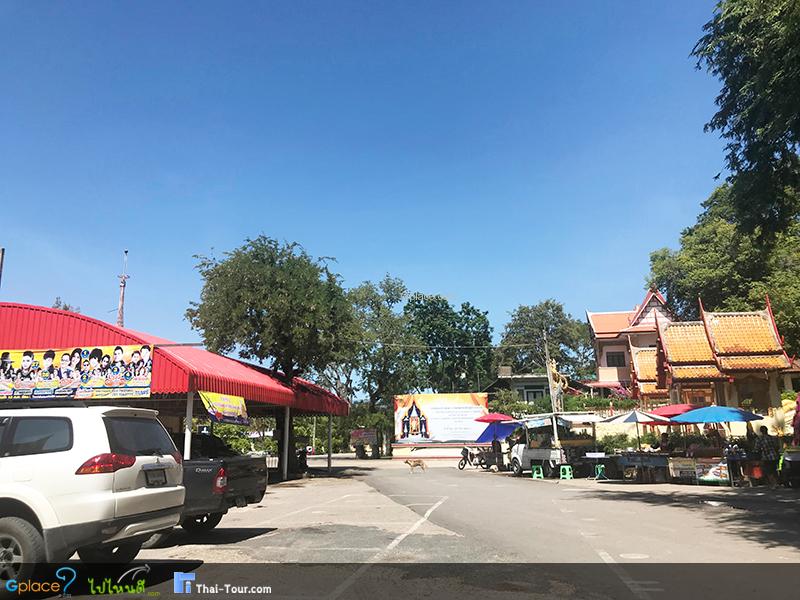
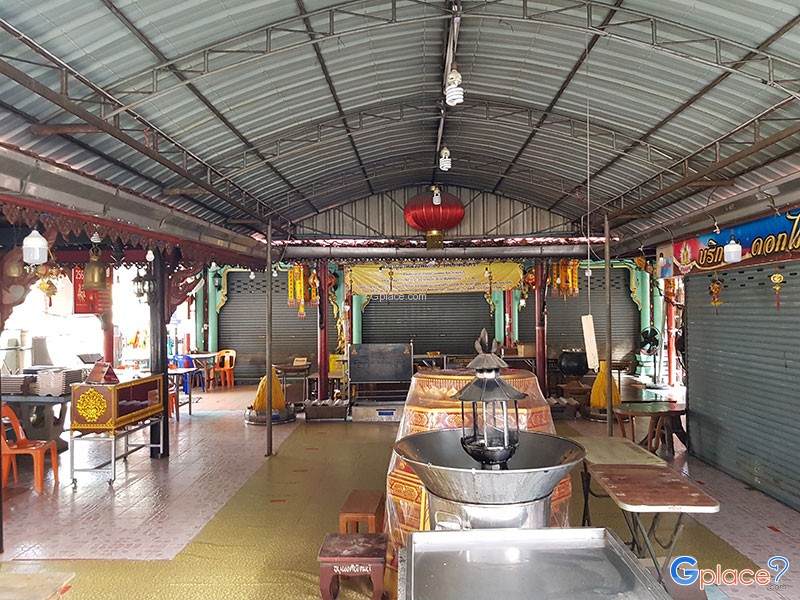
- The temple entrance features stalls selling local delicacies. Don't miss the famous "Phetchaburi Sweets" and premium dried seafood, which are the pride of the district.
Travel Planning:
- During long holiday weekends, expect a high volume of pilgrims. It is recommended to arrive early in the morning to secure parking and enjoy the quietest atmosphere.
Admission Fee
-
Local visitors: Free (Donations are welcome)
-
Foreign visitors: Free (No entry fee)
Opening Hours
-
General Daily Hours: 07:00 – 17:00
-
Special Note: During annual festivals, the Vihara may remain open until the late evening for special ceremonies.
Khao Takrao Temple

 Share
Share
 Khao Takrao Temple, Bang Krok, Ban Laem, Phetchaburi, Thailand
Map
Khao Takrao Temple, Bang Krok, Ban Laem, Phetchaburi, Thailand
Map
 Closed today
Mon7.00 - 17.00
Tue7.00 - 17.00
Wed7.00 - 17.00
Thu7.00 - 17.00
Fri7.00 - 17.00
Sat7.00 - 17.00
Sun7.00 - 17.00



 5822
5822