 Attractions
  Hotel
Hotel  Restaurant
  Shopping
  Abroad






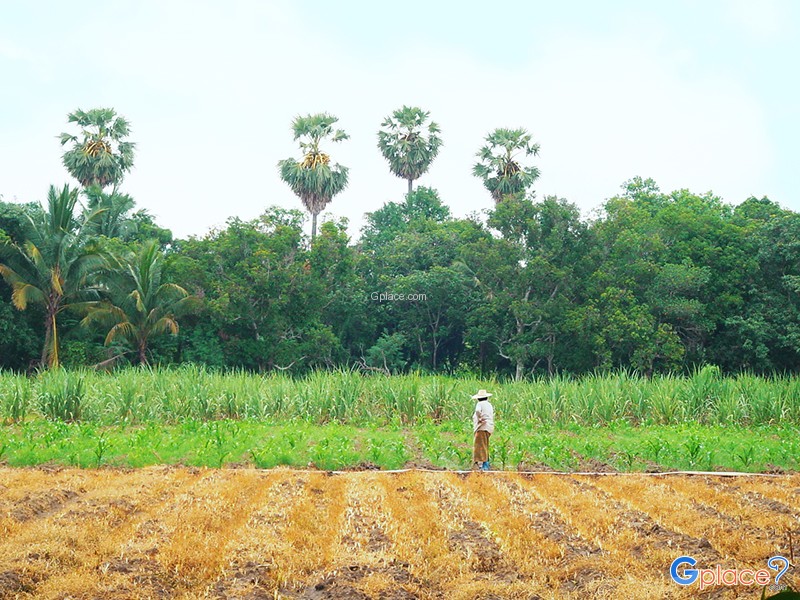
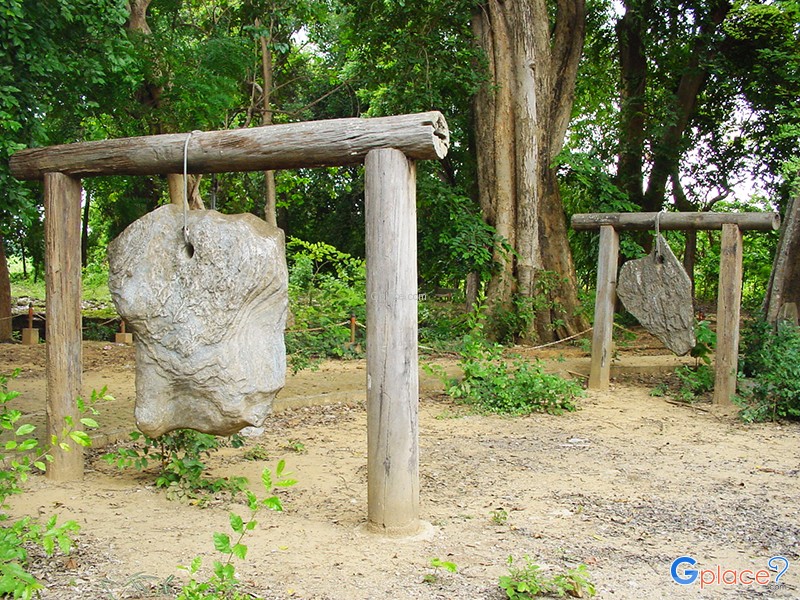
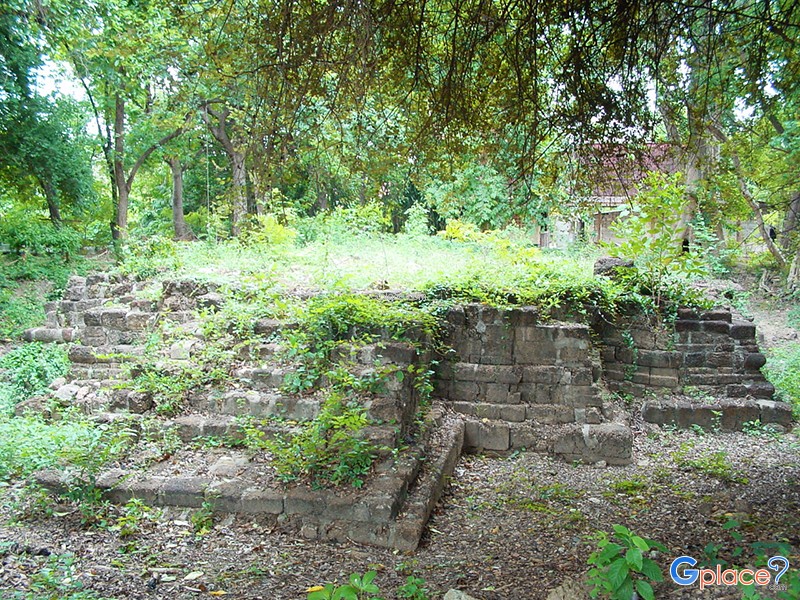
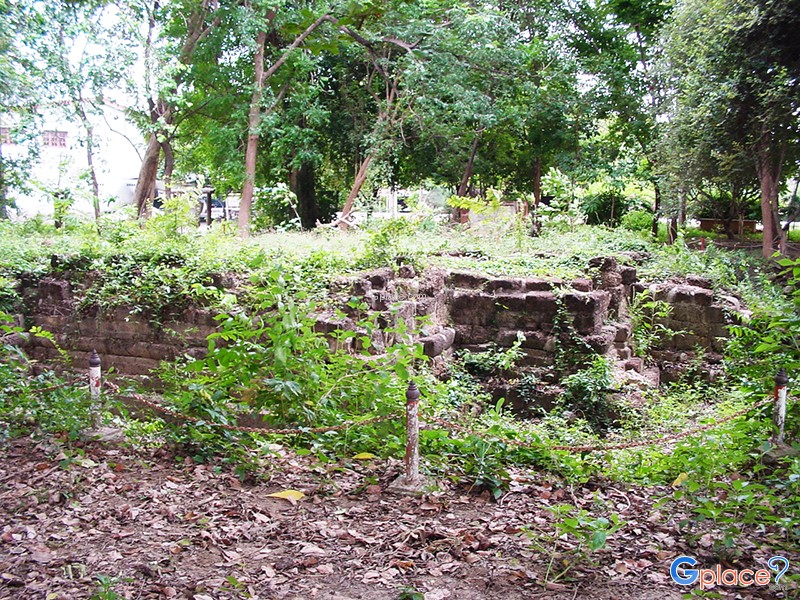
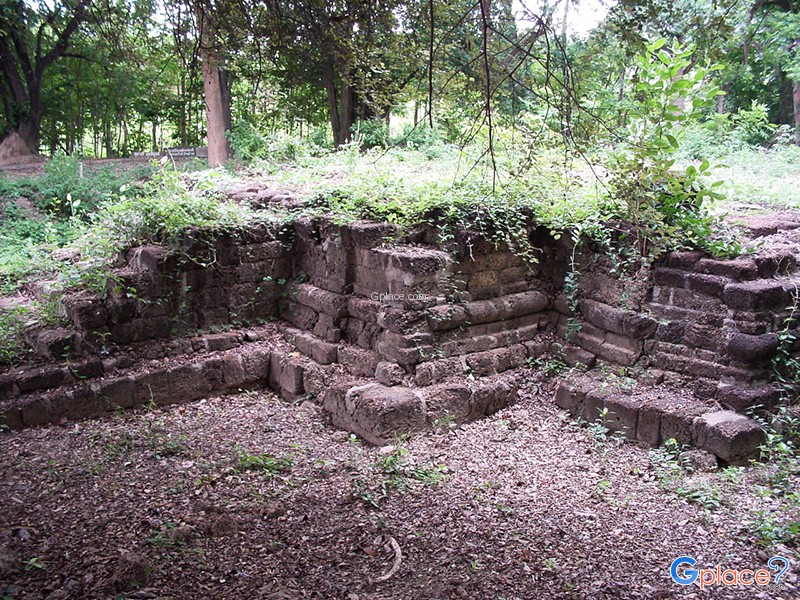
“An ancient Dvaravati site where Roman bronze lamps were discovered, proving maritime trade and Indian religious influence along the Mae Klong River over a millennium ago.”
Pong Tuek Archaeological Site is considered one of the most important archaeological sites in Thailand and provides crucial evidence for the flourishing of the Dvaravati civilization in the Mae Klong River basin of Kanchanaburi Province. Located in Pong Tuek Subdistrict, Tha Maka District, near Wat Dong Sak, the site is believed by archaeologists to have been a large, thriving ancient city with significant trade, religion, and culture since around the 11th–12th centuries CE, or over 1,000 years ago. Numerous discoveries indicate that Pong Tuek was not just an ordinary local community, but a vital link between the inland lands of Suvarnabhumi and ancient maritime trade routes.
The site gained significant attention in 1927 after the discovery of numerous artifacts within and around Wat Dong Sak. Subsequently, the Fine Arts Department conducted official surveys and excavations, uncovering a wealth of valuable archaeological evidence, including brick and laterite building foundations, terracotta votive tablets, Buddha images, Buddha heads, pottery, ornaments, and Indian-style deities. The discovery that most interested the archaeological community was "A Greek-Roman style bronze lamp", considered one of the most important pieces of evidence reflecting the trade relations between the Suvarnabhumi region and the Western world in ancient times.
This bronze lamp clearly exhibits Greek-Roman artistic characteristics. Made of cast bronze, it has a chamber for refilling oil and a handle decorated with dolphin and palm leaf motifs. Some scholars speculate that it may have been produced in the Alexandria region of Egypt during the Hellenistic period before being brought to Southeast Asia via maritime trade routes. The discovery of this object at Phong Tuk is therefore very significant, as it indicates that this ancient community was involved in international trade networks since the early stages of Thai history.
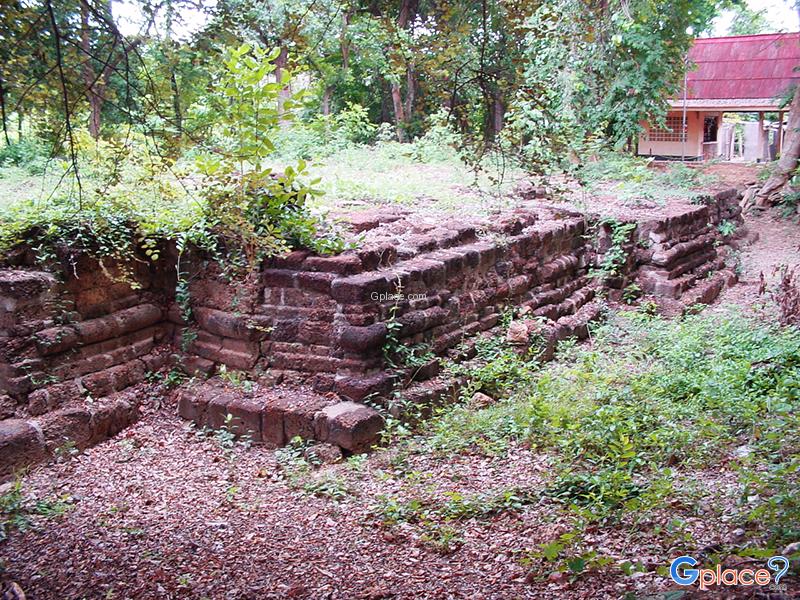
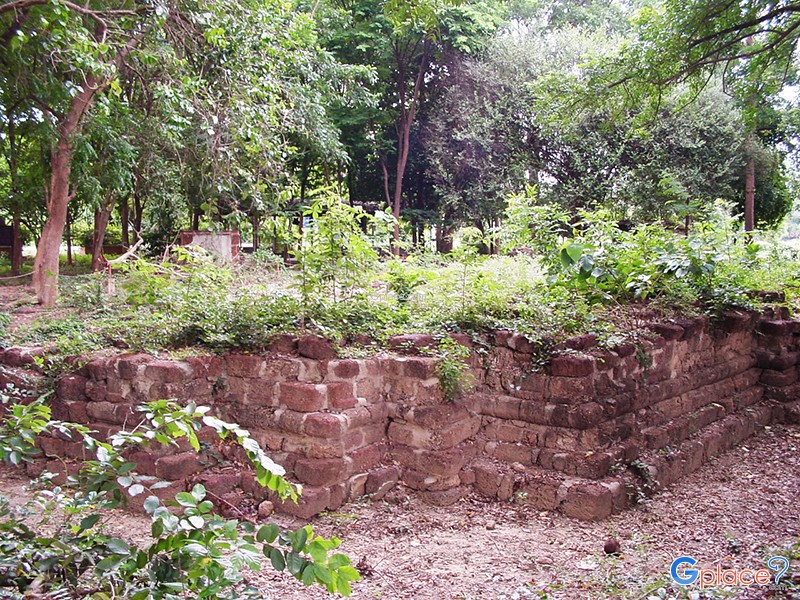
The archaeological sites in the Phong Tuk area are mostly rectangular building bases constructed with brick and laterite, scattered over a wide area. Archaeologists hypothesize that these may have once been Buddhist religious sites, such as temples, stupas, or buildings for religious ceremonies. The artistic styles found clearly reflect the influence of Gupta and Dvaravati Indian art. This is a distinctive feature of ancient communities in central Thailand during the 11th–12th centuries CE. Furthermore, evidence indicates that the inhabitants of Phong Tuk practiced both Buddhism and Hinduism concurrently, reflecting the cultural diversity and beliefs of the people of that era.
The importance of the Phong Tuk archaeological site lies not only in the artifacts discovered, but also in its role as a crucial starting point for the study of Dvaravati history in Thailand. Excavations at Phong Tuk have helped scholars understand the development of ancient communities in the Mae Klong River basin, as well as the role of western Thailand as a trade center between India and Southeast Asia. Today, although only foundations and wall remnants remain, the area still holds immense historical and archaeological value and has been registered as an important national historical site, clearly reflecting the foundations of early Thai civilization.
How to Get There
- From Kanchanaburi city center, take Highway 323 (Saeng Chuto Road) toward Tha Maka. At the Tha Maka intersection, turn right across the Mae Klong River bridge, then turn left onto Highway 3084 and follow the signs to Wat Dong Sak.
Travel Tips
- Visit in the morning or late afternoon to avoid strong heat.
- Wear comfortable walking shoes for exploring the ruins.
- Bring a hat or umbrella as there is limited shade.
- Learn basic Dvaravati history before visiting for better understanding.
Admission Fees:
- Free admission.
Opening Hours:
- 08:00 AM – 05:00 PM
Pong Tuek Archaeological Site

 Share
Share
 ต.พงตึก, อ.ท่ามะกา, กาญจนบุรี, 71120
Map
ต.พงตึก, อ.ท่ามะกา, กาญจนบุรี, 71120
Map
 Closed today
Mon8.00 - 17.00
Tue8.00 - 17.00
Wed8.00 - 17.00
Thu8.00 - 17.00
Fri8.00 - 17.00
Sat8.00 - 17.00
Sun8.00 - 17.00



 5
5