 Attractions
  Hotel
Hotel  Restaurant
  Shopping
  Abroad






“Visit the historic riverside temple housing the sacred Buddha image, the cradle of the world’s unique Buddha Diving festival.”
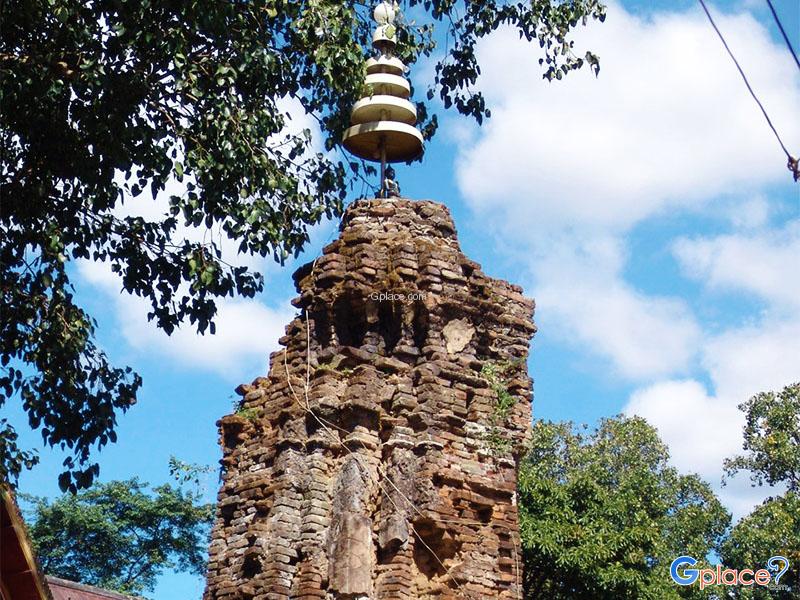
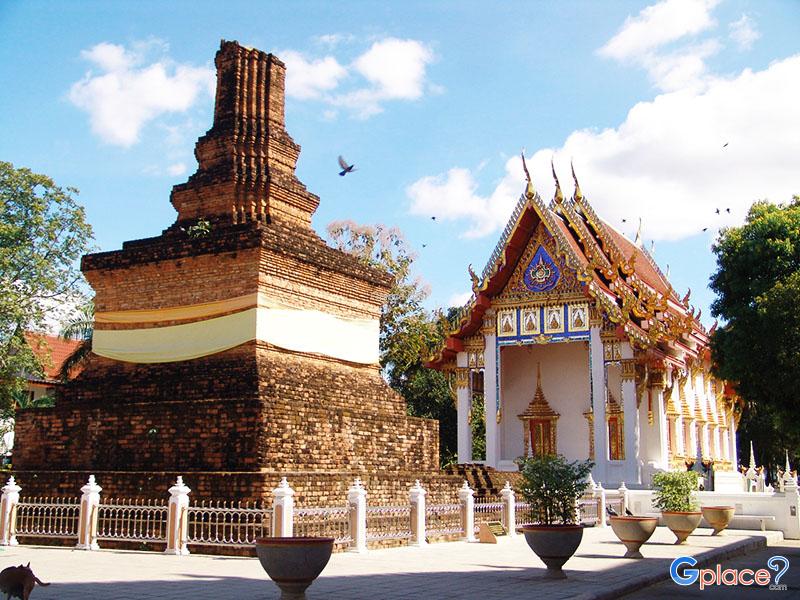
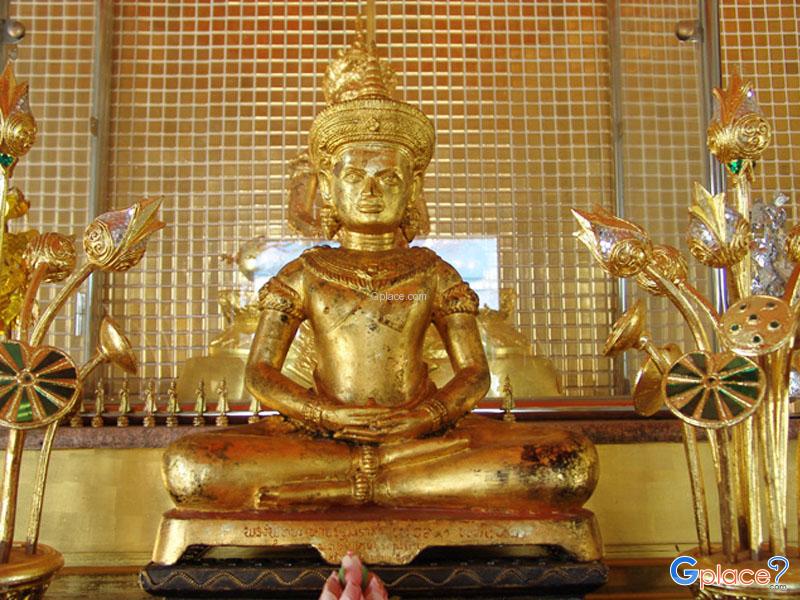
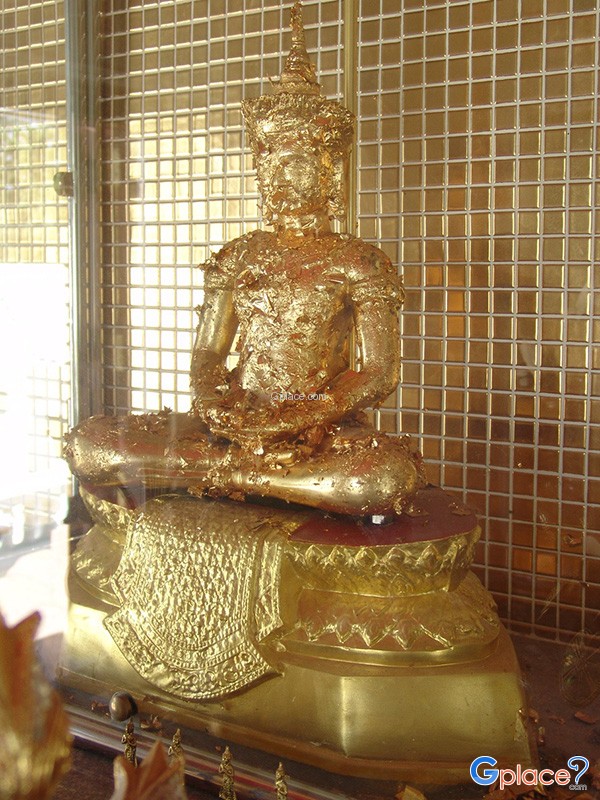
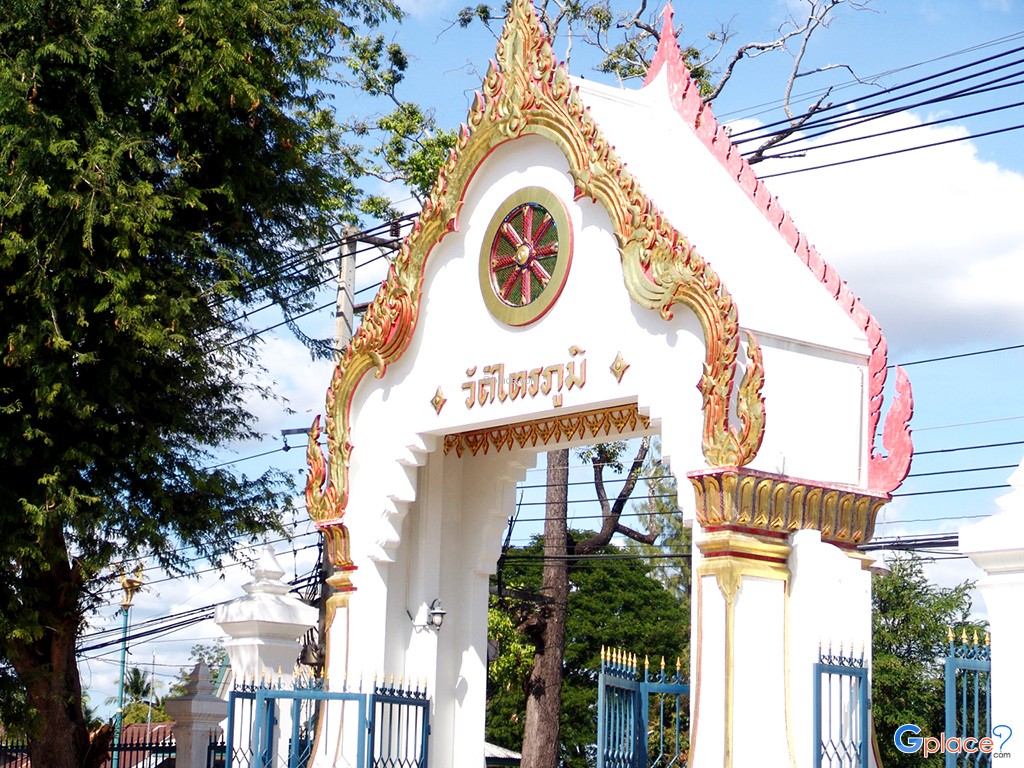
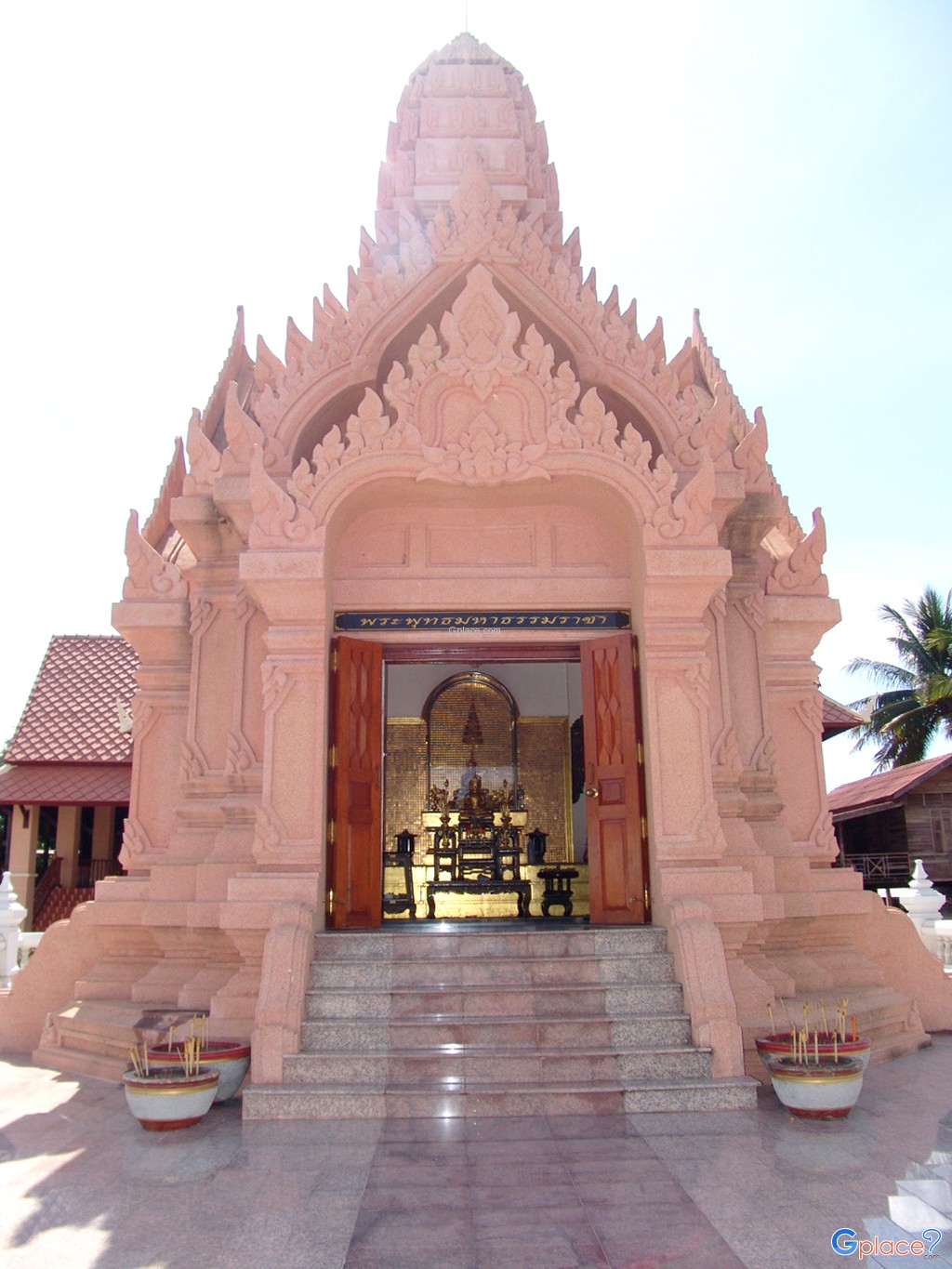
Wat Trai Phum is one of the oldest and most important temples in Phetchabun Province. Located on the banks of the Pa Sak River in the heart of Phetchabun city, although the exact year of its construction is unknown, its architectural style and local legends suggest it dates back to the early Ayutthaya period or possibly even earlier. Wat Trai Phum has long been a center of faith for the people of Phetchabun and plays a significant role in the city's religion, tradition, and history. Most notably, it houses the sacred "Phra Phuttha Maha Thammaracha," the revered Buddha image considered the guardian deity of Phetchabun.
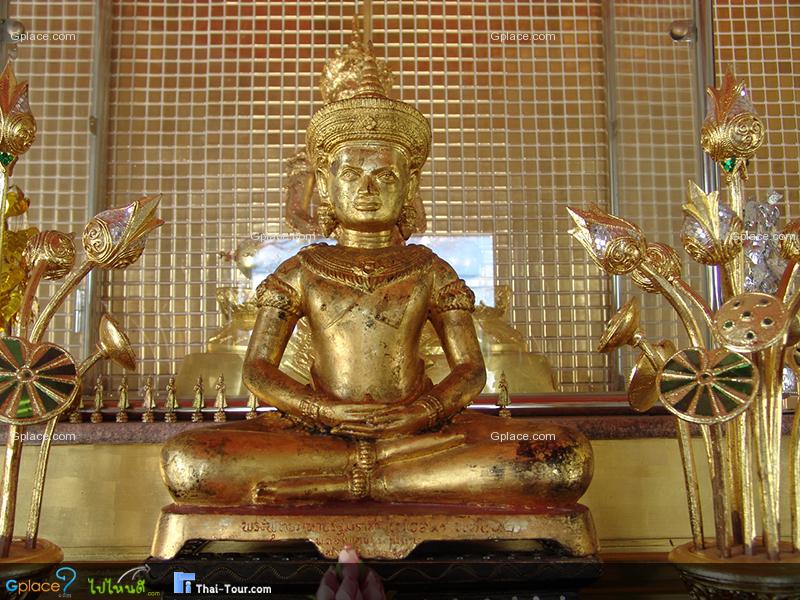
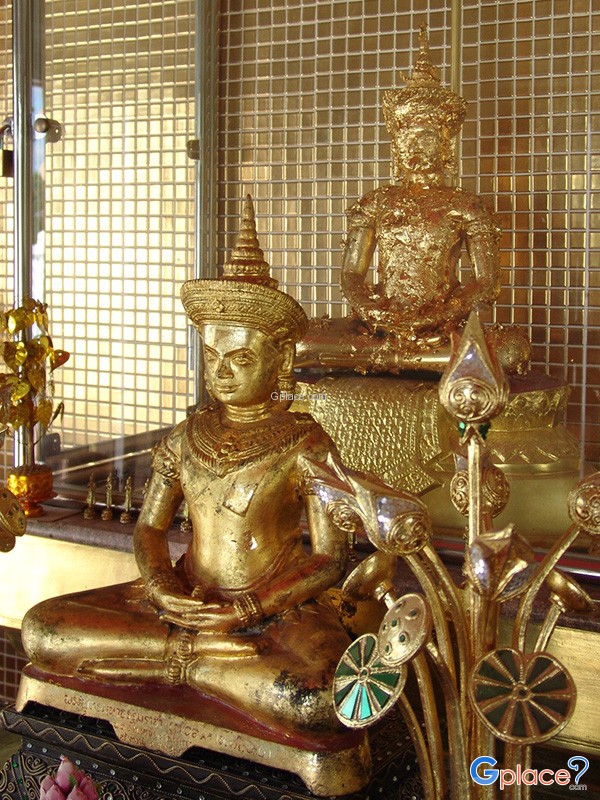
Phra Phuttha Maha Thammaracha is a bronze Buddha image in the meditation posture, adorned with royal attire. Its style reflects Lopburi or Khmer influence, with a distinctive square face, long, slender eyes, and ancient royal attire, mirroring the 18th-19th centuries CE. According to local legend, villagers found the Buddha image floating in the Pa Sak River in front of the temple and enshrined it within Wat Trai Phum, where it became the city's most revered and sacred image. Therefore, people from both within the province and nearby areas frequently travel to pay homage and seek blessings.
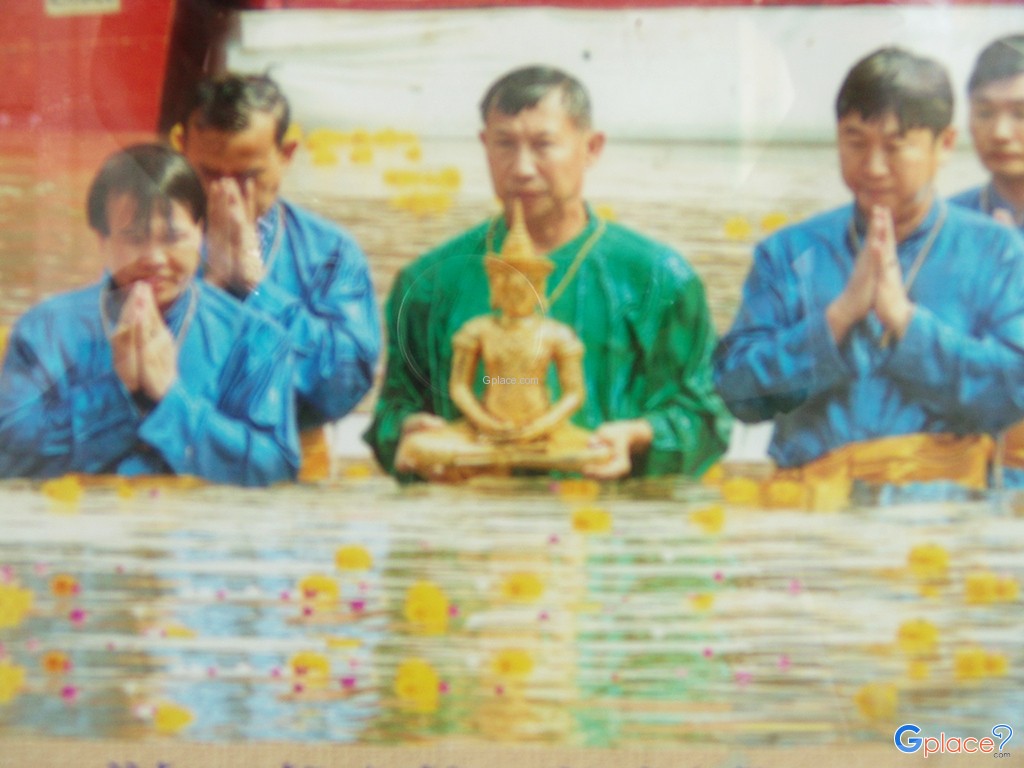
What makes Wat Traiphumi known throughout the country is its status as the origin of the "Um Phra Dam Nam" (carrying the Buddha image into the water) tradition, a unique and important Thai tradition passed down for hundreds of years. The ceremony is held annually during the Thai Sarth Day (a Buddhist festival). The governor of Phetchabun province carries the Phra Phuttha Maha Thammaracha Buddha image on a ceremonial boat along the Pa Sak River before performing the underwater ritual at important points in the middle of the river to bring blessings to the city. It is believed to ensure timely rainfall, abundant water resources, and the well-being of the people. This tradition is recognized as an important cultural identity of Phetchabun province and reflects the close relationship between the community, religion, and the river, which has been intertwined with the lives of the local people since ancient times.
Inside the temple, the atmosphere remains quiet and simple, typical of an old temple in the city. Tourists can admire the main chapel, the sermon hall, and the area along the Pa Sak River used for the annual "Um Phra Dam Nam" ceremony. The area surrounding the temple still reflects the traditional way of life of the Phetchabun community, with markets, shops, and an old town area not far from the temple. This allows tourists to stroll through the old town and learn about local culture simultaneously. In addition, some areas of the town feature contemporary art and street art depicting the Um Phra Dam Nam tradition and the way of life of the people of Phetchabun, adding vibrancy and interest to the old town.
Today, Wat Traiphumi is not just a place of worship for Buddhists, but also a true cultural and spiritual symbol of Phetchabun province. Visitors can experience historical value, art, the faith of the people, and the peaceful atmosphere along the Pa Sak River, which retains the charm of an old town. It's ideal for those interested in cultural, religious, and traditional tourism in the lower northern region of Thailand.
Legend has it that King Jayavarman VII of Angkor Thom bestowed the Phra Phuttha Maha Thammaracha Buddha image upon Pho Khun Pha Muang, the ruler of Muang Rat (Lom Sak District), during his marriage to Queen Singkhrom Maha Devi, his daughter, to be a guardian deity of the city. However, after Pho Khun Pha Muang and Pho Khun Bang Klang Thao, the ruler of Bang Yang (Nakhon Thai District), together liberated the Thai people, Queen Singkhrom Maha Devi was enraged and burned Muang Rat to the ground. The royal officials had to carry the Phra Phuttha Maha Thammaracha statue to escape the fire by floating it on rafts down the Pa Sak River. However, due to the river's winding course and strong currents, the raft broke apart, and the statue sank into the river. It was later found by fishermen, leading to the tradition of carrying the Buddha statue underwater. Every year during Songkran, the people of Phetchabun participate in bathing the Phra Phuttha Maha Thammaracha statue.
How to Get There
- Located in the heart of Phetchabun city on Phecharat Road, near the old Provincial Hall. Visitors can drive via Highway 21 into the city center, turn onto Phecharat Road towards the Pa Sak River, and follow the clear directional signs to the temple. Local tricycle taxis (Samlor) are also readily available throughout the town.
Travel Tips
- Visit in the morning for cooler weather and a peaceful riverside atmosphere.
- Travel during the Sat Thai Festival to witness the famous Um Phra Dam Nam ceremony.
- Dress modestly when entering the temple grounds.
- Bring a hat or umbrella as daytime temperatures can be quite hot.
Admission Fees:
- Free Admission.
Opening Hours:
- Open daily from 08:00 AM – 05:00 PM.
Wat Trai Phum

 Share
Share
 T.Nai Mueang, A.Mueang Phetchabun, Phetchabun, 67000
Map
T.Nai Mueang, A.Mueang Phetchabun, Phetchabun, 67000
Map
 Closed today
Mon8.00 - 17.00
Tue8.00 - 17.00
Wed8.00 - 17.00
Thu8.00 - 17.00
Fri8.00 - 17.00
Sat8.00 - 17.00
Sun8.00 - 17.00

 https://www.thai-tour.com/thai-tour/north/petchbun/data/place/pic_wat-traibhumi.htm

 5688
5688