
 Attractions
  Hotel
Hotel  Restaurant
  Shopping
  Abroad





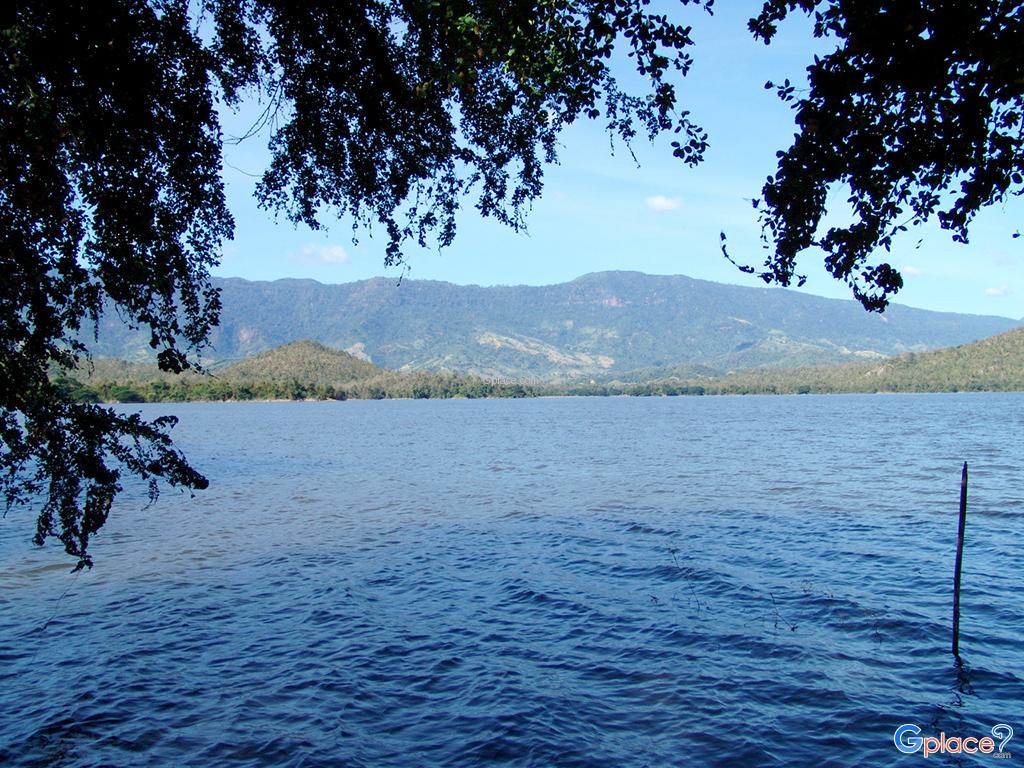

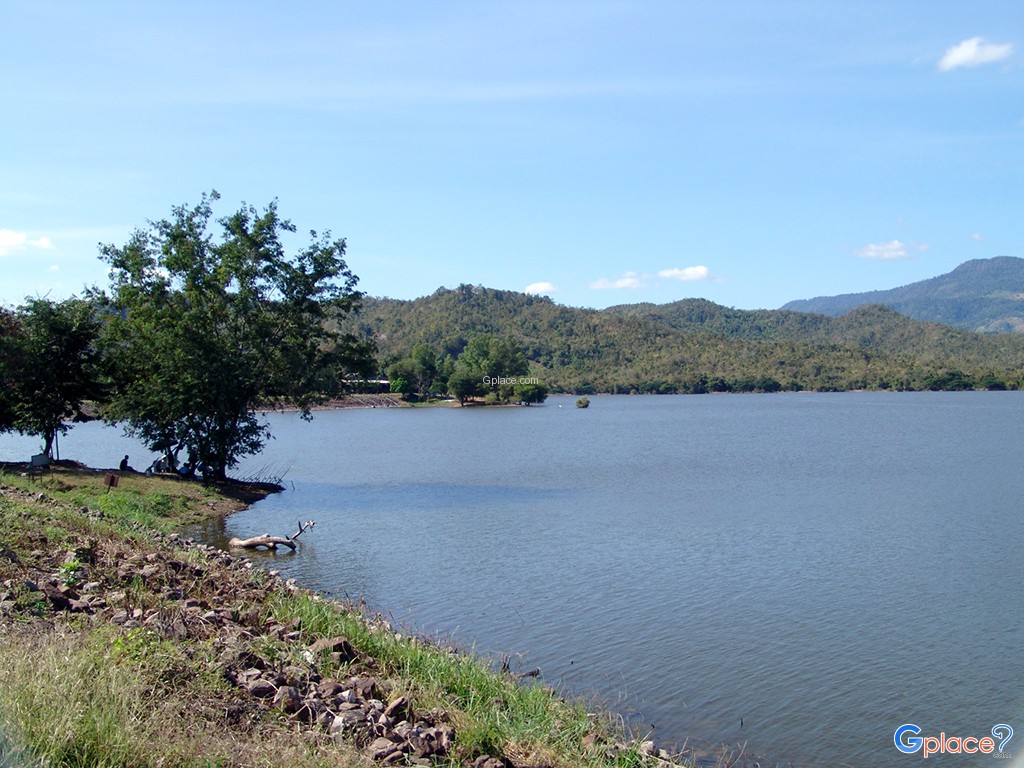
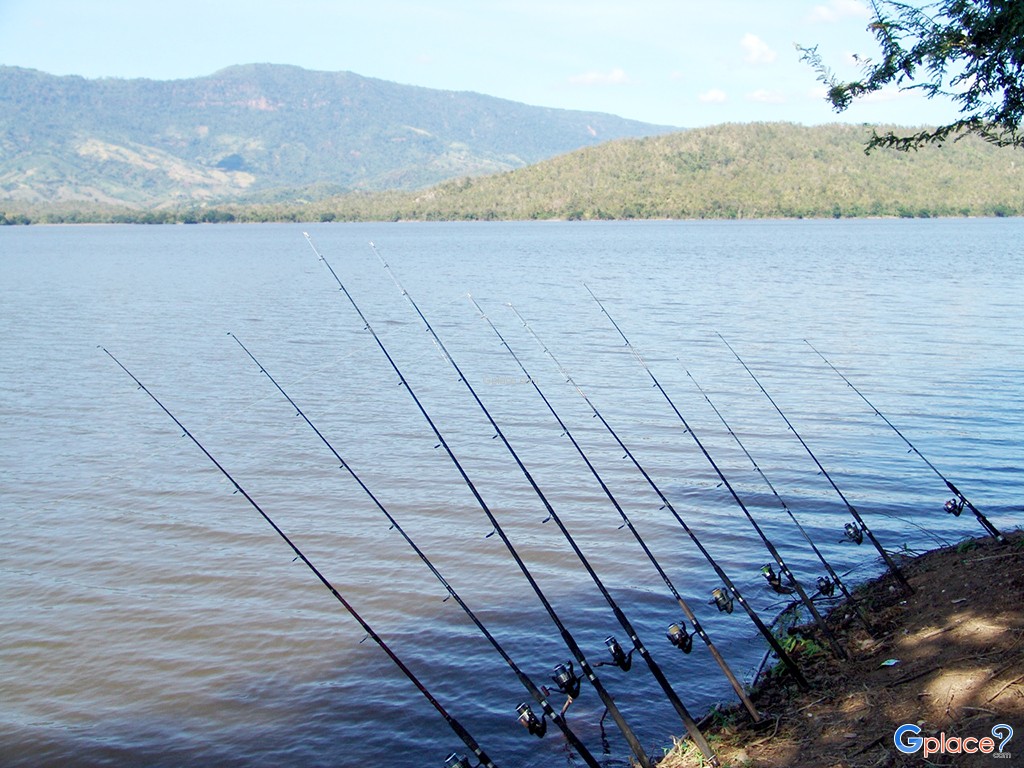
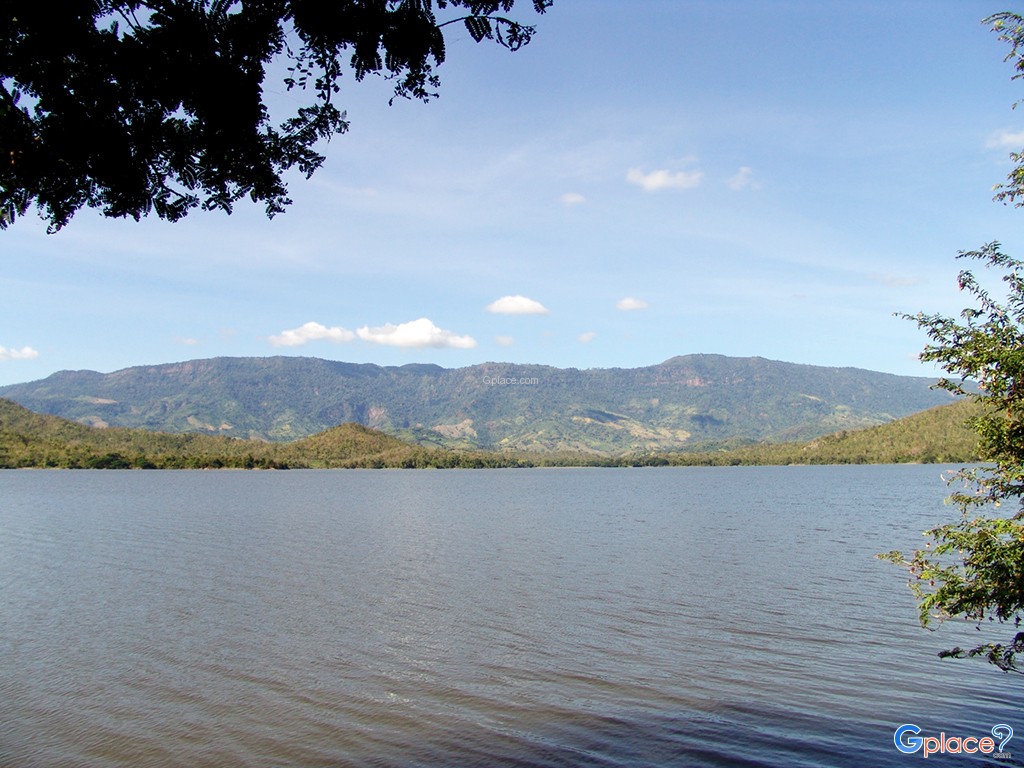
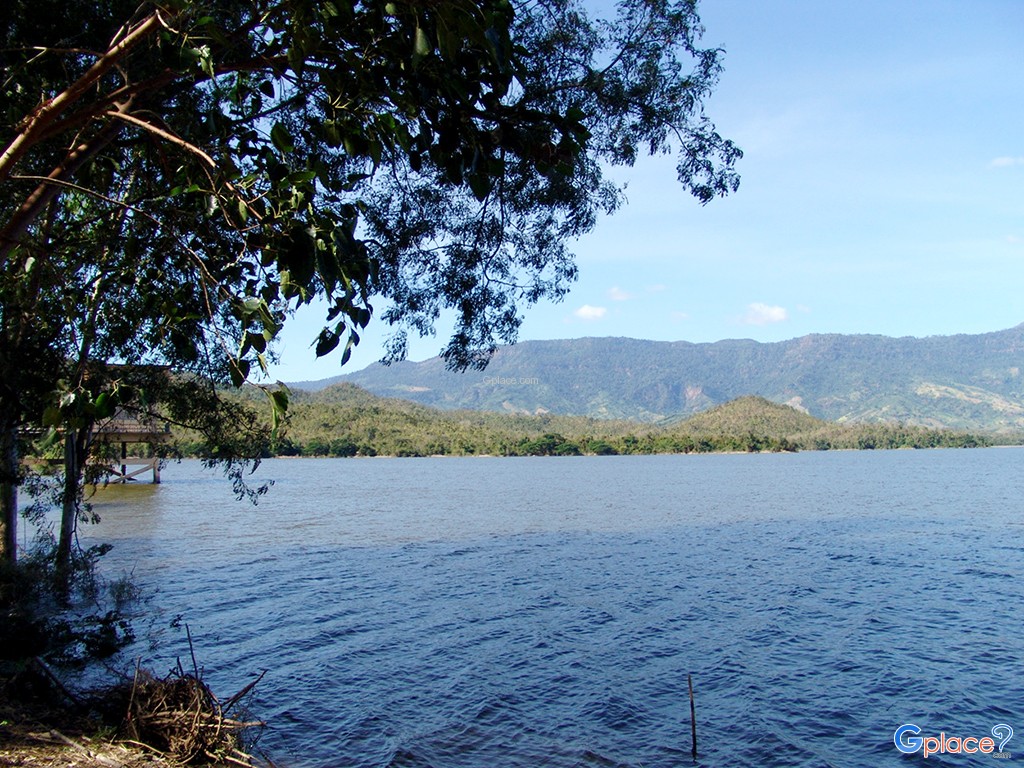
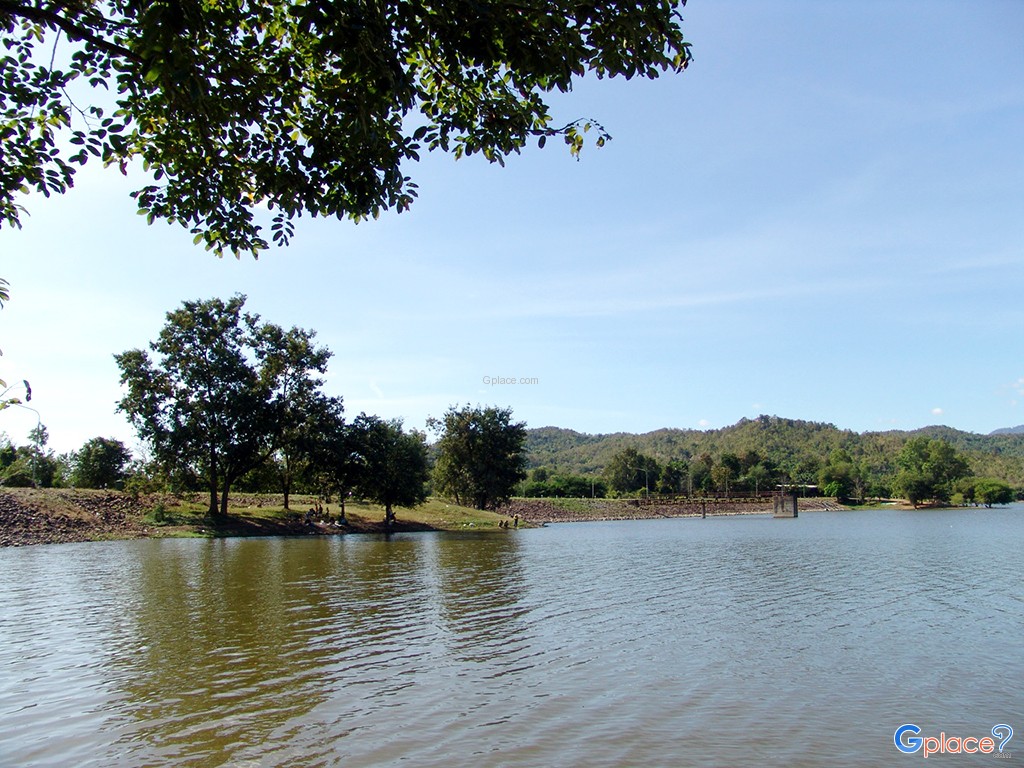
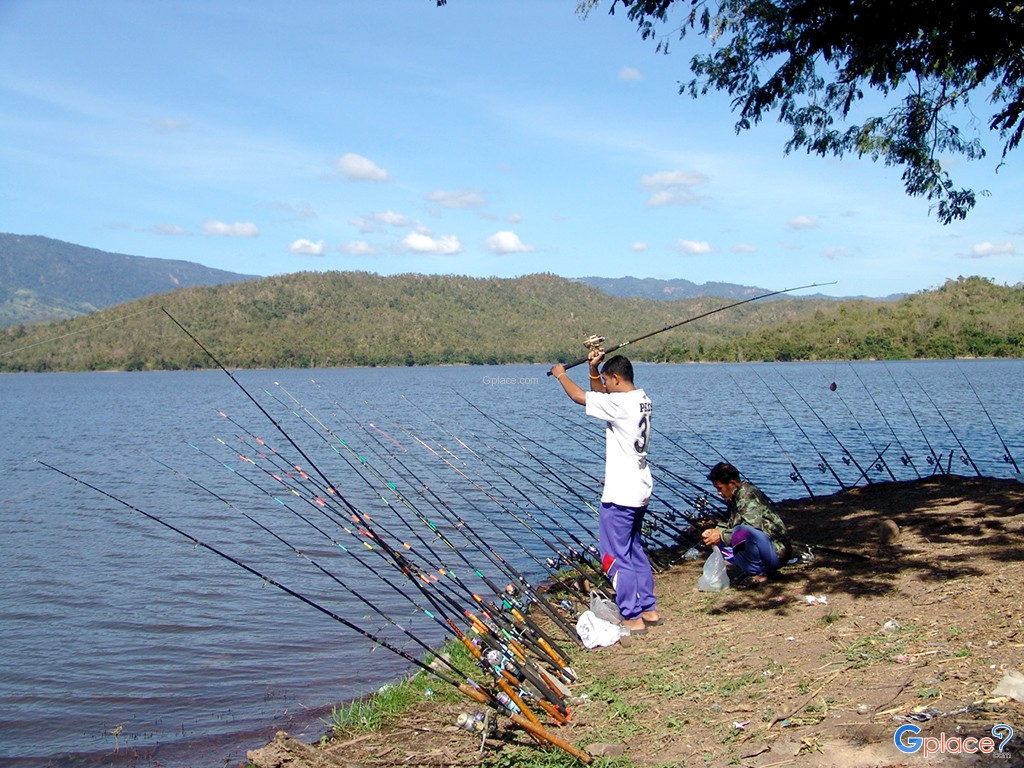
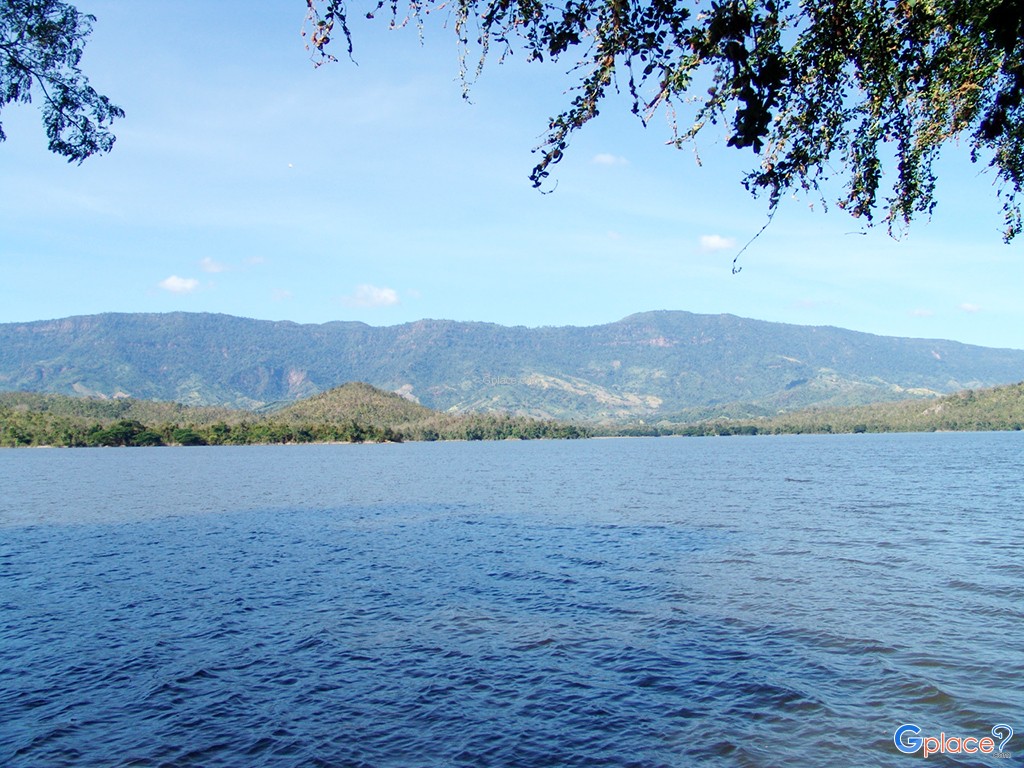
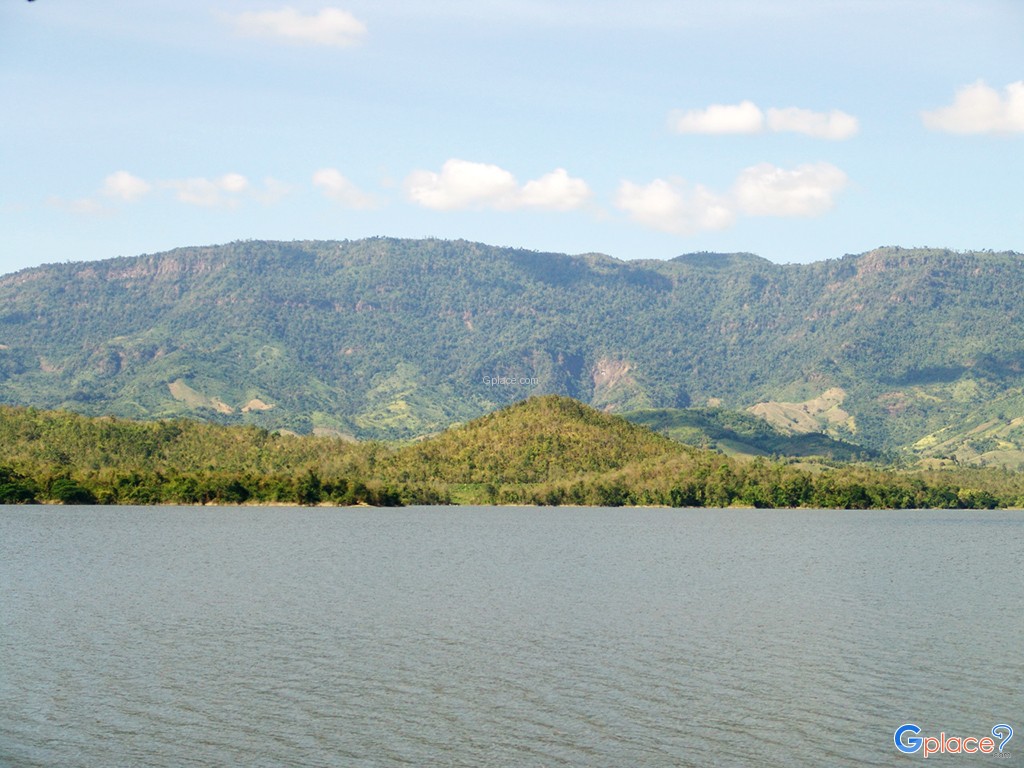
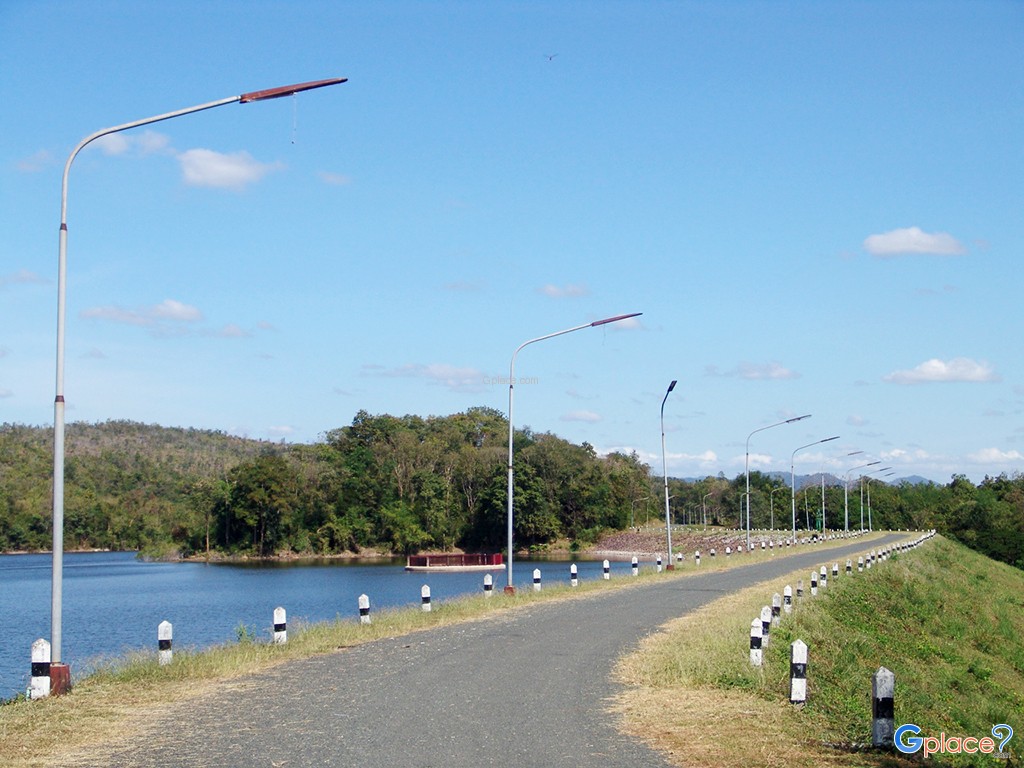
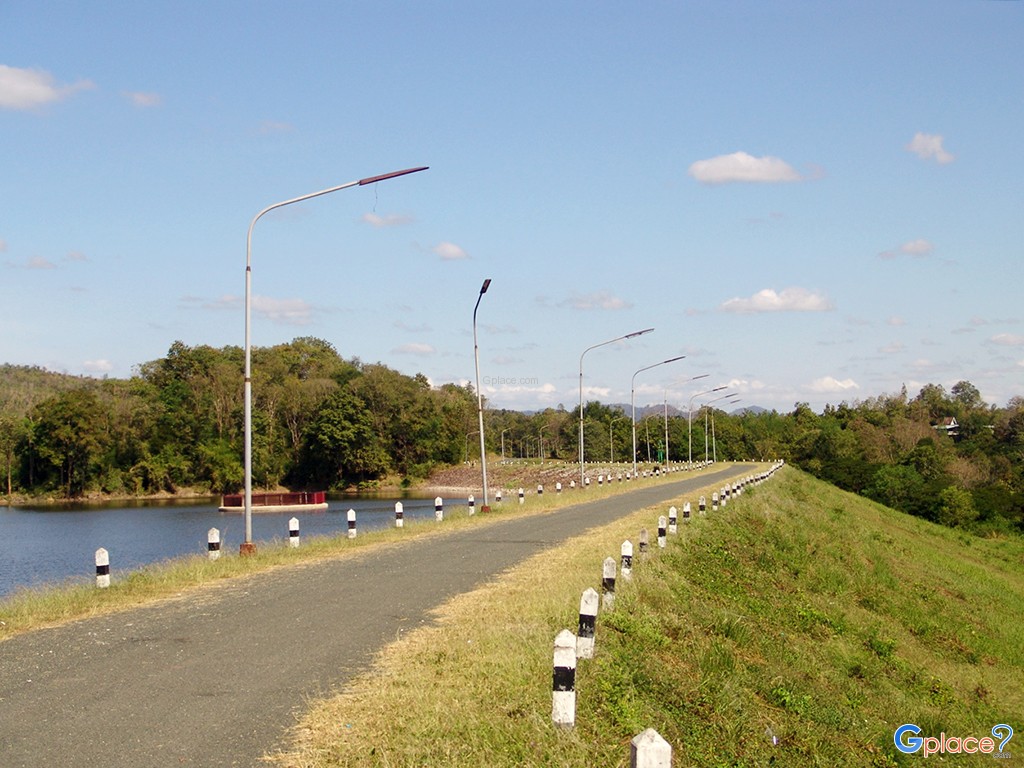
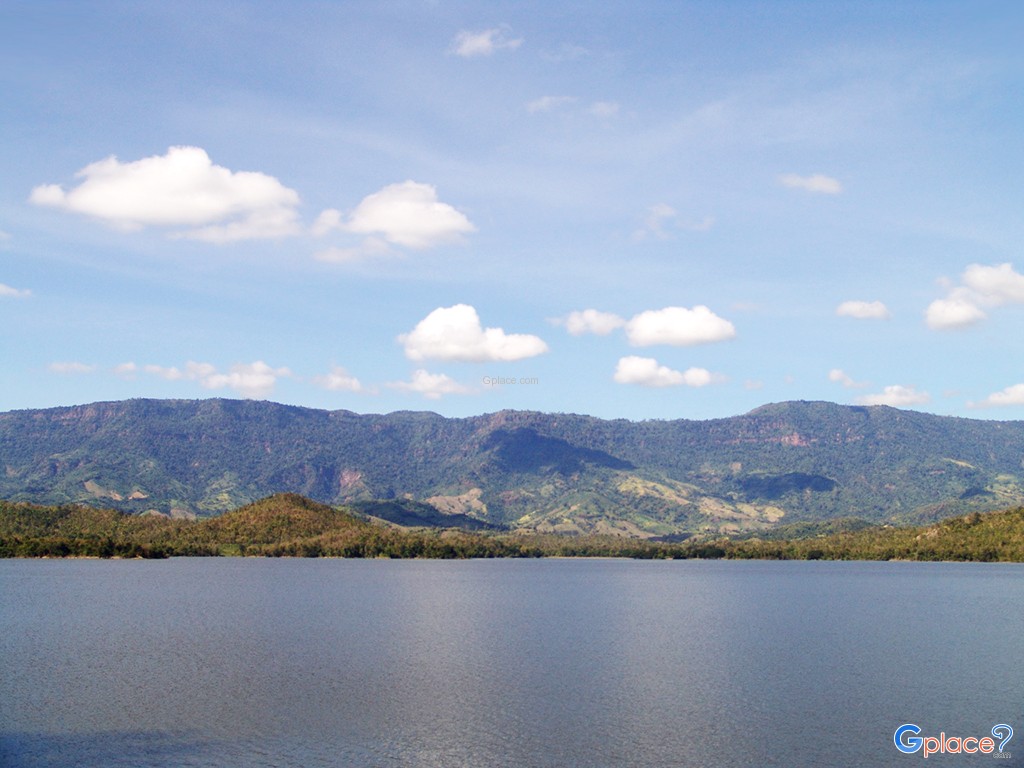
“Scenic mountain backdrop over vast waters with refreshing breezes. The dam crest offers a romantic sunset viewpoint, perfect for evening relaxation and photography.”
Huai Pa Daeng Reservoir is a water source resulting from an irrigation project in Mueang Phetchabun District. Its primary purpose is to store water for consumption and agriculture in surrounding communities, as well as to enhance water resource security in Phetchabun city. The surrounding area consists of plains interspersed with hills, creating a harmonious view of the reservoir seamlessly integrated with the distant natural mountain range.
Currently, the area around the dam and reservoir edges is used as a public recreational space for local residents. Vehicle and pedestrian access are permitted along the dam embankment paths at certain times. People often use this area for light activities such as walking, exercising, and relaxing to enjoy the natural scenery, especially during the cooler mornings and evenings when the weather is pleasantly breezy.
The reservoir's landscape is characterized by its wide and calm water surface, which clearly reflects the sky and surrounding mountains on clear days. The changing light throughout the day creates diverse atmospheres, with evenings being the most popular time to witness the sunset over the mountain range.
Although not a large-scale commercial tourist attraction, this area plays a significant role as a recreational spot near the city. This area supports the lifestyle of the local community and those seeking a short escape from the city. The overall atmosphere is simple, natural, and retains its semi-community, semi-irrigated water source character.
During the dry season, farmers in Mueang Phetchabun District suffer from severe water shortages every year. Therefore, the Royal Irrigation Department initiated the Huai Pa Daeng Reservoir project in 1957, completed in 2007, to store water in the Huai Pa Daeng stream for consumption, industry, agriculture, and water supply for residents in Mueang Phetchabun District, Phetchabun Province, as part of the development plan of the Northern Provinces Committee.
This project can supply water to farmers for cultivation twice a year. The first time is for planting rice (main crop) from mid-June to early November, covering approximately 13,560 rai. The second time is for planting dry-season crops such as mung beans from mid-January to early February. The average annual water usage is approximately 1,800,000-2,500,000 cubic meters.
Huai Pa Daeng Reservoir The reservoir receives approximately 25 million cubic meters of water annually. The water level is at +158.60 meters (above mean sea level), and the reservoir has a capacity of 20,700,000 cubic meters. Water is distributed to farmers through an irrigation canal system, divided into two zones. Zone 1 is on the left bank of the Huai Pa Daeng stream, receiving water from the main left-bank canal, branch canal 1 right, and branch canal 2 right, distributed through 35 ditches and 8 pipes into the fields. Zone 2 is on the right bank of the Huai Pa Daeng stream, receiving water from the main right-bank canal, branch canal 1 left, and branch canal 2 left, distributed through 18 ditches and 9 pipes into the fields. The total irrigated area for both zones is 13,560 rai.
Currently, the Royal Irrigation Department has authorized three agencies to pump water from the Huai Pa Daeng reservoir for tap water production. The water is distributed to the public and used for consumption by affiliated military units, including the Phetchabun Provincial Waterworks Authority, the Phetchabun Provincial Military Command, and the 1st Cavalry Division. The total amount of water pumped by these three units for tap water production averages approximately 3,240,000 cubic meters per year.
How to Get There
- From Phetchabun city center, take Highway 21 (Saraburi-Lomsak Road), then turn into Highway 2006 (the route passing Phetchabun Hospital or towards the Thailand National Sports University). Continue straight toward Pa Lao Sub-district following the clear directional signs to Huai Pa Daeng Reservoir. The distance from the city center is approximately 8 kilometers, taking about 10–15 minutes. The entire road is asphalted and easily accessible by all types of vehicles.
Travel Tips
- Visit around 4:30–6:30 PM for the best sunset view
- Avoid midday due to strong sunlight and limited shade
- Bring drinking water as facilities along the dam are limited
- Wear comfortable shoes suitable for walking along the dam road
Admission Fees:
- Free Admission.
Opening Hours:
- Open daily from 06:00 AM – 06:30 PM.
Huai Pa Daeng Reservoir

 Share
Share
 T.Pa Lao, A.Mueang Phetchabun, Phetchabun, 67000
Map
T.Pa Lao, A.Mueang Phetchabun, Phetchabun, 67000
Map
 Open now : 6.00 - 18.30
Mon6.00 - 18.30
Tue6.00 - 18.30
Wed6.00 - 18.30
Thu6.00 - 18.30
Fri6.00 - 18.30
Sat6.00 - 18.30
Sun6.00 - 18.30

 https://www.thai-tour.com/thai-tour/north/petchbun/data/place/pic_huipadaeng.htm

 8103
8103