 Attractions
  Hotel
Hotel  Restaurant
  Shopping
  Abroad





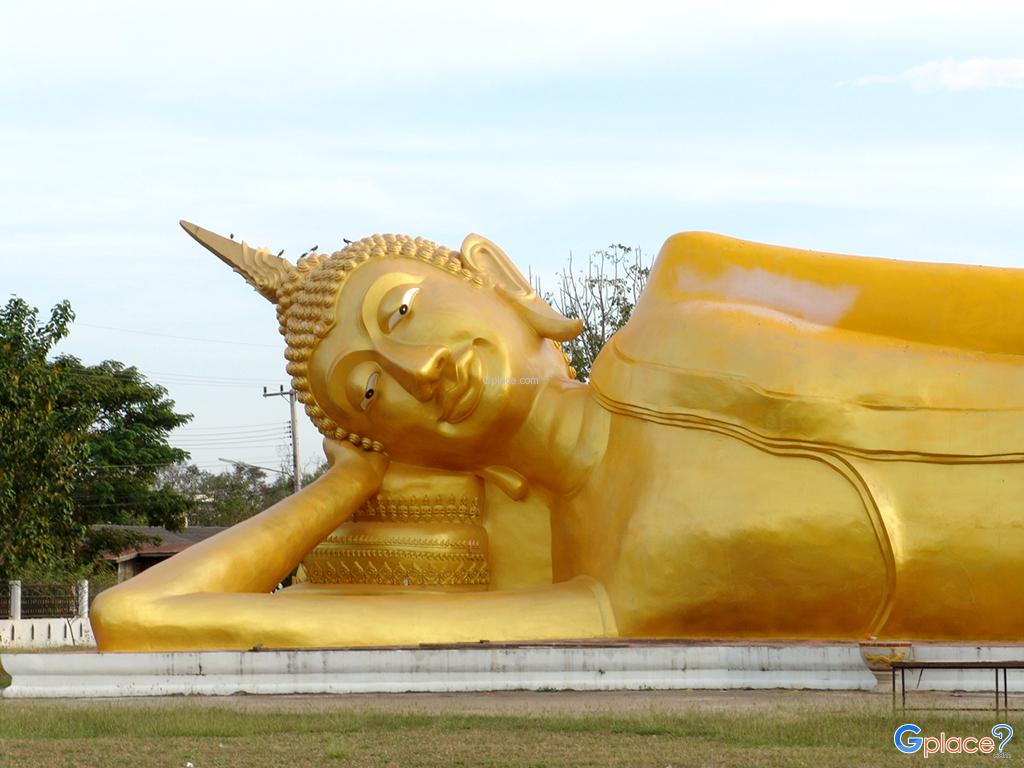

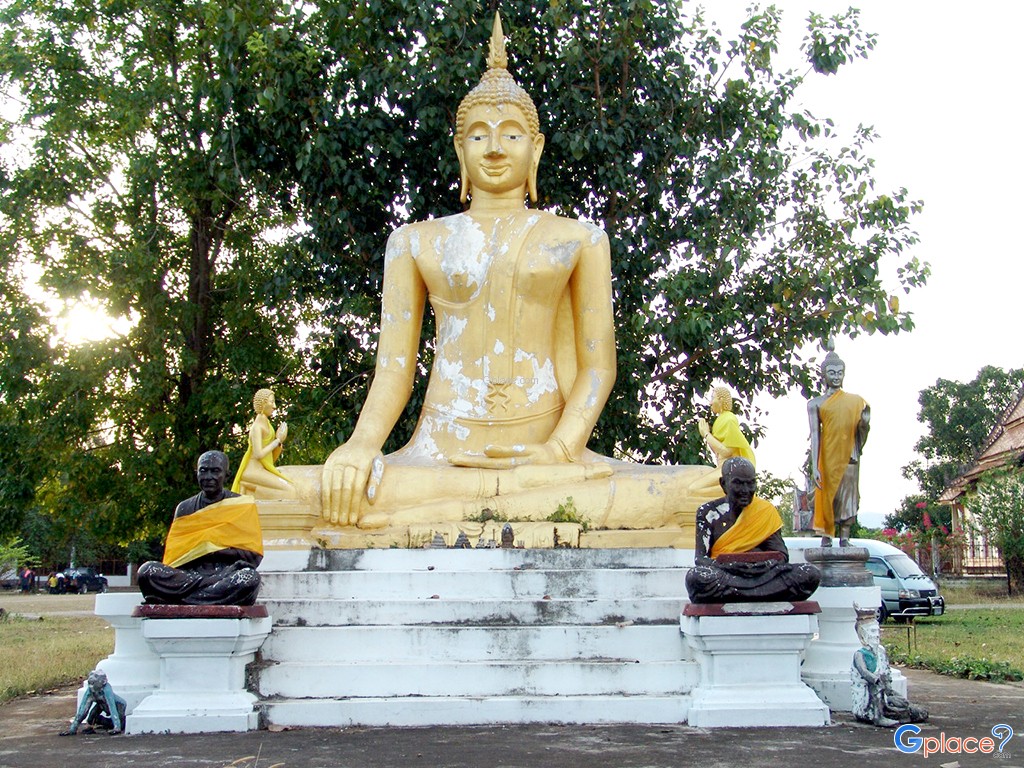
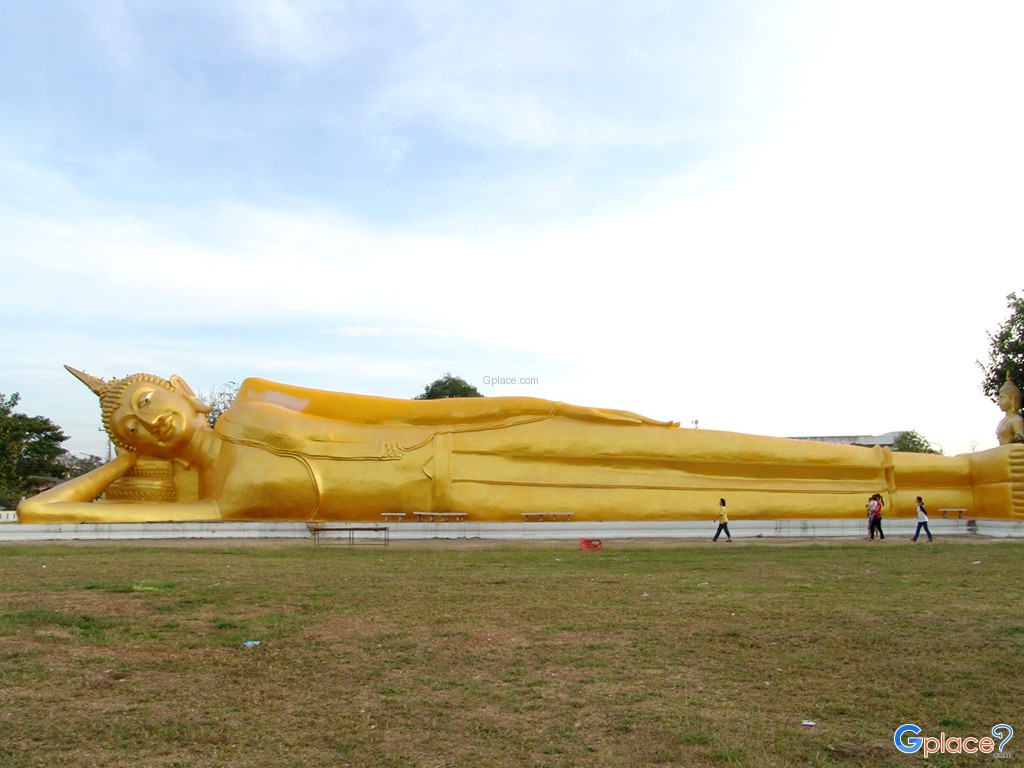
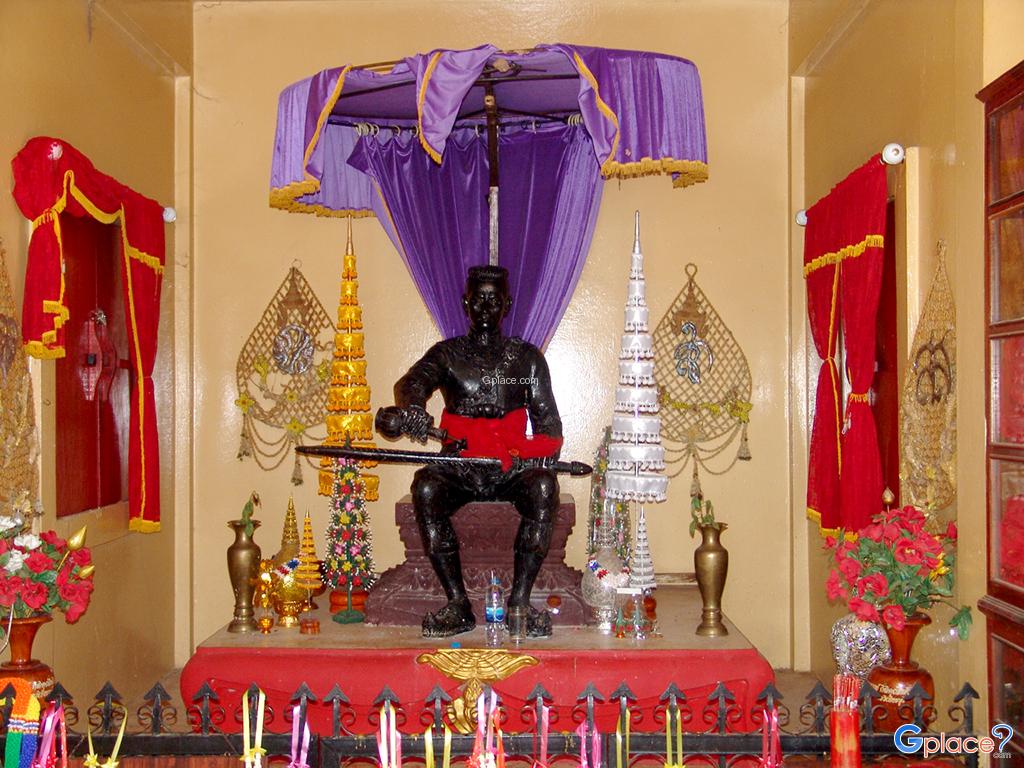
“Worship a fifty-meter outdoor reclining Buddha housing relics, explore an Ayutthaya-era ancient dugout boat, and pay respects to the monuments of three historic monarchs.”
Wat Wichian Bamrung, or "Wat Than Nam" (Temple by the River) as it's popularly known, is an important and ancient temple in Wichian Buri District, Phetchabun Province. Located in Tha Rong Subdistrict, near the traditional community along the Pa Sak River, this area was historically a waterway with long-standing settlements. Therefore, the temple has played a significant role as a religious center and a vital part of the local way of life. Built in 1928, the temple later received its royal charter. Inside, the atmosphere remains simple, reflecting a blend of central and northern Thai architectural styles. It boasts spacious grounds, a shady environment, and a large pond serving as a sanctuary for fish and aquatic life, clearly reflecting the temple's close connection to the riverside community of Wichian Buri.
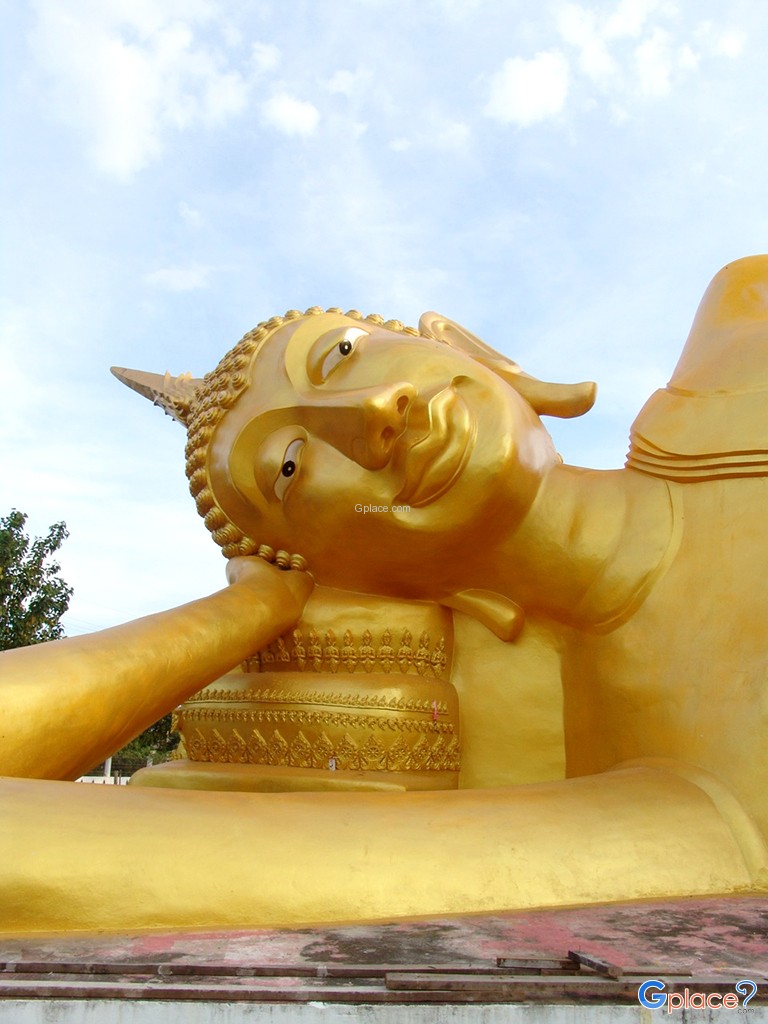
The most striking feature of the temple is the "Phra Phuttha Saiyat Wichian Buri Sri Rattana Ming Mongkol," a large, gilded, reclining Buddha statue majestically displayed outdoors. The statue is approximately 50 meters long and 5 meters high, facing east, and its artistic style shows influences from contemporary Thai architecture. The graceful features of the Buddha's face combined with the serene posture of the reclining Buddha create an atmosphere of peace and reverence. Locals hold it in high esteem and frequently visit to pay homage and seek blessings, especially during important Buddhist holidays and annual festivals in Wichian Buri district. The Buddha is also said to enshrine relics of the Buddha, further enhancing its sanctity and the devotion of visitors.
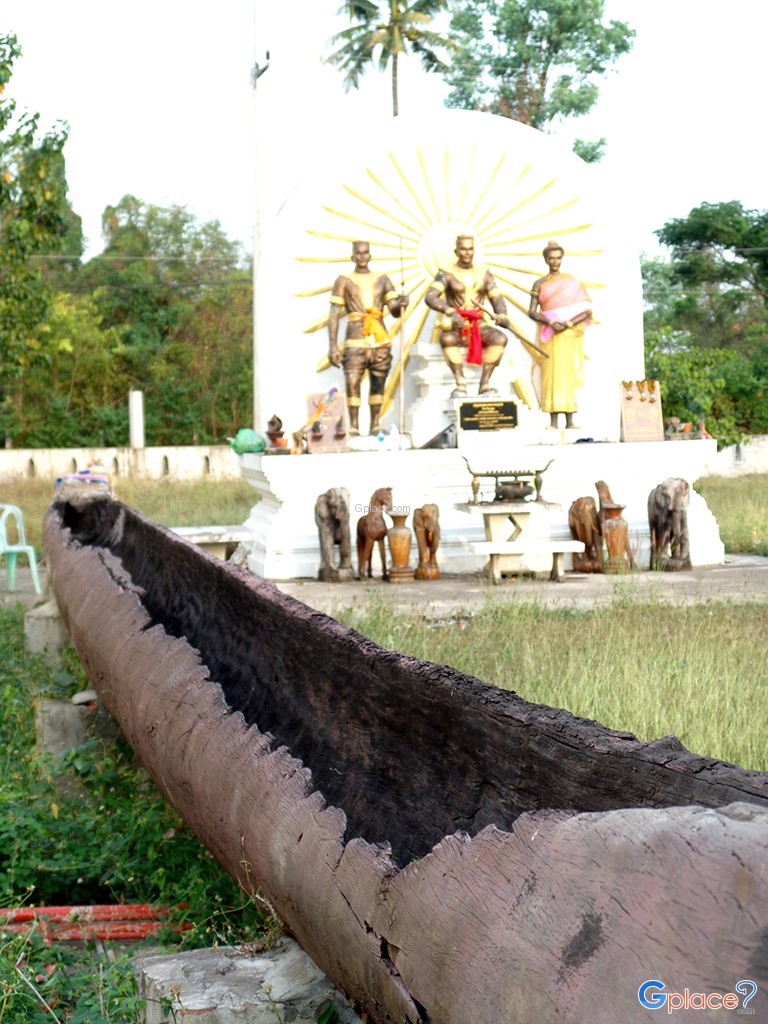
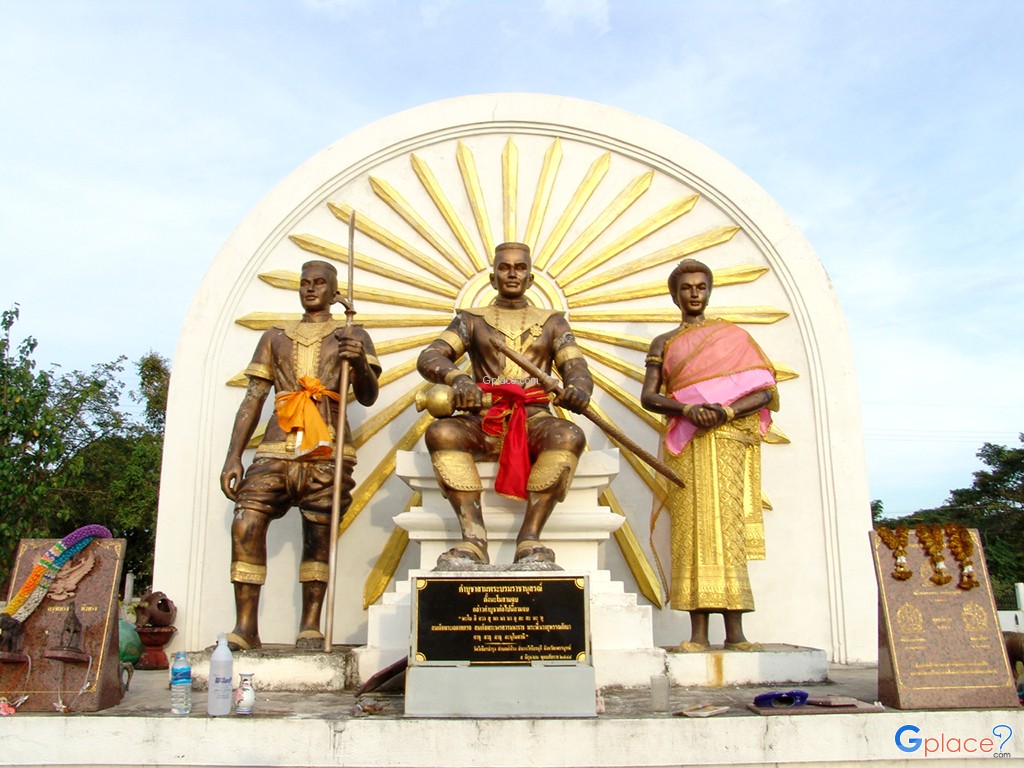
Behind the reclining Buddha are statues of King Naresuan the Great, Princess Suphankanlaya, and King Ekathotsarot, erected to honor the monarchs and important figures in Thai history. The surrounding area is well-landscaped, ideal for strolling and relaxing. Within the temple grounds is the original ordination hall, built in 1953, featuring simple architecture typical of rural Thai temples, yet preserving the beauty of its glass walls and original elements. Inside, it houses the main Buddha image and murals reflecting folk art from the mid-20th century, significant evidence of the religious and cultural development of the Wichian Buri community.
Another interesting feature of the temple is The "ancient dugout canoe," or large teak wood boat, discovered in the Pa Sak River, is believed to date back to the Ayutthaya period. Carved from a single teak tree trunk and featuring a covered canopy, it was historically used for travel and transporting goods by water. Its discovery reflects the importance of the Pa Sak River basin as a transportation and trade route for communities in the past. Today, the ancient dugout canoe is preserved within the temple as a historical learning resource and has become one of the rare artifacts in Phetchabun Province.
Besides being a place of worship, Wat Wichian Bamrung is also an important cultural and recreational stop in Wichian Buri District. Tourists can stroll through the tranquil temple grounds, feed the fish, relax by the pond, and learn about local history. Its location near the community and market makes it convenient to visit famous local restaurants, especially those serving Wichian Buri grilled chicken, a local specialty. This temple thus seamlessly blends religious faith, history, community life, and the local charm of Wichian Buri.
How to Get There
- From Bangkok, take Highway 21 (Saraburi-Lomsak) heading towards Phetchabun. Upon reaching the Wichian Buri Intersection, turn right onto the main road into Wichian Buri town district and drive for about 7 kilometers. Then, take a left turn right next to the Wichian Buri District Office and the Wichian Buri Police Station, continue for another 200 meters to reach the temple entrance.
Travel Tips
- Visit in the morning or late afternoon to avoid the heat.
- The outdoor reclining Buddha is best photographed in morning light.
- Bring a hat or umbrella if visiting during midday.
- Dress respectfully when entering the temple grounds.
Admission Fees:
- Free Admission.
Opening Hours:
- Open for visits all day (recommended time: 08:00 – 17:00).
Wat Wichian Bamrung

 Share
Share
 T.Tha Rong, A.Wichian Buri, Phetchabun, 67130
Map
T.Tha Rong, A.Wichian Buri, Phetchabun, 67130
Map
 Open now

 https://www.thai-tour.com/thai-tour/north/petchbun/data/place/pic_wat-vichienbumrung.htm

 4481
4481