 Attractions
  Hotel
Hotel  Restaurant
  Shopping
  Abroad





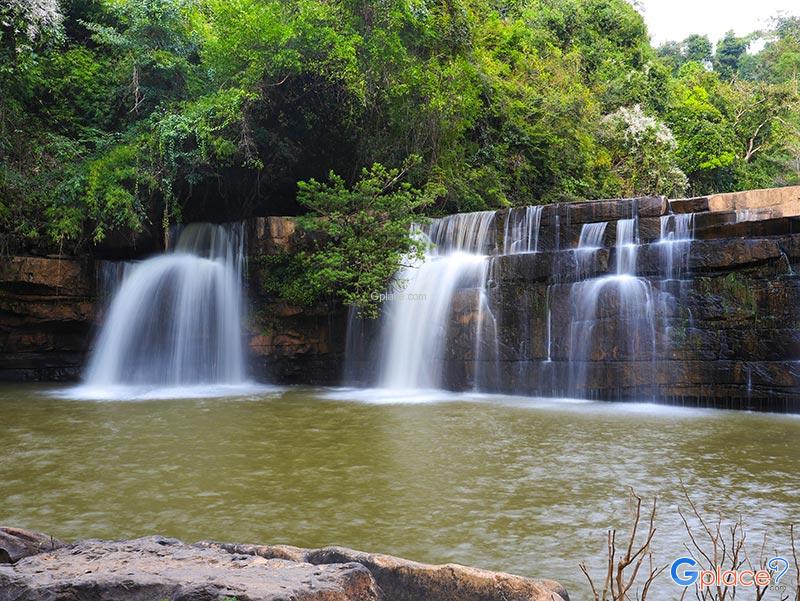

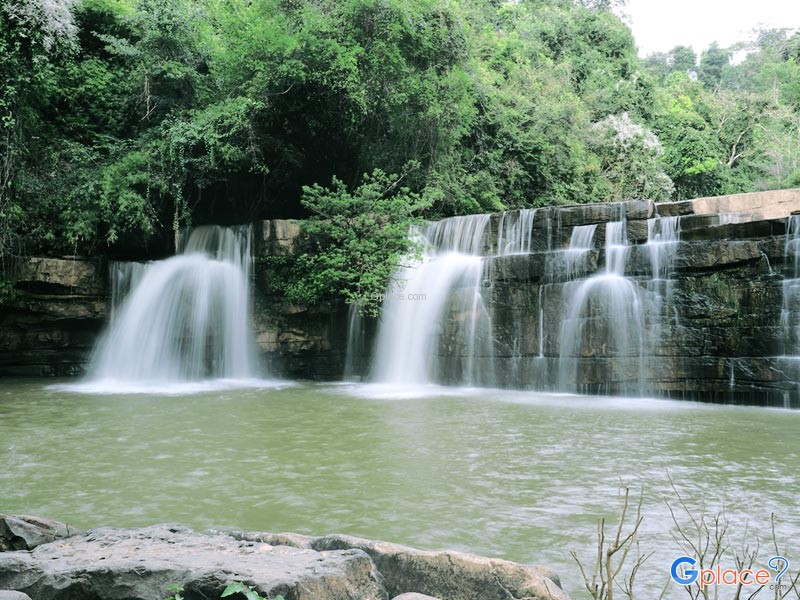
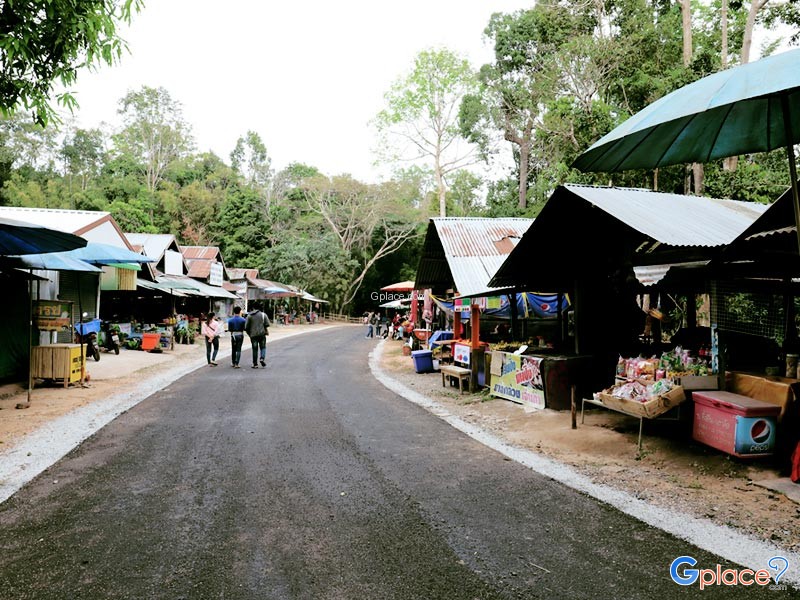
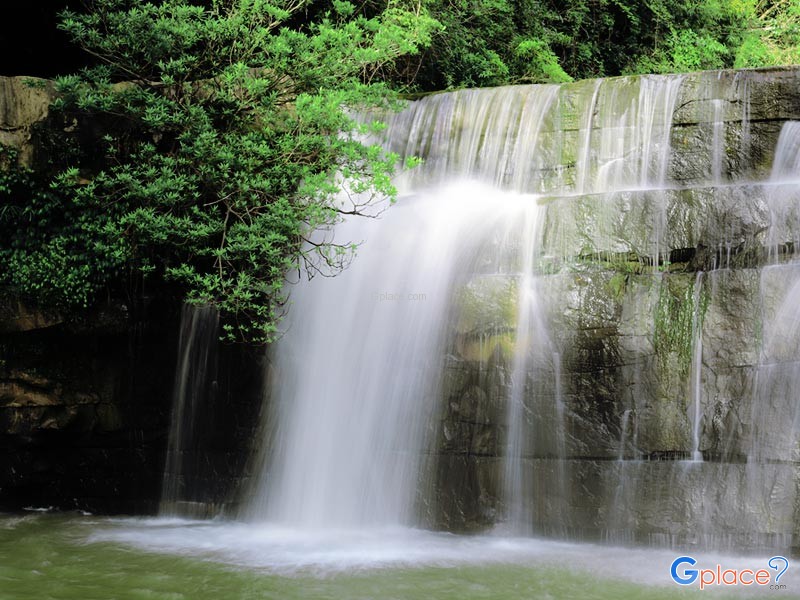
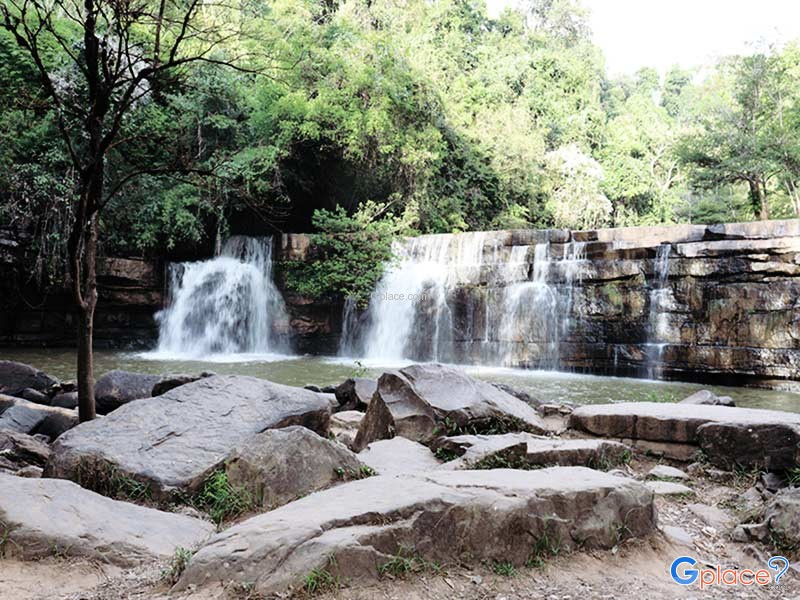

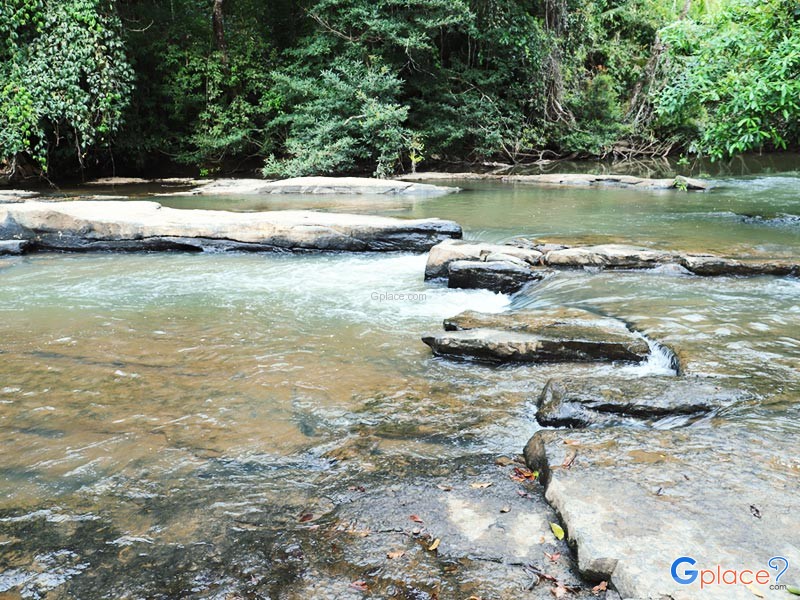
“Marvel at the massive sandstone cliffs carved by nature into a wide curtain waterfall, while experiencing the rich biodiversity of one of the most pristine hill evergreen forests.”
Sri Dit Waterfall is a large, single-tiered waterfall with a fascinating geological structure. It was formed by the flow of water over layers of sedimentary rocks, specifically sandstone and shale, which have been the primary components of the Khao Kho mountains for millions of years. A distinctive feature here is how the water from the Khek River cascades over an exceptionally wide stone cliff, creating a water curtain that spreads out according to the natural shape of the rock layers. The continuous erosion by the current has worn away parts of the sandstone, creating "potholes" and alternating small rock pools, resulting in a natural masterpiece of artistic beauty.
In terms of ecology, Sri Dit Waterfall serves as the heart of the Nong Mae Na forest, acting as a vital water source that sustains flora and fauna throughout the year. The area surrounding the waterfall is covered by hill evergreen and mixed deciduous forests that remain highly fertile. The forest floor is densely populated with lower-plant species like maidenhair ferns, mosses, and liverworts, which thrive on the high-moisture rocks. These plants are scientifically significant as they act as bioindicators of air quality and water purity. Additionally, the roots of large trees along the banks help bind the soil, preventing erosion during the flash flood season—a natural cycle that is highly educational to observe.
The hydrological process of this waterfall is equally intriguing. During the rainy season, when water volume is high, the current carries minerals and laterite soil from the high peaks, turning the water into a distinct reddish-brown hue. These sediments act as natural fertilizers that rejuvenate the downstream aquatic ecosystem. Conversely, during the winter and summer, the water is slowly filtered through layers of sand and tree roots, becoming crystal clear and cool. Visitors can clearly witness the water cycle in action, as well as the relationship between the watershed forest that stores water in the soil and gradually releases it into beautiful streams.
Beyond its visual beauty, this site is a prime location for learning about biodiversity. This is evident from the variety of insects and birds living in the riverside shrubbery, especially the many butterfly species that often descend to feed on mineral licks around the waterfall. Observing animal behavior and the characteristics of flora at different elevations of the waterfall helps us better understand the complexity of nature. Every stone and every drop of water at Sri Dit Waterfall carries scientific insights into natural history, waiting for visitors to explore and understand beyond mere sightseeing.
Visiting Sri Dit Waterfall is truly an eye-opening experience for learning about the Earth and the environment. Visitors can feel the strength of the rock layers that have withstood the current for eons, contrasted with the gentleness of the water that gives life to the forest. The tranquility of this place allows for focused observation of nature’s fine details, such as the striations on the sandstone or the growth of moss on branches. These are valuable lessons in environmental conservation, ensuring these resources remain sustainable for future generations.
We invite you to experience the power of nature and study the secrets of the forest hidden within the magnificent water curtain of Sri Dit Waterfall, fostering a deeper understanding of our planet's ecosystem.
How to Get There
-
By Private Car: From Phetchabun city, take Highway 21 towards Lom Sak. At the Nang Hua Junction, turn left onto Highway 2258. Pass Sadeapong and turn left towards Nong Mae Na; there are clear signs directing you to the waterfall area throughout the route.
-
By Public Transport: You can charter a local "Songthaew" (passenger pick-up truck) from the Khao Kho Tourist Service Center to travel to the waterfall and nearby sites within the wildlife sanctuary.
Travel Tips
-
Best Visiting Seasons: June–October to witness the full power of the water curtain, and November–February for trekking through nature in cool, pleasant weather.
-
Footwear and Equipment: Use sneakers or hiking shoes with deep treads to prevent slipping on the humid, high-moisture trails.
-
Photography: Recommended before 10:00 AM; the sunlight hits the waterfall at a beautiful angle, making the rock layers most visible.
-
Rules of Conduct: Do not collect stones or any plant species from the area. Please maintain silence to avoid disturbing the wildlife within the Non-Hunting Area.
-
Preparation: There is a visitor center at the entrance providing in-depth ecological information. It is recommended to study the data there before walking to the waterfall.
Admission Fee:
-
Local Visitors: Adult 20 THB, Child 10 THB
-
Foreign Visitors: Adult 200 THB, Child 100 THB
-
Updated 2025 by the Department of National Parks, Wildlife and Plant Conservation
Opening Hours:
-
Open Daily: 08:00 – 17:00
Sri Dit Waterfall

 Share
Share
 , Khao Kho Non-Hunting Area, Nong Mae Na Subdistrict, Khao Kho District, Phetchabun
Map
, Khao Kho Non-Hunting Area, Nong Mae Na Subdistrict, Khao Kho District, Phetchabun
Map
 Closed today
Mon8.00 - 17.00
Tue8.00 - 17.00
Wed8.00 - 17.00
Thu8.00 - 17.00
Fri8.00 - 17.00
Sat8.00 - 17.00
Sun8.00 - 17.00

 https://www.thai-tour.com/thai-tour/north/petchbun/data/place/pic_sridit-waterfall.html

 7231
7231