 Attractions
  Hotel
Hotel  Restaurant
  Shopping
  Abroad





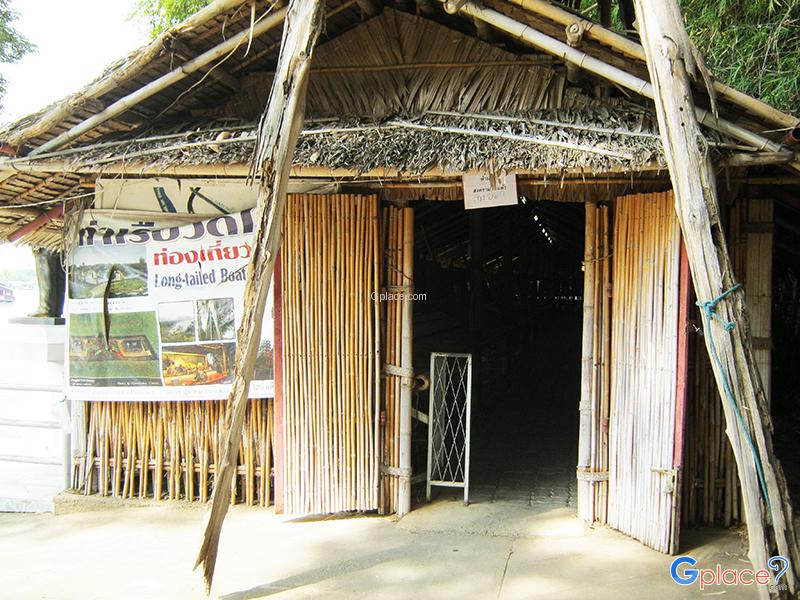

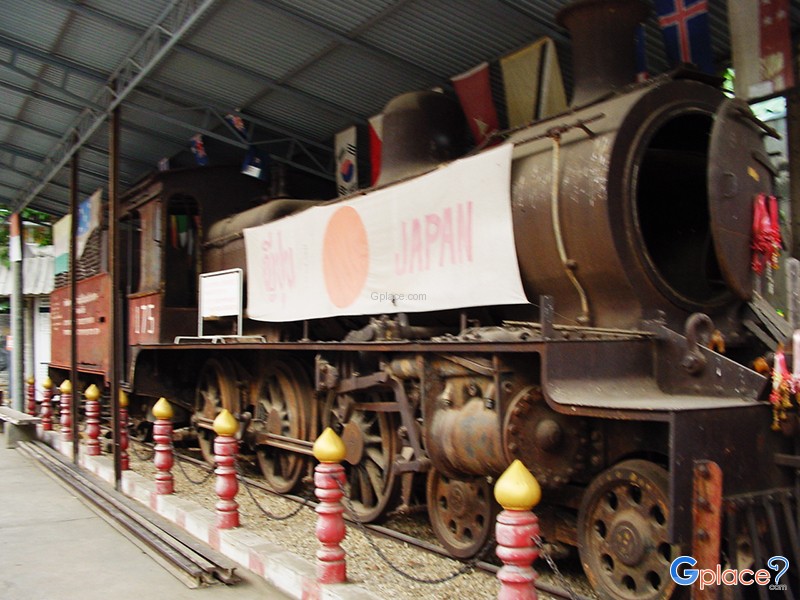
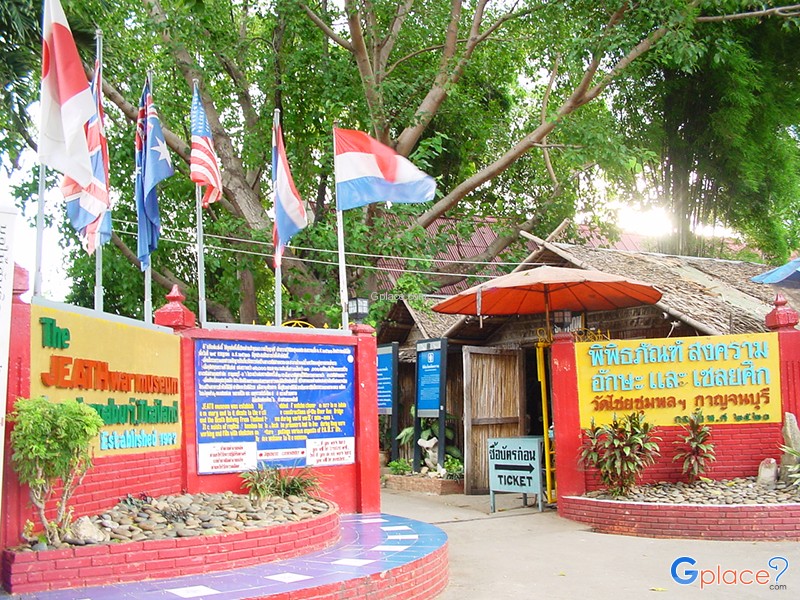
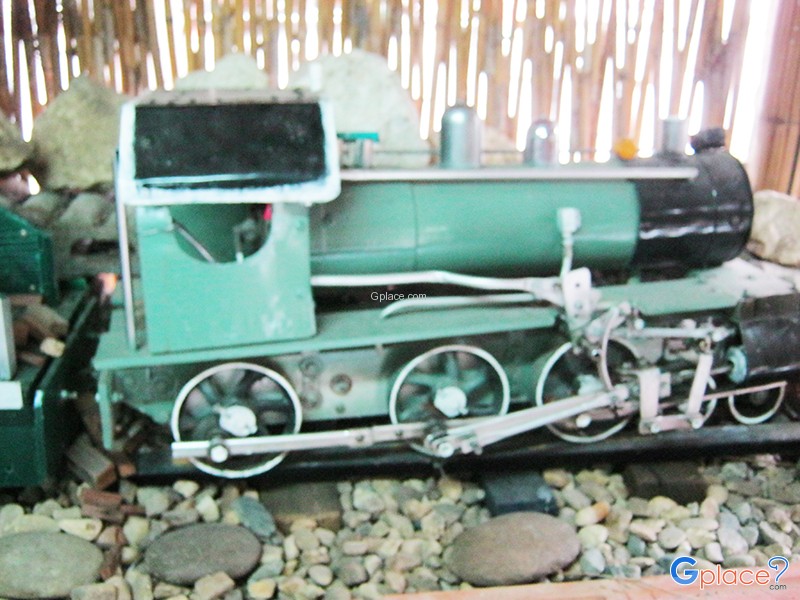
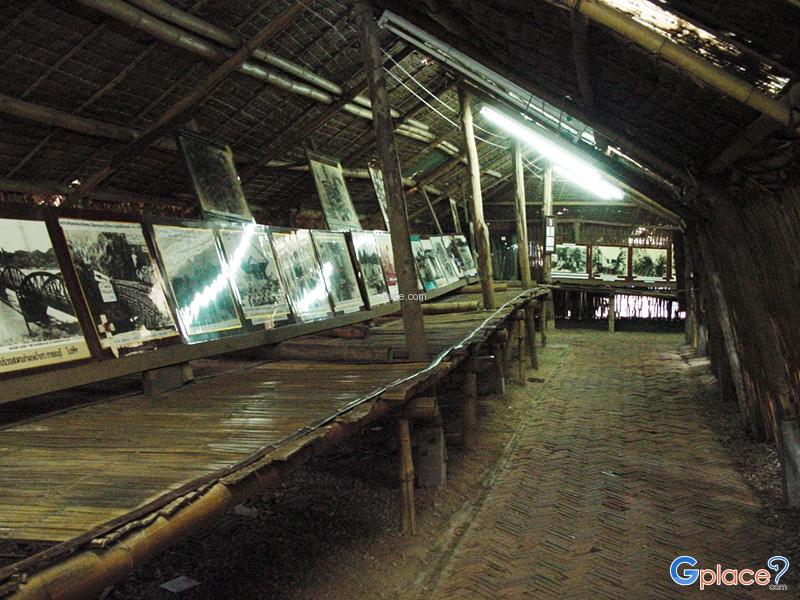
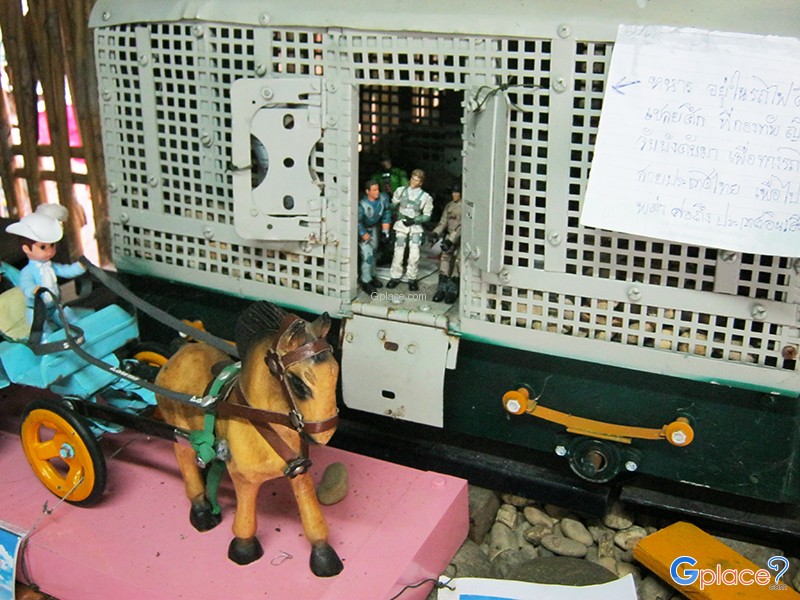
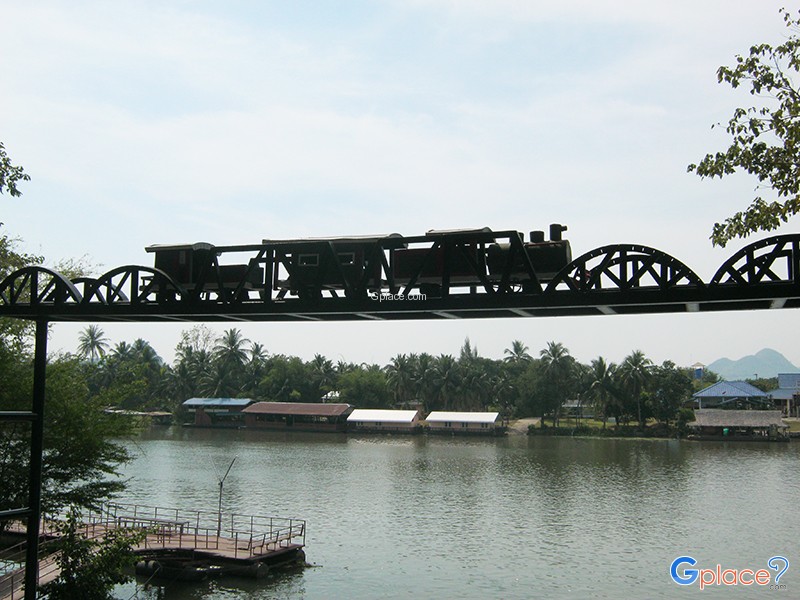
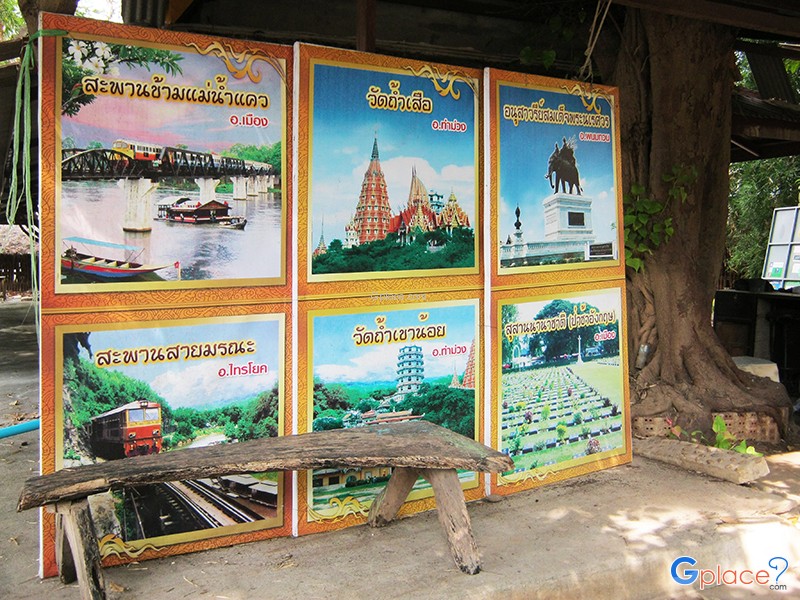
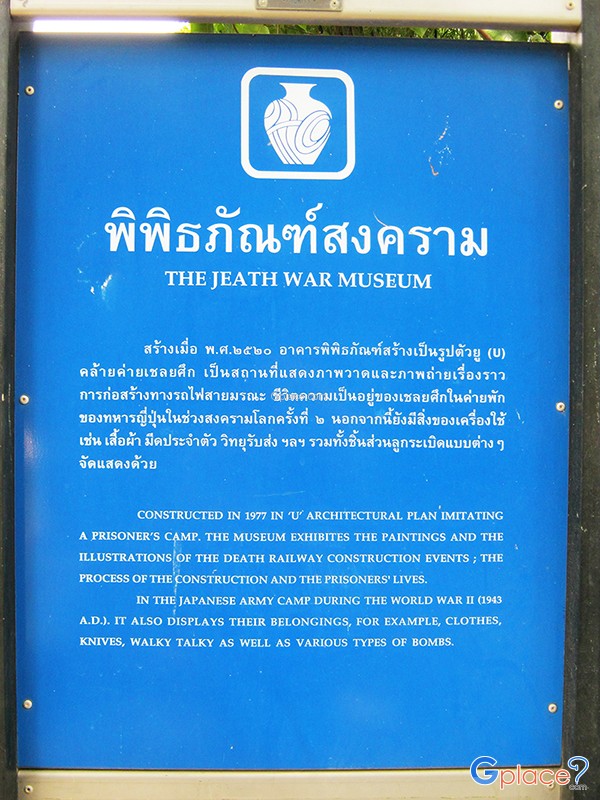
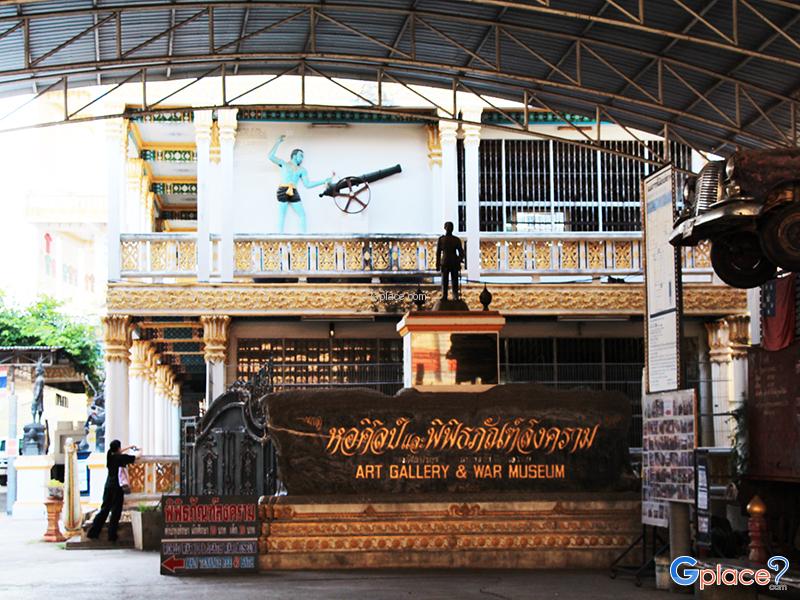
“JEATH represents 6 countries involved in World War II, featuring a replica prisoner-of-war hut and an exhibition of photographs and authentic artifacts that realistically reflect the history of war”
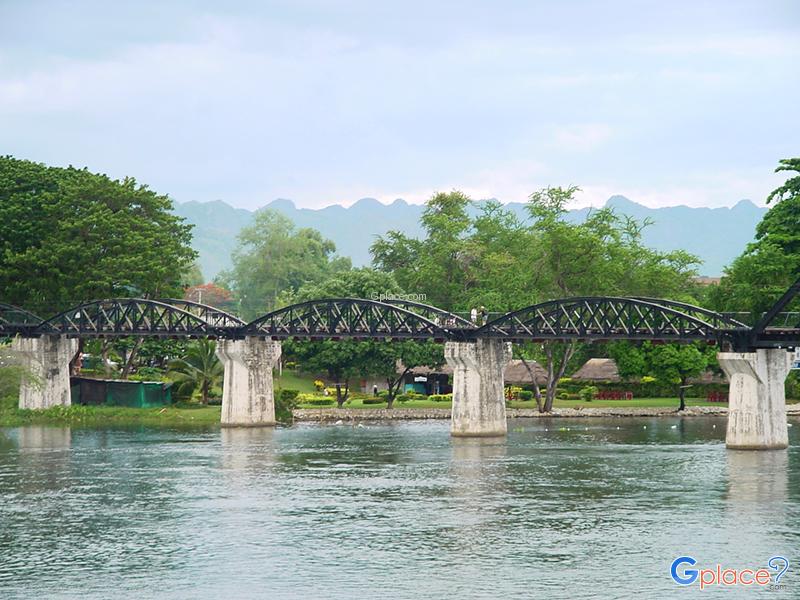
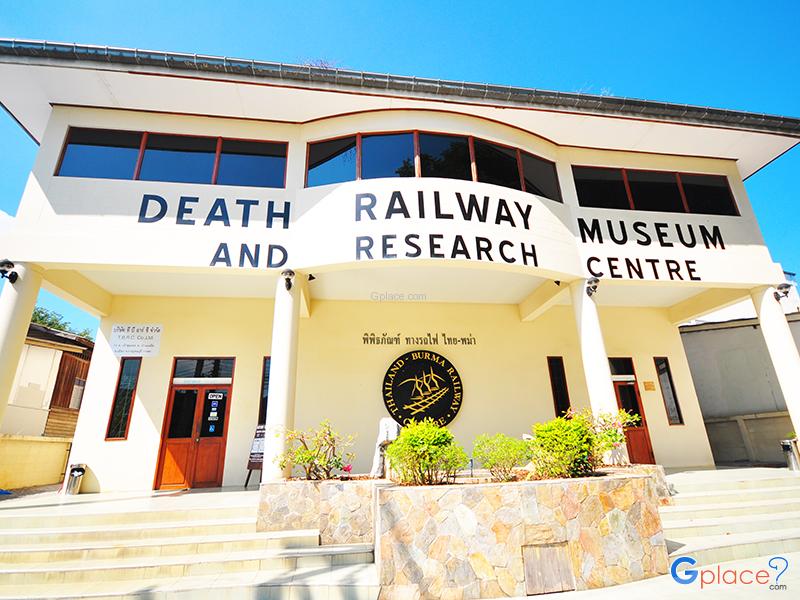
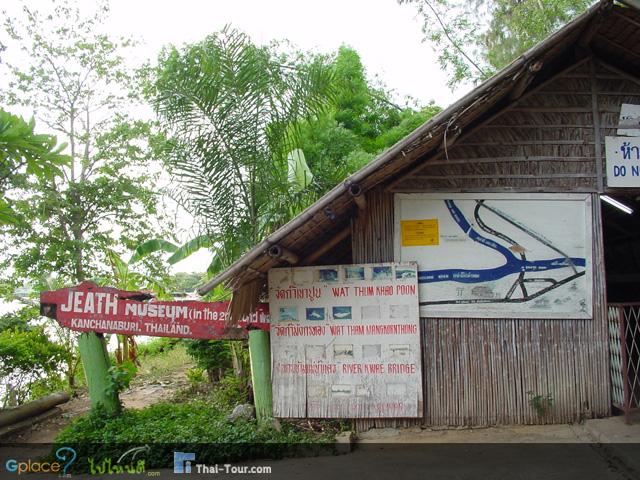
Jeath War Museum, also known as the JEATH War Museum, was established in 1977 inside Wat Chaichumphon Chanasongkhram (Wat Tai) in Kanchanaburi Province, Thailand, as a memorial and educational site reflecting the impact of World War II.The museum is closely connected to the construction of the Thailand–Burma Railway, also known as the “Death Railway,” built during World War II by the Japanese Imperial Army to transport supplies and military equipment. The project came at a heavy cost, as large numbers of prisoners of war and forced laborers were made to work under brutal conditions, suffering from starvation, lack of medical care, and widespread disease.
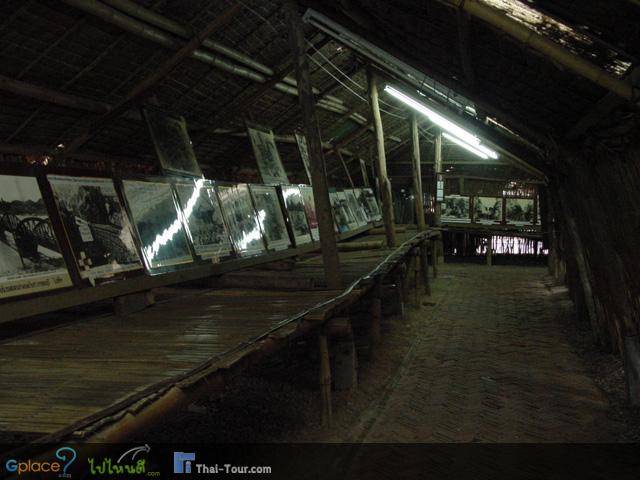
The name “JEATH” comes from the initials of six countries involved in the historical events: Japan, England, Australia, Thailand, Holland, and America, representing both the controlling forces and the prisoners of war during the conflict.Inside the museum, exhibits are presented in the form of replica bamboo huts, designed to closely resemble the original prisoner-of-war camps. Simple materials such as bamboo and thatch are used to reflect the harsh and overcrowded living conditions. Narrow walkways guide visitors through displays of rare black-and-white photographs documenting the construction of the Death Railway in detail.In addition to photographs, the museum features drawings and sketches created by surviving prisoners of war, depicting firsthand experiences of starvation, illness, and forced labor. These works add a deeply personal and emotional perspective to the historical narrative.
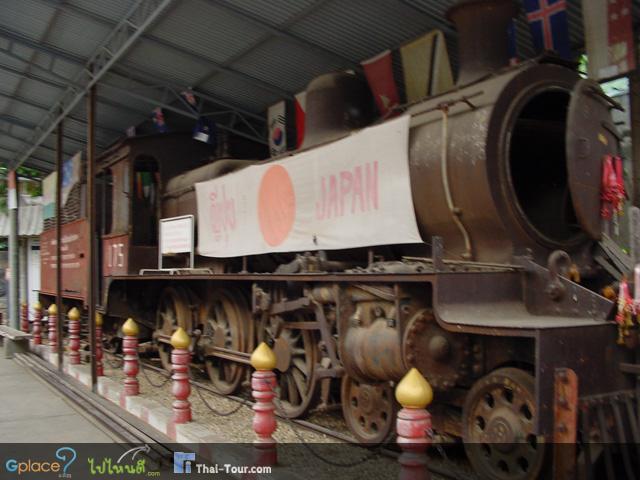
The museum also displays authentic wartime artifacts, including railway construction tools, rock drilling equipment, military uniforms, weapons, and personal belongings of both Japanese soldiers and Allied prisoners of war. These items help visitors gain a clearer understanding of the historical context.Rather than serving solely as an exhibition space, the museum functions as a place of remembrance, emphasizing the brutality of war and the importance of peace in the modern world.Located along the banks of the Mae Klong River, the surroundings are calm and scenic, creating a striking contrast between the peaceful present environment and the tragic history presented inside, allowing for a deeper reflection on the past.
How to Get There
- By car: From Bangkok, take Phetkasem Road or Borommaratchachonnani Road heading toward Kanchanaburi Province. Once in Kanchanaburi town, continue along Saeng Chuto Road to Wat Chaichumphon Chanasongkhram (Wat Tai). The museum is located inside the temple grounds and has available parking.
- By public transport: Take a minivan or bus from Mo Chit 2 or Southern Bus Terminal (Sai Tai Mai) to Kanchanaburi Bus Terminal. From there, continue by shared taxi, local songthaew, or motorcycle taxi to Wat Tai, approximately 1–2 kilometers away.
Travel Tips
- Photography is not allowed inside the replica bamboo hut exhibition area.
- Visitors should explore the museum quietly and respectfully, as it is a memorial site.
- The rear area of the museum is located along the Mae Klong River, offering a peaceful atmosphere for walking and relaxation.
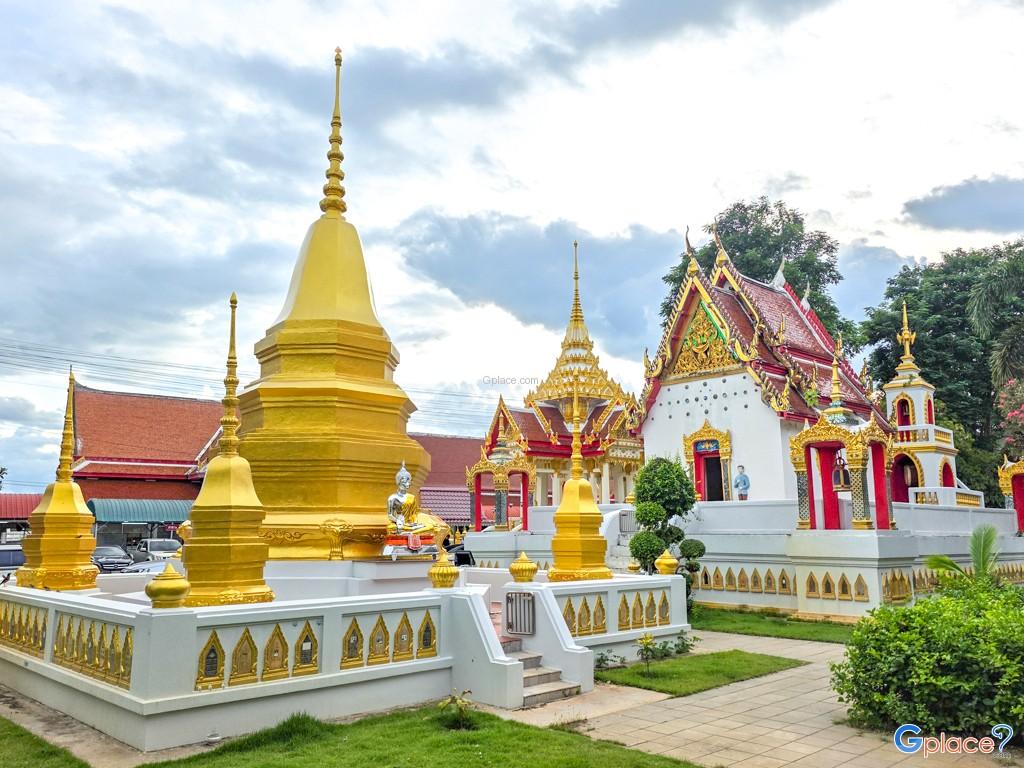
- You can also visit and pay respects at the temple within the same compound (Wat Tai).
Jeath War Museum

 Share
Share
 Ban Tai, Mueang Kanchanaburi, Kanchanaburi 71000
Map
Ban Tai, Mueang Kanchanaburi, Kanchanaburi 71000
Map
 Closed today
Mon8.00 - 16.30
Tue8.00 - 16.30
Wed8.00 - 16.30
Thu8.00 - 16.30
Fri8.00 - 16.30
Sat8.00 - 16.30
Sun8.00 - 16.30

 https://www.thai-tour.com/thai-tour/central/kan/data/place/jeath-war-museum.html

 7394
7394
Recommend trips
All reviews
(List 3 review)
รีวิวเมื่อ 4 มิ.ย. 55
ถูกใจ
แชร์
รีวิวเมื่อ 4 มิ.ย. 55
ถูกใจ
แชร์
รีวิวเมื่อ 4 มิ.ย. 55
ถูกใจ
แชร์