 Attractions
  Hotel
Hotel  Restaurant
  Shopping
  Abroad





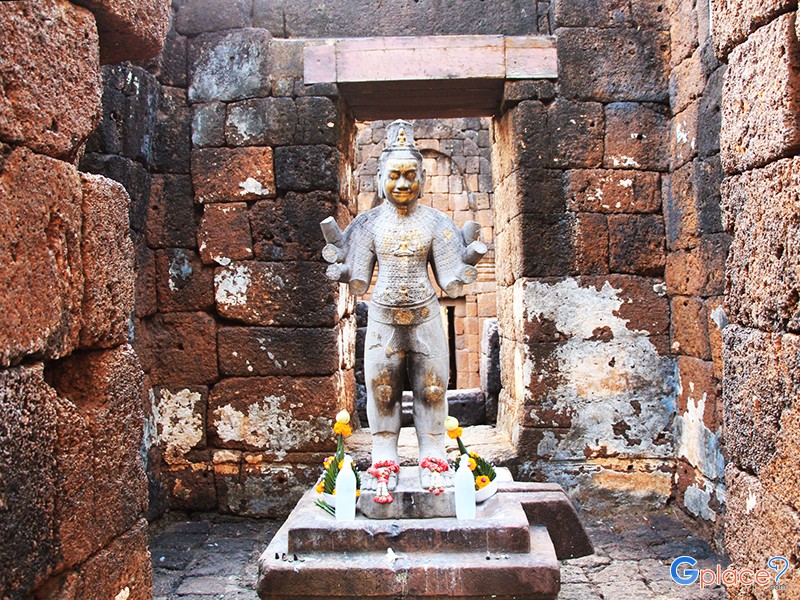

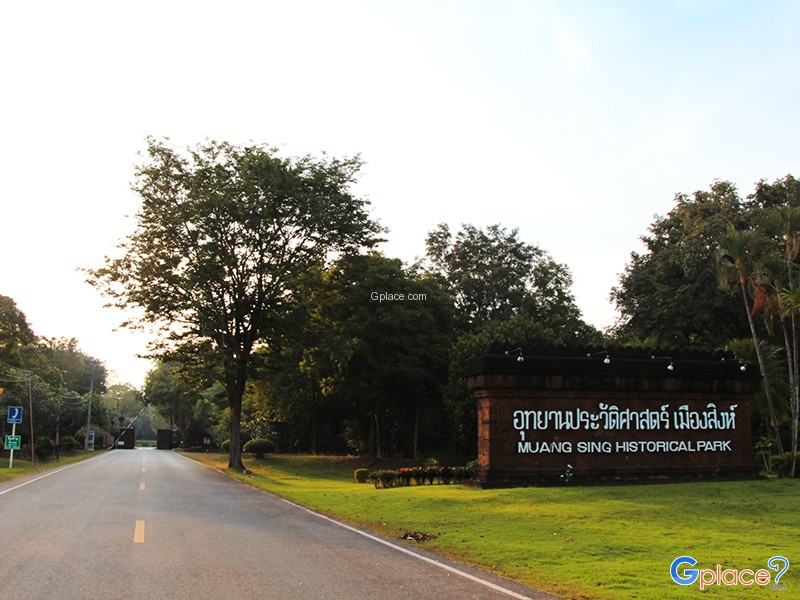
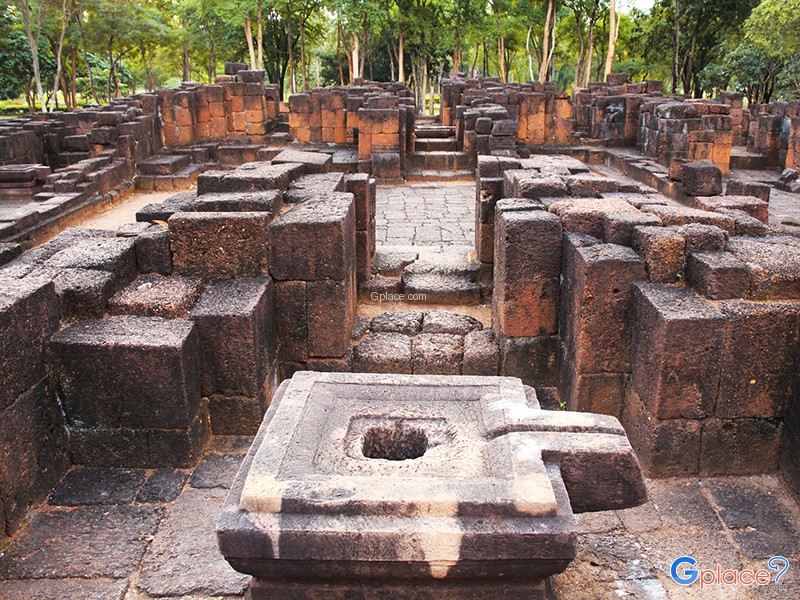
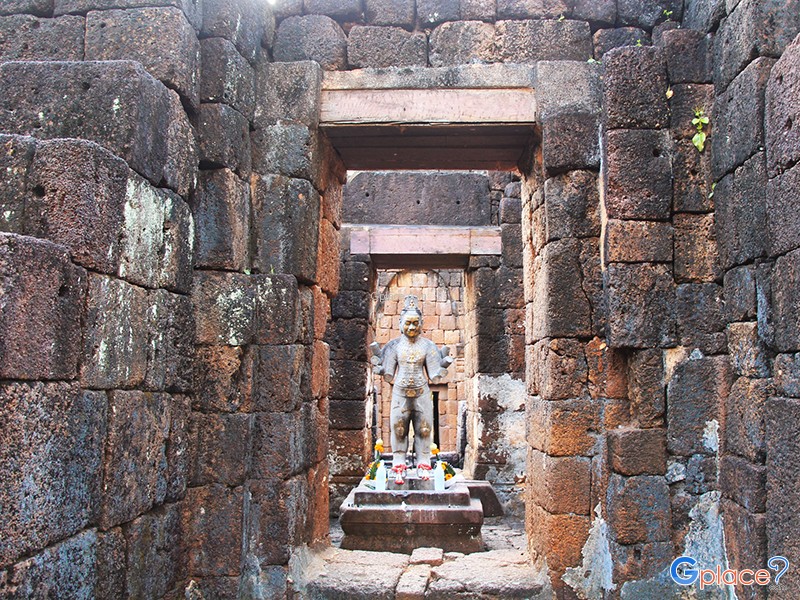
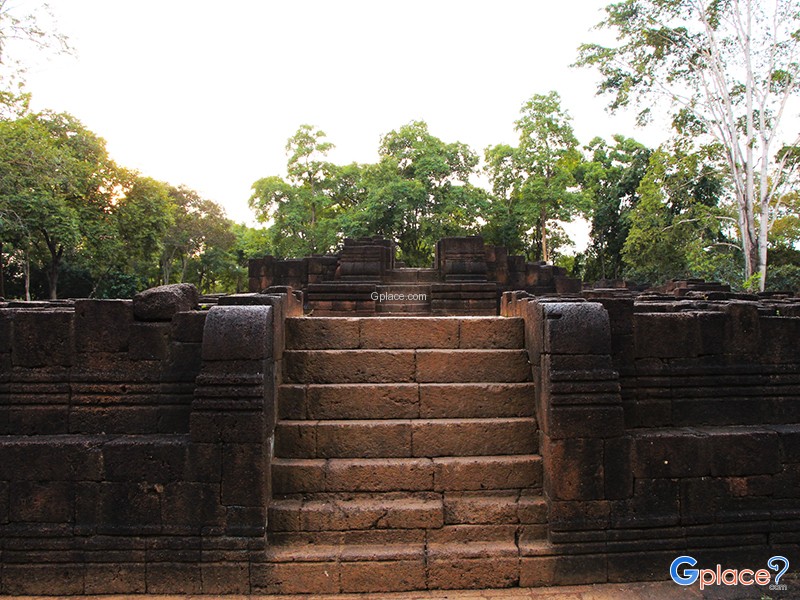
“Visit the only Khmer laterite castle in western Thailand, admire the Radiating Avalokiteshvara statue, and explore ancient Mahayana Buddhist history along the scenic Kwai Noi River.”
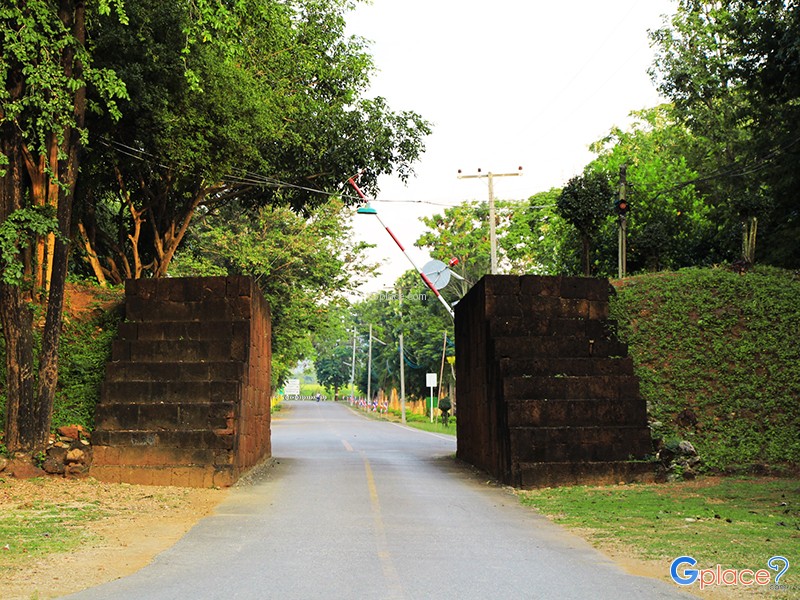
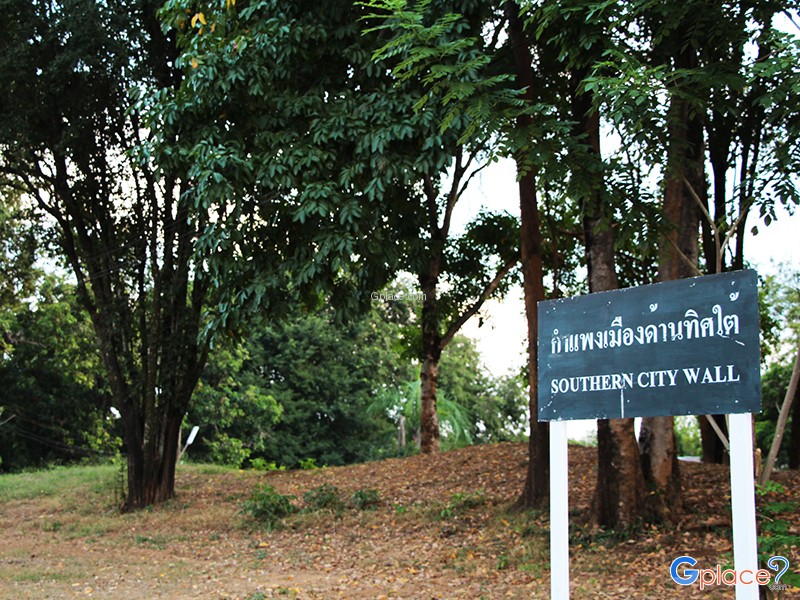
Muang Sing Historical Park is one of Thailand's most important historical sites and a significant center of Khmer civilization in the western region. Located on the banks of the Khwae Noi River in Sai Yok District, Kanchanaburi Province, the park retains remnants of an ancient city with a rectangular layout, surrounded by laterite walls, moats, and multiple earthen embankments. This demonstrates a systematic city planning and strategic importance in the past. Archaeologists believe the city was built during the 18th–19th Buddhist centuries, corresponding to the reign of King Jayavarman VII, the great king of the Khmer Empire, who expanded his political and religious influence into the Khwae Noi River basin. Muang Sing may have served as a religious center, a military outpost, and a trading post between the Chao Phraya River basin and the western territories.
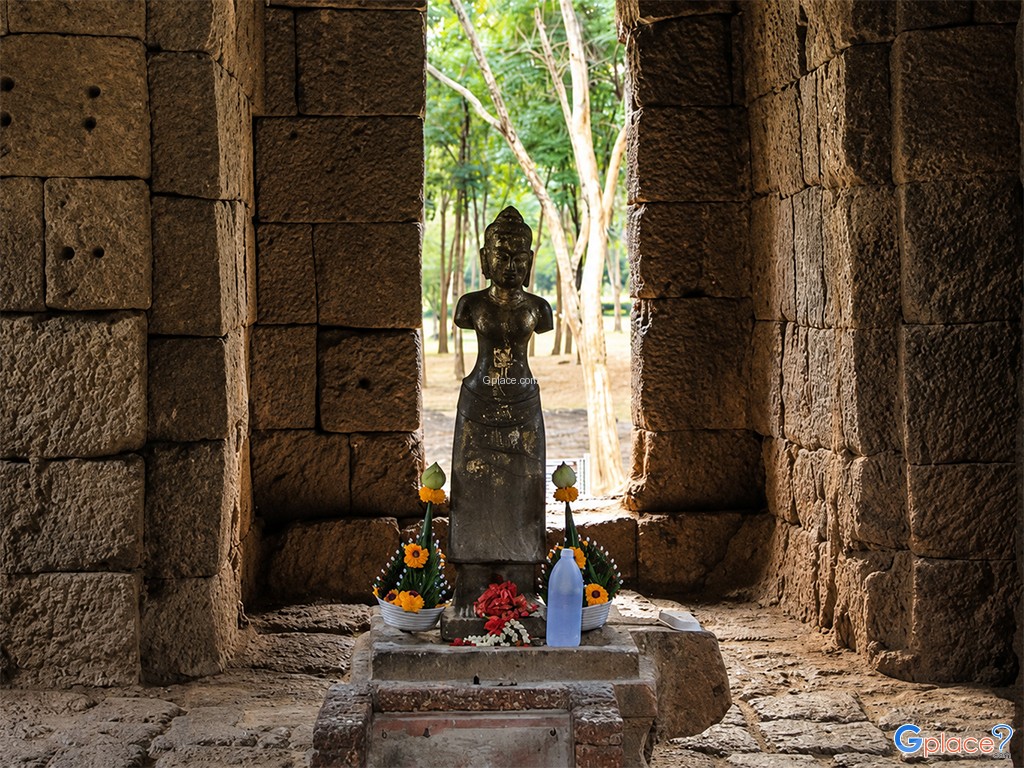
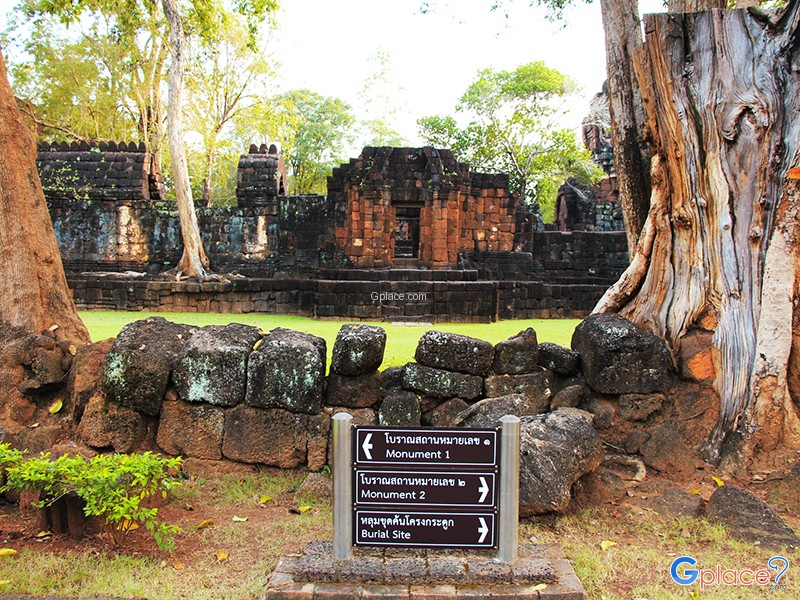
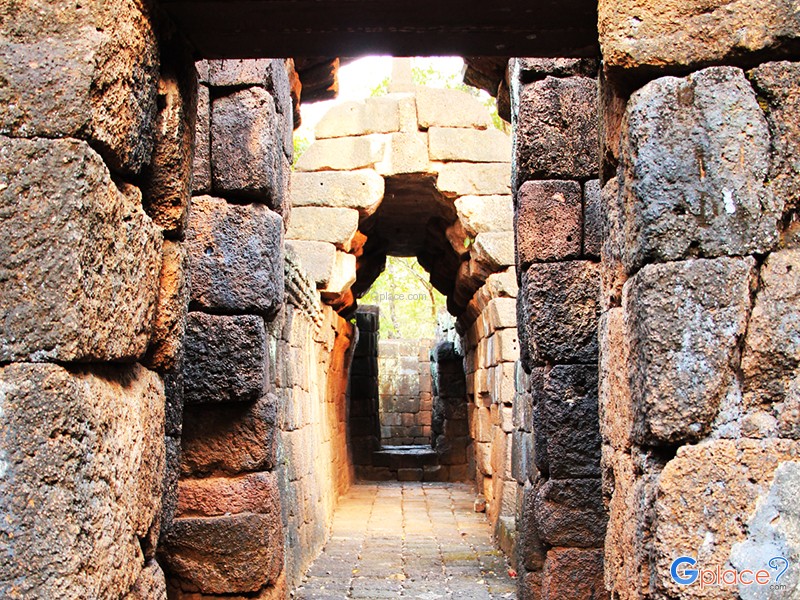
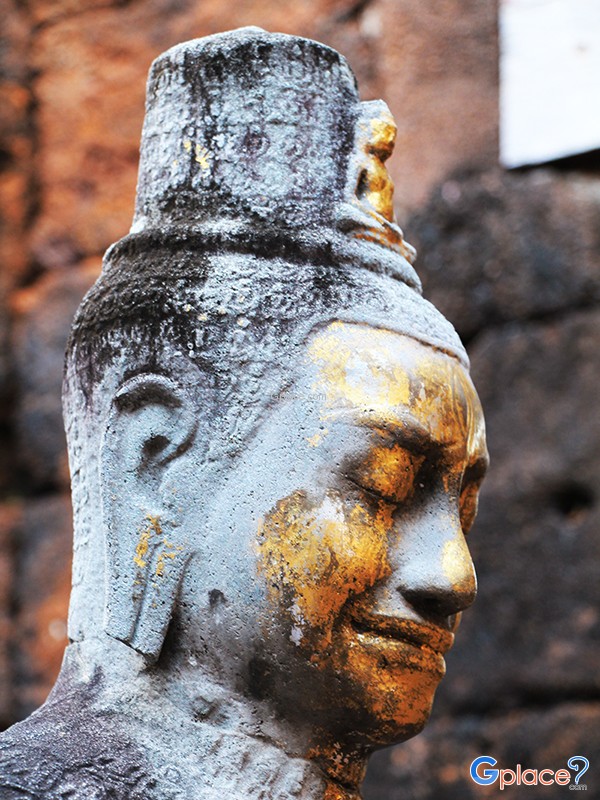
The most important historical site within the park is "Prasat Muang Sing," or Monument No. 1, located in the heart of the city. Built in the Bayon style, a popular architectural form during the reign of King Jayavarman VII, the temple is constructed of laterite and sandstone and faces east, following the ancient Khmer belief. It once housed Buddha images and other Buddhist religious figures of the Mahayana sect. In particular, the statue of Avalokiteshvara, a significant symbol of Mahayana Buddhism in the Khmer Empire, is on display within the park. A replica of the "Radiant Avalokiteshvara Bodhisattva" is a crucial artifact discovered during excavations, reflecting the flourishing art of Muang Sing in the past.
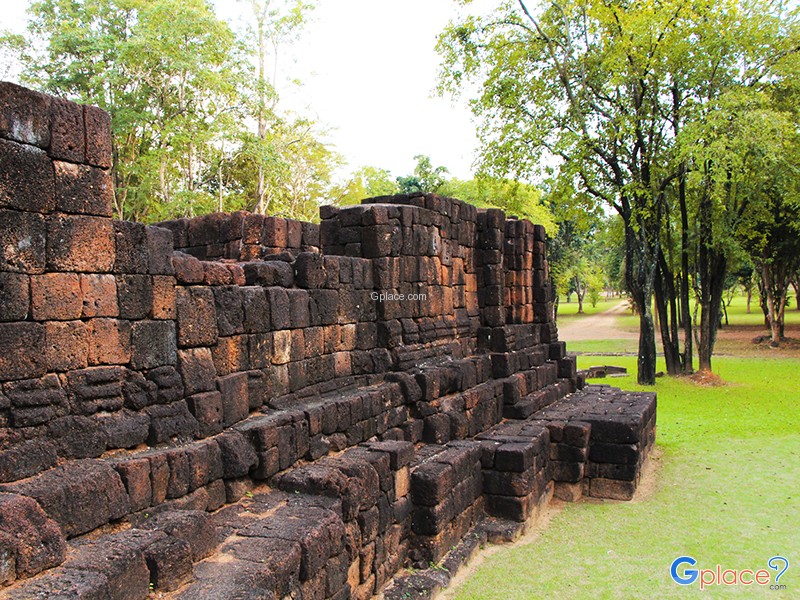
Besides the main temple, the park contains several other archaeological sites, such as Archaeological Site No. 2, believed to be related to religious rituals, as well as numerous building foundations and structures still showing traces. Although some parts are reduced to mere wall foundations and laterite stone embankments, they reflect the complexity of this ancient community. The city walls are surrounded by multiple layers of moats and earthen embankments, which scholars believe served both to protect the city and manage water in the lowlands along the Kwai Noi River. This urban planning system demonstrates the advanced engineering and planning knowledge of the Khmer civilization of that era.
Outside the city walls, archaeologists have also discovered prehistoric burial sites, along with pottery, beads, and various ornaments dating back thousands of years. This indicates that the area has been continuously inhabited for a long time before the Khmer Empire. These discoveries are of great importance for studying the development of ancient communities in the Kwai Noi River basin. This helps confirm that Muang Sing was not just a religious center, but also a large community connected to diverse cultures throughout various eras.
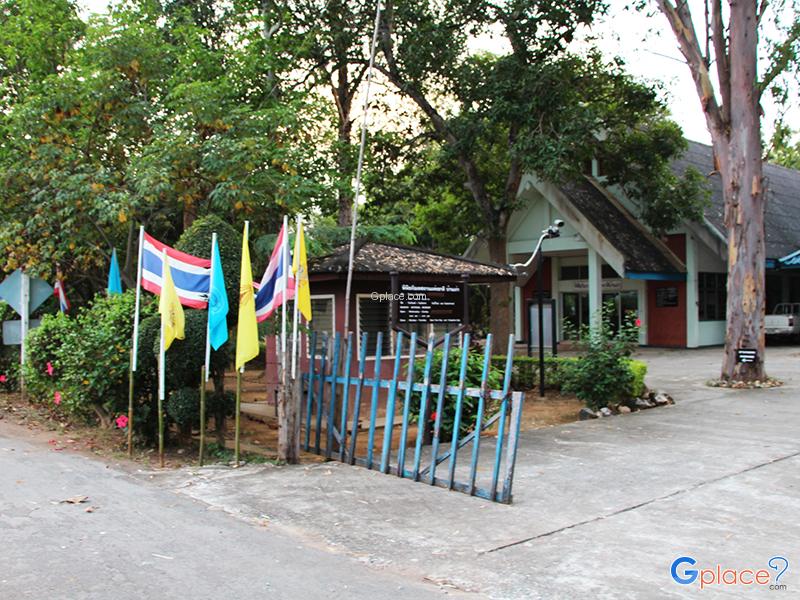
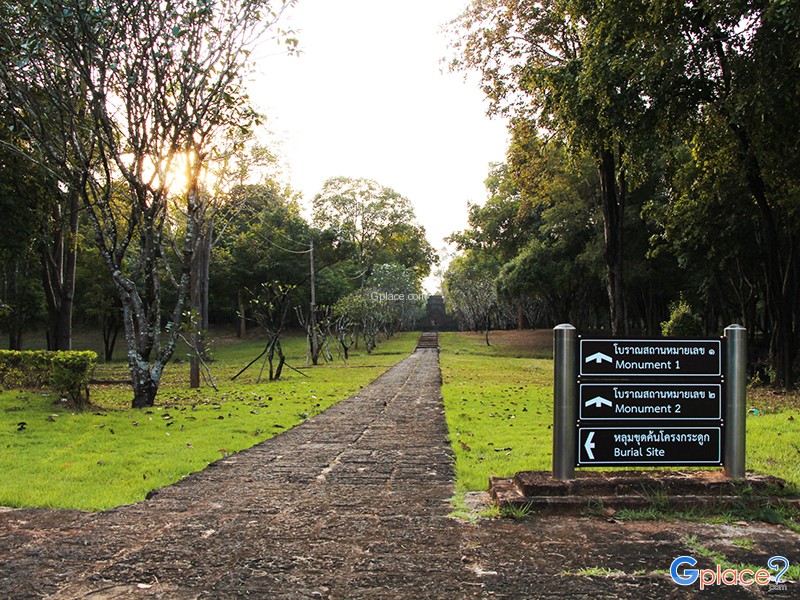
Today, Muang Sing Historical Park is preserved and developed as an important historical learning and cultural tourism destination in Kanchanaburi Province. The area features nature trails, spacious lawns, and large trees providing shade, making it easy for tourists to explore the ancient ruins. The atmosphere along the Kwai Noi River adds to its charm, differentiating it from Khmer temples in other regions. Many tourists visit to study history, photograph ancient architecture, and experience the peaceful atmosphere of this 800-year-old ancient city, which still clearly reflects the flourishing of Khmer civilization in western Thailand.
How to Get There
- From Kanchanaburi city, take Highway 323 toward Sai Yok for 30 km, then turn left onto Highway 3455 and continue for another 10 km. Alternatively, take a train to Tha Kilen Station and hire a local transport to reach the park entrance.
Travel Tips
- Visit in the morning or after 3 PM to avoid the midday heat.
- Wear comfortable walking shoes for exploring the large park area.
- Bring drinking water, especially during the hot season.
- The rainy season offers lush greenery and a refreshing atmosphere.
Admission Fees:
-
Thai Nationals: 20 THB
-
Foreigners: 100 THB
-
Vehicle Entry Fee: 50 THB per car
Opening Hours:
Daily from 08:00 – 16:30.
Muang Sing Historical Park

 Share
Share
 T.Sing, A.Sai Yok, Kanchanaburi, 71150
Map
T.Sing, A.Sai Yok, Kanchanaburi, 71150
Map
 Closed today
Mon8.00 - 16.30
Tue8.00 - 16.30
Wed8.00 - 16.30
Thu8.00 - 16.30
Fri8.00 - 16.30
Sat8.00 - 16.30
Sun8.00 - 16.30

 https://www.thai-tour.com/thai-tour/central/kan/data/place/pic_prasatmuangsingh.htm

 8225
8225