 Attractions
  Hotel
Hotel  Restaurant
  Shopping
  Abroad





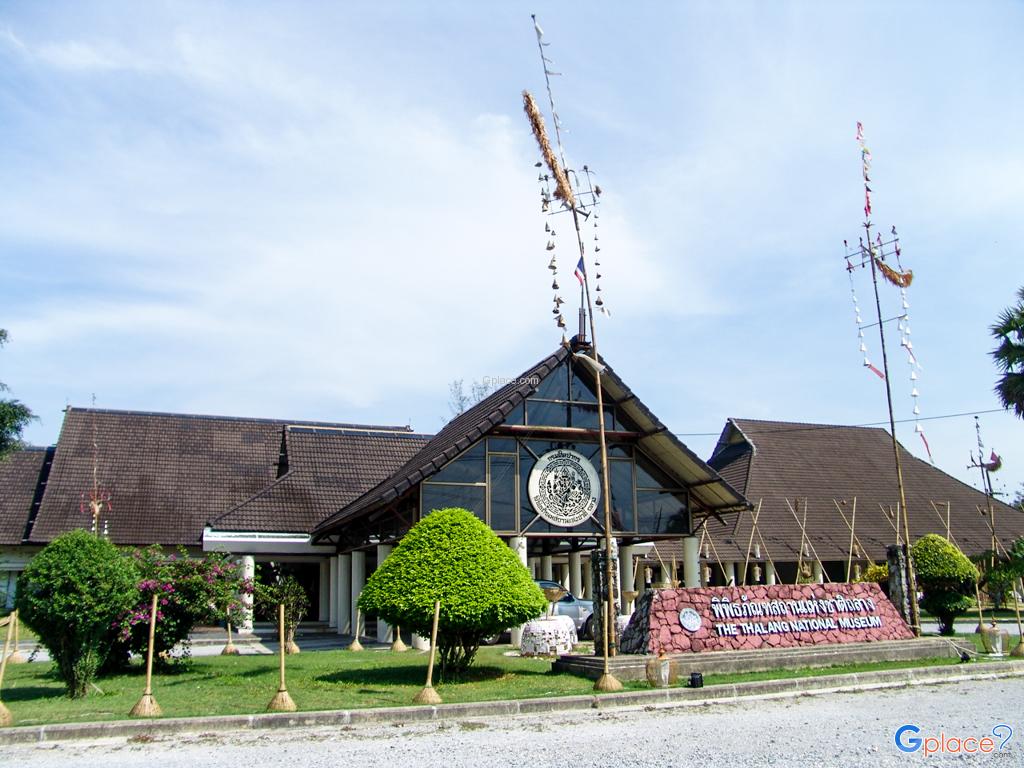

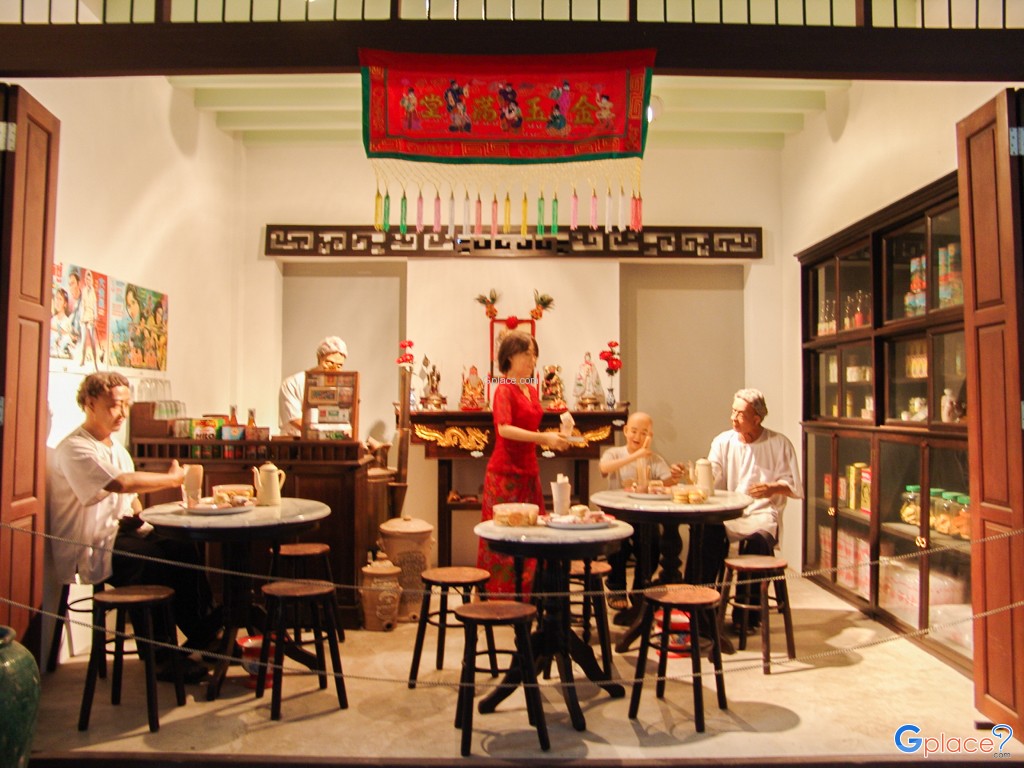


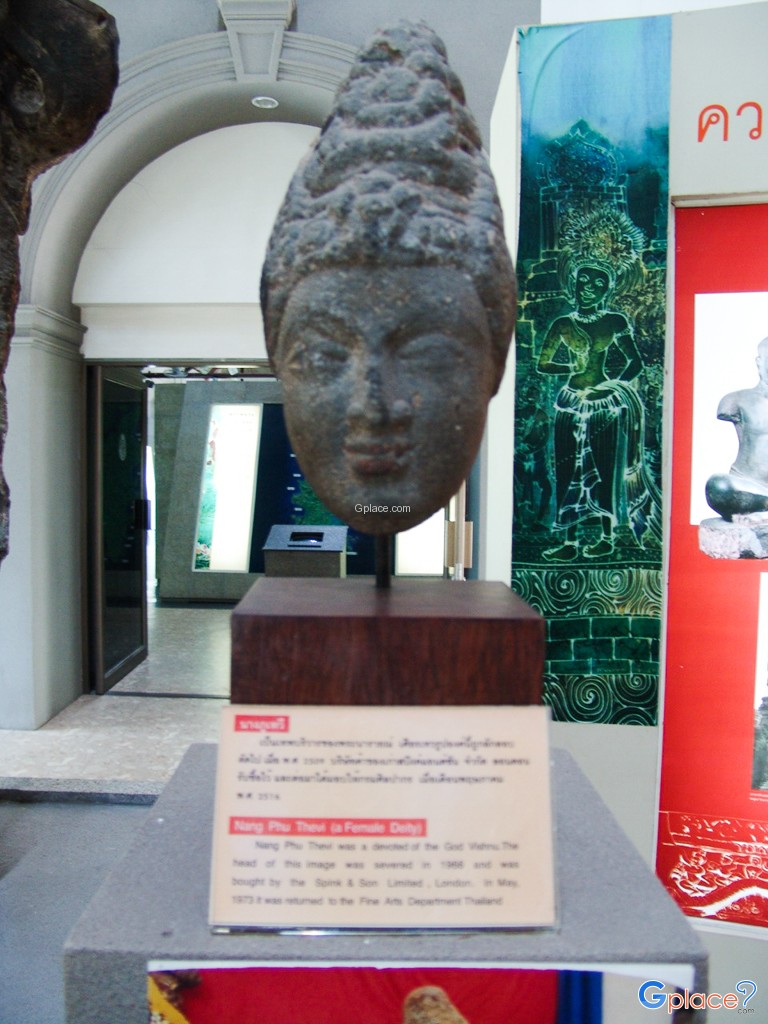
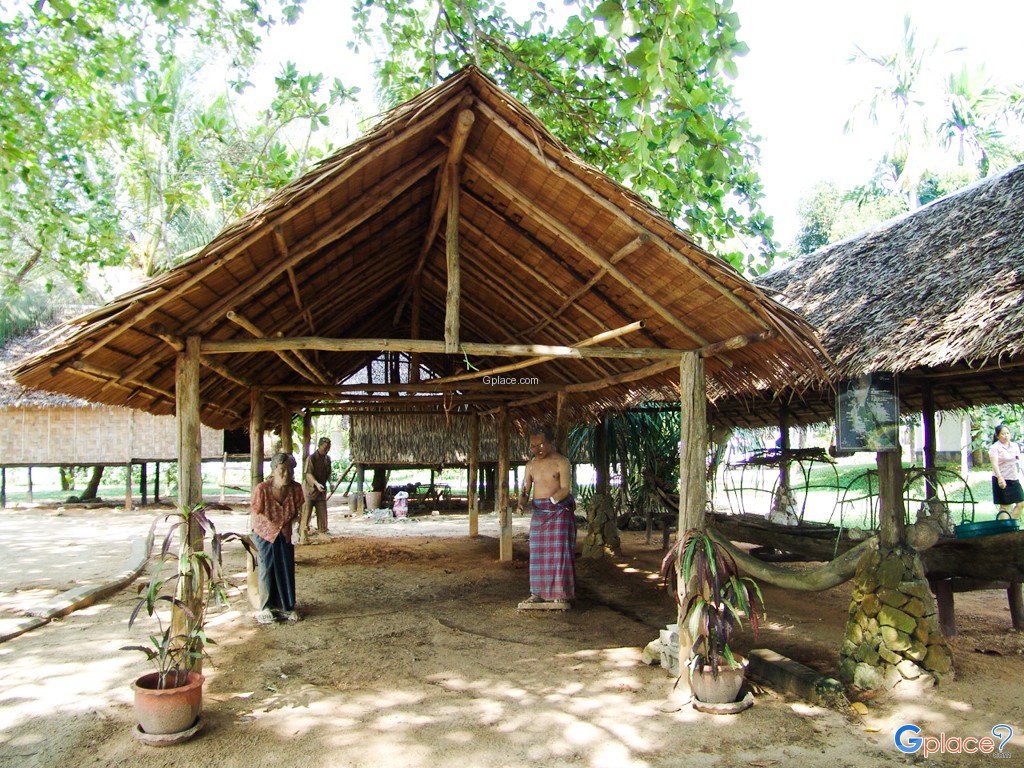

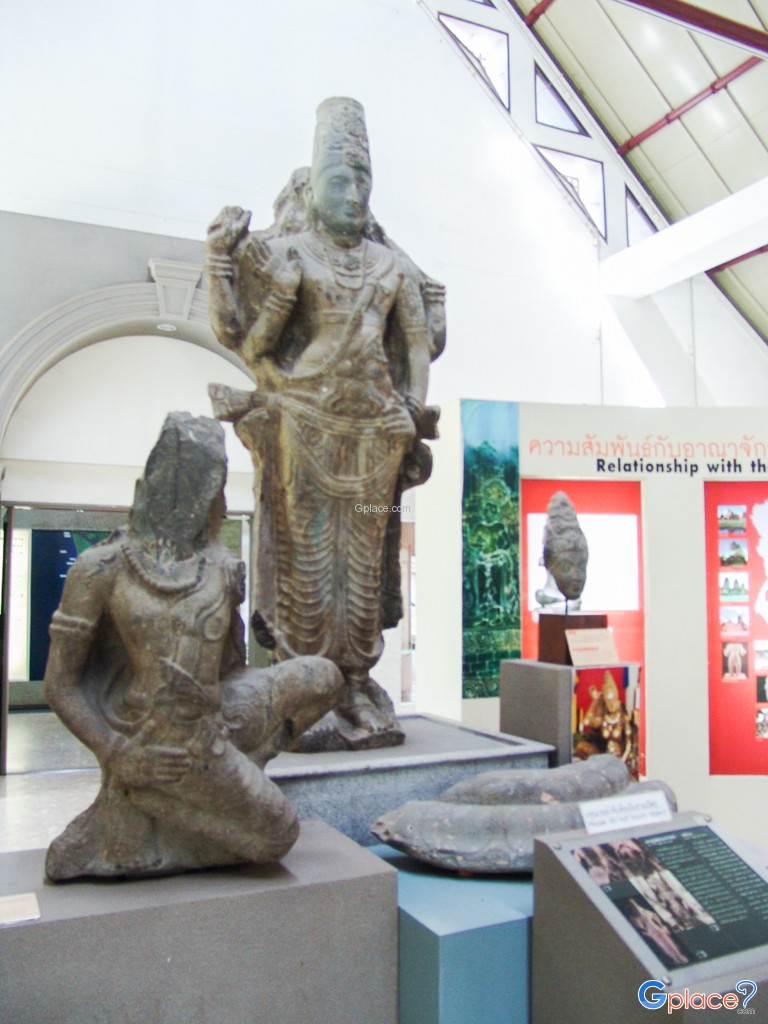
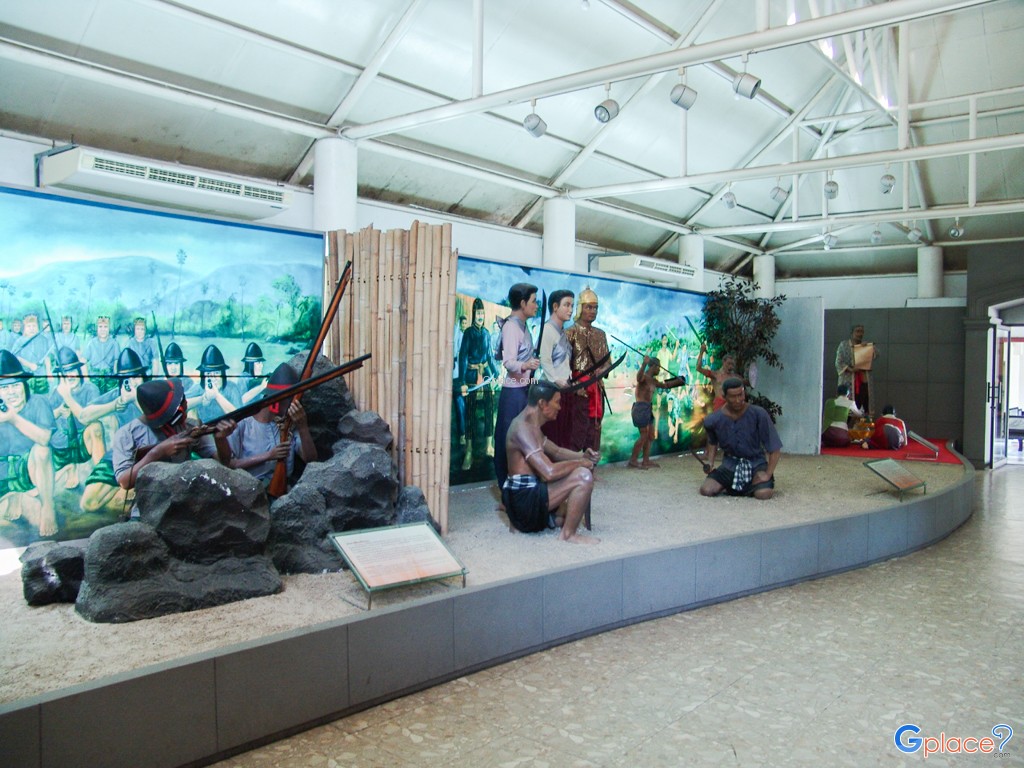
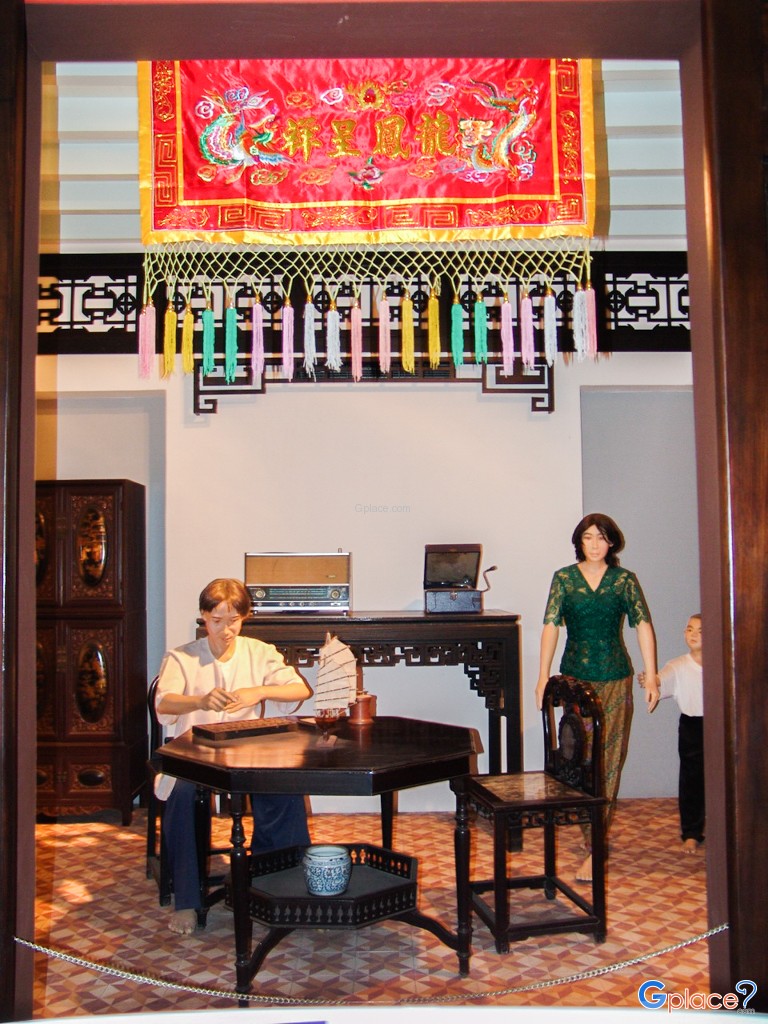
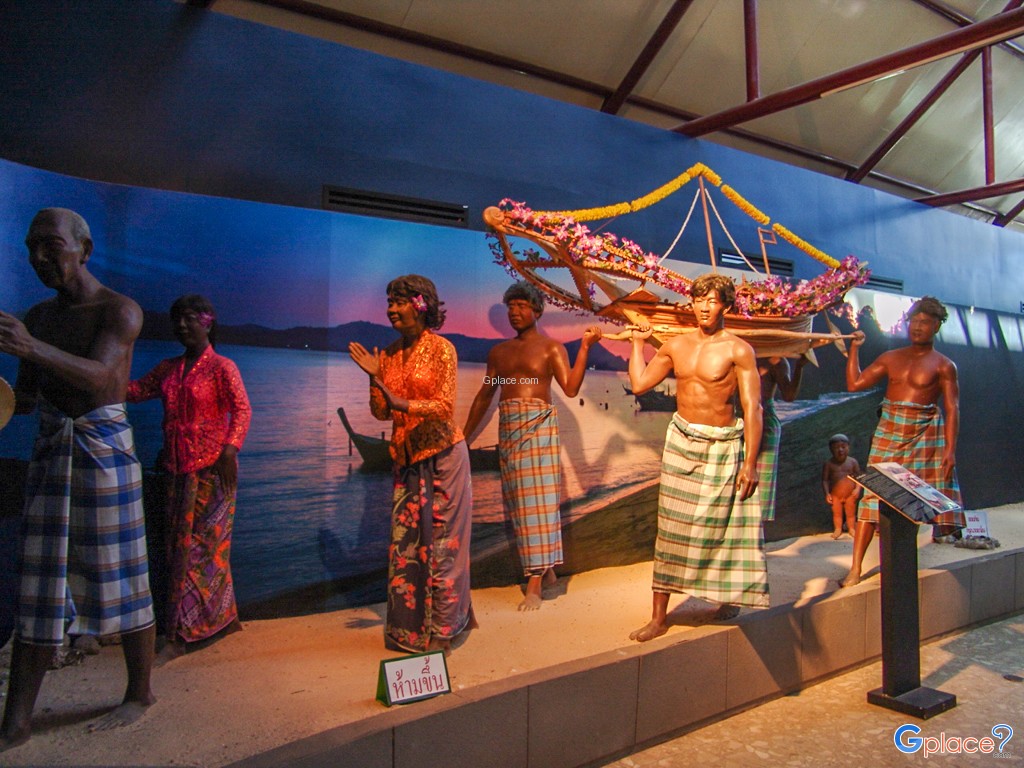
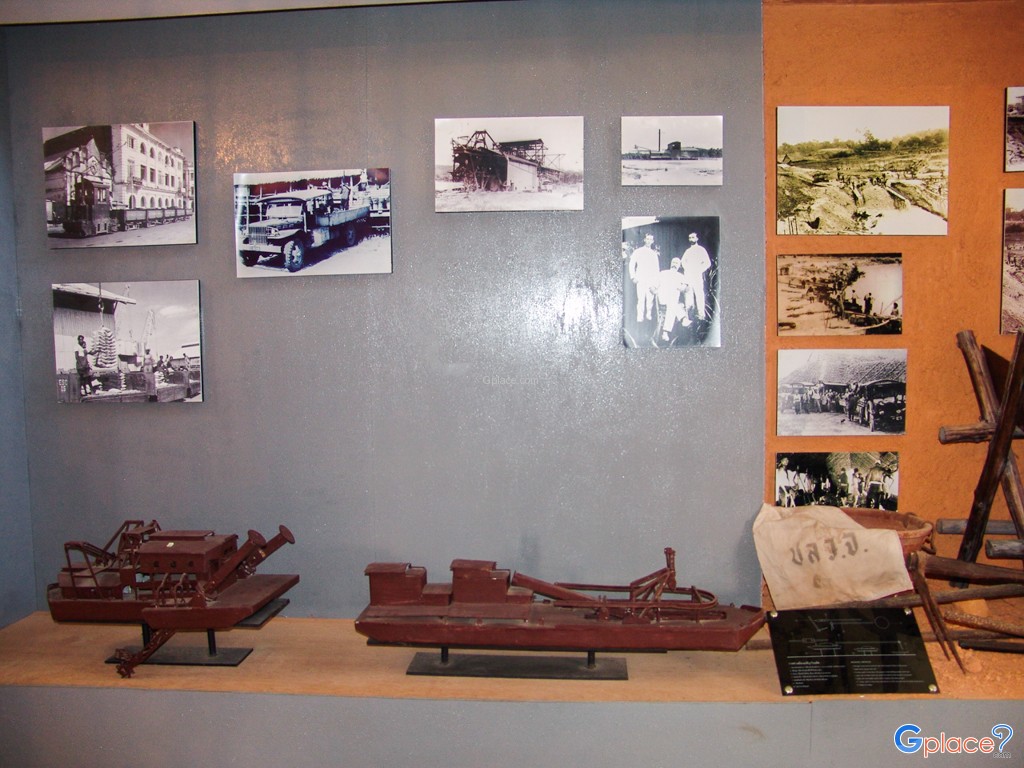
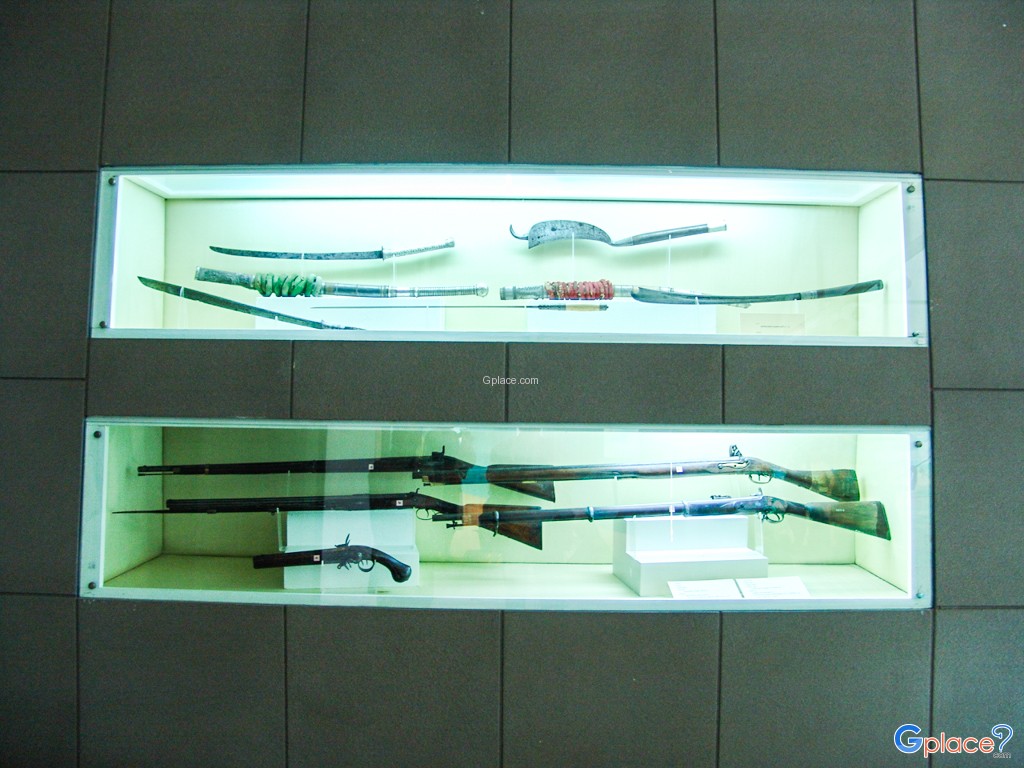
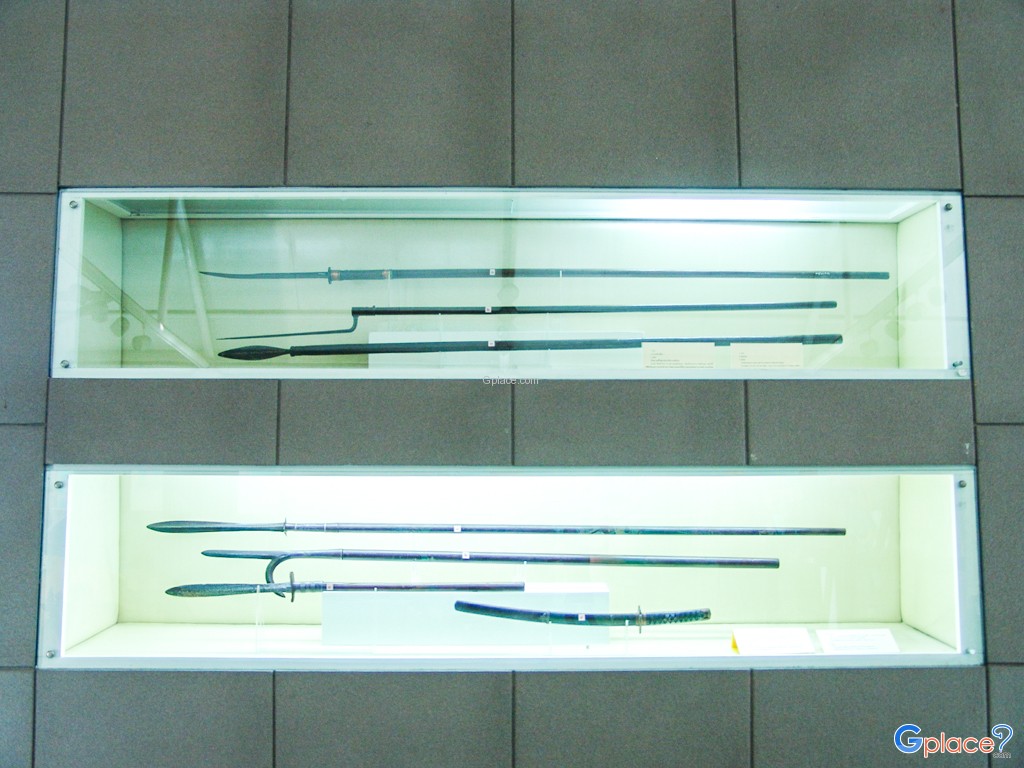
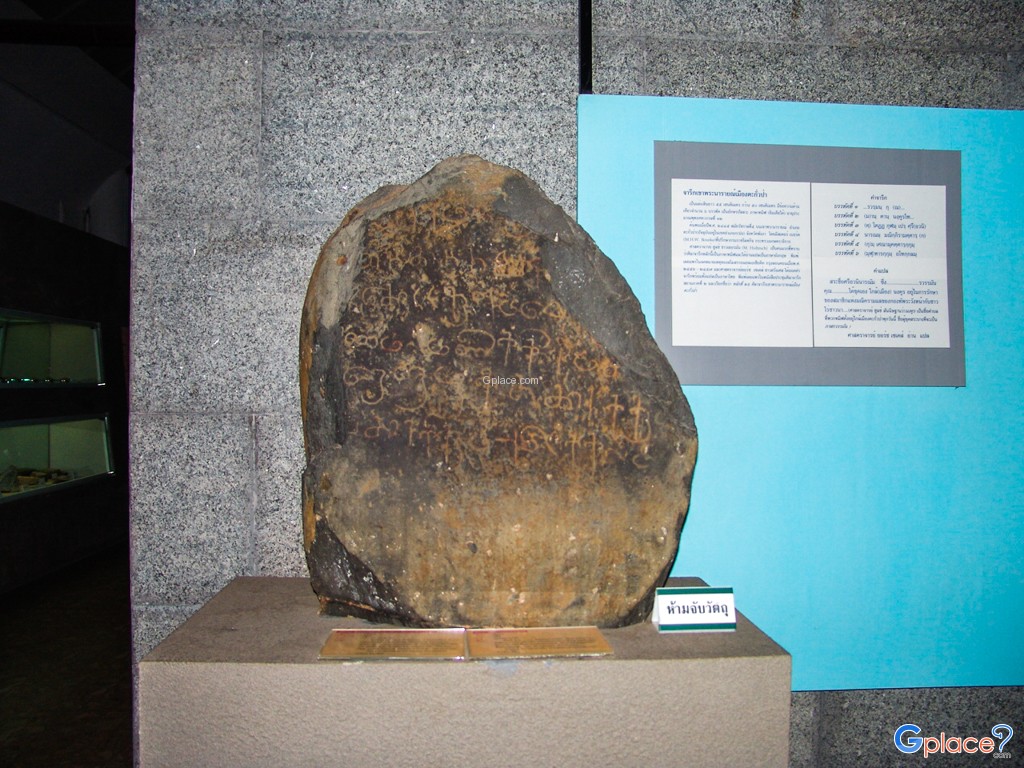
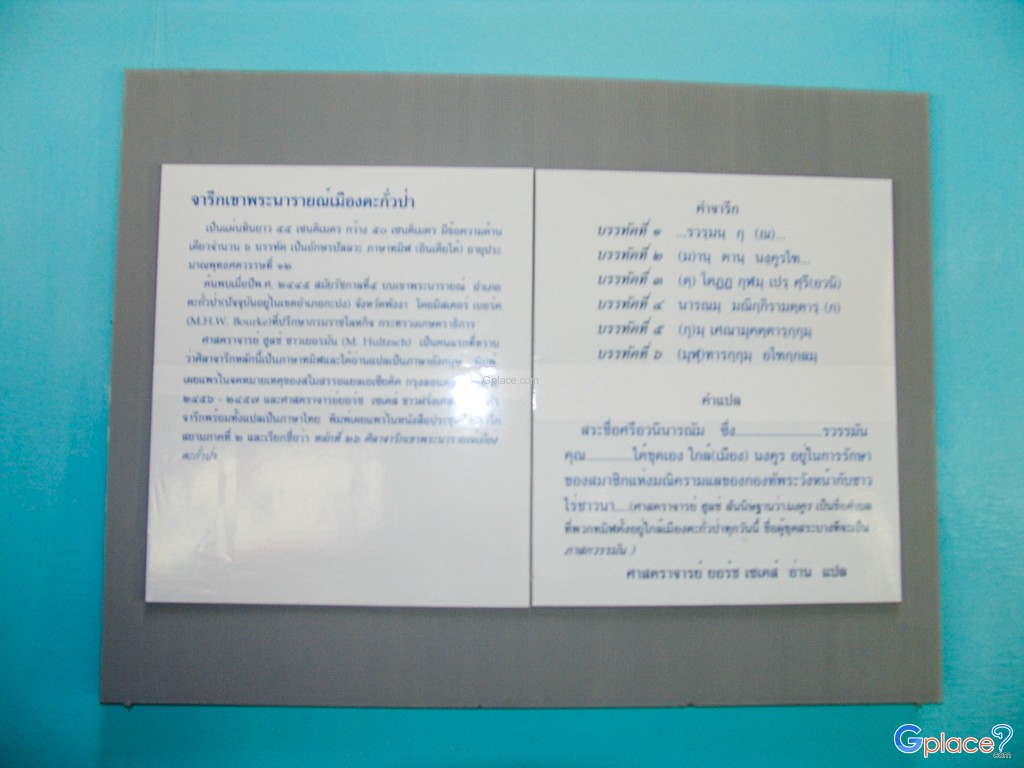

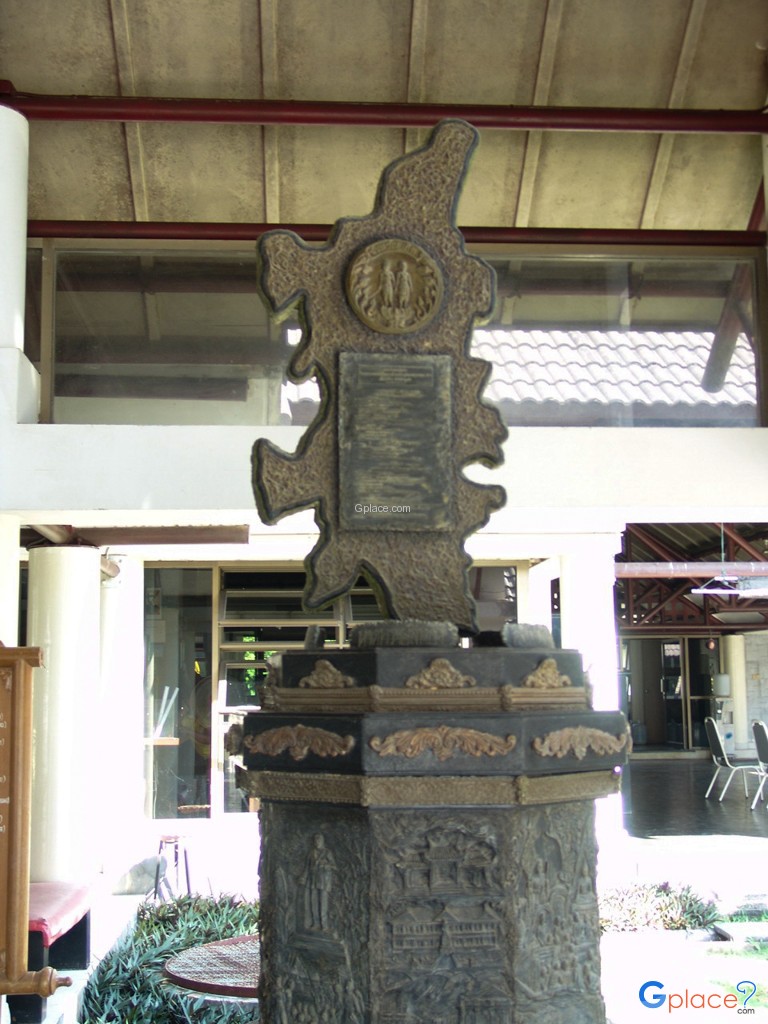
“Showcasing ancient Vishnu sculptures, the Battle of Thalang, and Sea Gypsy lore, this museum features local architecture alongside Phuket's rich tin mining and cultural history.”
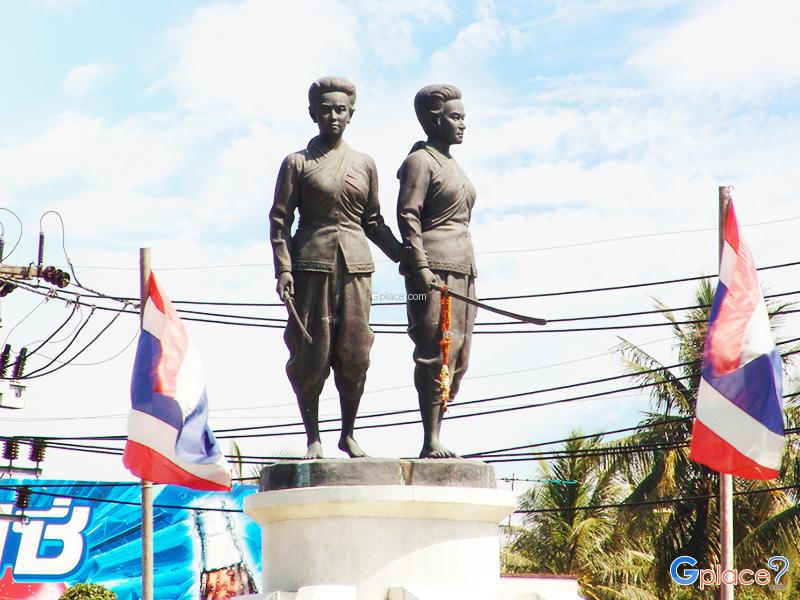
Thalang National Museum is one of the most important historical, archaeological, and cultural learning centers in Phuket and the Andaman region. It was established through a collaboration between local residents and the Fine Arts Department as a memorial to the heroism of Thao Thep Krasattri and Thao Si Sunthon in the Battle of Thalang in 1785. This significant event reflects the unity and bravery of the townspeople in defending their land from Burmese invasion.
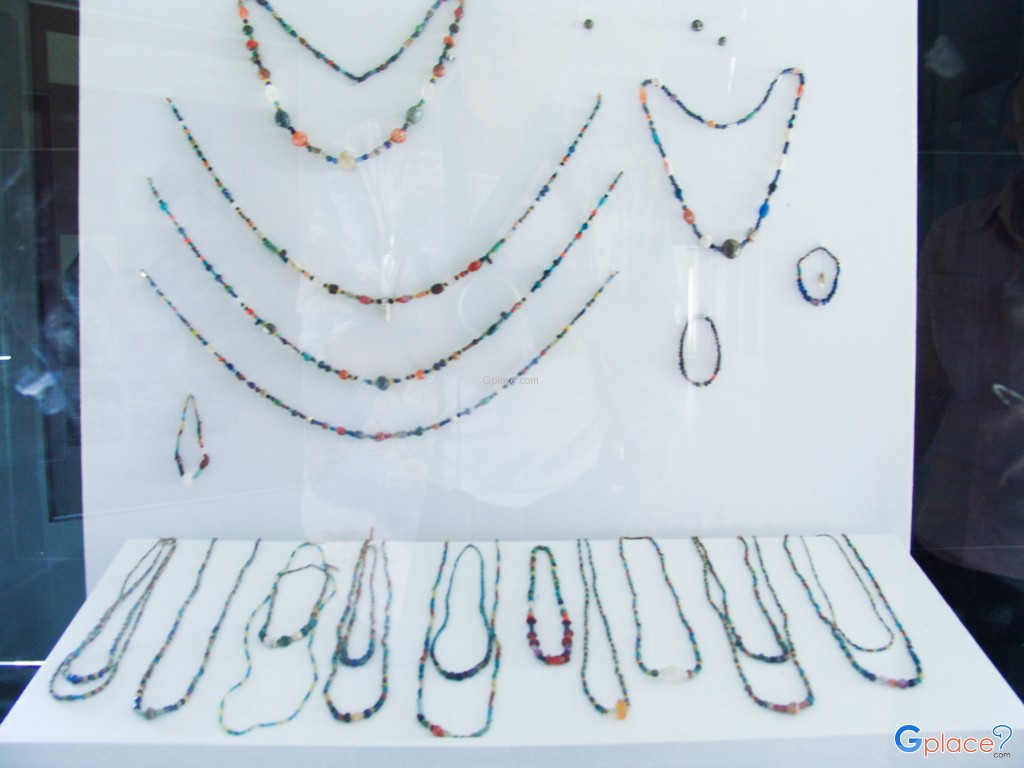
Officially opened in 1989, the museum serves as a central hub for collecting and disseminating knowledge about the development of Phuket from the past to the present. The exhibition halls are divided into several rooms, systematically presenting a narrative starting from the prehistoric era of the southern peninsula, geological and archaeological evidence, to the earliest human settlements on the Andaman coast. This reflects Phuket's importance as a trade and cultural link since ancient times.
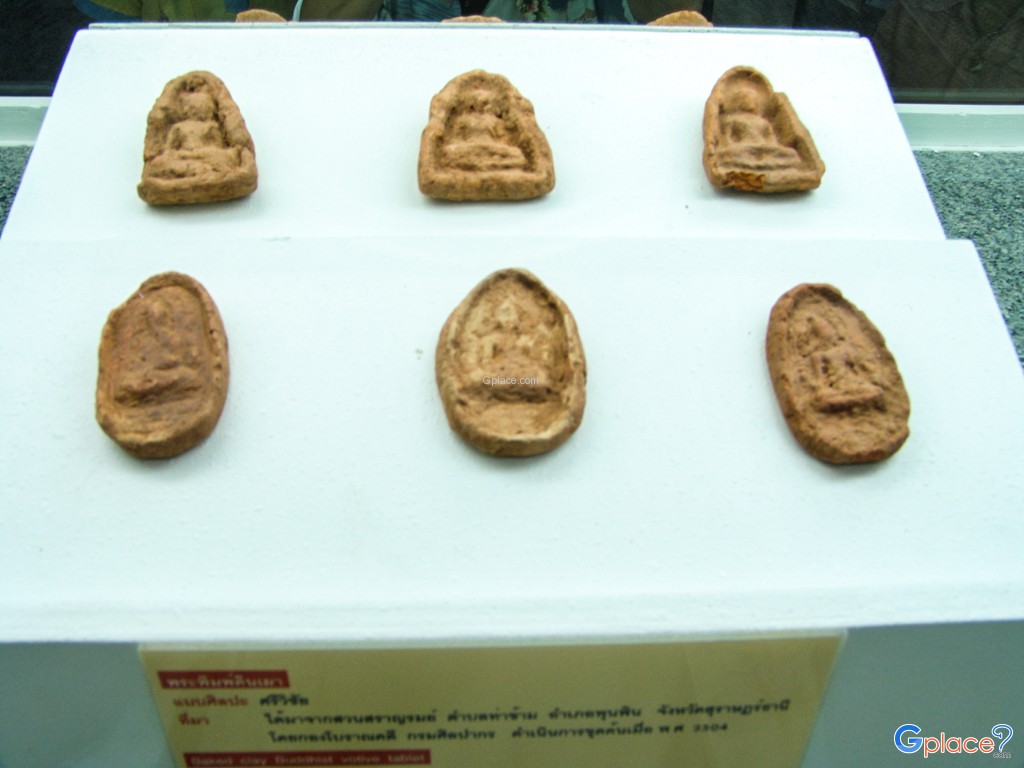
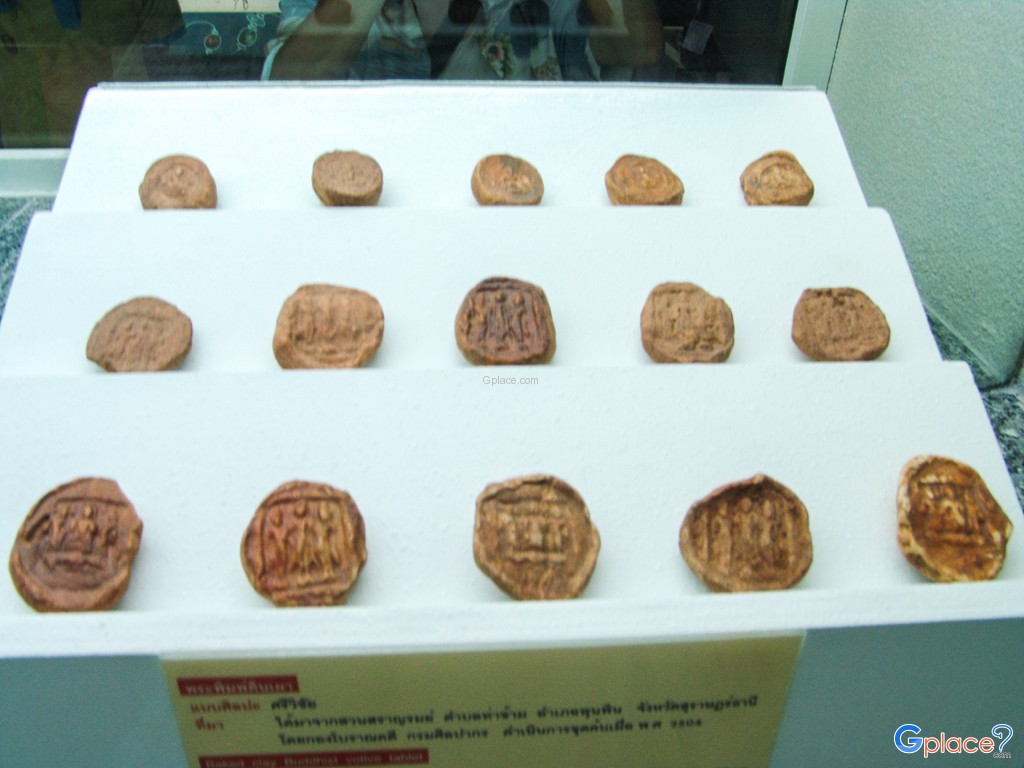
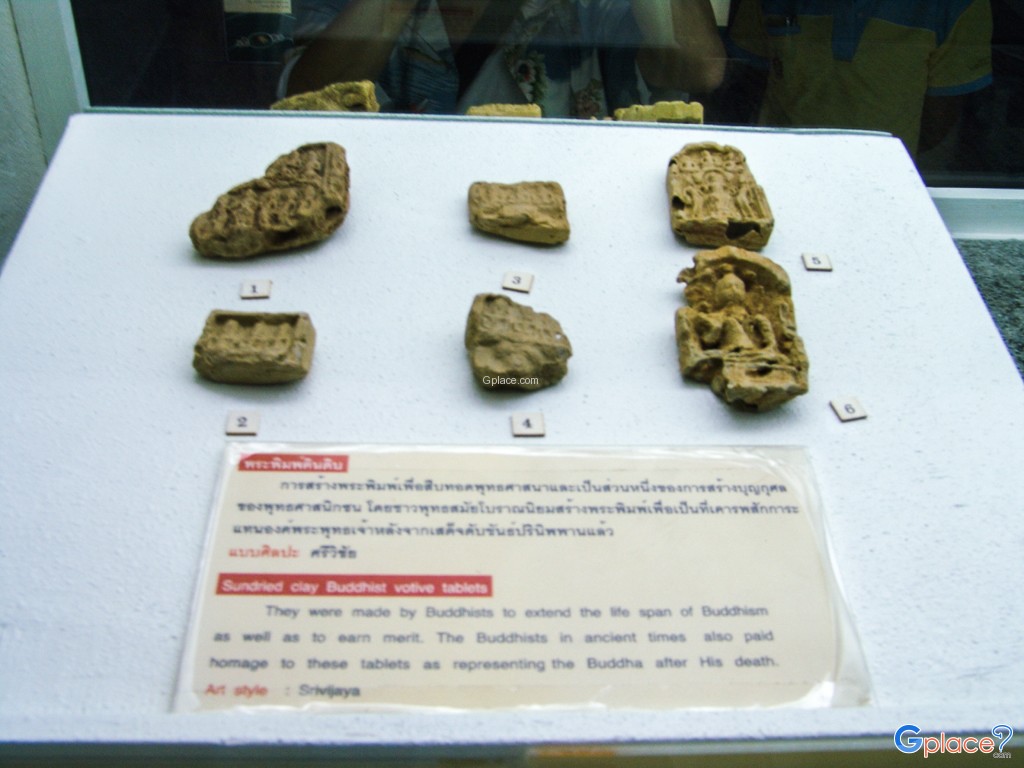
One of the most outstanding exhibits is the "Battle of Thalang" zone, which recreates the event using models and displays to realistically portray the story of the two heroines. This allows visitors to gain a deep understanding of the historical context and the city's defense strategies. The museum also displays important artifacts, such as a centuries-old stone sculpture of Vishnu from a nearby area, reflecting the influence of art and religion from the flourishing Srivijaya era in this region.
Another important aspect the museum presents is the development of Phuket society during the 19th century, particularly the flourishing of the tin mining industry. This was a major factor in the migration of Hokkien Chinese to settle in the area, resulting in a cultural blend that shaped the unique Baba-Nyonya identity still evident in the lifestyle, architecture, and traditions of Phuket today.
Furthermore, the museum presents the stories of various ethnic groups residing in Phuket, such as the Sea Gypsies (Moken/Andaman Sea Gypsies), Muslim communities, and Thai Buddhists, through exhibitions showcasing their diverse lifestyles, beliefs, and cultures. This reflects the multicultural society that has shaped Phuket's unique identity today. These exhibits make the museum more than just a repository of artifacts; it's a learning space that helps visitors deeply understand the roots and identity of Phuket.
How to Get There
- From Phuket Town, take Thep Krasattri Road (Route 402) heading north until you reach the Heroines Monument roundabout. Turn right onto Si Sunthon Road (Route 4027) and drive for about 200 meters. The museum will be on your left.
Travel Tips
- Visit in the morning to avoid heat and have enough time to explore
- Allow at least 1–2 hours for a complete visit
- Reading exhibit descriptions enhances your understanding
- Photography is allowed in some areas; check signs carefully
Admission Fees:
-
Thai Citizens: 20 THB
-
Foreigners: 100 THB
(Free entry for students in uniform and senior citizens)
Opening Hours:
- Wednesday – Sunday (Closed on Mondays, Tuesdays, and Public Holidays) from 09:00 AM – 04:00 PM.
Thalang National Museum

 Share
Share
 T.Sri Sunthorn, A.Thalang, Phuket, 83110
Map
T.Sri Sunthorn, A.Thalang, Phuket, 83110
Map
 Closed today
Mon -
Tue -
Wed9.00 - 16.00
Thu9.00 - 16.00
Fri9.00 - 16.00
Sat9.00 - 16.00
Sun9.00 - 16.00

 https://www.thai-tour.com/thai-tour/south/phuket/data/place/pic-thalang-museum.htm

 4440
4440